Commercial growers often do everything right in veg and flower, yet still struggle with inconsistent yields, uneven growth, and unpredictable output across rooms. The issue is rarely effort. It is usually the absence of tightly controlled environmental design and repeatable operational systems.
Research shows that plants grown under elevated canopy lighting structures produced 33% more biomass than those under traditional overhead lighting. This proves that yield depends heavily on how a grow is set up, not just on how plants are tended.
This guide breaks down cannabis cultivation best practices that turn good growing into consistent, high-performance production in 2026.
Quick takeaway:
- Avoid early process mistakes by defining workflows, choosing strains that fit your facility, setting rooms before plants arrive, and coordinating team tasks from day one.
- Match genetics to environment by selecting strains based on yield behavior, flowering time, plant structure, and resilience to your specific room conditions.
- Standardize veg and flower practices by controlling transplant timing, training methods, feeding schedules, canopy management, and light discipline.
- Prevent problems before they appear by making IPM, airflow control, humidity stability, and sanitation part of the daily routine.
- Track growth data and use structured scheduling by recording stage progress, environmental readings, labor timing, and harvest results while using a cultivation platform to plan and coordinate every step.
Where Do Cannabis Cultivators Go Wrong?
Many cultivation problems start with small planning gaps. These compound into yield loss, uneven growth, pest pressure, and operational stress across the cycle.
Common early mistakes growers make:
- Starting Without A Defined Process: Relying on experience instead of a documented workflow creates inconsistency across rooms and teams.
- Choosing Strains Without Operational Fit: Selecting popular genetics instead of strains suited to the facility layout and environment limits performance.
- Setting Up Rooms After Plants Arrive: Adjusting temperature, lighting, and airflow mid-cycle forces plants to adapt under stress.
- Ignoring Data From Previous Cycles: Failing to record and review results leads to repeated mistakes and missed improvement opportunities.
- Poor Task Coordination Among Staff: Lack of clear scheduling and communication causes delays in critical cultivation steps.
Avoiding these early missteps starts with selecting the right genetics and strains that match your cultivation goals and facility setup. This is explained in the next section.
Suggested Read: Top 8 Things to Know to Start a Commercial Cannabis Grow
Importance Of The Right Genetics And Strain Selection
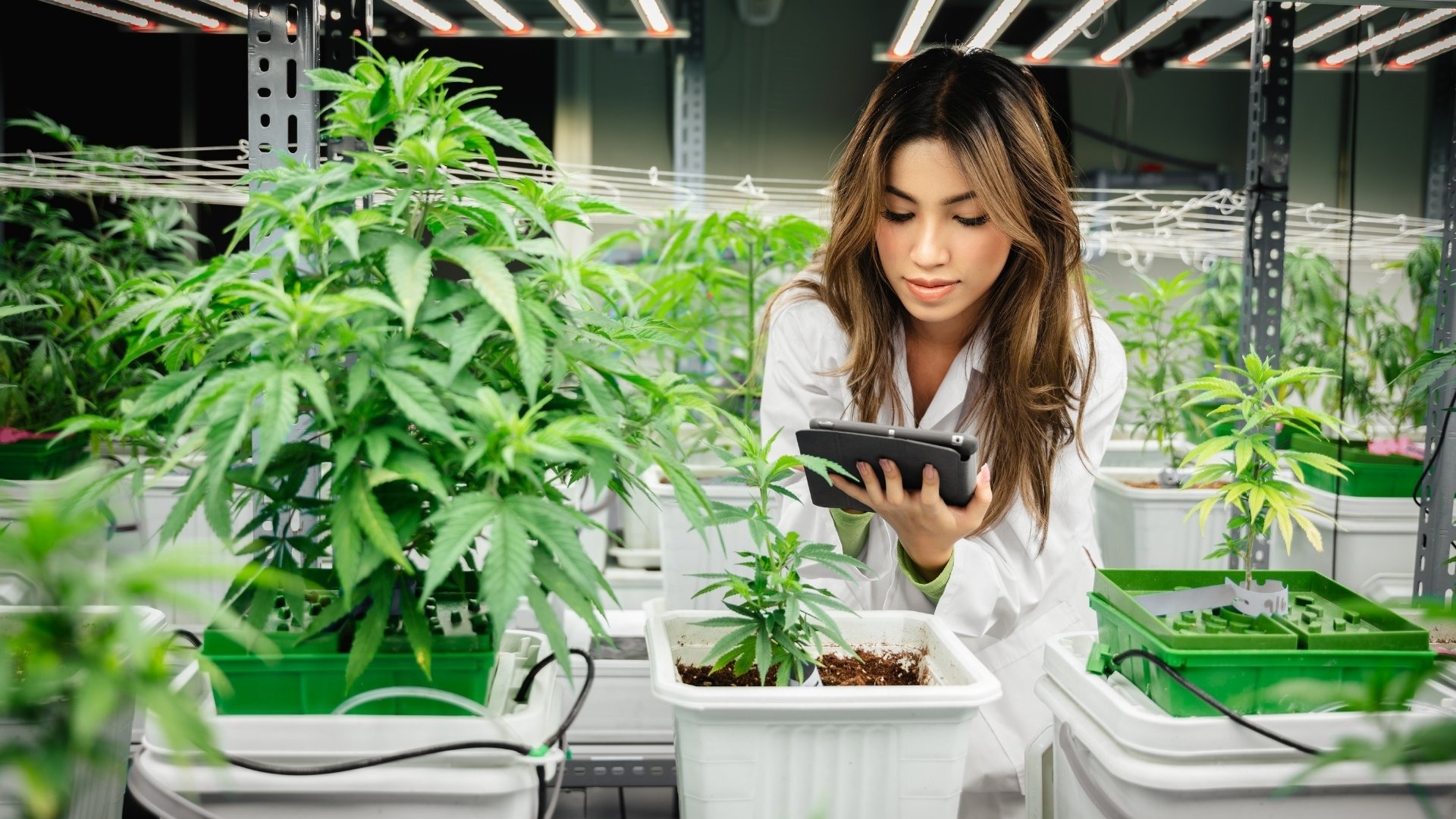
Every cultivation decision that follows depends on the genetics you start with. Yield potential, plant structure, flowering speed, and environmental tolerance are built into the strain long before you begin growing.
Things to consider when selecting your cannabis strains:
1. Yield Potential And Plant Structure
Some strains are naturally built to produce dense, heavy flowers, while others stretch or grow airy, depending on their lineage. Choosing the wrong structure for your room setup can limit canopy efficiency and final output.
These examples show how plant structure and yield behavior differ by strain:
- OG Kush: Compact growth with dense buds, ideal for controlled indoor canopies
- Gorilla Glue (GG4): Heavy resin production with strong lateral branching and high yield potential
- Sour Diesel: Taller stretch and longer internodes, requiring more vertical space and training
2. Flowering Time And Operational Fit
Strains vary significantly in how long they take to flower, which directly affects how many harvest cycles you can run annually. Matching flowering time to your production schedule improves turnover and room utilization.
These examples show how flowering duration impacts planning:
- Critical Kush: Short flowering time suited for faster harvest cycles
- Amnesia Haze: Longer flowering period that requires extended room commitment
- Blue Dream: Moderate flowering time that balances yield and scheduling flexibility
3. Environmental Tolerance And Resilience
Some genetics handle humidity, temperature swings, and tight spacing better than others. Choosing resilient strains reduces stress, pest pressure, and mold risk.
These strains are known for environmental adaptability:
- Northern Lights: Tolerates temperature variation and is resistant to pests
- Gorilla Glue (GG4): Handles dense canopy environments with strong mold resistance
- Afghan Kush: Hardy genetics suited for varied growing conditions
Once the right genetics are selected, the next step is designing an environment that allows these traits to perform at their best.
With PlanaCan, growers can create separate workflows and task templates for each strain. Automation helps schedule strain-specific feeding, training, and monitoring activities without relying on memory or manual coordination. Schedule a free demo.
Designing The Ideal Grow Environment Before Plants Enter The Room
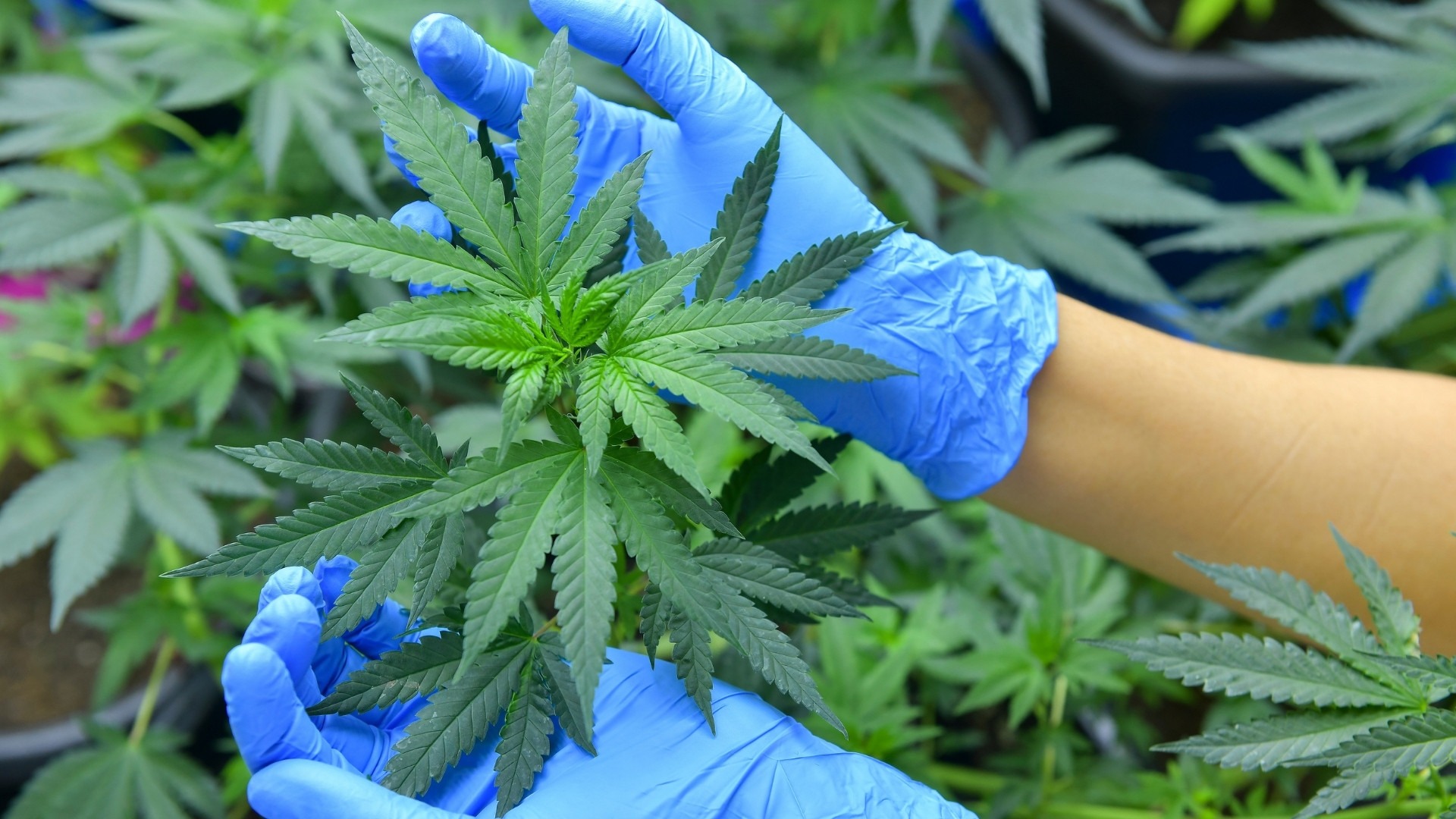
A well-designed grow room allows plants to express their genetic potential without stress or uneven development. If temperature, humidity, lighting, and airflow are not planned before plants arrive, growers spend the entire cycle correcting problems instead of optimizing growth.
Key environmental factors to set before planting:
- Temperature and Humidity Targets: Define stage-wise ranges for veg and flower to maintain stable VPD and avoid plant stress.
- Lighting Layout and Intensity: Position fixtures to ensure uniform PPFD across the canopy and eliminate hot spots or shaded zones.
- Airflow and Ventilation Planning: Create consistent air movement above and below the canopy to prevent microclimates and mold risk.
- Room Mapping and Plant Spacing: Plan plant density and bench layout to ensure even light exposure and easy staff movement.
- Sensor Placement And Monitoring Points: Install hygrometers, thermometers, and probes where plants actually grow, not just near doors or walls.
With the environment designed for consistency, the next step is building a vegetative workflow that takes full advantage of these conditions.
Suggested Read: Step-by-Step Guide to Advanced Cannabis Cultivation Techniques
How to Build A Repeatable Vegetative Workflow
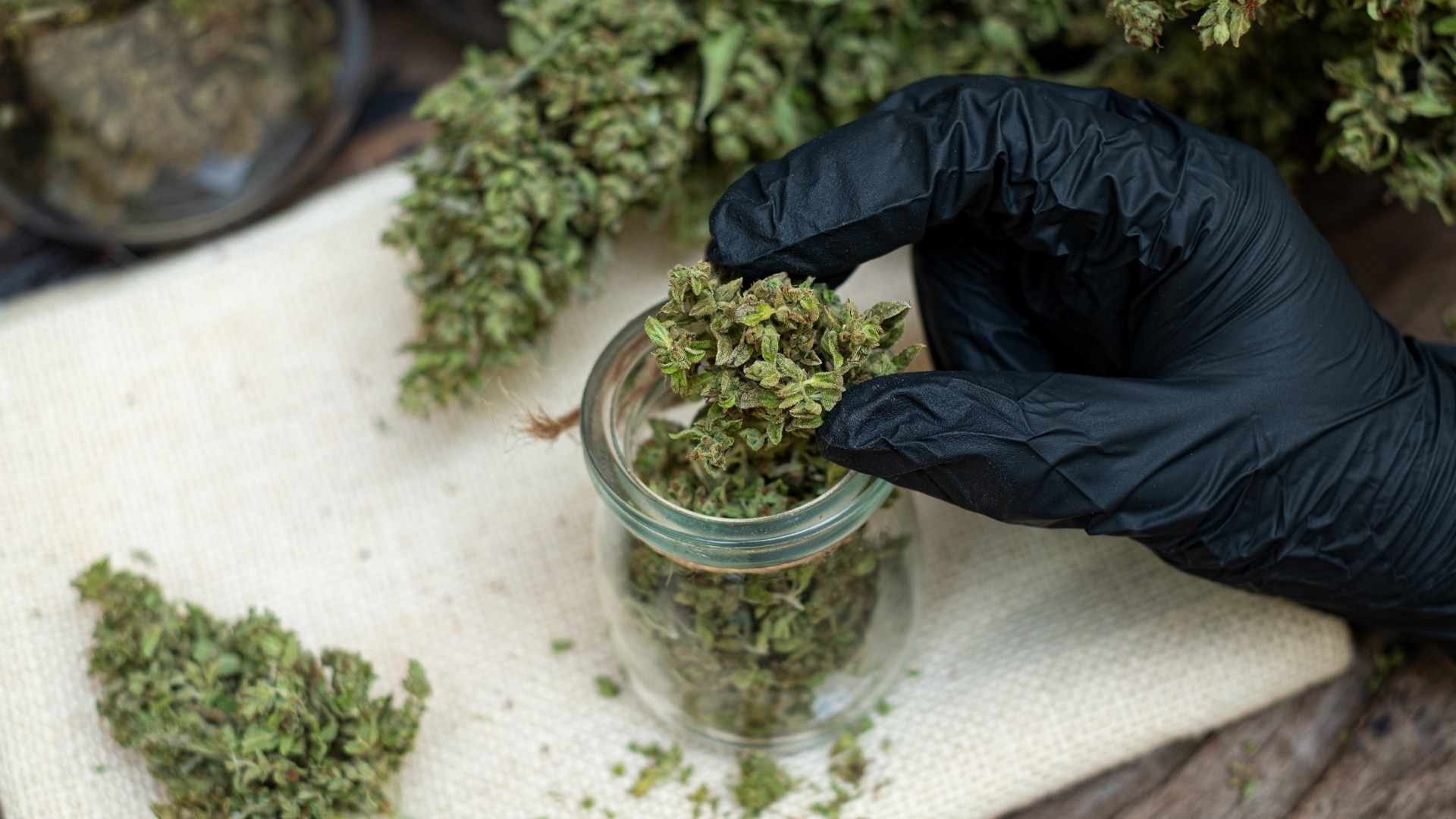
The vegetative stage sets the base for canopy shape, branch strength, and future bud sites. Inconsistent practices during veg often lead to uneven flowering, poor light distribution, and reduced yield potential later.
Core elements of a repeatable veg workflow:
1. Transplant Timing And Container Sizing
Transplanting at the right time prevents root binding and uneven plant development, which can affect the entire cycle.
Follow these actions to keep root growth consistent:
- Transplant when roots reach the edge of the container
- Increase pot size gradually, not drastically
- Water lightly after transplant to reduce shock
2. Training And Canopy Shaping Methods
Early plant training determines how many productive bud sites you create for flowering. Use these methods to shape a uniform canopy:
- Top plants after 4–6 nodes
- Apply low-stress training to spread branches outward
- Install trellis early to guide lateral growth
3. Nutrient And Irrigation Scheduling
Inconsistent feeding during veg leads to uneven growth and a weak structure. Keep feeding schedules predictable with these steps:
- Follow a stage-based nutrient schedule
- Water on a timing routine, not visual guesswork
- Check runoff occasionally to avoid salt buildup
4. Plant Spacing And Bench Management
Crowded plants compete for light and airflow, creating uneven growth. Maintain spacing with these actions:
- Keep an equal distance between containers
- Rotate plants if light coverage is uneven
- Avoid letting leaves overlap excessively
5. Routine Plant Inspections
Daily observation helps catch stress before it spreads across the room. Make inspections part of the routine with these checks:
- Look for leaf discoloration or drooping
- Check stem strength and upright growth
- Watch for early signs of pests or mold
With a consistent vegetative process in place, growers can move into flowering with a canopy that is prepared to maximize light, airflow, and yield. This is discussed in the next section.
Suggested Read: Step-by-Step Guide on How to Start Growing Cannabis Indoors
Flowering Stage Controls That Directly Affect Yield
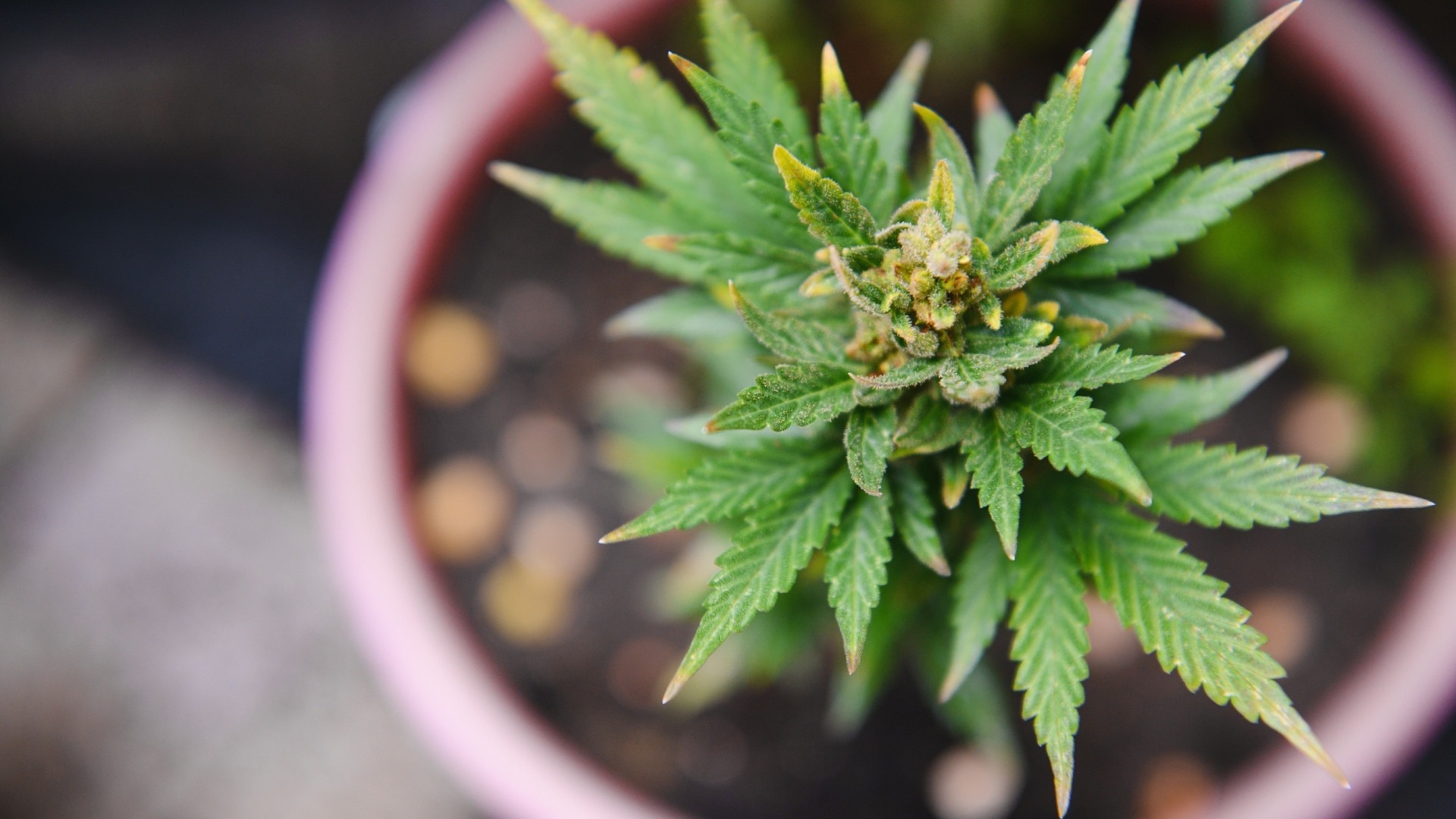
The flowering stage is where structure turns into weight, and small control errors become measurable yield loss. Light discipline, canopy airflow, and nutrient shifts during this phase directly influence bud density, resin production, and final output.
Critical flowering controls to maintain:
- Light Cycle Discipline: Maintain strict 12/12 timing without interruptions to prevent plant stress and irregular bud formation.
- Canopy Management and Defoliation: Remove excess leaves strategically to improve light penetration and airflow through bud sites.
- Nutrient Transition And Monitoring: Shift from vegetative nutrients to bloom formulations based on plant signals, not fixed dates.
- Airflow Through The Canopy: Ensure consistent air movement to prevent humidity pockets around dense flowers.
- Environmental Stability: Maintain steady temperature and humidity to avoid stress during bud development.
PlanaCan offers interactive calendars to help growers map each flowering task to specific days in the cycle, ensuring nothing is missed. Automated task reminders help teams execute defoliation, feeding changes, and inspections on time. Try PlanaCan for free.
Need for Routine Integrated Pest And Mold Prevention (IPM)
Pests and mold rarely appear suddenly. They build up quietly when inspection, airflow, and sanitation are not part of a daily routine.
Essential IPM practices to follow:
- Scheduled Plant Scouting: Inspect leaves, stems, and undersides daily for early signs of pests or mildew.
- Sanitation Between Tasks: Clean tools, gloves, and work surfaces to prevent cross-contamination between rooms.
- Airflow and Humidity Control: Maintain consistent airflow and stable humidity to prevent mold-friendly microclimates.
- Preventive Treatments: Use approved preventive sprays or biological controls before infestations begin.
- Staff Awareness and Training: Ensure team members recognize early signs of pests or mold.
The focus of the next section is on controlling irrigation, feeding, and runoff to maintain healthy plant development.
Suggested Read: Simple Steps and Tips for Harvesting Cannabis
Harvest, Drying, And Curing As Yield Protection Stages
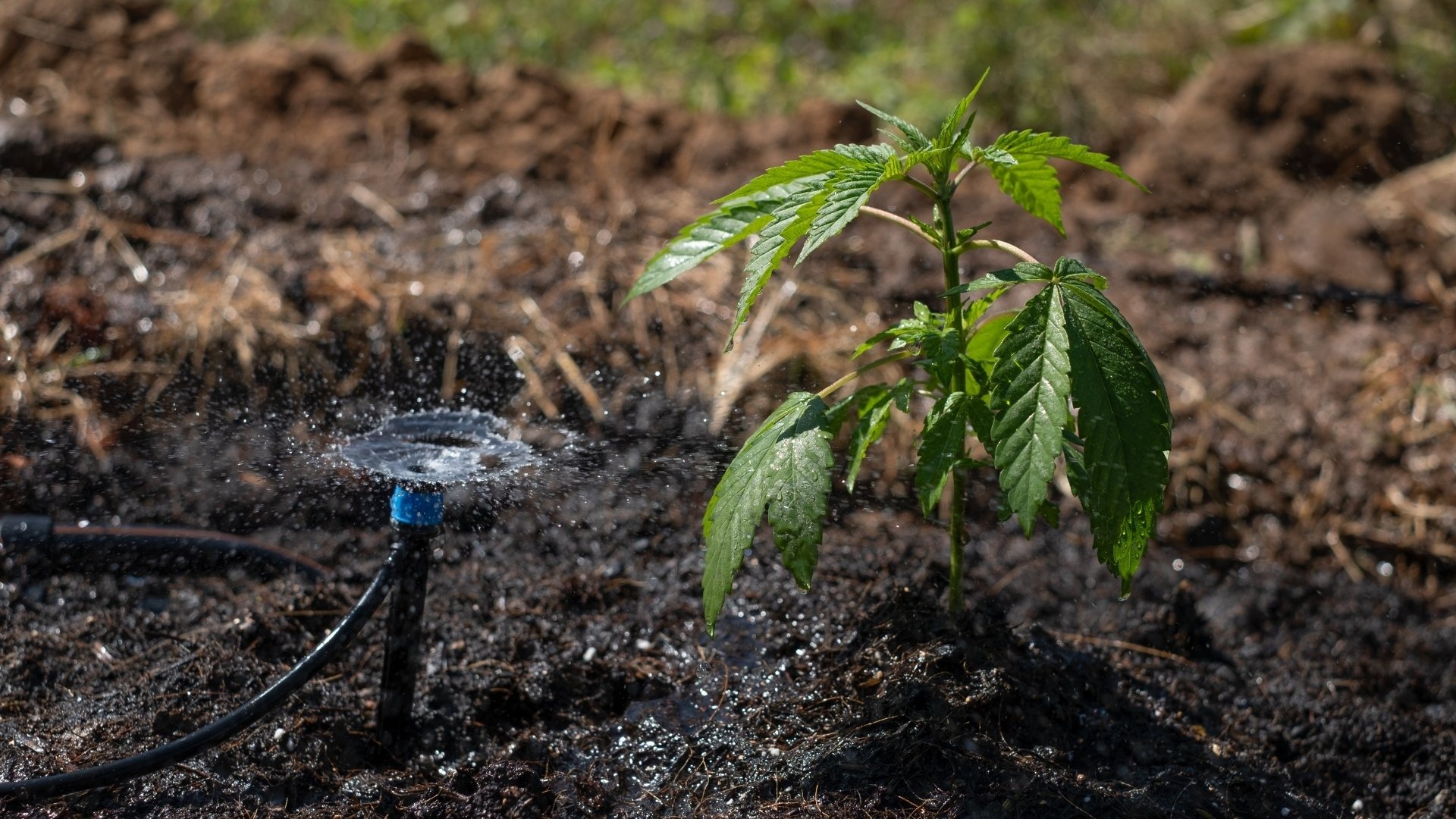
The final stages of cultivation determine how much of your hard-grown yield you actually keep. Mistakes here do not show on the plant but appear later as lost weight, damaged trichomes, or reduced quality.
Best practices during the important stages of cannabis cultivation:
1. Harvest
The way plants are cut and handled directly affects trichome retention and bud integrity. These tips help protect the yield during harvest:
- Cut plants gently and avoid shaking branches
- Hold stems instead of touching flower surfaces
- Stage tools and labels before cutting begins
2. Drying
Drying removes excess moisture, but it must be controlled to prevent overdrying or mold. These steps keep drying conditions stable:
- Maintain roughly 60–70 °F and 45–55 % RH
- Ensure gentle, even airflow without direct fan blast
- Hang branches with enough space to avoid contact
3. Curing
Curing stabilizes internal moisture and preserves terpene quality before storage. These practices ensure proper curing:
- Use airtight containers filled only 70–75 % full
- Burp containers daily during the first week
- Use humidity packs to maintain 58–62 % RH
To make these stages consistent across teams and cycles, growers rely on clear standard operating procedures that remove guesswork from daily tasks.
Suggested Read: Emerging Trends and Solutions in Cannabis Technology
Standard Operating Procedures (SOPs) That Reduce Human Error
As teams grow and rooms multiply, verbal instructions and memory-based work create inconsistency. SOPs turn cultivation into a checklist-driven process where every task is performed the same way, every time.
When these steps are documented and followed consistently, cultivation becomes predictable rather than reactive. The next step is understanding why tracking growth data is essential for improving each cycle.
Suggested Read: Cannabis Growing Calendar: Stages and Timeline
Why Should Cannabis Cultivators Bother About Growth Data?
Plants repeat patterns even when people do not notice them. Growth data reveals where yield is gained, where it is lost, and which practices truly make a difference across cycles.
What growth data helps you understand:
- Vegetative Growth Speed: Compare how quickly different strains or rooms reach transplant and training stages.
- Feeding and Irrigation Response: See how plants react to nutrient schedules and watering routines over time.
- Environmental Impact on Growth: Identify how temperature and humidity shifts affect plant development.
- Labor Efficiency During Stages: Measure how long tasks take and where delays affect plant care.
- Yield Patterns By Room And Strain: Connect early growth practices to final harvest results.
This kind of visibility becomes far more powerful when managed through a cultivation platform that automatically captures, organizes, and analyzes it.
Use PlanaCan To Run A Successful Grow
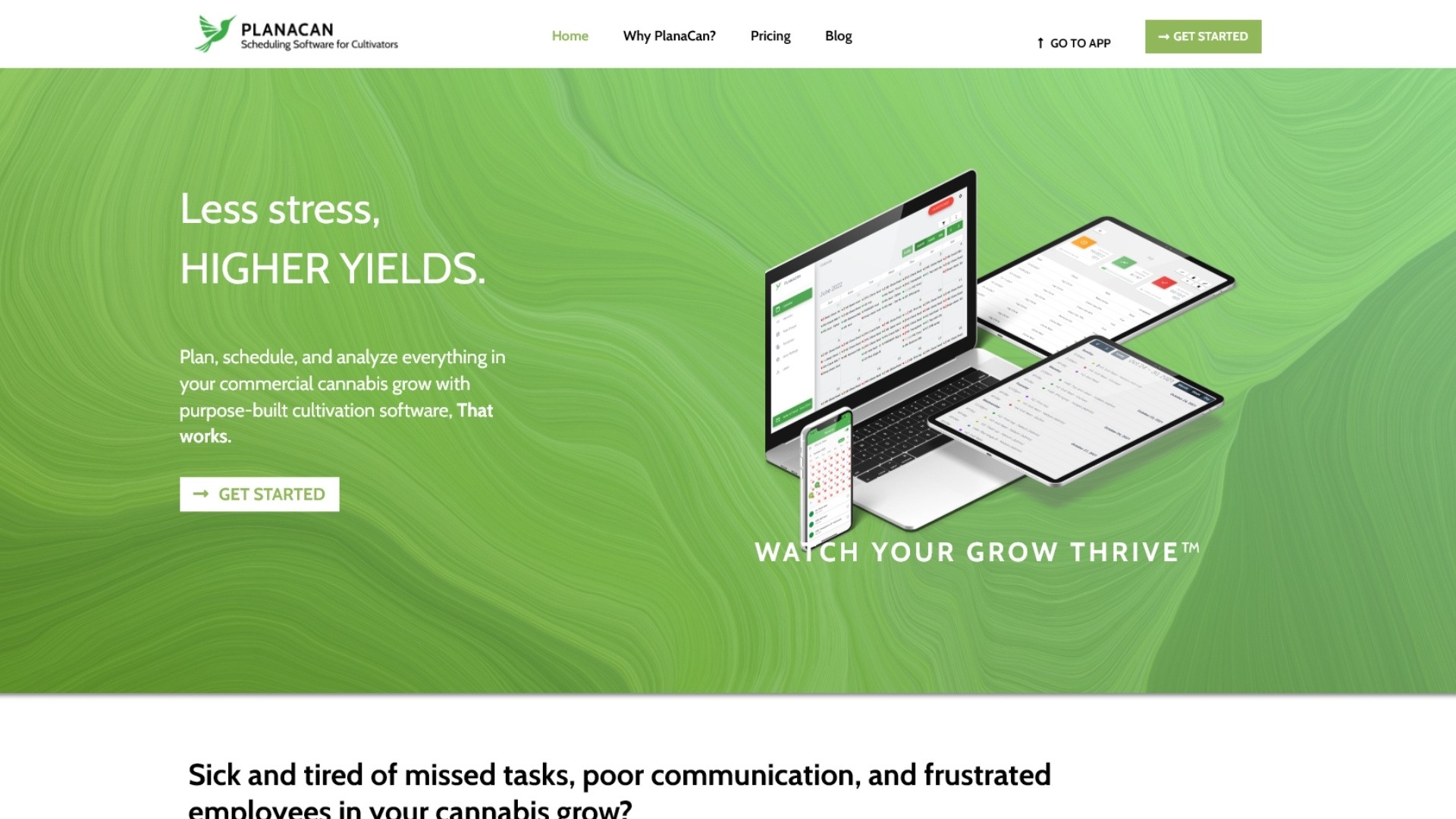
PlanaCan is cultivation management software built for commercial cannabis operators who need clarity, coordination, and consistency across rooms and teams. It replaces scattered notes, spreadsheets, and verbal instructions with a single system that plans work, guides execution, and captures results.
How PlanaCan supports best practices across the grow:
- Structured Scheduling Across Stages: Plan veg, flower, harvest, drying, and curing tasks in advance so teams always know what happens next.
- Visual Calendar For Room Management: See what each room is doing on any day and prevent overlaps, delays, or labor conflicts.
- Mobile Team Alerts And Communication: iOS and Android notifications tell staff exactly when to transplant, train, defoliate, cut, hang, or burp.
- Workflow Templates By Strain Or Room: Create separate task flows for different genetics and environments without confusion.
- Analytics and Historical Records: Track growth stages, harvest weights, labor time, and environmental notes to improve each cycle with data.
- Standardized SOP Execution: Turn checklists into assigned tasks so every step is followed consistently across the facility.
PlanaCan helps growers keep more of what they grow by turning daily cultivation into a predictable, measurable system. Start a free trial and see how structured scheduling and visibility can improve your operation.
Conclusion
Small gaps in the process compound across the cycle and show up as uneven growth, pest pressure, inconsistent yields, and avoidable stress for teams. What feels like a plant problem is often a workflow problem that started long before harvest. Without structure, even skilled growers struggle to replicate good results from room to room.
PlanaCan brings that structure by turning cultivation best practices into scheduled tasks, clear workflows, team alerts, and measurable records that guide every stage from veg to cure. It helps growers replace memory and guesswork with visibility, coordination, and data.
If you want consistent yields instead of unpredictable outcomes, start managing cultivation as a system. Schedule a free demo.
Frequently Asked Questions
1. What are the most important factors in cannabis cultivation?
Genetics, environmental control, consistent veg and flower workflows, preventive IPM, and careful harvest, drying, and curing practices all determine final yield and quality.
2. How do you increase cannabis yield consistently?
Increase yield by standardizing training, feeding, environmental settings, and harvest handling so plants grow and finish under repeatable, optimized conditions every cycle.
3. What environmental conditions are best for cannabis?
Stable temperature, humidity aligned with VPD, uniform lighting, and steady airflow across the canopy create ideal conditions for healthy, even plant growth.
4. How do commercial growers prevent pests and mold?
They follow routine scouting, sanitation, airflow control, humidity management, and preventive treatments rather than reacting after infestations appear.
5. Why is tracking growth data important in cultivation?
Growth data reveals patterns in plant response, labor timing, environmental impact, and yield results that help growers refine practices in future cycles.