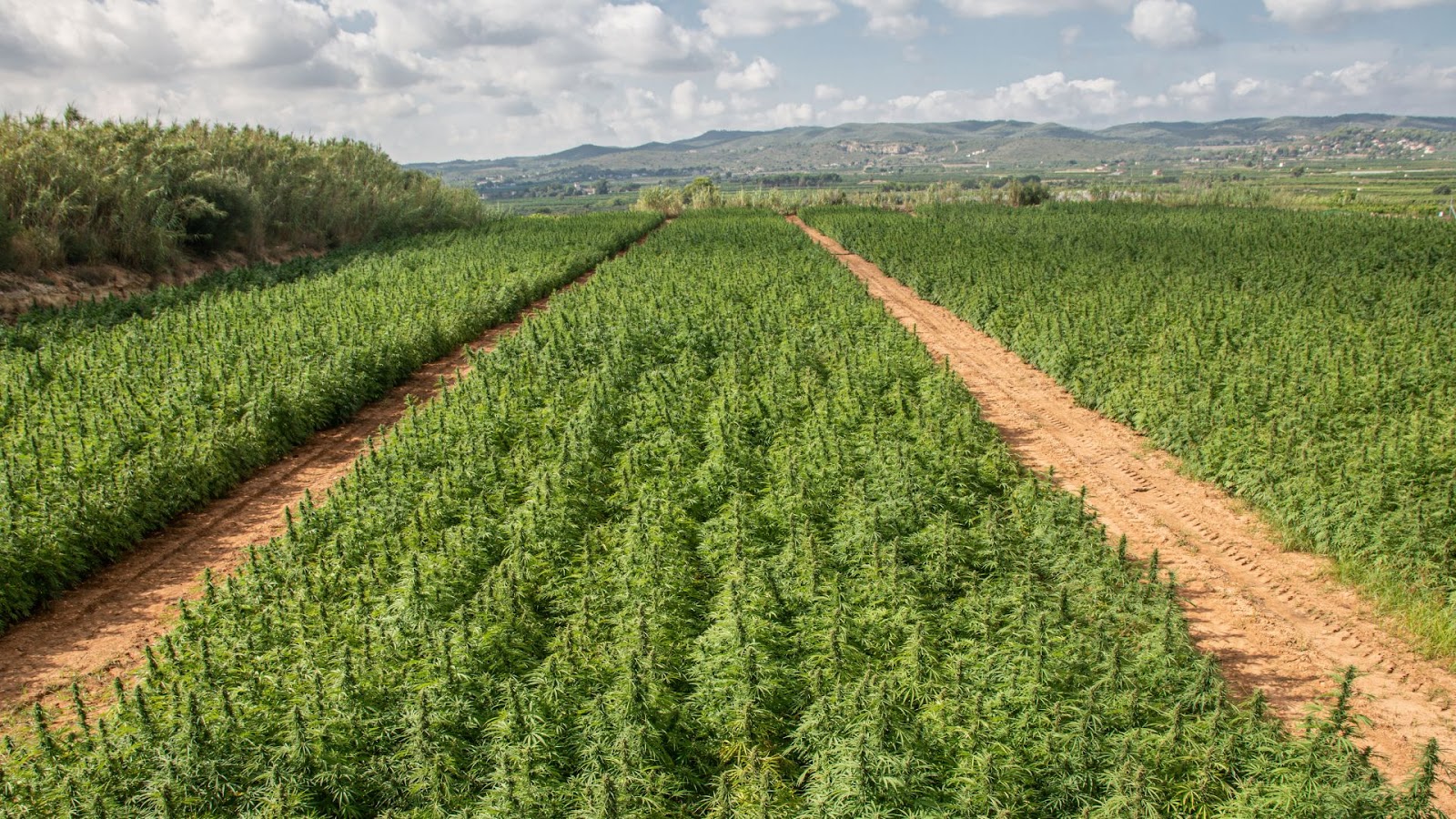
The U.S. cannabis market was valued at $38.5 billion in 2024 and is expected to grow at over 11% annually through 2030. This growth offers enormous opportunities for new commercial weed growers, yet it comes with strict regulations, high start-up costs, and operational complexities that can overwhelm even experienced cultivators.
Are you prepared to handle compliance audits while keeping your team on schedule? Do you know how much cash flow you will need before your first harvest is profitable? This guide outlines seven essentials to help commercial cannabis growers start strong and avoid costly pitfalls.
Key Takeaways
- Build a business plan that covers compliance, finances, and marketing before you begin cultivation.
- Select your facility type wisely, as it directly affects costs, control, and yield potential.
- Make compliance a daily habit with SOPs, track-and-trace systems, and regular audits.
- Adopt automation and AI to keep conditions consistent, improve scheduling, and use data for smarter harvest decisions.
- Use PlanaCan to centralize scheduling, communication, and reporting so your grow runs smoothly and profitably.
Essential 8 Things to Learn Before Starting Commercial Weed Growing

Starting commercial weed growing requires more than seeds and space; it demands structured planning, compliance, and long-term financial foresight. Every decision, from facility design to market research, directly impacts yield, costs, and future profitability.
New growers often underestimate the complexity of managing regulations, staffing, and technology while trying to scale production. Learning the seven essentials outlined here helps commercial cannabis growers reduce risks and set up operations that can succeed in a competitive market.
1. Business Planning for Commercial Cannabis Growers
Starting a grow without a business plan is one of the most common mistakes new commercial cannabis growers make. You are not just cultivating plants; you are running a regulated, high-cost business where every decision impacts compliance, efficiency, and profitability. A solid plan gives you a roadmap to scale responsibly and avoid costly surprises.
A strong cannabis business plan should include the following essentials:
Clear Business Goals
- Decide whether you want to operate as a boutique grow focused on premium strains or build toward multi-state production.
- Define the scope of your operation so you can align costs, staffing, and compliance from the start.
Compliance Planning
- Detail how you will meet licensing, reporting, and audit requirements specific to your state.
- Include processes for waste removal, product tracking, and staff training.
Operational Processes
- Outline logistics such as cultivation workflows, drying and curing, security protocols, and production schedules.
- Assign responsibilities across your team to ensure accountability.
Financial Forecasts
- Budget for costs per square foot (facility construction or rental, utilities, HVAC, and lighting).
- Factor in labor, licensing fees, security systems, and compliance technology.
- Include conservative revenue projections based on yield estimates and local wholesale pricing.
Here’s a simple table you can adapt to estimate costs:
Expense Category
Estimated Range (per sq. ft.)
Notes
Facility Build/Lease
$350–$450
Varies by indoor, greenhouse, or outdoor setup
Equipment & Utilities
$50–$100
HVAC, fertigation, lighting, irrigation
Licensing & Compliance
$50–$100
Depends on state regulations
Labor Costs
$100–$200
Growers, trimmers, compliance officers
Marketing Strategy
- Traditional advertising is restricted for cannabis businesses, so focus on B2B sales, dispensary partnerships, and networking with wholesale buyers.
- Plan for compliance with state laws around branding and consumer outreach.
Once your setup is ready and workflows are in place, the next challenge is planning and tracking them consistently. PlanaCan makes this simple with automated scheduling, interactive calendars, and centralized notes so you can execute your plan smoothly from day one.
2. Facility Setup for Commercial Weed Growing
Your facility is the backbone of your grow. Choosing between indoor, greenhouse, and outdoor setups will shape your costs, yields, and compliance obligations. Each option comes with trade-offs that you need to weigh carefully before making a long-term investment.
Here’s how the three main options compare:
Grow Type
Pros
Cons
Indoor
Full environmental control, year-round cycles, higher-quality consistency
High utility bills, expensive buildout, significant HVAC needs
Greenhouse
Balance of natural sunlight and environmental control, lower energy costs than indoor
Seasonal variability, mid-range setup costs
Outdoor
Lowest setup costs, scalable acreage, natural sunlight
Less control over pests, weather risks, limited to growing season
Beyond choosing your setup, you must also plan for the equipment and layout that keep operations running smoothly. Core equipment categories include:
- Environmental Controls: HVAC systems, humidifiers, and dehumidifiers to stabilize climate.
- Lighting and Irrigation: LED grow lights, fertigation systems, and drip irrigation to keep inputs precise.
- Processing Tools: Drying rooms, curing spaces, and trimming machines for post-harvest.
- Security: Cameras, access control, and state-required monitoring to stay compliant.
When planning your workflow layout, think about efficiency and compliance at the same time: design rooms for easy staff movement, ensure waste disposal is secure, and keep entrances monitored. State laws often mandate specific security rules, so factor those into your facility blueprint from day one.
Also Read: How to Grow Medical Marijuana: Step-by-Step Guide
3. Choosing Cannabis Seeds

The genetics you select at the start determine the quality, yield, and consistency of your grow. In commercial cannabis cultivation, poor seed selection can lead to uneven growth, weaker cannabinoid profiles, and higher risk of crop failure. Choosing the right seeds gives you control over production goals and helps you meet market demand.
Key factors you need to evaluate when selecting seeds include:
Strain Type
- Decide between indica, sativa, or hybrid strains depending on your target market.
- Hybrids often balance yield and cannabinoid consistency, making them popular for commercial production.
Seed Source
- Always buy from reputable, licensed breeders to ensure stable genetics.
- Avoid unreliable suppliers, as unverified seeds may create compliance or consistency issues.
Seed Type
- Feminized Seeds: Reduce risk of male plants, ensuring more consistent flower production.
- Autoflowering Seeds: Shorter growth cycles and less light sensitivity, suitable for faster turnover.
- Regular Seeds: Useful for breeding but less predictable for scaled operations.
Market Demand
- Research consumer trends to match strains with market preferences (high-THC, CBD-rich, or terpene-specific strains).
Align strain selection with your long-term branding and wholesale goals.
Here’s a quick overview of seed types and their advantages:
Seed Type
Best For
Considerations
Feminized Seeds
Commercial flower production
Higher cost but maximizes usable plants
Autoflowering
Faster harvest cycles, limited space
Lower yields per plant, great for smaller cycles
Regular Seeds
Breeding and genetic diversity
Risk of male plants, less predictable yields
4. Compliance Requirements for Commercial Cannabis Cultivation
Compliance errors shut down operations faster than pests or poor yields. In commercial cannabis cultivation, licenses can be revoked or suspended for issues as small as missing reports, untracked inventory, or improper waste disposal. Staying compliant protects your business, your staff, and your investment.
Key compliance areas you need to address include:
State Track-and-Trace Systems
- Systems like METRC and BioTrack are mandatory in many states to monitor plants from seed to sale.
- You must ensure every clone, transfer, harvest, and sale is logged accurately.
Standard Operating Procedures (SOPs)
- Every repeatable task—planting, trimming, waste removal—needs to be documented.
- SOPs make compliance auditable and reduce the risk of staff cutting corners.
Compliance Officer and Training
- Assign a compliance officer to oversee regulations, inspections, and documentation.
- Train staff regularly to keep them aligned with updated requirements.
Audits and Penalties
- Conduct internal audits before state inspections to catch errors early.
- Non-compliance penalties can include steep fines, suspension, or complete loss of license.
Here’s a quick overview of penalties tied to non-compliance:
Violation
Possible Penalty
Missing or incorrect reporting
Fines up to $50,000 (state dependent)
Failure in track-and-trace
License suspension or revocation
Improper waste handling
Facility shutdown, additional fines
Staying compliant doesn’t have to feel overwhelming. Schedule a call with PlanaCan today to see how automated scheduling, centralized task notes, and harvest reporting can keep your grow audit-ready and free from costly penalties.
5. Financing Options for Commercial Cannabis Growers

Financing is one of the toughest hurdles for new commercial cannabis growers. Because cannabis is still federally illegal, access to traditional banking and loans is limited. This makes accurate budgeting and creative funding strategies critical if you want to keep your operation running until the first profitable harvest.
You should prepare for a broad range of start-up costs, including:
- Licensing and Legal Fees: Application fees, renewals, attorney costs for state-specific licensing.
- Facility Buildout: Construction, design, and compliance-driven modifications.
- Equipment: HVAC, irrigation, fertigation systems, LED grow lights, trimming machines.
- Security: Cameras, access control, and alarm systems as mandated by regulators.
- Labor: Salaries for growers, trimmers, compliance staff, and security personnel.
Here’s a simplified cost breakdown to guide your planning:
Category
Estimated Range
Licensing & Legal
$50,000–$200,000
Facility Buildout
$300,000–$1,000,000+
Equipment & Supplies
$100,000–$500,000
Security
$50,000–$150,000
Labor (annual payroll)
$250,000–$500,000
Because federal banking services remain restricted, your funding sources will likely include:
- Private Investors: Common but often require giving up equity.
- Cannabis-Friendly Credit Unions: Provide limited lending options with stricter compliance checks.
- Specialized Lenders: Companies that serve cannabis exclusively, but usually with higher interest rates.
You should also plan for 12–18 months of operating costs before generating consistent revenue. Many grows underestimate this runway, leading to cash shortages that stall operations. Always compare loan terms, repayment schedules, and interest rates carefully to avoid getting locked into unsustainable agreements.
6. Regulatory Considerations in Commercial Cannabis Cultivation
Regulations can change from one state to another and shift quickly, making them one of the biggest risks in commercial cannabis cultivation. If you overlook zoning, licensing caps, or compliance timelines, your investment can be delayed or blocked altogether. Treat regulations as a business risk factor that you must plan for as carefully as your grow design.
Key regulatory areas you need to review before setting up operations include:
Zoning Rules
- Facilities often must be a set distance from schools, daycares, and residential areas.
- Municipalities may impose additional restrictions on odor control or waste disposal.
Licensing Caps and Cultivation Limits
- Some states cap the number of cultivation licenses available or limit canopy size.
- Missing an application window could mean waiting years for another opportunity.
Legal Expertise
- A cannabis attorney can guide you through licensing applications, contracts, and risk mitigation strategies.
- Attorneys also help interpret gray areas in state law, such as employee safety standards or wholesale agreements.
Here’s a quick snapshot of how regulations vary by state:
Regulatory Factor
Example
Zoning Distance
1,000 ft. from schools (California)
Licensing Caps
22 cultivation licenses (Nevada cap in early rounds)
Canopy Size Limit
10,000 sq. ft. for certain license types (Oregon)
7. Technology and AI in Commercial Weed Growing

Technology plays a central role in commercial weed growing because consistency is what drives profitability. If you cannot stabilize temperature, humidity, and lighting, yields suffer, and compliance risks increase. Using automation and AI tools ensures that critical variables stay constant, and you gain insights that help your grow scale responsibly.
Key technologies that you should consider integrating include:
Environmental Controls
- Automated HVAC and dehumidifiers regulate temperature and humidity.
- Light sensors and programmable LED systems help you maintain precise photoperiods.
Irrigation and Fertigation Systems
- Automated drip irrigation and fertigation keep water and nutrient delivery consistent.
- These systems reduce waste while minimizing human error.
Compliance Reporting
- Digital systems record environmental data, plant cycles, and inputs automatically.
- This creates audit-ready records without adding manual reporting tasks.
Artificial intelligence adds another layer of efficiency by:
AI Application
Benefit for Growers
Predictive Yield Analytics
Forecast yields more accurately, plan harvest cycles in advance
Anomaly Detection
Spot irregularities in growth patterns before they affect entire harvests
Smart Scheduling
Adjust staff tasks automatically based on plant cycle data
Also Read: Digital Tools and Technology in Cannabis Cultivation
8. Market Research and Strategy for Commercial Cannabis Growers
Market research is often overlooked, but it’s one of the biggest factors that separates successful commercial cannabis growers from those who fail early. You need to understand demand, price trends, and competition before committing resources to facility buildouts or expansion. Without reliable data, scaling a grow becomes a gamble.
When conducting research, focus on these areas:
Local Demand
- Study consumer preferences in your target market: flower, pre-rolls, or concentrates.
- Track state-level consumption trends using reports from sources like New Frontier Data.
Wholesale Price Fluctuations
- Cannabis prices vary widely by region and season.
- Build financial models that account for price drops, which can erode margins quickly.
Competition Analysis
- Identify established players and the niches they serve.
- Research whether new licenses are being issued or if the market is saturated.
Branding also plays a critical role in long-term success. You should plan for:
- Differentiation: Define what sets your product apart—strain genetics, sustainability practices, or quality certifications.
- Product Consistency: Keep cannabinoid profiles, terpene levels, and overall quality uniform across batches.
- Trust Building: Align your brand with reliability and transparency to retain wholesale buyers and dispensary partners.
Here’s an example of how research insights can guide decisions:
Market Factor
Insight
Actionable Step
Wholesale Prices in State
Prices dropping 15% YoY
Focus on efficiency and cost control
Consumer Preference
Strong demand for concentrates
Invest in extraction partnerships
Competition
3 dominant growers in region
Differentiate with boutique, high-THC flower
Also Read: Tips on Outdoor Cannabis Growth from Seed to Harvest
Once you understand the seven essentials for starting a grow, the next step is finding tools like PlanaCan that make execution easier.
Why PlanaCan is the Smart Choice for Commercial Weed Growers
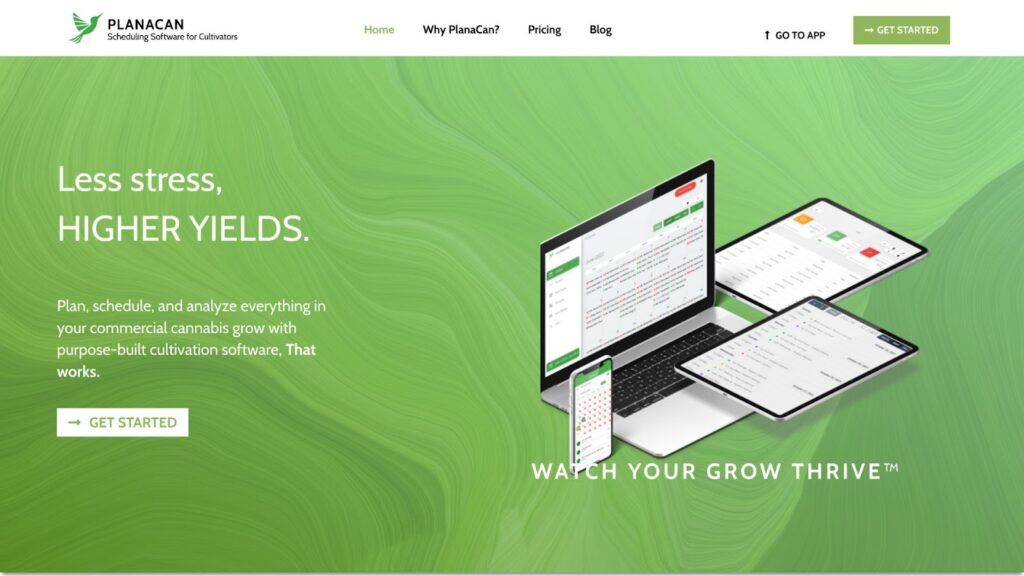
For many commercial weed growers, daily operations break down because of missed tasks, unclear communication, and inconsistent yields. Whiteboards, text chains, and scattered spreadsheets often make problems worse instead of keeping teams aligned. Without a reliable system, it becomes difficult to plan effectively and scale with confidence.
Here’s how PlanaCan simplifies your grow:
- Interactive Growth Calendar
Schedule daily and long-term tasks such as nutrient changes, lighting adjustments, or compliance checks. You can see the entire grow cycle at a glance and get timely reminders for critical steps. - Nutrient and EC Tracking
Record and monitor NPK ratios, EC levels, and pH values with precision. By analyzing trends, you can ensure plants consistently receive the right inputs for healthier growth. - Workflow Optimization
Organize team responsibilities, monitor task progress, and identify areas for improvement. PlanaCan centralizes all grow data in one system, and the intuitive mobile apps keep your staff aligned wherever they are. - Data-Driven Insights
Generate detailed reports to understand what’s working and where adjustments are needed. These insights help you refine methods over time, improving both yield and quality.
By addressing both daily coordination and long-term decision-making, PlanaCan helps you eliminate chaos and improve profitability.
Conclusion
Launching a cultivation business comes with challenges, but the seven essentials—solid business planning, facility setup, strict compliance, financing, regulatory awareness, technology integration, and market research, provide a clear path forward. When you approach each step with structure, you reduce risks, improve yields, and give your team the tools they need to succeed.
The cannabis industry will only grow, and those who begin with a disciplined strategy will be positioned to profit long-term. PlanaCan helps you turn complex operations into streamlined workflows so you can focus on producing high-quality harvests.
Schedule a call today and see how your grow can start strong and stay ahead!
FAQs
Q: How much capital should I plan for when starting a small commercial grow?
A: Most small grows require $750,000–$1 million for buildout, equipment, and licensing. Always budget for at least 12 months of operations.
Q: What compliance systems are essential for commercial weed growers?
A: State-mandated systems like METRC or BioTrack track plants from seed to sale. You’ll also need SOPs and secure audit-ready documentation.
Q: How do AI tools improve cannabis yields?
A: AI forecasts yield trends, detects anomalies early, and automates task scheduling. This reduces costly mistakes and maximizes plant health.
Q: Why is facility design critical for long-term success?
A: A well-designed facility streamlines workflow, reduces labor costs, and helps you meet regulatory standards without constant costly retrofits.
Q: How do wholesale price fluctuations affect commercial cannabis growers?
A: Prices often drop as more licenses are issued. Data-driven planning helps you adjust production costs and protect profit margins.
Q: What role does harvest reporting play in improving cultivation practices?
A: Harvest reports highlight which methods increase yields and quality. Analyzing this data helps you refine processes and reduce repeat errors.