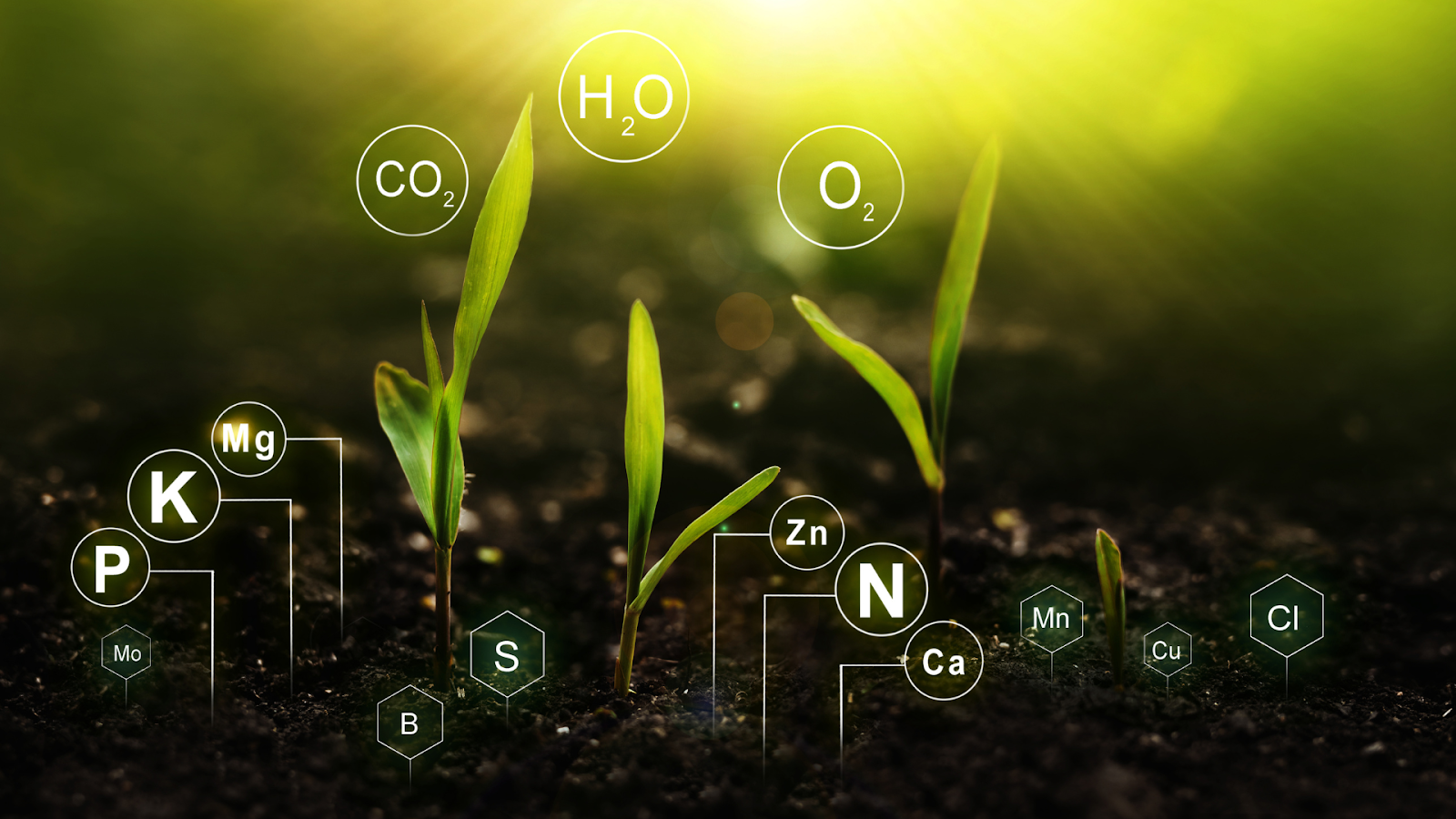
Getting the nutrient balance right can be one of the most frustrating parts of cannabis cultivation. Too much nitrogen, and your plants grow tall but weak. Too little potassium, and your buds may never reach their full potential.
The nitrogen (N), phosphorus (P), and potassium (K) ratio, or NPK ratio, guides how plants absorb nutrients at each stage. Each stage of cannabis growth demands a different nutrient mix.
This blog explains the ideal weed fertilizer ratio, helping cultivators optimize plant health, potency, and productivity.
Let’s start with the basics:
- NPK represents the percentage of Nitrogen, Phosphorus, and Potassium in fertilizers.
- The ideal ratio changes by growth stage: seedlings need low N, moderate P, and K. Vegetative stage requires higher N, and flowering benefits from higher P and K.
- Using wrong ratios or overfeeding can cause nutrient deficiencies, toxicities, stunted growth, and reduced bud quality in cannabis plants.
- Tailor the weed fertilizer ratio according to the plant’s stage and growing medium (soil, coco, hydroponics) to optimize nutrient absorption and prevent issues.
What Does NPK Ratio Mean?
The NPK ratio represents the percentage of the three primary nutrients, Nitrogen (N), Phosphorus (P), and Potassium (K), in a fertilizer. Each nutrient plays a specific role in plant growth, and the ratio guides growers on how much of each nutrient is supplied.
These are explained as follows:
- Nitrogen (N): Supports leaf and stem growth, promoting lush foliage and strong structural development.
- Phosphorus (P): Essential for root development and flower production, improving bud size and quality.
- Potassium (K): Improves water regulation, nutrient uptake, and overall plant resilience.
Example: A fertilizer labeled 3-4-2 contains 3% Nitrogen, 4% Phosphorus, and 2% Potassium, illustrating how ratios inform nutrient priorities.
Beyond NPK, there are other nutrients that play crucial roles in achieving a healthy, high-yield harvest.
Other Important Nutrients for a Healthy Yield
While Nitrogen, Phosphorus, and Potassium are the primary nutrients, several secondary and micronutrients are essential for optimal cannabis growth and yield. These nutrients support various physiological functions, strengthen plants, and improve overall resilience.
They are:
- Calcium (Ca): Builds strong cell walls and supports root development.
- Magnesium (Mg): Vital for chlorophyll production and efficient photosynthesis.
- Sulfur (S): Contributes to amino acids, proteins, and enzyme function.
- Iron (Fe): Necessary for chlorophyll formation and energy production.
- Zinc (Zn), Manganese (Mn), Copper (Cu): Trace elements that enhance enzyme function, hormone regulation, and stress resistance.
Ensuring your plants receive both macro- and micronutrients alongside the right NPK ratio lays the foundation for vigorous growth and abundant harvests.
Once these nutrients are balanced, the benefits of feeding your plants the correct weed fertilizer ratio become even more pronounced.
Benefits of Giving Your Plants the Right NPK Ratio
Properly adjusted ratios support overall health, optimize yield, and prevent nutrient-related problems, making your cultivation process more efficient and predictable.
Long-term benefits of the right NPK formula are:
- Enhanced Growth: Balanced NPK promotes robust leaves, stems, and root systems for vigorous vegetative development.
- Improved Flowering: Correct ratios during flowering increase bud size, density, and resin production.
- Prevention of Deficiencies and Toxicity: Maintaining the right NPK reduces the risk of nutrient imbalances that can stunt growth or damage plants.
- Optimized Resource Use: Targeted feeding avoids waste of fertilizers while maximizing plant absorption and efficiency.
By aligning nutrient supply with plant needs at each phase, you can set the stage for stronger, healthier harvests. This is discussed in the next section.
Ideal NPK Ratios by Growth Stage

Cannabis plants have varying nutrient needs at different stages of growth. Using stage-specific ratios prevents deficiencies, avoids nutrient burn, and maximizes overall yield.
1. Seedling Stage
Seedlings are highly sensitive and need gentle nutrition to develop their roots and first leaves. Overfeeding at this stage can easily stunt growth or damage delicate roots.
- Suggested NPK: Low Nitrogen, very low Phosphorus, low Potassium (e.g., 2-1-2).
- Practical Tips: Feed lightly and frequently; focus on establishing healthy roots and initial leaf development.
- Goal: Prepare plants for robust vegetative growth without stressing them.
2. Vegetative Stage
During vegetative growth, cannabis requires more Nitrogen to support rapid leaf, stem, and canopy development. This stage sets the foundation for flowering, so consistent nutrient supply is crucial.
- Suggested NPK: Higher Nitrogen, moderate Phosphorus, moderate Potassium (e.g., 3-1-2).
- Practical Tips: Adjust feeding based on leaf color and growth rate; monitor ECM to avoid excesses.
- Goal: Build strong, healthy plants with dense foliage and a solid structure.
3. Flowering Stage
Flowering shifts plant energy from vegetative growth to bud formation. Phosphorus and Potassium become more important for flower density, resin production, and overall yield quality.
- Suggested NPK: Moderate Nitrogen, higher Phosphorus, higher Potassium (e.g., 1-3-2).
- Practical Tips: Maintain stable ECM; avoid sudden spikes or drops in nutrient concentration.
- Goal: Promote large, dense buds with high resin content and terpene development.
4. Late Flowering / Pre-Harvest
As harvest approaches, nutrient supply is gradually reduced to prepare for flushing, which improves final bud quality and smoothens smoke.
- Suggested NPK: Low Nitrogen, moderate Phosphorus, moderate Potassium (e.g., 0-2-2).
- Practical Tips: Reduce Nitrogen gradually; continue Phosphorus and Potassium moderately to support final flower maturation.
- Goal: Enhance terpene and cannabinoid profiles while minimizing nutrient buildup.
PlanaCan helps you track and manage NPK ratios across all growth stages, providing stage-specific templates tailored to your cultivation setup. Its AI-driven scheduling ensures timely feeding and adjustments, reducing guesswork and nutrient imbalances.
The next step is to see how these ratios should be adjusted depending on the growing medium you are using, as soil, coco, and hydroponics each have unique nutrient dynamics.
Nutrient Formula for Different Growing Mediums
The type of growing medium you use can significantly affect how nutrients are absorbed by your cannabis plants. Each medium has unique characteristics that influence NPK availability, requiring tailored formulas for optimal growth.
These are a few tips for the right weed fertilizer ratio as pre the growing medium:
- Soil: Nutrients are naturally buffered, so slower-release fertilizers are ideal. Slightly lower NPK concentrations prevent nutrient burn, and organic amendments improve microbial activity.
- Coco Coir: An inert medium that drains quickly. Frequent feeding is necessary. Higher NPK levels may be required compared to soil, with careful monitoring of EC to avoid rapid fluctuations.
- Hydroponics: Nutrients are delivered directly to roots via solution, allowing control over NPK ratios. Quick adjustments are possible, but overfeeding can quickly harm plants, so frequent measurements and fine-tuning are essential.
Note: EC or Electrical Conductivity is a measure of nutrient concentration in cannabis plants. You can read more about it here.
Once the medium-specific formulas are set, the next step is learning how to provide these nutrients effectively to your plants.
How to Provide the Right NPK Ratio

Providing the correct NPK ratio is about timing, method, and monitoring. Delivering nutrients in a way that matches your plant’s stage and medium ensures efficient absorption, reduces stress, and maximizes yield potential.
These are a few typical ways of giving much-needed nutrients to your cannabis plants:
1. Using Liquid Nutrients
Liquid fertilizers dissolve completely in water, allowing immediate uptake by plant roots.
- Feed according to growth stage and medium-specific recommendations.
- Monitor EC to prevent over- or underfeeding.
- Rotate with flushing periods if necessary to avoid salt buildup.
2. Using Dry Amendments
Dry fertilizers, like powders or pellets, release nutrients gradually into the soil or coco.
- Mix evenly into the medium before planting or top-dress periodically.
- Ideal for slow-release feeding and organic cultivation.
- Monitor plant response and supplement if deficiencies appear.
3. Organic vs Synthetic Options
Organic nutrients come from natural sources and improve soil microbiology, while synthetic fertilizers provide accurate, fast-acting nutrient delivery.
- Choose based on cultivation goals, medium, and desired control.
- Combination approaches can balance long-term soil health with immediate plant needs.
By applying nutrients correctly, you help prevent common issues and set the stage for healthy growth. Understanding how mismanagement affects plants will help you recognize problems early and adjust effectively.
Suggested Read: Understanding Use of VPD Chart for Cannabis Cultivation
Types of Cannabis Nutrient Deficiencies
Even experienced growers can encounter nutrient deficiencies that stunt growth or reduce yield. Recognizing symptoms early and correcting them with the right NPK ratios ensures plants stay healthy and productive.
Common types of nutrient deficiencies and their fixes:
1. Nitrogen (N) Deficiency
Symptom: Older leaves turn yellow, growth slows, and stems appear weak. Plants may also show pale green coloration overall.
Fix: Increase Nitrogen gradually. Avoid overfeeding to prevent nutrient burn. Use a fertilizer with a higher N ratio suitable for the plant’s stage: Seedling: 2-1-2, Vegetative: 3-1-2, Flowering: 1-3-2.
2. Phosphorus (P) Deficiency
Symptom: Leaves develop dark green or purplish hues, stems may be weak, and flowering can be delayed or stunted.
Fix: Apply phosphorus-rich fertilizers. Ensure adequate watering and avoid overwatering, which can limit P uptake. Adjust NPK according to stage: Vegetative: 3-1-2, Flowering: 1-3-2.
3. Potassium (K) Deficiency
Symptom: Leaf edges turn brown or curl, growth appears weak, and plants may show poor overall vigor.
Fix: Provide potassium-enriched nutrients and maintain proper ECM/EC levels. Recommended NPK: Vegetative: 3-1-2, Flowering: 1-3-2, Late Flowering: 0-2-2.
4. Secondary/Micronutrient Deficiencies
Symptom: Discoloration, spotting, or distorted growth, often starting in new leaves. Plants may exhibit slower growth or weak stems.
Fix: Identify the deficient micronutrient and supplement accordingly. For Calcium and magnesium, add CaMg mix or adjust fertilizers. Trace elements like Fe, Zn, or Mn can be corrected with micronutrient-specific supplements.
Catching deficiencies early and adjusting nutrient ratios prevents long-term stress and supports optimal bud production. Understanding these common issues also prepares you to avoid mistakes when managing appropriate weed fertilizer ratios.
Common Mistakes with NPK Ratios in Cannabis Plants
Even small errors with NPK ratios can lead to nutrient imbalances, stunted growth, and lower yields. You can prevent deficiencies, toxicities, and other stress factors that affect plant health by avoiding the following mistakes:
- Using the Same Ratio Throughout Growth: Plants need different NPK levels at seedling, vegetative, and flowering stages. Using a constant ratio can stunt growth or reduce flower quality.
- Overfertilization: Applying too much nitrogen, phosphorus, or potassium can burn roots, lock out other nutrients, and weaken plant structure.
- Ignoring Medium Differences: Soil, coco, and hydroponics absorb nutrients differently. Failing to adjust ratios for the medium can result in deficiencies or toxicities.
- Neglecting EC Monitoring: Even the correct NPK ratio can harm plants if the solution’s conductivity is too high or too low. Regular monitoring is essential.
- Skipping Flushing or Stage Transitions: Not tapering nutrients before harvest or when shifting stages can leave residual salts and affect taste, potency, and overall quality.
PlanaCan’s interactive calendar allows you to plan and track every feeding, ensuring NPK ratios and schedules are applied accurately. By visualizing nutrient timing and stage-specific adjustments, you can avoid common mistakes like overfertilization or skipping stage transitions.
Once you know what to avoid, the next focus is determining the fertilization frequency that ensures your cannabis receives consistent, optimal nutrition.
Suggested Read: Tips to Correct High pH in Cannabis Soil
Fertilization Frequency for the Best Cannabis Growth
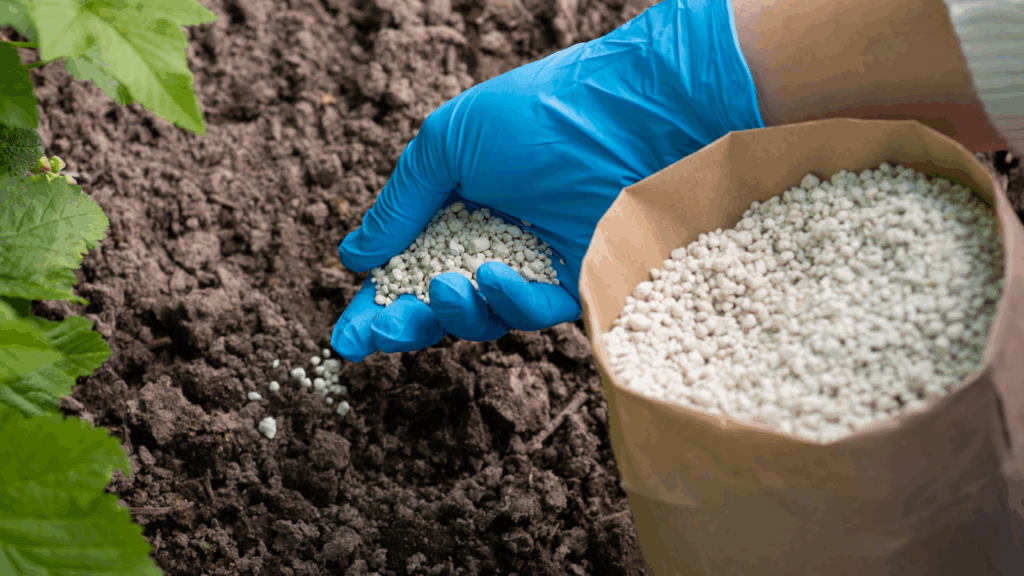
How often you feed your cannabis plants can be just as important as the nutrients themselves. Feeding too frequently or too infrequently can lead to deficiencies, nutrient burn, or suboptimal growth.
Adjusting frequency based on growth stage and medium ensures plants absorb nutrients efficiently and maintain healthy development.
- Seedling Stage: Light, frequent feedings with a diluted nutrient solution help establish roots without overloading young plants.
- Vegetative Stage: Moderate feedings 2–4 times per week support rapid leaf and stem growth. Monitor ECM/EC regularly to prevent overfeeding.
- Flowering Stage: Maintain steady, stage-specific feedings, often 3–5 times per week, focusing on higher phosphorus and potassium for bud development.
- Late Flowering / Pre-Harvest: Gradually reduce feeding to prepare plants for flushing, improving flavor, and reducing residual salts.
Finding the right fertilization frequency can be challenging, especially when balancing NPK ratios across stages. Using a structured system to plan, track, and adjust feedings can help eliminate guesswork and prevent common nutrient mistakes.
PlanaCan Can Help You Manage NPK and Nutrients
Managing NPK ratios, fertilization schedules, and plant growth stages can be complex, even for experienced growers. PlanaCan simplifies this process by providing tools to plan, track, and adjust nutrient delivery.
This is how PlanaCan can help you get a bumper yield:
1. Interactive Feeding Calendar
Plan and schedule feedings across all growth stages using a visual, interactive calendar. Track nutrient applications, monitor progress, and receive alerts for upcoming feedings or deviations from planned schedules.
2. Stage-Specific NPK Templates
Access pre-built templates tailored to seedlings, vegetative growth, flowering, and pre-harvest stages. Adjust ratios based on medium and plant response to maintain optimal nutrient balance.
3. Automated Work Scheduling
Use customized templates to automate daily and weekly nutrient tasks. PlanaCan generates reminders and tasks for each stage, ensuring your team executes feedings consistently and reduces human error.
4. Real-Time Tracking and Analytics
Log feeding data, EC readings, and plant responses in real time. Analyze trends to fine-tune nutrient schedules and detect potential deficiencies or overfeeding before they impact growth.
5. Mobile Access via iOS and Android
Monitor and manage your feeding schedule, templates, and analytics on the go with our helpful Android and iOS apps. Instant updates and alerts keep you in control, whether in the grow room or away.
PlanaCan takes the guesswork out of nutrient management, ensuring your cannabis plants receive the right NPK ratios at the right time. By combining planning, tracking, and analytics, you can optimize plant health and maintain consistency across harvests.
Conclusion
Incorrect weed fertilizer ratios, overfeeding, or inconsistent nutrient schedules can lead to deficiencies, nutrient burn, stunted growth, and lower-quality buds. Paying close attention to each stage and adjusting nutrients carefully helps prevent these problems.
PlanaCan helps you eliminate these risks by scheduling tasks, feeding reminders, and stage-specific customizable templates so your team can stay consistent. With automated planning and real-time tracking, you can avoid common mistakes and ensure plants get the nutrition they need for optimal growth.
Take control of your cannabis cultivation today and give your plants the nutrients they deserve. Schedule a free call and start optimizing your NPK management now.
Frequently Asked Questions
1. Is 15/30/15 good for weed plants?
A 15-30-15 fertilizer has high phosphorus, moderate nitrogen, and potassium, making it ideal for flowering cannabis. It supports bud development and root growth but should be used carefully during vegetative stages to avoid nitrogen deficiency.
2. What is 20-20-20 fertilizer for weed plants?
A 20-20-20 fertilizer contains equal parts nitrogen, phosphorus, and potassium. It is suitable for balanced growth of cannabis during early vegetative stages, ensuring healthy leaves, stems, and roots, but may need adjustment during flowering for optimal bud production.
3. What is a 1 to 1 ratio for weed?
A 1:1 NPK ratio provides equal parts nitrogen, phosphorus, and potassium. For cannabis, this supports balanced vegetative and early flowering growth, but adjustments may be needed as plants enter full flowering to enhance bud density and resin production.
4. How often should I adjust NPK ratios for cannabis?
NPK ratios should be adjusted at each growth stage: seedlings, vegetative, flowering, and pre-harvest. Regular monitoring of plant health and EC/ECM ensures the ratios match plant needs for optimal cannabis growth and yield.
5. Can high nitrogen affect cannabis flowering?
Excess nitrogen during flowering can reduce bud size, slow flowering, and create leafy growth in cannabis. Adjusting NPK to lower nitrogen and higher phosphorus and potassium supports dense, resin-rich buds without compromising overall plant health.