Commercial cannabis cultivation depends on tight production schedules. When plants enter the flowering stage too early, growers face a difficult decision. Discarding plant waste costs weeks of labor and valuable genetics. At scale, those losses can quickly add up.
One solution is revegetation, or putting a flowering plant back into veg. Cannabis responds strongly to light cycles. Research shows that indoor growers typically use a 12-hour light cycle to trigger flowering, while longer photoperiods keep plants in vegetative growth.
Because growth stages depend on lighting, cultivators can sometimes reverse the process by extending light exposure. This guide explains how to revegetate on a commercial scale, including when growers use it and how to manage the transition successfully.
In brief:
- Revegetation reverses the flowering stage. Extending the light cycle can return cannabis plants from flowering to vegetative growth when growers need to recover plants or adjust cultivation plans.
- The process requires careful environmental control. Lighting changes, nutrient adjustments, and stable conditions help plants transition back to vegetative growth successfully.
- Plants may show temporary irregular growth. Early revegetation often produces unusual leaf shapes before normal vegetative development resumes.
- Commercial operations must consider operational impact. Recovery time, space requirements, and production schedules can influence whether revegetation is practical.
- Structured cultivation tracking improves decisions. Monitoring plant stages, workflows, and environmental conditions helps growers manage revegetation more effectively.
What Does Putting a Flowering Plant Back Into Veg Mean?
Putting a flowering plant back into veg, often called revegetation, is the process of returning a cannabis plant from the flowering stage to vegetative growth. Growers achieve this by changing environmental conditions, especially the lighting schedule.
When plants receive longer periods of light again, their growth signals shift, and new vegetative growth begins. This technique is sometimes used to recover plants, preserve genetics, or adjust cultivation timelines. However, revegetation is not always straightforward. Plants may take time to stabilize and often show unusual growth patterns during the transition.
Key characteristics of revegetation:
- Lighting Schedule Change: Growers extend the photoperiod, typically moving from a 12-hour flowering cycle to 18–24 hours of light to trigger vegetative growth.
- Temporary Growth Abnormalities: Plants often produce single-bladed or irregular leaves before normal vegetative growth resumes.
- Recovery Period: The plant may take several weeks to stabilize before returning to vigorous vegetative growth.
- Stress Response: Moving back into veg can stress plants, which may slow development or affect plant structure.
Understanding how revegetation works helps growers decide whether it fits their cultivation strategy. The next section looks at the advantages and limitations of using this technique in commercial operations.
Suggested Read: How Long to Veg Cannabis for Maximum Yield
Pros and Cons of Revegetating Commercially Grown Cannabis Plants
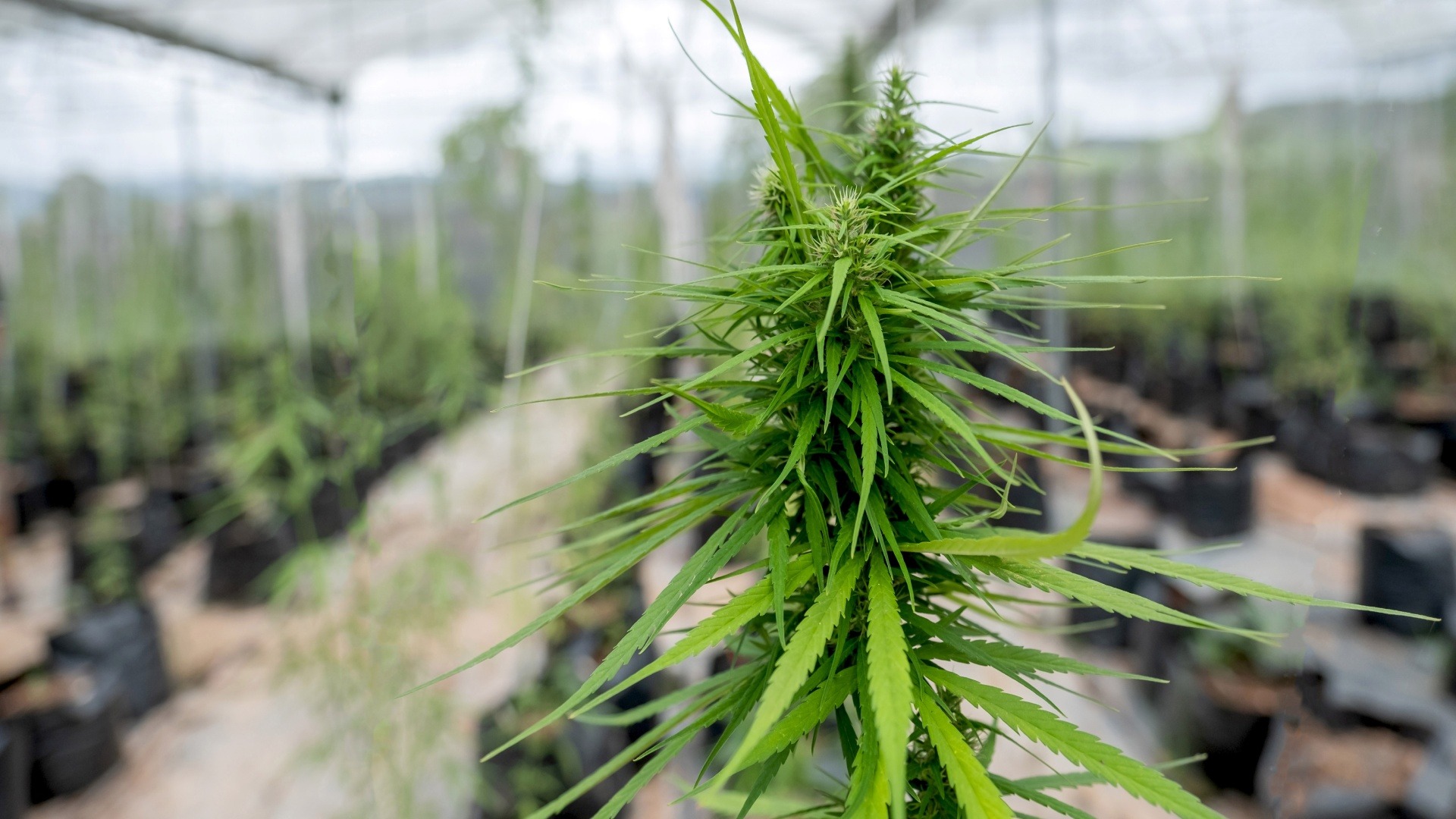
Revegetation can help commercial cultivators recover plants that have already entered the flowering stage. However, the process introduces operational and biological challenges.
The following benefits and limitations can help you decide when it makes practical sense:
Pros of Revegetation
Revegetation allows growers to recover plants instead of discarding them after an unexpected flowering cycle. In commercial environments, this can protect both genetic and operational investment.
Advantages include:
- Preserves valuable genetics discovered during flowering
- Prevents loss of plants and cultivation resources
- Allows flowering plants to be converted into mother plants
- Supports adjustments in production schedules
- Provides additional cloning opportunities
Cons of Revegetation
Despite its benefits, revegetation can create delays and add complexity to commercial cultivation. Plants often need time to stabilize before returning to normal growth patterns.
Limitations are:
- Recovery may take several weeks
- Plants often show irregular leaf growth initially
- Increased plant stress during the transition
- Flower rooms may not support reveg recovery
- Production timelines can be disrupted
Managing transitions like revegetation requires careful planning across teams and cultivation cycles. PlanaCan helps growers track plant stages, coordinate tasks, and manage cultivation schedules in one system. With structured workflows and cultivation data tracking, commercial facilities can handle complex cultivation adjustments more efficiently. Schedule a free demo.
Steps to Put a Flowering Plant Back Into a Vegetative State
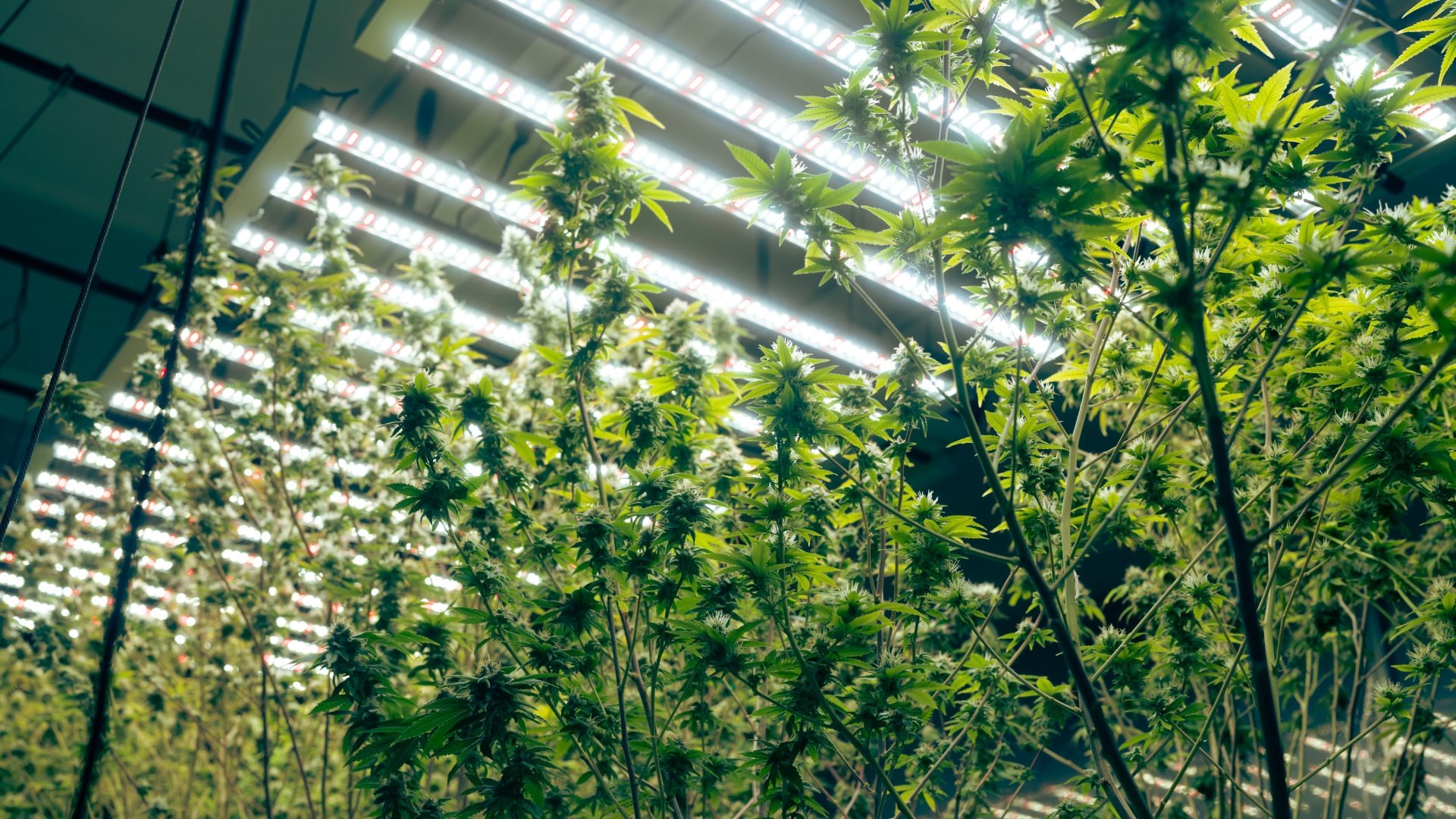
Returning a flowering plant to vegetative growth requires careful adjustments to lighting, nutrients, and plant management. At a commercial scale, these changes must be applied consistently to avoid unnecessary plant stress.
The following steps outline how growers typically manage the revegetation process.
1. Adjust the Lighting Schedule
Lighting is the primary trigger that controls cannabis growth stages. Extending the light cycle signals the plant to stop flowering and resume vegetative development.
Growers typically make the following lighting changes:
- Shift from a 12/12 flowering cycle to 18–24 hours of light
- Maintain consistent lighting without interruptions
- Use stable light intensity across the canopy
- Avoid sudden lighting fluctuations
- Monitor plants closely during the transition
2. Prune Flowering Growth
Removing parts of the flowering structure helps the plant redirect energy toward vegetative growth. Pruning also improves airflow and reduces stress on the plant during recovery.
Growers generally focus on the following pruning practices:
- Remove large flowering buds
- Preserve healthy leaves and branches
- Avoid aggressive pruning in a single session
- Clear weak or damaged plant material
- Maintain balanced canopy structure
3. Adjust Nutrient Programs
Plants returning to vegetative growth require a shift in nutrient balance. Bloom nutrients designed for flowering should gradually transition back to vegetative formulas.
Typical nutrient adjustments include:
- Reduce bloom-focused nutrient formulas
- Reintroduce nitrogen-rich vegetative nutrients
- Monitor nutrient levels carefully during recovery
- Maintain stable EC and pH levels
- Avoid overfeeding stressed plants
4. Monitor Plant Recovery
Plants often exhibit unusual growth patterns during the transition back to vegetative development. Careful monitoring helps growers confirm that the plant is stabilizing and producing new vegetative growth.
During recovery, growers typically watch for the following signs:
- Single-bladed or irregular leaf shapes
- New vegetative shoots are forming
- Gradual increase in leaf complexity
- Improved growth speed over time
- Stable plant health and color
While these steps describe how growers revert a flowering plant, some cultivators use a related technique instead. The next section explains the difference between monster cropping and full plant revegetation.
Suggested Read: Cannabis Light Cycle Fundamentals: Vegetative vs Flowering Stage
Monster Cropping vs. Full Plant Revegetation
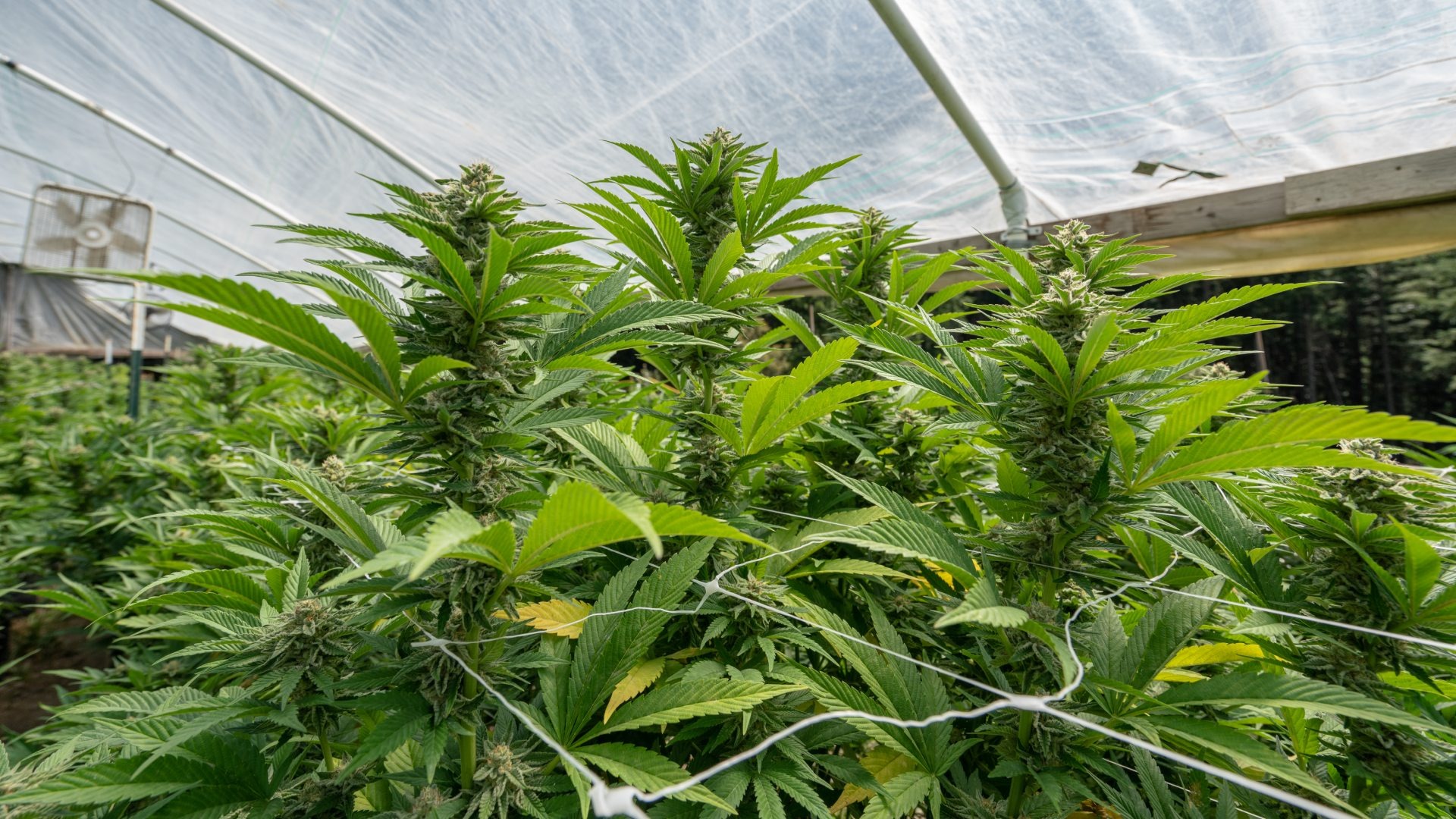
Monster cropping is a cultivation technique where growers take clones from a plant during the flowering stage and then return those clones to vegetative growth under extended lighting. Instead of reverting the entire plant, the grower propagates new plants from flowering cuttings.
Both monster cropping and full plant revegetation rely on the same biological principle: cannabis plants respond to photoperiod changes. However, the two methods serve different operational goals in commercial cultivation.
Table showing differences in full plant revegetation and monster cropping:
Both approaches can be useful in specific cultivation scenarios. However, revegetation is not always the best option for every crop cycle or facility setup. The next section explores signs when growers should avoid revegetation altogether.
Suggested Read: Optimal Light Intensity for Cannabis Growth During Veg Stage
Tips to Re-Veg Your Cannabis Plant Post-Harvest
Post-harvest revegetation occurs when growers return a harvested cannabis plant to vegetative growth instead of discarding it. This approach is sometimes used to preserve genetics discovered late in the flowering stage. However, it differs from standard revegetation because the plant has already undergone harvest stress and has fewer leaves to support recovery.
These are a few best practices for successful revegetation post-harvest:
- Leave Some Lower Growth: During harvest, keep a few lower branches and leaves intact so the plant still has enough tissue to support new vegetative growth.
- Restore A Long Light Cycle: After harvest, extend the photoperiod to 18–24 hours of light to signal the plant to resume vegetative development.
- Reintroduce Vegetative Nutrients: Shift from bloom nutrients back to nitrogen-rich vegetative formulas to support new growth.
- Maintain Stable Environmental Conditions: Consistent temperature, humidity, and airflow help reduce stress during recovery.
- Monitor Early Regrowth: Watch for new shoots and irregular leaf patterns, which often appear before normal vegetative growth returns.
Managing these becomes easier when cultivation data is organized and accessible. PlanaCan offers cultivation planning and scheduling tools that help growers track plant stages, production timelines, and facility workflows in one place. Try PlanaCan for free today.
When Should Growers Avoid Cannabis Revegetation?
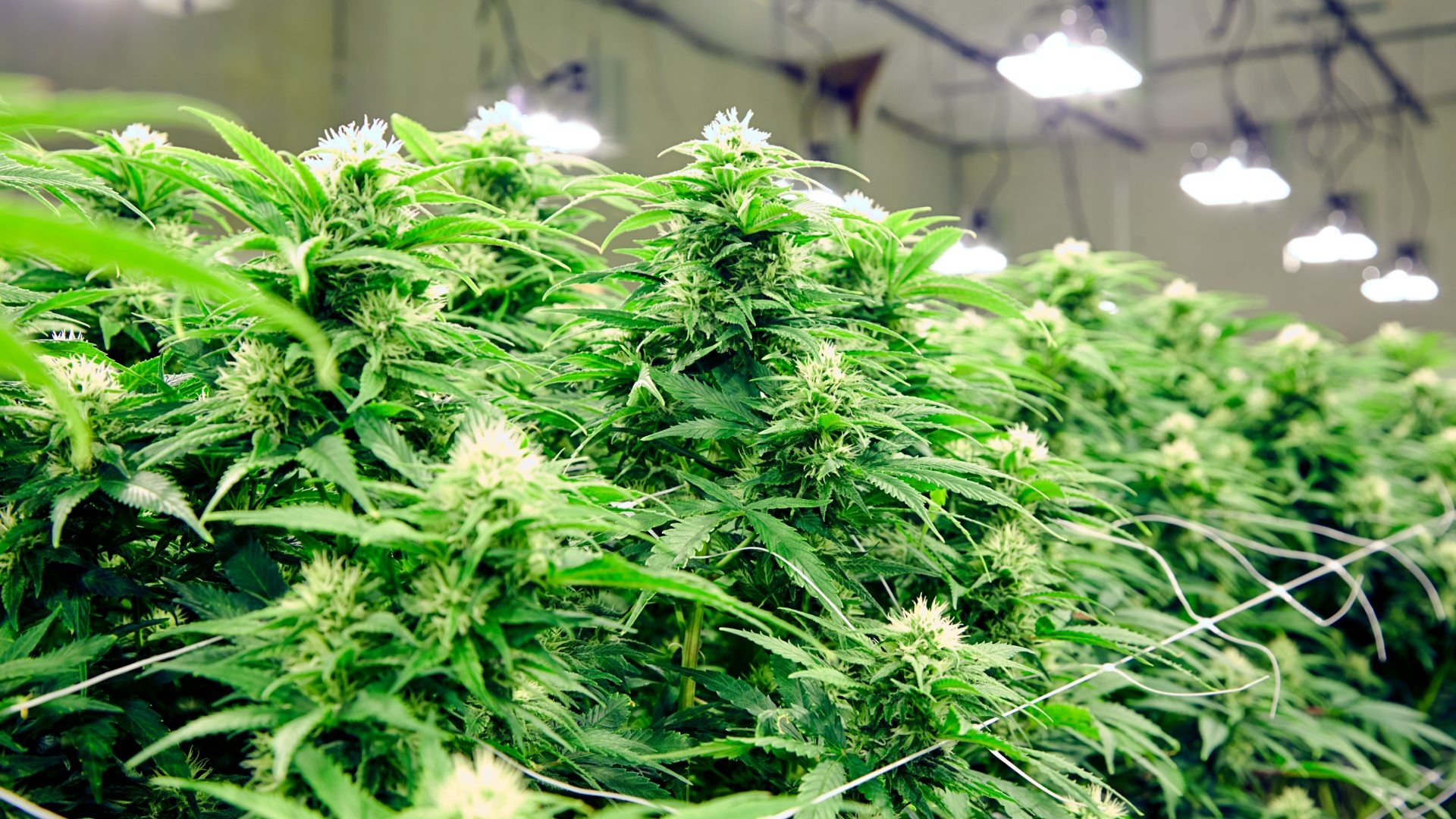
Revegetation can help restore plant cover, but it is not always the most efficient option in commercial cultivation. In some cases, the time, space, and operational adjustments required may outweigh the benefits.
You may want to avoid revegetation in the following situations:
- When plants are already deep into the flowering stage
- When production schedules cannot tolerate delays
- When plants show signs of disease or severe stress
- When there is limited space for recovery and vegetative growth
- When restarting the crop cycle is more efficient
Revegetation becomes more complex when applied across large cultivation facilities. The next section explores how growers can overcome the challenges of commercial-scale revegetation.
How to Overcome Challenges of Revegetation at Commercial Scale
Growers must coordinate lighting adjustments, plant recovery, and production timelines across multiple rooms or batches. Without structured planning, the process can disrupt workflows and slow overall crop cycles.
Commercial growers often rely on the following practices to manage revegetation more effectively:
- Create Dedicated Recovery Zones: Use separate vegetative spaces where revegetating plants can stabilize without disrupting flowering rooms.
- Standardize Lighting Protocols: Maintain consistent photoperiod adjustments to ensure plants transition back to vegetative growth smoothly.
- Monitor Plant Stress Closely: Track plant health indicators such as leaf structure, growth rate, and overall vigor during recovery.
- Train Cultivation Teams: Ensure staff follow consistent procedures for pruning, nutrient adjustments, and environmental control.
- Track Growth Cycles Carefully: Record revegetation timelines to understand how different strains respond to the process.
As cultivation facilities scale, managing these variables manually becomes difficult. Many commercial growers are turning to technology platforms that help track plant stages, coordinate tasks, and monitor cultivation data across operations.
Suggested Read: Understanding Optimal pH Levels for Cannabis Growth
Manage Cannabis Revegetation More Efficiently With PlanaCan

PlanaCan is a cannabis cultivation management platform designed to help growers organize operations, track plant stages, and manage workflows across grow rooms. By bringing cultivation activities into a single system, growers can handle complex processes such as revegetation with greater clarity.
Core features include:
- Automate Work Across Cultivation Tasks
Growers can automate work by creating repeatable workflows for lighting adjustments, pruning routines, and nutrient changes required during the revegetation process. - Coordinate Crop Cycles
Schedule management tools supported by an interactive calendar help teams plan lighting transitions, recovery periods, and cultivation timelines without disrupting other batches. - Improve Team Coordination
Built-in communication features help cultivation teams share updates, assign tasks, and keep everyone aligned when plants move through sensitive transitions such as revegetation. - Use Analytics to Track Plant Performance
With analytics, growers can review cultivation data to understand recovery timelines, plant growth patterns, and the operational impact of revegetation. - Mobile Access
The iOS and Android app allows teams to update tasks, track cultivation activity, and coordinate work directly from the grow floor.
PlanaCan is designed specifically for commercial cannabis growers. As cultivation practices change, the platform continues to improve to support more efficient and data-driven operations.
Conclusion
Revegetating cannabis plants can help growers recover genetics or correct cultivation timing mistakes. However, the process can easily disrupt production schedules if not managed carefully. Plants may experience stress, irregular growth, and delayed recovery, which can affect overall crop planning in commercial facilities.
PlanaCan helps growers manage these complexities by bringing cultivation planning, task coordination, and plant tracking into one system. With tools such as automated workflows and schedule management, growers can monitor plant stages and manage transitions more effectively across the facility.
If you want better visibility and control over your cultivation workflows, PlanaCan can help optimize operations. Schedule a free call today.
Frequently Asked Questions
1. Can you go from flower back to veg in the first week?
Yes. Reverting a plant during the first week of flowering is usually easier because the plant has not fully committed to the flowering stage. Adjusting the light cycle early often leads to faster recovery.
2. Is revegging worth it?
Revegetation can be worthwhile if the plant has valuable genetics or if restarting the crop would cause significant delays. However, growers must weigh recovery time and operational disruption.
3. What does revegging look like?
Plants often produce unusual growth patterns during early revegetation. Single-bladed or twisted leaves are common before the plant returns to normal vegetative growth.
4. How long does it take for a plant to reveg?
Revegetation typically takes two to four weeks before plants begin stable vegetative growth. The exact timeline depends on plant health, strain characteristics, and environmental conditions.
5. Can a harvested cannabis plant return to vegetative growth?
Yes, if some leaves and lower growth remain after harvest. With extended lighting and proper nutrients, the plant may begin producing new vegetative shoots.