When you’re running a commercial cannabis grow room, the flowering stage is your production window. Everything you’ve done so far vegetative growth, lighting, nutrition, training now culminates in flower development that drives yield and quality. One of the most common questions at this phase: How often should you fertilize during flowering? Fertilizing too frequently can lead to nutrient burn or waste, while fertilizing too rarely can result in underfeeding your plants, missing out on their yield potential.
In this blog, you’ll learn: what the research says about feeding frequency during flowering, how feeding needs shift as your plants move through bloom, how to tailor your schedule to commercial-scale operations, and how PlanaCan can help you standardize and automate your fertilization workflow so you hit your targets every cycle.
What you need to know:
- During the flowering stage, feeding every 7-14 days is a common guideline for many growers.
- Frequency depends on your system (soil, coco, hydro), crop size, irrigation strategy and nutrient concentration.
- As bloom progresses, you can reduce nitrogen, increase phosphorus and potassium, and adjust your feeding schedule accordingly.
- Automating task scheduling and tracking feeding events (e.g., via PlanaCan) ensures consistency, avoids mistakes, and links nutrition to yield outcomes.
Why Feeding Frequency Matters in Flowering?
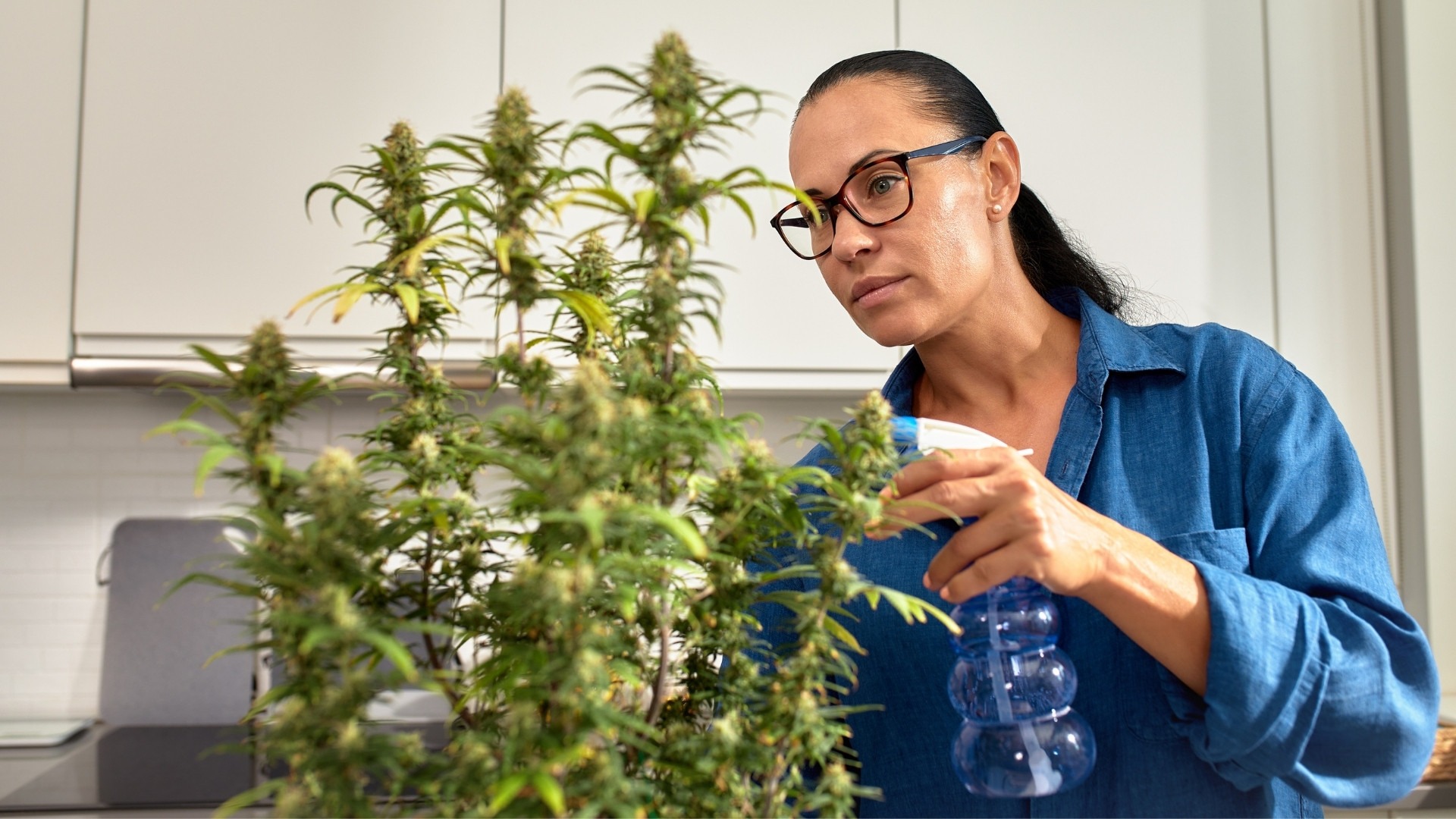
During the flowering stage, your plants shift their energy from vegetative growth into bud formation. They become nutrient-hungry, but also more sensitive to stress. Over-fertilizing can lead to buildup, lockouts, or nutrient burn, which reduces quality. Underfeeding results in missed yield opportunities and weaker flowers.
Research shows that cannabis grown in coir-based substrates benefitted from higher irrigation frequency and optimized fertilizer rates during bloom. In other words: it’s not just what you feed, but how often you feed and how well your system supports uptake.
In a commercial context, managing feeding frequency is more complex because you are juggling multiple rooms, strains, and workflows making standardized, repeatable feeding schedules a critical operational component.
Also read: Fertilizer Mix for Cannabis Flowering Stage
Typical Feeding Frequencies During Flowering
While there’s no one-size-fits-all answer, many growers follow these broad guidelines:
- Early flowering (weeks 1-3 of bloom): Fertilize every 7-10 days to support the transition and early bud set.
- Mid-flowering (weeks 4-6): Feeding every 10-14 days is common as energy shifts to bud expansion.
- Late flowering (weeks 7+, depending on strain): Still feed every 10-14 days, but with reduced intensity and tapering nutrients as you approach flush.
That said, feeding every time you water (in certain hydro systems) is also practiced, but in those cases, the nutrient concentration, EC/ppm, irrigation volume, root zone conditions, and testing schedule must all support such frequency, making it more complex in commercial grows.
How to Tailor Feeding Frequency for Your Operation?
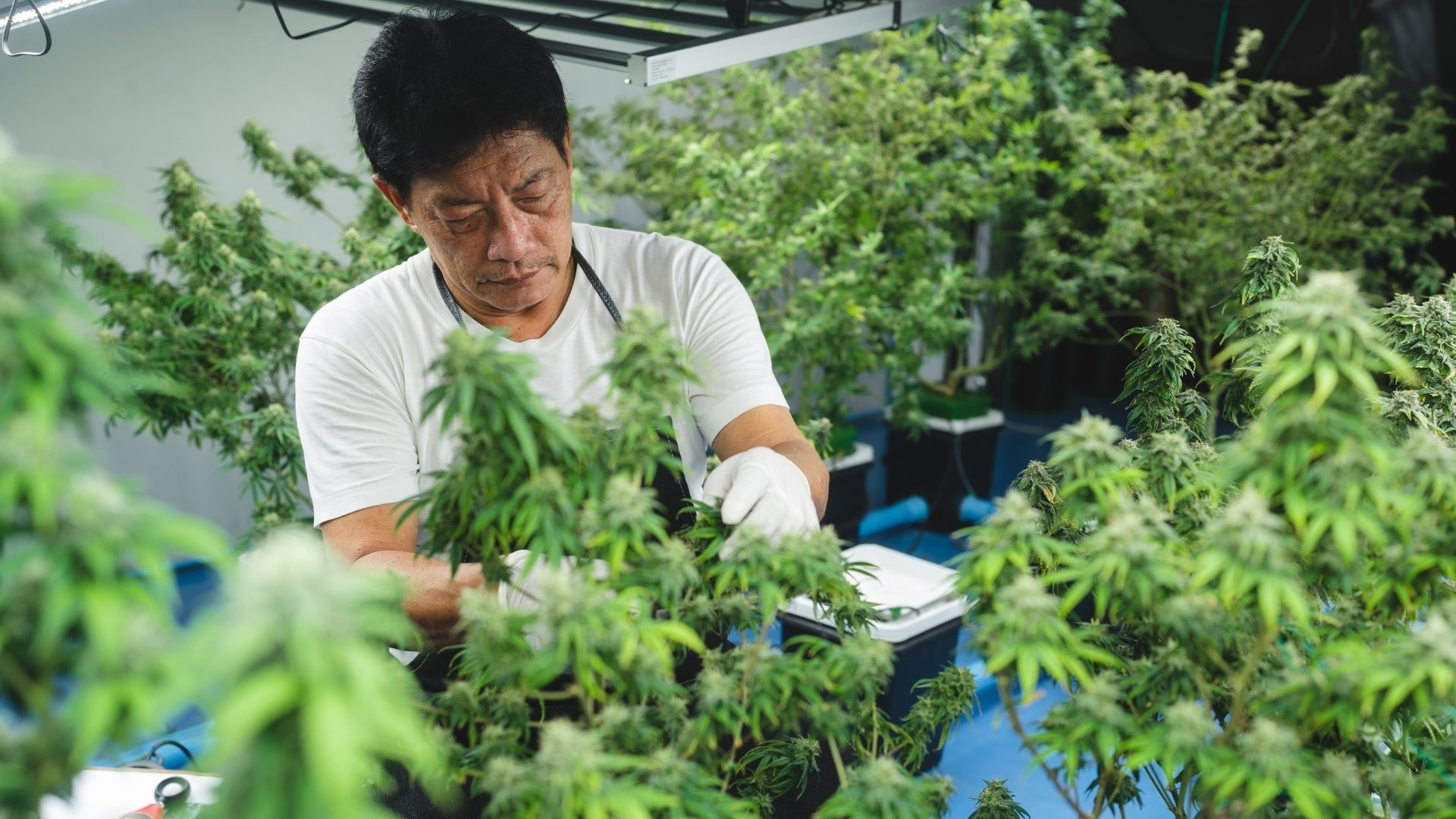
Here are the factors you should consider when determining how often to fertilize in flowering:
1. Growing Medium & System
- Soil mixes vs coco vs hydro systems have different nutrient hold/flush behaviours.
- In soil, you may feed less frequently because the medium retains nutrients; in hydro, you may feed more often but dilute.
- Research on coir-based substrates found benefits from higher irrigation frequency and optimized feeding during bloom.
2. Root Zone & Irrigation Strategy
- How much water and nutrient your plants receive affects how often you need to re-feed. If you’re doing heavy drainage or big volumes, you may need more frequent feeding.
- Good root-zone oxygenation and drainage support more frequent feeding without risk of buildup.
3. Strain & Crop Size
- A large canopy and heavy bud load can strain nutrients, depleting them faster, and may benefit from more frequent feeding within safe bounds.
- Autoflowering vs photoperiod, and strain genetic behaviour (bud size, stretch) affect nutrient demand.
4. Nutrient Concentration & EC/Ppm
- Ensure you’re not feeding too high, too often. Feed frequency and nutrient strength work together.
- Some industry guidance recommends reducing nitrogen in late bloom and adjusting to a P/K ratio.
5. Workflow & Monitoring
- In commercial settings, you need scheduled tasks to monitor nutrient drains, EC, pH, runoff, and plant response (leaf colour, bud development).
- With multiple rooms, consistency is essential to ensure every cycle follows the same feeding rhythm; deviations can cause variability.
Suggested read: Cannabis Growing Calendar: Stages and Timeline
PlanaCan enables you to set up feeding schedules as tasks, assign responsibilities, track nutrient events, and link them to harvest outcomes so you can optimise feeding frequency and compare cycles.
Best Practices for Fertilizing During Flowering
Here are some actionable best practices you can apply directly:
- Transition nutrient formulas at the start of flowering: reduce nitrogen slightly, increase phosphorus and potassium to support bud development.
- Keep a log of feeding dates, nutrient strength (ppm), medium/runoff EC, and plant response so you can refine frequency next cycle.
- Avoid changing feeding frequency drastically without monitoring plant response if plants show signs of deficiency or overfeeding, you may need to adjust.
- In late bloom stage, taper feedings and consider flushing practices (if applicable) to reduce residue and maintain flavour/terpene expression.
- Integrate feeding schedule with your irrigation/maintenance calendar so feeding doesn’t become a standalone activity but part of your workflow system.
- Analyze cycle-to-cycle data: for example, was feeding every 10 days better than every 7 in your room? Maybe your medium holds nutrients longer and you can extend intervals.
How PlanaCan Fits Your Feeding Frequency Strategy?
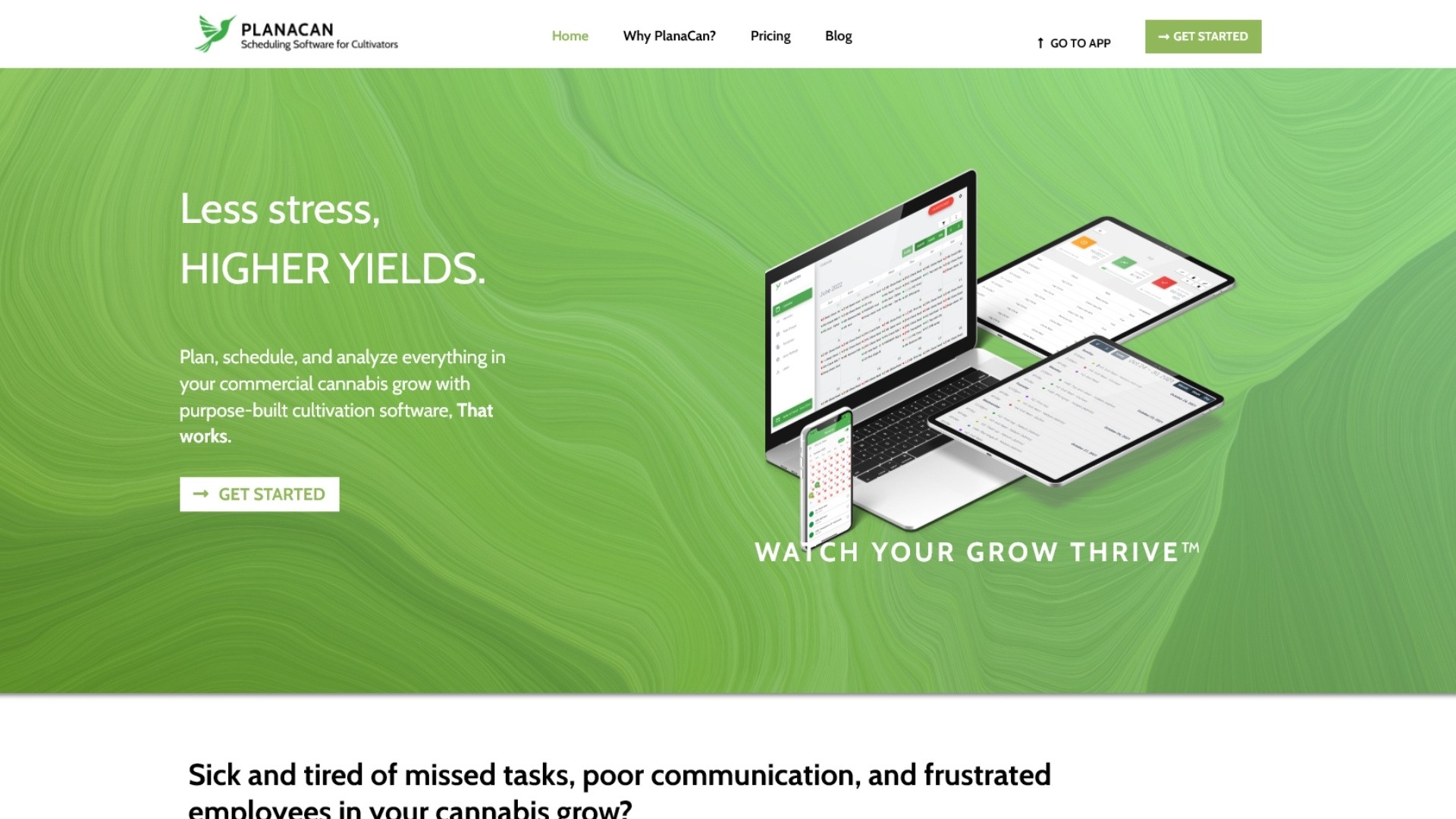
In commercial cannabis cultivation, achieving yield and quality targets hinges on workflow consistency. PlanaCan supports this by:
- Allowing you to build cultivation templates that include feeding frequency rules (e.g., “Feed every 10 days starting bloom week 1”, “In week 7 reduce N and feed every 12 days”)
- Providing an interactive calendar where feeding events appear for each room/strain and your team logs nutrient strength, runoff EC, and plant response
- Offering mobile access so floor staff mark tasks complete, leave notes (“EC was high today, extend interval”), and photos for quality control
- Enabling harvest analysis and reporting you link feeding frequency, nutrient data, and yield/quality results to see what works best in your environment
- Supporting team management so no feeding event is missed, intervals aren’t delayed due to shift hand-offs, and deviations are logged
Schedule a free call today to see how PlanaCan standardises nutrition tasks, monitors cycle performance and gives you actionable insights for your grow.
Conclusion
Feeding frequency during the flowering stage is a fine balance: you need to support the plant’s high nutrient demand while avoiding overload or inconsistent application. For commercial operations, establishing a repeatable rhythm tailored to your medium, strain, irrigation strategy, and team workflow is crucial for maximizing yield, quality, and consistency.
With PlanaCan, you’re not guessing your feeding schedule you’re managing it. You build templates, track events, capture data, and continually improve the cycle.
Ready to bring structure to your feeding workflow and get better yield predictability?
Schedule a free call today with PlanaCan to optimise your fertilisation management.
FAQs
Q1. Can I feed every watering instead of every 7-14 days in flowering?
Yes but only if your growing system supports it (medium type, drainage rate, root zone oxygen, nutrient concentration, and EC/runoff monitoring). For many commercial soil/coir-based systems, feeding every 7-14 days offers a safe and consistent rhythm.
Q2. If I miss a scheduled feeding window (e.g., every 10 days), what should I do?
Don’t double-feed. You can either feed at the next scheduled interval and note the missed event in your system (such as PlanaCan) or slightly increase the nutrient strength if your prior water was plain but monitor the plant's response closely.
Q3. How do I know if feeding frequency needs adjustment?
Track key indicators: leaf colour, growth rate, bud development, runoff EC/pH. If your plants appear under-fed (small bud size, pale leaves), increase the frequency slightly. If you notice nutrient burn (leaf tips turning brown, becoming extremely dark green), you may need to use longer intervals or lower strength.
Q4. Should feeding frequency change in the last 2-3 weeks of flower?
Yes. Many growers reduce the strength of nutrients and sometimes the frequency of feeding as they transition to flush or final maturation. The goal becomes final development, not vegetative growth, so feedings may shift to every 10-14 days or less frequently, depending on the medium and runoff behaviour.