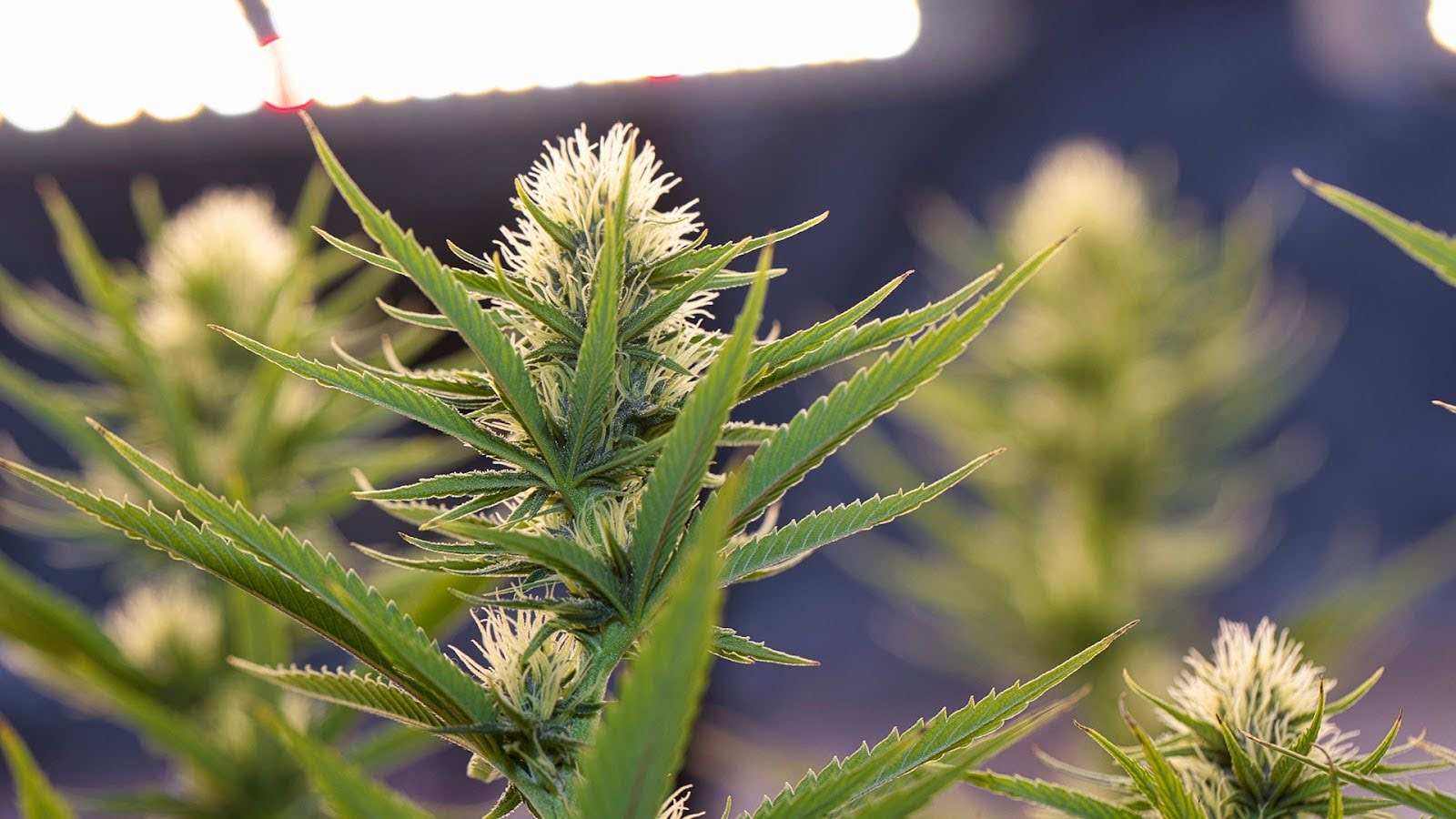
In the final weeks of flowering, even small mistakes can undo months of work. One of the most common culprits is incorrect light intensity. Incorrect light intensity is a common culprit. Too much light at this stage can lead to bleaching, foxtailing, or diminished terpene profiles, while too little light risks fluffy, underdeveloped buds.
We understand how critical this phase is for your bottom line. This guide will help you confidently adjust light intensity during the final flowering stage to maximize resin production, maintain flower density, and deliver consistent, top-shelf harvests.
Key Takeaways
- Adjusting light intensity during the final flowering stage helps maximize bud density, resin production, and overall harvest quality.
- Understanding this process is critical for commercial growers to avoid costly mistakes and achieve consistent results across multiple rooms and strains.
- Factors like strain sensitivity, environmental conditions, and energy efficiency all play a role in successful light management.
- Following best practices and monitoring plant responses can prevent light stress and ensure your lighting strategy supports late-stage flower development.
Understanding the Final Stage of Flowering
The final stage of flowering usually covers the last two to three weeks before harvest. For most cannabis strains, this means around weeks 6 to 8 of the flowering cycle. At this point, the plants have already formed their buds, and their focus shifts to maturing those flowers.
During this phase:
- Resin glands (trichomes) become cloudy or amber. These tiny, crystal-like structures hold cannabinoids and terpenes, which determine the potency, aroma, and flavor of your buds.
- Bud swelling occurs as the flowers put on their final weight and density.
- Increased sensitivity means plants are more likely to react badly to stress from light, heat, or overwatering.
This stage is often referred to as the “ripening phase” because it is when the plant’s flowers fully mature and prepare for harvest. Timing is critical because mistakes here cannot be reversed. In short, what happens now directly impacts your yield and quality.
To optimize this stage, it is vital to understand how light intensity directly affects photosynthesis, stress response, and flower development. Let us explore the science behind light and its powerful role in shaping your final product.
How Can Light Intensity Improve Potency and Yield?
The right amount of light energy helps cannabis plants maximize their resin production, develop denser buds, and deliver the high-quality harvest that commercial growers aim for. Too little or too much light at this stage, however, can undo months of hard work.
These are a few ways the right light intensity in the last stage of the flowering cycle improves yield:
- Boosts Cannabinoid Production: Adequate light helps plants produce more cannabinoids like THC and CBD by fueling photosynthesis and resin development.
- Enhances Terpene Profiles: Proper light exposure supports the creation of aromatic oils (terpenes), which give cannabis its distinct smell and flavor.
- Increases Bud Density: Strong but balanced light encourages buds to grow tighter and heavier, resulting in a more marketable product.
- Reduces Risk of Light Stress: Monitoring and adjusting light intensity prevents issues like bleaching or foxtailing, which often occur when plants are exposed to excessive light during late flowering.
But how do you know how much light is “just right” for your plants? The answer depends on the strain. Let us explore how different cannabis strains respond to light and what levels they require during late flowering.
Strain-Specific Light Intensity Needs in the Late Flowering Stage
Not all cannabis strains respond to light intensity in the same way during the final flowering weeks. While some cultivars thrive under high light levels, others are more delicate and can suffer stress if exposed to excessive light.
These strains differ in the level of PPFD (photosynthetic photon flux density), which measures the amount of light that reaches one square meter of a plant canopy per second. It basically indicates the amount of usable light available for photosynthesis.
1. Indica-Dominant Strains
Generally more compact and tolerant of moderate to high light levels. These strains often perform well with slightly lower PPFD than sativa-dominant varieties.
2. Sativa-Dominant Strains
Taller plants with thinner leaves, sativas typically require and tolerate higher light intensity but may also be more sensitive to heat stress during late flowering.
3. Hybrid Varieties
Hybrids can vary widely in their light requirements, depending on their genetic makeup. It is essential to monitor their response and adjust lighting accordingly, rather than relying on a single rule.
4. High-THC or High-Resin Strains
Strains bred for high resin production may need more precise light management to avoid trichome degradation or terpene loss near harvest.
Before making any adjustments, it is important to consider environmental and operational factors that can influence how your plants respond. The following section elaborates on the various factors you should consider before tweaking anything.
Factors to Consider Before Adjusting Light Intensity
Adjusting light intensity during late flowering can significantly improve your harvest, but it is not a decision to make in isolation. Multiple environmental and operational factors influence how your plants will respond.
Considering these elements will help you avoid unintended stress and maximize the benefits of your lighting strategy.
1. Environmental Conditions
Temperature and humidity interact with light intensity. High-intensity lights can raise canopy temperatures, increasing the risk of heat stress. Ensure your HVAC system can handle any added heat load before increasing light levels.
2. Room Layout and Canopy Uniformity
Uneven canopies or irregular room layouts can lead to hotspots and shaded areas. Check for uniformity to ensure all plants receive consistent light exposure.
3. Plant Health and Stress Levels
Plants already under stress from pests, diseases, or nutrient imbalances are less likely to respond positively to changes in light intensity. Address these issues first before making lighting adjustments.
4. Genetics and Strain Sensitivity
As discussed earlier, some strains tolerate high light levels, while others are more sensitive. Align your adjustments with each strain’s characteristics and monitor their response closely.
The next step is applying this knowledge to your grow rooms through careful adjustments. The following section details a step-by-step approach to fine-tuning light intensity during late flowering without compromising plant health or yield.
Steps to Adjust Light Intensity
Once you understand your strains’ unique light requirements, the next step is to adjust your lighting strategy in a way that supports late-stage flower development without causing stress.
The goal is to pick the right light levels to maintain optimal bud density and resin production while avoiding common pitfalls like bleaching or foxtailing.
- Start with a Baseline Measurement: Use a PAR meter to determine current PPFD levels across your canopy. This helps you identify areas receiving too much or too little light.
- Adjust Gradually: Avoid sudden changes in light intensity. Instead, reduce or increase levels in small increments (5–10%) over several days to prevent plant shock.
- Monitor Plant Responses: Watch for signs of stress such as leaf curling, bleaching, or slowed growth. Healthy, late-stage plants should continue to produce resin and maintain vibrant coloration.
- Consider Light Distance and Angle: Adjust fixture height or angle to achieve uniform coverage, especially in multi-strain grow rooms where canopy heights may vary.
- Use Dimming Controls or Automated Systems: Where possible, employ dimmable LEDs or automated light controllers to fine-tune intensity and maintain consistency across multiple flowering rooms.
PlanaCan helps you plan, schedule, and assign light adjustment tasks across multiple rooms using customizable templates and an interactive calendar. This keeps your team aligned and ensures late-stage lighting changes are implemented consistently.
Light intensity is only part of the equation. Many growers also wonder if changing the light spectrum during late flowering can further enhance resin production and terpene profiles.
Let us explore whether spectrum adjustments are worth considering at this stage.
Should You Adjust Light Spectrum Along with Intensity?
While light intensity determines how much energy your plants receive, the light spectrum affects how they use that energy.
During the final flowering stage, some growers consider shifting the spectrum to enhance resin production, color expression, and terpene development. But is it necessary? Here is what you need to know.
- Red Spectrum for Late Flowering: Light with more red wavelengths can encourage bud swelling and support final-stage resin production, as plants naturally respond to longer wavelengths late in their life cycle.
- Blue Light Considerations: While blue light supports vegetative growth and compact structure, too much in late flowering can slow flower development or reduce trichome density.
- Full-Spectrum LEDs: Modern LED fixtures often provide a balanced spectrum, reducing the need for manual adjustments. However, some systems allow for spectrum tuning to optimize for strain-specific applications.
All strains do not respond the same way to spectrum shifts. Some benefit from a red-heavy finish, while others show little to no change. Adjusting spectrum may offer subtle improvements, but it is only one part of an efficient lighting strategy.
To truly maximize results without driving up overhead, it is important to balance light intensity with energy costs. Let us explore how to find that sweet spot.
Light Intensity and Energy Costs: Finding the Right Balance
Late-stage flowering is when every decision has a direct impact on quality and profitability. While increasing light intensity can increase yields, it comes with higher energy costs and potential plant stress.
To maximize return on investment, commercial growers need to strike a balance between optimal light levels and operational efficiency.
1. Understand Diminishing Returns
In the final weeks of flowering, plants can only process a certain amount of light energy. Beyond this threshold, additional light does little to increase bud size or resin production but can contribute to heat stress and energy waste. Identifying the point where increased PPFD no longer translates to measurable gains helps avoid over-lighting.
2. Measure Efficiency in Grams per Watt
You should calculate the grams of dried flower produced per watt of energy consumed. This metric provides a clear picture of how your lighting strategy impacts overall efficiency. For commercial facilities, even small improvements in grams per watt can translate into significant savings across multiple rooms.
3. Use High-Efficiency Fixtures and Environmental Controls
Modern LED systems with high efficacy ratings (measured in µmol/J) provide more usable light for less energy, making them ideal for late-flowering adjustments. Pairing these fixtures with HVAC systems ensures you can maintain optimal conditions without overcompensating for heat generated by higher light levels.
Managing light adjustments requires careful coordination, and PlanaCan supports this by helping you plan, schedule, and assign related tasks with accuracy. Its reporting tools also make it easier to track cultivation decisions and analyze their impact on efficiency, including grams per watt.
Even with careful planning, plants can still show signs of light-related stress in the late flowering stage. Knowing what to watch for helps you intervene early and protect your harvest.
Signs of Light Stress in Flowering Plants
Even minor missteps in light management during late flowering can lead to stress that affects bud quality, potency, and yield. Recognizing the warning signs early allows you to take corrective action and keep your plants on track for a successful harvest.
1. Bleaching or Whitening of Buds
When light levels are too intense, the topmost buds closest to the light can turn pale or white, a condition known as light bleaching. This happens because excessive light overwhelms chlorophyll production and damages plant tissues.
Solution: Increase the distance between your lights and the canopy or slightly reduce light intensity. Using a PAR meter helps confirm PPFD levels are within the safe range for late flowering.
2. Foxtailing on Buds
Foxtailing appears as unusual, spindly new growth on buds, often triggered by excessive heat or light intensity late in flowering. While some genetics naturally produce fox tails, stress-induced foxtailing reduces overall bud density and appeal.
Solution: Lower light intensity slightly and check environmental controls to ensure temperatures near the canopy remain in the optimal range (usually 20–26°C during late flowering).
3. Leaf Curling or Canoeing
Leaves may curl upwards, resembling a canoe shape, as they try to reduce surface area exposed to intense light. This is a clear stress response that can interfere with photosynthesis if left uncorrected.
Solution: Adjust fixture height or dim lights incrementally. Ensure humidity levels are not too low, as dry air combined with high light can exacerbate this symptom.
Preventing light stress is about precision and consistency, not guesswork. Let us explore best practices that help you adjust light intensity safely and effectively during the final flowering weeks.
Best Practices for Adjusting Light Intensity
Fine-tuning light intensity during late flowering requires careful planning and attention to plant responses. Following these best practices helps you optimize your lighting strategy without causing unnecessary stress or compromising energy efficiency.
- Adjust Gradually, Not Abruptly: Reduce or increase light intensity in small increments over several days. Sudden changes can shock plants and disrupt their late-stage development.
- Monitor PPFD and DLI Levels: Use a PAR meter to maintain PPFD within the ideal range for late flowering (often 600–800 µmol/m²/s) and ensure your daily light integral (DLI) aligns with strain needs.
- Account for Strain Sensitivity: Customize light levels for each strain based on its genetic tolerance. Sativa-dominant varieties may handle higher intensity, while some indica-dominant strains prefer moderate levels.
- Check Environmental Interactions: Adjust HVAC settings as needed to counter any heat generated by increased light levels. Maintaining stable temperature and humidity is critical during this phase.
- Dimmable Fixtures or Moveable Lights: Using adjustable LED fixtures or movable light systems allows for precise control over canopy coverage and reduces the risk of hotspots.
While following best practices is crucial, managing these adjustments manually across large-scale operations can be time-consuming and prone to error. This is where employing advanced technology for light management becomes essential.
Employing Technology for Accurate Light Management
In large-scale cultivation, managing light intensity manually across multiple rooms and strains can lead to inconsistencies, delays, and higher operational costs.
Technology provides the precision and control needed to optimize lighting strategies without overburdening your team or compromising plant health.
- Centralized Control Across Multiple Rooms: Advanced systems allow growers to monitor and adjust light levels in real time from a single interface, ensuring consistency across facilities.
- Automated Scheduling and Adjustments: Automation tools execute gradual light changes at exact times, reducing the risk of human error and freeing your team to focus on other critical tasks.
- Data-Driven Decision Making: Technology tracks how light adjustments affect yield and energy use, helping you refine strategies based on actual performance metrics like grams per watt.
- Improved Response to Plant Stress: Real-time alerts and monitoring make it easier to detect early signs of light stress and adjust settings before it impacts your harvest.
PlanaCan was built to help commercial growers bring consistency and organization to complex workflows.
Let us see how it streamlines planning, scheduling, and team coordination to support effective light management and ensure high-quality results across every flowering cycle.
Choose PlanaCan for Late-Stage Flowering Success
Managing light adjustments in commercial grow areas requires technical know-how, careful planning, and team coordination. PlanaCan helps commercial growers stay organized by providing tools to schedule, track, and analyze cultivation tasks.
1. Simplify Workflows with Automated Scheduling
PlanaCan’s customizable templates allow growers to map out every step of their cultivation process, including strain-specific light adjustment tasks. These templates can be applied to harvest cycles or strains and scheduled on the interactive calendar with just a few clicks.
2. Stay on Track with an Interactive Calendar
The visual calendar gives teams a clear overview of all upcoming and ongoing tasks. As light intensity changes are planned, growers can assign these adjustments to specific dates and team members. You can make sure that nothing is missed during the critical late flowering period.
3. Keep Teams Aligned Anywhere, Anytime
With mobile access on Android and iOS, team members can view and update tasks directly from their devices. Adding task-specific notes, such as “reduce PPFD by 10% for Strain X,” keeps everyone informed and reduces the likelihood of miscommunication.
4. Learn and Improve with Harvest Analysis
PlanaCan’s reporting tools capture data on all cultivation activities, including light-related decisions. Over time, this helps growers identify which adjustments contributed to better yields, avoid repeating mistakes, and refine their workflows for future cycles.
PlanaCan lends growers the organizational tools to plan and execute their lighting strategies with precision. It helps teams stay aligned and workflows stay consistent, no matter the scale of the operation.
us nec ullamcorper mattis, pulvinar dapibus leo.
Conclusion
Managing light intensity during the final flowering stage is one of the most critical factors in achieving consistent, high-quality harvests. With the right strategy and tools, commercial growers can turn this complex process into a repeatable success.
PlanaCan makes it easier by helping you plan and automate light adjustments across multiple grow rooms and strains. Its features, like centralized scheduling, automated task execution, real-time monitoring, and performance tracking, give you complete control over your lighting strategy without adding to your team’s workload.
Schedule a free call with our team today to see how PlanaCan can simplify your light management and help you deliver better harvests with less effort.
Frequently Asked Questions
1. What Is The Light Intensity During The Flowering Stage?
During flowering, cannabis plants typically require a PPFD of 600–1000 µmol/m²/s, depending on the strain. Late flowering often benefits from slightly reduced intensity to prevent stress and preserve terpenes and cannabinoids.
2. What Is The Final Stage Of A Flowering Plant’s Life Cycle?
The final stage, often called ripening, spans the last 2–3 weeks before harvest. During this phase, buds swell, trichomes mature, and the plant focuses energy on resin and cannabinoid production, requiring careful environmental management.
3. Does Changing The Light Intensity Affect Plant Growth?
Yes. Adjusting light intensity directly influences photosynthesis, bud development, and resin production. Gradual adjustments during late flowering can improve yield and quality, but abrupt changes may stress plants and lead to reduced performance.
4. Should You Dim Lights During Flowering?
Dimming lights slightly in the final weeks can prevent light stress and preserve delicate terpenes. However, it must be done carefully, in small increments, to avoid reducing photosynthetic activity too early in the flowering cycle.