Harvest is one of the most critical stages in commercial cannabis cultivation, where months of careful work culminate in final product quality. Yet freshly harvested cannabis can lose 25% to 77% of its weight during drying, meaning any mistake in timing, handling, or environmental control can dramatically impact yield and profitability.
As facilities scale, these risks amplify, making it essential for growers to recognize where harvest challenges typically arise and how to prevent them.
This article outlines 10 of the most common harvest challenges in commercial operations and offers practical advice for handling them effectively.
In brief:
- Harvest is a defining phase. The harvest stage determines how much potency, aroma, and sellable weight your plants retain, making timing, handling, and environmental control essential.
- Timing and maturity issues reduce quality. Mistakes like early or late harvesting, uneven ripening, and inconsistent trichome checks lead to unpredictable potency and inconsistent batches.
- Labor and workflow gaps slow production. Short staffing, poor trimming coordination, and delayed processing create bottlenecks that harm freshness and interrupt downstream tasks.
- Post-harvest conditions heavily influence outcomes. Inadequate drying space, unstable humidity, overcrowded racks, and mishandling damage terpenes and increase microbial risk.
- Fixes rely on structure and consistency. Clear timelines, coordinated staffing, gentle handling, controlled environmental conditions, and thorough documentation help prevent avoidable losses and protect overall product quality.
What Is the Harvest Stage in Cannabis Cultivation?
The harvest stage is the point where your plants reach peak maturity and are ready to be cut, handled, and prepared for drying. It is the final checkpoint where potency, terpene expression, and overall product quality are either preserved or unintentionally damaged.
These are the key indicators of harvest readiness:
- Trichome color shifts from clear to cloudy or amber
- Pistils darken and curl inward
- Bud structure becomes dense and resin-rich
- Aromas deepen and become more pronounced
- Fan leaves begin fading as the plant completes its life cycle
When you know exactly what to look for, you set yourself up for a smoother harvest with fewer surprises. In the next section, we explore the most common challenges growers encounter during this critical stage and how to avoid them.
Suggested Read: Tips on Outdoor Cannabis Growth from Seed to Harvest
10 Common Harvest Challenges That Impact Yield and Quality

Cannabis harvest may look straightforward, but it is one of the most complex and failure-prone stages of commercial cannabis cultivation.
The challenges you face often fall into three major groups, which are discussed below:
Category 1: Timing and Maturity Challenges
Harvest timing has a direct impact on potency, terpene expression, and overall quality, making it one of the most sensitive points in the entire cultivation cycle. Even a few days of mistiming can lower cannabinoid levels or create inconsistent batches.
These challenges focus on how accurately you read plant maturity and manage variation across the canopy.
1. Incorrect Harvest Timing
Harvesting too early can reduce potency and aromatic development, while harvesting too late may lead to cannabinoid degradation and harsher smoke. The narrow maturity window makes timing one of the most common harvest mistakes.
Here are practical ways to prevent this issue:
- Monitor trichome development daily during late flower
- Track pistil color changes alongside aroma and bud density
- Set a target harvest window based on strain-specific maturity data
- Use consistent environmental conditions leading into the final week
Ignoring this challenge can lead to significant inconsistencies in potency and aroma across batches. It may also reduce overall market value due to uneven or suboptimal flower quality.
2. Inconsistent Trichome Assessment Methods
Different team members may interpret trichome color differently, leading to inconsistent decisions about maturity. Without standard assessment methods, your harvest readiness becomes subjective rather than data-driven.
Use these steps to standardize trichome assessment:
- Train staff on identifying clear, cloudy, and amber trichomes
- Use the same magnification tools across all rooms
- Document target trichome ratios for each strain
- Perform assessments at the same time of day for consistency
When this issue is ignored, harvest decisions become unreliable, and batches may vary significantly in potency. Over multiple cycles, this inconsistency weakens product identity and customer trust.
3. Uneven Canopy Maturity
Plants positioned under different light intensities or airflow patterns often mature at different speeds. This creates zones of overripe and underripe buds within the same room or even the same table.
Below are ways to reduce uneven maturity across the canopy:
- Maintain even lighting distribution and PPFD levels
- Use canopy training techniques to keep height uniform
- Rotate plants when possible to balance environmental exposure
- Adjust irrigation zones to account for microclimate differences
Ignoring uneven maturity results in mixed-quality harvests, with some buds underperforming in potency while others degrade from overripeness. This variation reduces overall yield consistency and complicates post-harvest processing.
PlanaCan helps you track maturity indicators consistently by organizing observations, photos, and trichome assessments in one place. Your team can record and compare data daily, reducing guesswork around harvest readiness.
Category 2: Labor and Workflow Challenges
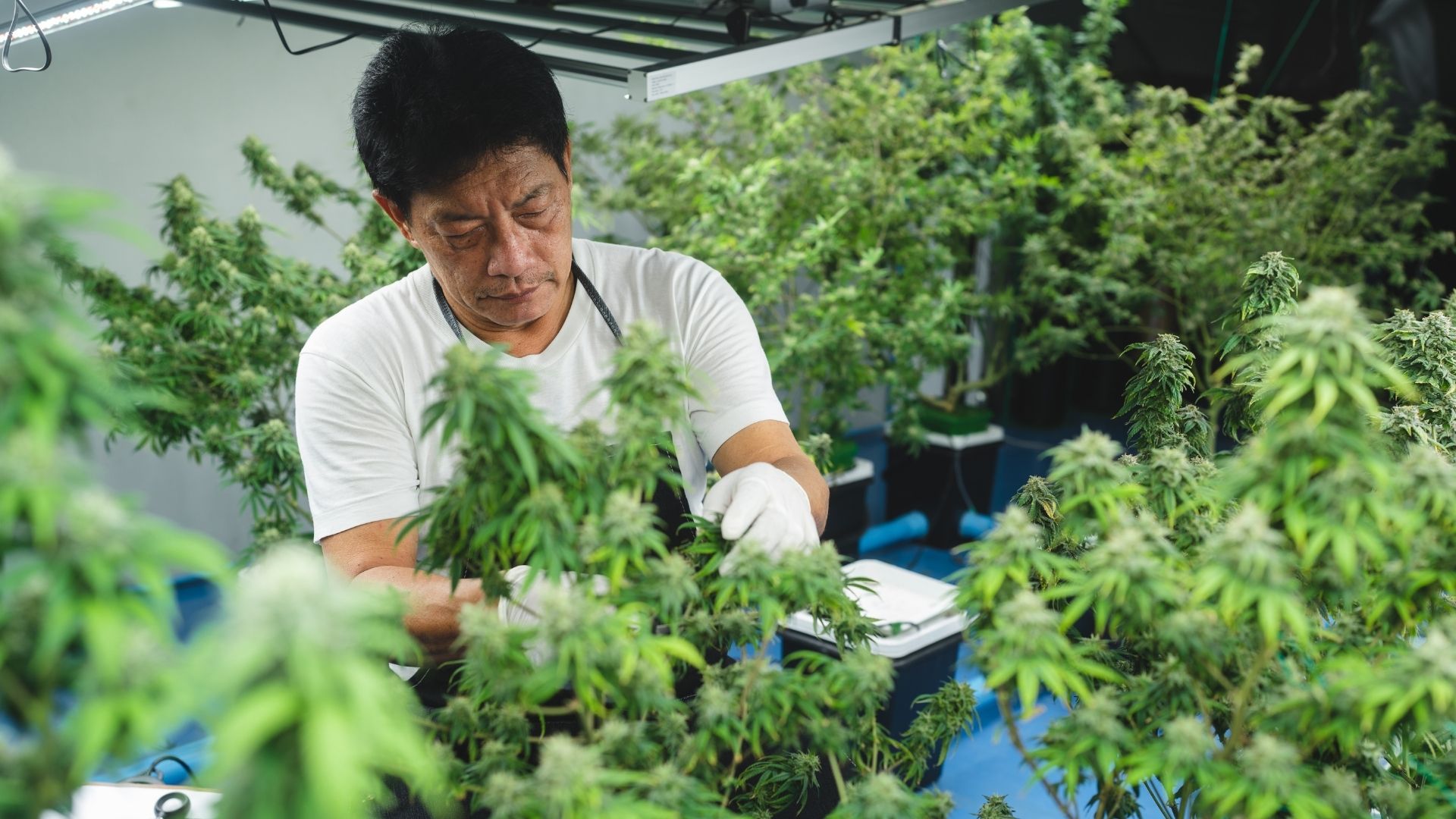
Small delays during harvest can ripple through trimming, drying, and batch processing. When teams are unprepared or workflows are uncoordinated, quality drops quickly, and operational bottlenecks become unavoidable.
These are common workflow challenges to avoid:
4. Labor Shortages During Peak Harvest Days
Commercial harvests require concentrated labor, and unexpected shortages can slow down cutting, trimming, and transporting material to drying rooms. When tasks pile up, plants may sit too long before processing, reducing freshness and quality.
Here are practical ways to avoid this issue:
- Forecast labor needs based on past harvest workloads
- Schedule teams in advance and confirm availability early
- Cross-train staff so multiple roles can be filled when needed
- Bring in temporary workers during heavy harvest weeks
If this challenge is ignored, you risk delays that compromise terpene retention and increase oxidation. Slow movement from the plant to the dry room also introduces inconsistency across the batch.
5. Poorly Coordinated Wet Trimming Workflows
When wet trimming is not organized, freshly cut material can sit exposed for too long, drying unevenly or becoming prone to contamination. Miscommunication among team members can cause inconsistent trim quality and workflow congestion.
Use these steps to coordinate trimming more effectively:
- Assign clear roles for cutting, transporting, and trimming
- Set batch sizes to keep material moving evenly
- Use consistent trim standards across the team
- Monitor throughput to catch slowdowns early
If unaddressed, poor coordination leads to uneven moisture loss, visual defects, and preventable microbial risks. The overall trim quality suffers, reducing the value of your finished product.
6. Slow Trimming That Delays Downstream Processes
When trimming speed falls behind schedule, drying rooms become overwhelmed or backed up, affecting airflow and humidity stability. Slow trimming also keeps plants in transitional states longer, increasing the risk of quality degradation.
Here are effective ways to improve trimming efficiency:
- Set realistic trimming quotas based on staff skill levels
- Provide ergonomic tools and comfortable workstations
- Break tasks into rotations to reduce fatigue
- Track individual throughput to identify training opportunities
Ignoring this issue creates production bottlenecks that disturb drying parameters and extend processing times. Over time, these delays compound and limit your facility’s ability to maintain a consistent harvest rhythm.
PlanaCan simplifies harvest workflows by giving your team clear task assignments and real-time schedules across every room. You always know who is responsible for cutting, trimming, transporting, or processing material. Try PlanaCan for free.
Category 3: Post-Harvest and Environmental Challenges
Post-harvest conditions directly affect terpene preservation, color, smoothness, and overall product safety. Even well-grown cannabis can lose significant value if drying, handling, or documentation is poorly managed.
You should take the necessary steps to avoid these mistakes:
7. Inadequate Drying Space
If your drying rooms lack sufficient space or stable conditions, buds dry too quickly, too slowly, or unevenly. Fluctuations in temperature or humidity can damage terpenes and increase microbial risks.
Here are ways to maintain proper drying conditions:
- Ensure adequate spacing between branches and racks
- Maintain stable temperature, humidity, and airflow throughout the room
- Use calibrated sensors to monitor conditions accurately
- Avoid overloading the room beyond its designed capacity
Ignoring this challenge leads to harsh smoke, diminished aroma, and potential compliance failures due to microbial contamination. Poor drying conditions can negate months of high-quality cultivation work.
8. Overcrowded Drying Racks That Increase Mold Risk
Packing racks too tightly restricts airflow and traps moisture, creating perfect conditions for mold growth. This risk escalates during humid seasons or in under-ventilated rooms.
Here are practical steps to prevent overcrowding:
- Space branches evenly to encourage uniform airflow
- Add additional racks or mobile units during heavy harvest weeks
- Use oscillating fans to keep air circulating gently
- Monitor moisture content regularly to catch problems early
If this issue is ignored, mold can spread quickly and compromise entire batches. The financial loss from even a single contaminated room is significant and often irreversible.
9. Mishandling That Causes Terpene Loss
Rough handling, excessive touching, or dropping branches can damage delicate trichomes and bruise flower surfaces. Terpene-rich buds are especially sensitive to friction, warmth, and compression during transport.
Here are ways to handle flowers more carefully:
- Train staff on gentle handling techniques
- Use clean, cool trays or bins for transport
- Minimize unnecessary contact with buds
- Move material promptly to reduce heat buildup
Ignoring this challenge results in flattened buds, reduced aroma, and lower perceived quality. These defects directly affect market appeal and may lead to lower wholesale pricing.
10. Incomplete or Inconsistent Batch Documentation
Missing data on harvest weights, room conditions, trimming times, or drying parameters makes troubleshooting nearly impossible. Documentation gaps can also create compliance risks, especially in regulated markets.
Use these steps to improve documentation consistency:
- Assign a dedicated team member to record harvest data
- Standardize what must be logged for every batch
- Use digital tools to prevent lost or incomplete records
- Review documentation at the end of each harvest day
If this issue is ignored, you lose the ability to understand what caused yield or quality differences between batches. Over time, this slows improvement and creates avoidable regulatory complications.
Suggested Read: Step-by-Step Guide on How to Start Growing Cannabis Indoors
How Poor Harvest Execution Hurts Cannabis ROI
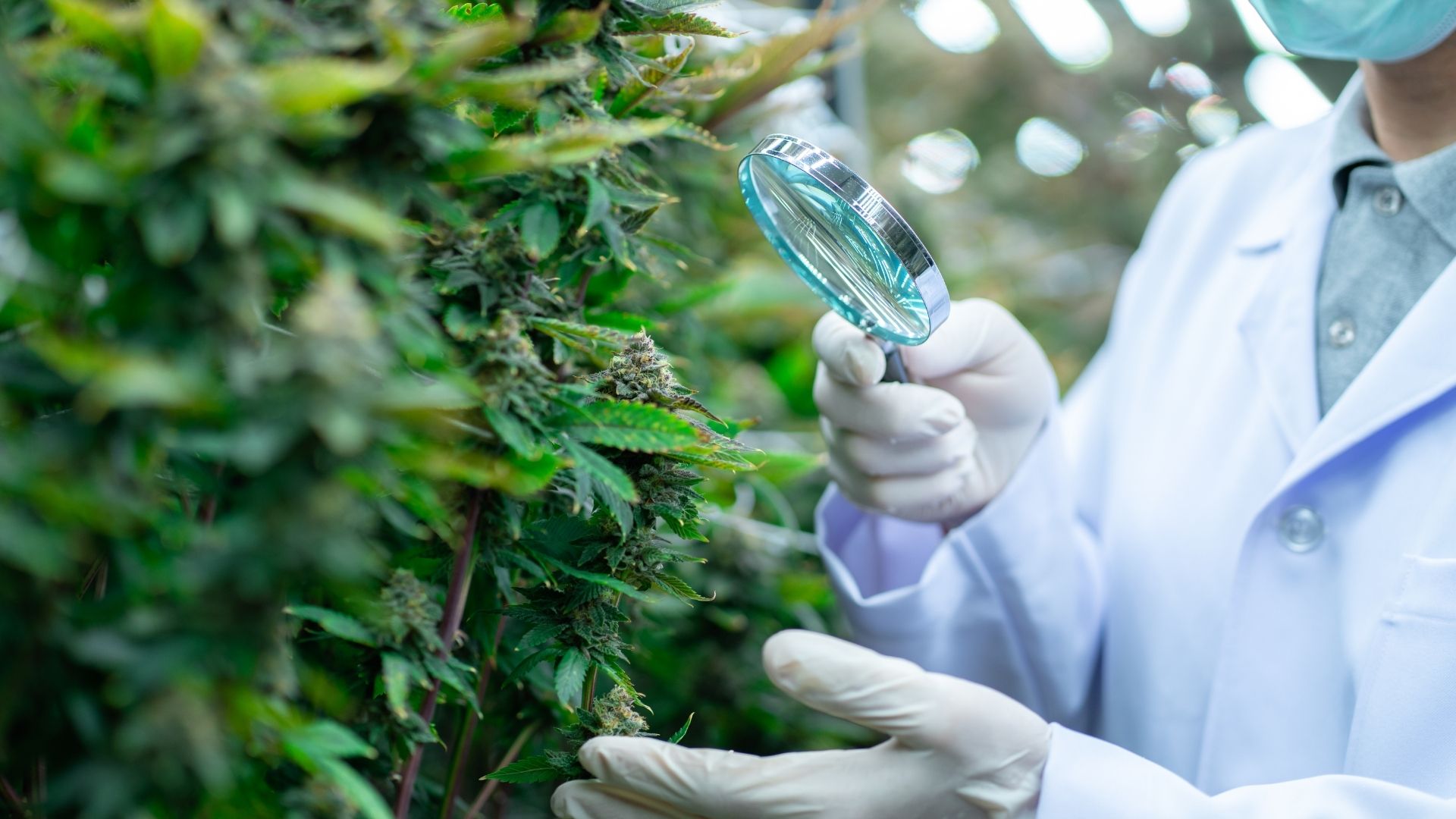
Harvest is the stage where all your cultivation efforts either convert into a high-value product or lose profitability. When harvest execution is inconsistent, the financial impact becomes immediate and often irreversible.
These are the top ways poor harvest execution reduces ROI:
- Lower Potency and Terpene Retention: Mistimed harvests and improper handling directly reduce the chemical quality that drives premium pricing.
- Higher Microbial Risk: Poor drying conditions or delayed processing increase the likelihood of failed compliance tests.
- Increased Labor Costs: Inefficient workflows, bottlenecks, and rework inflate labor hours without increasing output.
- Reduced Sellable Yield: Mishandling, uneven drying, or mold damage shrinks the final weight that reaches the market.
- Inconsistent Product Grades: Variation across batches weakens brand reputation and limits your ability to command stable pricing.
When these problems accumulate, they erode profit margins even if cultivation is otherwise strong. With ROI on the line, it becomes essential to implement reliable harvest best practices that protect quality and maximize value.
Suggested Read: How to Tell if Your Cannabis is Dry and Ways to Rehydrate It
Post-Cultivation Tips to Maximize Your Cannabis Yield
The choices you make during harvest, drying, curing, and storage play a key role in determining your final yield and product value.
Post-cultivation processes often decide how much weight you retain, how well your terpenes survive, and how consistently your batches perform.
Five post-cultivation tips that maximize yield:
- Use controlled slow-drying techniques to reduce weight loss from overly rapid moisture evaporation.
- Adopt gentle bucking and trimming methods to preserve trichomes and minimize flower breakage.
- Stabilize curing conditions early to avoid moisture swings that degrade aroma or cause over-drying.
- Implement calibrated moisture testing to ensure flowers reach ideal water activity levels before packaging.
- Rotate stored batches regularly to prevent compression damage and maintain even airflow around packaged products.
These simple adjustments help you retain more sellable weight while protecting the qualities that command premium pricing.
To maintain consistent execution and avoid preventable mistakes, PlanaCan offers tools that support task coordination, documentation, and timing throughout the entire post-cultivation workflow.
Suggested Read: Tips to Increase the Potency of Your Cannabis Plants
Use PlanaCan to Optimize Cannabis Harvest Operations

PlanaCan is a cultivation-management platform built to refine the most demanding parts of cannabis production: harvest and post-harvest execution. It centralizes your schedules, tasks, data, and workflows so your entire team operates with clarity and consistency.
By replacing guesswork with structure, PlanaCan helps you protect yield, retain terpene quality, and maintain a smooth operational rhythm. This is how we do it:
1. Automated Work Scheduling
PlanaCan automatically assigns cutting, trimming, transporting, drying-room loading, and post-harvest tasks based on your planned timelines. This ensures work happens on schedule, even during peak harvest weeks.
2. Interactive Calendar
You can visualize harvest windows, trimming loads, drying-room availability, and curing milestones on a single dynamic calendar. This helps prevent room congestion and keeps every post-cut step coordinated.
3. Team Management Tools
PlanaCan gives each team member clear task lists and responsibilities, reducing confusion and keeping workflows efficient. Real-time updates help your staff stay aligned as harvest volumes shift throughout the day.
4. Harvest Analysis and Reporting
PlanaCan records timing, throughput, moisture levels, labor productivity, and batch-specific outcomes. Over time, these insights help you refine processes and identify exactly where yield or quality losses occur.
5. Drying and Curing Workflow Control
You can track moisture checks, environmental adjustments, airflow patterns, and curing progress in one place. This helps maintain consistency across batches and protects finished product quality.
We built PlanaCan with growers at the center, focusing on the real harvest and post-cultivation challenges that affect yield and product quality. Every feature is shaped by field experience. Try PlanaCan for free and see how structured harvest management improves your workflow from start to finish.
Conclusion
The harvest phase is where every decision made throughout the cultivation cycle finally delivers its results. It demands precision, coordination, and environmental control. Even minor mistakes can impact potency, terpene expression, and overall product quality.
PlanaCan strengthens this process by giving you the tools to manage schedules, workflows, teams, and post-harvest tasks with absolute clarity. Its automation, analytics, and real-time visibility help you avoid bottlenecks and protect the qualities that define premium flower.
Ready to improve your harvest workflow? Explore the platform and see how it supports better planning and execution. Schedule a free call today.
Frequently Asked Questions
1. What is a SWOT analysis for cannabis?
A SWOT analysis evaluates strengths, weaknesses, opportunities, and threats within a cannabis operation. It helps growers identify competitive advantages, operational gaps, market possibilities, and external risks affecting long-term performance.
2. What do buds look like 2 weeks before harvest?
Two weeks before harvest, buds appear swollen, resinous, and aromatic. Trichomes turn increasingly cloudy, pistils darken, and overall structure becomes dense as the plant approaches peak maturity.
3. What happens if you wait too long to harvest your cannabis?
Delaying harvest causes THC degradation, overripe aromas, and reduced terpene brightness. Buds may oxidize, lose potency, and develop harsher smoke characteristics, lowering product quality and market value.
4. Should all hairs be orange before harvest?
Not necessarily. Pistils turning orange is one indicator, but trichome color is more reliable. Harvest readiness depends on cloudy or amber trichomes, aromatic maturity, and overall plant development, not pistil color alone.
5. How do you prevent mold during drying?
Maintain stable humidity, proper airflow, and adequate spacing between branches. Use calibrated sensors, avoid overcrowding racks, and monitor moisture levels frequently to stop mold before it spreads across drying rooms.