Growing cannabis outdoors can become a test of balance between nature and nurture. Sunlight, air, and soil provide the foundation, but fertilizer determines how strong, healthy, and productive your plants will become. The proper nutrients can maximize yields, enhance terpene profiles, and strengthen plants against pests and weather fluctuations.
This guide breaks down what outdoor growers need to know to select, apply, and optimize fertilizer for strong, compliant, and consistent cannabis production.
Key takeaways:
- Choosing the right fertilizer is crucial for outdoor cannabis. It ensures plants receive the proper balance of nitrogen, phosphorus, and potassium at each growth stage.
- Proper fertilization timing and monitoring prevent nutrient deficiencies, overfeeding, or stunted growth, which can significantly reduce yield and quality.
- Organic and synthetic fertilizers each have pros and cons. Combining them strategically can support plant health and optimize nutrient availability.
- Soil type impacts fertilizer choice. Well-draining, nutrient-rich soil enhances absorption, while compact or poor soil may require amendments for optimal growth.
- Feeding schedules and growth stage-specific nutrients help plants thrive from seedlings through flowering, ensuring maximum outdoor yields and consistent plant health.
6 Essential Nutrients for Outdoor Marijuana Cultivation
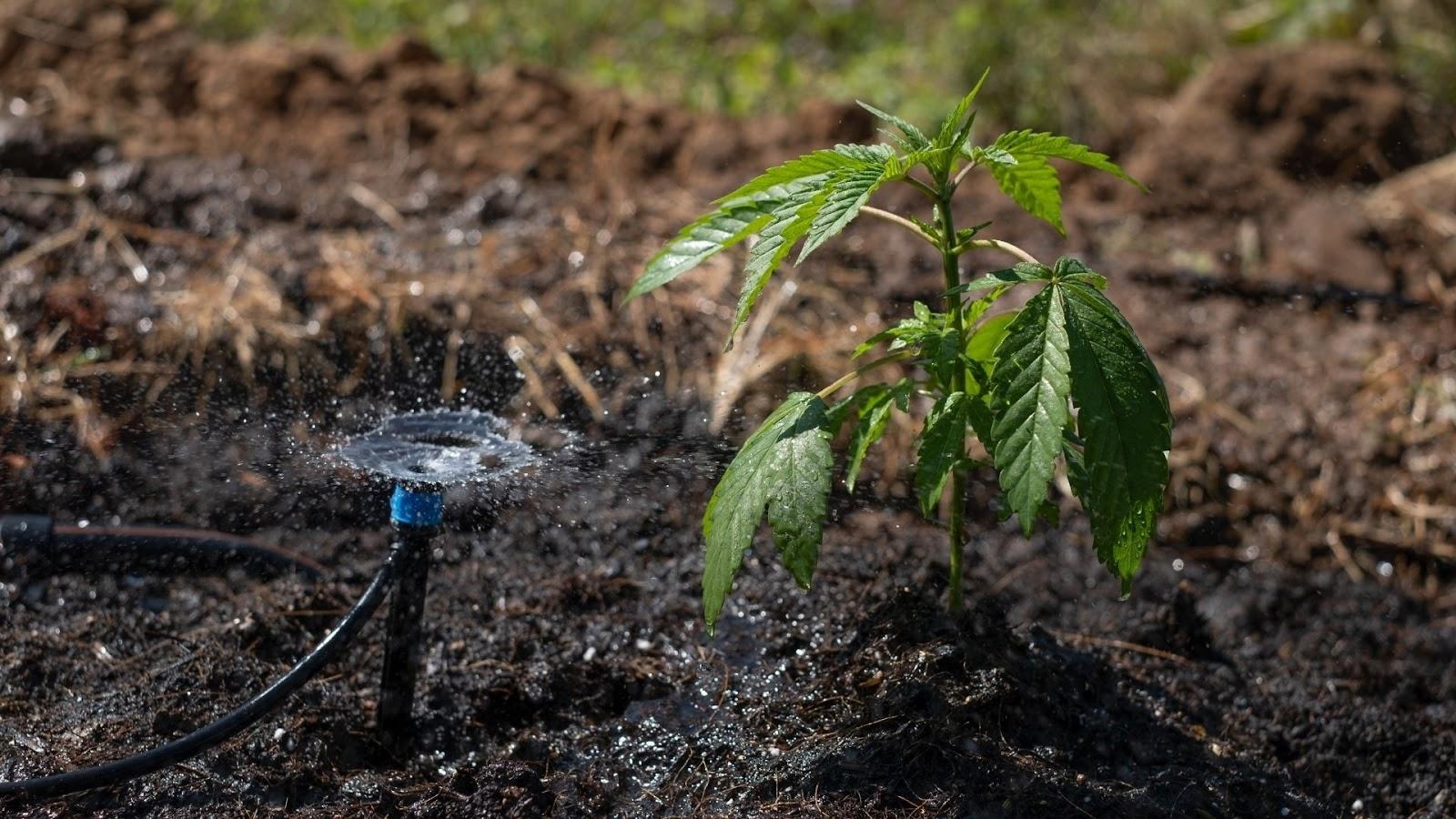
While outdoor soil often contains some nutrients naturally, it rarely provides the complete balance cannabis needs throughout its life cycle.
To achieve optimal growth, cultivators must understand the essential nutrients that form the foundation of healthy plants.
Macronutrients: The Building Blocks
Cannabis relies on three primary macronutrients—Nitrogen (N), Phosphorus (P), and Potassium (K). Outdoors, these elements can fluctuate due to rain runoff or soil depletion, making regular supplementation essential.
- Nitrogen (N): Encourages robust vegetative growth and vibrant green foliage.
- Phosphorus (P): Supports strong root systems and abundant flower development.
- Potassium (K): Improves overall plant health, helping cannabis withstand outdoor stressors such as wind and temperature swings.
According to a 2025 analysis published by the American Chemical Society, fertilizer blends with a high potassium-to-nitrogen (K/N) ratio produced the highest THC content, while balanced NPK formulas yielded the largest flower mass overall.
Secondary Nutrients: Supportive Strength
While not required in large quantities, secondary nutrients are critical to sustaining vigorous growth.
- Calcium: Strengthens cell walls and promotes root stability, which is vital in loose or sandy outdoor soils.
- Magnesium: Essential for photosynthesis, ensuring plants efficiently convert natural sunlight into energy.
- Sulfur: Aids in chlorophyll production and enhances flavor and aroma profiles.
Micronutrients: The Finishing Touch
Micronutrients like Iron, Zinc, Copper, Manganese, and Boron are needed in trace amounts but have an outsized impact on plant performance. In outdoor environments, factors like soil pH or heavy rainfall can easily wash these away, leading to deficiencies.
Understanding nutrient balance is only half the equation, since how those nutrients are delivered matters just as much. The next step is choosing between organic and synthetic fertilizers, each offering distinct advantages for outdoor cannabis cultivation.
Suggested Read: Top 8 Things to Know to Start a Commercial Cannabis Grow
Organic vs. Synthetic Fertilizers for Outdoor Cannabis
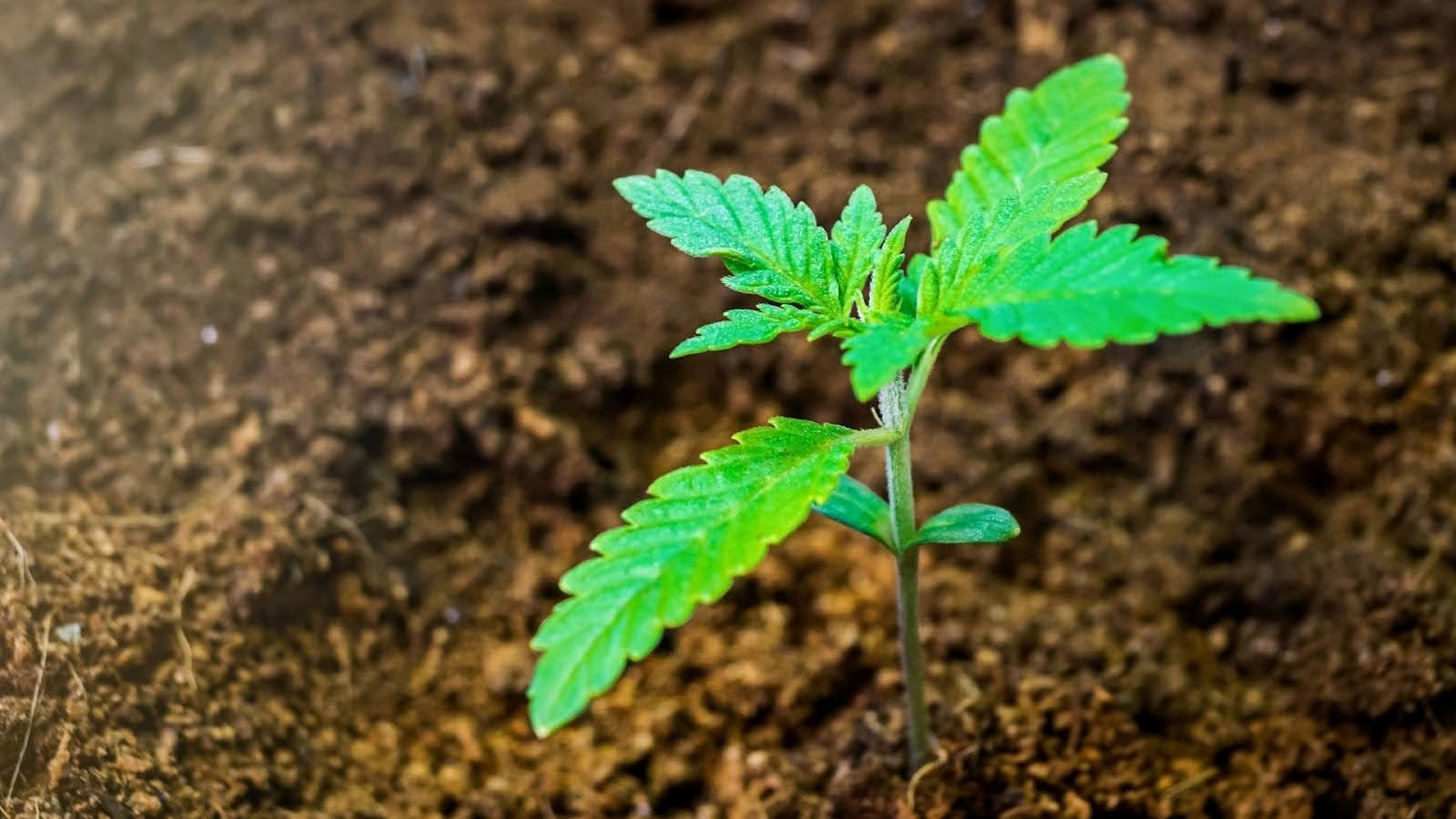
When growing cannabis outdoors, the type of fertilizer mix you choose can shape the quality, yield, and sustainability of your crop. Both organic and synthetic fertilizers can support healthy growth, but they work in fundamentally different ways.
Organic Fertilizers
Organic fertilizers are derived from natural materials such as compost, bone meal, or bat guano. They release nutrients slowly, enriching the soil ecosystem over time and supporting beneficial microorganisms. This makes them particularly effective for outdoor cultivation, where soil health and water retention are vital.
- Benefits: Slow-release, improves soil texture, boosts microbial life, and reduces environmental impact.
- Drawbacks: Nutrient availability can vary, slower initial growth response, and it may attract pests if not applied properly.
- Best Used: For long-term soil enrichment and sustainable outdoor cultivation.
Synthetic Fertilizers
Synthetic fertilizers are chemically formulated to deliver specific nutrient ratios directly to the plant. They offer rapid results and precise control, making them ideal for correcting deficiencies or supporting heavy feeding during peak growth phases. However, they can pose environmental risks if misused.
- Benefits: Fast-acting, easily measurable, and ideal for targeted feeding.
- Drawbacks: Risk of nutrient burn, salt buildup, and runoff that can harm nearby soil and water sources.
- Best Used: When plants need quick nutrient boosts or when soil fertility is already low.
Hybrid Feeding Strategy
Many outdoor cultivators adopt a hybrid approach, using organic fertilizers to build soil health and supplementing with synthetic nutrients during critical growth stages. This balance ensures both immediate plant nutrition and long-term soil vitality.
With outdoor grows, consistent monitoring is key. Rain, wind, and soil variability can quickly throw off nutrient balance.
PlanaCan lets you track fertilizer applications, watering schedules, and growth stages all in one place. Stay on top of your outdoor plants’ needs and ensure every feeding counts toward a healthier, higher-yielding harvest. Schedule your free call today.
Stage-Specific Fertilizer Plans for Outdoor Grows
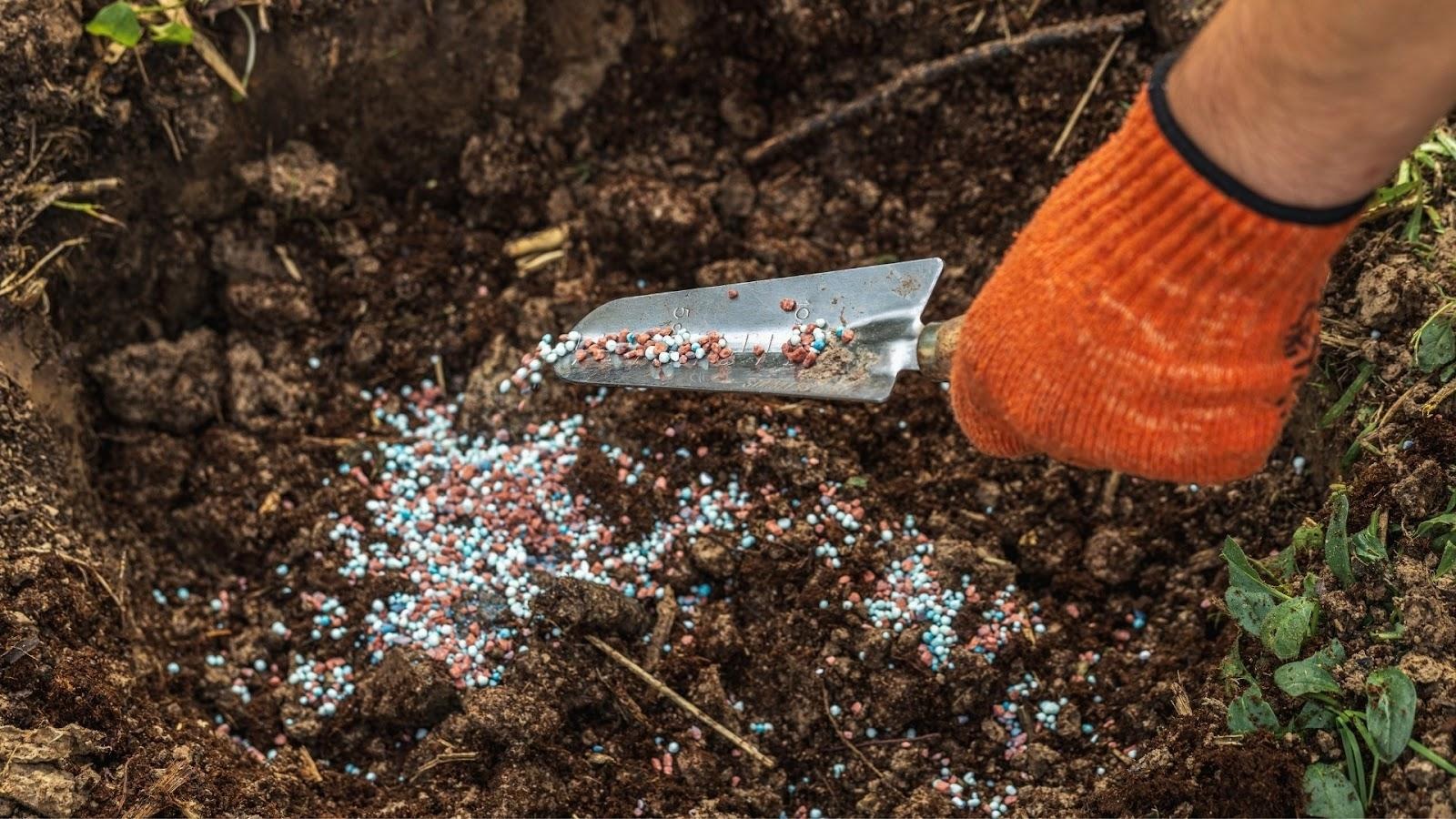
Outdoor cannabis plants have distinct nutritional needs at each stage of growth. Sunlight intensity, temperature fluctuations, and natural soil variation make it essential to tailor feeding schedules carefully.
This table summarizes fertilizer recommendations by growth stage for outdoor cannabis cultivation:
Seedling Stage – Gentle Start, Strong Roots
In the early days, young cannabis plants need minimal nutrients. Overfeeding at this stage can stunt growth or cause nutrient burn.
- Ideal Fertilizer Type: Light organic compost tea or diluted fish emulsion.
- Nutrient Focus: Nitrogen (N) and trace minerals in low concentrations.
- Growth Tip: Avoid synthetic fertilizers early on. Soil microbes help seedlings adapt naturally to outdoor conditions.
Vegetative Stage – Building a Strong Structure
As cannabis plants grow taller and develop a lush canopy, their demand for nitrogen surges. This nutrient drives leaf and stem growth, preparing the plant for heavy flowering later.
- Ideal Fertilizer Type: Nitrogen-rich blends such as blood meal, bat guano, or balanced synthetic fertilizers (e.g., 10-5-5).
- Nutrient Focus: High Nitrogen (N), moderate Phosphorus (P), and Potassium (K).
- High-Yield Tip: Feed every two to three weeks and ensure adequate watering to prevent salt buildup in the soil.
Pre-Flowering Stage – Transition Feeding
Before the flowering phase begins, cannabis plants shift their energy from foliage production to bud development. A balanced nutrient mix supports this transition.
- Ideal Fertilizer Type: Organic compost blends with moderate P and K ratios or transitional liquid fertilizers.
- Nutrient Focus: Balanced NPK (e.g., 5-5-5) with added calcium and magnesium.
- High-Yield Tip: Gradually reduce nitrogen levels while increasing phosphorus and potassium for a smoother transition.
Flowering Stage – Maximizing Bud Development
This is the most nutrient-intensive stage, and plants need ample phosphorus and potassium to produce dense, resinous buds.
- Ideal Fertilizer Type: Bloom fertilizers (e.g., 1-4-5 or 2-8-4) or organic bone meal and kelp meal mixtures.
- Nutrient Focus: High Phosphorus (P) and Potassium (K), low Nitrogen (N).
- High-Yield Tip: Avoid overfeeding. Nutrient excess can lead to harsh-tasting buds and poor curing results.
Late Flowering and Pre-Harvest – Flushing for Purity
In the final two weeks before harvest, flushing removes residual nutrients to enhance flavor and smoothness.
- Ideal Fertilizer Type: None (plain, pH-balanced water only).
- Nutrient Focus: None. This stage is about cleansing the plant.
- Tip: Ensure a thorough flush until runoff water is clear; this ensures clean-burning buds post-harvest.
PlanaCan offers AI-enabled work scheduling to plan every feeding cycle months in advance. Its automated calendar helps you track fertilizer application, soil checks, and watering schedules without missing a beat. Schedule a free call today.
Suggested Read: Step-by-Step Guide to Advanced Cannabis Cultivation Techniques
Top Outdoor Marijuana Fertilizers (2025 Recommendations)
These are a few standout fertilizer products trusted by experienced growers. There are different options suited to different growth stages, budget levels, or cultivation philosophies.
Best Fertilizer for Outdoor Grow (Synthetic)
- Advanced Nutrients Big Bud is a high-phosphorus bloom booster formulated to enhance flower size, resin production, and overall potency during the mid-to-late flowering stages of outdoor cannabis cultivation.
- FoxFarm Soil Trio (Grow Big, Tiger Bloom, Big Bloom) offers a full-spectrum liquid nutrient system designed to support vigorous vegetative growth and dense flowering. Its phased formulas are widely used in outdoor setups for their ease of application and consistent results.
- Humboldts Secret Base A & B is a two-part nutrient system that delivers balanced macronutrients throughout the plant’s lifecycle. Outdoor growers favor it for its compatibility with soil and its ability to support both vegetative and flowering phases.
- Humboldts Secret Flower Stacker is a targeted bloom enhancer that promotes bud density, terpene expression, and overall flower quality. It’s commonly used alongside base nutrients to push performance during peak flowering.
- General Hydroponics Flora Series includes FloraGro, FloraBloom, and FloraMicro—three modular formulas that allow outdoor cultivators to fine-tune nutrient delivery based on growth stage, environmental conditions, and strain-specific needs.
Best Fertilizer for Outdoor Grow (Organic)
If you prefer a more natural approach, consider trying a few organic fertilizer concoctions:
- Organic Soil Builder Blend is made from compost, worm castings, and biochar. It slowly releases nutrients while enriching microbial life in garden soils, making it ideal for growers focused on long-term fertility and sustainable plant health.
- High-Nitrogen Veg Booster is a fast-acting fertilizer designed for the vegetative phase. With a strong nitrogen ratio (e.g., 12-4-6) and added trace minerals, it promotes vigorous green growth, larger fan leaves, and stronger stem development.
- Bloom & Bud Enhancer Formula delivers elevated phosphorus and potassium levels, typically 0-10-10 or 2-8-8, alongside magnesium and sulfur. It supports dense bud formation, increased resin output, and higher overall yields during flowering.
- Microbial Inoculant + Trace Mineral Mix combines beneficial microorganisms like mycorrhizal fungi with essential micronutrients such as iron, zinc, and boron. It boosts nutrient absorption and is especially effective in biologically depleted soils.
- Flush & Cleansing Additive is applied during the final 1–2 weeks before harvest to remove excess nutrients and salts from the plant system. It helps produce cleaner smoke, smoother flavor, and a more refined final product.
You can choose the best fertilizer for your plants only when you know the type of soil you are growing in. In the next section, we look at the different types of outdoor soil and how they play with different fertilizers.
Impact of Soil on the Fertilizer Type
The type of soil you use directly affects the kind of fertilizer your outdoor cannabis plants will need. Outdoor conditions expose the soil to temperature changes, rain, and microbial activity, all of which influence nutrient retention and availability.
This is how different soils interact with fertilizer:
1. Clay Soil
- High nutrient retention, but prone to compaction and poor drainage.
- Works best with slow-release or organic fertilizers that improve aeration over time.
2. Sandy Soil
- Fast-draining and low in organic matter, leading to nutrient leaching.
- Benefits from frequent liquid feeding or organic compost mixes to hold nutrients longer.
3. Loamy Soil
- Considered ideal for cannabis cultivation with balanced moisture and nutrient capacity.
- Performs best with balanced NPK fertilizers or hybrid organic-synthetic blends.
4. Silty Soil
- Nutrient-rich and moisture-retentive, but can compact over time.
- Use granular fertilizers sparingly and incorporate organic matter to maintain structure.
5. Rocky or Poor Soil
- Offers minimal nutrient availability and inconsistent moisture.
- Requires supplemental fertilization, often through liquid or foliar feeds, to ensure proper growth.
Once you have selected the right fertilizer products for your outdoor grow, you will also need a system to manage feeding cycles, track performance, and avoid mistakes. PlanaCan is an AI-enabled planning tool that can simplify the entire cultivation process.
Suggested Read: Cannabis Growing Calendar: Stages and Timeline
Managing Outdoor Grows More Efficiently with PlanaCan

Alt text:Managing Outdoor Grows More Efficiently with PlanaCan
Outdoor cannabis cultivation presents unique challenges, including unpredictable weather, fluctuating soil conditions, and the need to coordinate multiple tasks across large spaces.
PlanaCan provides growers with the tools to optimize workflows, monitor critical growth factors, and keep teams aligned.
These are a few helpful features:
1. Work Scheduling for Outdoor Tasks
Plan months in advance with customizable task calendars for watering, fertilizing, pruning, and pest control. Assign tasks to specific team members and track completion in real time, reducing missed actions and improving plant health.
2. Interactive Calendar for Seasonal Planning
Visualize your entire outdoor grow cycle, from planting to harvest. Adjust schedules easily for unexpected weather events or delays, ensuring plants receive nutrients and care at the optimal times.
3. Mobile Apps for On-the-Go Updates
Field teams can view and update tasks directly from their devices, adding notes or photos. This ensures timely adjustments for irrigation, soil amendments, or pest treatments wherever your plants are located.
4. Harvest Analysis and Reporting
Record growth metrics, yield, and nutrient inputs for each plant or plot. Use these insights to refine strategies for subsequent seasons, identifying what worked well and what could be improved.
5. Real-Time Monitoring Alerts
Receive notifications when tasks are overdue or environmental conditions deviate from the ideal range. Quickly react to changes in temperature, rainfall, or soil moisture, protecting outdoor plants from stress.
Managing outdoor cannabis cultivation can be complex, but PlanaCan provides a structured, adaptable system to keep your plants thriving. It can help you stay ahead of challenges and maximize outdoor yields.
Conclusion
Outdoor cannabis thrives only when fed the right fertilizers at the right time. Choosing appropriate nutrients for your soil type and growth stage ensures healthy plants, higher yields, and consistent quality. Mistakes in fertilization can stunt growth or reduce potency, making careful planning essential.
Monitoring your plants and feeding schedules is just as important. PlanaCan helps track fertilization, watering, and growth stages, providing an organized system to manage outdoor grows effectively. With real-time updates, interactive calendars, and harvest reporting, you can avoid common mistakes and optimize results.
Start improving your outdoor yields today. Schedule a free call.
Frequently Asked Questions
1. Can I use indoor fertilizers for outdoor cannabis?
Indoor fertilizers can be used outdoors, but they may not account for environmental variables like rain, sunlight intensity, and soil microbes. Adjust application rates and monitor plant response closely.
2. How often should I test outdoor soil for nutrient levels?
Testing soil every 4–6 weeks during the growing season helps identify deficiencies or excesses, ensuring fertilizers are applied efficiently and preventing overfeeding.
3. Are slow-release fertilizers better for outdoor grows?
Slow-release fertilizers reduce the risk of nutrient leaching from rain and provide steady nutrition. They are particularly effective for longer growth cycles or larger plots.
4. Can compost alone provide enough nutrients for outdoor cannabis?
Compost improves soil structure and supplies some nutrients, but supplemental fertilization is usually necessary for optimal growth, especially for nitrogen, phosphorus, and potassium.
5. How does pH affect fertilizer absorption in outdoor cannabis?
Soil pH influences nutrient uptake. Cannabis prefers slightly acidic soil (6.0–6.8). Outside this range, plants may show deficiencies even if fertilizers are applied correctly.