Inconsistent execution remains one of the most persistent challenges in commercial cultivation. Tasks get delayed, steps are missed, and teams often rely on fragmented systems that make it difficult to maintain uniform standards across rooms and cycles.
The global cannabis cultivation technology market is experiencing an unprecedented surge, reaching a substantial market size of $5.15 billion in 2026. However, increased availability of tools does not necessarily solve execution issues on the ground.
This article explores 7 cannabis cultivation technology tools that help bring structure, consistency, and control to day-to-day grow operations.
What you need to know:
- Cultivation technology improves execution, not just inputs. Better tools help standardize daily work, reducing variability that impacts yield and consistency.
- Core tools focus on execution and operations. Task and workflow systems, scheduling tools, SOP standardization, task tracking, logging, accountability tools, and alerts drive day-to-day performance.
- Supporting technologies optimize the growing environment. Climate control, sensors, irrigation systems, lighting controls, and alert systems help maintain ideal conditions for plant health.
- More tools can increase complexity. Disconnected systems often lead to fragmented workflows and lower overall efficiency.
- Structured workflows improve outcomes. Consistent task execution and clear accountability lead to more predictable and scalable growth operations.
What Is Cultivation Technology and Why It Matters in 2026
Cultivation technology refers to the tools and systems used to monitor, control, and optimize cannabis growing conditions and operations. In 2026, it has become essential as growers move toward more controlled, data-driven environments to improve yield, consistency, and efficiency.
Why operations break without technology:
- No Real-Time Visibility Into Operations: Without centralized systems, it is difficult to track what is happening across rooms and tasks. Issues often go unnoticed until they impact plant health and yield.
- Inconsistent Execution of Critical Tasks: Manual processes lead to variation in how tasks are performed. This creates uneven outcomes across batches and harvests.
- Breakdowns in Scheduling and Timing: Cultivation depends heavily on precise timing for feeding, pruning, and treatments. Without structured systems, delays and overlaps are common.
- Fragmented and Underutilized Data: Data is often recorded but not connected or analyzed. This limits the ability to identify patterns and improve future cycles.
- Limited Accountability Across Teams: Without clear task ownership and tracking, it becomes difficult to ensure work is completed correctly and on time.
The solution lies in adopting the right set of tools that address these specific breakdowns at the operational level. In the next section, we look at the key technologies that help improve execution, consistency, and overall growth performance.
Suggested Read: How to Automate Your Grow Tent
7 Cannabis Cultivation Technology Tools to Improve Grow Operations
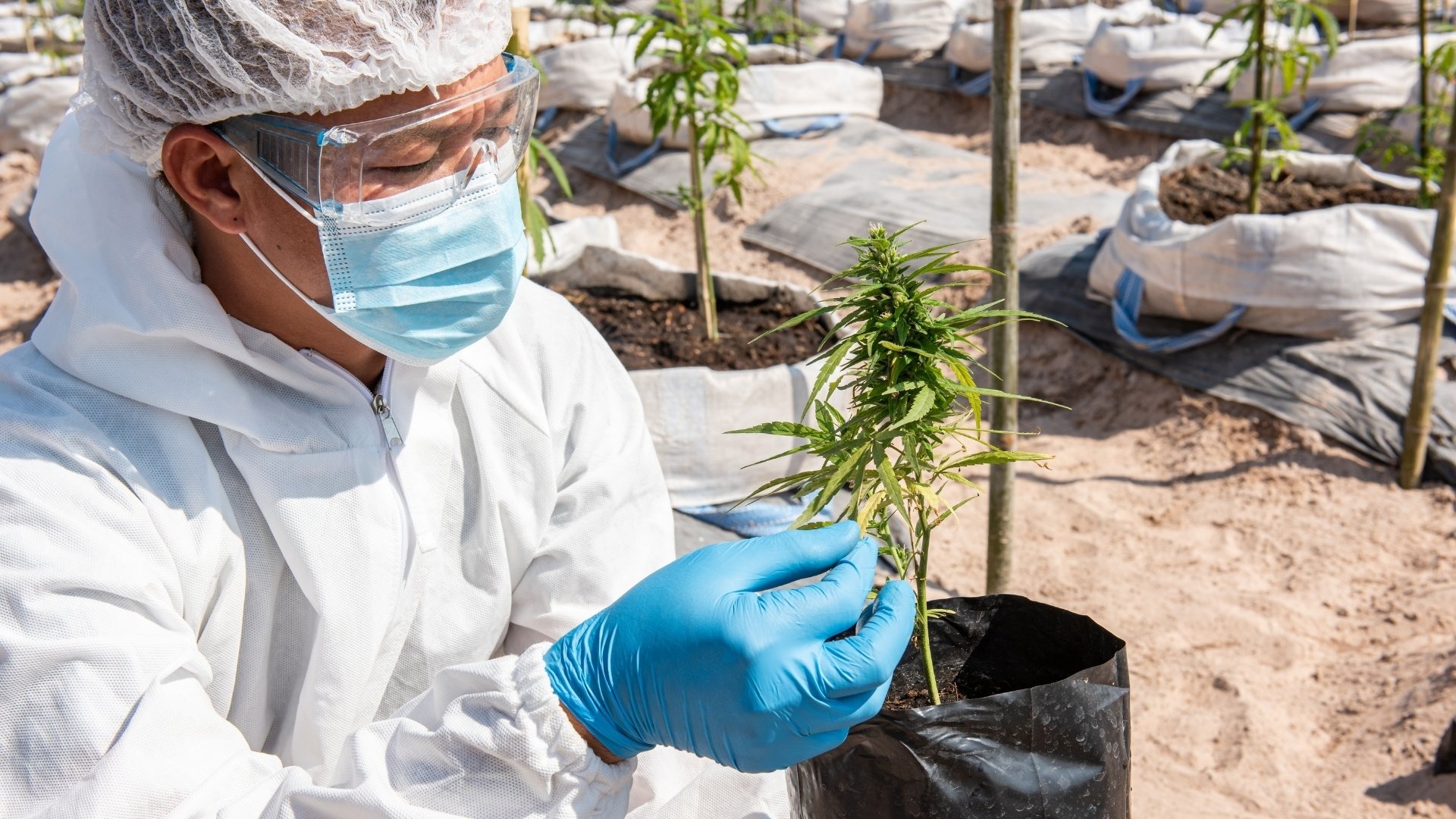
Fixing operational gaps requires more than adding isolated tools. The most effective cultivation technology focuses on improving execution, visibility, and consistency across daily workflows.
Top tools include:
1. Task and Workflow Management Systems
These systems structure daily cultivation activities into clear, repeatable workflows. They ensure every task is assigned, tracked, and completed according to plan. This creates consistency across teams and reduces execution gaps.
Key benefits:
- Ensures every task is completed on time
- Standardizes workflows across rooms and cycles
- Improves team coordination and accountability
PlanaCan enables teams to schedule, assign, and track tasks throughout the growth cycle. This ensures consistent execution, clear accountability, and better coordination across rooms and teams. Schedule a free demo.
2. Digital Cultivation Scheduling Tools
Scheduling tools map out cultivation activities across the entire grow cycle. They help teams plan tasks in advance and adjust timelines as needed. This prevents delays and keeps operations aligned with plant needs.
Key benefits:
- Keeps all activities aligned with growth timelines
- Reduces missed or overlapping tasks
- Improves planning across multiple rooms
3. SOP and Process Standardization Tools
These tools convert cultivation practices into structured, repeatable processes. They ensure that every team member follows the same steps for each task. This reduces variability and improves consistency in outcomes.
Key benefits:
- Eliminates variation in task execution
- Ensures compliance with internal standards
- Improves repeatability across harvests
4. Real-Time Task Tracking and Visibility Systems
These systems provide a live view of task progress across the facility. Managers can quickly identify what is completed, pending, or delayed. This enables faster decision-making and better operational control.
Key benefits:
- Provides real-time visibility into operations
- Helps identify delays and bottlenecks
- Supports proactive management
5. Digital Activity and Batch Logging Tools
Digital logging tools replace paper records with structured, searchable data. They capture every activity performed during the growth cycle. This improves traceability and supports better analysis.
Key benefits:
- Creates accurate, centralized records
- Improves traceability across batches
- Supports performance analysis and audits
6. Team Accountability and Labor Tracking Tools
These tools track who performed each task and when. They provide insights into team performance and workload distribution. This helps optimize labor and improve accountability.
Key benefits:
- Tracks individual and team performance
- Improves resource allocation
- Reduces gaps in responsibility
7. Alerts and Notification Systems
Alert systems notify teams about upcoming tasks, delays, or deviations. They ensure that critical activities are not missed. This keeps operations proactive rather than reactive.
Key benefits:
- Prevents missed or delayed tasks
- Keeps teams aligned in real time
- Reduces risk of operational errors
In the next section, we look at additional features that help cultivation technology deliver consistent, reliable performance in real-world grow environments.
Suggested Read: A Cultivator’s Guide to How Deep Do Cannabis Roots Grow?
Additional Cultivation Technology That Supports Cannabis Growth Performance
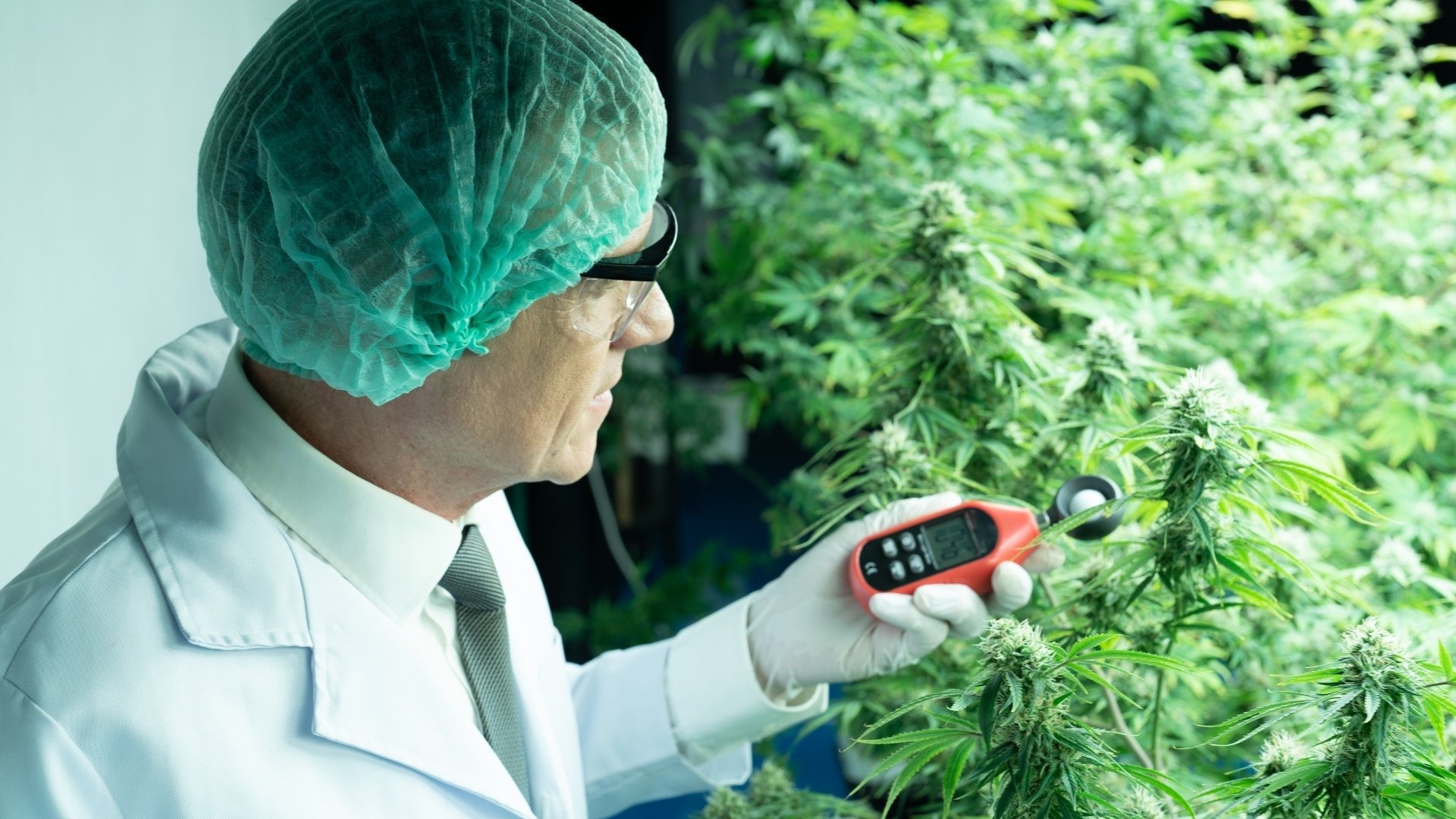
Improving cannabis operations requires more than execution and workflow systems. Other cultivation technologies play a critical role in controlling the environment, maintaining plant health, and optimizing inputs.
Other key technologies used in cultivation:
These systems regulate temperature, humidity, and airflow within the grow environment. Maintaining stable conditions is essential for preventing stress and ensuring consistent plant development.
- Environmental Monitoring Sensors
Sensors track variables such as VPD, CO₂ levels, and moisture in real time. This allows growers to detect deviations early and make timely adjustments.
- Automated Irrigation and Fertigation Systems
These systems deliver precise amounts of water and nutrients based on plant needs. Automation reduces human error and ensures consistency across feeding cycles.
- Lighting Control Systems
Advanced lighting systems manage intensity, spectrum, and photoperiods. This helps optimize plant growth at each stage and improves overall yield quality.
- Integrated Alert and Control Systems
These systems trigger alerts when environmental conditions move outside optimal ranges. They help teams respond quickly to prevent damage or loss.
Even with advanced systems in place, outcomes depend on how consistently tasks are executed.
PlanaCan closes this gap by ensuring that every activity tied to these systems is planned, assigned, and completed on time. This reduces the disconnect between system capability and actual results. Try PlanaCan today.
Why More Tools Do Not Always Mean Better Results in Commercial Cultivations
Adding more technology is often seen as the solution to operational inefficiencies. In reality, too many disconnected tools can create more complexity, making it harder to maintain consistency and control across the grow room.
Where more tools fall short:
- Disconnected Systems Create Silos: Tools that do not integrate lead to fragmented workflows. This makes it difficult to maintain a unified view of operations.
- Increased Complexity Slows Execution: More systems mean more steps, more interfaces, and more room for confusion. This often delays tasks instead of improving efficiency.
- Low Adoption Across Teams: If tools are not intuitive or aligned with daily work, teams stop using them consistently. This breaks the process and reduces their impact.
- No Clear Ownership of Tasks: Multiple tools can blur responsibility for execution. This leads to missed steps and gaps in accountability.
- Data Without Context: Collecting more data does not guarantee better decisions. Without structure, data becomes difficult to interpret and act on.
The challenge is not the number of tools, but how well they work together within daily operations. In the next section, we look at how to bring structure and coordination across these systems to drive consistent results.
Suggested Read: How AI is Transforming the Cannabis Industry
Bring Structure and Consistency to Grow Operations With PlanaCan

PlanaCan is a cultivation operations platform designed to help growers plan, execute, and track daily work across their facilities. It focuses on turning cultivation plans into structured, repeatable workflows so teams can operate with consistency and control.
This is how it supports grow operations:
- Automate and Standardize Daily Workflows
PlanaCan helps teams automate work using predefined templates for every stage of cultivation. This ensures repeatable execution while capturing harvesting data and activity records for every cycle.
- Centralized Scheduling With Interactive Calendars
With built-in schedule management, teams can plan and adjust tasks through interactive calendars across rooms and batches. This keeps all activities aligned with cultivation timelines and reduces missed or overlapping tasks.
- Streamlined Team Coordination and Updates
PlanaCan improves communications by giving teams a shared view of tasks, responsibilities, and updates. This reduces confusion and keeps everyone aligned without relying on scattered tools.
- Real-Time Visibility and Performance Tracking
Through integrated analytics, growers can monitor progress, identify gaps, and improve execution over time. Data is captured continuously, making it easier to evaluate performance across cycles.
- Accessible Across Devices for On-the-Floor Use
With dedicated iOS and Android apps, teams can manage tasks and updates directly from the grow floor. This ensures information stays current and actions are recorded in real time.
PlanaCan is built specifically for growers who need structure without adding complexity. It brings clarity to daily operations and makes cultivation workflows easier to manage, adapt, and scale.
Conclusion
Most grow improvements focus on better nutrients, tighter climate control, or upgraded equipment. But gains plateau when execution does not keep pace, and even high-end setups fail to deliver their full potential. The difference often comes down to how reliably work gets done across cycles.
PlanaCan supports this shift by focusing on operational discipline rather than adding more layers of technology. It helps growers translate plans into consistent action, making day-to-day execution easier to manage and scale.
If consistency is the goal, adopting a more structured approach can make a measurable difference. Schedule a free call today.
Frequently Asked Questions
1. How long does it take to implement cultivation technology in a grow operation?
Implementation timelines vary based on the tool and facility size, but most systems can be set up within a few weeks. The bigger factor is team adoption and integration into daily workflows.
2. Can cultivation technology work in both indoor and greenhouse setups?
Yes, most cultivation technologies are designed to adapt to different environments. However, the configuration and level of automation may vary depending on the setup and operational needs.
3. How does cultivation technology impact labor efficiency?
It reduces manual coordination, improves task clarity, and minimizes rework. This allows teams to focus more on plant care rather than administrative tracking.
4. Is cultivation technology only useful for large-scale growers?
No, smaller operations can also benefit by improving consistency and reducing errors. The impact becomes more visible as operations grow and complexity increases.
5. What challenges should growers expect when adopting new cultivation technology?
Common challenges include resistance to change, training requirements, and initial setup effort. Success depends on how well the technology fits into existing workflows and daily routines.