As cannabis cultivation becomes increasingly data-driven, more growers are turning to climate-controlled greenhouses to stabilize yields and reduce operational risk. The cannabis lighting segment (grow lights) alone is projected to reach $4.2 billion by 2028.
This shift toward controlled-environment agriculture (CEA) has become a competitive necessity. In this blog, we explore how climate-controlled greenhouses can lead to better yield levels.
A quick snapshot:
- Maximizing yield in a climate-controlled greenhouse requires careful management of temperature, humidity, light, and CO₂ to create optimal growth conditions.
- Even small missteps in environmental control or daily cultivation tasks can quickly reduce yields and affect plant quality.
- Proper greenhouse setup, including layout, environmental controls, and monitoring tools, lays the foundation for consistent, high-quality cultivation.
- Workflow and task management are critical to ensure all cultivation steps are executed on time and nothing is overlooked.
- Avoiding common mistakes such as ignoring microclimates, nutrient mismanagement, or inconsistent monitoring can prevent losses and improve overall efficiency.
What Is a Climate-Controlled Greenhouse?
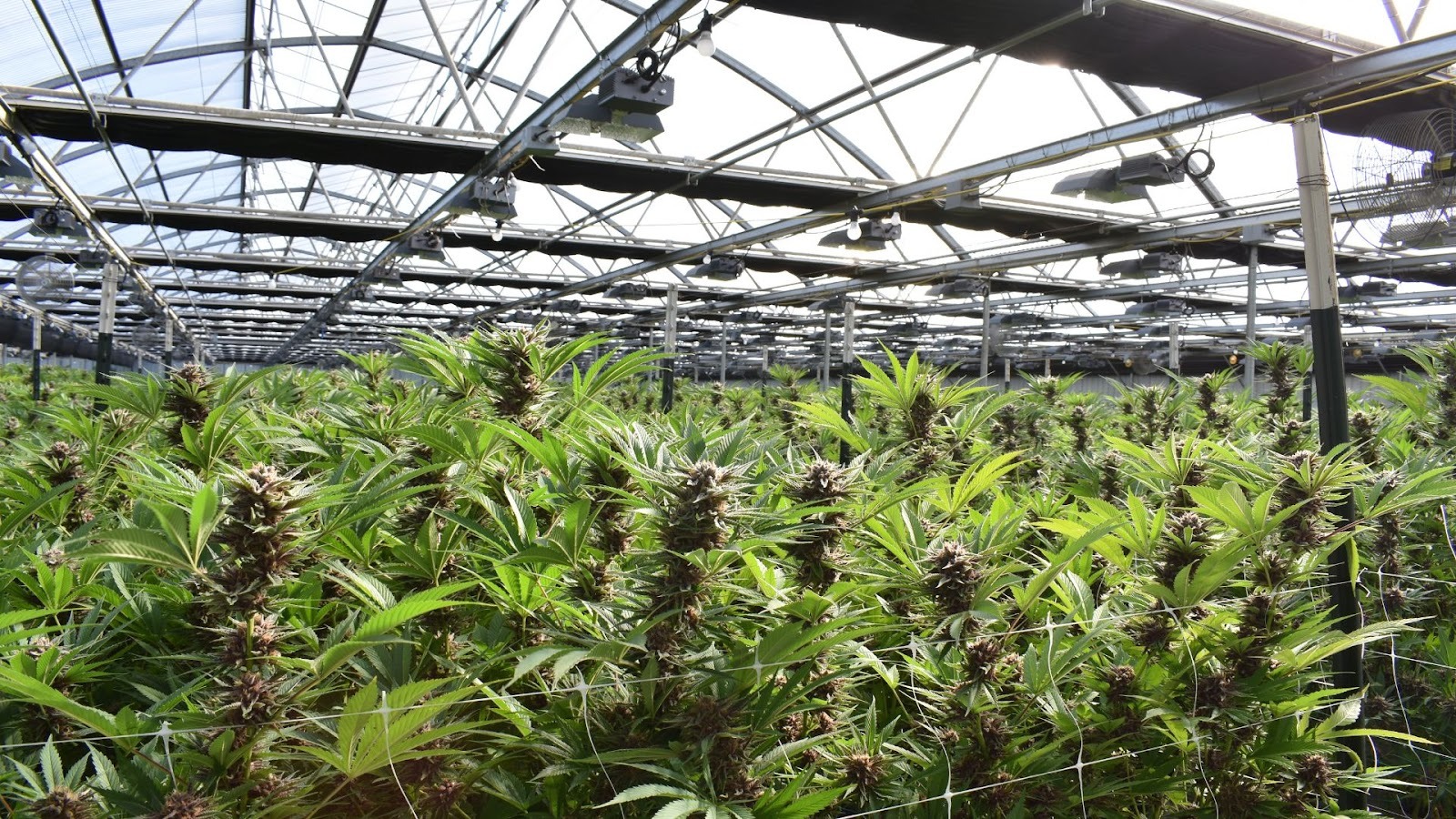
A climate-regulated greenhouse is a carefully managed environment where every aspect, from temperature to airflow, is optimized for plant growth. You can provide your plants with exactly what they need to reduce stress and make planning easier in these setups.
These are a few reasons top cultivators choose climate-controlled greenhouses:
- Stable Environment: Plants thrive when weather and temperature fluctuations are minimized.
- Predictable Growth: Consistency allows growers to plan harvests and resources more efficiently.
- Protection from Pests and Diseases: Controlled conditions help reduce common cultivation risks.
- Efficient Use of Space: Optimized layouts and environmental controls make the most of every square foot.
- Improved Workflow: Tasks can be scheduled and tracked without worrying about sudden environmental changes.
These setups make it much easier to plan and manage your grow in a controlled environment. Your plants truly thrive when every element around them is just perfect.
The next section explains how to create a system that maximizes the benefits of your greenhouse.
Suggested Read: How to Grow Medical Marijuana: Step-by-Step Guide
Steps to Get Maximum Yield from Greenhouse Cultivation
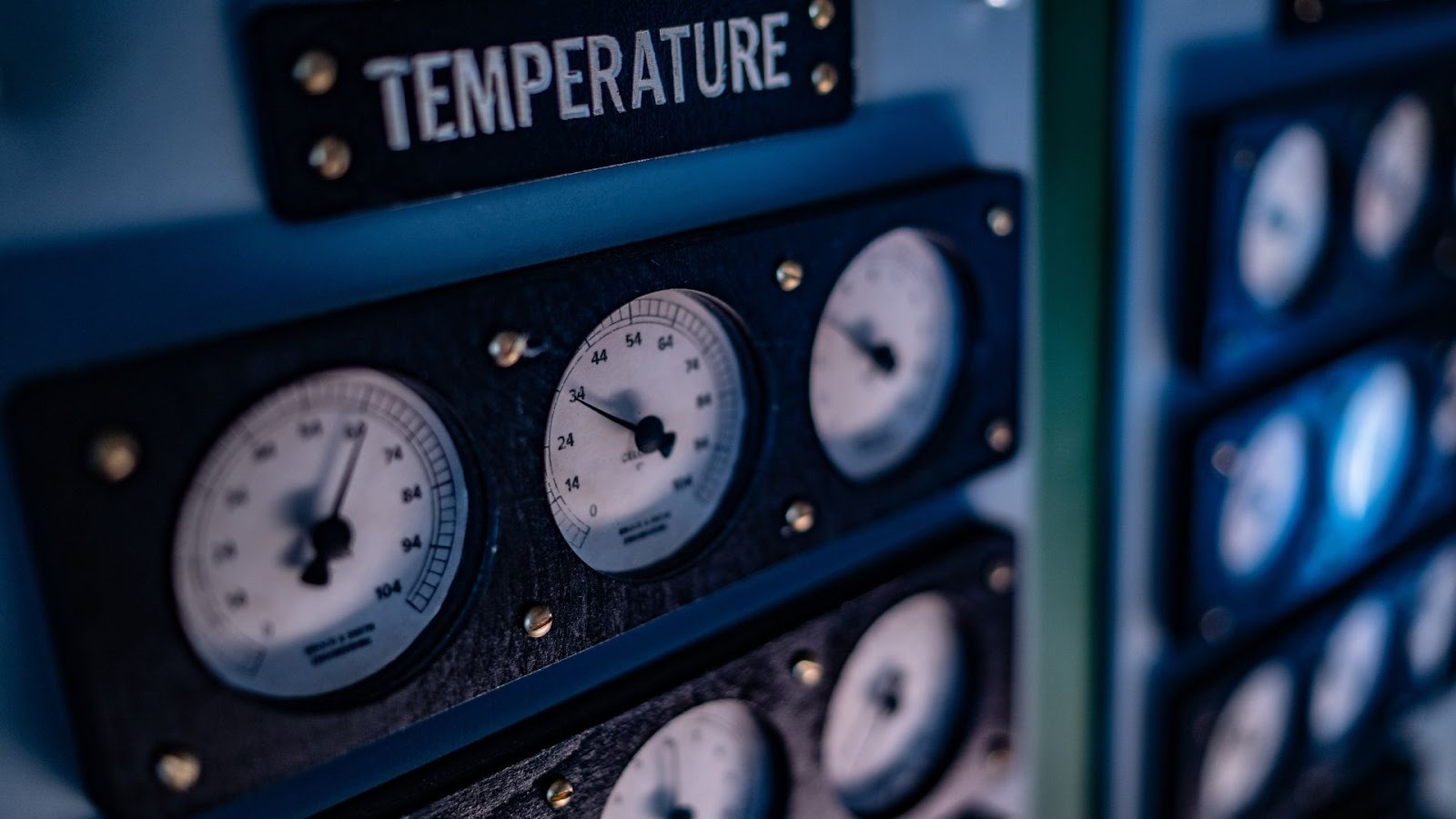
A controlled-environment grow facility allows you to fine-tune the factors that directly affect growth, potency, and yield. By understanding how temperature, humidity, light, and CO₂ impact marijuana, you can create conditions that maximize plant health and quality.
Here’s a step-by-step guide to optimizing each of these critical factors:
1. Temperature Control
Marijuana plants are highly sensitive to temperature swings. In a temperature-regulated greenhouse, you can maintain optimal warmth that encourages vigorous vegetative growth and healthy flowering.
Too hot or too cold, and plants experience stress, slowing growth and reducing cannabinoid content.
These are the best parameters for thriving growth:
- Vegetative Stage: 72–82°F promotes rapid leaf and stem development.
- Flowering Stage: 68–79°F encourages bud density and resin production.
- Night vs. Day Management: Slightly cooler nights mimic natural cycles, supporting metabolic balance and overall plant health.
2. Humidity Management
Cannabis plants require different humidity levels at various stages to prevent disease and support proper physiological function. A controlled-environment grow structure allows you to adjust moisture levels, protecting delicate buds from mold and mildew.
Aim for these humidity ranges for optimal growth:
- Seedlings & Clones: 65–70% helps young plants retain water and establish roots.
- Vegetative Stage: 50–70% levels support healthy leaf expansion and photosynthesis.
- Flowering Stage: 40–50% reduces the risk of bud rot while maintaining turgidity and trichome development.
3. Light Optimization
Cannabis is a photophilic plant. It needs the right light intensity, duration, and spectrum for each growth stage. In a controlled-environment cultivation space, you can supplement sunlight with LEDs or HPS lights.
You can make sure that all plants get consistent energy for photosynthesis, which directly impacts bud size, potency, and cannabinoid levels.
Here’s how to optimize your lighting setup:
- Vegetative Stage: 18 hours of light and 6 hours of darkness promotes leafy growth.
- Flowering Stage: 12 hours light and 12 hours dark triggers and sustains flowering.
- Supplemental Lighting: Use artificial lights to compensate for cloudy days or seasonal changes, keeping growth uninterrupted.
4. CO₂ Enrichment
Cannabis thrives when photosynthesis is maximized, and CO₂ is a critical ingredient for this process. A temperature-regulated cultivation facility allows safe CO₂ enrichment during the day. This increases growth rates and improves bud density without stressing the plant.
Keep these CO₂ guidelines in mind for healthy growth:
- Optimal Levels: 1,200–1,500 ppm during light hours increases photosynthetic activity.
- Avoid Overexposure: Excess CO₂ can harm plants and reduce efficiency.
- Timing: Enrich only when lights are on to match peak photosynthetic demand and optimize energy use.
You can remove the guesswork from your greenhouse grow with PlanaCan. Automate your schedules, track tasks, and monitor your plants in real time, all from one easy-to-use platform. Schedule a free call today.
Next, we will explore the financial side of these advanced cultivation setups to see if the investment is truly worth it.
Suggested Read: Tips to Increase the Potency of Your Cannabis Plants
Cost-Benefit Analysis of Climate-Controlled Greenhouses

Investing in a climate-regulated cultivation space can feel like a big step, but the benefits often outweigh the costs. Let’s break down the key costs and benefits so you can see the full picture.
Upfront Investments
Setting up a climate-regulated cultivation space requires an initial investment, but understanding these costs helps you plan and prioritize efficiently.
Typical costs include:
- Infrastructure: Building or retrofitting a greenhouse or controlled grow facility.
- Environmental Controls: Temperature, humidity, and ventilation systems.
- Lighting: Supplemental LEDs or HPS for consistent growth.
- CO₂ Enrichment Systems: Optional, but improves growth and yields.
- Monitoring & Automation Tools: Sensors, dashboards, and task management software.
Long-Term Gains
While the upfront costs can feel significant, the benefits of a climate-controlled greenhouse quickly make the investment worthwhile. By improving yields, quality, and workflow efficiency, these systems give growers a clear return over time.
Key benefits include:
- Higher Yields: Optimized conditions produce more buds per plant.
- Improved Quality: Consistent cannabinoid levels, aroma, and density.
- Reduced Risk: Lower incidence of pests, mold, and crop loss.
- Predictable Harvest Cycles: Easier scheduling of planting, maintenance, and harvesting.
- Efficiency in Resource Use: Reduced waste of water, nutrients, and energy.
- Team Productivity: Staff can work efficiently with clear schedules and predictable plant growth.
When you weigh these costs against the tangible benefits, it’s clear that a controlled-environment greenhouse can provide both short-term gains and long-term value.
Next, we will move on to the practical side of things and understand how to set up your greenhouse for maximum efficiency and results.
Best Practices for Setting Up Your Greenhouse
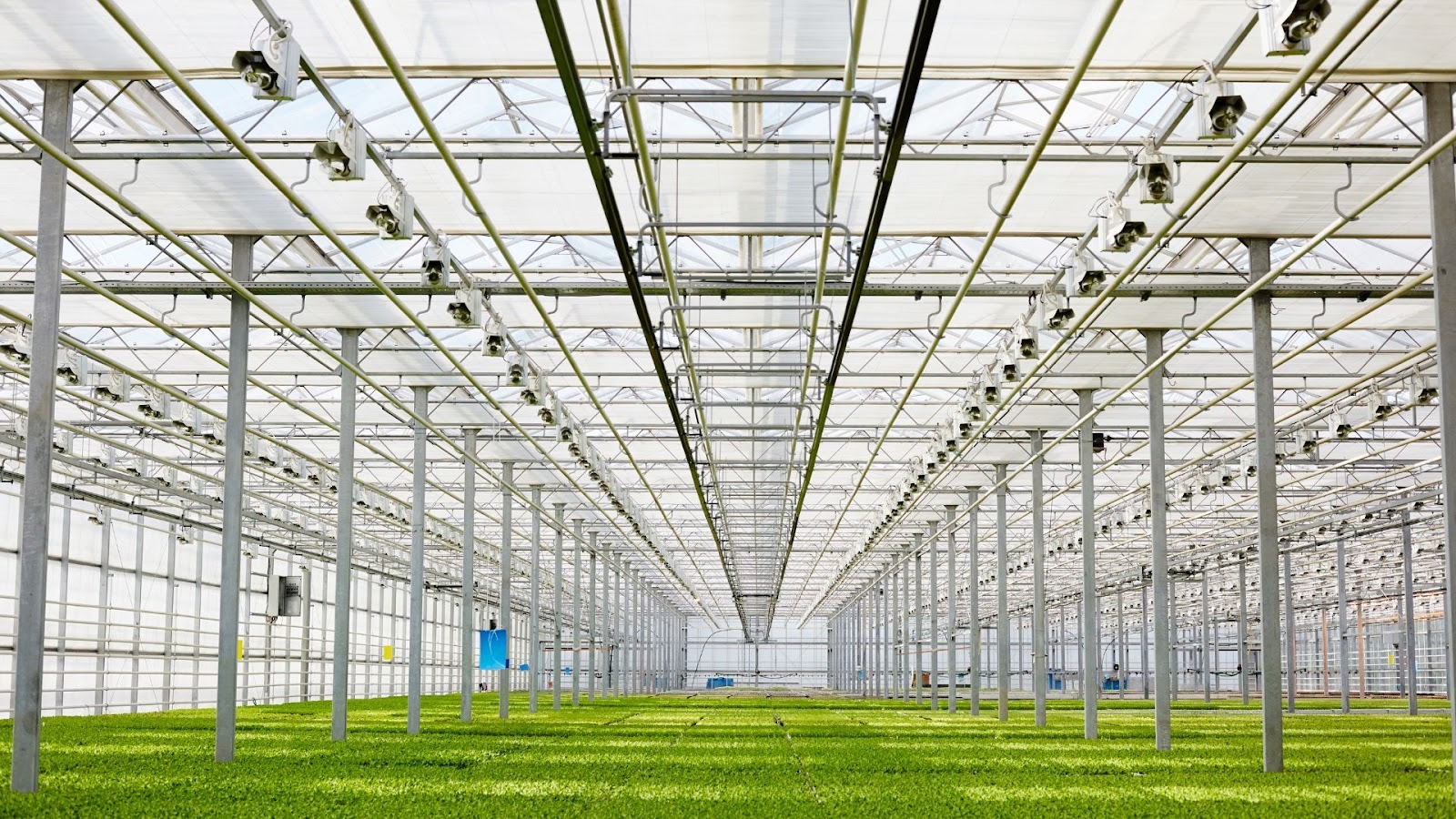
Setting up your greenhouse correctly from the start can save you time, money, and frustration down the line.
Key setup practices include:
- Choose the Right Location: Ensure adequate sunlight exposure, access to utilities, and good drainage.
- Invest in Quality Materials: Use durable structures, panels, and ventilation systems that can withstand temperature and humidity fluctuations.
- Plan for Environmental Controls: Incorporate temperature, humidity, airflow, and light systems early in the design process.
- Optimize Layout and Space: Design planting rows, walkways, and work areas for maximum efficiency and easy maintenance.
- Implement Monitoring Tools: Set up sensors and dashboards to track temperature, humidity, CO₂, and light levels.
Following these practices lays a strong foundation for a productive greenhouse. But even the best setup won’t reach its full potential without efficient workflows and task management.
Suggested Read: Identifying and Preventing Purple Bud Rot in Cannabis Plants
The Need for Workflow and Task Management
Workflow management ensures nothing is missed and your team stays coordinated. It can be challenging to keep track of daily cultivation tasks, which can hinder growth.
These are a few reasons to incorporate workflow management:
- Organize Tasks by Growth Stage: Keep track of tasks that need to be completed during the vegetative, flowering, and harvesting stages.
- Assign Responsibilities: Make sure every team member knows their role to avoid duplication or missed tasks.
- Track Progress in Real Time: Monitor which tasks are completed and which still need attention.
- Set Reminders and Alerts: Reduce human error with timely notifications for watering, nutrient adjustments, and other critical actions.
- Centralize Information: Keep notes, observations, and data in one accessible location for the whole team.
- Plan Ahead: Schedule tasks weeks or months in advance to ensure smooth operations.
Simplify your greenhouse operations with PlanaCan. Each task can be scheduled in advance, assigned to team members, and monitored in real time. This ensures nothing is missed and your cannabis plants get exactly what they need to thrive. Learn more about our competitive pricing.
4 Mistakes to Avoid With Greenhouse Cultivation
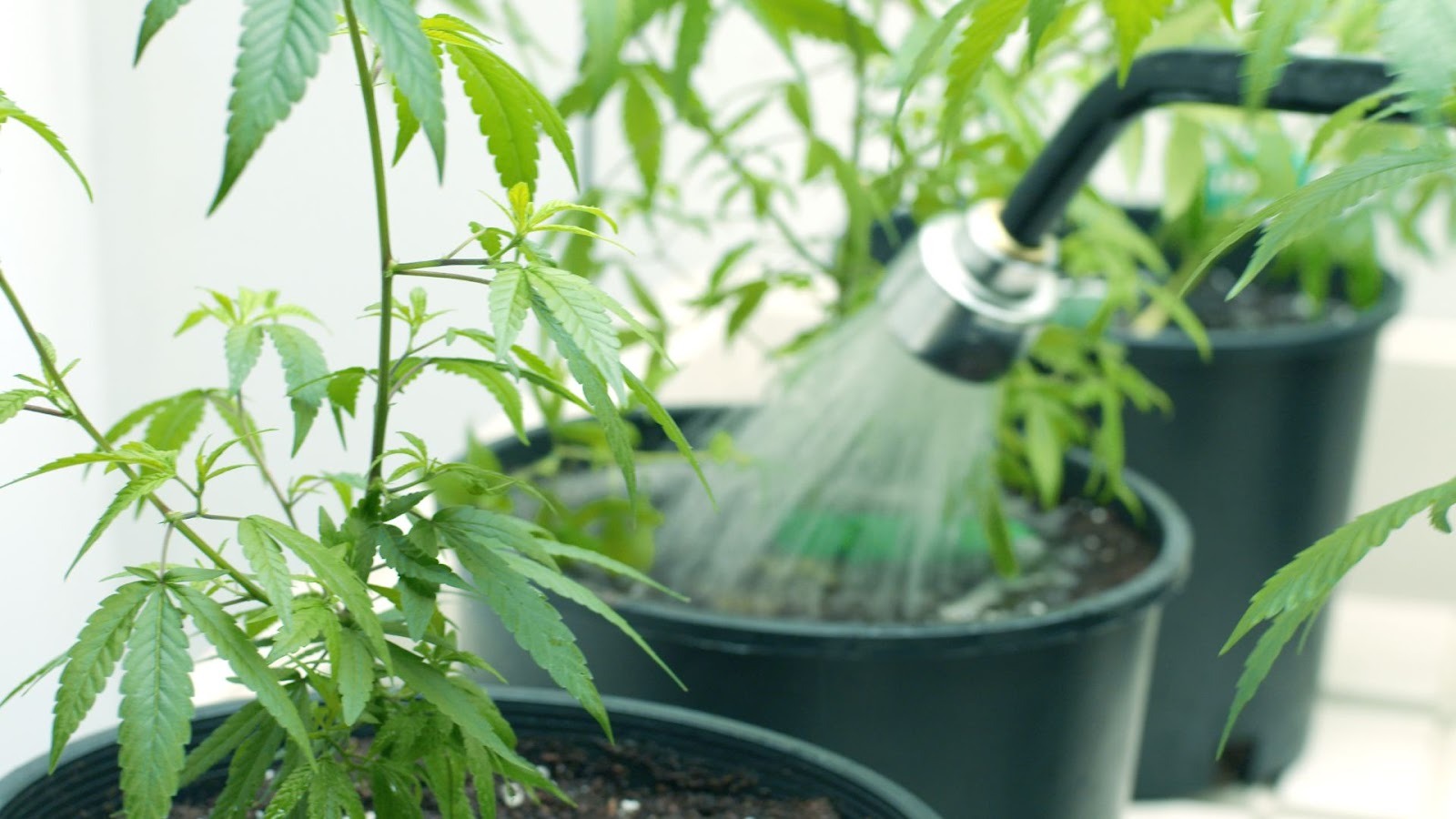
Small errors can reduce yields, affect quality, or make daily operations unnecessarily difficult. By recognizing these pitfalls and addressing them promptly, you can maintain healthy plants and an efficient workflow.
Typical mistakes made by growers include:
Mistake 1: Ignoring Microclimates
Temperature and humidity can vary within different areas of your greenhouse. Ignoring these microclimates can lead to uneven growth, stressed plants, and localized issues with pests or mold.
Solution: Use sensors to monitor conditions in multiple zones and adjust ventilation, heating, or cooling to maintain uniform environmental conditions throughout the greenhouse.
Mistake 2: Over- or Under-Watering
Excessive or insufficient water is a common mistake that directly impacts plant health and bud development. It can lead to root rot, nutrient deficiencies, or stunted growth.
Solution: Implement a scheduled irrigation plan, monitor soil moisture levels, and adjust the plan accordingly based on the plant stage and environmental conditions. Digital tools can help maintain consistency.
Mistake 3: Neglecting Nutrient Management
Plants have varying nutrient needs at each stage of growth, and mismanaging this can reduce yield and potency. Relying on guesswork or inconsistent feeding schedules is a risky approach.
Solution: Track nutrient schedules carefully and utilize automated dosing systems whenever possible to deliver the correct nutrients at the optimal time for each growth stage.
Mistake 4: Inconsistent Task Tracking
Without organized task management, important activities such as pruning, pest control, or harvest preparation can be overlooked. This leads to inefficiencies and inconsistent crop quality.
Solution: Use a centralized task management system to schedule, assign, and track all cultivation activities, ensuring nothing falls through the cracks.
Recognizing these mistakes is the first step, but preventing them consistently requires the right tools. That’s where PlanaCan comes in. The platform can monitor your greenhouse environment and automate critical workflows.
In the next section, we look at how PlanaCan can help you keep your cannabis plants healthy and your team perfectly coordinated.
Monitor and Automate Greenhouse Control With PlanaCan
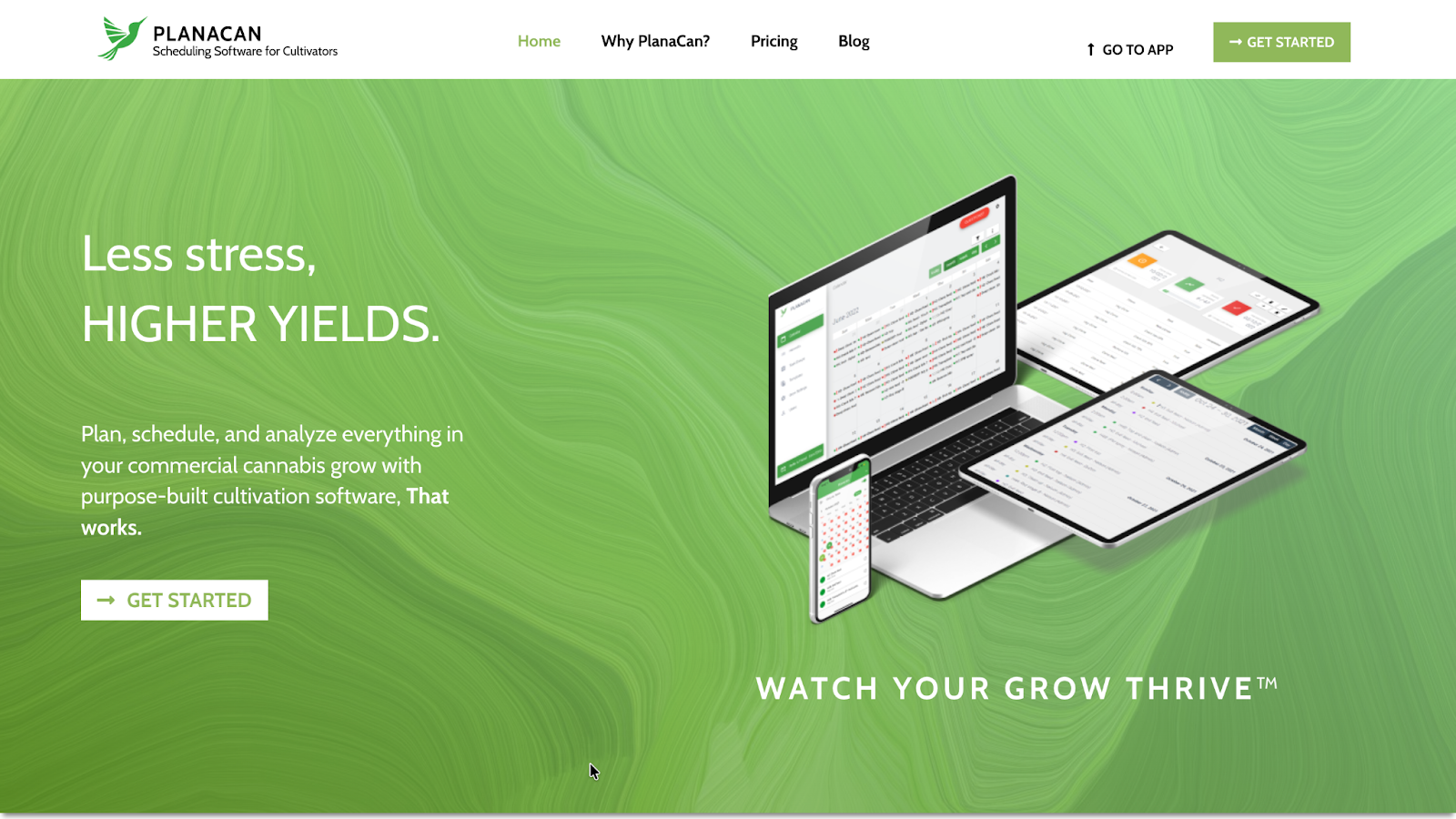
PlanaCan is an AI-enabled software that supports growers in monitoring environmental conditions, automating essential tasks, and coordinating their team. You can do all this from a single platform.
Here’s how it can improve the yield from a climate-controlled greenhouse:
1. Automated Task Scheduling
PlanaCan allows you to set up recurring tasks for watering, nutrient application, pruning, and harvest preparation. Once scheduled, these tasks are automatically assigned to team members, ensuring nothing is missed.
2. Real-Time Environmental Monitoring
Track temperature, humidity, light intensity, and CO₂ levels across your greenhouse in real time. Alerts notify you of any deviations from optimal ranges, so you can act immediately and prevent stress or damage to your plants.
3. Mobile Team Management
Team members can access PlanaCan on iOS or Android devices to update task status, add notes, and confirm completion. This ensures everyone stays coordinated, even if they are moving around the greenhouse or working remotely.
4. Data-Driven Insights & Reporting
PlanaCan captures all your cultivation data in one place, making it easy to review performance, track trends, and identify areas for improvement. Detailed harvest reports help refine workflows, increase yields, and enhance quality over time.
5. Customizable Templates
Create and apply templates for different strains, growth stages, or cultivation cycles. Templates standardize tasks and environmental settings, saving time while maintaining consistency across multiple crops.
With PlanaCan, managing a greenhouse becomes more predictable, efficient, and stress-free. And if you ever have questions or run into issues, our team is available 24/7 via email to provide guidance and support.
Conclusion
Things can quickly go wrong without careful management in a grow facility. Temperature swings, missed watering, inconsistent nutrient schedules, and overlooked tasks can all reduce yields and negatively impact plant quality.
That’s where PlanaCan makes a difference. It automates task scheduling, monitors environmental conditions in real time, and generates detailed harvest reports. You can keep the workflow smooth and your plants thriving in your climate-controlled greenhouse.
Automate tasks, track progress, and give your cannabis the care it deserves. Schedule a free call today.
Frequently Asked Questions
1. Does a greenhouse require climate control?
Not all greenhouses require full climate control. For smaller or seasonal grows, natural ventilation and passive environmental management may be sufficient. Climate control is most beneficial when consistency, higher yields, and premium-quality cannabis are priorities.
2. Can I grow multiple cannabis strains in the same greenhouse?
Yes, but it requires careful planning. Different strains may have slightly different temperature, humidity, and light preferences, so using zoning or microclimate management within the greenhouse is recommended.
3. How often should I calibrate sensors and monitoring equipment?
Sensors and monitoring tools should be checked and calibrated regularly, ideally every few months. This ensures accurate readings for temperature, humidity, CO₂, and light, which are critical for maintaining optimal conditions.
4. Is supplemental lighting necessary year-round?
Supplemental lighting depends on your location, greenhouse orientation, and the availability of seasonal sunlight. In regions with limited natural light or during winter months, artificial lights help maintain consistent growth cycles.
5. What backup systems should I have in case of equipment failure?
Essential backups include emergency generators, redundant fans or HVAC units, and backup sensors or controllers. These precautions help prevent environmental fluctuations that could stress plants or reduce yields.