The US cannabis industry is set to surpass $50 billion by 2025, opening up huge opportunities for growth. But is your cultivation operation keeping pace? As a grower, you face challenges like inefficiencies, inconsistent yields, and compliance struggles. Traditional methods can no longer handle the scale of your business.
Adopting the latest cannabis technology can reduce costs, improve accuracy, and help you expand without the need for constant manual work. In this blog, we’ll explore the emerging trends and solutions transforming the cannabis technology and how they can simplify your operation and boost your profits.
TL;DR
- Emerging cannabis technology is transforming cultivation, processing, and sales.
- Automation and AI boost efficiency, consistency, and compliance.
- Technology helps optimize resources and reduce labor costs.
- Adopting new tech is crucial for staying competitive and scaling operations.
What is the Need for Adopting New Cannabis Technology?
Cannabis growers face unique challenges, from high federal taxes (up to 50%) to the constant pressure of staying competitive. Without optimizing operations, even the best yields can leave you with minimal profit. Adopting new cannabis technology is crucial to keeping up with industry demands and expanding your business. Here's why there is a need to adopt new technologies.
- Scaling Challenges: As demand for cannabis grows, the ability to scale production effectively becomes a key challenge. Manual methods, like manually tracking plant health, are no longer efficient for larger operations.
- Rising Operational Costs: With high federal taxes and increasing labor costs, maintaining profitability in cannabis cultivation becomes harder. Traditional methods lead to overuse of resources, such as electricity, which unnecessarily drives up operational expenses.
- Compliance Complexity: Cannabis cultivation must adhere to strict regulatory guidelines regarding everything from seed tracking to final product sale. Manually tracking compliance can lead to errors and costly penalties.
- Labor Shortages: The cannabis industry faces a shortage of skilled workers. Relying on manual labor for repetitive tasks like trimming or packaging can limit your expansion.
- Competitive Market: As the cannabis industry becomes more crowded, staying competitive requires innovation. Without adopting new technology, businesses risk falling behind in efficiency, quality, and customer experience.
- Inconsistent Yields: Variations in environmental factors, like temperature and humidity, can result in inconsistent yields. Traditional cultivation methods lack the precision required to optimize growing conditions.
- Supply Chain Inefficiencies: The cannabis supply chain, from cultivation to distribution, involves many stages. Manually tracking inventory and distribution can lead to stockouts, waste, and delayed shipments.
- Data-Driven Decisions: Without real-time data, it's difficult to make the best decisions for plant health, resource management, and future planning.
Are you falling behind as the cannabis industry embraces new technologies? PlanaCan is here to help you catch up. With automated scheduling and streamlined compliance tools, PlanaCan takes the complexity out of cultivation.
Outdated methods are holding you back from reaching your full potential as a cannabis grower. Adopting new technology can tackle key challenges and drive your business growth.
What are the Emerging Trends Reshaping Cannabis Technology
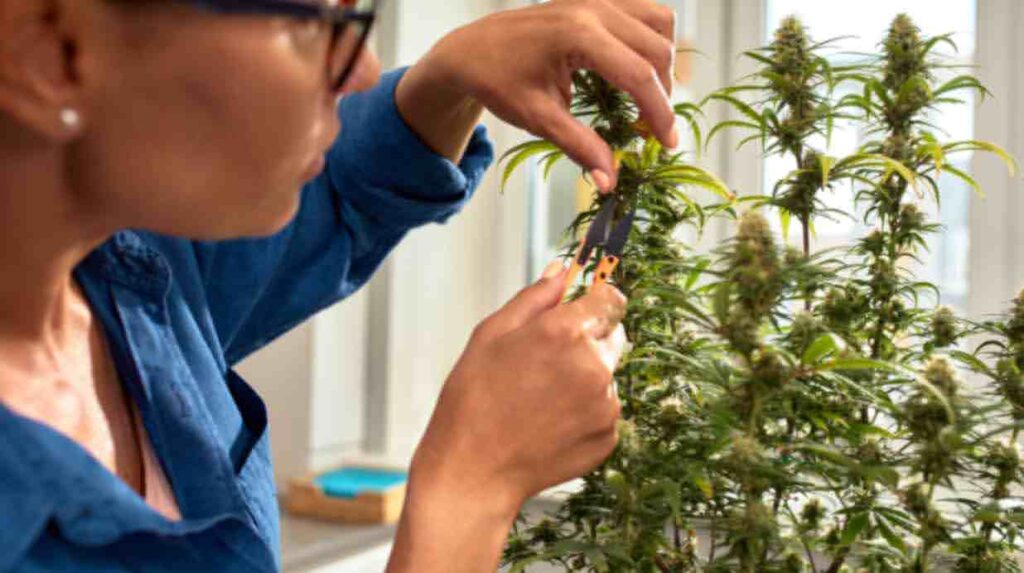
The cannabis industry is undergoing a shift. New technologies are not just improving cultivation but are enhancing operations across the entire value chain. From better compliance tracking to smarter production methods, these innovations are allowing businesses to stay innovative and respond to market demands more effectively.
Here’s how cannabis businesses grow, process, and sell their products.
1. Automation in Cultivation and Processing
Automation simplifies tasks in cannabis cultivation and processing, improving efficiency and consistency. It reduces labor costs, minimizes errors, and ensures optimal conditions for growth and production.
- Automated Irrigation: Delivers precise amounts of water to plants, ensuring consistent hydration and reducing water waste.
- Robotic Harvesting: Speeds up the harvest process, reducing labor costs and maintaining crop quality.
- Automated Packaging: Handles the packaging process from filling to sealing, increasing speed and reducing human error.
2. The Rise of AI and Machine Learning in Decision Making
AI and machine learning provide actionable insights that improve operational efficiency, crop management, and resource allocation. These technologies enable data-driven decisions that optimize the entire cultivation process.
- Predicting Plant Health: AI models analyze environmental data to forecast plant stress, pests, or diseases, allowing for early intervention.
- Optimizing Resource Allocation: Machine learning algorithms predict optimal water, light, and nutrient levels, ensuring plants receive exactly what they need for healthy growth.
- Yield Forecasting: AI uses historical data and current conditions to predict harvest times and yield sizes, helping cultivators reduce overproduction or shortages.
3. Blockchain for Supply Chain Transparency
Blockchain technology ensures transparency across the cannabis supply chain, offering secure, traceable records that track every stage of the product’s journey. This increases trust, reduces fraud, and simplifies compliance with industry regulations.
- Tracking from Seed to Sale: Blockchain provides a tamper-proof ledger that maintains every transaction and movement of the product, ensuring traceability.
- Ensuring Product Authenticity: Consumers and regulators can verify product origins and quality through blockchain, preventing counterfeiting.
- Simplifying Compliance: Blockchain automatically logs required compliance data, making it easier for businesses to satisfy regulations.
4. The Growing Role of IoT in Cannabis Operations

IoT (Internet of Things) provides real-time data and automation across various processes. By connecting sensors and devices, IoT enables precise monitoring, helping cultivators improve plant health.
- Environmental Monitoring: IoT sensors track temperature, humidity, and light levels in real-time, automatically adjusting conditions to ensure optimal growth.
- Automated Irrigation Systems: IoT-driven irrigation systems monitor soil moisture and water usage, delivering precise amounts of water to reduce waste.
- Inventory Management: IoT systems track product movement throughout the supply chain, ensuring accurate inventory.
5. Sustainable Waste Management in Cannabis Production
Managing waste efficiently is essential for cannabis producers who want to reduce their environmental impact. By using the right technology, growers can reduce waste and recycle resources.
- Recycling Plant Waste: Cannabis plants and leftover materials can be composted or used to create organic products, reducing landfill waste.
- Water Reuse: Water systems capture and filter runoff to reuse in irrigation, helping save water and lower costs.
- Energy Efficiency: Using automated systems for lighting and climate control helps reduce energy consumption, supporting a sustainable cultivation process.
6. Personalized Consumer Experiences
Personalized experiences can build strong relationships and drive loyalty. By using customer data, businesses can tailor their offerings to meet specific preferences and needs.
- Tailored Product Recommendations: Using data, businesses can suggest products based on past purchases or browsing behavior, making the shopping experience relevant for each consumer.
- Custom Loyalty Programs: Offer rewards and promotions tailored to individual purchasing habits, encouraging customers to return and engage with your brand.
- Targeted Marketing: Use consumer insights to send personalized messages or promotions, ensuring your marketing resonates with the right audience.
7. Smart Packaging Solutions in Cannabis
Smart packaging can transform how cannabis products are packaged, stored, and sold. These solutions improve product integrity, ensure compliance, and enhance the customer experience.
- QR Codes for Product Transparency: Consumers can scan QR codes to get detailed information about the product’s origin, ingredients, and production process.
- Temperature and Humidity Control: Packaging with built-in sensors ensures that products are stored in suitable conditions, preserving freshness, potency, and flavor.
- Tamper-Evident Features: Smart packaging includes tamper-proof seals and indicators, improving product security and ensuring consumers receive an unaltered product.
With these trends shaping the industry, adopting emerging cannabis technology offers clear advantages. The following benefits highlight how these innovations improve your cultivation process.
How Emerging Cannabis Technology Can Benefit Cultivators?
The cannabis industry is under pressure to scale while maintaining quality and compliance. Emerging technologies offer you practical solutions to address challenges like inconsistent yields and resource management. These tools give you more control over the process and reduce the need for manual intervention.
Here’s how these technologies can directly benefit your cultivation process:
- Faster Planting and Harvesting: Automated systems like robotic planters and harvesters can cut down the time spent on manual planting and harvesting, allowing you to increase your output while lowering labor costs.
- Better Crop Monitoring: IoT sensors and smart devices provide continuous, real-time monitoring of environmental conditions (humidity, temperature, light). This enables you to detect changes in plant health instantly, allowing for immediate intervention.
- Consistent Yields: Advanced climate control systems and automated irrigation ensure consistent conditions for your crops, preventing fluctuations in yield caused by environmental stress.
- Early Pest and Disease Detection: AI-driven pest management systems and advanced image recognition technology can identify pests or diseases in their earliest stages. This allows you to take corrective action quickly, preventing widespread damage.
- Improved Traceability: Blockchain technology can track every step of your product’s journey from seed to sale, providing an unalterable record. This transparency builds trust with consumers, helping with regulatory compliance.
- Reduced Waste: Smart irrigation and nutrient management systems automatically adjust based on real-time data, ensuring plants receive exactly what they need without excess. This reduces water and nutrient waste, cutting costs and improving sustainability.
- Personalized Growth: With data-driven insights, you can tailor the growing conditions for specific strains or even individual plants. Customizing light, temperature, and humidity to each plant’s needs helps you achieve better quality crops.
- Extended Shelf Life: Technologies like climate-controlled storage and automated packaging help maintain optimal conditions for your crops post-harvest. This results in higher-quality products reaching the market and reducing spoilage during storage.
Ready to capitalize on the advantages of cannabis technology? PlanaCan optimizes your workflows and drives growth. Partner with us to maximize your business’s growth and efficiency.
The right tools enable you to scale your operation while maintaining control over critical aspects of growth and compliance. However, integrating these technologies is not without its challenges.
Challenges of Adopting Emerging Cannabis Technology
Implementing new technology in cannabis cultivation comes with its own set of challenges. From the high initial investment to potential resistance from staff, adopting these innovations isn’t always straightforward. Cultivators must also handle integration with existing systems and ensure that they’re meeting all regulatory requirements.
Here are some challenges for cannabis cultivators.
- Limited Access to Advanced Technology: Small to mid-sized cultivators struggle to access the advanced technology required to remain competitive. High-end systems are often geared toward larger operations.
Solution: Look for technology providers who offer flexible and scalable solutions suited to your operation's size. Some companies offer pay-as-you-grow systems, which allow for gradual adoption.
- Employee Adaption: Employees may struggle with new technology if they lack the skills to operate it effectively. This creates roadblocks in the transition to automated systems or data-driven solutions.
Solution: Invest in user-friendly systems and provide ongoing training for your workforce. Create hands-on learning experiences to ease the adoption.
- Vendor Lock-in: Once a cannabis grower commits to a specific technology provider, it may be difficult or expensive to switch to a different solution in the future.
Solution: Choose technology solutions with open APIs or those that offer compatibility with other systems. Look for providers who prioritize flexibility and future scalability.
- Over-Complexity of Technology: Some technology solutions, especially for large-scale operations, come with a high level of complexity that may overwhelm cultivators.
Solution: Select simplified, all-in-one solutions that simplify operations without requiring extensive technical expertise.
- Slow Adoption of Cloud-Based Systems: Cannabis cultivators, particularly those in highly regulated states, may be hesitant to move operations to the cloud due to concerns over data security.
Solution: Opt for cloud providers with strong encryption, compliance certifications, and transparent security protocols. Ensure they meet the standards set by local and federal regulations.
- Customization Issues with Software: Many cannabis businesses use off-the-shelf software that may not fully address the unique needs of their operations. This lack of customization can result in inefficiencies in tracking and reporting.
Solution: Invest in customizable software or work with providers who offer tailored solutions that can adapt to your specific processes.
- Disruptions from Technology Integration: Integrating new technology into existing operations can cause temporary disruptions. These disruptions may impact product output.
Solution: Implement technology in phases, starting with areas that will offer immediate benefits (e.g., automation in irrigation). Test and refine the system before full-scale integration.
While these challenges can seem overwhelming, the right solutions can make the transition to advanced cannabis technology much easier. PlanaCan offers a comprehensive approach that addresses many of these issues.
How PlanaCan Helps in Simplifying Cannabis Cultivation?
PlanaCan simplifies the complexities of cannabis cultivation by offering powerful tools that improve organization and efficiency, from planning to harvest. Here’s how:
- Automated Work Scheduling: Create custom cultivation templates and automate task scheduling with a few clicks, ensuring a consistent workflow for each harvest.
- Interactive Calendar for Planning and Tracking: Stay organized with a visual calendar to plan tasks in advance or make real-time adjustments.
- Team Management Tools: Assign and track tasks from mobile devices, enabling real-time updates, notes, and progress checks for your team.
- Harvest Analysis and Reporting: Access detailed reports after each harvest to analyze trends, refine processes, and improve future yields.
Conclusion
Adopting new technology is essential for staying competitive and improving your cannabis cultivation. With the right tools, you can boost consistency and drive better results. Embrace innovation to elevate your operation and meet industry demands.
PlanaCan helps you take control of your cannabis cultivation with ease. Its automated scheduling, interactive calendar, and team management tools simplify task coordination, ensuring consistency across all stages of your operation.
Schedule a free call today to see how PlanaCan can optimize your processes and help you achieve better yields and quality every time.
FAQs
1. How can cannabis technology improve cultivation efficiency?
Technology helps by automating tasks like watering, lighting control, and nutrient delivery, which reduces manual labor and increases operational speed. This allows you to manage more plants without compromising quality.
2. What role does automation play in cannabis cultivation?
Automation tools like robotic harvesters and automated irrigation systems allow for precise control over the cultivation process, reducing labor costs and human error while improving consistency.
3. How can technology help with cannabis compliance?
Automated systems and blockchain technology track every step of the cultivation and processing process, making it easier to comply with regulatory standards and ensuring real-time record-keeping for audits.
4. What are the challenges of adopting cannabis technology?
The main challenges include high initial costs, staff resistance to new tools, and the complexity of integrating technology with existing systems. Overcoming these requires careful planning, training, and phased implementation.
5. How does cannabis technology help improve crop health?
With real-time monitoring and data analytics, technology can identify early signs of pests, diseases, or environmental stress, allowing for timely interventions that ensure healthier plants and better-quality yields.