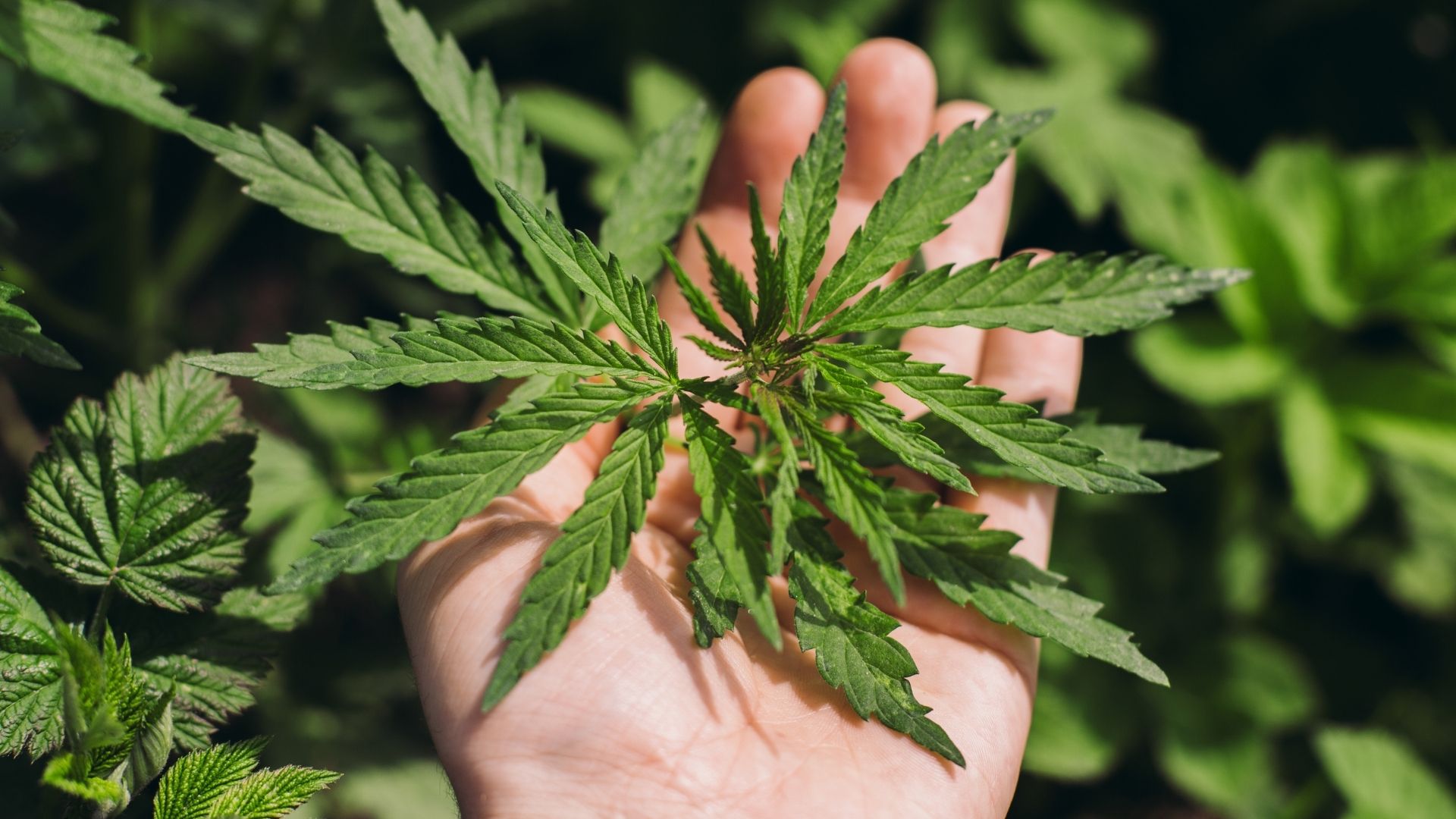
Are your Cannabis plants acting up even though your feeding schedule, genetics, and SOPs are all on point? Commercial Cannabis growers often blame nutrients or strains, but the real issue usually hides in the room itself. A small temperature spike, stale air pocket, or sudden humidity dip can slow growth, trigger stress, or cut yields before you catch it.
The truth is, your entire harvest depends on how well you control the environmental factors affecting plants. When these conditions drift even slightly, your plants start sending signals. And in a commercial setup, these small fluctuations can stack up fast, turning an otherwise healthy cycle into a costly setback.
That’s why this blog shows you what stress looks like, what triggers it, and how to regain control fast. You’ll get clear, practical routines that fit real grow workflows. Stick around, and you’ll walk away with an environment strategy you can trust.
At A Glance:
- Cannabis growth depends heavily on environmental factors affecting plants, influencing health, yield, and consistency.
- Light, temperature, humidity, and airflow act as core drivers that shape daily plant performance.
- Secondary factors like CO₂ levels, soil quality, and irrigation control further affect growth and stress response.
- Environmental stress shows up through slowed growth, leaf discoloration, wilting, and weakened structure.
- Stable conditions require daily monitoring, strong airflow, controlled humidity, and rapid response to plant signals.
Why Environmental Factors Matter In Cannabis Cultivation
Your cannabis plants react to every part of their environment, from light to moisture. When key conditions stay within the right range, your plants grow stronger, produce better yields, and face fewer problems throughout each cycle.
Here is a quick view of how the grow environment impacts your operation:
Strong environmental management helps you catch issues before they disturb your crop. Now, let’s look at the environmental factors affecting plants that matter most in your facility.
Also Read: Optimal Temperature and Humidity for Cannabis Flowering
The Core Environmental Factors Affecting Plants

Before you adjust schedules or tools, you must understand which core factors influence cannabis development the most. Each one directly affects plant health, yield quality, and long-term consistency. Let’s explore the essentials your grow depends on:
1. Light Quality and Intensity
Light controls how cannabis produces energy and forms dense buds.
- Use consistent light schedules to support vegetative strength and flowering development.
- Watch for signs of stress, such as leaf bleaching or stretching.
- Match your light spectrum with each growth stage for steady results.
A strong light program lays the foundation for healthy growth. Once lighting is stable, temperature control becomes your next priority.
2. Temperature Stability
Your grow performs best when temperatures stay within a safe range.
- Warm days and slightly cooler nights keep plants active and balanced.
- Too much heat slows growth, reduces potency, and dries out your medium.
- Low temperatures weaken plants and increase nutrient issues.
Steady temperatures help anchor plant health. After that, you can refine humidity to give your plants the support they need.
3. Humidity Levels
Humidity influences how fast your plants breathe and drink.
- Higher humidity helps young plants build strong leaves and structure.
- Lower humidity protects flowering plants from mold and bud rot.
- Tools like humidifiers, dehumidifiers, and airflow adjustments help you maintain balance.
Once humidity is stable, airflow must come next, because moving air protects your plants from hidden risks.
4. Airflow and Ventilation
Air movement supports healthy stems and helps reduce disease risks.
- Good airflow lowers excess moisture and keeps pests from settling.
- Indoor grows need intake fans, exhaust fans, and circulation fans for clean movement.
- Outdoor plants need proper spacing to avoid humidity pockets.
Good airflow improves every other environmental setting. The last core element is water management, which directly affects nutrient balance.
5. Watering and Irrigation
Your watering schedule influences root strength and nutrient flow.
- Allow a slight dry-back between irrigation cycles.
- Track runoff to watch for changes in salinity or pH.
- Overwatering and underwatering both interrupt growth and reduce yield.
With these core conditions in place, you can move into additional factors that fine-tune plant performance.
Managing light, temperature, and humidity across multiple rooms can get tricky. PlanaCan tracks and logs every environmental factor in real time. This ensures your plants stay healthy, consistent, and high-yielding with less effort.
Secondary Factors That Influence Cannabis Growth

Once your main environment is steady, these secondary elements help you boost consistency, efficiency, and overall plant performance. They also play a major role in how environmental factors affecting plants show up in your daily workflow.
1. Soil and Media Quality
Your growing medium affects nutrient flow, pH, and root development.
- Choose media with a balanced structure and aeration.
- Maintain pH in a stable range to avoid nutrient lockout.
- Add organic matter or microbials if your medium needs support.
2. Nutrient Availability
Nutrient levels shift throughout each stage.
- Provide balanced macro and micronutrients based on plant needs.
- Avoid heavy feeding that leads to salt buildup.
- Test regularly to catch issues early.
3. CO₂ Levels
CO₂ boosts growth when used correctly.
- Higher CO₂ during flower increases density and production.
- Only raise CO₂ when your lighting, temperature, and airflow are stable.
- Monitor levels closely for worker safety.
4. Air Quality
Airborne pollutants and dust may harm plants and equipment.
- Use filters to keep the air clean.
- Watch for mold spores during humid periods.
- Keep your facility clean to reduce the risk of pests and contaminants.
With these secondary elements under control, your grow becomes more predictable, efficient, and ready for scaling. The next step is learning how stress shows itself in cannabis plants so you can correct issues before they cut into yields.
Signs Your Cannabis Is Experiencing Environmental Stress
When plants react to stress, they rarely stay quiet. Cannabis signals trouble through clear visual changes, and catching them early helps you protect yield quality and consistency. Here are common indicators that your environment needs attention:
- Leaf Discoloration
Yellow, bronze, or purple patches often point to temperature swings, poor feeding habits, or imbalanced humidity. Leaves may fade from the tips inward when stress becomes severe. - Curling or Drooping Foliage
Leaves that claw downward, taco upward, or droop heavily usually indicate heat stress, poor airflow, or root issues. Your environment is almost always involved when this shows up. - Slow or Stalled Growth
If plants stop stretching during veg or fail to bulk up in flower, it often connects to environmental factors affecting plants. These include low light intensity, unstable humidity, or poor root oxygenation. - Weak Bud Development
Soft, airy buds may appear when temperatures rise too high or humidity drops too low in late flower. This condition reduces resin production and lowers overall potency. - Mold or Mildew Spots
White patches, fuzzy clusters, or grayish growths point to humidity issues. These threats move fast and can spread across a room long before you notice major damage. - Leaf Burn or Crispy Tips
Browning tips or margins signal nutrient overload or excess light exposure. Both conditions stress the plant’s vascular system and reduce efficiency. - Pest Marks and Tiny Holes
Speckled leaves, small webs, or tiny chew marks tell you pests have moved in. Many outbreaks happen when airflow, moisture, or sanitation slips out of balance.
With these warning signs in mind, you can take action before stress impacts your entire room.
Also Read: Optimal Temperature for Germinating Cannabis Seeds
How To Control And Protect Your Grow Environment?

Your grow thrives when you control the space, not when you react to problems as they show up. So how do you keep your room stable and ready for peak performance? These core practices help you protect every stage of the cycle:
Airflow and Ventilation
Good airflow prevents pockets of heat, reduces humidity spikes, and keeps pests from settling.
- Use HEPA-filtered intake systems for cleaner air.
- Add oscillating fans at canopy level and keep running at multiple angles.
- Space plants apart so air can pass between branches.
Humidity Management
Humidity shapes transpiration, nutrient uptake, and resistance to disease.
- Seedlings thrive near 70 percent.
- Veg plants prefer 40–60 percent.
- Flowering plants stay safest at 40–50 percent.
Temperature Stability
Cannabis performs best between 75 and 85°F in most indoor systems. Try to keep nighttime drops small so plants remain comfortable.
- Use climate control equipment with sensors placed at canopy height.
- Avoid hot zones near lights or cold zones near vents.
Cleanliness and Daily Sanitation
A clean room prevents most outbreaks before they start. Make sure your team follows a simple checklist:
- Sanitize tools after each use.
- Keep floors, racks, and walls dry and debris-free.
- Isolate new clones for four weeks before moving them into the main room.
Organic Pest Management
Pests tend to appear when environmental conditions slip.
- Use neem oil, diatomaceous earth, or beneficial insects.
- Inspect plants daily for mites, gnats, thrips, and whiteflies.
Light Cycle Control
Each stage responds to specific light durations and spectrums.
- Seedlings: 18 hours of blue-leaning light.
- Veg: 18 hours of full-spectrum light.
- Flower: 12 hours of strong full-spectrum light.
pH and Root-Zone Balance
Roots absorb nutrients best within a narrow pH range.
- Soil: 6.0–6.8
- Soilless: 5.5–6.5
Protection For Outdoor Grows
If you're growing outside, support comes from environmental planning.
- Space plants 3–5 feet apart for airflow.
- Monitor weather patterns closely.
- Shake excess rainwater off leaves after storms.
- Use organic fungicides when needed.
Protecting your plants from pests, mold, and stress starts with staying organized. PlanaCan organizes all checks, tasks, and monitoring in one dashboard. This keeps your grow stable, healthy, and inspection-ready with less effort.
Quick Control Routine: Daily To Monthly Tasks
A clear schedule helps you stay ahead of issues caused by environmental factors affecting plants. Below is a handy table you can follow to stay consistent:
Also Read: Essential Tips to Maintain Healthy Cannabis Plant Growth
How PlanaCan Helps You Master Your Grow Environment

Environmental issues rarely start big. A missed irrigation check, an unchecked humidity spike, or a delayed airflow adjustment can push plants into stress before you even notice. These small slips become even harder as your rooms, schedules, and teams expand.
PlanaCan brings structure to your grow environment by turning every task, check, and adjustment into a clear, trackable workflow. You stay ahead of environmental fluctuations and ensure your entire team follows the same process every single day.
How PlanaCan helps you:
- Automated Work Scheduling: Automates routine environmental checks like irrigation, airflow, and sanitation tasks so nothing gets missed during critical growth stages.
- Interactive Calendar for Planning and Tracking: Lets you plan and track every environment-related action, helping you respond quickly to temperature shifts, humidity swings, or system issues.
- Team Management Tools: Keeps your team aligned on daily climate tasks, sensor checks, and maintenance work, reducing errors that cause avoidable plant stress.
- Harvest Analysis and Reporting: Organizes data on your cultivation decisions, helping you link past environmental conditions to yield outcomes and refine future grow cycles.
PlanaCan helps you maintain the environment your plants need and the consistency your business relies on.
Concluding Thoughts
Keeping your grow healthy comes down to understanding and managing the environmental factors affecting plants. Light, temperature, airflow, water, nutrients, and secondary conditions all work together to shape plant performance. And if any of these swing out of range, even strong genetics struggle to reach their full potential.
The key is pairing environmental awareness with consistent, structured daily actions. But for commercial growers, keeping that consistency is often the hardest part. And when your environment is unpredictable, your results become unpredictable too.
PlanaCan brings clarity, structure, and consistency to your cultivation environment through automated scheduling, real-time task tracking, and detailed harvest analysis. If you want a simpler way to maintain control and strengthen your grow operations, schedule a free call today.
FAQ’s
1. What environmental factor triggers the flowering stage in most cannabis plants?
Most cannabis plants begin flowering when their light cycle shifts to longer, uninterrupted darkness. Around 12 hours of darkness signals the plant to stop vegetative growth and start producing buds.
2. What is the best environment for cannabis?
Cannabis performs best in stable temperatures, controlled humidity, strong airflow, and consistent light intensity. Keeping these conditions steady helps reduce stress and supports healthy growth from veg to harvest.
3. How do environmental factors like altitude impact cannabis growth, and what adjustments should be made?
High altitude increases UV exposure and lowers temperatures, which can stress plants. Growers may need to soften light intensity, stabilize warmth, and protect plants from cold drafts.
4. My marijuana plant, which was a clone, started growing 3 leaves instead of 5. What's happening?
Clones often produce three-blade leaves during early growth or after mild stress. Once the plant settles into stable conditions, it usually shifts back to normal leaf patterns.
5. What are the most important factors in making sure a plant grows a good yield and high THC?
Strong light, balanced nutrients, stable climate, and low plant stress help boost yield and potency. Good genetics also play a key role in reaching high THC levels.