Ever lost a plant to root rot, nutrient lockout, or unexplained stunting, despite perfect lighting and feeding? The problem might be below the surface. In controlled environments, cannabis root depth directly affects water retention, nutrient uptake, airflow, and overall plant resilience.
Yet many cultivators underestimate how strain genetics, container size, and substrate composition shape root architecture. This guide breaks down root depth by growth stage, strain type, and cultivation setup, helping you avoid common pitfalls and build a healthier, more productive root zone from seedling to harvest.
In brief
- A healthy cannabis root system typically features a deep taproot with extensive lateral branches. The plant should anchor firmly to access water and nutrients efficiently.
- Roots are essential for nutrient uptake, water absorption, and structural stability, directly influencing overall plant growth, resilience, and yield potential.
- Root depth affects growth and yield, with deeper roots supporting drought tolerance and improved nutrient distribution, while dense lateral roots optimize water absorption.
- Environmental and operational factors, including container size, soil type, and cultivation method, play a significant role in determining how deep and wide roots grow.
- Root stress can be identified and corrected through careful observation, proper watering, soil management, and task scheduling, ensuring healthier plants and consistent harvests.
How Root Depth Shapes Cannabis Growth and Yield
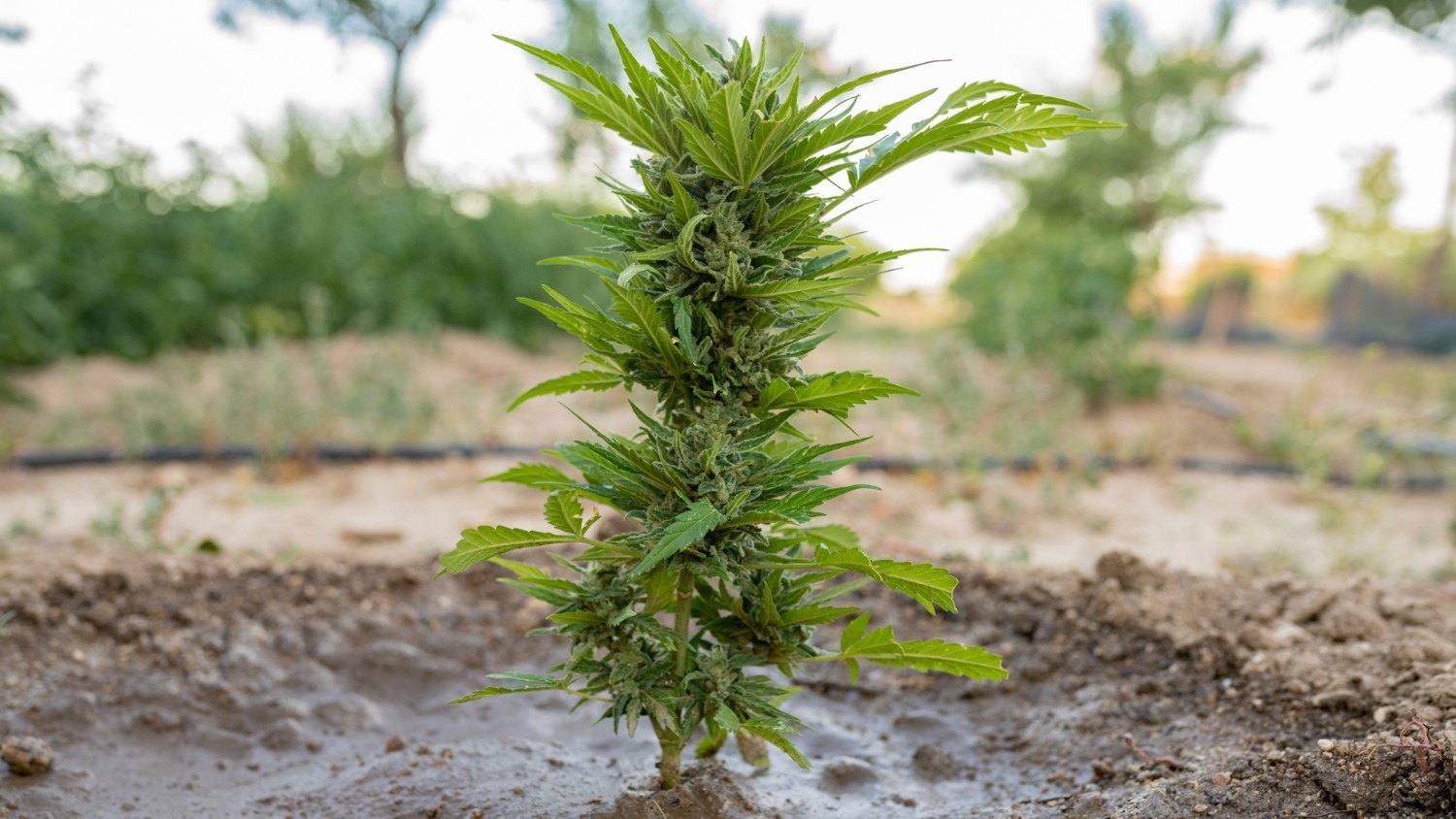
Cannabis roots typically reach depths of 12–24 inches in indoor and container setups, but root behavior varies significantly by strain, substrate, and environmental control.
A 2022 study on industrial hemp found that most of the root length density gets concentrated in the top 30 cm (11.8 inches) of soil. A well-developed root system improves nutrient uptake, enhances drought tolerance, and strengthens structural stability.
This is how the root system works for your plants:
1. Taproot - Early Stability
The taproot is the plant’s primary anchor, extending vertically during the early growth phase to secure the plant and access deep soil moisture. A strong taproot ensures early stability, allowing the plant to withstand environmental fluctuations and establish a structure for lateral growth.
2. Lateral Root Expansion - Nutrient Distribution
As cannabis matures, lateral roots branch out horizontally to explore the surrounding soil for nutrients and oxygen. The broader this network, the better the plant’s ability to absorb essential minerals and maintain even nutrient distribution across all growth stages.
3. Root Hair Density - Water Absorption
Root hairs are the fine filaments that maximize surface contact with the soil. Higher root hair density increases water and nutrient absorption efficiency, particularly in outdoor setups where soil texture and moisture availability vary.
A combination of environmental conditions, operational choices, and grower interventions shapes root depth in cannabis cultivation. These are explained in the next section.
Suggested Read: Cannabis Growing Calendar: Stages and Timeline
Variables Influencing Root Depth in Commercial and Small-Scale Grows
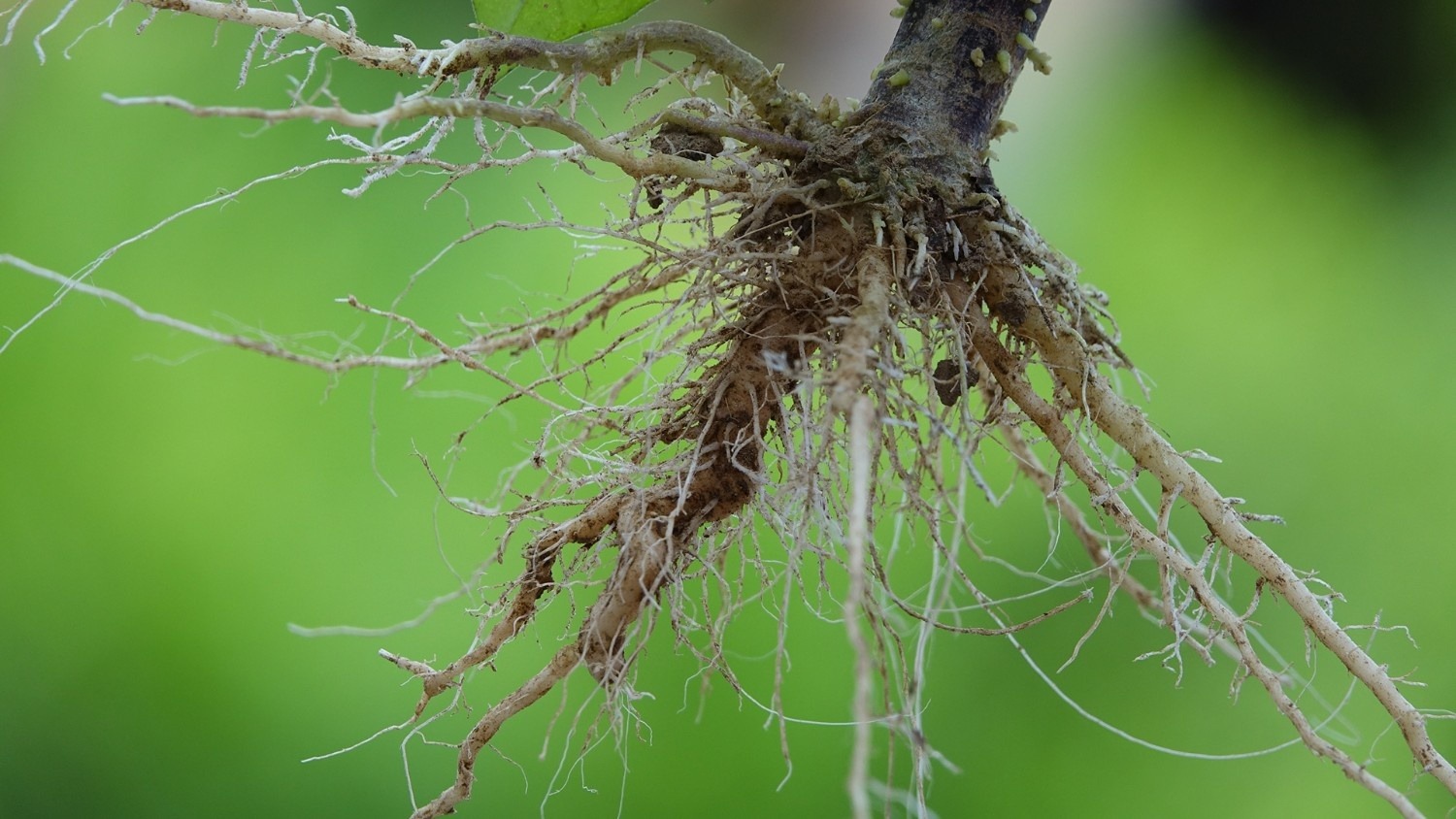
Alt text:Variables Influencing Root Depth in Commercial and Small-Scale Grows
Several factors can affect the building blocks of root density and depth. Understanding these factors can help you control plant health and yield outcomes with accuracy.
- Soil Composition: Loamy, well-aerated soil promotes deeper root growth, while compacted or clay-heavy soils limit penetration and oxygen flow.
- Container Size and Depth: In potted or micro-grow setups, the size of the container directly restricts root expansion. A 10–15-gallon pot allows moderate depth, while larger planters mimic natural soil growth.
- Watering Practices: Frequent shallow watering encourages surface roots, whereas deep, infrequent watering supports downward root expansion and drought tolerance.
- Nutrient Availability: Balanced nutrients stimulate healthy root exploration. Excessive nitrogen or salt buildup can cause shallow or “lazy” root systems.
- Temperature and Humidity: Roots thrive in consistent soil temperatures (65–75°F). Extreme fluctuations can restrict growth and reduce nutrient absorption efficiency.
- Strain Genetics: Some cannabis strains, especially landrace or sativa-dominant types, naturally develop deeper, more exploratory roots than compact indica varieties.
While these variables define potential growth, the environment and cultivation method ultimately determine how far cannabis roots can truly extend.
Cannabis Root Depth by Environment and Setup
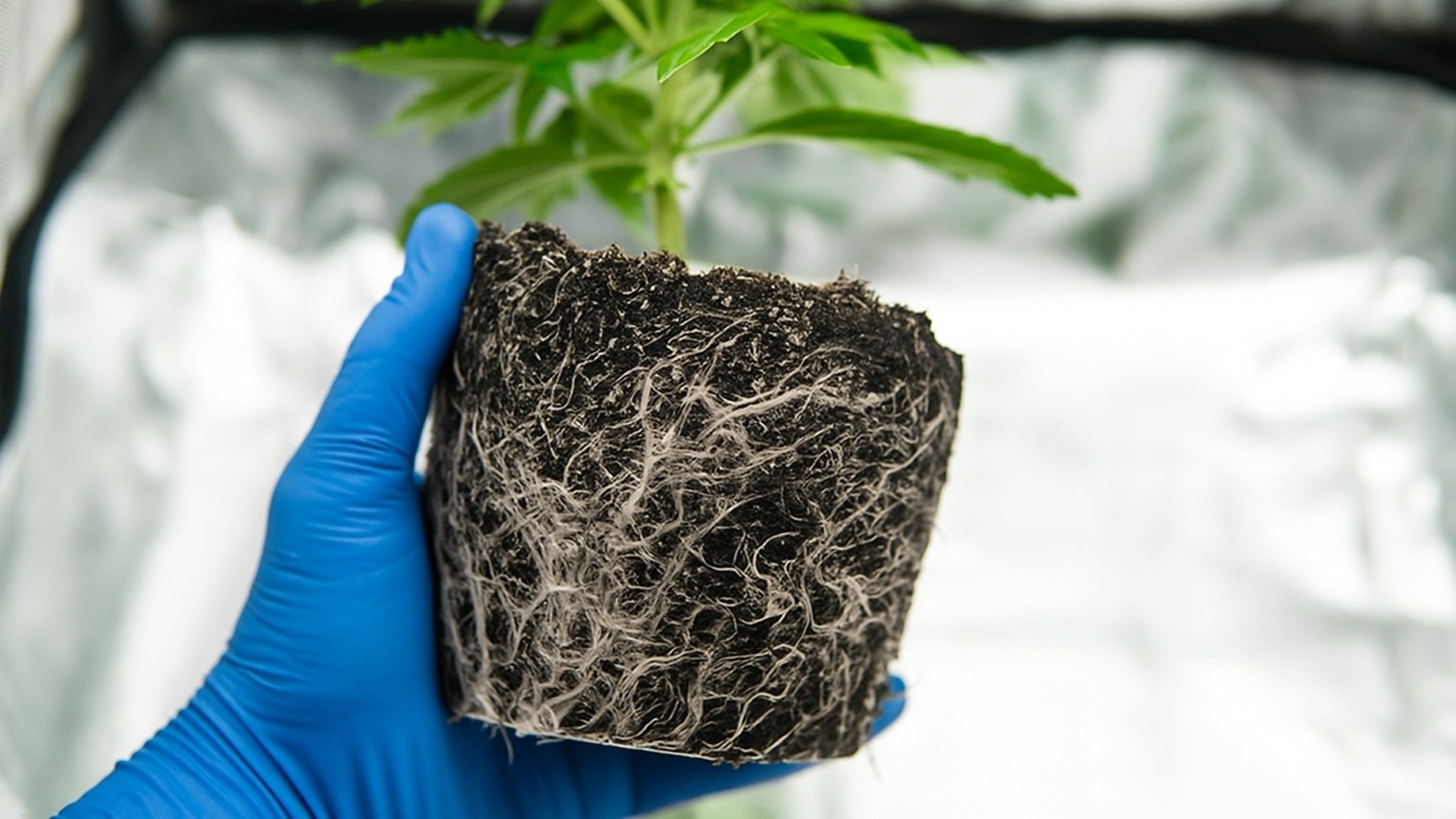
Root development differs significantly between outdoor fields, greenhouse systems, and indoor setups. Environmental control, soil texture, and space availability directly influence how deep or wide cannabis roots can grow.
These variations can help you design environments that maximize absorption, stability, and yield.
1. Outdoor Soil Grows
Outdoor plants have the most incredible root freedom, allowing them to penetrate deep into the earth and access natural nutrients and groundwater. However, soil quality and drainage play critical roles in determining how efficiently those roots spread.
Key considerations for outdoor setups:
- Well-aerated loamy soil supports roots extending up to 4–6 feet deep.
- Compact clay or rocky soil may restrict roots to 2–3 feet.
- Consistent deep watering and organic matter enrichment encourage downward growth.
2. Greenhouse and Raised-Bed Cultivation
Greenhouses balance environmental control with natural soil contact, promoting moderate-to-deep rooting while protecting plants from harsh weather. Raised beds also allow growers to adjust soil texture and nutrient density.
What influences root behavior here:
- Root systems typically reach 2–4 feet, depending on bed depth and aeration.
- Temperature regulation prevents root shock from external fluctuations.
- Drip irrigation and compost amendments ensure even root zone moisture.
3. Indoor or Potted Setups
In confined indoor environments, roots expand horizontally before reaching pot boundaries. This makes soil aeration, drainage, and container choice critical to maintaining root health and preventing binding.
Best practices for container grows:
- Roots generally reach 1–2 feet deep, depending on pot size.
- Fabric or air-pruning pots help prevent circular root binding and improve oxygenation.
- Controlled watering cycles mimic natural hydration and encourage balanced spread.
4. Hydroponic and Soilless Systems
Hydroponic setups replace soil with nutrient solutions, changing how roots grow and absorb resources. Rather than depth, the focus here is on maximizing surface area and oxygen contact.
Factors that impact hydroponic root growth:
- Roots can extend up to 2–3 feet, but remain suspended in nutrient solution or substrate.
- Continuous oxygenation prevents rot and improves nutrient efficiency.
- Clean, pH-balanced water ensures consistent root health.
Choosing a grow medium is important, but monitoring performance is essential. PlanaCan offers harvest analysis and reporting tools to help cultivators track outcomes across soil types, substrates, and nutrient strategies.
By comparing yield, quality, and input data over time, you can identify what works best for your operation and what doesn’t. Learn more by scheduling a free call today.
This brings us to the next consideration: whether to aim for deep or wide root systems, and which approach yields better results.
Suggested Read: Simple Steps to Air Layering Cannabis: A Propagation Technique
Deep vs. Wide: What Should You Aim For?
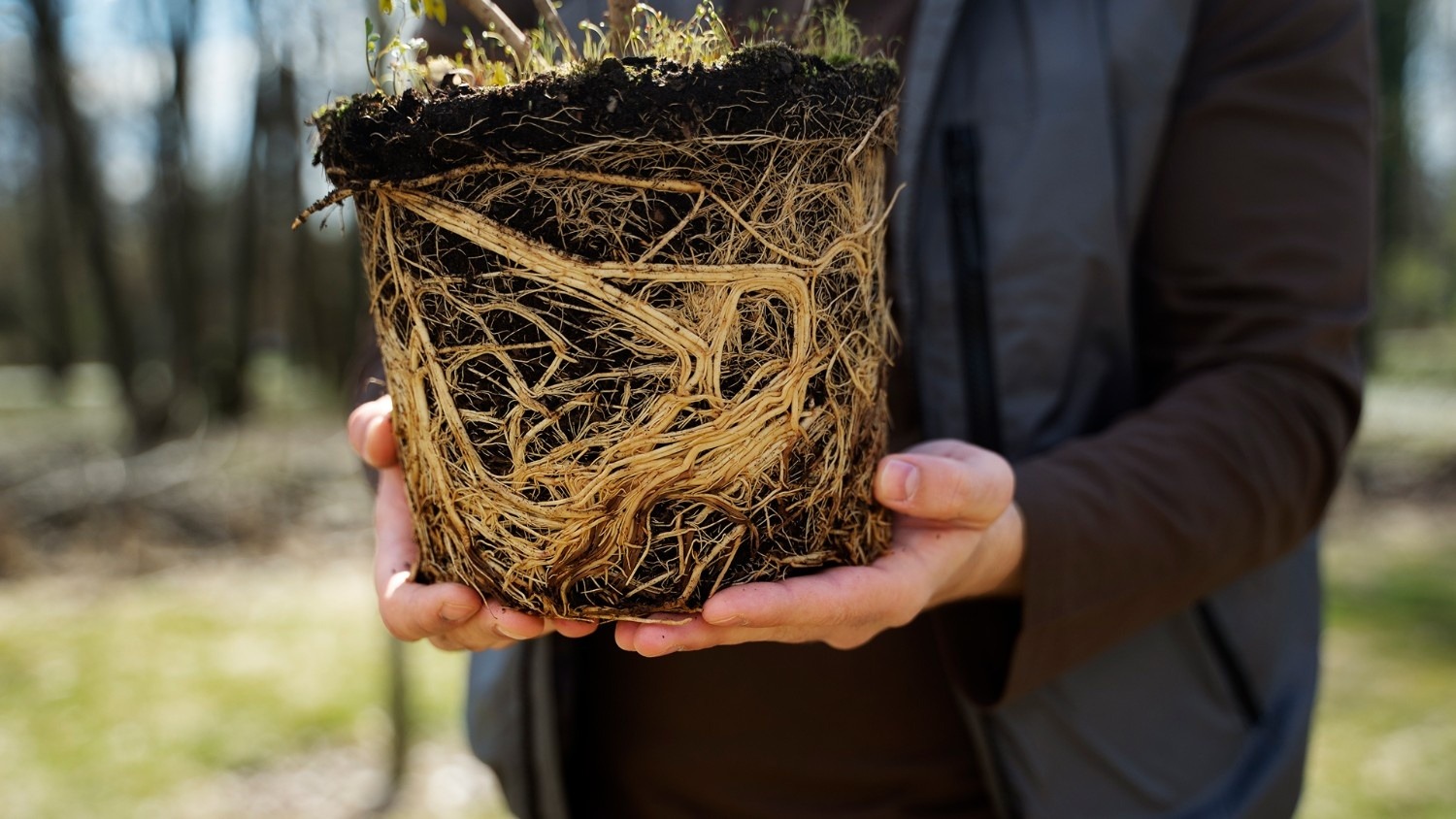
Alt text:Deep vs. Wide: What Should You Aim For?
Deep roots enhance stability and access to deep water tables, while wide roots boost nutrient uptake from upper soil layers. The ideal structure depends on your grow environment, strain, and long-term yield goals.
Deep Root Systems — Best for Outdoor and Greenhouse Grows
Cannabis plants with deep root systems thrive in environments where soil depth and aeration allow vertical expansion. These roots penetrate multiple layers of soil, accessing moisture and nutrients that shallow systems can’t reach.
- Advantages: Greater drought resistance, improved anchoring, and better access to subsoil nutrients.
- Considerations: Requires loose, well-aerated soil and deeper watering cycles to prevent shallow growth.
- Ideal for: Outdoor grows in regions with dry climates or uneven watering availability.
Wide Root Systems — Best for Indoor or Container Grows
Wide root systems are efficient at absorbing nutrients quickly and adapting to hydroponic or soil-less setups. They are easier to manage during transplanting and allow growers to fine-tune feeding and watering schedules for consistent results.
- Advantages: Faster nutrient absorption, easier transplanting, and efficient use of shallow grow media.
- Considerations: More frequent watering and careful nutrient monitoring to prevent salt buildup.
- Ideal for: Controlled indoor or hydroponic systems where root spread can be guided and maintained.
In practice, expert cultivators aim for balanced root development. It should be deep enough to provide stability, yet wide enough to maximize nutrient uptake near the surface.
Not all cannabis strains develop roots in the same way. This is explained in the next section.
Suggested Read: Tips to Increase the Potency of Your Cannabis Plants
Root Development Differences Across Cannabis Strains
Alt text:Root Development Differences Across Cannabis Strains
Genetics plays a defining role in how deep or wide a plant’s roots grow, influencing its water needs, nutrient uptake, and overall yield potential. Understanding these differences helps cultivators modify their soil composition, pot size, and watering schedules for optimal results.
These are the root systems of different strains:
1. Indica Strains – Compact and Dense Roots
Indica strains like Northern Lights and Afghan Kush typically develop shorter, denser root systems that thrive in confined spaces.
- They are ideal for indoor or micro grows, where vertical root depth is limited but soil aeration can be easily controlled.
- Their root density makes them more efficient at nutrient absorption but slightly more prone to overwatering if drainage is poor.
2. Sativa Strains – Deep and Expansive Roots
Sativas such as Durban Poison or Super Silver Haze send roots deep into the soil, seeking water and nutrients from lower layers.
- They perform best outdoors or in large containers with deep soil profiles.
- Their extended root reach enhances drought resistance but requires consistent watering during dry periods.
3. Autoflowering Strains – Shallow and Fast-Developing Roots
Autoflowers like Amnesia Auto and White Widow Auto form shallower root systems that mature rapidly within 8–10 weeks.
- They require well-aerated, loose soil and frequent but light watering.
- Because of their shorter lifecycle, maintaining a consistent nutrient balance is crucial from the start.
4. Hybrid Strains – Balanced Root Architecture
Hybrids such as Blue Dream or Gorilla Glue #4 display intermediate root patterns, combining depth with lateral spread.
- They adapt well to both indoor and outdoor environments, depending on dominant genetics.
- Their flexibility allows for diverse training techniques like LST or SCROG without compromising stability.
Recognizing how different strains develop their root systems allows growers to optimize soil, watering, and nutrient delivery to match each plant’s needs.
In mixed-strain operations, manually logging and tracking these variations can be tedious. An organized system like PlanaCan ensures every strain receives exactly the care it needs. Contact us to know how PlanaCan supports higher yields.
How to Spot and Resolve Cannabis Root Stress
Root stress directly affects nutrient absorption, leading to stunted growth, drooping leaves, or poor yields. Whether in soil or hydroponic setups, identifying stress early and addressing its cause can prevent long-term damage.
Table showing different signs of root rot, their causes, and result-oriented fixes:
Once stress is under control, you can implement strategies to strengthen root recovery and resilience. These are the top strategies for healthier plants:
- Encourage Microbial Life: Introduce beneficial fungi (mycorrhizae) or bacteria to improve nutrient absorption and disease resistance.
- Use Oxygenated Water: Periodic watering with oxygen-rich or aerated solutions can help restore root vitality.
- Avoid Drastic Temperature Changes: Keep root zone temperatures between 68–75°F (20–24°C) to prevent shock.
- Trim Damaged Roots: In hydro or transplant setups, remove dead tissue to encourage new healthy growth.
- Monitor EC and pH Consistently: Maintaining steady nutrient and pH levels prevents recurring stress cycles.
While these interventions help restore plant health, consistently tracking them can be challenging, especially in multi-stage or multi-strain operations. This is where PlanaCan’s intelligent monitoring and task management system makes the difference.
Suggested Read: How to Treat Light Burn and Light Stress in Cannabis Seedlings?
Use PlanaCan to Monitor Root Health and Growth Conditions

Alt text:Use PlanaCan to Monitor Root Health and Growth Conditions
Monitoring root health is essential for maximizing cannabis yield, but tracking various conditions across multiple plants can be overwhelming. PlanaCan simplifies this by centralizing root care planning, scheduling, and documentation.
With the following features, you can stay on top of critical growth milestones and avoid costly oversights.
1. Automated Task Scheduling
PlanaCan allows growers to schedule routine care tasks such as watering, nutrient application, and transplanting.
- Assign tasks to specific team members with deadlines.
- Set recurring schedules to maintain consistent root care.
- Ensure no task is overlooked, reducing stress on plants.
2. Interactive Calendar for Planning
Use the interactive calendar to visualize your cultivation timeline and root care schedule.
- Plan weeks or months in advance for watering, soil checks, and transplanting.
- Adjust schedules dynamically as growth conditions or plant needs change.
- Centralizes tasks so all team members are aware of priorities.
3. Mobile Apps for Team Coordination
PlanaCan’s mobile apps allow team members to view and update tasks in real-time.
- Track completion of watering, nutrient feeding, or soil monitoring tasks.
- Add notes or observations for each plant or strain.
- Keep small and large teams synchronized, even across multiple grows.
4. Harvest Analysis and Reporting
Although PlanaCan does not track root growth automatically, it helps log outcomes and analyze correlations between care routines and yield.
- Record which root care methods led to healthier plants.
- Review past harvest data to refine future schedules.
- Identify trends in root health for different strains or setups.
PlanaCan provides a comprehensive platform to organize, schedule, and document root care tasks for reducing human error. New users can start with a free flexible trial to explore all features and experience how structured planning enhances overall plant health.
Conclusion
A healthy root system is the basis of sturdy cannabis growth. Roots drive nutrient uptake, water absorption, and structural stability, directly influencing plant vigor and yield. Neglecting root care can stunt growth, reduce resilience, and limit overall productivity.
PlanaCan helps cultivators stay on top of root management by providing a platform to plan, schedule, and coordinate all critical tasks. Centralized information and task tracking make it easier for teams to collaborate and maintain consistent practices.
Manage tasks effortlessly to keep your roots thriving. Schedule a free call today.
Frequently Asked Questions
1. How deep should cannabis roots grow in a container versus ground cultivation?
Root depth varies depending on whether the plant is in a pot or directly in soil. Containers often restrict root growth, while outdoor soil allows roots to expand deeper for better nutrient and water access.
2. Do different nutrient types affect root depth or density?
Yes. High-phosphorus fertilizers support root development, while nitrogen primarily promotes foliage growth. Balancing nutrients helps achieve both healthy roots and optimal plant structure.
3. Can pruning roots improve overall plant yield?
Root pruning in container-grown plants can stimulate lateral root growth, improving nutrient uptake efficiency. However, excessive pruning may stress the plant and reduce growth if not done carefully.
4. How does soil type influence cannabis root architecture?
Sandy soils encourage deeper penetration but drain quickly, while clay soils slow root growth and can cause waterlogging. Choosing the right soil mix is essential for balanced root development.
5. Does temperature or humidity affect root growth?
Yes. Extreme temperatures and high humidity levels can inhibit root expansion and reduce oxygen availability. Maintaining optimal environmental conditions supports deeper and healthier root systems.