Cannabis plants often show their first signs of stress through their leaves. Discoloration, curling, spots, or burnt edges can indicate nutrient deficiencies, watering problems, pests, or environmental stress. If ignored, these early symptoms can quickly affect plant growth and final yields.
Research has shown how serious these issues can become. One controlled study on cannabis nutrition found that plants grown without sufficient nitrogen experienced fresh weight reductions of up to 73%. This highlights how quickly small imbalances can escalate in a cultivation environment.
In this guide, we break down nine common cannabis leaf issues, what causes them, and the practical fixes growers can apply to keep plants healthy.
Here’s the short version:
- Leaf symptoms reveal underlying cultivation issues. Yellowing, curling, spotting, or bleaching usually indicate nutrient, irrigation, pest, or environmental imbalances.
- Nine common leaf problems signal specific plant stress. Yellowing, burnt edges, curling, drooping, dark green leaves, purple tones, spots, bleaching, and holes each point to different causes.
- Early detection protects yield and crop consistency. Addressing small leaf changes quickly prevents problems from spreading across rooms or harvest cycles.
- Consistent cultivation practices reduce leaf damage. Stable nutrition, irrigation, environmental control, and routine inspections keep plants healthier throughout growth.
- Structured monitoring improves crop response. Organized tracking systems help teams notice patterns, coordinate actions, and resolve plant health issues faster.
Primary Triggers Behind Cannabis Leaf Issues
Cannabis leaf problems develop when growing conditions drift out of balance. Nutrients, water, light, and environmental stability all influence how leaves form and function. When one of these factors shifts, the plant responds quickly, and the leaves are usually the first place where the stress becomes visible.
These are the common triggers:
- Nutrient Imbalances: Too little or too much of essential nutrients such as nitrogen, potassium, or magnesium can quickly show up as discoloration, spotting, or burnt leaf edges.
- Improper Watering Practices: Overwatering suffocates roots, while underwatering limits nutrient uptake. Both conditions often cause drooping, curling, or yellowing leaves.
- Environmental Stress: Temperature swings, low or excessive humidity, or other stressors can disrupt plant processes and lead to leaf damage.
- Lighting Problems: Lights placed too close, excessive intensity, or inconsistent light schedules can stress plants and cause bleaching or curling.
- Pests and Pathogens: Spider mites, thrips, fungal infections, and other threats feed on or damage leaves, leaving visible marks and weakening the plant.
These triggers highlight why growers need to respond quickly when leaf symptoms appear. To understand the real impact of waiting too long, it helps to look at why early detection matters in cannabis cultivation.
Suggested Read: How to Spot and Resolve Cannabis Leaf Burn due to Nutrients
Why Is Early Detection of Issues in Cannabis Leaves Important?
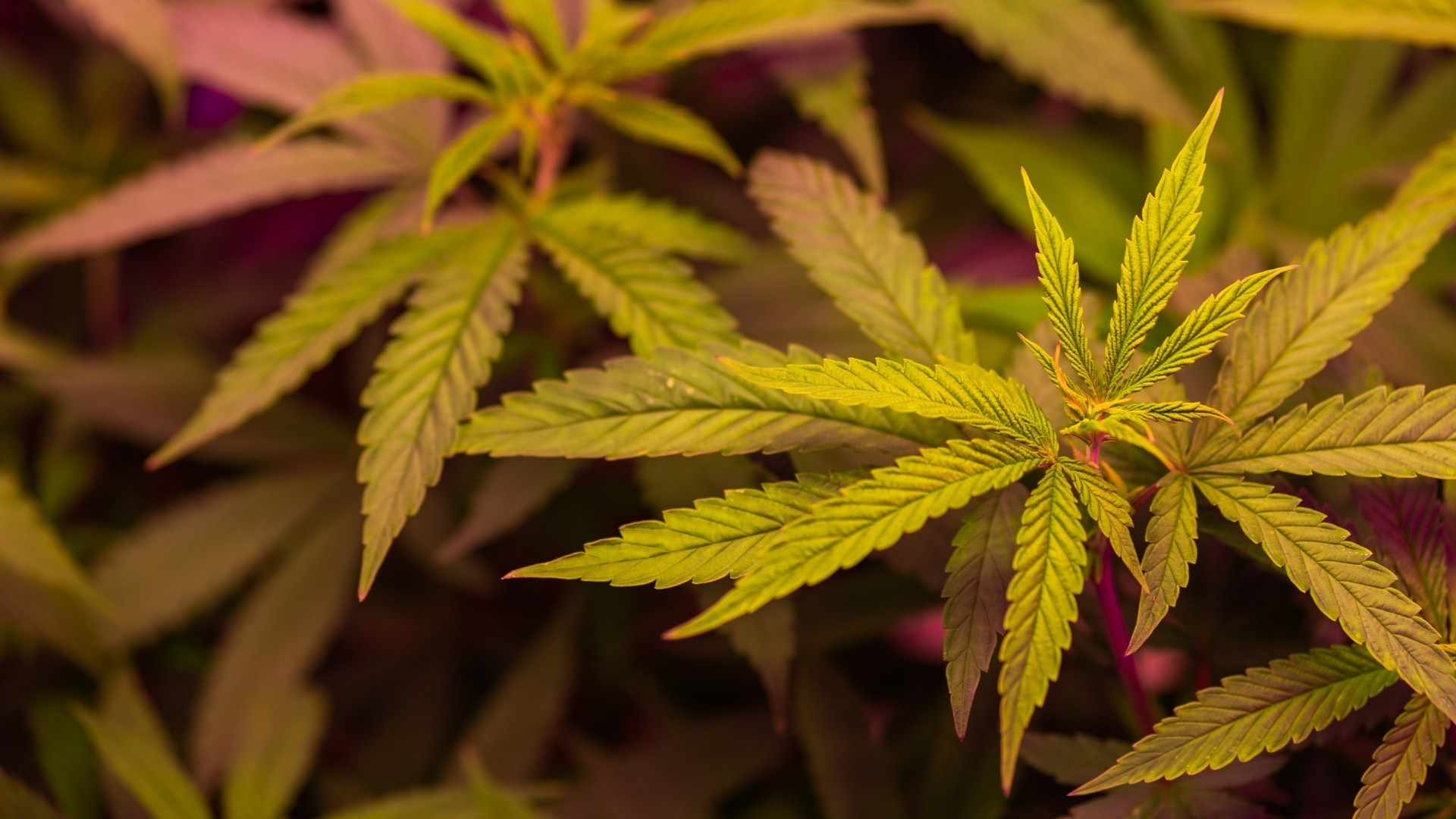
A small patch of discoloration or slight curling may seem minor at first, but in a commercial grow, these early signs can signal nutrient imbalance, irrigation issues, pest activity, or environmental stress. Acting early helps growers correct conditions before problems spread across rooms, batches, or entire harvest cycles.
These are a few benefits of acting on triggers early:
- Protects Yield Potential: Unresolved plant stress slows growth and reduces flower development. Early intervention keeps plants on track.
- Prevents Problems from Spreading: Many issues, especially pests and diseases, move quickly through dense growing environments if left unchecked.
- Improves Nutrient Efficiency: Catching deficiencies early allows growers to adjust feeding programs before plants suffer long-term damage.
- Reduces Crop Loss Risk: Minor symptoms can escalate into severe plant decline when they are ignored for too long.
- Supports Consistent Crop Quality: Stable plant health leads to more predictable harvest outcomes across cultivation cycles.
PlanaCan helps cultivation teams detect these issues earlier by bringing structure to daily crop monitoring. Instead of relying on memory or scattered notes, growers can schedule inspections, document plant observations, and track patterns across rooms and growth stages. Schedule a free demo today.
9 Problems With Commercial Cannabis Leaves and Their Solutions
Leaf symptoms are often the first visible signal that something in the growing environment needs attention. Changes in color, shape, or texture usually reflect deeper issues involving nutrients, irrigation, pests, or environmental stress.
Table showing a quick look at the common cannabis leaf issues and how to fix them:
Recognizing these patterns can help your cultivation team respond quickly before plant health and yields are affected. The problems and their solutions are described in more detail below:
1. Yellow Leaves
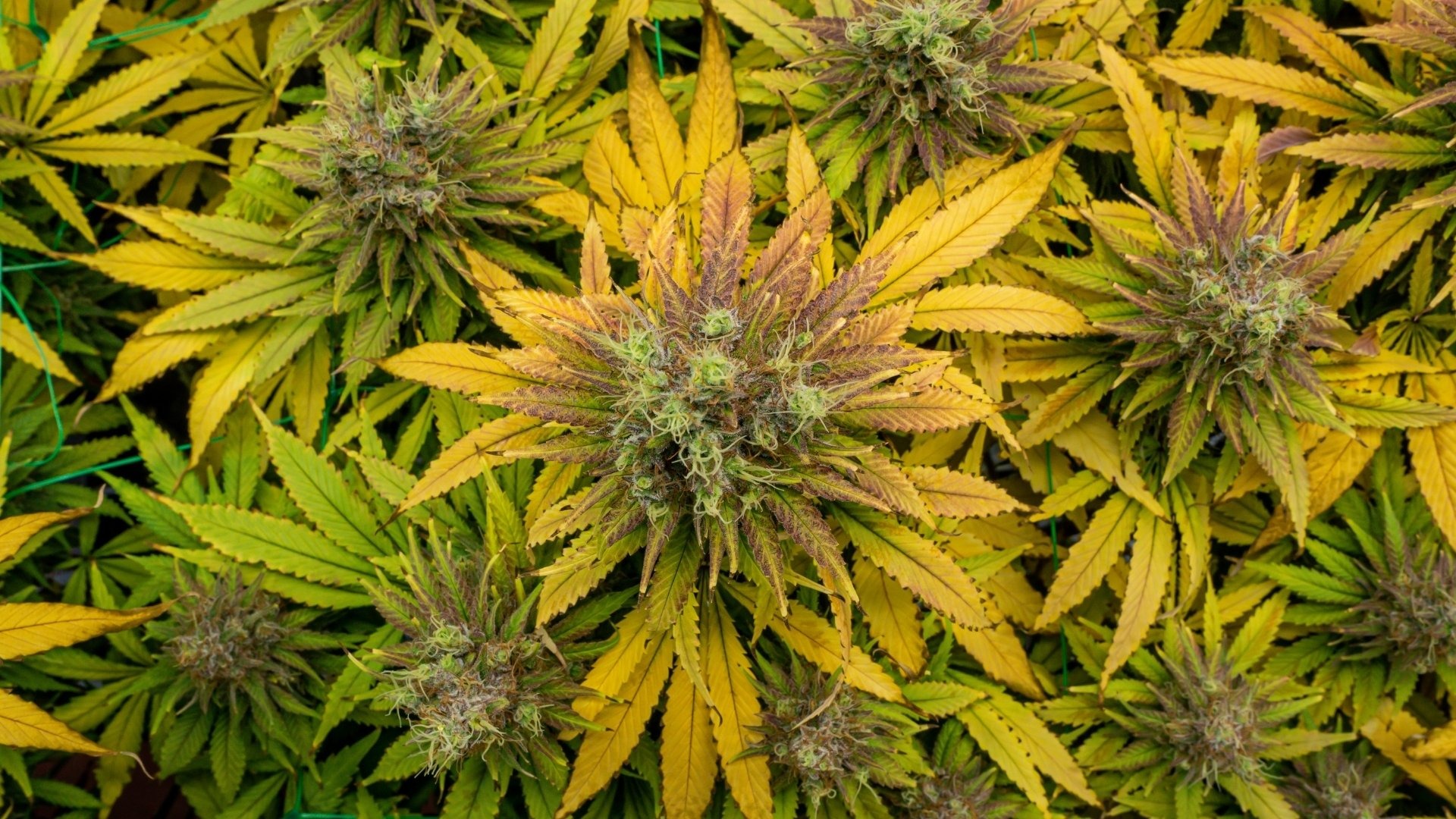
Yellowing leaves are one of the most common warning signs in cannabis plants. This usually indicates nutrient deficiencies, watering problems, or natural aging in the lower canopy.
Signs of the Problem
- Leaves are turning light green and then yellow
- Yellowing starting from the older, lower leaves
- Slower growth across the plant
- Leaves are becoming thin or weak
How to Fix It
- Review and adjust the nutrient program, especially nitrogen levels
- Check irrigation frequency and root zone moisture
- Confirm pH is within the correct range for nutrient uptake
- Remove severely damaged leaves to redirect plant energy
2. Brown or Burnt Leaf Edges
Brown or crispy edges on cannabis leaves often indicate nutrient burn or excess fertilizer in the growing medium. When nutrient concentrations rise too high, the leaf margins begin to dry out and deteriorate.
Signs of the Problem
- Brown or burnt tips on leaves
- Crispy or dry leaf edges
- Dark green leaves appear before burning
- Gradual spread of damage from tips inward
How to Fix It
- Reduce nutrient concentration in the feed
- Flush the growing medium with balanced water
- Recalibrate nutrient mixing practices
- Monitor EC levels to prevent recurrence
3. Curling Leaves
Curling leaves usually signal environmental stress or watering problems. The plant reacts by twisting or folding leaves to protect itself from unfavorable conditions.
Signs of the Problem
- Leaves curling upward or downward
- Twisted or distorted leaf shape
- Dry or overly wet growing medium
- Uneven growth across the plant
How to Fix It
- Adjust watering schedule
- Check root zone drainage
- Stabilize temperature and humidity levels
- Review airflow within the grow space
Further Insight: Why are Weed Leaves Curling Up or Down: Causes and Solutions
4. Drooping Leaves
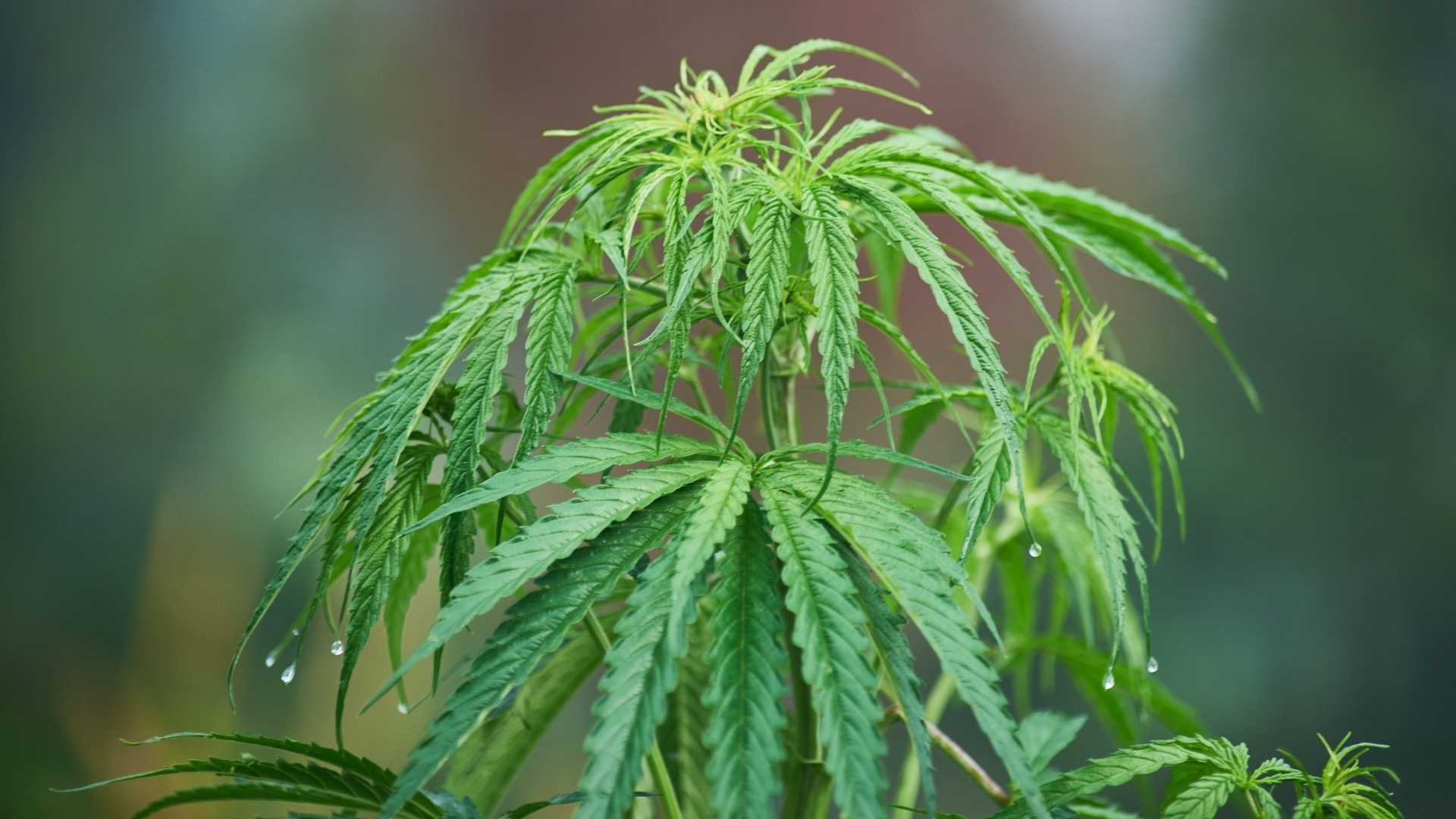
Drooping leaves often indicate watering imbalances that affect root health. Both overwatering and underwatering can cause plants to lose structure and firmness.
Signs of the Problem
- Leaves hanging downward
- Limp or heavy leaf structure
- Slow plant recovery after watering
- Soil or substrate staying overly wet or dry
How to Fix It
- Evaluate irrigation timing and volume
- Improve drainage in containers or beds
- Allow the growing medium to dry slightly between watering cycles
- Monitor root zone health
5. Dark Green Leaves
Unusually dark green leaves can be a sign of excessive nitrogen levels. While the plant may appear healthy at first, this imbalance can eventually slow development.
Signs of the Problem
- Very deep green leaf color
- Thick or claw-like leaves
- Slower flower development
- Increased sensitivity to nutrient burn
How to Fix It
- Reduce nitrogen levels in feeding schedules
- Rebalance nutrient formulas
- Flush the medium if buildup is present
- Monitor new growth for color normalization
6. Purple or Reddish Leaves
Leaves developing purple or reddish tones can indicate phosphorus deficiency or environmental stress such as low temperatures. This change often appears alongside slowed growth.
Signs of the Problem
- Purple or reddish leaf discoloration
- Darkened veins
- Slower plant development
- Weak stems or delayed maturity
How to Fix It
- Increase phosphorus availability in nutrients
- Confirm proper root zone temperatures
- Adjust pH levels to improve nutrient absorption
- Review feeding consistency
7. Spotted Leaves
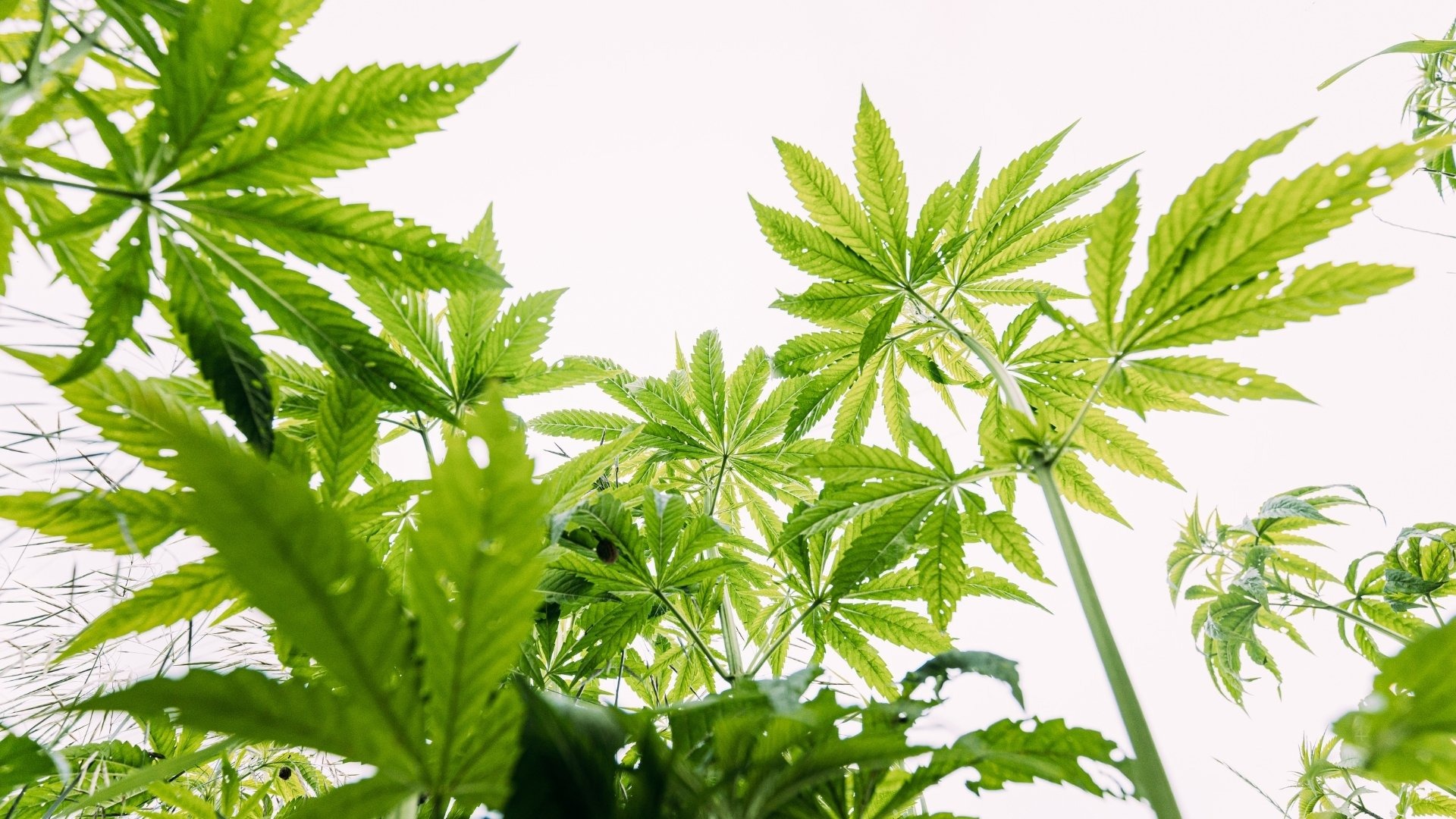
Spots or patches on cannabis leaves often result from pests, fungal infections, or nutrient imbalances. These markings may expand quickly if the cause is not addressed.
Signs of the Problem
- Brown, yellow, or rust-colored spots
- Irregular patches on leaf surfaces
- Leaf tissue deterioration around spots
- Increased spread across nearby plants
How to Fix It
- Inspect plants for pests such as mites or thrips
- Improve airflow and humidity control
- Remove heavily affected leaves
- Apply appropriate pest or disease treatments
8. Bleached or Pale Leaves
Bleaching occurs when plants receive excessive light intensity or prolonged exposure to strong grow lights. The leaf surface loses pigment and becomes pale or white.
Signs of the Problem
- Leaves turning pale or white near lights
- Upper canopy damage
- Dry or fragile leaf texture
- Uneven color across the plant top
How to Fix It
- Increase the distance between the lights and the canopy
- Reduce light intensity if possible
- Monitor plant response after adjustments
- Maintain stable environmental conditions
9. Holes or Chewed Leaves
Holes in cannabis leaves usually indicate pest activity. Insects feeding on plant tissue can damage leaves quickly and spread across the growing area.
Signs of the Problem
- Visible holes in leaves
- Bite marks along leaf edges
- Presence of insects or larvae
- Gradual increase in leaf damage
How to Fix It
- Inspect plants regularly for pests
- Remove heavily affected leaves
- Introduce appropriate pest management measures
- Maintain clean cultivation conditions
PlanaCan helps teams record plant observations, schedule crop checks, and track nutrient adjustments across grow rooms. When symptoms appear, teams can document what they see and coordinate corrective actions without confusion. Try PlanaCan for free.
Top Errors to Avoid in Cannabis Leaf Care
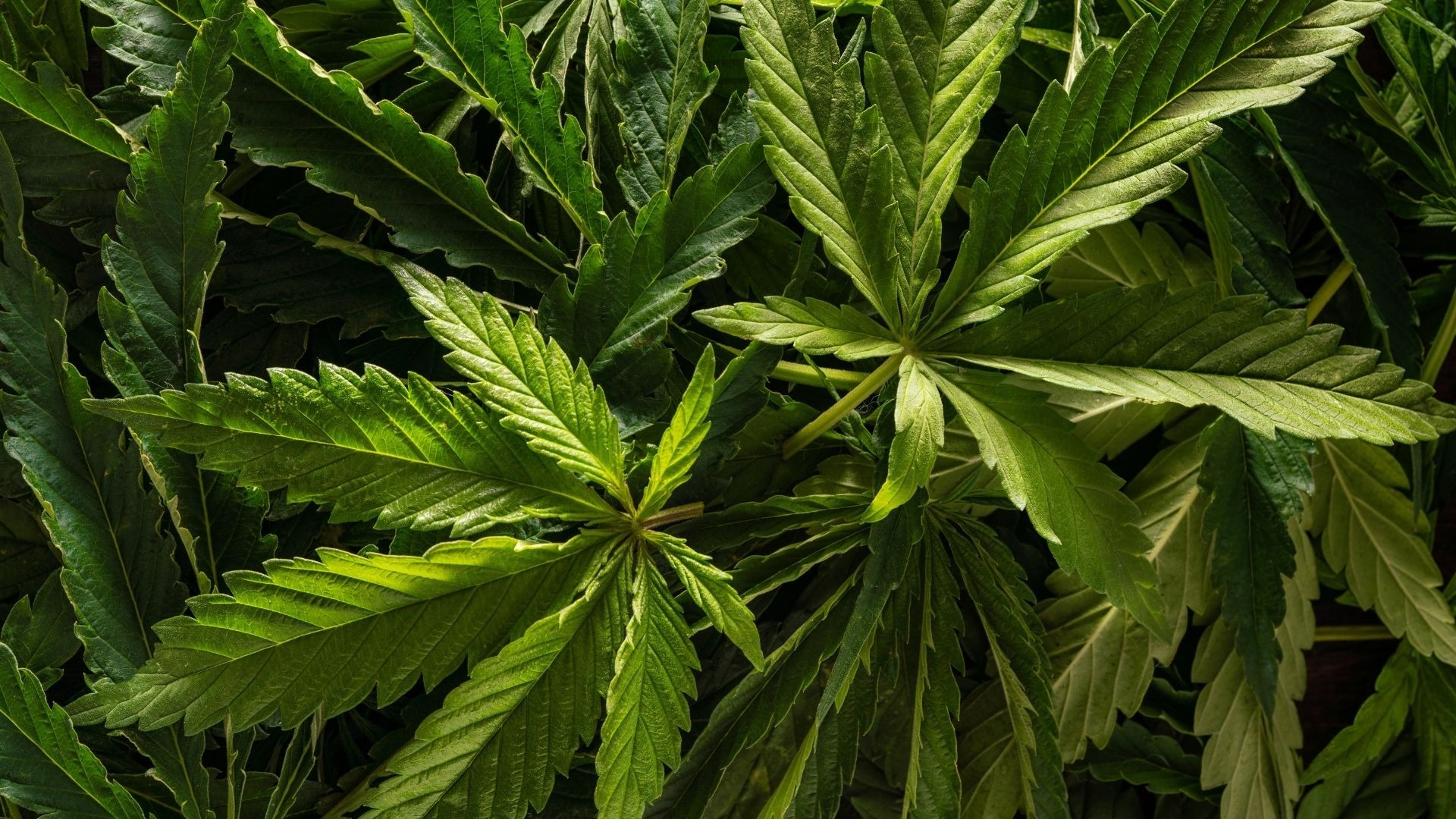
Many cannabis leaf problems develop because of small cultivation mistakes repeated over time. When these issues go unnoticed, plants gradually show stress through discoloration, curling, spotting, or slowed growth.
- Ignoring Early Leaf Changes
Small spots, slight yellowing, or subtle curling are often dismissed as temporary issues. In reality, these symptoms usually signal nutrient, irrigation, or environmental imbalances that will worsen if ignored. Regular plant checks help growers catch these changes before they spread across the crop. - Overcorrecting Nutrient Problems
When leaf symptoms appear, it is tempting to dramatically increase or reduce nutrients. Sudden adjustments can stress plants further and create additional imbalances in the root zone. Gradual corrections and careful monitoring produce better results. - Inconsistent Irrigation Practices
Changing watering schedules too frequently confuses plant roots and disrupts nutrient uptake. Some areas may stay overly saturated while others dry out too quickly. Consistent irrigation routines help maintain stable plant development. - Poor Environmental Monitoring
Temperature, humidity, and airflow strongly influence leaf health. When these conditions fluctuate, plants struggle to maintain normal growth patterns. Consistent monitoring allows teams to stabilize the environment before damage occurs. - Skipping Routine Plant Inspections
Large facilities sometimes rely only on system alerts or scheduled tasks. Without visual crop checks, early leaf symptoms can go unnoticed until multiple plants are affected. Regular walkthroughs ensure problems are identified quickly.
Avoiding these mistakes is only part of maintaining healthy plants. Strong cultivation practices also focus on preventing leaf issues before they appear.
Suggested Read: Understanding Cannabis Plant Anatomy: Nodes and Internodes
Preventive Measures for Healthy Cannabis Leaves
Preventing leaf problems is far easier than correcting them after plants begin to decline. Consistent cultivation practices help stabilize plant health and reduce the chances of nutrient stress, environmental damage, or pest activity.
These best practices can avoid leaf issues from occurring in the first place:
- Maintain Balanced Nutrition: Plants require steady access to essential nutrients throughout each growth stage. Regularly reviewing nutrient formulas and monitoring plant responses helps prevent deficiencies and excessive buildup.
- Monitor Irrigation Consistently: Watering schedules should support healthy root development and stable nutrient uptake. Consistent irrigation prevents stress that often leads to drooping, curling, or discoloration.
- Stabilize Environmental Conditions: Temperature, humidity, and airflow should remain within appropriate ranges for cannabis cultivation. Stable environments help plants grow predictably and reduce leaf damage.
- Inspect Plants Regularly: Routine crop checks allow teams to identify early signs of stress before they spread. Observing leaf color, structure, and texture provides valuable insight into plant health.
- Maintain Clean Grow Spaces: Clean cultivation areas reduce the risk of pests, pathogens, and contamination. Good sanitation practices help protect leaves from preventable damage.
As cultivation operations scale, maintaining this level of consistency becomes more difficult without structured systems that support team coordination and crop monitoring.
Suggested Read: How to Treat Light Burn and Light Stress in Cannabis Seedlings?
Monitor Crop Health More Consistently with PlanaCan

PlanaCan is a cannabis cultivation management platform designed to help commercial growers plan work, coordinate teams, and track what is happening across the facility. Instead of relying on spreadsheets, whiteboards, or scattered notes, cultivation teams can organize daily operations in one place.
The following features make it easier to consistently monitor plant health and respond quickly when issues arise.
1. Cultivation Planning
Planning each stage of the growth cycle helps teams stay ahead of potential plant stress. With PlanaCan, growers can organize treatments, inspections, and recurring activities while automating work that would otherwise require manual coordination. This structure helps teams maintain consistency across rooms and growth stages.
2. Task Management
Clear task ownership reduces confusion inside busy cultivation facilities. PlanaCan improves schedule management by ensuring daily work, plant care routines, and inspections are visible and assigned to the right people. When responsibilities are clear, important plant health checks are less likely to be missed.
3. Treatment Scheduling
Treatments such as nutrients, irrigation adjustments, and pest management require coordination between team members. PlanaCan supports smoother communication by making updates, plant observations, and treatment actions visible across the cultivation team. This helps growers respond quickly when plant symptoms appear.
4. Cultivation Analytics
Understanding what happened during previous growth cycles helps prevent repeated problems. PlanaCan provides analytics that allow teams to review plant performance, cultivation patterns, and operational decisions over time. These insights help growers refine their processes and improve future harvest outcomes.
5. Team Collaboration
Large cultivation operations rely on teams working together across different rooms and responsibilities. PlanaCan brings planning, updates, and task coordination into one system so teams stay aligned throughout the growth cycle. When information is organized, maintaining consistent plant care becomes much easier.
PlanaCan is built specifically for growers who need structure without slowing down their operations. As cultivation practices change, the platform continues to develop tools that help teams manage crops more efficiently and maintain healthier plants throughout every cycle.
Conclusion
Cannabis leaf issues often start as small visual changes, but ignoring them can quickly affect plant development, yield, and overall crop consistency. In commercial operations, a single missed signal can spread across rooms, disrupt feeding schedules, and create larger cultivation setbacks. That is why structured monitoring and clear team coordination are critical for maintaining healthy plants.
PlanaCan helps growers stay ahead of these challenges by organizing inspections, tracking observations, and keeping cultivation tasks aligned across the facility. When teams have clear visibility into plant health and daily work, they can respond faster and prevent small issues from becoming costly problems.
If you want better control over your cultivation workflows, it may be time to move beyond whiteboards and spreadsheets. Schedule a free call today.
Frequently Asked Questions
1. What nutrient deficiencies commonly appear in cannabis leaves?
Commercial growers most often see nitrogen, potassium, magnesium, calcium, and phosphorus deficiencies. Each produces visible leaf symptoms such as yellowing, spotting, burnt edges, or discoloration. Monitoring these changes early helps prevent yield and quality losses.
2. What does a potassium deficiency look like in cannabis leaves?
Potassium deficiency usually appears as yellowing along leaf edges that later turns brown or burnt. Leaves may curl slightly and develop dry margins. If not corrected, plant vigor and flower development can decline.
3. Can daily cannabis use affect workers in cultivation facilities?
In cultivation environments, safety policies may address cannabis use because impairment can affect attention to plant care, equipment handling, and compliance procedures. Clear workplace guidelines help maintain operational consistency and safety.
4. Why do leaf deficiencies matter in commercial cannabis cultivation?
Leaf deficiencies are early indicators that nutrients, irrigation, or environmental conditions are out of balance. If ignored, they can spread across multiple plants and reduce harvest quality. Early detection allows growers to correct problems before productivity is affected.
5. How often should commercial growers check cannabis leaves for problems?
Cannabis leaves should be checked daily during routine crop walks, especially in large facilities. Early visual inspection helps teams catch nutrient issues, pests, or environmental stress before they spread. Consistent monitoring is one of the most effective ways to protect plant health and yield.