.jpg)
Yellow leaves in cannabis are one of the earliest indicators that a plant is experiencing stress. Discoloration often points to nutrient imbalances, irrigation problems, environmental shifts, or root issues that can disrupt normal plant development.
While occasional yellowing may occur as older leaves age, widespread changes usually signal a deeper cultivation problem. Studies on cannabis production show that growing conditions directly influence plant health, structure, and yield.
For commercial cultivators, this makes leaf color an important diagnostic tool. Addressing the cause early helps protect plant stability and crop performance. In this article, we examine why yellow leaves appear and how growers can correct the problem.
Before we dive in:
- Yellow leaves signal underlying plant stress. Nutrient imbalances, irrigation issues, root problems, lighting intensity, or environmental instability commonly trigger discoloration.
- The location of yellowing helps identify the cause. Lower leaves often suggest nutrient issues, while top canopy yellowing may indicate light stress or environmental factors.
- Overwatering is common, but not the only cause. pH imbalance, nutrient lockout, pests, and root zone problems can produce similar symptoms.
- Correcting the root issue requires gradual adjustments. Reviewing feeding levels, irrigation timing, and environmental conditions helps stabilize plant health.
- Consistent monitoring prevents recurring problems. Structured observation and cultivation tracking make it easier to detect plant stress early.
When Should Growers Get Worried About Yellowing Cannabis?
Cannabis plants naturally shed older leaves, and minor color changes can occur during growth transitions. However, certain patterns of yellowing can indicate deeper issues that may spread quickly in a commercial grow environment if they are not addressed.
This is when you should get alarmed:
- Yellowing Spreading Across Multiple Plants: When discoloration appears across several plants or an entire section of the grow, it often signals a shared issue such as nutrient imbalance or irrigation problems.
- Rapid Color Changes: Leaves that shift from green to pale yellow within a short period may indicate stress that requires immediate attention.
- Yellowing Combined With Other Symptoms: Curling, spotting, drooping, or burnt edges alongside yellowing usually point to nutrient, pest, or environmental problems.
- New Growth Turning Yellow: If younger leaves begin losing color, the plant may be struggling with nutrient uptake or root health.
- Declining Plant Vigor: Yellowing accompanied by slowed growth or weak stems often signals deeper cultivation issues.
When these warning signs appear, the next step is identifying the underlying factors that cause yellow leaves to develop in the first place.
Suggested Read: Essential Tips to Maintain Healthy Cannabis Plant Growth
Common Causes of Yellow Leaves in Cannabis
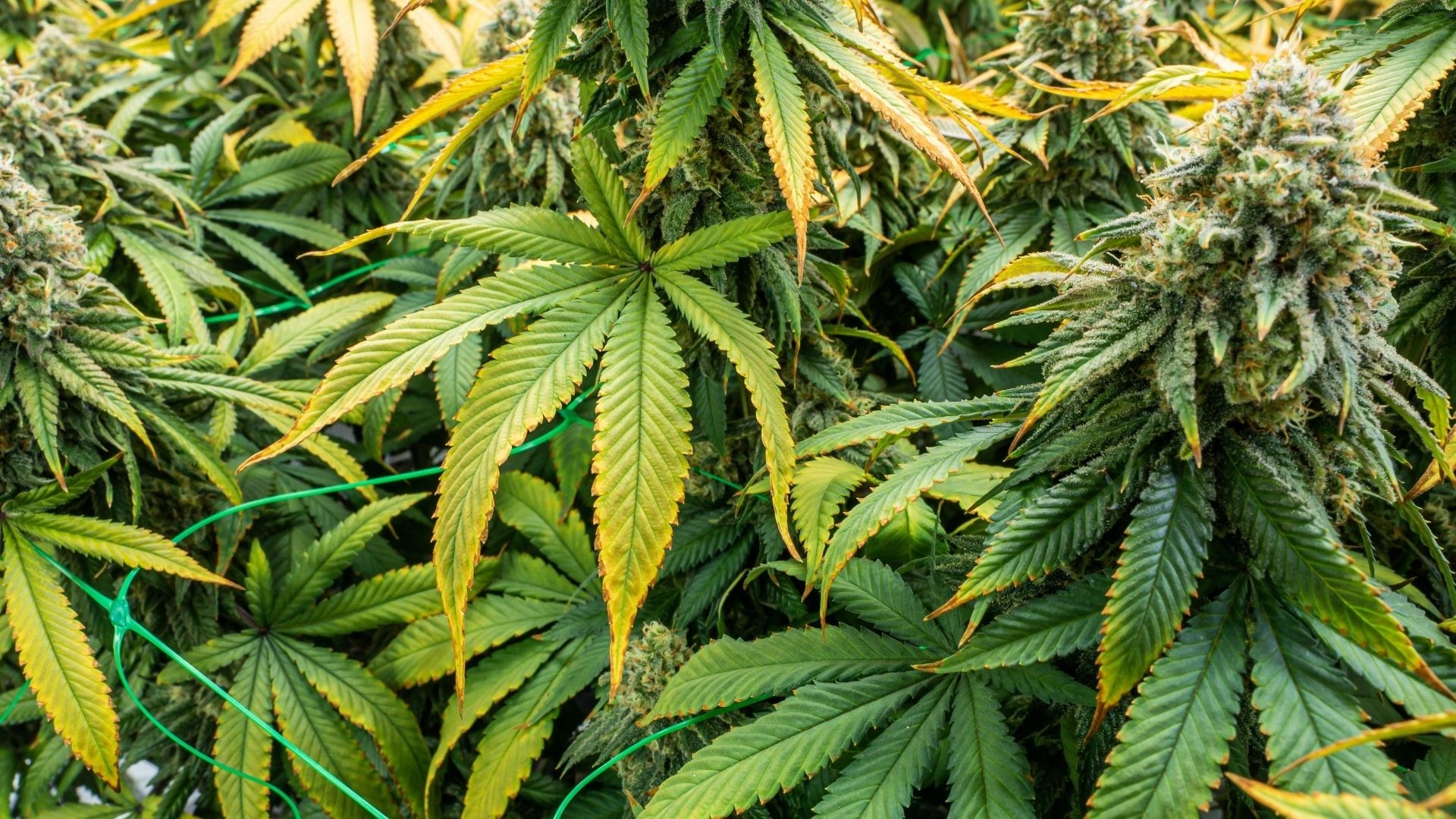
Yellow leaves usually appear when one or more cultivation variables move outside the plant’s preferred range. In commercial grows, even small imbalances in nutrients, irrigation, or environmental conditions can affect large sections of the crop.
These are the most common causes of yellowing leaves:
1. Nitrogen Deficiency
Nitrogen supports chlorophyll production and vigorous vegetative growth. When nitrogen availability drops, the plant begins to draw it from older leaves to support new growth, leading to visible yellowing. This issue commonly appears when feeding schedules fall short of plant demand.
Signs
- Lower leaves turning light green, then yellow
- Yellowing is moving upward through the canopy
- Reduced vegetative growth
- Thinner leaf structure
Key Levels to Monitor
- Soil pH: 6.0–7.0
- Hydroponic pH: 5.5–6.5
- Typical vegetative nitrogen range: 150–250 ppm
2. Overwatering
Overwatering reduces oxygen in the root zone, limiting the plant’s ability to absorb nutrients efficiently. When roots remain saturated for long periods, leaves begin to lose color and droop. This issue is common in large facilities where irrigation schedules are not adjusted for plant size or substrate type.
Signs
- Drooping yellow leaves
- Leaves feel heavy or swollen
- Consistently wet growing medium
- Slower plant growth
Key Levels to Monitor
- Soil moisture: roughly 50–70 percent of field capacity
- Typical watering volume: 10–20 percent container runoff
- Root zone oxygen should remain stable
3. Underwatering
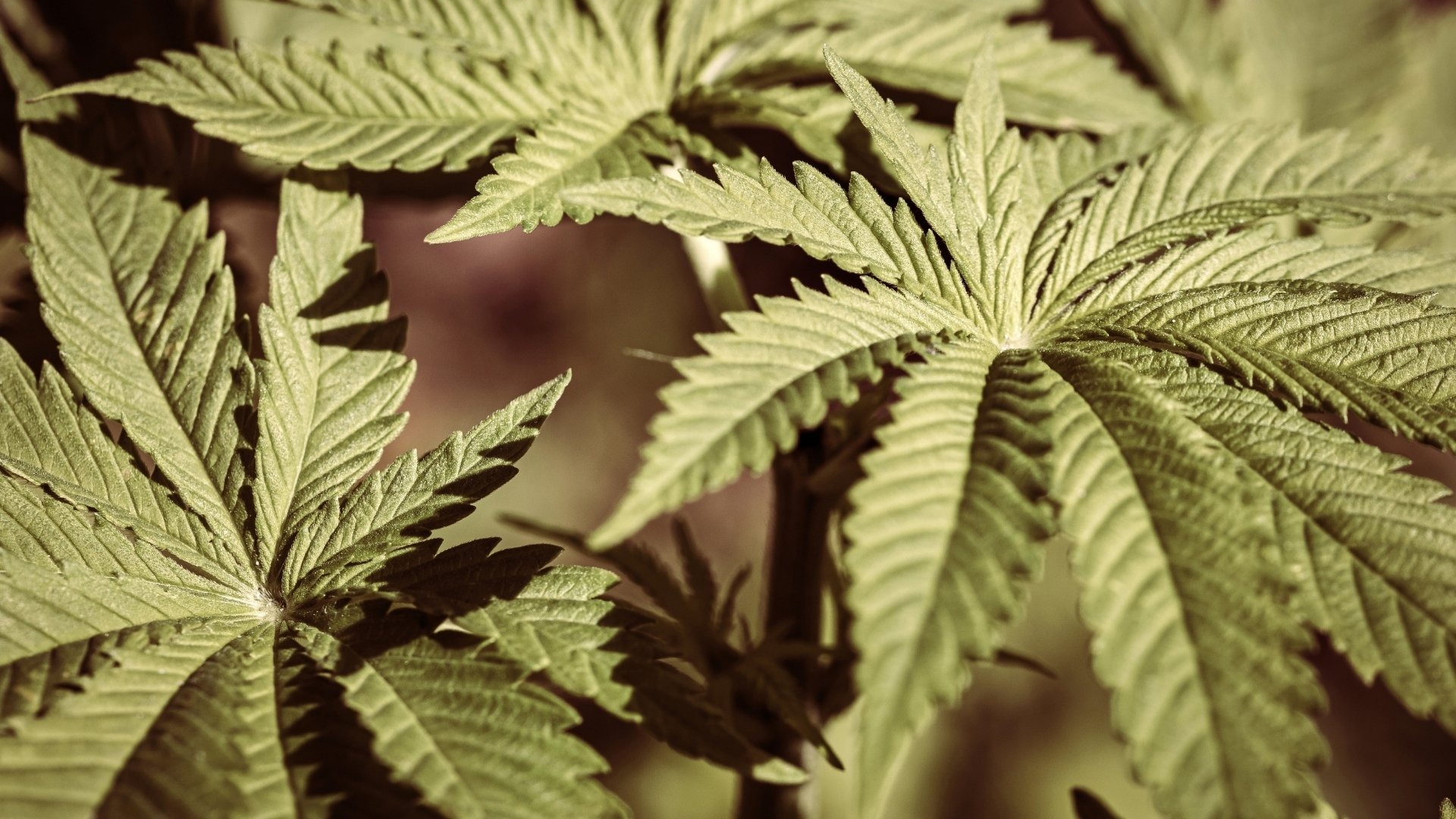
When plants do not receive enough water, nutrient movement slows, and leaves begin to show stress. Over time, the plant struggles to maintain normal metabolic activity. This can quickly result in yellowing and loss of vigor.
Signs
- Dry or papery leaves turning yellow
- Leaves curling downward
- Lightweight containers
- Slowed plant development
Key Levels to Monitor
- Substrate moisture below 30–40 percent
- Consistent irrigation timing
- Even moisture across the grow area
4. Nutrient Lockout
Nutrient lockout occurs when nutrients are present but cannot be absorbed due to improper pH or salt buildup. Plants then behave as if they are deficient even when feeding levels appear correct. This often results in widespread yellowing combined with inconsistent plant growth.
Signs
- Yellow leaves despite feeding
- Patchy discoloration patterns
- Burnt tips alongside yellowing
- Stalled growth
Key Levels to Monitor
- Soil pH: 6.0–7.0
- Hydroponic pH: 5.5–6.5
- EC typically 1.2–2.2 mS/cm, depending on stage
5. Light Stress
Excessive light intensity can degrade chlorophyll and disrupt normal plant function. When plants receive more light than they can process, the upper leaves may fade or yellow. This problem is more common in high-intensity commercial lighting setups.
Signs
- Yellowing in the upper canopy
- Bleached or pale leaves
- Leaves curling upward
- Uneven discoloration under lights
Key Levels to Monitor
- Vegetative lighting: 400–600 PPFD
- Flowering lighting: 600–1000 PPFD
- Maintain proper light distance
6. Root Zone Problems
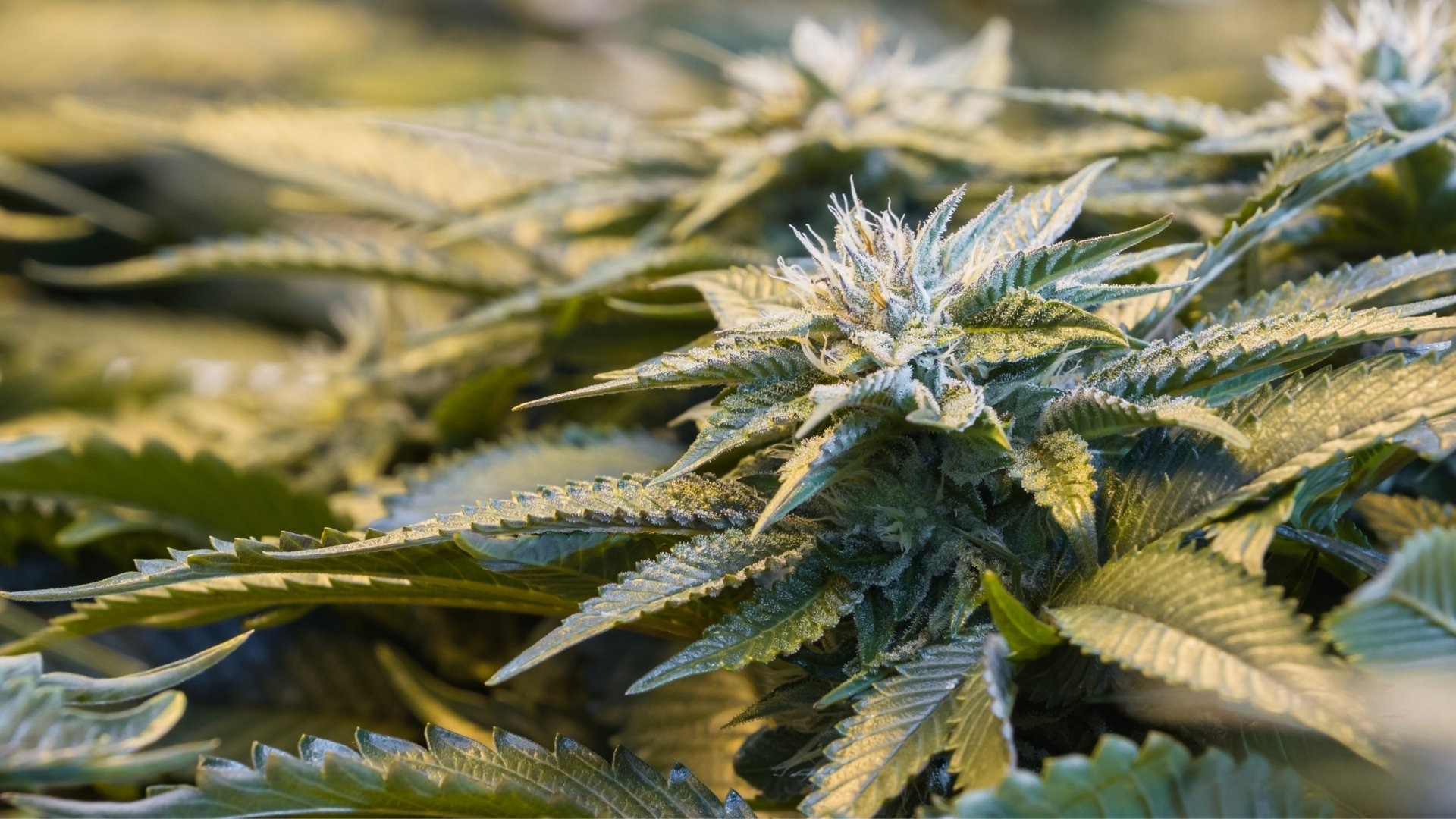
Healthy roots are essential for the transport of water and nutrients throughout the plant. When the root zone becomes compacted, oxygen-deprived, or infected, leaves are often the first place where stress appears. Yellowing across multiple parts of the plant can indicate root dysfunction.
Signs
- Persistent yellowing across leaves
- Weak plant structure
- Slower nutrient response
- Reduced overall growth
Key Levels to Monitor
- Root zone temperature: 65–75°F
- Dissolved oxygen in hydro systems
- Stable irrigation cycles
PlanaCan allows growers to log plant observations, track environmental changes, and coordinate cultivation responses across rooms. When yellow leaves begin appearing, teams can review data, identify patterns, and respond before the issue spreads. Book a free demo today.
When Should Growers Ignore Yellow Leaves
Cannabis plants naturally shed older foliage as they grow, and some color changes occur during normal development. For cultivators, the key is recognizing when yellowing is harmless and when it signals a deeper cultivation issue.
These are a few situations when trying to fix the yellow leaves will cause more damage:
- Lower Leaves Aging Naturally: Older leaves near the bottom of the plant often yellow as the plant redirects nutrients to newer growth. This is common during active vegetative development and usually affects only a small portion of the canopy.
- Late Flowering Stage: During the final weeks before harvest, plants begin using stored nutrients. As a result, some yellowing across older leaves is expected and does not necessarily indicate a problem.
- Minor Transplant Stress: After transplanting, plants may temporarily yellow as roots adjust to the new medium. If the plant resumes normal growth within a few days, the discoloration typically resolves on its own.
- Isolated Leaves With No Other Symptoms: A single yellow leaf without curling, spotting, or growth decline may simply be natural plant turnover rather than a systemic issue.
Understanding these situations helps growers avoid unnecessary adjustments that could stress plants further. When yellowing does indicate a real problem, the solution often depends on the plant’s stage of growth and its current cultivation conditions.
Suggested Read: Diagnosing Common Cannabis Leaf Symptoms and Plant Problems
How to Fix Yellow Leaves in Cannabis Plants Across Different Growth Stages
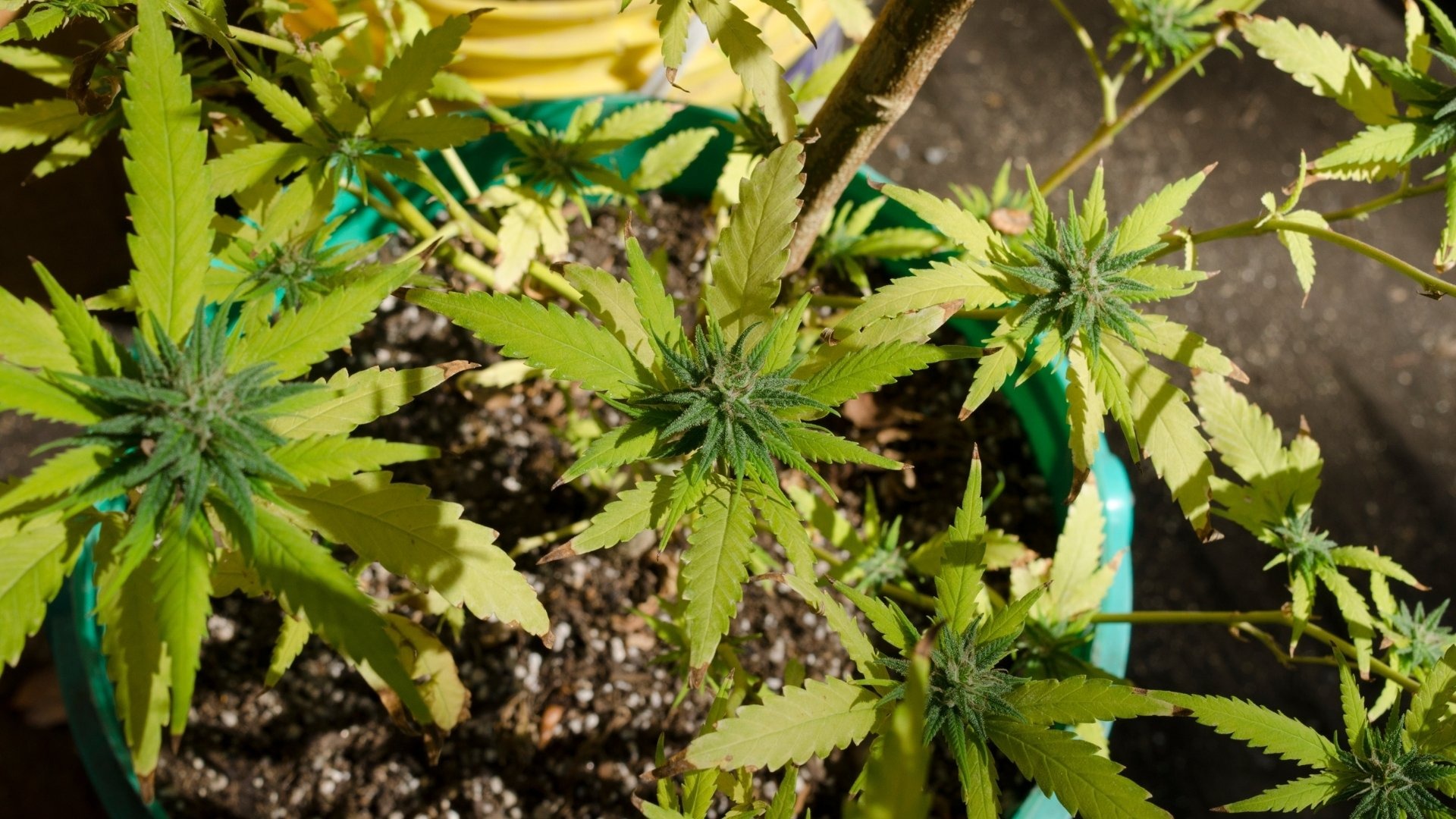
Yellow leaves do not always have the same cause throughout the life of a cannabis plant. What happens during propagation or early vegetative growth can be very different from issues that appear during flowering.
This is how you can fix yellow leaves, as per the stage:
1. Seedling Stage
Seedlings are especially sensitive to environmental shifts and feeding strength. Yellow leaves at this stage often result from overwatering, excessive nutrients, or unstable temperatures. Because roots are still developing, small mistakes can quickly affect leaf color.
What Growers Should Check
- Light watering instead of saturated media
- Mild nutrient levels or starter solutions
- Stable temperatures around 70–77°F (21–25°C)
- Relative humidity around 60–70%
2. Vegetative Stage
During vegetative growth, cannabis plants require strong nutrient support and consistent watering. Yellow leaves at this stage often indicate nitrogen deficiency, pH imbalance, or inconsistent irrigation. Rapid plant growth means nutrient demand increases quickly.
What Growers Should Check
- Nitrogen levels in feeding schedules
- pH around 6.0–7.0 soil or 5.5–6.5 hydroponics
- Even irrigation across containers or beds
- Adequate light levels around 400–600 PPFD
3. Early Flowering Stage
As plants transition into flowering, nutrient requirements begin shifting. Yellow leaves can appear if feeding programs do not adapt to these changes or if plants experience stress from environmental fluctuations. Monitoring plant response during this stage is critical.
What Growers Should Check
- Balanced nitrogen reduction with increased phosphorus and potassium
- Stable temperatures around 68–79°F (20–26°C)
- Humidity levels near 40–55%
- Light intensity around 600–900 PPFD
4. Late Flowering Stage
Yellow leaves become more common toward the end of flowering as plants redirect energy toward bud development. Some fading is expected, but rapid discoloration can still indicate stress. Monitoring plant health ensures the process remains natural rather than problematic.
What Growers Should Check
- Gradual nutrient reduction
- Stable watering routines
- Proper airflow to reduce humidity risks
- Light levels remaining consistent
PlanaCan allows growers to record plant observations, track environmental adjustments, and coordinate tasks across cultivation rooms. This visibility helps teams identify when yellow leaves begin appearing and understand what changed in the growth cycle. Learn more about PlanaCan.
Mistakes to Avoid When Fixing Yellow Leaves in Commercial Cultivation

When yellow leaves appear, growers often respond quickly to protect plant health. However, reacting without identifying the real cause can sometimes create new problems. In large cultivation environments, small missteps in nutrients, irrigation, or environmental control can affect many plants at once.
Table showing common mistakes and why you should avoid them:
Avoiding these mistakes helps growers respond more effectively when yellowing appears. Careful observation, gradual adjustments, and consistent monitoring make it easier to correct the issue without destabilizing the crop.
Best practices for addressing yellow leaves include:
- Diagnose the cause before adjusting nutrients or irrigation
- Monitor pH and EC levels consistently
- Make gradual corrections rather than sudden changes
- Observe plant response over several days
- Maintain stable environmental conditions
While avoiding mistakes is important, the most effective strategy is preventing yellow leaves from appearing in the first place.
Suggested Read: Why are Weed Leaves Curling Up or Down: Causes and Solutions
How to Prevent Yellow Leaves in Future Grow Cycles
In commercial cannabis cultivation, consistency in feeding, irrigation, and environmental conditions is key to maintaining healthy foliage. When growers maintain stable routines and monitor plant responses closely, leaf discoloration becomes far less common.
These are a few tips to avoid yellow leaves from occurring:
- Maintain Balanced Nutrient Programs: Feeding schedules should match the plant’s growth stage and nutrient demand. Regularly reviewing nutrient strength, pH, and EC levels helps prevent deficiencies and excess buildup.
- Monitor Irrigation Consistently: Watering practices should remain predictable across rooms and plant sizes. Stable irrigation supports healthy root systems and proper nutrient uptake.
- Stabilize Environmental Conditions: Temperature, humidity, airflow, and light intensity must remain within appropriate ranges. Sudden changes can quickly stress plants and trigger yellowing.
- Conduct Routine Crop Inspections: Regular plant checks help growers catch early signs of imbalance before they spread. Observing leaf color, structure, and plant vigor provides valuable clues.
- Maintain Clean Cultivation Areas: Sanitation practices reduce the risk of pests, pathogens, and root zone problems that often contribute to leaf discoloration.
As cultivation facilities grow larger, maintaining this level of consistency becomes more difficult. There are several useful tools that can help teams track plant health and coordinate daily cultivation work.
Maintain Healthier Cannabis Plants with PlanaCan

PlanaCan is a cultivation management platform built to help commercial cannabis growers organize daily operations, monitor crop conditions, and keep teams aligned across the facility. Instead of relying on scattered notes, spreadsheets, or memory, growers can structure their cultivation workflows in one place.
The following features make it easier to detect plant health issues early and maintain consistency across grow cycles.
- Structured Workflows That Help Automate Work
Cultivation activities often repeat across rooms and plant stages. PlanaCan helps teams automate work by turning routine cultivation actions into organized workflows that guide staff through each task. This reduces missed steps and helps growers maintain consistent plant care. - Clear Schedule Management for Crop Activities
Managing irrigation, treatments, inspections, and plant movements requires careful coordination. PlanaCan improves schedule management by giving teams a clear view of upcoming work and cultivation priorities in an interactive calendar. When schedules are structured, plant monitoring becomes more reliable. - Better Team Communication Across Grow Rooms
Large cultivation teams rely on clear updates about plant health and completed tasks. PlanaCan strengthens communication by making observations, task updates, and cultivation notes visible to everyone involved in crop management. This alignment helps teams respond faster when plant symptoms appear. - Data-Driven Insights Through Cultivation Analytics
Understanding patterns across harvest cycles helps growers improve long-term crop performance. PlanaCan provides analytics that allow teams to review plant data, cultivation activities, and operational trends. These insights support more informed adjustments in future growth.
PlanaCan is built specifically for cannabis cultivators who need structure without slowing down their operations. As cultivation practices evolve, the platform continues to update and expand so growers can address new challenges with greater confidence and control.
Conclusion
Yellow leaves may seem like a minor issue at first, but they can quickly signal deeper problems involving nutrients, irrigation, or environmental control. When these signals are ignored or misdiagnosed, plant stress spreads, growth slows, and harvest consistency becomes harder to maintain. Catching the cause early is what keeps a small discoloration from turning into a facility-wide setback.
PlanaCan helps growers stay ahead of these challenges by bringing structure to crop monitoring, team coordination, and cultivation planning. With better visibility into what is happening across rooms and growth cycles, teams can respond faster and keep plants healthier.
See how PlanaCan can help you manage crops with greater consistency. Schedule a free call today.
Frequently Asked Questions
1. Why are my cannabis leaves going yellow?
Yellow leaves usually indicate stress related to nutrients, watering practices, root health, or environmental conditions. In commercial grows, the most common causes include nitrogen deficiency, pH imbalance, overwatering, and light stress. Identifying where the yellowing begins on the plant helps narrow down the cause.
2. How do growers fix yellow leaves on cannabis plants?
The first step is diagnosing the underlying issue rather than reacting immediately. Growers typically review nutrient levels, irrigation routines, pH balance, and environmental stability. Once the cause is identified, gradual adjustments help plants recover without creating additional stress.
3. What do overwatered cannabis leaves look like?
Overwatered cannabis leaves often appear droopy, swollen, and slightly yellow. The leaves may feel heavy, and the growing medium usually remains wet for extended periods. Plants may also show slow growth because the roots lack oxygen.
4. Do yellow leaves always mean too much water?
No, yellow leaves can result from many different factors. Nutrient deficiencies, pH problems, root damage, pests, or lighting issues can produce similar symptoms. That is why growers typically evaluate the entire cultivation environment before making adjustments.
5. Should commercial growers remove yellow cannabis leaves?
Removing severely damaged leaves can help plants redirect energy toward healthy growth. However, removing too many leaves at once may reduce photosynthesis and slow recovery. Most growers remove only leaves that are fully yellow or no longer supporting plant health.