Inconsistent crop performance is one of the hardest problems to control in commercial cultivation. The same inputs, same strain, and same environment should produce uniform results. Yet, small issues like yellow spots on cannabis leaves keep appearing without a clear pattern.
Corrections are made, but outcomes do not stabilize. According to the Food and Agriculture Organization, pests and diseases cause up to 40% of global crop losses, showing how quickly minor symptoms can scale when processes lack control.
This guide breaks down what these spots indicate, how to diagnose them accurately, and how to prevent repeat issues.
Quick look:
- Yellow spots signal deeper issues. They are early indicators of nutrient imbalance, pests, environmental stress, or inconsistent execution in commercial grows.
- Diagnosis must follow the structure. Identifying patterns, growth stage, and recent changes is critical to accurately isolating the root cause.
- Fixes fail without consistency. Targeted corrections only work when applied uniformly, tracked properly, and validated over time.
- Most problems are operational. Inconsistent workflows, missed tasks, and a lack of tracking lead to recurring issues across cycles.
- Prevention requires system control. Standardized processes, scheduling, and data tracking help eliminate variability and reduce recurring plant stress.
Why Should Yellow Spots on Cannabis Leaves Concern Commercial Growers?
In a commercial setup, even minor inconsistencies can compound across rooms, batches, and harvest cycles. What starts as a few affected leaves can quickly lead to uneven canopy development, inconsistent plant health, and unpredictable harvest outcomes.
Key risks of yellowing cannabis leaves for commercial growers:
- Yield Variability Increases: Uneven plant health leads to inconsistent growth and reduced overall output.
- Quality Degradation: Affected plants may fail to meet potency, appearance, or compliance standards.
- Spread Across Batches: Issues can replicate across rooms or cycles if root causes are not identified.
- Higher Labor Costs: Teams spend more time reacting instead of following planned workflows.
- Decision-Making Becomes Reactive: Without clarity on cause, adjustments are made without confidence.
In the next section, we break down how to accurately diagnose yellowing, so you can identify the root cause instead of chasing symptoms.
Suggested Read: Diagnosing Common Cannabis Leaf Symptoms and Plant Problems
How to Diagnose Yellow Spots on Commercial Cannabis Accurately?
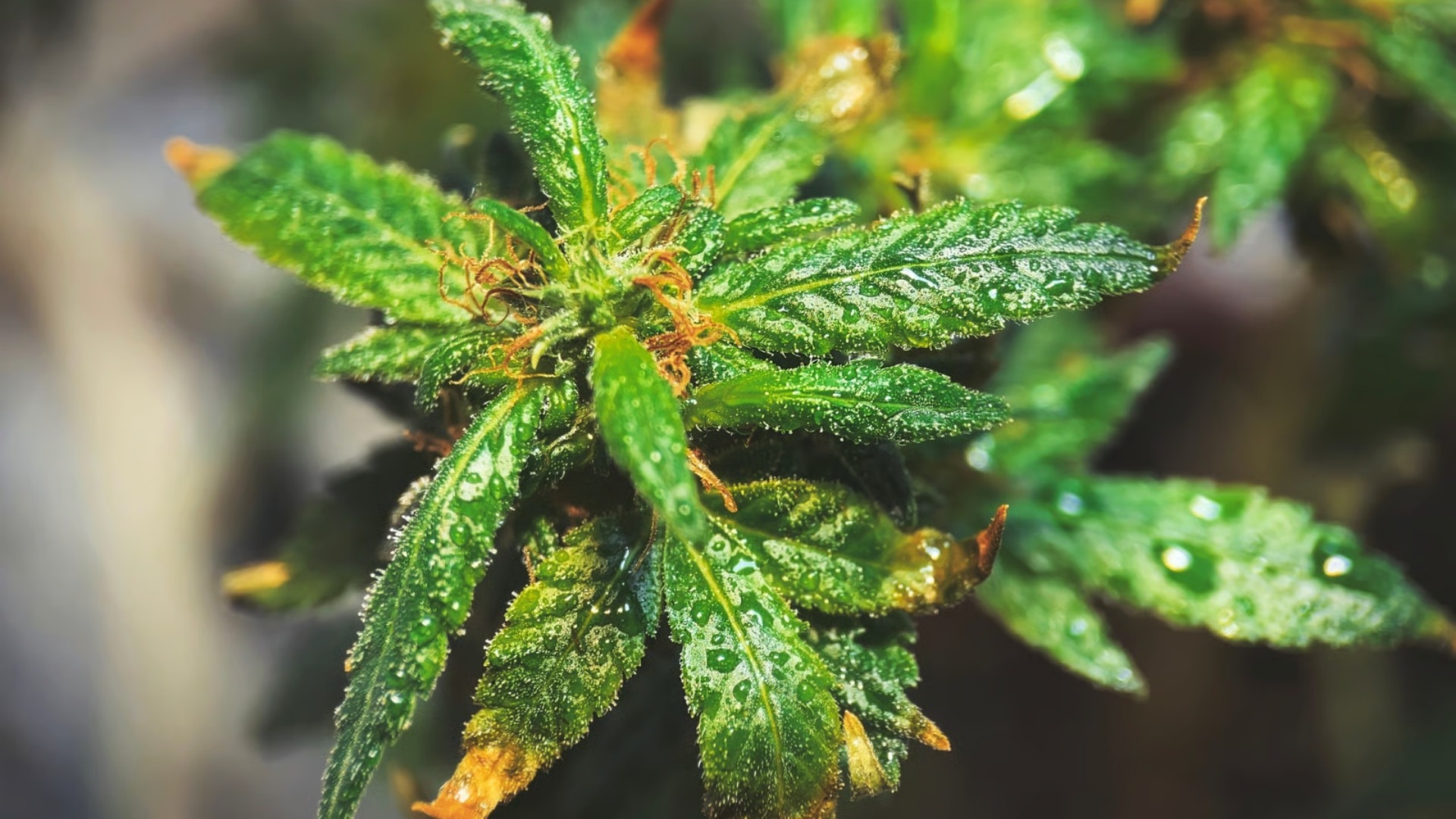
Accurate diagnosis starts with removing guesswork and identifying patterns. Yellow spots are a symptom, not a cause, and require a structured approach that considers environment, inputs, and execution together.
Step-by-step diagnostic approach:
- Identify the Pattern of Spread
Check whether the spots appear randomly or follow a pattern across specific rooms, zones, or plant groups. Patterned spread often points to environmental or process-related issues rather than isolated plant problems. - Map Against Growth Stage
Determine which stage of the lifecycle is affected, whether vegetative or flowering. Many deficiencies and stress factors are stage-specific, narrowing down possible causes quickly. - Review Recent Operational Changes
Check for any recent adjustments to nutrient levels, irrigation, lighting, or climate settings. Even small changes, if inconsistently applied, can trigger visible symptoms across plants. - Inspect Leaf Surfaces Closely
Examine both the tops and undersides of leaves for signs of pests, residue, or fungal growth. Early infestations often appear as spotting before pests become visibly obvious. - Cross-Check Environmental Data
Analyze humidity, temperature, VPD, and airflow records for the affected period. Fluctuations or deviations from set ranges often align with symptom onset. - Validate Nutrient and pH Consistency
Confirm that feeding schedules, nutrient mixes, and pH levels were consistent across all plants. Variations in preparation or delivery can create localized deficiencies.
Without a structured system, these checks are often incomplete or inconsistent across teams. PlanaCan helps standardize diagnostics by tying tasks, logs, and environmental data into a single workflow. This ensures issues are identified early, tracked accurately, and prevented from repeating across cycles. Schedule a free demo today.
Causes of Yellowing Leaves on Commercial Marijuana Leaves

Yellow spots rarely come from a single source. They are typically the result of overlapping factors, such as nutritional, biological, environmental, or operational factors that create visible stress on the plant.
Top causes include:
1. Nutrient Imbalances and Deficiencies
Nutrient-related issues are one of the most common causes of yellow spotting, especially in high-frequency feeding systems. Even small inconsistencies in mixing or delivery can create visible deficiencies across batches.
The most frequent nutrient-related triggers include:
- Calcium Deficiency: Causes irregular spotting and weak cell structure, especially in new growth.
- Magnesium Deficiency: Leads to interveinal yellowing, typically starting on older leaves.
- Potassium Imbalance: Results in spotting along leaf edges and reduced plant vigor.
2. Pest Infestations
Pests often present as yellow spots before they are visibly detectable. Early-stage infestations can spread quickly if routine scouting is not standardized.
Key pests associated with yellow spotting include:
- Spider Mites: Create speckled yellow damage across leaf surfaces and reproduce rapidly.
- Thrips: Leave streaks and spots while feeding, often going unnoticed in early stages.
3. Fungal and Bacterial Diseases
Diseases typically develop under favorable environmental conditions, such as high humidity and poor airflow. Once established, they can spread across plants and rooms if not contained early.
Common disease-related causes include:
- Leaf Septoria: Produces yellow spots that develop into brown lesions over time.
- Fungal Infections: Often appear as spotting, discoloration, and tissue damage.
4. Environmental Stress Factors
Environmental inconsistencies can trigger yellow spotting across entire zones rather than individual plants. These issues are often linked to fluctuations rather than constant extremes.
Key environmental triggers include:
- Light Stress: Excess intensity or uneven spacing between trees can cause localized spotting.
- pH Fluctuations: Affects nutrient uptake, leading to deficiency-like symptoms.
- Irrigation Issues: Overwatering or poor drainage can stress roots and impact leaf health.
5. Operational and Human Errors
Many recurring issues stem from how tasks are executed rather than what is planned. Inconsistent workflows often lead to uneven outcomes across teams and cycles.
Typical operational gaps include:
- Missed or Delayed Tasks: Disrupts feeding, monitoring, and treatment schedules.
- Inconsistent SOP Execution: Different teams are applying the same process differently.
- Lack of Tracking: No clear record of what was done, when, or by whom.
In the next section, we look at how to solve the problem of yellowing marijuana leaves at scale by building structured systems that eliminate variability before it impacts your crop.
Suggested Read: How to Diagnose and Fix Nutrient Lockout in Cannabis
How to Fix Yellow Spots on Cannabis Leaves in Commercial Grows
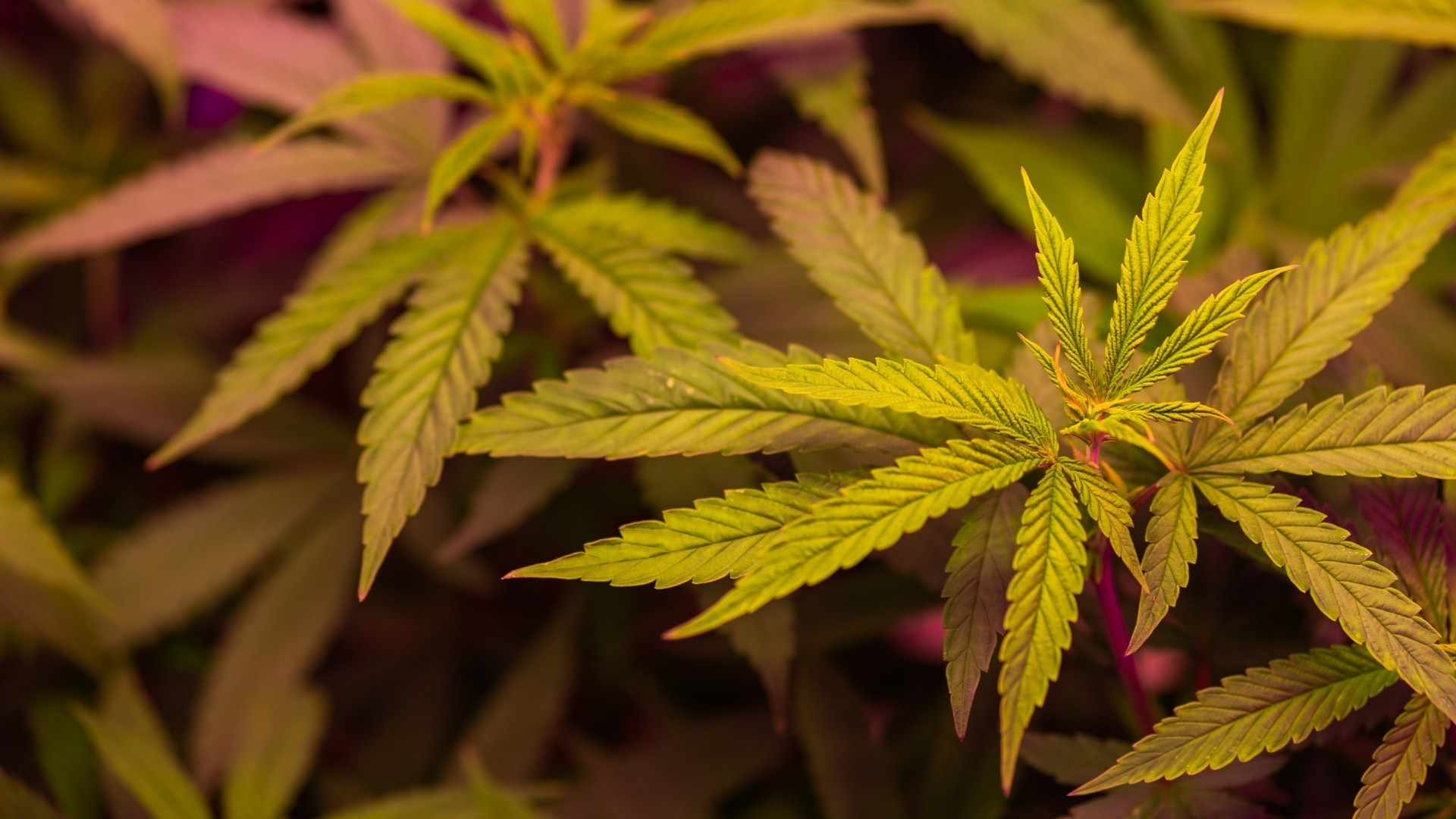
Fixing yellow spots requires more than surface-level corrections. Applying quick treatments without identifying the root cause often leads to temporary improvement, followed by recurrence in the next cycle or room.
Targeted fixes based on root cause:
- Correct Nutrient Imbalances Immediately: Adjust feeding formulations based on confirmed deficiencies or excesses, not assumptions. Ensure consistent mixing and delivery across all affected zones.
- Stabilize pH Levels: Bring pH within the optimal range to restore proper nutrient uptake. Monitor regularly to prevent fluctuations that can recreate the issue.
- Address Pest Infestations Early: Apply appropriate treatments, such as biological controls or approved sprays, based on the pest type. Follow up with consistent scouting to confirm elimination.
- Control Environmental Conditions: Adjust temperature, humidity, and airflow to remove stress triggers. Ensure stability rather than short-term corrections.
- Fix Irrigation Practices: Align watering frequency and volume with plant stage and substrate conditions. Avoid overcorrection, which can introduce new stress factors.
Fixes are only effective when applied consistently and tracked throughout the operation. In the next section, we look at how to prevent yellow spots by building systems that eliminate these issues before they start.
Suggested Read: Micronutrients in Cannabis: Essential Guide for Plant Growth and Nutrition
How to Prevent Yellowing Spots in Commercial Cultivation at Scale
Prevention at scale is about eliminating variability before it shows up in the plant. Yellow spots are often the result of small inconsistencies repeated across rooms, teams, and cycles. The focus, therefore, must shift from fixing symptoms to controlling execution.
Table showing prevention techniques:
PlanaCan supports this by assigning corrective tasks, standardizing execution steps, and maintaining a clear record of what was done, where, and when. This creates accountability and ensures that corrective actions lead to stable, repeatable outcomes. Try PlanaCan for free.
Troubleshooting Tips for Yellow Weed Leaves
Troubleshooting is where most growers lose time. Without a clear method, teams jump between possible causes, applying multiple fixes without confirming what actually worked. A structured approach keeps diagnosis focused and prevents unnecessary interventions.
Practical troubleshooting tips:
- Do Not Change Multiple Variables at Once: Adjust one factor at a time to clearly identify what is driving the issue. Multiple changes make it impossible to isolate the root cause.
- Prioritize Pattern Over Assumption: Look for where and how symptoms appear, rather than relying on common guesses. Patterns often reveal the true source faster than experience alone.
- Check the Underside of Leaves First: Many pests and early disease signs are not visible on the top surface. Skipping this step can lead to misdiagnosis.
- Verify Inputs Before Adjusting Outputs: Confirm nutrient mixes, pH levels, and irrigation accuracy before making changes. Errors often originate in preparation, not application.
- Compare Affected vs Healthy Zones: Identify what is different between problem areas and stable ones. Small operational differences often explain inconsistent outcomes.
Troubleshooting improves when it is consistent rather than reactive. In the next section, we examine where most commercial cultivators make mistakes in fixing their cannabis leaves.
Where Do Most Growers Go Wrong in Cannabis Leaf Care?
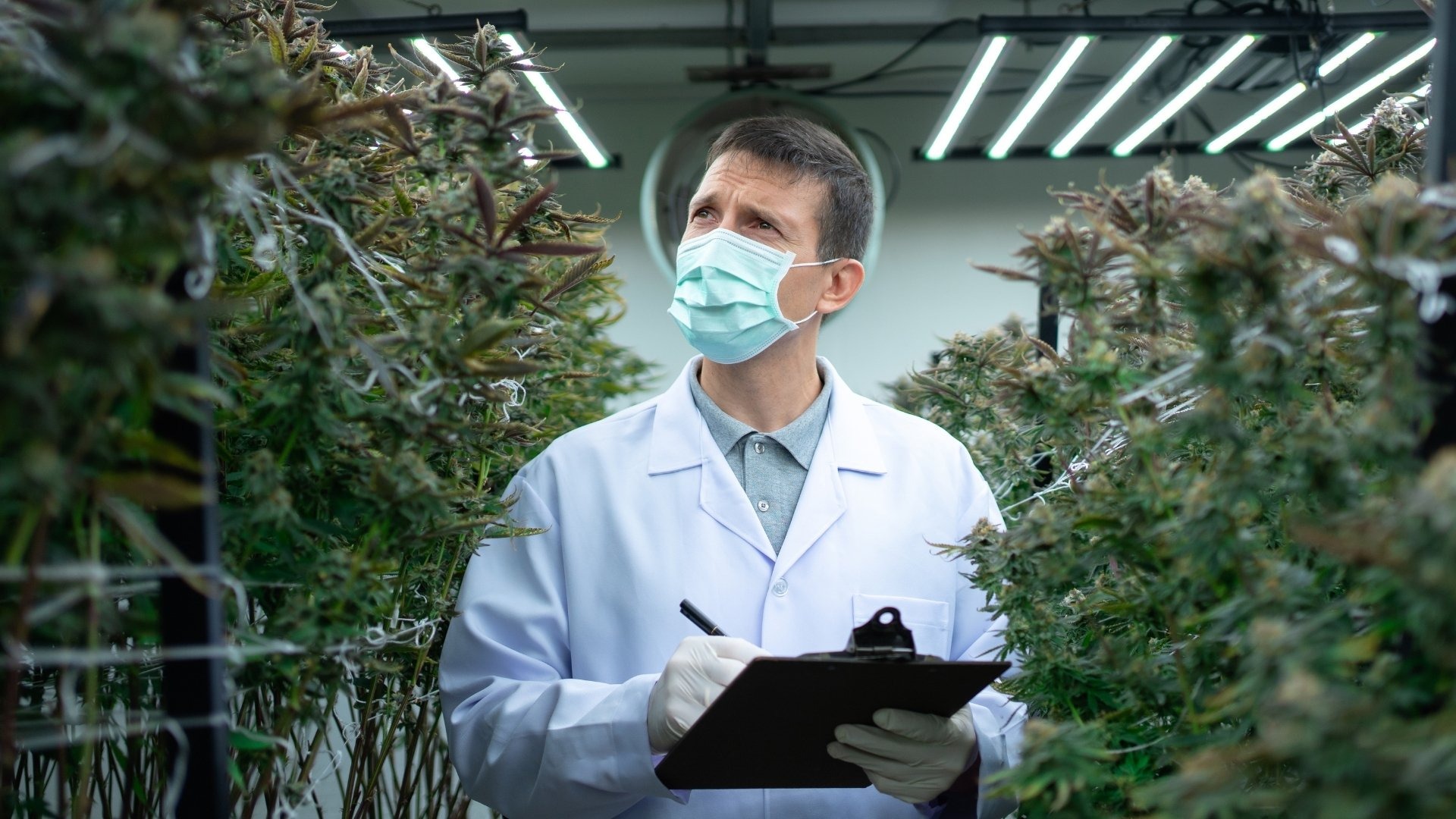
Most growers struggle to prevent problems from recurring. Leaf issues like yellow spotting persist because the underlying processes are inconsistent, undocumented, or poorly enforced across teams and cycles.
Common mistakes in cannabis leaf care:
- Relying on Memory Instead of Systems: Tasks are performed based on habit rather than structured schedules. This leads to missed steps and inconsistent timing.
- Inconsistent SOP Execution Across Teams: The same process is interpreted differently by different team members. This creates variability even when plans are clearly defined.
- Lack of Real-Time Visibility: There is no clear view of what tasks have been completed, delayed, or skipped. Issues are often discovered only after symptoms appear.
- No Historical Tracking: Without records of past actions, it becomes difficult to connect outcomes to specific inputs or decisions. This results in repeated trial-and-error.
- Reactive Instead of Preventive Approach: Teams focus on fixing visible issues rather than controlling the conditions that cause them. This keeps operations in a constant cycle of correction.
- Poor Communication Between Teams: Information gaps between shifts or departments lead to duplicated efforts or missed responsibilities. This affects consistency across the grow.
A more effective approach brings planning, execution, and tracking into a single system. It ensures that every task is scheduled, every action is recorded, and every outcome is measurable. This is how growers move from reactive fixes to controlled, repeatable cultivation.
Prevent Yellow Spots Through Structured Execution with PlanaCan
PlanaCan is a cultivation management platform built for commercial growers to bring consistency and control into daily operations. By reducing variability in how work is carried out, it helps eliminate the root causes behind recurring issues like yellow leaf spotting.
This is how PlanaCan helps prevent yellow leaf issues:
- Standardized Templates: SOP-driven templates help automate work across all growth stages, ensuring that feeding, scouting, and treatment protocols are applied consistently without variation between teams.
- Interactive Calendar Scheduling: The interactive calendar strengthens schedule management by mapping every task to specific rooms, growth stages, and timelines, so critical actions are never missed or delayed.
- Centralized Team Communication: Built-in communications ensure that instructions, updates, and task ownership are clearly shared across teams, reducing execution gaps between shifts or departments.
- Real-Time Tracking and Insights: Real-time tracking combined with analytics allows growers to monitor actions, identify recurring patterns behind yellow spots, and make data-backed adjustments across cycles.
- Mobile Execution on iOS and Android: Mobile access through iOS and Android apps enables teams to log activities, update task status, and maintain communications directly from the grow floor, ensuring accurate and timely execution.
PlanaCan ensures that nothing is left to chance. Every task is planned, executed, and tracked consistently, reducing variability and preventing issues like yellow spots before they affect your crop.
Conclusion
When yellow spots are misdiagnosed or repeatedly treated without addressing the root cause, they lead to inconsistent plant health, reduced yields, and compounding operational inefficiencies. Over time, small, untracked issues scale across rooms and cycles, making outcomes unpredictable and harder to control.
PlanaCan addresses this by bringing structure to cultivation through standardized templates, precise scheduling, real-time tracking, and actionable analytics. Ensuring every task is executed consistently and every action is recorded helps eliminate variability and stabilize results across the entire operation.
If you want predictable yields, consistency must come from execution and not assumptions. Schedule a free call today.
Frequently Asked Questions
1. How do you treat yellow spots on plant leaves?
Treatment depends on the root cause. Start by confirming whether the issue is nutrient, pest, or environmental, then apply targeted corrections instead of broad fixes.
2. What does calmag deficiency look like?
Calcium and magnesium deficiency appear as interveinal yellowing, rust-like spots, and weak leaf structure. It typically affects newer growth first in calcium cases and older leaves in magnesium cases.
3. How long does it take for nitrogen toxicity to heal?
Recovery can take several days to a few weeks, depending on severity. Improvement begins once excess nitrogen is flushed and feeding is corrected.
4. What are the signs of overwatering cannabis?
Common signs include drooping leaves, slow growth, yellowing, and a heavy, waterlogged medium. Roots may also become oxygen-deprived, leading to further stress.
5. Can yellow spots on cannabis leaves spread between plants?
Yes, if caused by pests or diseases, the issue can spread quickly across plants and rooms. Environmental or nutrient issues, however, usually affect groups rather than spreading plant-to-plant.
6. Do LED lights cause yellow spotting on leaves?
Excessive light intensity or improper distance can lead to light stress, which may appear as yellow or bleached spots. This is often uniform across the canopy.
7. Can a pH imbalance cause yellow spots on cannabis leaves?
Yes, incorrect pH can lock out nutrients, leading to deficiency-like symptoms such as yellow spotting. Even if nutrients are present, plants cannot absorb them properly.
8. Should affected leaves be removed immediately?
Severely damaged leaves can be pruned to prevent further stress and improve airflow. However, removing too many leaves at once can impact plant recovery.
9. Are yellow spots more common in certain growth stages?
Yes, certain deficiencies and stress factors are more likely to appear during specific stages, especially during rapid vegetative growth or early flowering.
10. Can inconsistent feeding schedules cause yellow spots on cannabis leaves?
Inconsistent feeding can lead to fluctuations in nutrient availability, causing visible stress symptoms like spotting. Consistency is critical for stable plant development.