Introduction
The cannabis industry, one of the fastest-growing sectors globally, is undergoing a significant transformation driven by advanced technologies, such as Artificial Intelligence (AI). From small-scale growers with a single flower room to multi-state operators (MSOs) managing vast cultivation operations, AI is reshaping every aspect of cannabis cultivation. Whether it's optimizing yield, ensuring compliance, or providing valuable insights for decision-making, AI is quickly becoming an indispensable tool for cannabis growers.
This detailed blog examines how AI is transforming the industry, the benefits it offers, and how growers can leverage this technology to enhance their operations.
In a nutshell:
- AI Optimizes Growing Conditions: Real-time monitoring for better yields and plant health.
- Pest & Disease Detection: Early identification of issues to reduce crop loss.
- Automated Compliance: Keeps growers up-to-date with regulations and streamlines reporting.
- Personalized Retail: AI offers product recommendations to enhance the customer experience.
- Efficient Inventory Management: Predictive analytics optimize stock levels and supply chains, ensuring optimal inventory management.
- Scalable for MSOs: Ensures consistency and efficiency across multiple sites.
- Data-Driven Decisions: Provides insights to improve cultivation and reduce costs.
How and Where AI Can Revolutionize the Cannabis Industry?
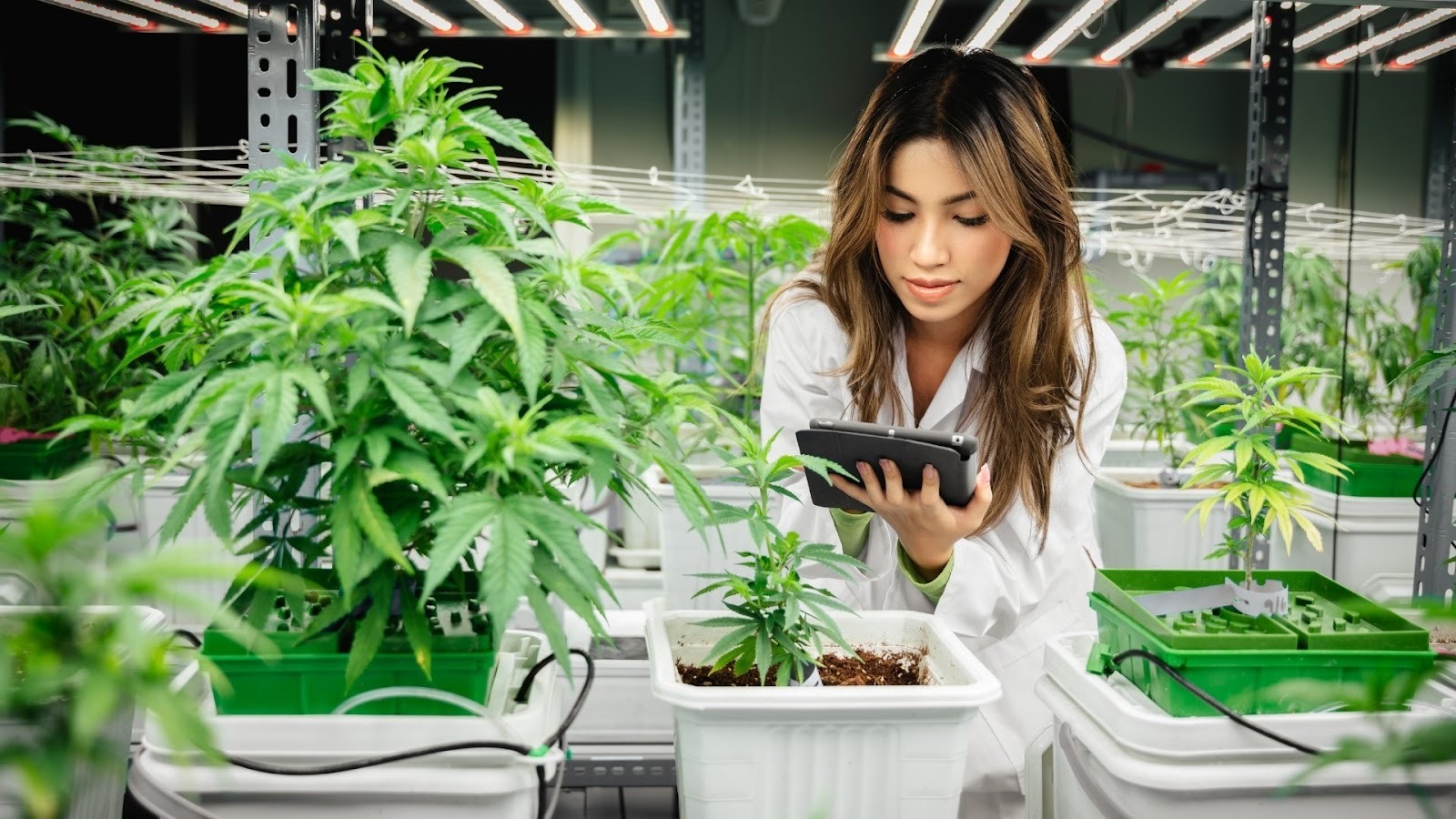
AI is rapidly transforming the cannabis industry by offering solutions that streamline operations, enhance quality, and ensure compliance. Here’s where and how you can implement AI in your cannabis business to achieve better results.
1. Cultivation and Production
AI can help you optimize the growing conditions of your cannabis plants, making your cultivation process more efficient and consistent.
- Environmental Monitoring and Control:
- Use AI-powered systems to monitor real-time data on temperature, humidity, CO2 levels, and light intensity.
- These systems can automatically adjust environmental conditions to ensure your plants grow under optimal conditions.
- This is crucial whether you are managing a single flower room or a large-scale grow facility, as it helps improve both plant health and yield consistency.
- Precision Irrigation and Nutrient Delivery:
- AI optimizes irrigation and nutrient delivery by analyzing real-time data on soil moisture, plant health, and environmental factors.
- For example, AI can determine when to water plants and what nutrients they need, minimizing waste and ensuring healthy plant growth.
- This helps reduce water usage and lowers labor costs, especially in large-scale operations.
- Pest and Disease Detection:
- Implement AI image recognition tools to detect pests and diseases early through visual data captured by drones or cameras.
- By identifying issues early, AI allows you to take immediate action, preventing extensive crop damage.
- This reduces your reliance on chemical treatments, helping you maintain organic growing practices and improve product quality.
- Yield Prediction and Crop Optimization:
- Utilize AI systems to analyze data and forecast crop yields based on factors such as growing conditions, plant health, and historical performance.
- These predictions help you plan your harvest, adjust cultivation strategies, and meet market demand more effectively.
- AI can also suggest the best cultivation practices to maximize output, saving you time and resources.
2. Compliance and Regulatory Management
The cannabis industry is highly regulated, and AI tools can ensure that you stay compliant with changing laws and regulations.
- Real-Time Regulatory Monitoring:
- Use AI to track regulations and legal requirements across various states and jurisdictions.
- AI can alert you in real time when laws change, ensuring your business stays compliant with local and state-specific cannabis regulations.
- This is particularly useful for MSOs, as AI ensures uniform compliance across all locations, reducing the risk of fines and penalties.
- Automated Reporting:
- AI systems can automatically generate compliance reports based on data from cultivation, testing, and sales.
- By streamlining the reporting process, you reduce the administrative burden and improve accuracy.
- These automated reports ensure that you are always ready for audits and regulatory checks, minimizing human error.
- Product Tracking and Traceability:
- Implement AI to provide full traceability for your cannabis products, from seed to sale.
- AI can track the movement of each product through the entire supply chain, ensuring transparency and compliance.
- This traceability helps maintain product quality, meet legal requirements, and build consumer trust.
Staying compliant doesn’t have to feel overwhelming. Schedule a call with PlanaCan today to discover how automated scheduling, centralized task notes, and harvest reporting can help keep your grow audit-ready and avoid costly penalties.
3. Retail Operations and Customer Experience
AI can enhance the retail side of your cannabis business by personalizing the customer experience and optimizing your operations.
- Personalized Product Recommendations:
- AI can analyze customer data (such as past purchases and preferences) to suggest products that match their needs.
- For instance, if a customer regularly buys products for relaxation, AI can recommend similar strains or products for stress relief.
- Personalized experiences increase customer satisfaction, loyalty, and sales by guiding customers to products they’re likely to enjoy.
- Virtual Budtender Assistants:
- Virtual assistants powered by AI can guide customers through the product selection process in real-time.
- Customers can interact with these virtual budtenders to get advice on the best products for their needs, without requiring human staff to be present at all times.
- This enhances customer service and reduces the need for additional staff, enabling your team to concentrate on other tasks.
- Inventory Management and Supply Chain Optimization:
- Utilize AI-powered systems to forecast demand trends and refine your inventory management strategies.
- AI analyzes customer behavior, market trends, and sales data to forecast product needs and automate restocking.
- This minimizes waste and prevents stockouts, ensuring you always have the right products available for your customers.
4. Data-Driven Decision Making
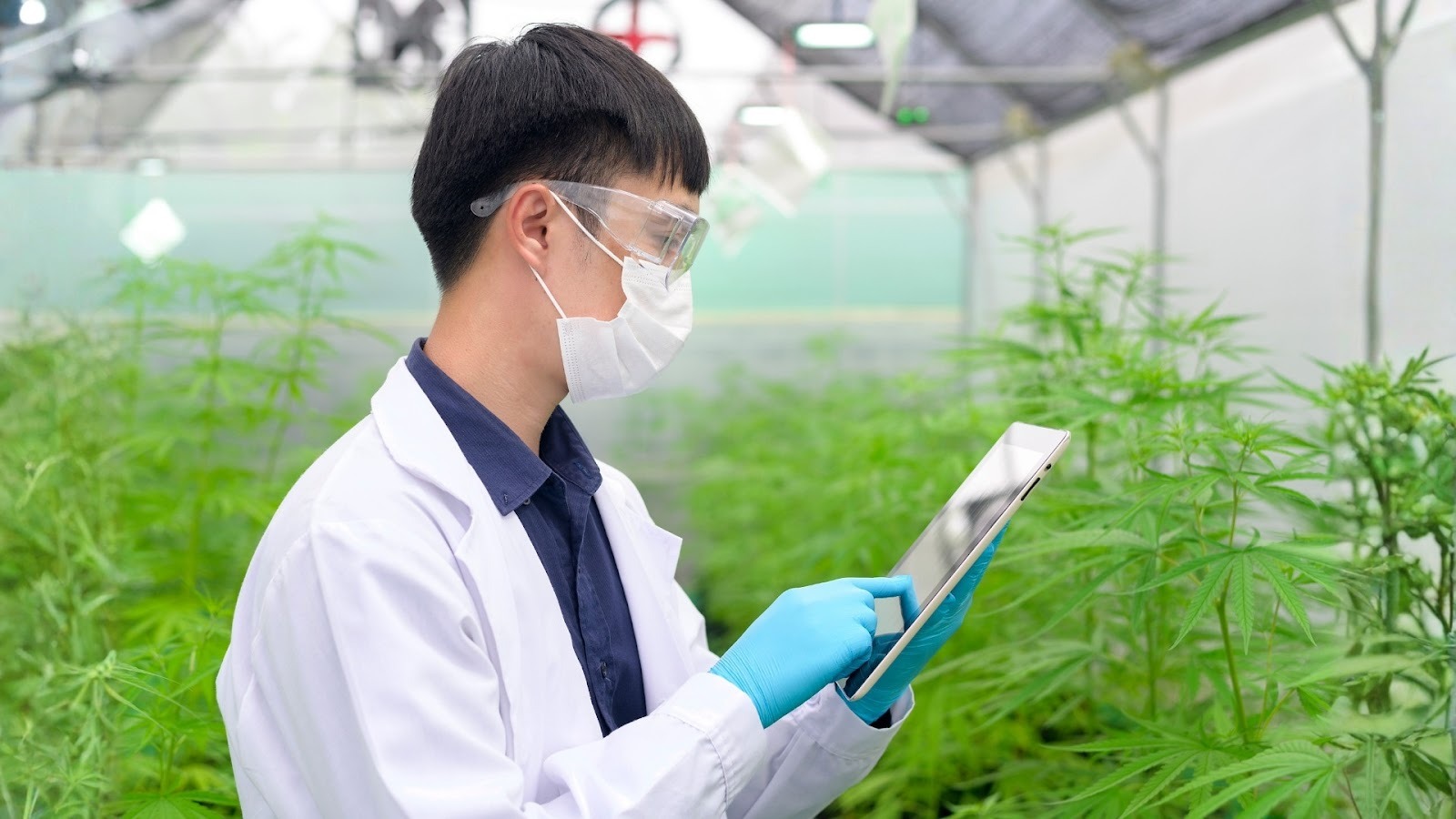
AI can provide powerful insights that help you make better business decisions, from cultivation to customer service.
- Operational Efficiency:
- Use AI to analyze your cultivation and operational processes, identifying areas where you can reduce waste and improve efficiency.
- AI can help you optimize resource allocation, from labor to energy usage, improving profitability.
- For MSOs, AI tools can track efficiency across multiple locations and offer insights on how to standardize processes for better results.
- Market Trend Analysis:
- AI can monitor customer behavior, market demand, and competitor activities, providing insights into emerging trends.
- This data allows you to anticipate market shifts and adjust your product offerings to stay ahead of competitors.
- For instance, AI can predict a rise in demand for wellness-focused cannabis products, allowing you to prepare your inventory accordingly.
- Customer Sentiment Analysis:
- AI can analyze customer reviews, social media interactions, and other feedback to gauge sentiment about your products and services.
- By understanding customer sentiment, you can identify areas for improvement, such as tweaking your product offerings or enhancing customer service.
- This ensures you are continually adapting to meet customer needs, which can drive repeat business and improve customer loyalty.
5. Security and Surveillance
AI-powered security systems can help protect your cannabis business from theft and ensure safety at all levels of operation.
- AI-Powered Surveillance Systems:
- Utilize AI video analytics to monitor security footage in real-time, detecting suspicious activity or unauthorized access.
- AI can automatically alert security personnel or send notifications to you in the event of a potential security breach, thereby improving response times.
- This reduces the need for manual surveillance, ensuring your facility is constantly protected and compliant with security regulations.
- Predictive Security Analytics:
- AI can analyze historical security data to predict where and when security threats are likely to occur.
- By recognizing patterns and trends, AI can provide recommendations for reinforcing weak spots in your security setup.
- For instance, AI might suggest adding additional cameras in high-risk areas or adjusting security protocols based on predictive insights.
Ready to leverage AI to optimize your cannabis operations? Discover PlanaCan’s AI-powered solutions and learn how our technology can enhance cultivation, streamline compliance, and elevate your retail experience.
The Future of AI in the Cannabis Industry
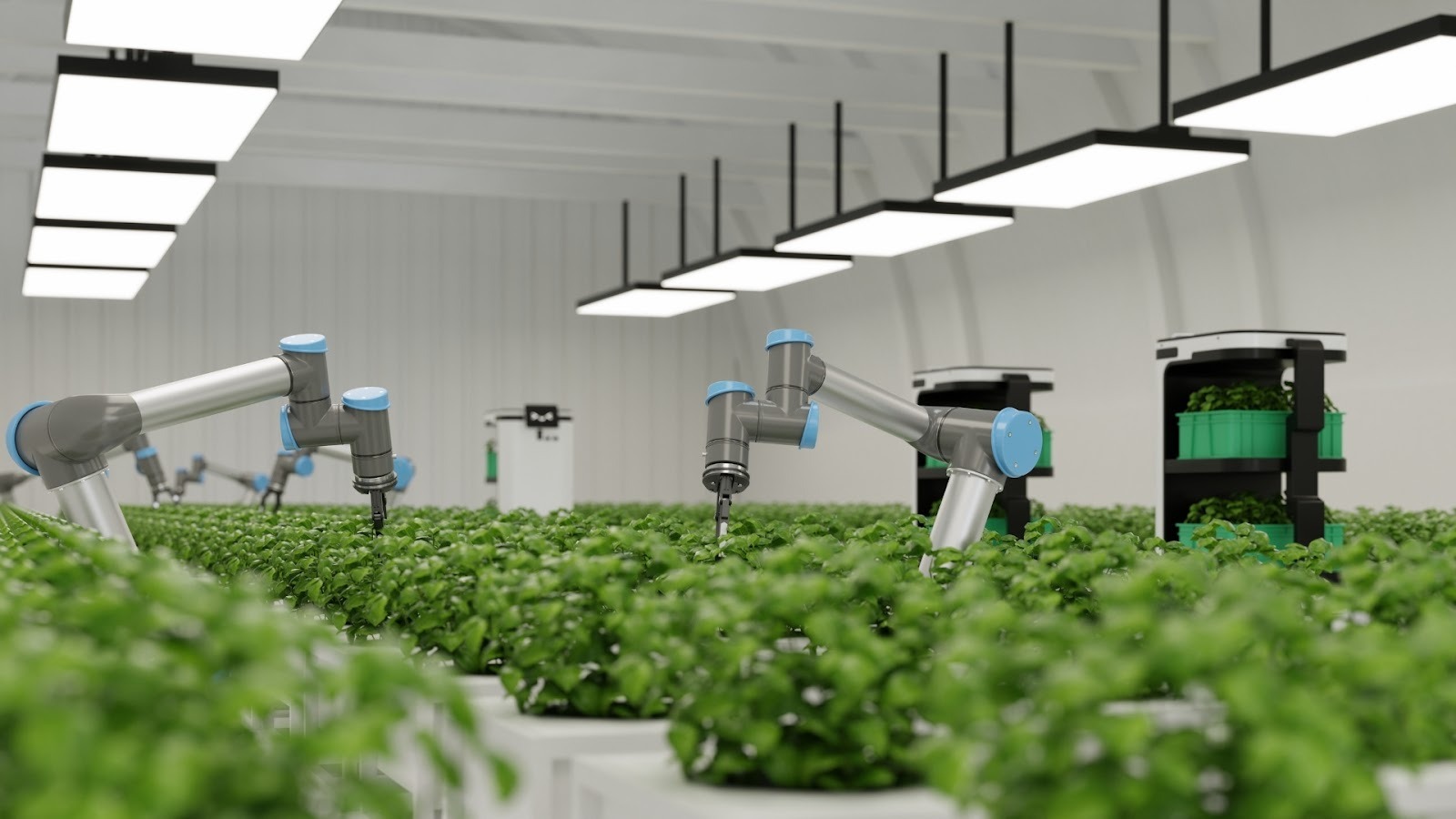
As the cannabis industry continues to grow, Artificial Intelligence (AI) is becoming increasingly important in helping businesses run smoothly, stay compliant, and enhance product quality. In the future, AI is expected to play a significant role in shaping the cultivation, sale, and management of cannabis. Let’s explore what the future holds for AI in the cannabis industry and how it can benefit both small and large operators.
1. Improving Cultivation with AI
AI is poised to revolutionize cannabis cultivation, making it more efficient, sustainable, and scalable.
- Better Plant Breeding:
In the future, AI will help cannabis breeders develop new strains faster. By analyzing genetic data and growth patterns, AI can help create plants that are stronger, more resilient, and tailored to specific needs—whether that’s higher potency or better disease resistance. - Automation in Growing:
Robotic systems powered by AI will handle tasks like planting, pruning, and even harvesting. These robots will be able to work 24/7, reducing labor costs and minimizing mistakes. This will be especially beneficial for large-scale growers but will also help smaller operations by making the process more efficient. - Smarter Growing Conditions:
AI will continue to improve how we control the environment in grow rooms. AI sensors will monitor temperature, humidity, light, and soil conditions, making adjustments as needed. This helps ensure that plants get exactly what they need, leading to healthier plants and better yields.
2. AI in Cannabis Retail
As cannabis becomes more popular, customers expect a better shopping experience. AI will help dispensaries provide personalized, convenient, and efficient services.
- Personalized Recommendations:
AI will be able to track your preferences and suggest products based on your past purchases or needs. For example, if you often buy products for pain relief, AI will recommend new strains or products that might work well for you. This personalization will create a more enjoyable shopping experience, increasing customer satisfaction and sales. - Virtual Budtenders:
Imagine walking into a dispensary or shopping online and having a virtual assistant help you pick the right product. AI-powered chatbots will assist customers, answer questions, and provide product information, guiding them to the best choices. These virtual budtenders will be available at any time, improving customer service without the need for extra staff. - Better Inventory Management:
AI can predict which products will be in demand, ensuring that dispensaries never run out of popular items. This helps avoid overstocking or stockouts, improving inventory management and saving money. By analyzing customer data, AI can automatically reorder products and maintain optimal stock levels on the shelf.
3. AI for Compliance and Security
Staying compliant with regulations is a significant challenge in the cannabis industry. AI will make it easier to navigate the ever-changing laws and maintain secure operations.
- Real-Time Legal Tracking:
AI tools will keep track of state-specific cannabis regulations and notify you when laws change. This is especially helpful for operators in multiple states, as AI ensures that each facility stays up-to-date with local rules. - Automated Compliance Reports:
Instead of manually preparing compliance reports, AI will automatically generate them for you. These reports will be ready for submission, reducing the risk of errors and ensuring compliance with all regulatory requirements. - AI-Powered Surveillance:
Security is crucial in the cannabis industry, and AI will enhance the capabilities of surveillance systems. AI-driven cameras will not only monitor for unauthorized access but also analyze behavior to detect potential threats. This real-time analysis helps improve security without requiring additional personnel, thereby maintaining a safe facility.
4. Sustainability and Efficiency with AI
The cannabis industry is under pressure to operate more sustainably. AI can help businesses become more efficient and reduce their environmental impact.
- Resource Management:
AI will help growers optimize their use of water, energy, and nutrients. By analyzing environmental factors and plant health, AI can adjust irrigation schedules and lighting, reducing waste and energy consumption. This makes cannabis cultivation more eco-friendly and cost-effective. - Reducing Waste:
AI can also help reduce waste in cultivation and product manufacturing. By analyzing processes, AI can recommend ways to recycle plant material or repurpose waste, leading to a more sustainable operation.
5. AI and Blockchain for Transparency
As consumers demand more transparency, AI and blockchain will combine to offer detailed traceability in the cannabis supply chain.
- Product Tracking:
AI can track cannabis products from seed to sale, ensuring that customers know exactly where their products come from. With the help of blockchain technology, this data can be securely stored, providing transparency in the entire supply chain. This traceability helps build trust with consumers and ensures the quality of the product. - Automating Compliance with Smart Contracts:
AI will also integrate with blockchain to create smart contracts that automate compliance. These contracts will verify that products meet legal requirements, such as testing results or packaging standards, automatically updating records without manual intervention.
6. AI for Health and Wellness
As more people use cannabis for medical and wellness purposes, AI will be crucial in providing personalized health recommendations.
- Personalized Health Insights:
AI will analyze individual health data, such as sleep patterns and stress levels, and recommend the best cannabis strains or products tailored to specific needs. This will help patients and consumers make more informed decisions about their cannabis use. - Faster Cannabis Research:
AI will accelerate research into the medical benefits of cannabis by analyzing vast amounts of data. This will help scientists discover new therapeutic uses for cannabis, bringing more innovative products to the market faster.
Conclusion
From small-scale growers to large multi-state operators, AI is helping businesses optimize cultivation practices, improve product quality, ensure compliance, and provide better customer experiences.
Whether through improved genetic analysis, automated harvesting, or enhanced resource management, AI will continue to reshape the industry. For cannabis growers, adopting AI is no longer optional; it's a necessary step toward remaining competitive in an increasingly complex and fast-moving market.
Not sure where to start? Our experts are here to guide you through the process. Schedule a free call today, and let’s discuss how AI can revolutionize your cannabis operations.
FAQ
1. How long does it take to implement AI in a cannabis business?
The implementation time depends on the project's scale. Small-scale growers can set up AI tools within a few weeks, whereas larger operations may take several months to integrate systems across multiple sites.
2. Is AI accessible for small-scale cannabis growers?
Yes, there are affordable and simple AI solutions designed for small-scale growers, such as systems for environmental monitoring, pest detection, and automated irrigation.
3. What are the costs involved in adopting AI for cannabis cultivation?
Costs vary by size and complexity. Small-scale growers may spend a few thousand dollars on basic systems, while larger operations could invest tens of thousands of dollars in advanced AI technologies.
4. Can AI help with sustainability in cannabis cultivation?
Yes, AI helps optimize water, energy, and nutrient usage, reducing waste and making cannabis cultivation more eco-friendly and efficient.
5. What kind of data does AI use to make decisions in cannabis cultivation?
AI uses environmental data (temperature, humidity, light), soil moisture, plant health, and historical performance to make real-time adjustments that optimize plant growth.
6. Can AI improve cannabis product consistency across different locations?
Yes, AI ensures consistent growing conditions across multiple facilities, helping maintain product quality regardless of location.
7. How does AI help with compliance reporting in cannabis?
AI automates compliance reports by tracking necessary data (e.g., THC levels, test results) and generating reports for regulatory bodies, improving accuracy and efficiency.
8. How secure is AI when it comes to cannabis data?
AI platforms in cannabis are secure, with encrypted data and adherence to privacy regulations, ensuring compliance and protecting sensitive information.
9. Can AI handle multiple facets of cannabis operations?
Yes, AI can handle various tasks, such as cultivation, inventory management, customer service, and compliance, making operations more efficient across different areas.
10. How does AI help with customer experience in cannabis retail?
AI personalizes shopping by recommending products based on customer data and helps optimize inventory, ensuring popular items are always in stock.
11. What role will AI play in the future of cannabis research and product development?
AI will accelerate research by analyzing large data sets to identify new cannabis compounds, therapeutic uses, and innovative products.
12. How do I choose the right AI tools for my cannabis business?
Select AI tools tailored to your specific needs (e.g., cultivation, compliance, customer service) and ensure they are scalable, user-friendly, and seamlessly integrate with your existing systems.