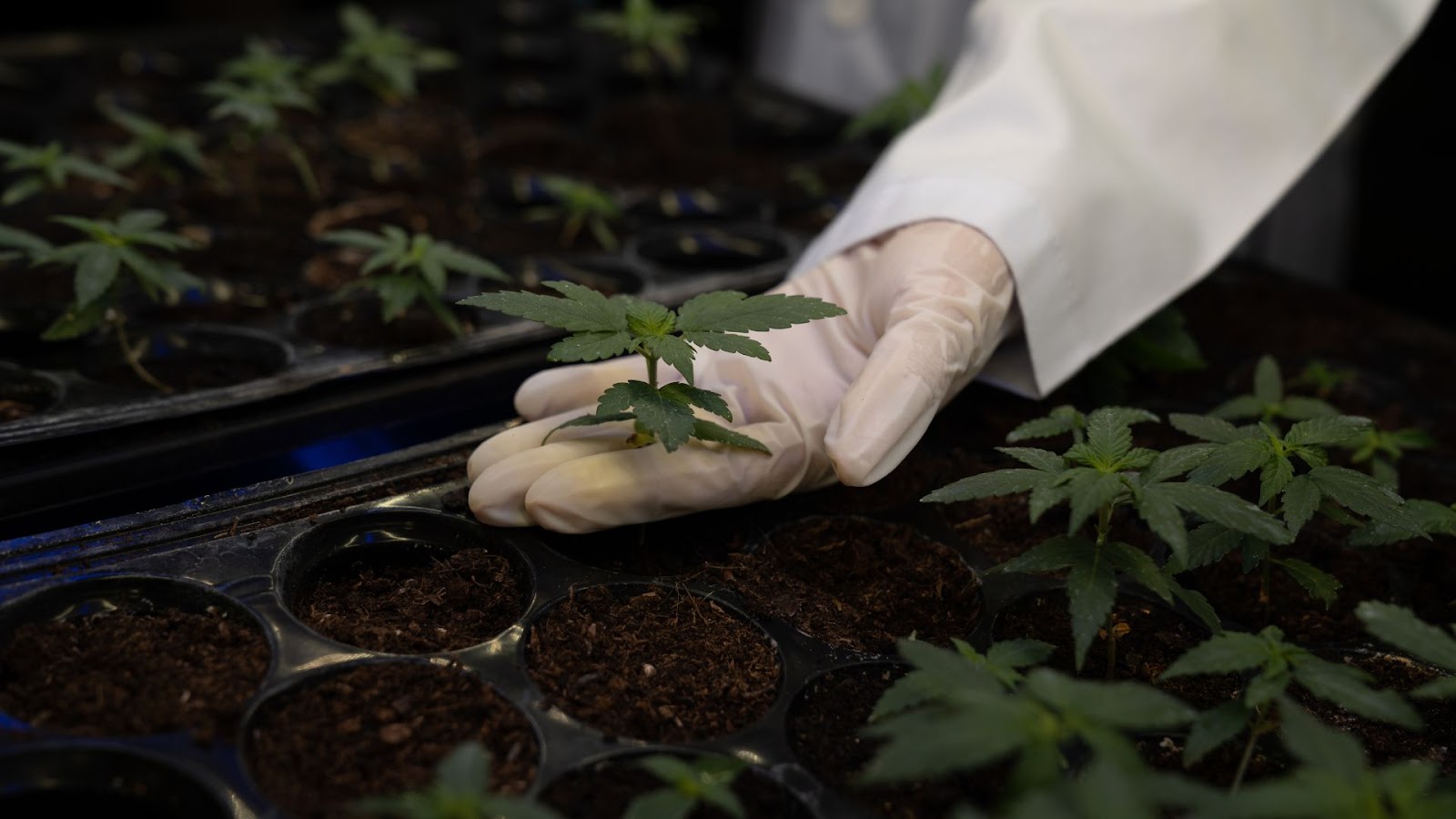
Vegetative growth is one of the most crucial stages in cannabis cultivation. It’s the period where your plant establishes its structure, develops healthy leaves, and prepares for the flowering stage.
Yet, many growers struggle with a common question: how long should I veg for the best yield?
Veg for too short a period, and your plants might be small with fewer bud sites. Veg too long, and you risk overgrowth, nutrient stress, or wasted resources. Week by week, the choices you make during veg directly affect your final harvest.
In this guide, we’ll break down how long to veg, factors that influence the optimal duration, signs your plant is ready to flower, and actionable steps to maximize yield.
At a glance:
- Vegetative growth determines plant size, structure, and potential yield.
- Most growers find 4–8 weeks of veg optimal, but strain, grow method, and space affect timing.
- Longer veg periods increase yields but require more resources and careful management.
- Track nutrients, light cycles, and environmental conditions to prevent stress and deficiencies.
Understanding the Vegetative Stage
The vegetative stage is the growth phase where your cannabis plant builds its foundation. During this period, the plant focuses on developing strong roots, thick stems, and lush foliage. All of these are critical for supporting the heavier buds that will form later during flowering. Think of veg as the blueprint for your final harvest. The bigger and healthier the structure, the more potential each plant has for high yields.
What Happens During Veg
- Leaf and Stem Growth: The plant prioritizes vegetative structures over flowers. Healthy leaves maximize photosynthesis, while sturdy stems provide support for future buds.
- Root Development: Roots expand and strengthen, enabling efficient nutrient and water uptake. A robust root system is key to stress resistance and optimal flowering.
- Energy Storage: Cannabis plants store energy in leaves and stems during veg, which will later be redirected to flower development.
The objective of the vegetative stage is simple: grow plants with the optimal size and structure to support a high-yield flowering phase. Proper veg management ensures your plants are strong, balanced, and ready to produce dense, healthy buds.
Importance of Vegetative Growth Duration
The length of the vegetative stage directly influences the overall health, structure, and yield potential of your cannabis plants. Understanding its importance helps you make strategic decisions about when to transition to flowering.
1. Stronger, More Robust Plants
A longer vegetative period allows the plant to develop thicker stems, a more extensive root system, and a dense canopy of leaves. These structural improvements provide better support for the heavy buds that will form during flowering and improve the plant’s ability to transport water and nutrients efficiently.
2. Setting Up for Higher Yields
Vegetative growth establishes the foundation for bud production. Each node and branch formed during veg becomes a potential bud site during flowering. Plants that are underdeveloped or transitioned too early to flowering will produce fewer flowers, limiting total yield. By optimizing veg duration, you ensure each plant reaches its full productive potential.
3. Optimizing Plant Health and Function
Extended vegetative growth enhances key physiological processes such as nutrient uptake, photosynthesis, and energy storage. A healthy veg phase strengthens the plant’s resilience to stress, pests, and environmental fluctuations, ensuring it can sustain vigorous growth during the demanding flowering stage.
Factors Influencing How Long to Veg
From the genetics of your strain to the growing method, light exposure, and available space, each element can significantly impact growth, plant structure, and ultimately, your yield. Understanding these variables helps you make informed decisions about veg time and sets your plants up for a successful flowering stage.
Let’s break down the main factors that determine how long you should veg your cannabis.
1. Strain Genetics
Different cannabis strains have unique vegetative needs.
- Indica strains: Usually require a shorter veg period due to their naturally bushy growth and compact structure.
- Sativa strains: Often benefit from longer veg to accommodate taller growth and stretched buds.
- Autoflowering strains: Veg time is limited and predetermined. Extending it artificially can compromise flowering and final yield.
Understanding your strain’s genetics helps you plan a veg period that aligns with its growth potential.
2. Growing Method
Your cultivation method also impacts veg duration.
- Indoor growers: Veg time is largely controlled by light cycles and space constraints.
- Outdoor growers: Veg may be dictated by season, daylight hours, and available growing windows.
- Hydroponics vs Soil: Hydroponic setups often accelerate veg growth, while soil may require more time for roots to fully develop.
Adapting your veg strategy to your growing method ensures plants reach optimal size without wasting resources.
3. Light Cycles
Light is the primary driver of vegetative growth.
- Cannabis plants in veg need 18–24 hours of light per day.
- Light intensity and spectrum directly influence photosynthesis and energy accumulation.
- Interruptions in light, particularly for photoperiod strains, can stress plants and slow growth.
Consistent, high-quality light is essential for strong, healthy vegetative development.
4. Space and Infrastructure
The space you allocate for your plants determines how large they can grow before flowering.
- Overcrowding reduces light penetration and airflow, which can limit yield.
- Using supports, training techniques, and proper spacing helps plants develop efficiently and maximizes the effectiveness of veg.
Planning your grow space carefully ensures plants are structurally ready to support dense flowers when they transition to the flowering stage.
Signs Your Plants Are Ready to Flower
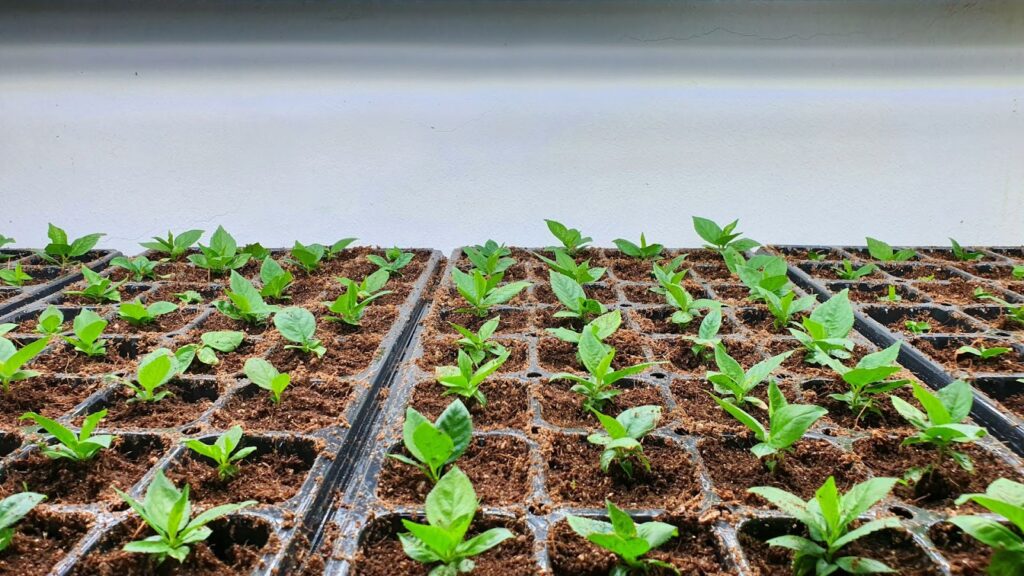
Transitioning your cannabis from the vegetative stage to flowering at the right moment is crucial for maximizing yield and bud quality. Identifying the subtle cues that indicate readiness can make the difference between a mediocre harvest and an exceptional one.
1. Height and Structure
By the end of veg, stems should be thick and resilient enough to support heavy buds later. Leaves should be vibrant, large, and healthy, creating a balanced canopy. The plant should fill its allocated grow space without overcrowding neighboring plants.
Overgrown or stretched plants may indicate light or nutrient imbalances and may require pruning or training before flowering.
2. Pre-flowers
Look closely at the nodes where branches meet the main stem. The appearance of small pistils signals that the plant is entering reproductive mode. Early detection allows you to prepare your lighting schedule, nutrient adjustments, and support structures for flowering.
3. Trichome Development
In some strains, especially resin-rich varieties, trichomes may start forming in late veg. Early trichome production is a sign that the plant’s metabolic processes are primed for flowering and resin accumulation. Monitoring these can guide decisions on light intensity, nutrient ratios, and environmental conditions.
4. Overall Plant Maturity
Consider internode spacing, root system development, and leaf size. A well-developed root system ensures the plant can uptake sufficient nutrients during the energy-intensive flowering stage.
Tight internode spacing in indica-dominant strains or slightly elongated spacing in sativa-dominant strains can indicate genetic readiness.
Use PlanaCan’s interactive calendar to track these growth milestones. Log pre-flower appearances, mark trichome development, and schedule inspections to monitor stem thickness and canopy health.
Suggested read: Optimization of Nutrients and Fertilizing in Cannabis Vegetative Stage
Balancing Veg Duration for Maximum Yield
Determining the optimal length of the vegetative stage is one of the most critical decisions for achieving maximum cannabis yield. The right veg period sets the stage for healthy, robust plants with abundant bud sites, while a poorly timed transition can compromise both quantity and quality.
Let’s break down the implications of different veg durations.
Short Veg Period (2–4 Weeks)
- Pros: Short veg cycles allow for faster harvest turnover, reduce overall resource use, and can be suitable for small-scale or rapid-cycling operations.
- Cons: Plants remain smaller with fewer nodes, limiting the number of potential bud sites. This can lead to lower overall yield and may require additional training techniques to compensate for height and structure.
Medium Veg Period (4–6 Weeks)
- Pros: This is often the sweet spot for commercial growers. Plants achieve balanced growth, develop strong stems, and create a moderate number of bud sites without becoming unmanageably large. Nutrient uptake and root systems are optimized, supporting a healthy transition to flowering.
- Ideal Use: Best for growers aiming for a reliable balance between manageable plant size, resource use, and yield potential.
Long Veg Period (6–8+ Weeks)
- Pros: Extended vegetative growth produces larger plants with more nodes and bud sites, providing the potential for maximum yield per plant. Well-structured canopies and robust root systems allow for better nutrient absorption and flower development.
- Cons: Longer veg cycles demand more water, nutrients, and attention. Plants may outgrow their space or require additional pruning and training. Over-vegetating can also increase stress risk, including light deprivation, nutrient imbalances, or pests if not monitored carefully.
Recommendations:
Optimizing veg duration requires balancing strain genetics, grow space, lighting, and available resources. Indica-dominant strains may thrive with shorter veg periods, while sativa-dominant strains often benefit from a longer veg to accommodate their natural growth patterns. Autoflowering strains have limited flexibility and should follow the strain’s predefined veg period.
Practical Tips for Optimizing Veg Time
Successfully managing the vegetative stage isn’t just about counting weeks—it’s about observing, adjusting, and responding to your plant’s growth patterns. Here are actionable strategies to get the most out of your veg period.
1. Monitor Node Development and Canopy Density
Each new node formed during veg becomes a potential bud site during flowering. Track the number of nodes, branch spacing, and overall canopy density. Plants with evenly spaced, healthy nodes are ready to transition when the structure supports future bud weight.
2. Adjust Nutrients Strategically
During veg, nitrogen is critical for leafy growth, while phosphorus and potassium support root development and overall plant vigor. Overfeeding nitrogen can delay flowering and reduce bud quality. Gradually taper nitrogen levels and balance with phosphorus and potassium as the plant nears its ideal transition point.
3. Use Light to Shape Growth
Maintain consistent 18–24-hour light cycles for photoperiod strains. Adjust light height and intensity to prevent stretching and encourage compact, strong growth. Sativa strains may require slightly more distance or diffused light to avoid overly tall, thin stems.
4. Incorporate Training Techniques
Low-stress training (LST), ScrOG, or topping can help maximize the number of bud sites and optimize light distribution. Start training early in veg to avoid shocking the plant and ensure the canopy develops evenly.
5. Monitor Environmental Conditions Closely
Temperature, humidity, and airflow directly impact growth rate. Keep temperatures between 70–85°F (21–29°C) and humidity around 40–70%. Good airflow prevents mold and strengthens stems, preparing them for heavy buds in flowering.
6. Utilize Growth Tracking Tools
Platforms like PlanaCan allow you to log node counts, plant height, and pre-flower signs in real time. Automated reminders and progress visualization help prevent premature transitions or unnecessarily long veg cycles, reducing wasted resources and improving yield consistency.
Suggested read: How Often and How Much Watering in Veg Stage for Cannabis Plants
Challenges and Solutions in Extended Vegetative Periods
Extending the vegetative stage can increase potential yield, but it also introduces unique challenges that require careful management. Understanding these issues and knowing how to address them ensures your plants remain healthy and productive.
1. Nutrient Deficiencies and Imbalances
Prolonged veg increases the plant’s demand for nutrients, especially nitrogen, phosphorus, and potassium. Without careful monitoring, deficiencies can appear, leading to stunted growth, yellowing leaves, or delayed flowering.
Solution: Regularly test soil or hydroponic solution for nutrient levels. Adjust feeding schedules gradually, maintaining a balance that supports healthy foliage and root growth without overfeeding.
2. Pest and Disease Pressure
Larger, denser plants in extended veg periods are more susceptible to pests such as spider mites, aphids, or fungus gnats, and fungal infections due to restricted airflow.
Solution: Maintain proper airflow and humidity control, prune excess foliage to prevent overcrowding, and schedule regular pest inspections. Use organic or preventive treatments proactively rather than reactively.
3. Space and Resource Management
Extended veg can lead to oversized plants that may outgrow available canopy space, creating shading issues and uneven bud development. Water, light, and nutrient requirements also increase with plant size.
Solution: Plan your grow space with maximum plant size in mind. Employ training techniques like LST or ScrOG early to manage canopy structure. Ensure lighting, irrigation, and nutrient delivery can support larger plants without causing stress or resource depletion.
4. Regular Monitoring and Adjustment
Plants in extended veg are more sensitive to environmental fluctuations. Temperature swings, inconsistent lighting, or humidity spikes can stress plants and delay flowering.
Solution: Track growth metrics, environmental conditions, and plant health consistently. Tools like PlanaCan can help schedule inspections, log observations, and generate alerts for deviations, making it easier to maintain optimal conditions over long veg periods.
Extended veg can be a high-reward strategy when executed carefully. The key is proactive observation, structured support, and gradual adaptation of nutrients and environment to match the plant’s growing needs.
How PlanaCan Helps You Optimize Vegetative Growth
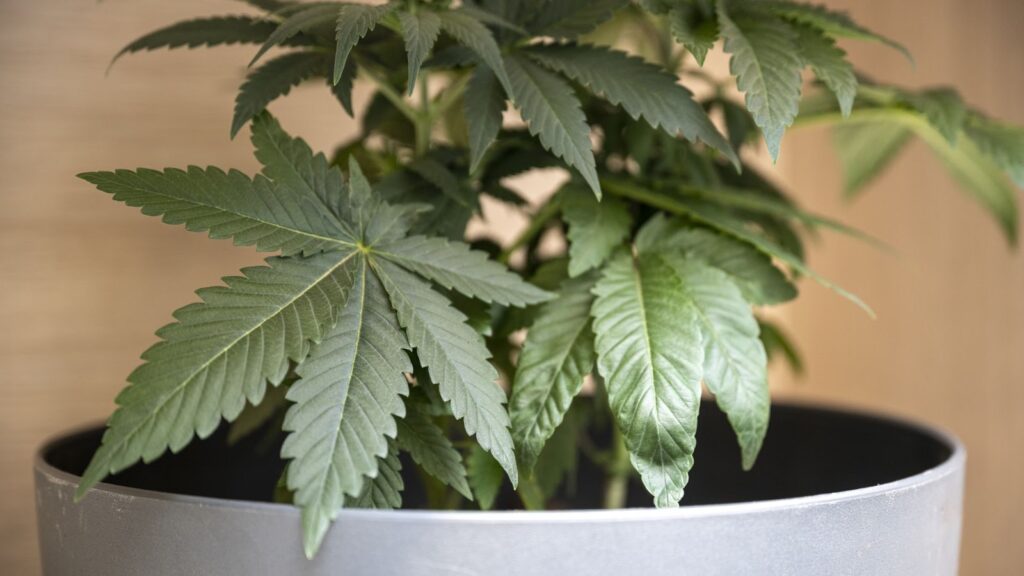
PlanaCan is a purpose-built cultivation management platform designed to simplify cannabis grow tasks, giving growers full visibility and control over their operation.
Plan and Schedule Every Step
With PlanaCan’s interactive calendar, you can:
- Plan harvests months in advance
- Schedule daily tasks
- Automate treatments for each strain or cultivar
Adjustments are simple if circumstances change, keeping your grow on track without stress.
Track Growth and Milestones
During veg, monitoring plant height, node development, and root health is essential. PlanaCan allows you to:
- Log growth metrics in real time
- Attach notes and observations
- Mark when critical milestones, such as pre-flowers or trichome appearance, occur
This ensures you transition to flowering at the optimal moment, maximizing yield potential.
Centralized Communication and Team Coordination
In multi-grow operations, miscommunication can lead to mistakes and lost productivity. PlanaCan enables you to:
- Send instant task updates and notifications
- Track task status
- Coordinate work among team members
Every team member knows what to do and when, which reduces errors and ensures consistent care across the grow.
Analyze and Learn from Every Harvest
PlanaCan stores detailed reports from each harvest, allowing you to:
- Capture decisions, growth patterns, and outcomes
- Identify trends over time
- Refine veg and flowering schedules based on data
In short, PlanaCan turns complex veg management into a streamlined, measurable, and repeatable process. By planning, tracking, and analyzing your vegetative stage with precision, you give your plants the best possible foundation for a high-yield, high-quality harvest.
Conclusion
The vegetative stage is the foundation of a successful cannabis harvest. How long you veg your plants directly affects their structure, health, and ultimate yield. By understanding strain genetics, monitoring growth milestones, optimizing light and nutrient schedules, and managing space effectively, you can set your plants up for maximum flowering potential.
Extended or shortened veg periods come with trade-offs, but careful planning, monitoring, and adjustments ensure your plants grow strong, healthy, and productive. Tools like PlanaCan simplify this process by helping you track growth, schedule tasks, coordinate teams, and analyze results.
Maximize your yield and take the guesswork out of vegetative growth. Schedule a free call today.
FAQs
1. How long should I veg my cannabis plants for maximum yield?
Most growers find 4–8 weeks of veg optimal for balancing plant size, structure, and yield potential. Indica strains usually require a shorter veg period, while sativa strains often benefit from a longer veg. Autoflowering strains have a predetermined veg duration that should not be extended.
2. Can I veg my cannabis for too long?
Yes. Over-vegetation can lead to oversized plants that are harder to manage, require more nutrients and water, and may experience stress or structural weaknesses. It can also delay flowering, affecting harvest timing and resource efficiency.
3. Does longer veg always increase yield?
Not necessarily. While a longer veg period can produce more bud sites, excessive veg without proper management can reduce efficiency, cause nutrient imbalances, or increase the risk of pests and disease. Yield gains depend on strain, grow space, and careful care.
4. How do I know my cannabis is ready to flower?
Look for thick, resilient stems, healthy leaves, and a well-developed canopy. Pre-flowers—small pistils at nodes—signal reproductive readiness. Some strains may also start producing trichomes in late veg. Monitoring root development and internode spacing helps confirm maturity.
5. What are the signs of over-vegetation?
Signs include excessively tall or stretched plants, overcrowded canopies, nutrient deficiencies, slow flowering transition, and structural stress on stems or branches. Overgrown plants may require pruning, training, or additional support before flowering.
6. How does the light schedule affect vegetative growth?
Cannabis plants in veg thrive under 18–24 hours of light per day. Light intensity and spectrum drive photosynthesis and energy accumulation. Interruptions or inconsistent light cycles, especially in photoperiod strains, can stress plants, slow growth, and affect final yield.