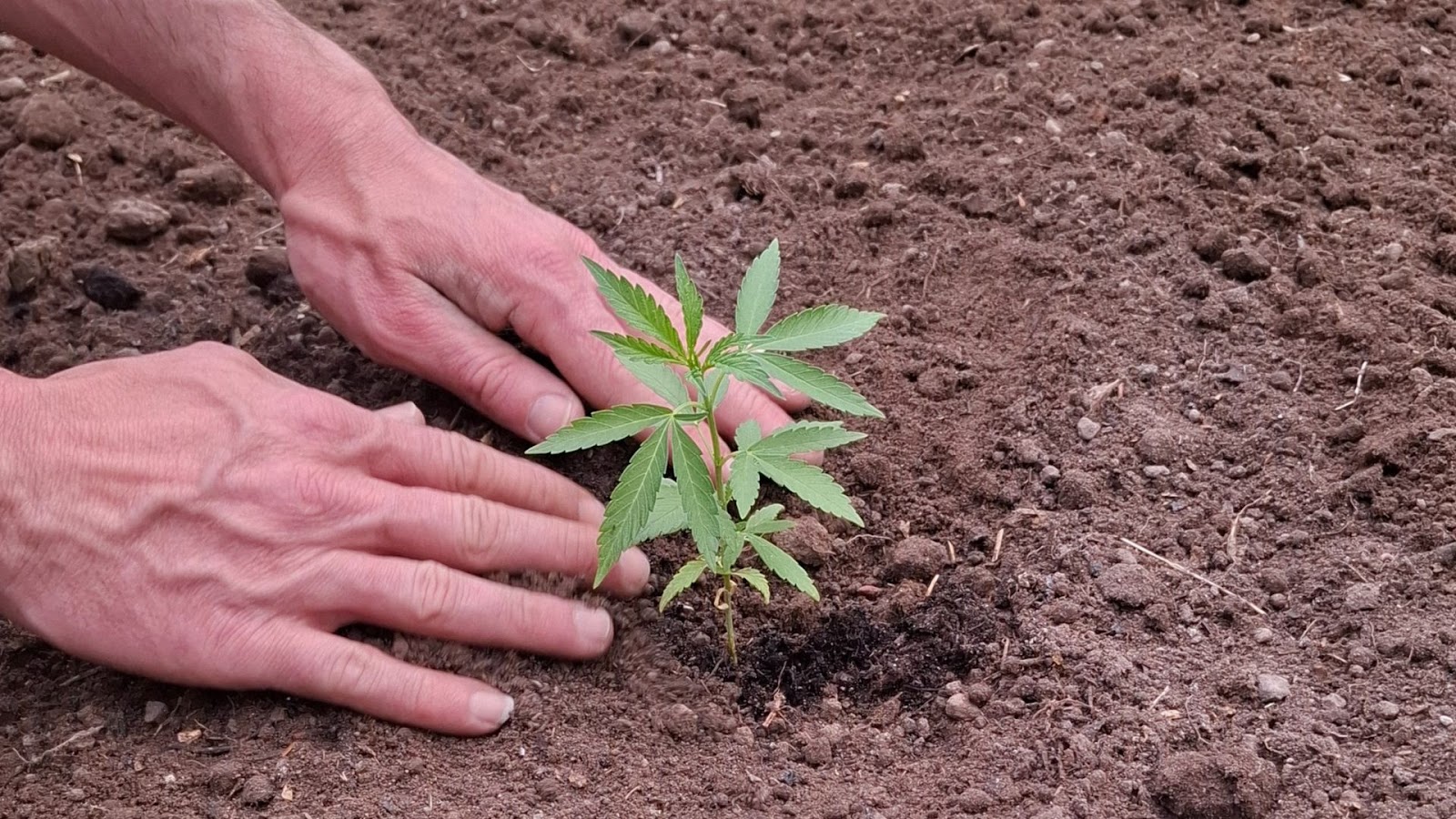
For many cannabis growers, understanding the ins and outs of planting and harvesting can be quite a challenge. The process is not as simple as planting seeds and waiting; timing is everything. The cannabis growing calendar serves as a vital guide to plotting and planning each phase of your growing operation. From germination methods to understanding environmental cycles and lunar influences, a well-thought-out schedule can transform an uncertain growing venture into a successful harvest.
In this blog, we'll break down the stages of cannabis growth, how to create an effective grow calendar, and the benefits of scheduling each task for maximum efficiency. By the end, you'll be ready to plan your next successful harvest with ease.
At a glance:
- A cannabis growing calendar helps you stay organized, ensuring no task is overlooked, and enhancing communication among team members.
- Understanding the different growth stages is essential for accurate scheduling, as each stage requires specific care.
- Autoflowering cannabis has a unique timeline compared to photoperiod plants, and its grow calendar should reflect that.
- The grow calendar for indoor vs outdoor cultivation differs, particularly in relation to light cycles, temperature, and environmental conditions.
- Solving common grow calendar problems, such as missed tasks and inconsistent yields, is possible with the use of proper scheduling tools like PlanaCan.
Understanding the Cannabis Growing Calendar
Crafting and actually following a cannabis growing calendar is more than record-keeping. It's a tool to help manage labor, avoid missed steps, and guarantee your plants get what they need, when they need it. Without a calendar, you're playing catch-up: one missed nutrient feed or light cycle can throw off the whole harvest.
Consistent scheduling helps you:
- Anticipate the right time for each phase.
- Track environmental changes that matter (like lighting and humidity)
- Stay in sync with your cultivation team.
Surprises are inevitable. But with the right plan, you handle them with confidence rather than last-minute panic. If you're managing a team or multiple rooms, a calendar can be your single source of truth, showing what needs to be done every day.
Planning for each stage with a clear timeline smooths out your workflow, making big yields less about luck and more about following proven routines. It is important to have a cannabis growing calendar tailored to your specific needs, whether you are cultivating indoors or outdoors. Growing is easier and more effective with this tool, whether you're a novice or an experienced grower.
Now that we've discussed the importance of a well-structured calendar, let's explain the specific stages your cannabis plants will go through.
PlanaCan can help streamline this process by converting your calendar into a digital task manager. With automated reminders and real-time updates, your team stays aligned, ensuring every phase of growth is covered without missing a beat.
Also read: Cannabis Feeding Schedule: How and When to Feed Your Plants
Understanding the Cannabis Growth Stages
Understanding the cannabis growth timeline is key to managing your cultivation process well. The process of growing healthy plants and harvesting them requires specific care at various stages.
Stage 1: Germination (1-7 days)
Your cannabis plants start their journey as seeds. Germination happens when you provide the right moisture and warmth, triggering the seed to sprout its first root. This process usually takes between one and seven days. The speed depends on factors like seed quality, temperature, and humidity. Proper germination sets the foundation for your plants to thrive.
Stage 2: Seedling (2-3 weeks)
After germinating, your seedlings will begin to grow small leaves and develop a stronger stem. This stage lasts around two to three weeks. During these weeks, your seedlings need gentle light, high humidity, and consistent moisture to develop healthy roots and leaves. Careful attention here helps your plants build resilience for the next phases.
Stage 3: Vegetative Growth (3-16 weeks)
Vegetative growth is when your plants experience rapid development. You'll see an increase in height, leaves, and branching. This stage can last from three to sixteen weeks, depending on factors such as the strain, growing environment, and your goals for plant size. Your plant focuses on establishing a strong root system and expanding its foliage. At this point, your cultivation activities will center on feeding, watering, and providing ample light.
Stage 4: Pre-Flowering (1-2 weeks)
Your plants will enter the pre-flowering stage as they start to show their sex. Male plants develop pollen sacs while females show pistils. This phase lasts about one to two weeks. It's important to identify and remove male plants promptly, especially if you want buds free from seeds. The pre-flowering period prepares your plants for the critical flowering stage ahead.
Stage 5: Flowering (6-12 weeks)
The flowering stage is when buds form and grow, producing the cannabinoids you care about, like THC and CBD. This phase usually lasts six to twelve weeks. The length varies based on the strain and environmental factors, such as light cycles and nutrients. During flowering, your focus shifts to optimizing bud development and health.
Stage 6: Harvest (varies)
The timing of harvest is crucial to the potency and quality of the product. Depending on the strain and your preferences, harvesting typically happens eight to fourteen weeks after flowering begins. During harvest, you'll cut the plants, then dry and cure the buds. Proper drying and curing enhance flavor, aroma, and potency, giving you the final product ready for use or sale.
Each stage in the cannabis growth timeline builds on the last. Managing these phases with care helps you avoid common headaches like missed tasks or inconsistent yields. Using tools designed for planning and tracking, like an interactive calendar or task automation software, can help keep your cultivation on schedule and your team informed.
With a clear understanding of each growth stage, it’s time to put that knowledge into action by crafting the perfect planting schedule tailored to your unique growing needs.
Also read: Step-by-Step Guide to Drying and Curing Cannabis Buds in Glass Jars for Enhanced Potency
Optimal Schedules for Planting
Planting your cannabis crop on the right schedule is critical to avoid common frustrations like missed timings or uneven growth. Getting your planting schedule right helps you stay on track from seed to harvest and boosts your chances of a healthy yield. Planning your plantings carefully lets you balance light, space, and labor effectively. Here are some optimal schedules and tips to consider for planting cannabis:
- Autoflowering plants give you more flexibility. They don't require strict light cycle changes so that you can start them at any time for faster growth.
- For photoperiod strains, plan seedlings and veg stages during longer daylight periods or controlled light cycles indoors.
- Space out plantings to keep workloads manageable. Staggering allows continuous harvests and reduces peak labor.
- Align your planting schedule with your climate. Outdoors, plant after the last frost and when temperatures stabilize.
- Use templates and task automation to schedule and track every step of your planting process efficiently.
- Consider your team's availability and workflow; avoid scheduling major tasks all at once.
- Monitor light exposure carefully during early veg and flowering; adjusting schedules here affects growth quality.
Following a smart planting schedule keeps your cultivation running smoothly. You won't waste time guessing when to begin or rush through tasks. If you're still struggling with timing, using management software that automates scheduling can help you stay organized. With every planting set on track, you can focus on nurturing your plants properly for the best possible harvest.
While a well-planned schedule is crucial, the environment where your plants grow also plays a key role. Let's explore how indoor and outdoor cultivation setups differ and what that means for your calendar.
Indoor vs Outdoor Planting Considerations
When you grow cannabis, planning your schedule depends greatly on whether your plants are indoors or outdoors. Your grow calendar must reflect the differences in environment and timing. Knowing these key differences helps you stay organized and avoid missed tasks.
- Indoor growing lets you control your schedule year-round. You decide when to start seeds, how long the plant stays in each growth stage, and when to switch to flowering by adjusting light exposure. This flexibility means you can have multiple harvests annually. Controlling temperature and humidity indoors also helps prevent stress on your plants, making it easier to stick to your calendar.
- Outdoor growing follows natural cycles. You start planting when the outdoor climate is favorable, usually in spring and early summer. Plants grow with the sun, and the flowering stage begins naturally as days get shorter. Outdoor cultivation typically allows only one harvest per year because the season limits your planting and harvest windows. Weather and pests can disrupt your schedule, so flexibility is key.
Here are some differences between indoor and outdoor calendars:
- Indoor calendars allow multiple harvests per year; outdoor calendars usually have one per season.
- Indoor requires managing light cycles to trigger growth stages; outdoor relies on natural daylight.
- Indoor offers stable environmental control; outdoor depends on weather conditions.
- Indoor lets you adjust growth time for each phase; outdoor growth time is mostly fixed by the climate.
- Outdoor schedules demand awareness of pest and disease risks related to the season.
Your choice of calendar should reflect how you grow. An organized calendar helps you plan, track, and adjust tasks to keep your cultivation process running smoothly, no matter where you grow.
Whether you're growing indoors or outdoors, challenges are inevitable. Let's take a look at some common issues you might face and how to solve them efficiently with the help of your grow calendar.
Common Problems and Solutions in Cannabis Cultivation
Managing a cannabis grow operation involves more than just planting seeds and waiting for harvest. Even with a well-structured cannabis growing calendar, unforeseen issues can arise, potentially impacting the health and yield of your plants. Addressing these challenges promptly and effectively is crucial to maintaining a successful cultivation process.
- Missed Watering or Feeding
Inconsistent watering or feeding schedules can lead to plants wilting, showing nutrient deficiencies, or experiencing stunted growth.
Solution: Implement a daily or weekly scheduled reminder system. Utilizing digital notifications can help ensure timely watering and feeding, preventing stress on the plants.
- Light Cycle Errors
Incorrect light cycles can trigger premature flowering or delayed bud development, affecting the overall yield and quality.
Solution: Set up pre-scheduled calendar alerts and consider using automated lighting systems for indoor grows to maintain consistent light cycles.
- Nutrient Overload
Excessive feeding can cause nutrient burn, leading to discolored or curled leaves and potentially harming the plant.
Solution: Pre-plan nutrient doses for each growth stage. Maintain a regular calendar for any changes or flushes to prevent overfeeding.
- Team Miscommunication
In the absence of proper coordination, duplicate tasks can be completed by team members or responsibilities missed, resulting in a disruption of the cultivation process.
Solution: Use a shared calendar system with task assignments and mobile updates to enhance transparency and communication among the team.
- Inaccurate Harvest Timing
If the buds are harvested too early, too late, or too soon, they will be too small and not as potent and flavorful.
Solution: Mark expected harvest windows on your calendar and set notifications for trichome inspections to determine the optimal harvest time.
- Pest Infestations
Pests such as aphids, spider mites, or fungus gnats can damage plants, leading to weakened health and reduced yields.
Solution: Implement an Integrated Pest Management (IPM) plan, regularly inspect plants, and maintain cleanliness in the grow area to prevent infestations.
- Mold and Mildew Growth
A high level of humidity can promote mold and mildew growth, which can negatively affect plant health and product quality.
Solution: Monitor and control humidity levels, ensure proper air circulation, and remove any affected plant material promptly.
- Improper Sterilization
Unsterilized equipment and grow areas can introduce harmful microbes, leading to plant diseases and infections.
Solution: Regularly clean and sterilize all tools and surfaces using appropriate methods to eliminate potential contaminants.
- Soil pH Imbalances
Incorrect pH levels in the soil can hinder nutrient uptake, resulting in nutrient deficiencies or toxicities.
Solution: Regularly test soil pH and adjust as necessary using pH up or down products to maintain optimal levels for cannabis growth.
- Environmental Stress Factors
Temperature variations, light intensity fluctuations, or CO2 fluctuations can stress plants and negatively affect their growth.
Solution: Maintain consistent environmental conditions using climate control systems and regularly monitor parameters to ensure plant comfort.
Tip: Treat your cannabis growing calendar as a dynamic tool. After each harvest, review what worked and what didn't. You can use these insights to refine your cultivation approach for the next cycle, thus enhancing the overall success of your cultivation process.
By utilizing PlanaCan's digital scheduling features, you can avoid common pitfalls such as missed feeding times and light cycle errors. With real-time monitoring and team coordination tools, you can respond quickly to any issues that arise, ensuring your plants stay on track.
Now that we've covered troubleshooting, it's time to fine-tune your approach with practical tips that will make your grow calendar not only functional but highly effective for consistent results.
Also read: Identifying and Treating Light Stress in Cannabis Plants
Practical Tips for Building a Successful Grow Calendar
Building an effective grow calendar is key to keeping your cannabis cultivation on track. Every grower has their own way of organizing tasks, but some tips can help you stay organized and responsive to your plants' needs. Creating a clear plan reduces stress and improves your chances of a healthy, high-yield harvest. Below are useful tips to keep your grow calendar practical and flexible:
- Use digital tools or notebooks to track timelines, observations, and task completion. This keeps everything easy to access and update.
- Stay flexible. Your plants may grow faster or slower than expected. Adjust your calendar dates and activities to fit how your plants develop.
- Learn from each growing cycle. Use what you observe to update your calendar and improve your next harvest plan.
- Keep notes on environmental changes, feeding schedules, and plant responses. This record helps you make better decisions over time.
- Connect with local gardening groups or online communities. Sharing advice and experiences can spark new ideas and solutions.
- Break big tasks into smaller steps. This makes the work more manageable and helps keep your daily schedule on point.
By being proactive and organized, you develop a better understanding of your plants' rhythms. This leads to healthier growth and larger yields. Keeping an open mind to new methods ensures you keep improving with each cycle. Also, exchanging tips with other growers builds your confidence and sharpens your gardening skills. A well-managed grow calendar ultimately keeps your operation smooth and successful.
If you want to make your growth process simpler and more predictable, consider using software tools that automate scheduling and track progress for you. This lets you focus more on your plants and less on remembering every detail.
Conclusion
A well-planned growing calendar is key to getting reliable, quality harvests. When you plan each stage, track every task, and review results carefully, you reduce mistakes and improve communication among your team. That leads to better efficiency and higher profits.
PlanaCan helps by bringing your entire grow schedule together in one place. It automates reminders, tracks progress, and offers insights based on your harvest data. This makes it easier to spot problems early and adjust your plans for better outcomes.
If managing your growth feels overwhelming, PlanaCan can simplify your process and keep your team aligned. Take control of your cultivation with tools designed for your needs. Schedule a free call today to see how PlanaCan can help you organize your grow schedule, improve team communication, and increase your harvest quality.
FAQs
Q. How long does a typical cannabis grow cycle take?
Depending on the strain and environment, cannabis grows from 8 to 16 weeks. Autoflowering strains typically complete their cycle in 8 to 12 weeks. This shorter cycle allows for multiple harvests per year, increasing overall yield potential.
Q. Which stage in cannabis growing is most important?
While all stages are crucial, the Flowering stage is often considered the most critical. A marijuana plant's energy is directed towards producing buds, which contain most of its cannabinoids and terpenes. Proper care during this phase ensures a high-quality and potent harvest.
Q. Can indoor and outdoor grow calendars be the same?
No. Indoor calendars allow precise control over light and nutrients, while outdoor calendars must account for seasonal and weather variations. Understanding these differences ensures that each plant receives the appropriate care tailored to its growing environment.
Q. What is the 4-phase cycle of cannabis?
The cannabis plant progresses through four primary growth stages: Germination, Seedling, Vegetative, and Flowering. Each phase has distinct requirements for light, nutrients, and care. Understanding these stages helps in providing the appropriate environment and support for healthy plant development.
Q. How can I track multiple strains in one calendar?
Use color-coding or separate sections for each strain. Digital tools like PlanaCan make it easier to track multiple strains simultaneously. This method helps prevent cross-contamination and ensures each strain's unique needs are met.