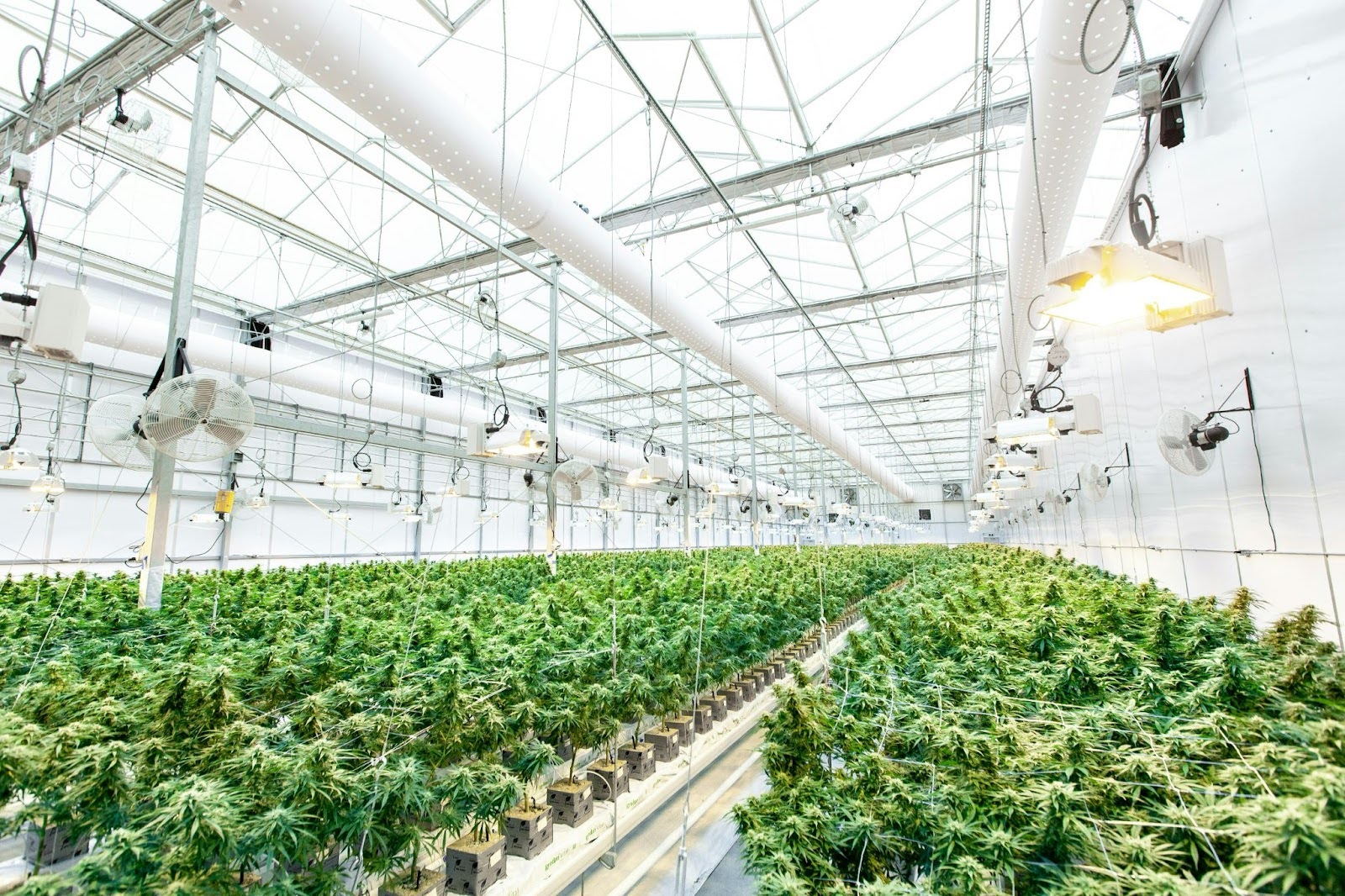
Step-by-Step Guide on How to Start Growing Cannabis Indoors
Step-by-Step Guide on How to Start Growing Cannabis Indoors
Step-by-Step Guide on How to Start Growing Cannabis Indoors
Struggling to grow quality weed indoors without wasting time or money? Indoor growing weed can feel overwhelming when you’re juggling light schedules, temperature control, nutrient ratios, and plant health. Maybe you’ve tried a few times already and ended up with weak buds or moldy plants. Or perhaps you’re just getting started and feel buried under equipment guides and nutrient charts.
You don’t need to be a seasoned grower to get it right. Indoor cannabis grow setups can be scalable and straightforward. Start small, focus on the basics, and build as you go. With the right environment and consistent care, you can produce dense, potent buds all year long, right from the comfort of your home.
This guide walks you through everything you need to know about growing cannabis indoors. You’ll learn how to choose the right space, select the right tools, manage plant stages, and troubleshoot problems so your weed-growing room stays productive and stress-free.
TL;DR
- Understand the vegetative and flowering stages to optimize lighting, nutrients, and environment.
- Set up a grow space that’s lightproof, ventilated, and easy to control for temperature and humidity.
- Choose beginner-friendly strains, use reliable equipment, and stick to a consistent care routine.
- Watch for common issues like yellowing leaves, mold, or pests, and fix them early using pH checks, airflow, and organic treatments.
Understand the Basics of Indoor Cannabis Growing
Before you dive into equipment and setup, it’s essential to understand what your plants need to thrive. Cannabis grows through two main stages: the vegetative stage and the flowering stage.
In the vegetative stage, your plants focus on growing big and strong by developing healthy leaves, stems, and roots. Once they reach the flowering stage, their energy shifts toward producing buds, which are the valuable parts you eventually harvest.
Understanding these stages enables you to tailor your indoor environment to support healthy growth and optimize your yield.
When you grow cannabis indoors, you take control of every aspect of your plants’ environment, which brings a variety of benefits:
1. Complete Environmental Control: You decide the exact light, temperature, humidity, and airflow your plants get. This lets you create the perfect conditions for both the vegetative and flowering stages, regardless of the season or outdoor weather.
2. Consistent Quality and Potency: By controlling your environment, you reduce stress on the plants and help them produce better flavor, aroma, and cannabinoid levels. This consistency is hard to achieve with outdoor grows exposed to nature’s unpredictability.
3. Faster Growth Cycles: With artificial lighting and controlled schedules, you can accelerate growth and advance plants through their stages more quickly. This means more harvests per year compared to outdoor growing.
4. Protection from Pests and Diseases: Indoor growing limits your plants’ exposure to pests, mold, and diseases that commonly affect outdoor crops. This keeps your plants healthier and reduces the need for pesticides.
5. Privacy and Security: You maintain a private and secure grow operation, protected from theft or unwanted attention. This is especially important if local regulations restrict outdoor growing or if you prefer discretion.
6. Efficient Use of Space: Indoor cultivation allows you to utilize small spaces, such as closets, spare rooms, or tents. This flexibility works even if you don’t have access to a garden or outdoor area.
7. Year-Round Harvests: Since you control the environment, you are not limited by seasons. This allows you to harvest cannabis multiple times a year, ensuring a steady supply.
So, how do you set up your indoor cannabis grow room? Let us understand below.
How To Set Up Your Indoor Cannabis Grow Room
Before you begin growing cannabis indoors, it’s crucial to establish a solid foundation. These prerequisites ensure your grow room provides the right conditions for healthy plants.
1. Suitable Space: You require a dedicated, enclosed area with sufficient space to accommodate your plants and the necessary equipment. The space should be large enough to allow you to move around comfortably while tending to your plants.
Privacy is also important. Choose a location where you can keep your grow discreet and secure. Additionally, the space should be isolated from direct sunlight and external temperature changes to maintain a stable environment.
2. Light Control Capability: Cannabis plants require strict control over their light cycles to grow properly. Your grow room must allow you to block out all natural light completely during dark periods. It should also enable you to install and adjust artificial lighting at various heights to accommodate plant growth.
3. Environment Control Potential: The grow room must support stable temperature and humidity levels. Ideally, it should be a sealed or semi-sealed space to prevent the external climate from affecting your setup. You need the capacity to introduce ventilation systems that manage airflow and avoid heat buildup. The space should also accommodate any necessary equipment to control temperature and humidity precisely.
4. Electrical Infrastructure: Indoor growing demands a reliable and safe electrical setup. Your chosen space should have enough power outlets to support all your equipment, including lights, fans, heaters, and other devices. The wiring must be capable of handling high-wattage loads without risk of overload or fire hazards. It is also critical that the space remains dry and free from moisture to prevent electrical accidents.
5. Airflow and Ventilation Access: Proper air circulation is essential to prevent stagnant air, which can lead to mold and pest infestations. Your grow room should have sufficient space or openings to install intake and exhaust fans. It should also allow for the connection of carbon filters or air purifiers if odor control is necessary. Additionally, there should be enough room for fans to circulate air efficiently without disturbing your plants.
6. Cleanliness and Pest Control Feasibility: To protect your plants, the grow room needs to be easy to clean. Smooth floors and walls that do not trap dirt or moisture help maintain hygiene. The space should minimize entry points for pests and contaminants. This setup also needs to allow the safe and effective use of pest prevention measures without contaminating your grow area.
7. Water and Drainage Access: Your grow room must allow you to water plants efficiently without causing a mess or damage. It should have a system to manage drainage or runoff safely, preventing water accumulation that could lead to mold or structural problems. The space should also have enough room nearby to store water and nutrient solutions for easy access.
Now, let us understand how to grow cannabis indoors with the help of a step-by-step guide.
Step-by-Step Guide For Growing Cannabis Indoors
Growing cannabis indoors gives you full control over the environment, letting you optimize conditions to produce high-quality buds. But it takes planning, attention, and care. Here’s a detailed breakdown of the process so you can grow your cannabis with confidence.
1. Choose Your Grow Space
Start by selecting the right space in your home. It could be a spare closet, a grow tent, a cabinet, or a dedicated room. Whatever you pick, make sure it is:
- Lightproof: Cannabis plants need a strict light schedule, especially during flowering. Any light leaks can confuse your plants and harm growth.
- Ventilated: Good airflow prevents mold, pests, and heat buildup.
- Accessible: You’ll be spending a lot of time tending your plants, so choose a spot easy to reach and clean.
Measure your space to determine how many plants you can comfortably grow, taking into account room for your lighting, fans, pots, and other necessary equipment.
2. Select the Right Cannabis Strain
Different strains have different needs and growth cycles. Decide if you want to grow:
- Indica: Shorter, bushier plants with quicker flowering times.
- Sativa: Taller plants with longer flowering cycles.
- Hybrid: A mix, often balancing traits.
Note: Consider your experience level. Some strains are more forgiving for beginners, while others need precise care.
3. Gather Your Equipment
To create the perfect indoor grow environment, you’ll need several key items:
- Grow Lights: LED or HID lights work best. LEDs run cooler and use less power, HIDs often deliver stronger light but create more heat.
- Pots or Containers: Choose pots with drainage holes. Typical sizes range from 1 gallon for seedlings to 3-5 gallons for mature plants.
- Growing Medium: Soil is beginner-friendly, while coco coir and hydroponics offer faster growth but require more monitoring.
- Ventilation System: An exhaust fan to remove hot air and a carbon filter to control odor.
- Timers: To automate light cycles.
- Thermometer and Hygrometer: Track temperature and humidity.
- pH Meter: Cannabis thrives at a pH of about 6.0 to 6.5 in soil.
- Nutrients: Cannabis-specific fertilizers for different growth stages.
4. Germinate Your Seeds
Start your grow by germinating your seeds. Here’s a reliable method:
- Soak seeds in a glass of water for 12 to 24 hours.
- Place them between moist paper towels in a warm, dark spot.
- Check daily; once seeds sprout a white taproot about 1/4 inch long, they’re ready to plant.
Tip: Handle the delicate roots gently to avoid damage.
5. Plant the Seedlings
Fill your pots with your chosen medium. Make a small hole about 1/2 inch deep and carefully place the germinated seed with the root facing down.
Lightly cover the seed with soil and water gently, keeping the medium moist but not soaked.
Place the seedlings under gentle light, such as fluorescent or LED grow lights, set about 18 to 24 inches away, which work well. Maintain temperatures between 70°F and 75°F (21 °C to 24°C) and humidity levels between 65% and 70% for young plants.
6. Vegetative Stage Care
Once your seedlings develop 3 to 4 sets of leaves, they enter the vegetative stage. This stage focuses on growing strong stems and leaves.
- Lighting: Provide 18 to 24 hours of light daily. Most growers use an 18/6 light and dark schedule.
- Watering: Water when the top inch of soil feels dry. Avoid overwatering, which suffocates roots.
- Nutrients: Use nitrogen-rich fertilizers designed for vegetative growth.
- Training: Techniques like topping, which involves cutting the top growth, and low-stress training, which bends branches, help maximize yield and light exposure.
- Environment: Maintain a temperature between 70°F and 85°F (21 °C to 29°C) and humidity between 40% and 70%.
7. Switch to Flowering Stage
When you’re ready to induce flowering, switch your lighting to 12 hours of uninterrupted darkness and 12 hours of light daily. This mimics natural fall light cycles and triggers bud development.
- Lighting: Keep lights strong and at an appropriate distance to avoid burning buds.
- Nutrients: Switch to bloom nutrients that are higher in phosphorus and potassium, but lower in nitrogen.
- Watering: Monitor plants closely. Flowering plants often use more water but avoid overwatering.
- Humidity: Reduce humidity to 40-50% to prevent mold on dense buds.
- Support: Use stakes or trellises if needed to support heavy branches.
8. Monitor for Pests and Diseases
Keep a close eye on your plants for pests like spider mites, aphids, and fungus gnats, as well as mold and mildew.
- Use natural predators, neem oil, or insecticidal soap if necessary.
- Maintain good airflow and clean your grow area regularly to minimize risk.
PlanaCan makes it easier to stick to that routine. You can create custom templates for each grow, mapping out every step from planting to harvest. Once your process is set, you can add tasks to your calendar with just a few clicks, keeping everything organized and running smoothly.
9. Harvesting
Harvest time depends on the strain and your desired effects. Use a magnifying glass or jeweler’s loupe to check trichomes, the tiny resin glands on buds:
- Clear trichomes mean the plant isn’t ready.
- Milky white trichomes indicate peak THC potency.
- Amber trichomes produce a more sedative effect.
Tip: Cut branches carefully and trim away large fan leaves.
10. Drying and Curing
You’ve harvested your plants. Now, don’t rush the finish line. Proper drying and curing preserve potency, flavor, and smoothness.
Drying:
- Hang trimmed branches upside down in a dark room with temperatures around 60 to 70°F (15 to 21°C) and humidity at 45 to 55 percent.
- Dry for about 7 to 14 days until stems snap instead of bend.
Curing:
- Place dried buds in airtight glass jars.
- Open jars daily for 10 to 15 minutes for the first two weeks to release moisture and allow fresh air exchange.
- Cure for at least 4 to 8 weeks to improve flavor, potency, and smoothness.
So, how do you troubleshoot common problems that might occur while growing cannabis indoors? Let us understand this below.
Troubleshooting Common Indoor Cannabis Growing Problems
Growing cannabis indoors gives you control over your environment. However, when problems arise, that control can feel more like pressure. If you're noticing yellow leaves, stunted growth, or strange smells, it's time to troubleshoot. Here’s how to identify and fix the most common issues in your indoor grow setup.
1. Yellowing Leaves (Chlorosis): If your cannabis leaves are turning yellow, start by checking your nutrient levels. Are you overfeeding or underfeeding? Nitrogen deficiency is a common cause during the vegetative stage. On the other hand, too many nutrients can cause nutrient burn. Use a balanced feeding schedule and always monitor your pH levels. For soil, maintain a pH level between 6.0 and 7.0. For hydroponics, stay between 5.5 and 6.5.
2. Slow or Stunted Growth: Your plants need light, warmth, and airflow. If growth has slowed, your lighting might be too weak or too far from the canopy. Make sure you’re using the right spectrum and intensity for the stage your plants are in. Temperature matters too. If it's consistently below 65°F (18°C) or above 85°F (29°C), your plants will struggle. And don’t forget airflow. Stagnant air leads to poor CO₂ exchange and a higher risk of mold.
3. Curling or Drooping Leaves: When leaves curl up or droop down, it’s often a sign of stress. Overwatering is the usual suspect. Let the top inch of your soil dry out before watering again. If you're underwatering, the soil will look dry and pull away from the edges of the pot. Fix your watering habits and use pots with good drainage to avoid root rot.
4. Foul Smells or Mold: If your grow room smells more like a swamp than a skunky strain, mold might be the problem. High humidity, poor ventilation, and excess moisture invite powdery mildew and bud rot. Use dehumidifiers to maintain humidity levels below 50% during flowering. Ventilation is key. Always exhaust stale air and bring in fresh air.
5. Pest Infestations: Even indoor grows aren’t safe from pests. Spider mites, fungus gnats, and thrips can wreck your crop. Look under the leaves and around the soil for signs. Use sticky traps, neem oil, or insecticidal soap to manage them early. Quarantine new plants before adding them to your grow area.
6. Light Burn: If the tops of your plants are bleaching or getting crispy, your lights are probably too close. Raise your fixtures or lower the intensity. Keep LEDs at least 12 to 18 inches above the canopy. Light burn can mimic nutrient issues, so always check your setup before adjusting your feeding.
Keep a growth journal. Track your watering, feeding, lighting, and plant responses. When a problem arises, you’ll have a record that helps you identify what went wrong. Growing cannabis indoors is part science, part observation. When you dial it in, the results speak for themselves.
PlanaCan helps by putting all your harvest data in one place. It makes it easy to see what worked and what didn’t. Reviewing these reports enables you to learn from past grows, avoid mistakes, and keep improving for bigger, better yields.
Conclusion
Indoor cannabis cultivation offers unmatched control, privacy, and quality, but it’s not without its challenges. From dialing in the right environment to keeping a close eye on nutrient schedules and plant health, there’s a lot to juggle. Every growth cycle brings lessons, and refining your process is part of the journey.
Staying consistent is key. Small lapses, such as missing a feeding, forgetting a pH check, or misjudging humidity, can impact yield and potency. That’s why successful growers rely on tools that help them track every variable, stay ahead of problems, and maintain a reliable workflow from seed to harvest.
That’s where PlanaCan steps in. Designed to streamline your indoor grow operation, PlanaCan helps you stay organized, consistent, and efficient. It manages your grow calendar, monitors nutrient use in real time, tracks plant development, and sends timely task reminders so you can focus on what really matters: growing potent, healthy cannabis.
Whether you're running a single plant or a full indoor grow room, PlanaCan helps you document each cycle, learn from it, and grow better every time. Ready to level up your grow? Schedule a free call today and take full control of your cultivation process.
FAQs
1. What equipment do I need to start growing cannabis indoors?
You’ll need grow lights (LED or HID), pots or containers, quality soil or a hydroponic system, ventilation fans, timers, nutrients, and a grow tent or dedicated space with controlled temperature and humidity.
2. How much space is required to grow cannabis indoors?
The space depends on how many plants you want and the growing method. A small grow tent of 2’x2’ can support 1-2 plants, while larger tents like 4’x4’ or more allow for multiple plants. Ensure enough room for lights, airflow, and plant growth.
3. How do I control the lighting schedule for cannabis plants indoors?
During the vegetative stage, cannabis typically needs 18 hours of light and 6 hours of darkness. For flowering, switch to 12 hours of light and 12 hours of darkness to trigger bud development.
4. What are common mistakes beginners make when growing cannabis indoors?
Overwatering, improper light distance causing light burn, poor ventilation, incorrect nutrient dosing, and ignoring pests or mold issues are common pitfalls to avoid.