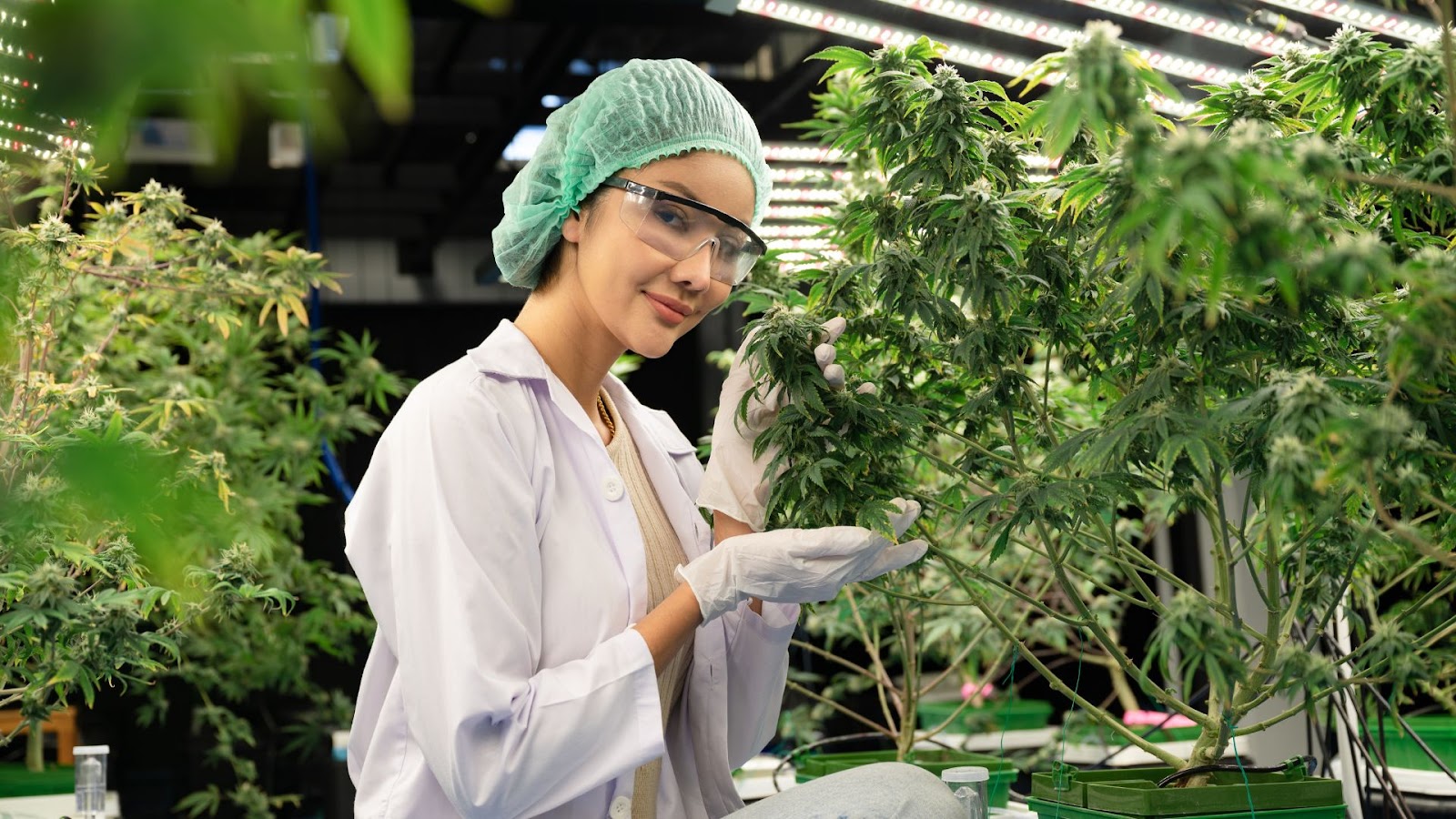
Are you looking for reliable ways on how to grow weed fast while keeping your harvest quality high? Advanced cannabis cultivation techniques are no longer optional for serious growers. The average indoor harvest takes about 9 weeks of flowering, and with the right methods, yields can increase by as much as 80% through hydroponics and optimized nutrients.
Do you often feel that missed tasks or inconsistent results are holding your grow back? This guide will give you practical, proven strategies to speed up growth and improve results without cutting corners
Key Takeaways for Faster, Smarter Cannabis Cultivation
- Autoflowering strains and early flowering methods shorten cycles without compromising potency, helping you harvest more frequently.
- Sea of Green setups maximize yield per square foot by turning many small plants into one uniform, high-performing canopy.
- Clones cut weeks off your timeline while delivering consistent growth patterns across the entire room.
- Hydroponic systems, precise nutrients, and advanced lighting work best when tracked and adjusted with structured schedules.
- AI tools and PlanaCan software bring predictability to cultivation, ensuring tasks, environments, and harvests stay aligned across every grow.
Introduction to Advanced Cannabis Cultivation Techniques

When you move beyond the basics of growing cannabis, you need systems and methods that save time while improving harvest results. Advanced cannabis cultivation techniques give you control over growth speed and yield quality, helping you shorten cycles without sacrificing potency.
In this guide, you will explore proven strategies that address two of the biggest grower priorities: faster growth and better yield consistency. Each method focuses on practical adjustments you can make in your setup, from strain selection to lighting, nutrients, and team workflow.
Here are the core techniques covered in this blog:
- Autoflowering strains that reduce light dependency and shorten growth cycles.
- Sea of Green (SOG) setups designed to maximize yield per square foot.
- Cloning methods that save weeks compared to seed germination.
- Hydroponic systems for more efficient nutrient absorption.
- Advanced lighting strategies to accelerate vegetative growth.
- Targeted nutrient management for faster, healthier plant development.
- AI tools that improve planning, monitoring, and reporting for consistent results.
Each of these approaches ties back to your goal: how to grow weed fast while keeping harvest quality high. They work best when supported by structured planning, consistent monitoring, and data-driven decisions.
Moving from an overview, let’s look at how autoflowering strains can help you achieve faster harvests.
Optimizing Growth with Autoflowering Strains
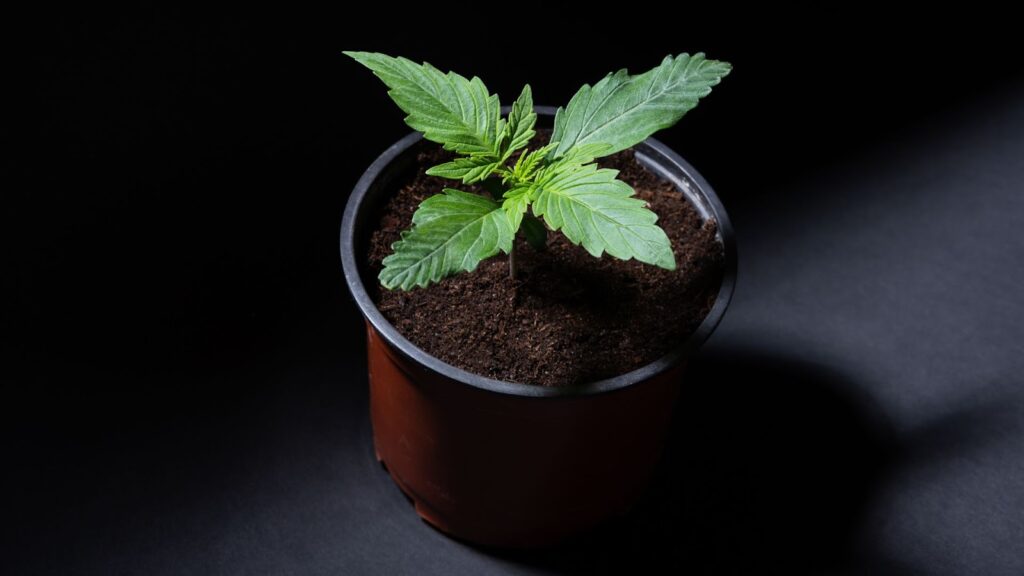
Autoflowering strains are one of the most practical cannabis cultivation techniques when your goal is speed. These plants don’t rely on light cycles to start flowering, which makes them ideal if you want consistency and shorter grow times. They are also popular among growers aiming to learn how to grow weed fast without compromising quality.
Advantages of Autoflowering Cannabis for Faster Harvests
You can cut down on time and effort by choosing autoflowering strains. Unlike photoperiod plants, these strains switch to flowering automatically after a set number of weeks.
Key advantages include:
- Shorter cycles: Most autoflowers finish in 8–10 weeks from seed to harvest.
- Smaller plant size: Easier to manage in confined grow spaces.
- Low maintenance: Less need for complex light manipulation.
- Multiple harvests per season: Especially useful for indoor grows aiming for consistent supply.
Light Scheduling and Genetics
Autoflowering strains grow based on genetics rather than light cycles. This gives you flexibility to keep your lights on longer during vegetative growth without stressing the plants. For many growers, this means faster development and healthier yields.
What you should keep in mind:
- Light hours: Autoflowers thrive under 18–24 hours of light daily.
- Energy balance: While 24/7 light accelerates growth, 18–20 hours per day is often more cost-efficient.
- Genetic reliability: Choose seeds from trusted breeders to avoid unstable growth patterns.
To help you decide the best setup, here’s a quick comparison of common light schedules for autoflowering strains:
Light Schedule
Growth Speed
Energy Efficiency
Best Use Case
24 hours/day
Fastest growth
Low efficiency
For rapid veg growth indoors
20 hours/day
Strong growth
Balanced efficiency
Popular indoor choice
18 hours/day
Slightly slower
High efficiency
Cost-conscious grows
Struggling to align light schedules with your team’s workflow? PlanaCan’s team management tools keep everyone updated with automated reminders, ensuring no adjustments are missed. Get started today!
Once autoflowers are set, another method to boost yield speed is the Sea of Green approach.
Implementing the Sea of Green (SOG) Method
The Sea of Green (SOG) method is designed to shorten the flowering phase by cultivating many small plants in a dense space. Instead of growing fewer large plants, you maximize yield per square foot by pushing plants into flowering earlier. This technique is especially useful when your priority is faster turnover while keeping the harvest consistent.
Step-by-Step Guide to Setting Up a SOG Cultivation System
To apply the SOG method effectively, you need a structured approach. The following steps help you optimize plant density and manage growth for higher yields:
Spacing plants correctly
- How: Place 1 plant per square foot in your grow area.
- Why: This density creates a flat, even canopy where every bud gets equal light.
- Example: A 4x4 grow tent can support 16 plants in a SOG system.
Managing plant count
- How: Start with clones rather than seeds.
- Why: Clones grow faster and produce uniform plants, which is critical when using high-density methods.
- Example: A batch of identical clones from a strong mother plant ensures all 16 plants in a 4x4 tent flower at the same time.
Trimming lower branches
- How: Remove all growth below the main canopy once plants reach 8–10 inches tall.
- Why: This directs energy toward the top colas instead of wasting nutrients on shaded, low-quality buds.
- Example: Stripping lower branches in week 3 ensures energy is concentrated in top flowers, improving overall bud size.
Switching to flower early
- How: Flip the plants to a 12/12 light cycle when they reach about 10–12 inches in height.
- Why: Early flowering keeps plants compact and speeds up the entire cycle.
- Example: In SOG, plants often go into flower at 3–4 weeks instead of the 6–8 weeks used in traditional setups.
Monitoring airflow and humidity
- How: Install oscillating fans and use a dehumidifier if necessary.
- Why: Dense canopies trap moisture, increasing the risk of mold and bud rot.
- Example: Keeping humidity around 40–50% during late flower helps prevent mold while protecting resin quality.
Suggested Read: How to Fix and Identify Nitrogen Toxicity in Weed
After SOG setups, using clones adds another layer of efficiency for consistent, faster growth.
Using Clones for Faster Growth: How and Why
Cloning is one of the most effective cannabis cultivation techniques when your priority is speed. Instead of waiting for seeds to germinate and stabilize, you start with genetically identical cuttings that are already primed to grow. This shortcut can cut weeks off your cycle, making it one of the most reliable answers to how to grow weed fast without sacrificing quality.
- Clones reduce germination time
- How: A cutting from a healthy mother plant skips the seedling stage and goes straight into vegetative growth.
- Why: You save 2–3 weeks that would normally be spent on germination and seedling care.
- Example: If a seed grow takes 12 weeks, cloning can reduce it to 9–10 weeks with no loss in output.
- Clones improve consistency
- How: Each cutting shares the exact genetics of the mother plant.
- Why: This ensures uniform growth, making it easier to predict yields and manage plant needs across your grow.
- Example: In a Sea of Green (SOG) setup, using clones ensures all plants flower at the same time and finish together.
- Challenges in sourcing and maintaining clones
- How: Clones must come from a reliable, disease-free mother plant.
- Why: Pests and pathogens can spread quickly through genetically identical plants.
- Example: Powdery mildew from a single infected mother can ruin an entire grow if left unchecked.
Beyond clones, hydroponics offers one of the most reliable ways to accelerate nutrient delivery and plant development.
Hydroponics for Efficient Nutrient Delivery
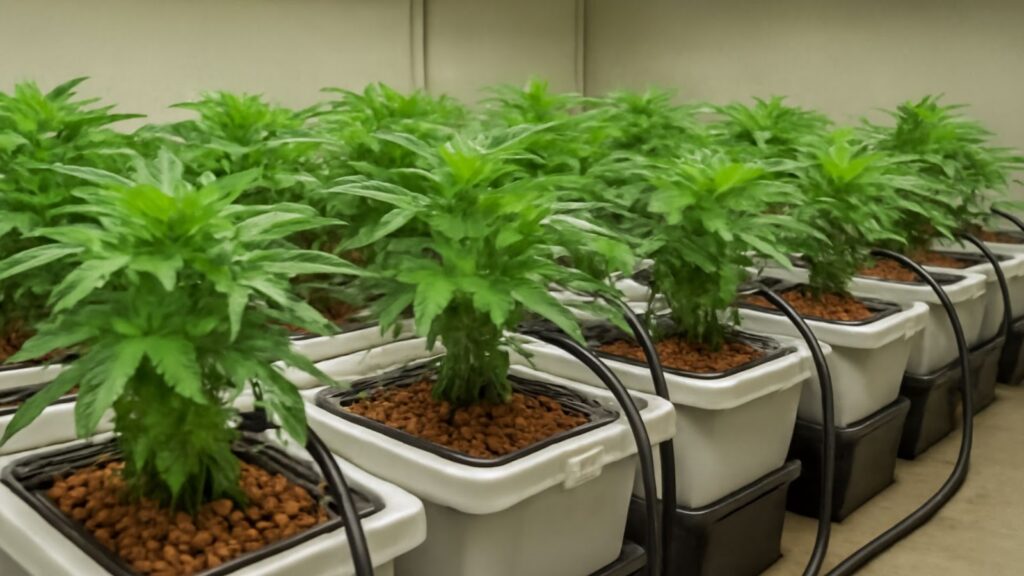
Hydroponics replaces soil with nutrient-rich water, allowing roots to absorb minerals more directly. This method speeds up plant development, often resulting in faster harvest cycles compared to traditional soil grows. If you’re focused on how to grow weed fast, hydro systems are one of the most reliable ways to cut weeks off your timeline.
To get the best results, you need to stay consistent with nutrient management. Here are three key factors to control:
- pH balance
- Keep your nutrient solution between 5.5–6.5 for optimal absorption.
- A pH outside this range can lock out key nutrients, slowing growth.
- Electrical conductivity (EC)
- EC measures the concentration of dissolved salts in your solution.
- A target range of 1.2–2.0 mS/cm works for most cannabis strains during veg and bloom.
- Balanced feeding schedules
- Hydro systems demand consistent feeding since roots don’t have soil as a buffer.
- Automated dosing systems can help prevent under- or overfeeding.
Factor
Recommended Range
Why It Matters
pH
5.5–6.5
Ensures nutrient availability
EC
1.2–2.0 mS/cm
Prevents deficiency or burn
Feeding
Frequent, consistent
Maintains steady growth
Managing pH and EC across multiple rooms can be tedious. PlanaCan’s harvest analysis and reporting help you track outcomes over cycles, so you know exactly which nutrient adjustments deliver better yields. Schedule a free call with PlanaCan today!
With roots optimized in hydro systems, the next factor to refine is lighting for faster, healthier growth cycles.
Advanced Lighting Techniques to Accelerate Growth
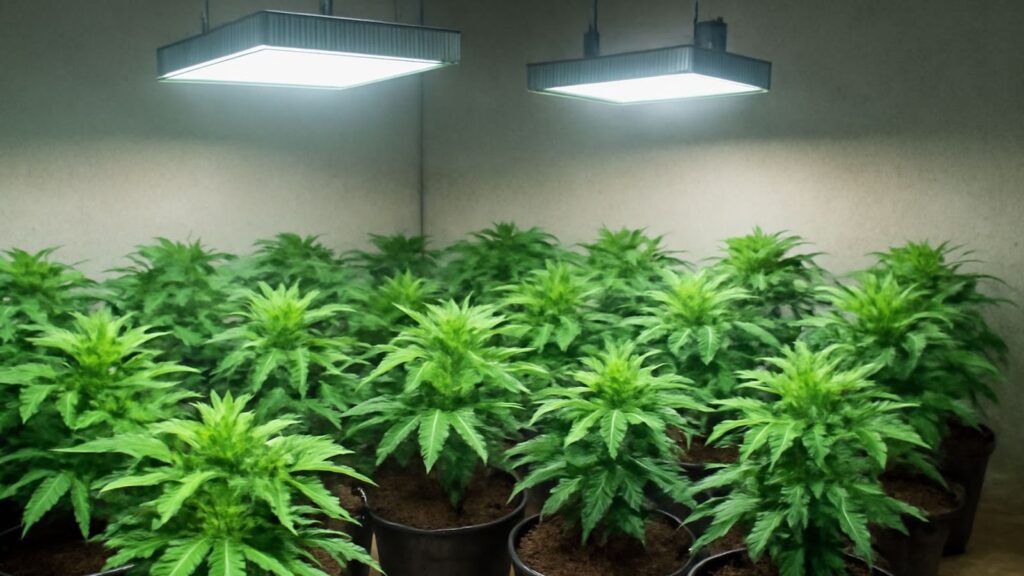
Light is one of the biggest drivers of cannabis growth speed. By fine-tuning intensity and spectrum, you can push plants to develop faster while keeping energy use in check. This makes advanced lighting a cornerstone of cannabis cultivation techniques when speed is your goal.
Practical adjustments you can consider:
- High-intensity discharge (HID) or LED upgrades
- LEDs with adjustable spectrum give you tighter control over growth phases.
- Example: Using blue spectrum (400–500 nm) boosts veg growth, while red spectrum (620–700 nm) enhances flowering.
- Extended or continuous light cycles
- Some growers run 20–24 hours of light during veg to speed growth.
- While 24 hours maximizes speed, 20 hours often balances growth and electricity costs.
- Targeted spectrum LEDs
- Using LEDs tuned for cannabis-specific wavelengths helps deliver energy where plants need it most.
- For example, far-red light (730 nm) can shorten the flowering stretch.
Lighting sets the pace, but nutrients shape outcomes, making balanced feeding plans the next priority.
Nutrient Management and Plant Nutrition in Cannabis Cultivation Techniques
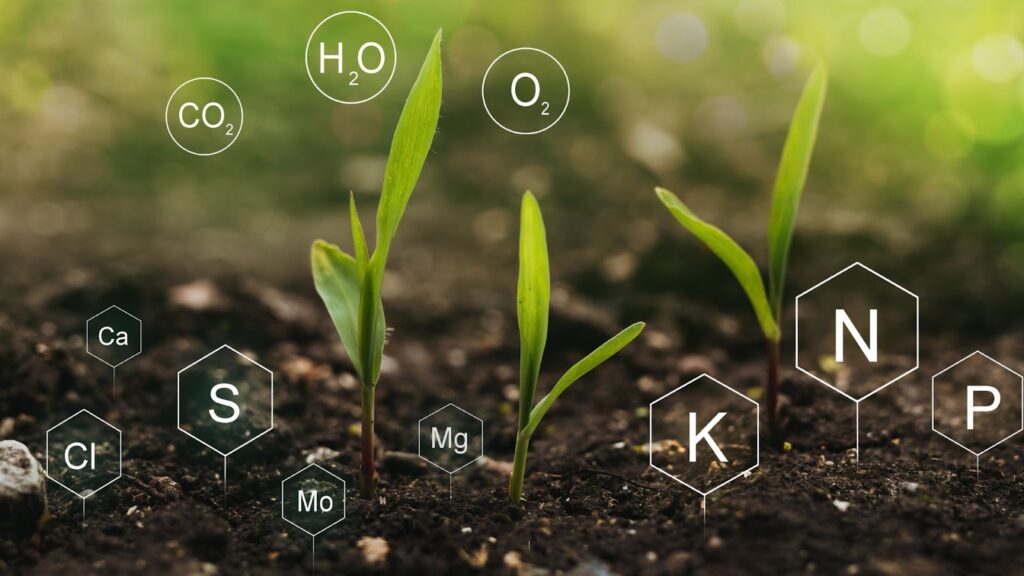
Nutrients determine how quickly your plants grow and how much they yield. Without a structured feeding plan, it’s easy to run into deficiencies or burn, both of which slow down growth. When you want to learn how to grow weed fast, balancing nutrition is just as important as genetics or lighting.
Two main considerations for nutrient planning:
- N-P-K ratios by growth stage
- During veg: focus on nitrogen (N) for leafy growth.
- During bloom: shift to higher phosphorus (P) and potassium (K) to support bud formation.
- Applied precision
- Stick to a schedule and adjust based on visible plant responses.
- Use runoff testing or hydroponic EC readings to fine-tune feeding.
Growth Stage
Ideal Focus
Example Ratio
Why It Matters
Vegetative
Nitrogen-heavy
3:1:2
Promotes rapid leafy growth
Flowering
Higher P & K
1:3:2
Supports bud weight and resin production
Suggested Read: Understanding Cannabis Plant Anatomy: Nodes and Internodes
While nutrients drive growth, AI now helps you predict, monitor, and optimize cultivation decisions more effectively.
How AI Is Improving Cannabis Cultivation Techniques
Artificial intelligence (AI) adds a predictive layer to cannabis cultivation, helping you track growth patterns, reduce guesswork, and improve outcomes. Instead of reacting to problems after they appear, AI-powered systems use data to forecast issues and recommend timely adjustments. This makes AI one of the most effective tools if your focus is on how to grow weed fast while keeping harvests reliable.
Practical Ways AI Supports Growers
AI tools are already reshaping cannabis cultivation techniques by simplifying complex monitoring tasks. Here are key applications you can benefit from:
- Tracking growth metrics
- AI analyzes plant height, leaf color, and canopy density using sensors or imaging tools.
- This helps you spot nutrient deficiencies or growth slowdowns before they impact yields.
- Predicting harvest timing
- Algorithms compare your current grow cycle to past data to estimate the ideal harvest window.
- This ensures maximum potency without risking over- or under-mature plants.
- Optimizing nutrient schedules
- AI evaluates real-time pH, EC, and temperature data to suggest feeding adjustments.
- This prevents overfeeding, underfeeding, and nutrient lockouts.
Automated Environmental Monitoring
Beyond nutrients, AI automates key environmental factors that impact growth speed:
- Light cycles: Systems adjust intensity and spectrum based on plant stage.
- Watering: Soil moisture sensors prevent over- and underwatering.
- Temperature and humidity: AI maintains the right balance to reduce stress and disease risk.
AI offers powerful tools, and PlanaCan ensures those insights translate into daily workflows and consistent results.
Why PlanaCan Is the Smart Choice for Growers

As a grower, you know the pain of missed tasks, poor communication, and unpredictable yields. Whiteboards, text threads, and spreadsheets often create more confusion than clarity. PlanaCan was built to solve these problems, giving you a reliable way to plan, track, and improve every cycle.
How PlanaCan Addresses Key Grower Challenges
- Automated Work Scheduling
- Define repeatable cultivation workflows and let PlanaCan schedule them automatically.
- This reduces errors and ensures critical tasks like nutrient changes or pruning never get overlooked.
- Interactive Calendar
- Centralize your entire grow plan with PlanaCan’s calendar.
- You can map out nutrient shifts, lighting adjustments, and harvest windows months in advance, with reminders that keep your team on track.
- Team Tools
- Give every team member clear visibility into daily priorities.
- Mobile apps for iOS and Android allow your crew to update progress, log notes, and mark tasks complete in real time.
- Harvest Analysis and Reporting
- Record and review each harvest cycle with detailed metrics.
- By analyzing trends in NPK ratios, EC levels, and environmental conditions, you learn what works and repeat it for better results.
PlanaCan Works for Smarter Hydroponic Cannabis Growth
Hydroponic growers, in particular, benefit from PlanaCan’s structured approach. Managing nutrients and environmental factors is complex, and one mistake can cost you an entire harvest. PlanaCan simplifies this process by helping you track EC, pH, and NPK ratios while scheduling adjustments at the right time.
Key benefits for hydroponics:
- Interactive Growth Calendar → Plan daily nutrient changes and long-term system tweaks at a glance.
- Nutrient and EC Tracking → Record, monitor, and analyze your feeding schedules for accuracy.
- Workflow Optimization → Organize tasks, monitor progress, and ensure team accountability.
- Data-Driven Insights → Generate reports to refine your methods and increase yield consistency.
Stop relying on whiteboards and threads. Streamline your entire cultivation process with PlanaCan and see how automation and data-driven insights transform your results.
Conclusion
Advanced cannabis cultivation techniques such as autoflowers, SOG setups, cloning, hydroponics, optimized lighting, and precise nutrition give you the tools to grow faster while protecting yield quality. Together, these methods reduce wasted time, improve efficiency, and create consistent results.
Success in cultivation also depends on continuous learning and testing new approaches. Every cycle gives you an opportunity to refine your process and move closer to predictable, high-quality harvests.
Are you ready to put these methods into practice and streamline them with the right tools? PlanaCan centralizes your grow tasks, schedules, and reports, so you can focus on better harvests every time.
Schedule a call with PlanaCan today and see how purpose-built cultivation software can transform your grow operations.
FAQs
Q: Can hydroponics really speed up cannabis growth compared to soil?
A: Yes, hydroponics often accelerates growth because nutrients are delivered directly to roots. With correct pH and EC control, plants mature faster. Hydro systems can cut weeks off the cycle compared to soil grows.
Q: What’s the fastest way to prepare clones for flowering?
A: Use healthy mother plants, apply rooting gel, and maintain humidity domes. Once roots form in 7–10 days, move clones into vegetative lighting. This shortens your overall cycle.
Q: Do autoflowers yield less than photoperiod strains?
A: Autoflowers typically yield smaller harvests per plant due to compact size. However, shorter cycles allow multiple harvests yearly, balancing overall production. Consistent cycles can match photoperiod yields over time.
Q: How does lighting spectrum choice affect cannabis growth speed?
A: Blue spectrum supports fast vegetative growth, while red spectrum boosts flowering. Using targeted LEDs lets you shorten phases without harming quality. Balanced light schedules are key for efficiency.
Q: What nutrient mistakes slow down cannabis growth the most?
A: Overfeeding leads to nutrient burn, while underfeeding causes deficiencies. Both reduce growth speed. Tracking NPK ratios and adjusting schedules ensures faster development. Accurate feeding keeps plants healthy.
Q: How do you keep track of multiple harvest cycles without confusion?
A: Many growers struggle with overlapping schedules. Using software like PlanaCan helps automate reminders, track nutrient changes, and manage harvest data. This prevents missed tasks.
Lorem ipsum dolor sit amet, consectetur adipiscing elit. Ut elit tellus, luctus nec ullamcorper mattis, pulvinar dapibus leo.