
A batch can fail despite stable conditions when critical tasks slip across the growth cycle. Irrigation is delayed by a day, pruning is inconsistent between teams, or nutrient schedules are not followed precisely.
These small execution gaps rarely show immediate impact but compound over time, resulting in uneven growth, lower yields, or delayed harvests. This inconsistency is widespread.
Reported cannabis yields range from 3.36 g to 3590 g per m², highlighting how unpredictable outcomes can be across grows. In this article, we examine why batches fail in cultivation and the hidden mistakes that disrupt consistency across grow cycles.
What you need to know:
- Batch failures come from operational mistakes. Gaps in scheduling and inconsistent task execution across the growth cycle lead to uneven growth, delayed harvests, and reduced yields.
- Lack of standardization increases variability. Without repeatable workflows, each batch is handled differently, making outcomes unpredictable.
- Standardized workflows improve consistency. Defining clear, repeatable processes ensures every batch follows the same execution path.
- Precise scheduling prevents timing-related issues. Aligning tasks with growth stages reduces delays and maintains plant health.
- Centralized tracking strengthens control. Real-time visibility and data tracking help identify issues early and prevent repeat failures.
What Does Batch Failure Mean in Commercial Cannabis Cultivation?
A batch refers to a defined group of plants grown together through a full cycle, from propagation to harvest, under the same schedule, environment, and set of tasks. Batch failure does not always mean total loss. It occurs when that group fails to deliver consistent yield, quality, or timing as planned.
Common signs of batch failure:
- Inconsistent Yield Across Plants: Output varies within the same batch due to uneven execution or timing of key tasks.
- Uneven Canopy Development: Differences in training or growth create imbalances that affect light exposure and plant performance.
- Delayed or Staggered Harvests: Plants mature at different times, disrupting harvest schedules and operational planning.
- Quality Variability Within the Batch: Differences in bud structure, density, or overall quality reduce batch uniformity.
- Missed Production Targets: Expected yield or quality benchmarks are not achieved despite completing the cycle.
These issues rarely result from a single error. In the next section, we examine the hidden operational mistakes that cause these failures and how to fix them.
Suggested Read: Difference Between Craft and Commercial Cannabis Grow Operations
9 Cannabis Cultivation Mistakes That Cause Batch Failures and Their Fixes
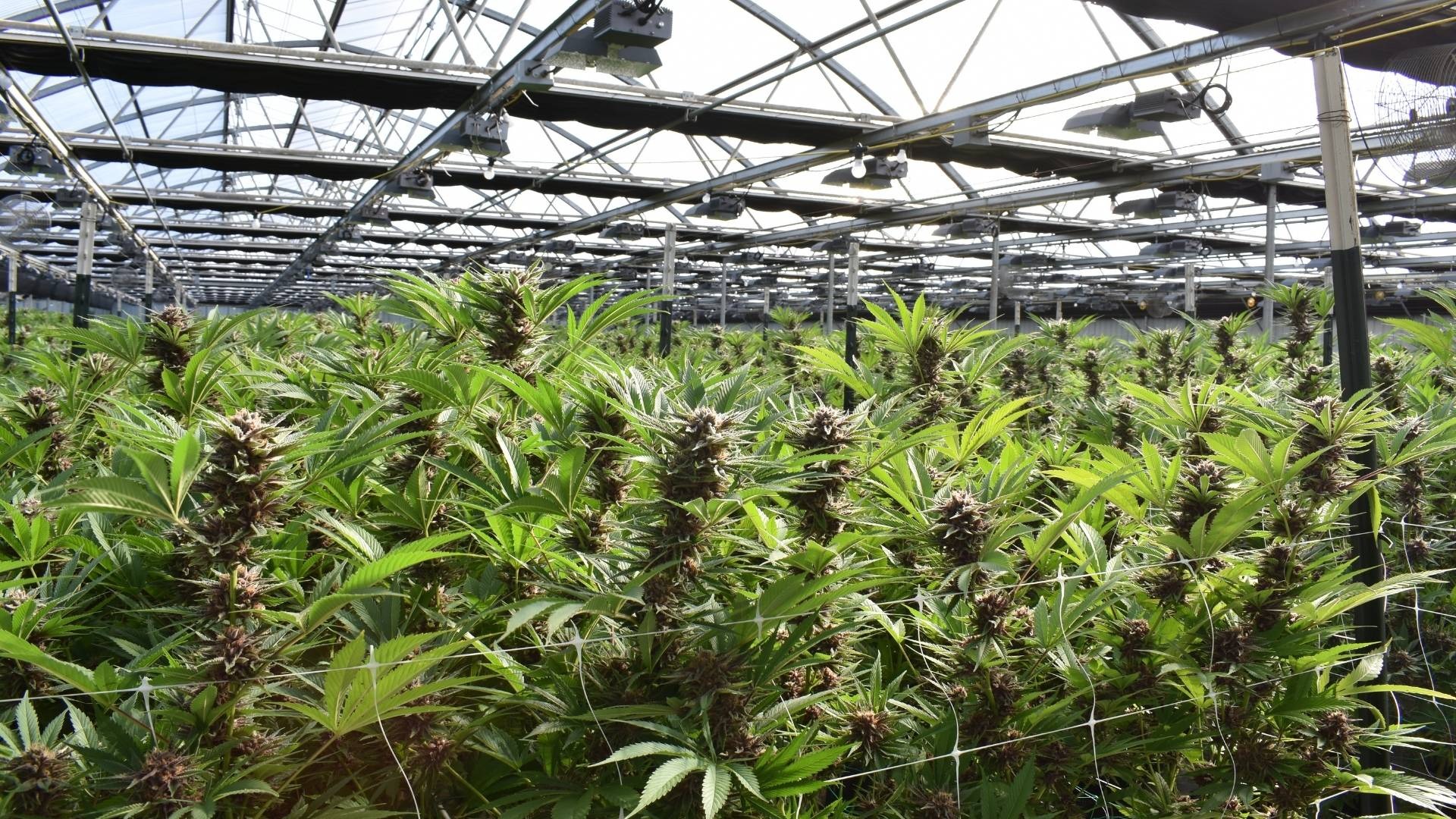
Batch failures in cannabis emerge from repeated execution gaps across scheduling, task consistency, and team coordination throughout the growth cycle.
The following mistakes outline where breakdowns occur and how to correct them with structured, repeatable practices.
1. Lack of Standardized Workflows Across Cycles
Without defined workflows, each batch is executed differently depending on the team, shift, or the grower's judgment. This introduces variability in how and when tasks are performed. Over time, inconsistency compounds into uneven outcomes across the batch.
Impact across operations:
- Yield variability between plants and rooms
- Inconsistent canopy structure
- Difficulty benchmarking performance
- Training inefficiencies for new staff
- Repeated mistakes across cycles
Technical fixes:
- Develop stage-wise SOPs for propagation, veg, and flower
- Use strain-specific cultivation templates
- Define task timing windows (not just task lists)
- Standardize inputs (nutrients, irrigation volumes, pruning methods)
- Audit adherence to SOPs per cycle
PlanaCan enables growers to create standardized, repeatable cultivation workflows tailored to each strain and growth stage. These templates ensure that every batch follows the same structure, reducing variability across teams and cycles. Schedule a free demo.
2. Poor Scheduling of Critical Tasks
Key activities like irrigation, defoliation, and feeding are delayed or executed inconsistently. Even minor timing deviations can affect plant development at scale. These delays are often untracked and uncorrected during the cycle.
Impact across operations:
- Stunted or uneven plant growth
- Nutrient imbalances
- Increased plant stress
- Reduced yield potential
- Harvest delays
Technical fixes:
- Implement calendar-based task scheduling tied to growth stages
- Set tolerance thresholds for task delays
- Use daily task tracking with completion timestamps
- Align irrigation and feeding schedules with environmental data
- Review schedule adherence weekly
3. Inconsistent SOP Execution by Teams
Even when SOPs exist, execution varies across workers and shifts. Differences in interpretation or skill level lead to uneven task quality. This inconsistency directly affects plant uniformity within a batch.
Impact across operations:
- Variability in pruning and training outcomes
- Uneven canopy density
- Quality inconsistencies
- Increased rework
- Reduced predictability of results
Technical fixes:
- Break SOPs into step-by-step task instructions
- Use visual references for pruning, training, and spacing
- Conduct periodic skill audits across teams
- Assign task ownership with accountability tracking
- Standardize training protocols for new hires
4. Over-Reliance on Manual Tracking Systems
Whiteboards, notebooks, and verbal instructions are prone to errors and omissions. Task completion is not reliably recorded or verified. This leads to gaps in execution that are only discovered after impact.
Impact across operations:
- Missed or duplicated tasks
- Lack of traceability
- Delayed issue detection
- Communication breakdowns
- Reduced operational control
Technical fixes:
- Shift to centralized digital task tracking
- Log task completion with timestamps and user IDs
- Maintain historical records for each batch
- Integrate task tracking with scheduling systems
- Enable real-time updates across teams
5. Limited Visibility Across Grow Rooms
Managers often lack real-time insight into task progress and plant status across rooms. Issues remain undetected until they escalate. This delays corrective action within the same cycle.
Impact across operations:
- Late identification of growth issues
- Inconsistent performance across rooms
- Inefficient resource allocation
- Reduced ability to intervene early
- Increased batch variability
Technical fixes:
- Implement room-level dashboards for task and crop status
- Track progress by growth stage and room
- Use alerts for missed or delayed tasks
- Standardize reporting across all rooms
- Conduct daily visibility checks
6. Labor Misalignment During Critical Phases
Labor is not aligned with workload peaks during key stages like transplanting, defoliation, or harvest prep. Understaffing leads to rushed or incomplete work, while overstaffing reduces efficiency.
Impact across operations:
- Delayed task completion
- Reduced task quality
- Worker fatigue and errors
- Inefficient labor utilization
- Bottlenecks during peak periods
Technical fixes:
- Forecast labor needs based on crop schedules
- Map workload by growth stage
- Adjust staffing dynamically per cycle
- Cross-train staff for flexibility
- Track labor hours against task completion
7. No Feedback Loop Between Cycles
Data from previous batches is not systematically analyzed or applied. Mistakes are repeated because learnings are not captured. Each cycle operates in isolation.
Impact across operations:
- Recurring issues across batches
- Lack of continuous improvement
- Inefficient decision-making
- Poor yield optimization
- Increased operational risk
Technical fixes:
- Maintain batch-level performance records
- Analyze yield, timing, and quality metrics post-harvest
- Identify root causes of deviations
- Update SOPs based on findings
- Conduct post-cycle reviews with teams
8. Reactive Instead of Planned Operations
Teams respond to issues as they arise instead of following a structured plan. This leads to inconsistent task execution and missed preventive actions. Reactive workflows increase variability across the batch.
Impact across operations:
- Increased plant stress
- Inconsistent growth patterns
- Missed preventive interventions
- Reduced control over outcomes
- Higher risk of failure
Technical fixes:
- Build proactive cultivation schedules
- Define preventive maintenance tasks
- Monitor key indicators (growth rate, canopy density, inputs)
- Set trigger points for intervention
- Align daily operations with long-term plans
9. Fragmented Tools and Systems
Scheduling, notes, and tracking are managed across multiple disconnected tools. Information is siloed and difficult to reconcile. This fragmentation reduces coordination and visibility.
Impact across operations:
- Data inconsistencies
- Communication gaps
- Reduced efficiency
- Limited decision-making capability
- Increased risk of errors
Technical fixes:
- Consolidate planning, scheduling, and tracking into one system
- Maintain a single source of truth for all operations
- Integrate data across workflows
- Standardize data entry and reporting
- Ensure accessibility across teams
These mistakes persist not because they are unknown, but because they are difficult to manage at scale without structured systems. In the next section, we examine why cultivation mistakes persist in commercial growing operations.
Suggested Read: 6 Ways to Maximize Cannabis ROI Through Data‑Driven Cultivation
Why Do Cultivation Mistakes Persist in Commercial Growing Operations?

Most teams understand what should be done at each stage, yet execution still breaks down across cycles. The issue lies in how operations scale, and where coordination, timing, and visibility become harder to control.
These are a few reasons why batch failures continue:
- Complexity Scales Faster Than Processes
As operations expand, the number of tasks, rooms, and dependencies increases exponentially. However, workflows often remain informal or loosely defined, creating gaps between planning and execution. This mismatch leads to inconsistent outcomes despite experienced teams. - Tacit Knowledge Is Not Operationalized
Experienced growers rely on instinct and undocumented practices that are difficult to transfer across teams. When this knowledge is not translated into structured workflows, execution varies based on who performs the task. Over time, this creates inconsistency across batches. - Timing Sensitivity Is Underestimated
Cultivation tasks are time-sensitive within narrow biological windows. Small delays in irrigation, pruning, or feeding can shift plant development in ways that are not immediately visible. These timing deviations accumulate and impact final outcomes. - Feedback Loops Are Delayed or Missing
Data from previous cycles is often reviewed too late or not at all. Without immediate feedback tied to execution, teams cannot correct issues within the same cycle. This results in repeated mistakes across batches. - Execution Visibility Is Fragmented
Managers lack a unified view of what is happening across rooms and teams in real time. Information is scattered across notes, conversations, and disconnected tools, making it difficult to track progress or identify issues early. This fragmentation delays intervention and reduces control.
PlanaCan addresses these challenges by structuring cultivation operations into repeatable, trackable workflows. It centralizes planning, scheduling, and execution, ensuring that tasks are aligned across teams and growth stages. Try PlanaCan for free.
How High-Performing Grow Operations Prevent Cannabis Batch Failures
High-performing grow operations do not rely solely on individual expertise. They build systems that ensure consistency across every cycle, regardless of team, room, or scale. Prevention comes from structured execution, not reactive correction.
Table showing how to prevent batch failures:
Consistency is engineered through discipline in planning and execution. High-performing teams reduce variability by removing guesswork and enforcing structure across every stage of the growth.
Best practices include:
- Define acceptable task completion windows (for example, irrigation within ±4 hours)
- Calibrate inputs weekly (EC, pH, irrigation volume) to maintain uniformity
- Use room-level checklists tied to growth stage milestones
- Run pre-cycle planning sessions to map risks and workload spikes
- Conduct mid-cycle audits to catch deviations before compounding
- Benchmark batches against historical performance targets
In the next section, we examine how the right technology enables this level of structure without adding complexity. As operations scale, manual coordination becomes a limiting factor. Purpose-built systems help growers maintain consistency, visibility, and control across every batch.
Suggested Read: Cannabis HVAC Systems For Consistent Yields in All Seasons
Maintain Consistency Across Every Batch with PlanaCan

PlanaCan is a cultivation operating system built specifically for cannabis growers to plan, execute, and track every stage of a grow cycle. It replaces fragmented tools and manual coordination with a structured system that aligns workflows, tasks, and teams. By bringing control to daily operations, it directly reduces the execution gaps that lead to batch failures.
This is how it helps:
- Standardize Workflows Across Every Cycle
PlanaCan allows growers to build repeatable workflows tailored to each strain and growth stage, using automated work to eliminate manual inconsistencies and ensure every batch follows the same execution path. An interactive calendar provides a clear view of all planned and ongoing activities, helping growers manage dependencies and maintain consistency across batches. - Align Tasks with Growth Stage Timelines
With accurate schedule management, growers can ensure that critical activities such as irrigation, pruning, and feeding occur within defined windows, reducing timing-related batch failures. Task-level tracking with timestamps ensures that every action is recorded and verified, preventing unnoticed delays that compound into larger batch issues. - Keep Teams Coordinated Across Operations
Built-in communications help align teams across rooms and shifts, minimizing missed tasks, duplication, and execution gaps that disrupt batch consistency. With iOS and Android apps, teams can update, track, and complete tasks in real time, ensuring that execution stays aligned with the plan across all rooms. - Identify Patterns and Prevent Repeat Failures
Centralized reporting helps growers analyze past performance, detect recurring issues, and proactively prevent similar failures in future batches. Using built-in analytics, growers can refine workflows, optimize execution, and improve consistency across every cultivation cycle.
PlanaCan is built for growers who need control at scale. It turns best practices into structured systems, ensuring that every batch is executed with precision. By combining planning, scheduling, and execution, it removes the variability that leads to batch failures and helps teams deliver consistent results.
Conclusion
Batch failures rarely result from a single obvious mistake. Small gaps in scheduling, execution, and coordination compound across the cycle, leading to missed targets, inconsistent yields, and reduced operational control. Without structure, these issues repeat and scale with the operation.
PlanaCan brings consistency to cultivation by standardizing workflows, aligning schedules, and improving team execution across every batch. It provides the visibility and control needed to prevent small breakdowns from turning into full-cycle failures.
Evaluate how your current workflows are managed across growth cycles. Identify where execution gaps are creating risk. Schedule a free call today.
Frequently Asked Questions
1. How do genetics influence batch outcomes in cultivation?
Genetics sets the potential for yield, structure, and resilience, but outcomes still depend on execution. Even stable strains can produce inconsistent results if workflows, timing, and environmental controls are not maintained uniformly across the cycle.
2. Can environmental automation alone prevent batch failures?
Automation helps stabilize conditions like temperature and humidity, but it does not replace operational discipline. Task timing, team coordination, and workflow consistency still play a critical role in determining batch success.
3. How often should cultivation workflows be updated?
Workflows should be reviewed after every harvest cycle. Adjustments should be based on performance data, observed deviations, and team feedback to ensure continuous improvement without introducing unnecessary variability.
4. What role does facility design play in batch consistency?
Layout impacts airflow, lighting uniformity, and team movement. Poor design can create microclimates and inefficiencies that lead to uneven plant development and inconsistent batch outcomes.
5. Why is it difficult to identify why batches fail in cultivation?
Failures usually result from multiple small issues rather than a single visible problem. Without structured tracking and data, it becomes difficult to trace the exact cause or identify patterns across cycles.