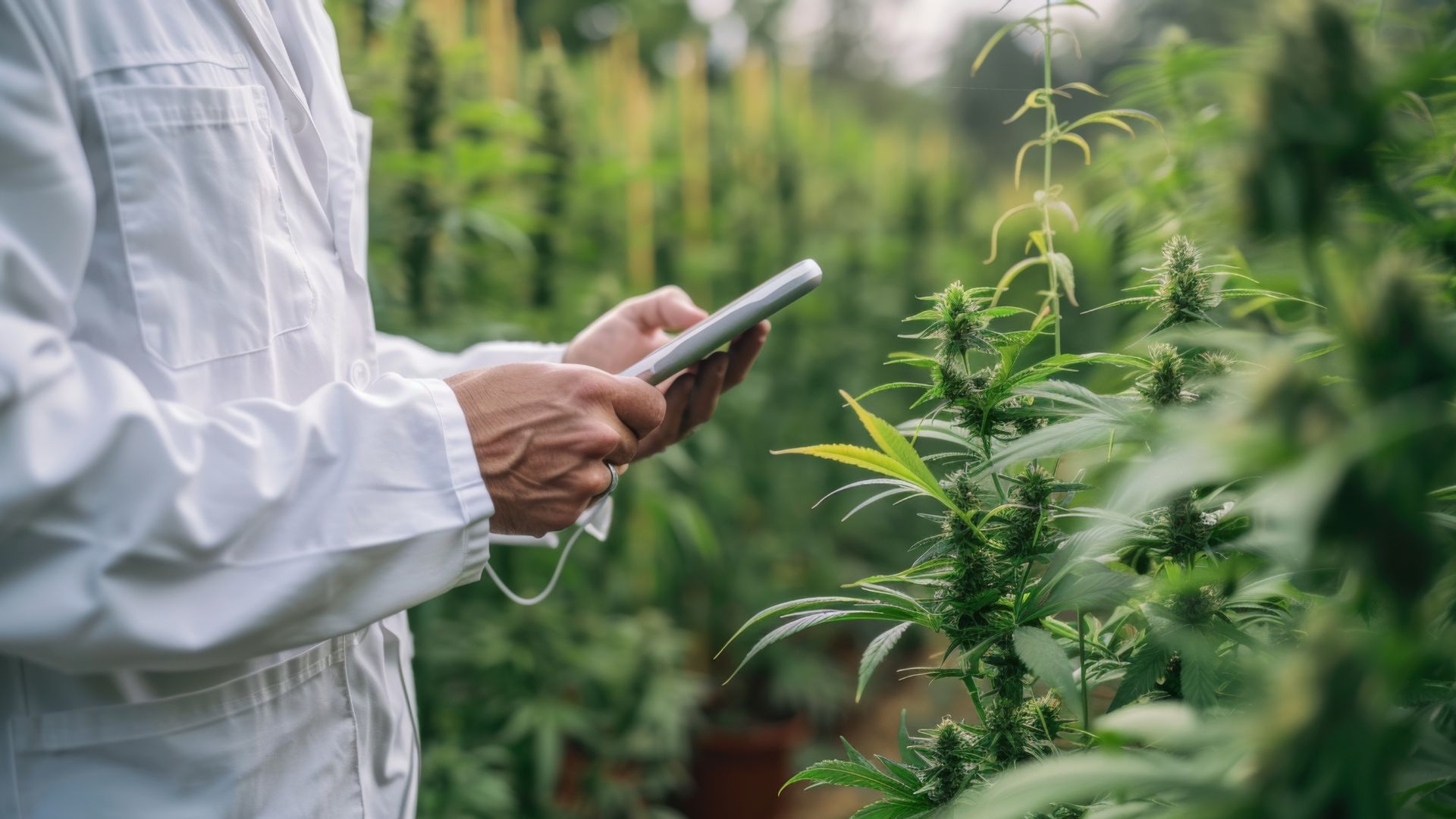
Is your cannabis grow operation stuck in the past while the industry races ahead? Many growers still rely on manual processes and scattered notes. That might have worked when you had a handful of plants, but as your operation scales, inefficiencies show. Missed watering schedules. Inconsistent yields. Struggles with compliance. That is where digital cannabis farming steps in.
In fact, recent industry research shows that the global cannabis technology market is estimated to be valued at USD 5.15 billion in 2025 and is expected to reach USD 25.41 billion by 2032, growing at a CAGR of 25.6% during the forecast period (2025–2032).
This article shows how technology is reshaping cannabis cultivation. You will see how digital tools can simplify your workflow, boost plant health, and unlock better harvests. From automation to data tracking, we will break down the key innovations, challenges, and the future of cannabis farming.
TL;DR
- Digital tools boost yields, cut costs, and simplify compliance with automation, remote monitoring, and AI-based decision-making.
- Future tech includes predictive crop modeling, digital twins, strain personalization, and self-healing infrastructure.
- Barriers include high setup costs, lack of standard tools, limited in-house expertise, and resistance to tech adoption.
Benefits of Technological Integration in Cannabis Farming

Integrating technology into cannabis farming is no longer a luxury; it is essential for staying competitive, compliant, and efficient. From seed to sale, tech solutions are transforming how cannabis is cultivated, processed, and tracked. Here are the key benefits of embracing technology in your grow operation:
1. Precision Cultivation: Advanced tools like environmental sensors, automated irrigation, and climate control systems help maintain ideal growing conditions. You can monitor temperature, humidity, CO2 levels, and light cycles in real-time. This reduces guesswork and ensures every plant gets exactly what it needs, no more and no less.
2. Improved Yield and Quality: With tools like AI-driven analytics and crop modeling software, you can fine-tune your cultivation strategy to boost yield and cannabinoid profiles. Data-driven decisions lead to healthier plants, more consistent harvests, and higher market value.
3. Efficient Resource Management: Automated systems for watering, lighting, and nutrient delivery reduce waste and lower utility costs. You’ll use fewer inputs while maximizing output, making your operation more sustainable and cost-effective.
4. Streamlined Compliance and Traceability: Cannabis regulations demand rigorous documentation. Technology simplifies compliance by automating recordkeeping and seed-to-sale tracking. Integrated software ensures that every step, from cloning to curing, is documented and easily auditable.
5. Labor Optimization: Automated trimming machines, conveyor systems, and smart scheduling tools reduce reliance on manual labor for repetitive tasks. This allows your team to focus on higher-level responsibilities and improves productivity across the board.
6. Early Issue Detection: Remote monitoring tools and AI-driven diagnostics can alert you to problems like pest outbreaks, mold, or equipment failures before they become costly. Preventative action is easier when you have constant visibility into your grow environment.
7. Data-Backed Decision-Making: Technology captures a wealth of cultivation data, from nutrient levels to growth rates. Analyzing this data reveals trends and patterns that guide smarter decisions. Over time, you build a playbook of what works best for your specific genetics and setup.
8. Scalability: As your operation grows, manual processes become bottlenecks. Scalable tech solutions, such as cloud-based growth software or modular environmental controls, enable you to expand without compromising consistency or compliance.
9. Better Inventory and Supply Chain Management: Integrated systems enable real-time tracking of inventory levels, forecasting demand, and coordinating logistics. This prevents overproduction, reduces product loss, and allows you to meet market needs efficiently.
10. Enhanced Customer Trust: Tech-driven transparency builds credibility. Whether you’re selling to dispensaries or directly to consumers, being able to trace the lifecycle of each product from grow room to shelf builds trust and strengthens your brand.
That brings us to the technology and digital tools that are transforming the cannabis industry.
Also Read: Managing Soil Moisture for Cannabis Cultivation Using Sensors
Technology and Digital Tools in Cannabis Cultivation
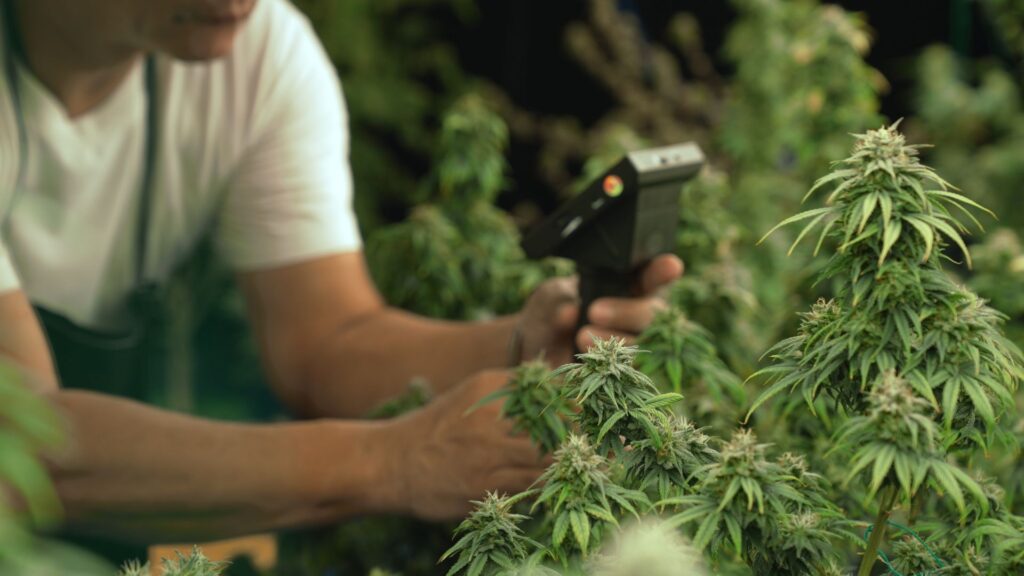
Cannabis cultivation has undergone rapid evolution with the integration of advanced technology and digital tools. These innovations have transformed traditional growing methods into highly efficient, precise, and scalable operations. Whether you grow on a small scale or manage large commercial farms, technology plays a crucial role in improving crop quality, optimizing resource use, and maximizing yield.
1. Environmental Monitoring Systems
Modern cannabis growers utilize sensors and Internet of Things (IoT) devices to monitor critical environmental factors, including temperature, humidity, CO₂ levels, and light intensity. Real-time data from these sensors helps maintain optimal growing conditions, thereby reducing risks such as mold, pests, and nutrient deficiencies. Automated climate control systems can adjust ventilation, lighting, and irrigation based on this data without manual intervention.
2. Automated Irrigation and Nutrient Delivery
Precision irrigation systems deliver exact amounts of water and nutrients to plants based on their growth stage and environmental needs. Automation reduces water waste and ensures plants receive the right nutrition, improving health and potency. Advanced fertigation systems can mix and deliver nutrient solutions tailored to the specific strain and growth phase.
3. Data-Driven Cultivation Management
Digital platforms and cultivation software enable growers to track every stage of the cannabis lifecycle, from seedling to harvest. These tools record data such as feeding schedules, environmental changes, pest treatments, and growth rates. Analyzing this data helps identify trends and optimize future growth for better yields and quality.
4. Genetic Tracking and Strain Development
Technology helps breeders manage and improve cannabis genetics. Digital tools help track lineage, phenotype variations, and desired traits, such as cannabinoid profiles and terpene content. This precision breeding leads to consistent, high-quality strains that meet specific market demands.
5. Remote Access and Control
With cloud-based platforms and mobile apps, growers can remotely monitor and control their grow rooms from anywhere. Alerts notify them instantly about any environmental deviations or equipment failures, enabling quick corrective action and minimizing crop loss.
6. AI and Machine Learning Applications
Artificial intelligence facilitates the prediction of plant growth patterns, disease outbreaks, and yield outcomes by analyzing both historical and real-time data. Machine learning algorithms can optimize growing conditions, automate pest detection, and improve decision-making accuracy.
In fact, 70% of farmers using AI report around a 20% increase in operational efficiency and crop yields, and broader projections suggest AI-powered analytics could boost global yields by up to 25% by 2025.
7. Harvest and Post-Harvest Automation
Digital tools support the timing and management of harvesting, drying, curing, and packaging processes. Automated trimming machines and drying room sensors improve efficiency while preserving product quality and potency.
Now, let us explore the future trends of technology that will shape the cannabis cultivation industry.
The Future Trends of Technology in Cannabis Cultivation

Cannabis cultivation is entering a new phase, where innovation is no longer just about automating what exists but about redefining what’s possible. As the industry matures, the next generation of technology will go beyond efficiency and begin to shape genetics, ecosystems, and even market behavior. Here's where the future is headed:
1. Predictive Cultivation Models: Tomorrow’s grow operations will rely less on reactive monitoring and more on predictive modeling. Using historical growth data combined with climate forecasts, AI will simulate entire crop cycles before a single seed is planted. Growers will be able to plan optimal harvest windows, anticipate nutrient demands, and model how environmental shifts will affect cannabinoid profiles, all before making physical changes.
2. Bioengineered Microbes for Plant Boosting: Soil biology is gaining the spotlight. The future will bring engineered microbial consortia designed to supercharge plant metabolism, enhance flavor expression, and boost immunity. These precision microbes will be tailored for specific strains and growing conditions, acting as living inputs that adapt to the plant’s needs throughout its lifecycle.
3. Augmented Reality (AR) for Remote Grow Management: AR headsets and mobile overlays will allow growers to inspect facilities remotely in real time, tag plants for treatment, and visualize data layers directly over physical crops. This immersive layer of management could reduce on-site labor needs and enable expert consultants to guide staff remotely with step-by-step visual instructions.
4. Digital Twin Technology: Digital twins, or virtual replicas of physical growth environments, will allow operators to test changes digitally before implementing them in real life. Want to change your light schedule or switch nutrient brands? Simulate the outcome on your digital twin first. This technology reduces risk and helps identify yield-boosting strategies without wasting time or resources.
5. Decentralized, Edge-Based Grow Intelligence: Instead of relying solely on cloud platforms, future systems will push intelligence to the edge, where sensors and devices make decisions without needing to connect to central servers. Edge computing enables an instant response to critical issues, such as power loss, overheating, or flooding, even when internet connectivity is lost.
6. Self-Healing Infrastructure: As facilities become more autonomous, self-healing systems will become essential. Think HVAC systems that re-balance themselves, irrigation setups that reroute flow around a clog, or nutrient lines that detect and flush out microbial buildup, all without manual intervention.
7. Next-Gen Plant Phenotyping: Future grow rooms will include high-resolution imaging systems that go far beyond human vision. Hyperspectral cameras will scan plants daily, measuring stress markers, chlorophyll content, and terpene volatility before any visible signs emerge. Combined with AI, this technology can detect problems weeks before they appear to the naked eye.
8. Strain Personalization at Scale: We’re heading toward a world where individual consumers can order cannabis tailored to their biology. As genetic sequencing becomes cheaper and consumer data more granular, growers may begin to produce small-batch strains designed for specific genotypes, moods, or medical conditions. This will be mass customization through smart breeding and modular grow setups.
9. Quantum Sensors for Ultra-Precise Monitoring: Still in early research, quantum sensing could revolutionize how we measure subtle changes in electromagnetic fields, gas composition, or soil chemistry. These sensors will enable ultra-sensitive detection of plant stress, allowing for interventions long before conventional equipment would react.
10. Climate-Neutral Grow Facilities: Sustainability will evolve from a checkbox to a technological priority. Facilities of the future will be designed to produce net-zero emissions using energy recapture systems, algae-based CO₂ scrubbers, and solar-powered dehumidification. Growing cannabis won’t just be cleaner, it may even contribute positively to local ecosystems.
Suggested Read: Top Cannabis Technology Solution Companies in 2025
Challenges of Integrating Technology into Cannabis Farming
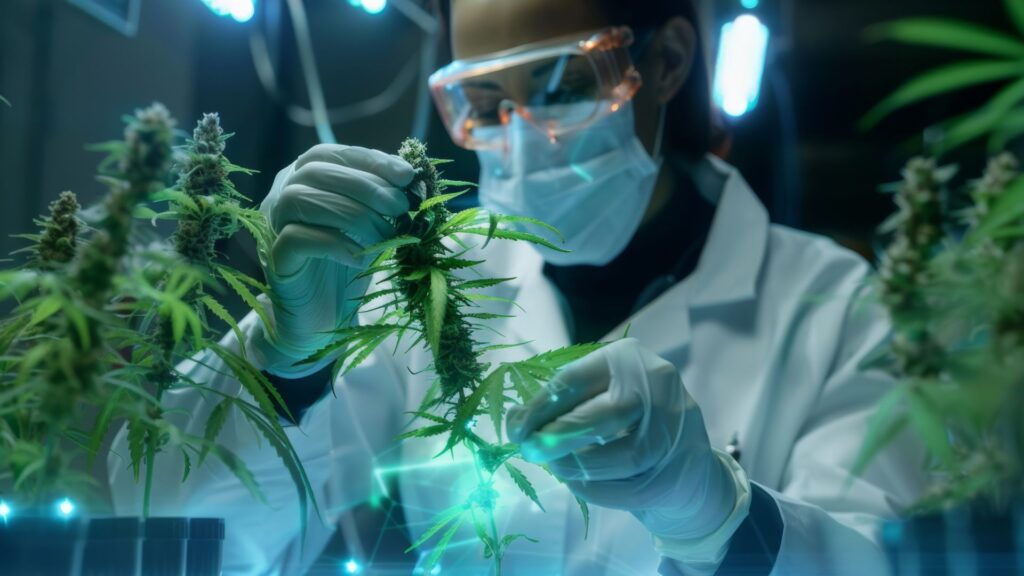
While technology offers efficiency and precision, integrating it into cannabis farming presents several challenges:
1. High Upfront Costs: Advanced systems, such as automation, sensors, and AI tools, can be expensive. Many small or medium-sized growers lack the capital or struggle to justify the ROI in an unpredictable market.
2. Lack of Standardization: There are no universal tech standards in cannabis. Compliance requirements vary, and many tools aren’t designed specifically for the industry, causing compatibility and data consistency issues.
3. Limited Technical Expertise: Most farms don’t have in-house tech teams. Training staff and maintaining systems often require external support, which can slow adoption and increase costs.
4. Data Overload: Technology generates detailed data, but without clear strategies, growers may feel overwhelmed. Too much information can lead to indecision instead of insight.
5. Connectivity Gaps: Remote farm locations often suffer from poor internet, limiting the reliability of cloud-based tools and remote monitoring.
6. Security Concerns: Digital systems store sensitive data. Without strong cybersecurity, farms risk breaches that can lead to legal or financial trouble.
7. Regulatory Complexity: Cannabis laws vary by region. Some tech may not be compliant or require frequent updates, making long-term investment tricky.
8. Resistance to Change: Some growers prefer traditional methods and are skeptical of new tools, especially if past tech investments failed or seemed overly complex.
With digital tools and technology simplifying cannabis cultivation, let's explore how PlanaCan helps growers by automating their cannabis yield.
Simplify Your Cannabis Cultivation Process With PlanaCan
Modern cannabis cultivation is no longer just about soil, sun, and water. Digital tools and technology now play a vital role in simplifying workflows, improving crop consistency, and maximizing yields. From automated climate controls to data-driven decision-making, these innovations enable growers to reduce risks, save time, and operate more efficiently.
If you’re looking to bring your cultivation process into the digital age, PlanaCan offers a streamlined platform that eliminates the guesswork from growing. Designed specifically for cannabis operations, it helps you plan, track, and optimize every stage of the grow cycle, all from one centralized dashboard.
Here’s how PlanaCan makes your job easier:
- Automated Work Scheduling: Create cultivation templates tailored to each strain or grow cycle. Once set, you can schedule tasks with just a few clicks, ensuring a consistent and repeatable workflow across all your harvests.
- Interactive Calendar for Planning and Tracking: Gain full visibility into your operation with a visual calendar that lets you plan months ahead or make real-time changes. Whether you’re organizing planting timelines or adjusting watering schedules, the calendar keeps your entire team on the same page.
- Team Management Tools: Assign, track, and update tasks directly from any mobile device. PlanaCan’s team tools reduce communication gaps by allowing workers to add notes, mark tasks as complete, and stay updated in real-time, whether they are in the grow room or off-site.
- Harvest Analysis and Reporting: Review detailed reports after each harvest to understand how your decisions impacted yield and quality. All cultivation data is stored in one place, making it easy to spot trends, refine methods, and boost long-term results.
PlanaCan does not just digitize your process. It helps you build a smarter, more profitable grow operation. Schedule a free call today to see how it can work for you.
FAQs
1. What are the most useful digital tools for cannabis cultivation?
Ans. Digital tools, such as automated environmental controllers, irrigation systems, grow management software, and mobile apps for monitoring plant health, are highly valuable. These help optimize lighting, humidity, temperature, nutrient delivery, and task scheduling for consistent yields.
2. How can technology improve cannabis cultivation efficiency?
Ans. Technology reduces manual errors and labor by automating tasks such as watering, lighting, and climate control. Data tracking tools allow growers to monitor plant growth, detect issues early, and adjust conditions precisely, improving overall yield quality and reducing resource waste.
3. Can digital tools help with legal compliance in cannabis cultivation?
Ans. Absolutely. Many cultivation software platforms include compliance modules that track seed-to-sale data, manage licenses, generate reports for regulators, and help growers easily meet local legal requirements.
4. Is it expensive to implement digital technology in a cannabis grow operation?
Ans. Costs vary widely depending on the scale and complexity of the setup. Basic sensor and automation kits can be affordable for small grows, while large commercial operations may invest in integrated systems. However, the efficiency gains and higher yields typically offset the initial investment over time.