Harvest day can feel like the finish line after weeks of veg and flower training, but it is often where growers lose the most yield. Many cultivators walk away blind to the reality that their hard work vanishes in drying, trimming, and poor timing.
In fact, cannabis plants can lose 25%-77% of their weight during drying, depending on conditions. That means a promising crop can suddenly become a fraction of what you expected; not because of the growth, but because of how and when you harvest.
In this guide, we look at the ways of harvesting cannabis to maximize yield, so that you secure the highest possible output from every plant.
A quick snapshot:
- Harvest at peak trichome maturity using a loupe or microscope and cut when trichomes are mostly cloudy with some amber, calyxes are swollen, pistils have darkened, fan leaves are fading, and aroma is strongest.
- Prepare before you cut by scheduling the harvest date, lowering grow room humidity 24–48 hours prior, sanitizing and stabilizing the drying room, staging tools and labels, and assigning clear team roles.
- Handle and trim to protect resin by holding plants only by stems, avoiding stacked branches, choosing wet trim for humid rooms and dry trim for controlled drying, and standardizing trimming across staff.
- Control drying and curing conditions by drying at roughly 60–70 °F and 45–55% RH with gentle airflow in darkness, then curing in airtight containers at 58–62% RH with daily burping for the first week.
- Track data and use structured scheduling by recording harvest dates, wet versus dry weights, drying duration, labor hours, trimming method, and environmental readings.
- Use a cultivation platform to plan, schedule, alert teams, and analyze results for the next cycle.
Know Exactly When to Harvest Cannabis
Harvest in cannabis cultivation is the precise point when flowers reach peak cannabinoid content, terpene maturity, and structural density, where potency, quality, and yield align. It is not when buds look large or when pistils change color, but when plant signals confirm true readiness.
Signs your plants are ready:
- Trichomes Turn Mostly Cloudy: Under magnification, most trichomes should appear cloudy with a small percentage turning amber, indicating peak cannabinoid maturity.
- Pistils Darken and Curl Inward: Pistils shift from white to orange or brown and begin to recede, but this serves only as a supporting indicator.
- Calyxes Swell Noticeably: The flower structure becomes tighter and fuller as calyxes expand, increasing bud density and final weight.
- Fan Leaves Begin to Fade: Leaves yellow as the plant redirects nutrients toward the flowers in the final ripening phase.
- Aroma Reaches Its Peak: The scent becomes stronger and more complex, signaling full terpene development.
Once these signs appear, attention must shift from observation to preparation, because what happens before cutting determines how much of this yield you retain. This is discussed in the next section.
Suggested Read: How Much Cannabis Can One Plant Typically Yield?
Pre-Harvest Preparation Most Growers Skip
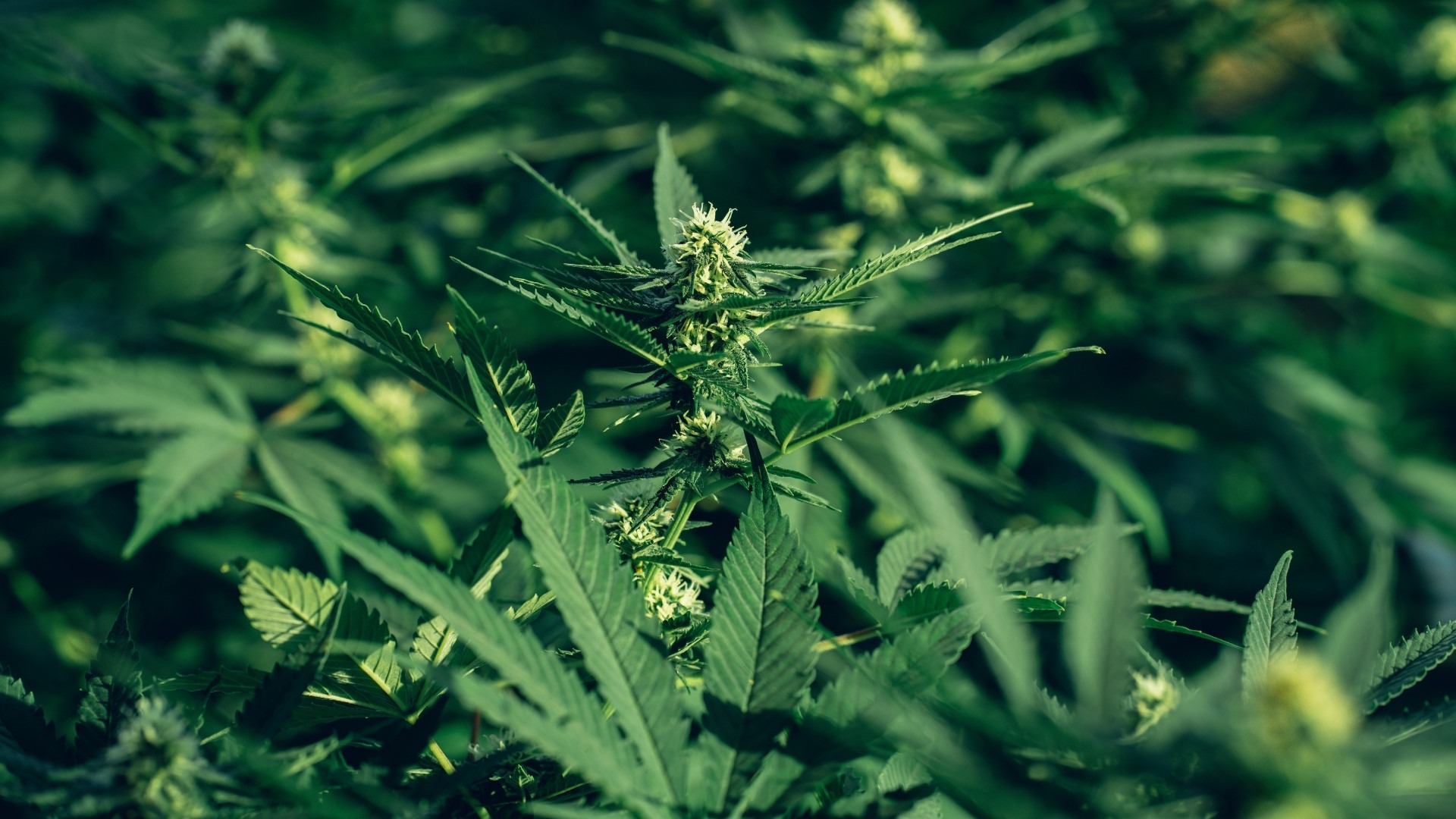
The work that protects yield happens before a single stem is cut. Pre-harvest preparation determines whether you preserve density, trichomes, and moisture balance or lose them to chaos on chop day.
Essential pre-harvest steps:
- Plan The Harvest Date In Advance
Decide the exact harvest window based on trichome checks and lock it into your schedule. This prevents last-minute labor shortages and rushed decisions. - Prepare the Drying Space First
Clean, sanitize, and stabilize temperature and humidity in the drying room before harvest begins. This avoids delays that expose fresh plants to uncontrolled conditions. - Lower Humidity In The Grow Room
Gradually reduce humidity 24–48 hours before harvest to reduce excess surface moisture. This helps control drying speed and prevents mold risk. - Stage Tools and Workstations
Set up trimming stations, gloves, shears, bins, and labeling systems ahead of time. This minimizes handling time and prevents trichome loss from unnecessary movement. - Assign Roles To The Team
Define who cuts, who carries, who trims, and who hangs plants. Clear roles prevent congestion and rough handling during peak activity.
With PlanaCan, growers can map this entire sequence into a clear, time-bound schedule that teams follow without confusion. Task templates, assignments, and notifications ensure everyone knows what happens and when. Schedule a demo to turn harvest day from reactive chaos into a controlled, repeatable workflow.
Cutting Techniques That Prevent Trichome Loss
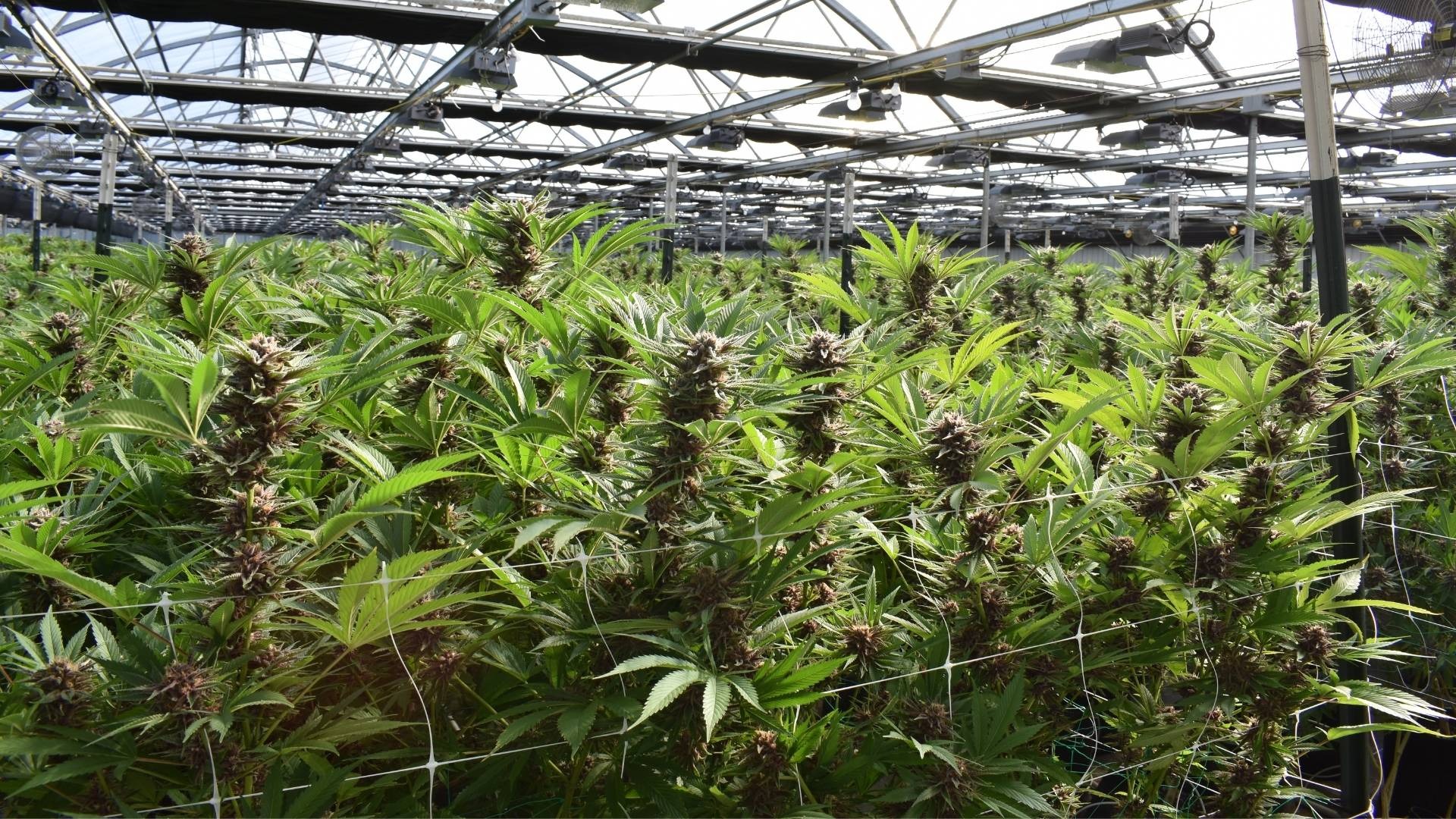
Once harvest begins, physical handling becomes the greatest yield threat. Trichomes are delicate and can detach easily through shaking, rubbing, or careless movement, silently reducing both potency and final sellable weight.
These techniques will help you preserve maximum yield:
1. Whole Plant vs Branch Cutting
Choose your cutting approach based on drying capacity and handling control:
- Whole Plant Cutting: Hanging the entire plant slows drying and reduces handling, which helps preserve trichomes.
- Branch Cutting: Cutting individual branches allows better spacing in the drying room but increases plant contact and movement.
2. Handling Plants During Transfer
Follow strict handling rules the moment plants are cut:
- Hold By The Stem Only: Avoid touching flower surfaces to prevent resin loss.
- Move Slowly And Deliberately: Sudden motion can shake trichomes loose.
- Avoid Stacking Branches: Piling plants causes buds to rub against each other.
3. Tools, Gloves, And Work Surface
Set up your tools and environment to minimize friction and contamination:
- Wear Nitrile Gloves: This prevents resin from sticking to hands and protects flower quality.
- Use Sharp, Clean Shears: Clean cuts reduce plant stress and unnecessary movement.
- Keep Work Surfaces Clear: Organized stations reduce accidental brushing and dropping of branches.
With cutting complete and trichomes protected, the next decision that affects your final weight is how and when you trim. The next section lists the differences between wet and dry trim methods.
Suggested Read: How to Become a Legal Cannabis Grower in the United States
Wet Trim vs Dry Trim — Which Preserves More Weight?
Your trimming method directly affects how moisture leaves the flower, which in turn influences drying speed, terpene retention, and the final sellable weight. Choosing the wrong approach for your environment can lead to overdrying, handling damage, or extended drying time that quietly reduces yield.
Table showing the differences between wet and dry trim:
To choose the right method, assess your environment and operational flow:
- Choose Wet Trim: If the humidity is high, and you need faster moisture removal to prevent mold.
- Choose Dry Trim: If you want slower drying that protects trichomes and stabilizes weight.
- Consider Labor Availability: Wet trimming requires more immediate labor on harvest day.
- Evaluate Drying Space: Limited space may require branch spacing that favors one method.
The next factor that determines how much weight you retain is the drying environment itself. In the next section, we look at critical drying conditions.
Drying Conditions That Decide The Final Yield Weight
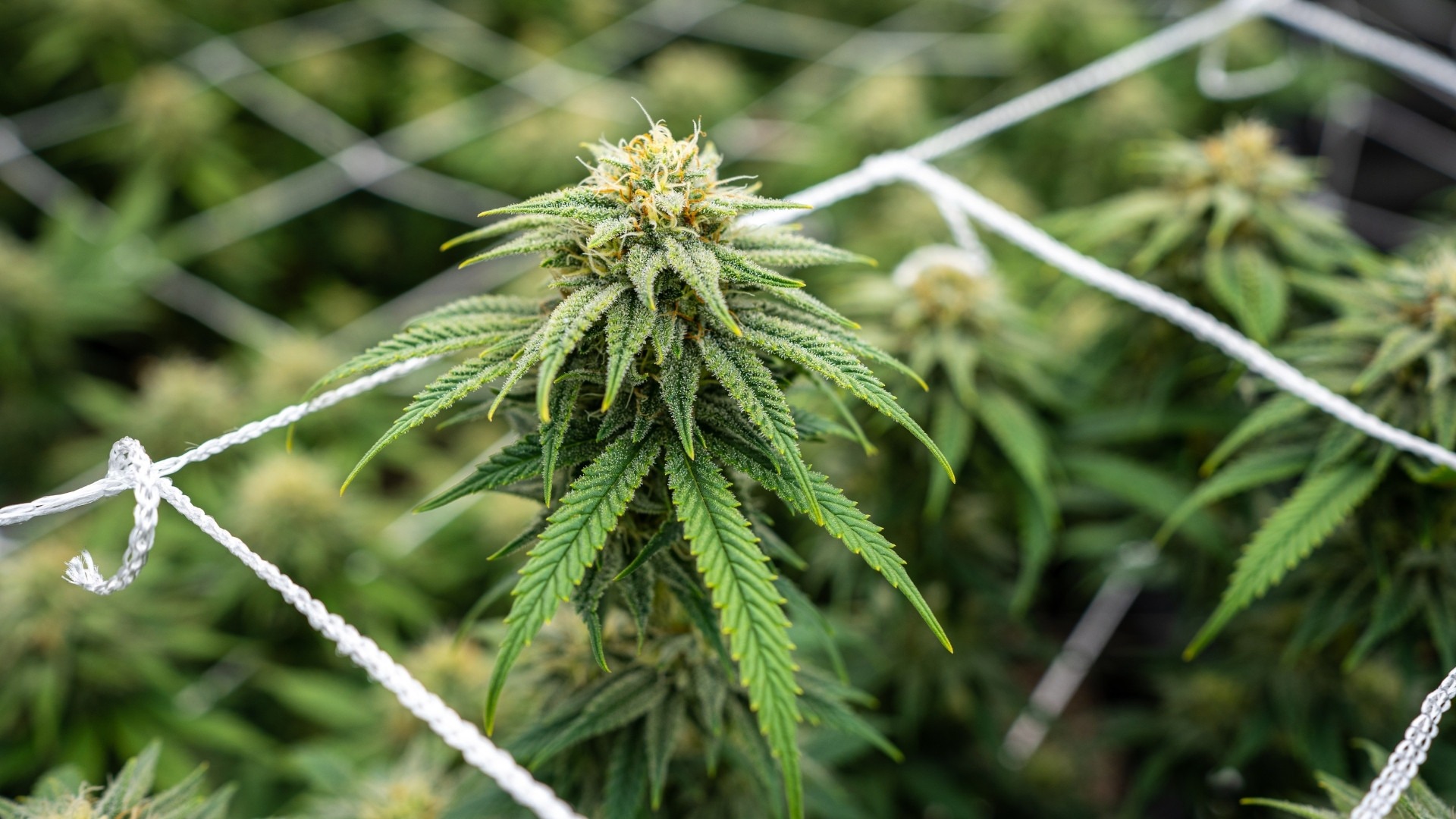
Drying is where cannabis plants lose the largest portion of their mass, and small mistakes here silently reduce your final weight and quality. Fresh cannabis flowers contain 75–80% water. Depending on humidity and temperature control, drying can reduce the plant’s original weight before it ever reaches curing.
Critical drying conditions to control:
- Target Temperature Range
Maintain consistent temperatures (commonly 60-70 °F or ~15-21 °C) to slow moisture loss without degrading terpenes and cannabinoids. Too hot dries buds faster, but risks quality loss. - Humidity Control
Keep relative humidity stable (often ~45-55 %) to avoid mold at high RH and overdrying at low RH, which can dry buds too quickly and increase brittle handling loss. - Airflow Management
Gentle, even airflow removes moisture without forcing buds to dry unevenly; chaotic airflow creates pockets of overdry or underdry product. - Light and Environment
Keep the drying space dark and clean to prevent cannabinoid degradation and contamination.
Using PlanaCan, you can plan, record, and automate scheduling for this step-by-step drying process. Teams can consistently follow target parameters and timelines. Automatic reminders, task sequences, and environmental checklists help preserve more sellable weight across cycles. Talk to us to learn more.
Curing Methods to Stabilize Weight and Potency
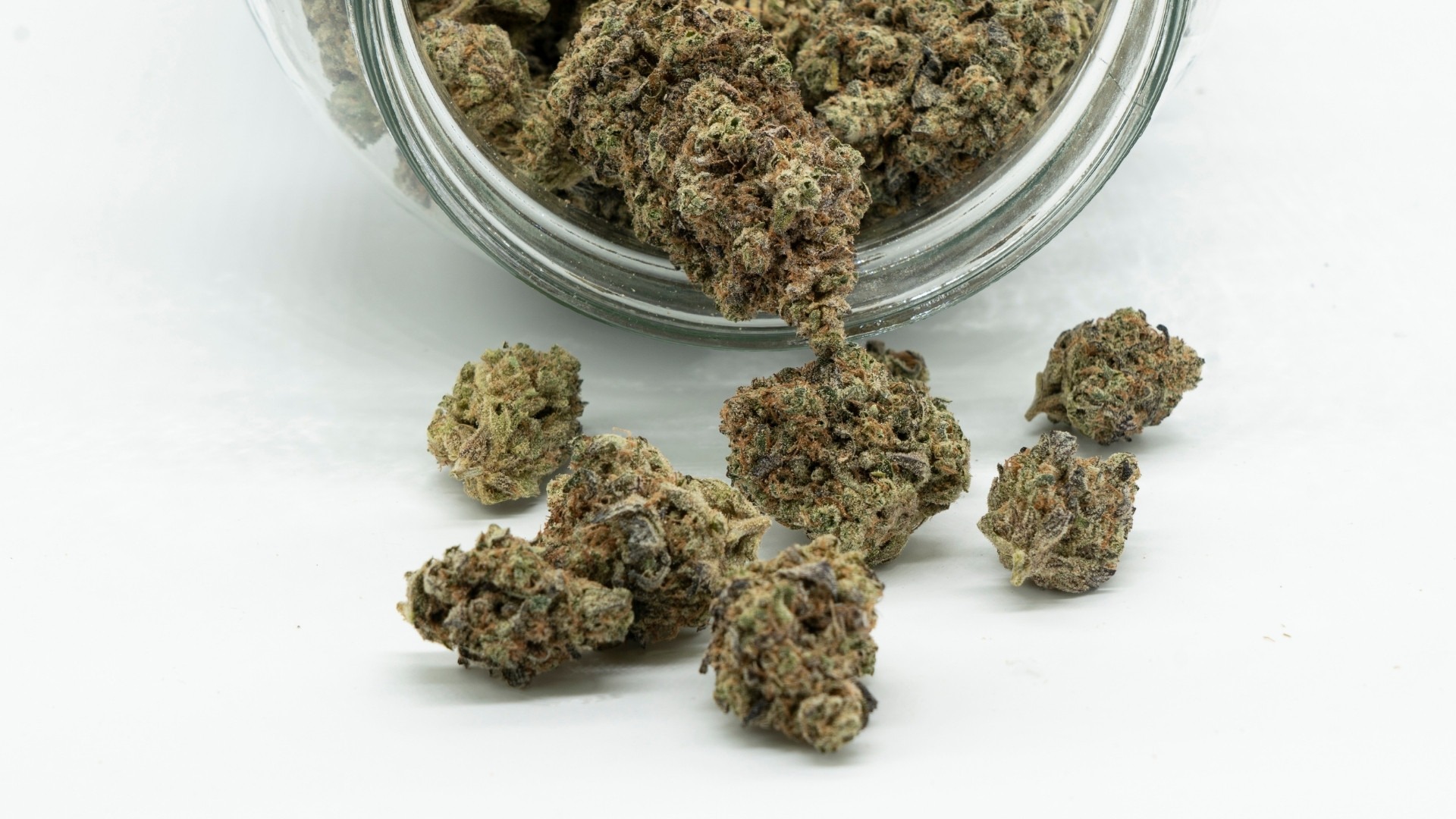
Drying removes excess moisture, but curing is what stabilizes the flower for storage, sale, and consumption. This stage equalizes internal moisture, preserves terpenes, and prevents further unpredictable weight loss.
Things to consider in cannabis curing:
1. Jar Curing vs Bulk Curing
Both methods aim to control humidity and airflow while allowing slow moisture redistribution inside the buds. Your choice depends on batch size, monitoring capacity, and storage setup.
These steps ensure a consistent moisture balance during curing:
- Use airtight glass jars or sealed food-grade containers
- Fill containers only 70–75% full to allow air space
- Store in a cool, dark place with stable temperatures
2. Burping Schedule And Monitoring
Curing requires regular air exchange to release excess moisture trapped inside the flowers. Skipping this step can lead to mold or uneven curing.
Follow this routine to manage moisture safely:
- Open containers once or twice daily for the first 7–10 days
- Reduce burping frequency after moisture stabilizes
- Use small hygrometers to monitor internal humidity levels
3. Humidity Control Inside Containers
Maintaining the right internal humidity prevents overdrying and protects terpene integrity. Controlled humidity also stabilizes the final weight before packaging or sale.
These tools help maintain ideal curing conditions:
- Use humidity packs set to 58–62 % RH
- Avoid mixing buds at different moisture levels in one container
- Check for any signs of condensation or odor changes
Once curing is complete, the final opportunity to improve yield does not come from the plants, but from the data you collect about the entire harvest process. The next step shows the type of data you should track.
Suggested Read: Tips for Controlling Humidity in Curing Jars for Cannabis
Tracking Harvest Data to Improve the Next Cycle
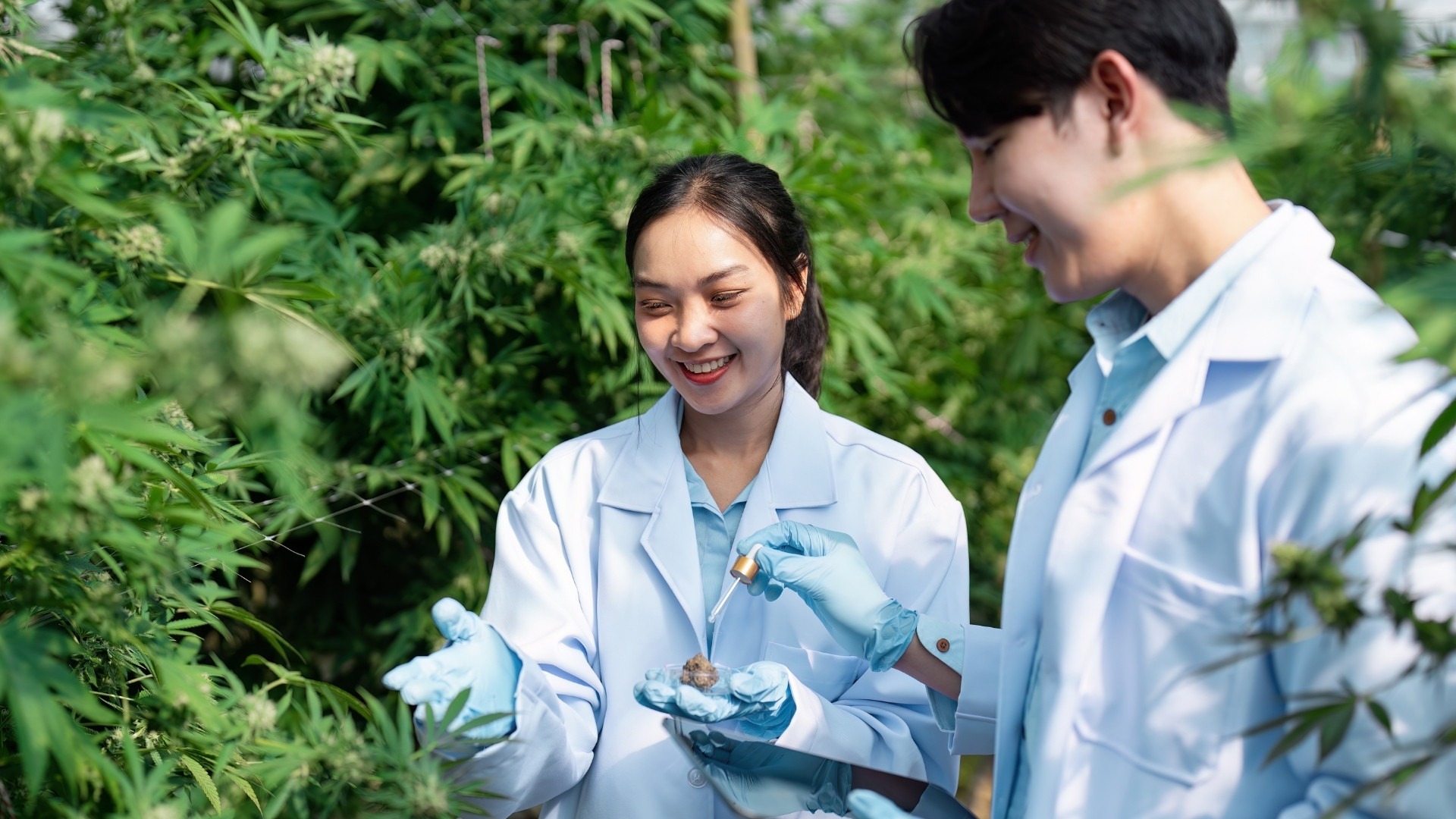
The real yield improvement happens after harvest, when you review what the plants and process revealed. Without records, the same mistakes repeat, and the same opportunities for higher yield go unnoticed.
Key harvest data to record:
- Harvest Date By Room And Strain: Recording this helps you compare maturity timing across strains and identify the most accurate harvest windows for future cycles.
- Wet Weight Versus Dry Weight: Tracking this shows exactly how much weight is lost during drying and whether environmental control needs adjustment.
- Trimming Time And Labor Hours: Measuring this helps you plan staffing more accurately and reduce delays that cause handling loss.
- Drying Duration and Environmental Conditions: Logging temperature and humidity during drying reveal patterns that affect moisture loss and final weight.
- Final Cured Weight And Quality Notes: Documenting this links your process decisions to the end result you sell or store.
- Trimming Method and Cutting Approach Used: Noting whether you used wet trim, dry trim, whole plant, or branch cutting helps identify which method preserved more yield.
When this information is tracked consistently, patterns emerge that guide better decisions for the next cycle. The final step is recognizing the common harvest mistakes that quietly reduce yield despite good growing practices.
5 Harvest Mistakes That Quietly Reduce Yield
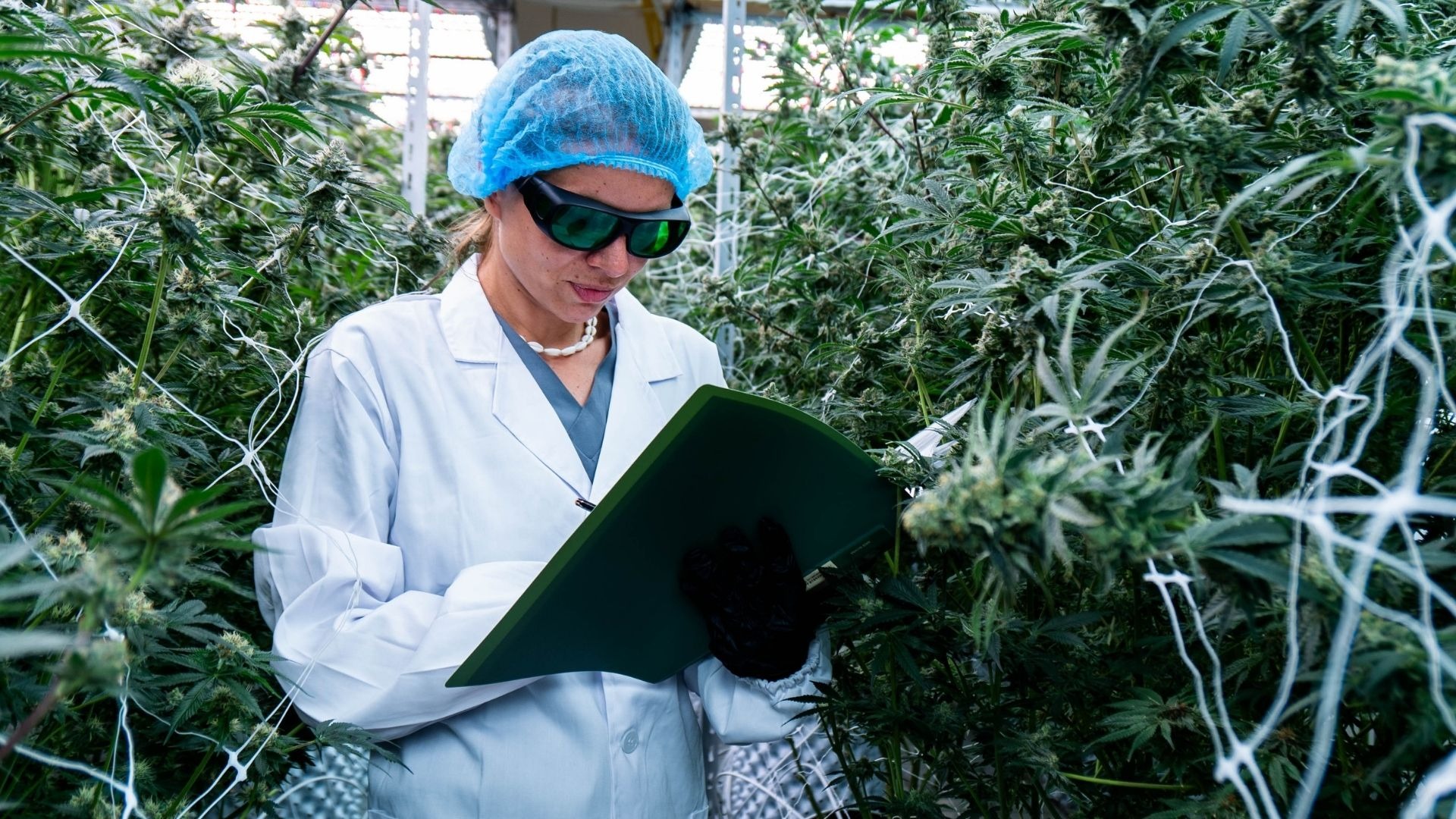
Well-grown plants can also lose measurable weight during harvest due to minor operational errors. These errors are often unnoticed, repeated every cycle, and blamed on the grow instead of the harvest process.
Top errors in harvesting cannabis include:
1. Harvesting The Entire Room At Once
Cutting everything in a single rush overwhelms teams and leads to rough handling, delays, and poor drying control.
These fixes help you break the harvest into manageable stages:
- Stagger harvest by zones or rows
- Match harvest size to available labor
- Prepare drying capacity in advance
2. Poor Labeling And Batch Confusion
Mixing branches, strains, or rooms creates tracking errors and inconsistent drying and curing outcomes.
These steps keep every batch clearly identified from cut to cure:
- Label plants and bins before cutting begins
- Use separate containers for each batch
- Maintain a simple batch identification system
3. Letting Buds Touch During Drying
Crowded hanging causes buds to rub against each other, damaging trichomes and trapping moisture.
These actions maintain proper spacing and airflow:
- Space branches evenly on lines or racks
- Avoid stacking or piling cut material
- Monitor spacing as drying progresses
4. Inconsistent Trimming Standards Across Staff
Different trimming styles lead to uneven moisture removal and unpredictable final weight. These practices standardize trimming across the team:
- Train staff on a single trimming method
- Set visual standards for trim quality
- Assign supervision during trimming shifts
5. Ignoring Environmental Control During Drying
Unstable temperature and humidity cause overdrying or mold risk, reducing the sellable product.
These checks keep drying conditions consistent:
- Use hygrometers and thermometers in the drying room
- Check readings at scheduled intervals
- Adjust airflow gently and consistently
These mistakes are preventable when harvest is treated as a structured, trackable process supported by the right technology. The next section shows how cultivation management software can help you get better yields.
Grow Cannabis Better With PlanaCan
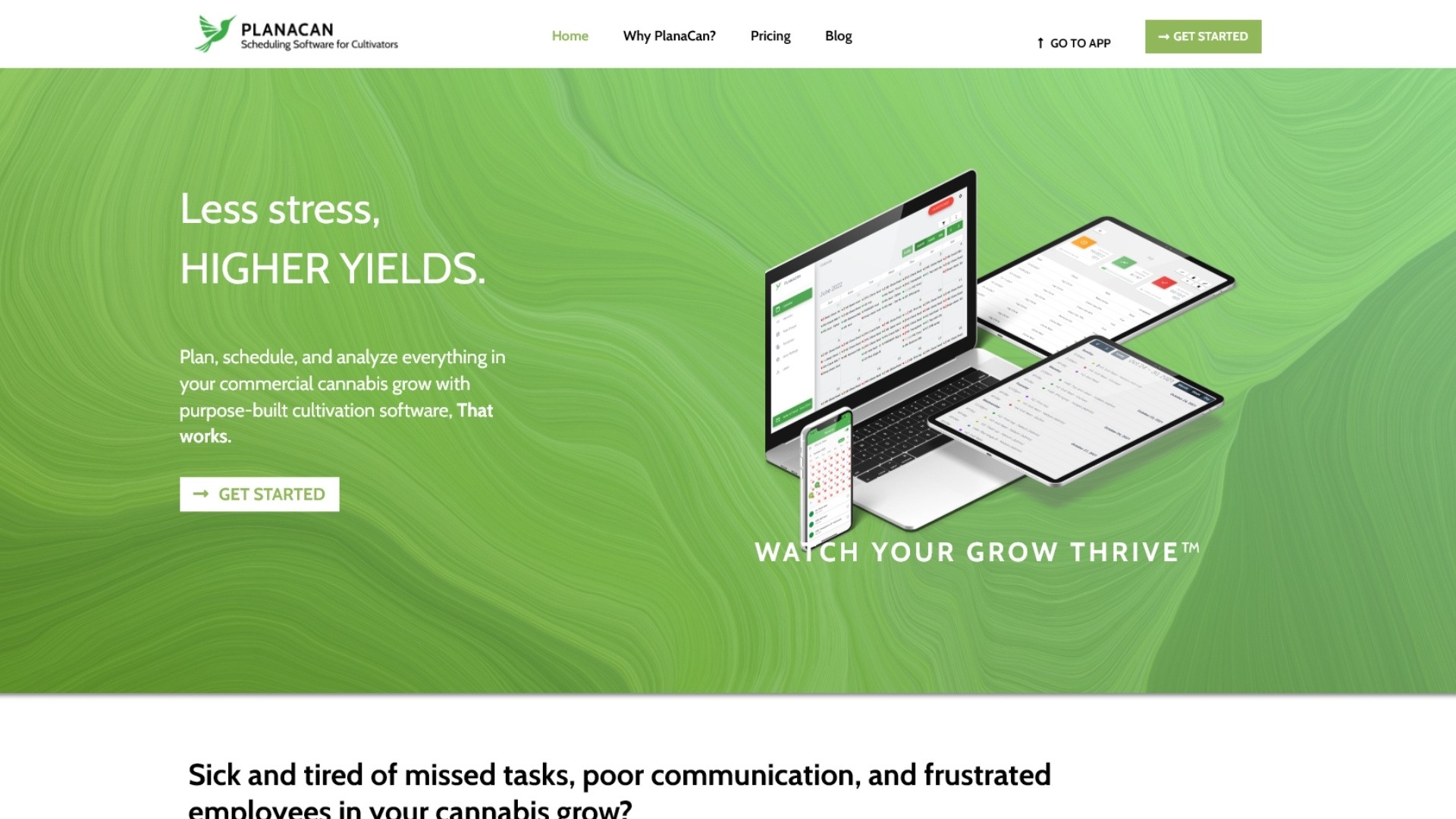
PlanaCan is cultivation management software built specifically for commercial cannabis growers who need structure, visibility, and consistency across their operations. It replaces whiteboards, spreadsheets, and scattered communication with a single platform that helps teams plan work, execute tasks, and learn from every cycle.
When applied to harvest, PlanaCan turns a high-risk phase into a controlled, repeatable workflow that protects yield. Our features include:
1. Automate Planning
PlanaCan lets you automate every pre-harvest, harvest, drying, and curing step into a precise schedule. Teams know exactly what needs to happen and when, which prevents rushed decisions on critical days. This structured planning reduces handling mistakes and protects trichomes and final weight.
2. Interactive Calendar View
The calendar gives you a visual timeline of harvest windows, drying periods, and curing cycles across rooms. You can spot overlaps, labor conflicts, and space limitations before they become problems. This visibility helps you stage harvests to preserve quality and yield.
3. Team Communication Tools
PlanaCan’s iOS and Android apps send automatic alerts so staff know when to cut, move, trim, hang, or check conditions. Communication is clear, time-bound, and visible to the entire team, reducing verbal confusion. This minimizes delays and rough handling during harvest flow.
4. Analytics And Harvest Records
The platform records wet weight, dry weight, labor time, and environmental observations in one place. Over time, this data reveals patterns that explain where weight is being lost. Growers can then adjust methods based on analytics rather than guesswork.
5. Standardized Workflows And Task Templates
You can create repeatable harvest protocols that every team member follows consistently. Task templates ensure consistency across rooms, strains, and cycles. This eliminates variability that often leads to silent yield loss.
PlanaCan converts a chaotic harvest into a measurable, repeatable process. It helps growers keep more of what they work so hard to produce.
Conclusion
Harvest is where months of careful cultivation can quietly unravel. Poor timing, rushed handling, overcrowded drying, and inconsistent trimming can reduce final sellable weight without growers realizing where the loss occurred. What appears to be a yield problem is often a harvest process issue.
PlanaCan brings structure to this critical phase by turning harvest, drying, and curing into scheduled, trackable workflows that teams can follow with precision. With clear task planning, calendar visibility, mobile alerts, and harvest analytics, growers gain control over the exact steps that protect yield.
If you want to stop losing grams during harvest, start managing it like the operational process it is. Book a demo and turn harvest into a repeatable yield advantage.
Frequently Asked Questions
1. How do you optimize cannabis yield?
Optimize yield by aligning plant maturity with precise harvest timing, minimizing handling damage, and controlling drying and curing conditions. Recording wet and dry weights also helps refine future harvest decisions.
2. When to harvest cannabis for maximum potency?
Harvest when most trichomes appear cloudy, with a small percentage turning amber under magnification. This indicates peak cannabinoid maturity and balanced terpene development.
3. How to increase bud yield?
Increase bud yield by preventing losses during harvest through careful cutting, proper selection of trimming methods, and stable drying conditions. Much of the final weight is preserved after the plant is cut.
4. What is the 3 days darkness before harvest?
Some growers keep plants in complete darkness for 48–72 hours before harvest, believing it increases resin production. Scientific evidence is limited, but the practice may slow photosynthesis and slightly stress the plant.
5. Does drying affect final cannabis weight?
Yes, drying removes a large percentage of water weight, and poor humidity or temperature control can lead to overdrying. Controlled drying preserves more sellable weight and quality.