
The cannabis industry in the United States is growing rapidly, offering significant opportunities for aspiring growers. With nearly 15,000 licensed dispensaries now operating across the U.S., the demand for high-quality, legally cultivated cannabis is stronger than ever.
Whether you are aiming to grow for medical use, recreational sales, or personal consumption, understanding the legal framework is essential.
This blog lists the key steps for how to become a cannabis grower so you can cultivate with confidence and stay on the right side of the law.
What you need to know:
- Research state regulations, prepare a business plan, secure a compliant location, submit your application with fees, and pass pre-approval inspections to get a license.
- Noncompliance can result in shutdowns, fines, and excessive taxes, making proactive management essential.
- Plan your facility, security, workflow, and environmental controls for optimal yield.
- Manage startup costs, regulatory hurdles, and environmental risks with proper planning and tools.
Quick Overview of the U.S. Cannabis Laws

Cannabis laws in the United States are complex because federal and state regulations often differ. While cannabis remains federally illegal, individual states have legalized it for medical, recreational, or both uses.
Understanding these distinctions is crucial for anyone looking to grow cannabis legally:
1. Federal Regulations
Cannabis is still classified on the federal level as a Schedule I controlled substance. This creates a complex situation for growers because state legality does not exempt you from federal enforcement.
Key points:
- Cannabis remains illegal under federal law.
- Transporting cannabis across state lines is prohibited.
- Federal authorities can intervene even in legally compliant state operations.
2. Medical vs. Recreational Use
Cannabis legalization varies depending on whether it is for medical or recreational purposes. Medical programs often have stricter limits and documentation requirements, while recreational laws may allow larger grows but with tighter compliance oversight.
Key points:
- Medical programs require patient or caregiver registration and limit the number of cannabis plants cultivated.
- Recreational programs have broader allowances but still enforce zoning and plant count restrictions.
- Licensing requirements differ based on intended use and state regulations.
3. Compliance Importance
Learn about regulations when researching on how to become a cannabis grower. Compliance includes recordkeeping, inspections, and following environmental and safety protocols. Ignorance or negligence can jeopardize your license and your entire business.
- Maintain accurate records of all cultivation activities.
- Follow inspection and operational protocols diligently.
- Understand both local and federal law to prevent violations.
Finding your way through the legal maze is easier once you know which states permit cultivation and under what conditions. This brings us to the next step: identifying the states where cannabis can be cultivated legally.
Suggested Read: Top Cannabis Technology Solution Companies in 2025
States Where Cannabis Cultivation is Legal
Cannabis cultivation laws vary significantly by state, with some allowing both medical and recreational cultivation, while others permit only medical cultivation or none at all.
Below is a summary of the current status as of September 1, 2025.
State
Home Cultivation Allowed
Commercial Cultivation Allowed
Alaska
Yes
Yes
Arizona
Yes
Yes
California
Yes
Yes
Colorado
Yes
Yes
Connecticut
Yes
Yes
Delaware
Yes
Yes
Hawaii
Yes (Medical Only)
Yes
Illinois
Yes (Medical Only)
Yes
Maine
Yes
Yes
Maryland
Yes
Yes
Massachusetts
Yes
Yes
Michigan
Yes
Yes
Minnesota
Yes (Medical Only)
Yes
Missouri
Yes
Yes
Montana
Yes
Yes
Nevada
Yes
Yes
New Jersey
Yes
Yes
New Mexico
Yes
Yes
New York
Yes
Yes
Ohio
Yes
Yes
Oregon
Yes
Yes
Rhode Island
Yes
Yes
Vermont
Yes
Yes
Virginia
Yes
Yes
Washington
Yes
Yes
West Virginia
Yes
Yes
Note: This table provides a general overview. Specific regulations, including plant limits and residency requirements, may vary within each state and are subject to change. Always consult local laws and regulations before proceeding.
Understanding where cultivation is legally permitted is the first step. The next step is to obtain the necessary permits and licenses to operate legally.
General Licensing Requirements for Cannabis Growers
Requirements vary by state, but most programs focus on background checks, compliance with zoning laws, and proof of operational plans. Understanding these general requirements before applying can save time and increase your chances of approval.
Types of Licenses
States typically offer different types of cultivation licenses depending on operation size and purpose. These may include:
- Micro or Small Grower Licenses: Limited plant count, ideal for home or boutique operations.
- Standard or Large Grower Licenses: Allow larger-scale cultivation for medical or recreational markets.
- Nursery Licenses: Focused on growing clones or seedlings for distribution to other licensed growers.
- Processor or Integrated Licenses: Some states allow combined cultivation and processing under a single license.
Background Checks and Eligibility
Applicants must meet strict eligibility criteria to ensure compliance and reduce risks.
- Criminal background checks, including federal and state records.
- Age and residency requirements, typically 21+ and state residency for a certain period.
- Financial disclosure is required to ensure the applicant can maintain operations and security standards.
Operational Compliance
Licenses require adherence to operational standards to maintain approval.
- Secure and compliant cultivation facility location.
- Proper environmental controls, waste management, and security measures.
- Documentation and recordkeeping for inspections and regulatory reporting.
These general requirements lay the foundation for a successful application. Next, we will break down the specific steps to apply for a cannabis cultivation license, guiding you through the process of how to become a cannabis grower.
Suggested Read: Quick Tips on How to Dry Wet Cannabis Fast
Steps to Apply for a Cannabis Cultivation License
Applying for a cannabis cultivation license involves a structured approach to remain compliant with state laws. Following these steps carefully can increase your chances of approval and prepare you for running a successful operation.
1. Research State Regulations
Before applying, it is crucial to understand your state’s cannabis laws and specific license requirements. This ensures you apply for the correct type of license and comply with all restrictions.
- Identify whether your state permits medical, recreational, or both types of cultivation.
- Review plant limits, zoning restrictions, and residency or age requirements.
- Check deadlines, application fees, and necessary documentation to avoid delays.
- Stay updated on recent legislation or regulatory changes that may affect eligibility.
2. Prepare a Business Plan
A detailed business plan demonstrates to regulators that you have a professional, operational, and financially viable approach. It also guides your day-to-day cultivation operations.
- Include your cultivation methods, production goals, and projected yields.
- Detail staffing, security measures, workflow processes, and equipment needs.
- Outline compliance procedures for inspections, recordkeeping, and reporting.
- Highlight risk management strategies, such as insurance coverage and contingency plans.
3. Secure a Compliant Location
Your facility must meet local and state regulations for zoning, safety, and environmental compliance before applying. This is critical to avoid application denial.
- Verify zoning approval and land-use permits for your proposed location.
- Ensure security systems, lighting, and environmental controls align with state requirements.
- Address waste management, water usage, and ventilation to comply with environmental standards.
- Consider accessibility for staff and delivery logistics for supplies and products.
4. Submit Application and Fees
Submitting a complete application is a key step that demonstrates readiness and professionalism to regulators.
- Include proof of residency, background checks, and financial disclosures.
- Provide all required documentation, including operational and security plans.
- Pay state-specific application fees and prepare for additional forms or supplementary requests.
- Maintain copies of all submissions for your records in case of follow-ups.
5. Inspection and Approval
Most states require a pre-approval inspection to ensure your facility meets all compliance standards before issuing a license.
- Schedule inspections once your facility and operations are fully ready.
- Correct any issues identified during inspections promptly to avoid delays.
- Receive your license and begin legally cultivating cannabis.
- Keep detailed inspection logs to maintain compliance and prepare for future audits.
Once your license is approved, the focus shifts to business and operational considerations to run a legal, safe, and profitable cannabis cultivation operation.
Suggested Read: Reasons for Slow Growth of Seedlings: Understanding the Challenges
Business and Operational Considerations
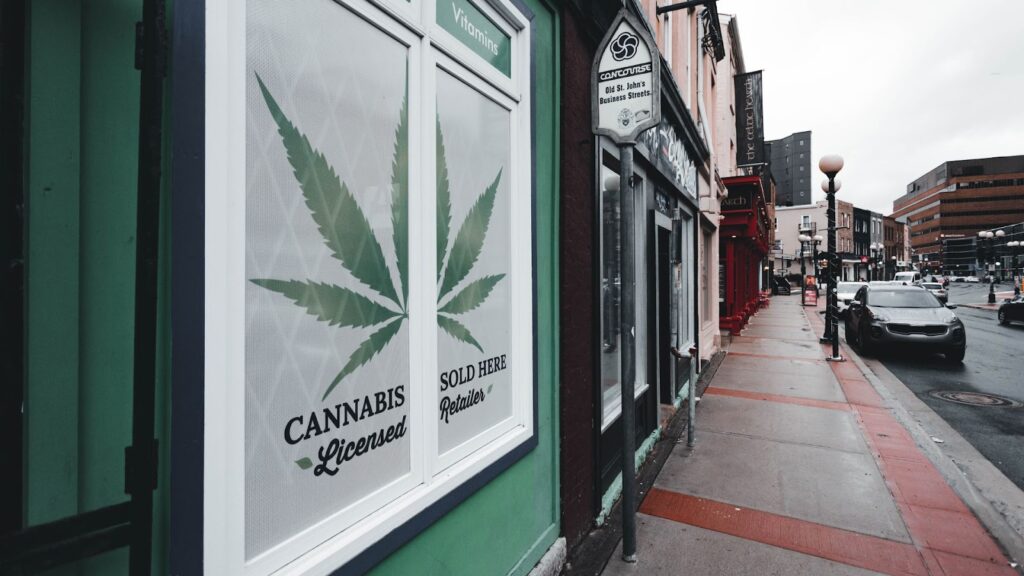
Running a successful cannabis grow operation requires careful planning, organization, and adherence to best practices. Operational efficiency, compliance, and safety are essential to maximize yields and minimize risks.
Here are the key considerations to manage your cannabis cultivation business effectively:
- Indoor vs. Outdoor Cultivation: Decide whether to grow indoors for controlled conditions or outdoors for cost savings, considering climate and light availability.
- Security Measures: Install surveillance cameras, secure entry points, and maintain detailed logs to meet state security requirements.
- Environmental Controls: Ensure proper temperature, humidity, ventilation, and lighting to optimize plant growth and prevent diseases.
- Compliance and Recordkeeping: Keep accurate records of plant counts, nutrient usage, pest management, and employee activities for inspections.
- Staff Training and Safety: Train employees on standard operating procedures, safety protocols, and compliance requirements.
- Supply Chain Management: Plan for consistent access to quality nutrients, equipment, and other cultivation inputs.
- Financial Planning: Budget for startup costs, operational expenses, licensing fees, and potential legal contingencies.
Careful attention to these operational details ensures smooth day-to-day functioning and regulatory compliance. Next, we will explore some of the common challenges legal cannabis growers face and how to handle them.
Common Challenges for Legal Cannabis Growers

Even after securing a license, cannabis growers face numerous operational, regulatory, and financial challenges. Being aware of these challenges helps you plan ahead and implement strategies to overcome them effectively.
1. High Startup Costs
Starting a legal cannabis grow operation often requires significant investment in facility setup, equipment, security, and licensing fees. These costs can be a barrier for many aspiring growers.
Fix: Create a detailed budget and financial plan, explore state-specific grants or loans, and start with a smaller micro-grow to manage costs effectively.
2. Complex Compliance
Cannabis regulations are constantly changing, and noncompliance can result in fines or license revocation. Staying updated on federal, state, and local laws can be overwhelming for growers.
Fix: Maintain detailed records, conduct regular compliance audits, and consult legal or regulatory experts when necessary.
PlanaCan provides templates and tracking tools to ensure daily, weekly, and monthly compliance tasks are not missed.
3. Environmental and Pest Management
Growing healthy cannabis requires careful control of environmental factors and pest prevention. Failure to maintain optimal conditions can reduce yield and quality.
Fix: Monitor temperature, humidity, and lighting consistently, and implement integrated pest management strategies to protect crops.
4. Competition and Market Challenges
Legal cannabis markets are competitive, with fluctuating prices and high demand for quality. Staying competitive requires consistent production and strategic planning.
Fix: Focus on quality, diversify your strains, and use operational analytics to optimize yield and workflow.
With the right tools, many of these hurdles can be managed effectively. Next, we’ll explore how PlanaCan supports licensed cannabis growers to optimize operations, manage compliance, and increase productivity.
PlanaCan: Supporting Licensed Cannabis Growers

PlanaCan is a purpose-built software platform designed to simplify the complexities of cannabis cultivation. Tailored for licensed growers, it offers tools to plan, schedule, and manage every aspect of the cultivation process.
By centralizing operations and ensuring compliance, PlanaCan empowers cultivators to optimize productivity and maintain regulatory adherence.
1. Interactive Cultivation Calendar
PlanaCan's interactive calendar allows growers to visualize and schedule tasks across different strains and growth cycles. This feature ensures that all activities, from planting to harvesting, are organized and timely. By providing a clear overview, it helps prevent missed tasks and overlapping schedules, enhancing overall efficiency.
2. Standard Operating Procedures (SOPs)
The platform enables growers to define and automate standard operating procedures for every step of the cultivation process. This ensures consistency and quality across all operations. Automating SOPs reduces human error and optimizes workflows, leading to more predictable outcomes.
Task Management & Scheduling
PlanaCan offers robust task management tools that allow for detailed scheduling of daily, weekly, and monthly activities. Tasks can be assigned to specific employees or teams, ensuring accountability. The system's reminders and notifications help keep everyone on track, reducing the risk of oversight.
3. Compliance Tracking & Reporting
Staying compliant with state regulations is crucial for licensed growers. PlanaCan provides tools to track compliance metrics and generate necessary reports. This feature simplifies the audit process and ensures that all activities meet regulatory standards.
4. Harvest Tracking & Analytics
The platform allows for detailed tracking of each harvest, from planting to final yield. Analytics tools help assess performance, identify trends, and make data-driven decisions. This insight supports continuous improvement and maximizes crop quality and quantity.
5. Employee Management & Communication
Effective communication and management of staff are vital for smooth operations. PlanaCan includes features for employee scheduling, task assignments, and internal messaging. This encourages collaboration and ensures that all team members are aligned with the cultivation goals.
6. Inventory & Resource Management
Managing resources like nutrients, tools, and equipment is simplified with PlanaCan's inventory management system. The platform tracks usage and alerts users when supplies are low. This proactive approach prevents shortages and ensures that cultivation processes run without interruption.
7. Mobile Access & Integration
PlanaCan offers mobile access, allowing growers to manage operations easily. The platform integrates with various tools and systems, providing a great experience. This flexibility ensures that growers can stay connected and informed, regardless of their location.
PlanaCan offers flexible pricing options to suit growers of all scales. The Basic plan is free and suited for hobbyists, offering task scheduling, mobile access, and inventory tracking. The Pro plan adds compliance tools, harvest analytics, and team management for commercial growers.
The Enterprise plan delivers custom integrations, priority support, and full-scale templates for large-scale operations. All plans come with flexible free trial periods, allowing growers to explore the platform and find the best fit for their cultivation needs.
Conclusion
Running a legal cannabis cultivation business comes with high stakes. Noncompliance with state regulations, operational missteps, or oversights can result in fines, license suspension, or even business shutdown.
Excessive costs and penalties can quickly accumulate, and growers must also adhere to complex tax laws like IRS Code Section 280E, which can impose tax rates of 50% or more on cannabis-related income. Staying informed and proactive is essential to protect both your investment and your license.
Using PlanaCan ensures that your cultivation operation stays organized, compliant, and efficient, reducing the risk of mistakes that could compromise your yield or business. Take control of your cultivation process today and maximize your productivity. Schedule a free call today.
Frequently Asked Questions
1. What licenses are required to grow cannabis legally in the U.S.?
You need a state-issued cultivation license, which varies by type (medical, recreational, micro, or commercial), along with local permits and compliance with zoning laws.
2. Can I grow cannabis at home legally?
Home cultivation is legal only in certain states, typically with plant limits and residency requirements. Always check your state regulations before starting.
3. How long does it take to get a cannabis cultivation license?
Licensing timelines vary by state, ranging from several weeks to months, depending on application completeness, inspections, and regulatory review.
4. Do I need background checks to apply?
Yes, most states require criminal background checks and financial disclosure to ensure eligibility for a cultivation license.