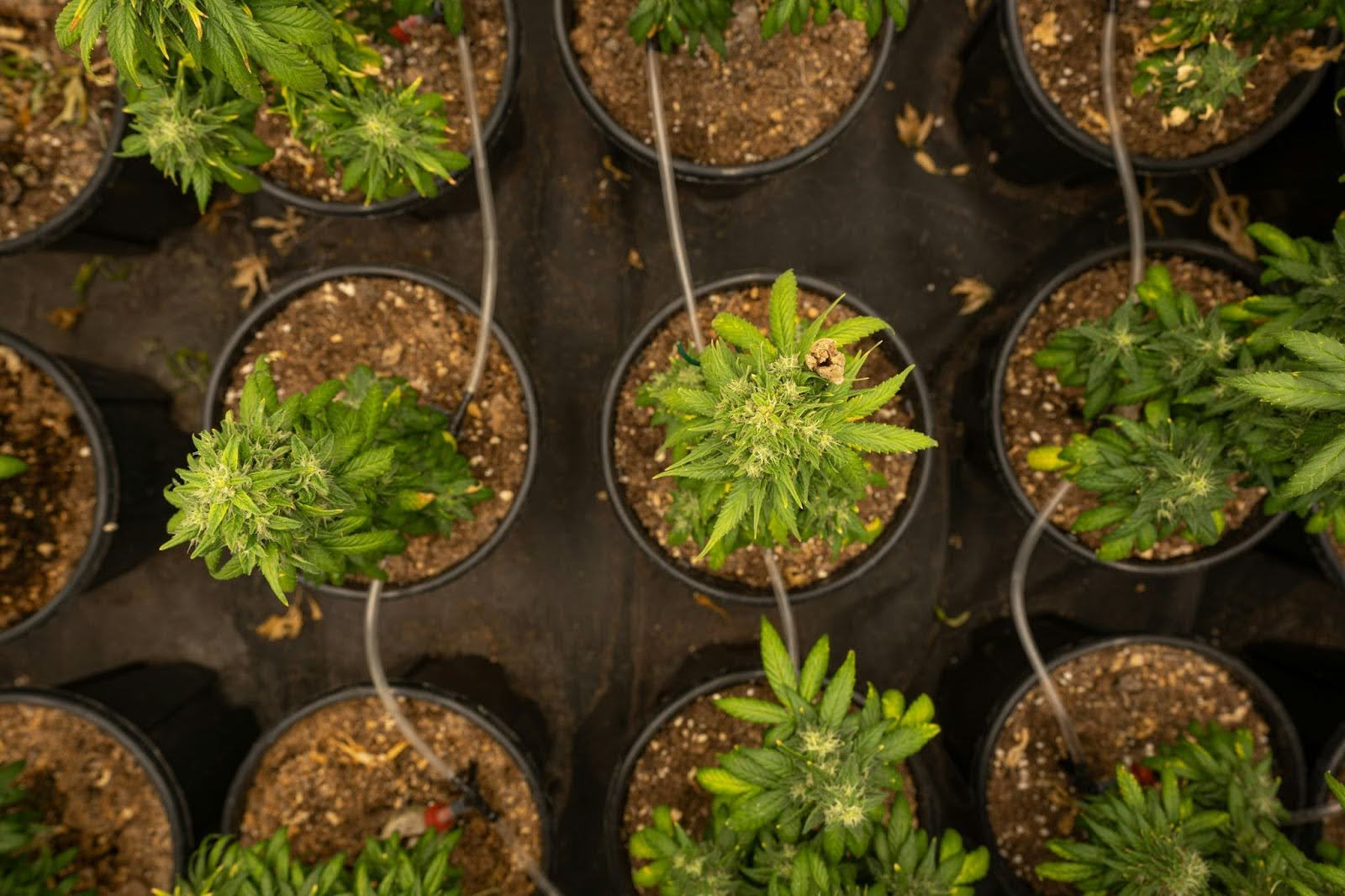
Many growers start with the same question: how much yield from a weed plant can you expect? Maybe you have been disappointed after months of work. Or maybe you are new and want to set realistic expectations. In both cases, understanding the factors that influence cannabis yields is key.
The most common mistake new growers make is focusing solely on one factor, such as light or nutrients, while overlooking others. Success comes from a balanced approach. By understanding how each element affects the final yield, you will have a better chance of achieving bigger and healthier harvests.
This guide will show you exactly what impacts your yield per weed plant and how to improve it with smart techniques. You will learn about plant genetics, growing methods, lighting, feeding, and more, so you can start making the most of your grow.
TL;DR
- Strain genetics, grow method, lighting, and feeding impact yield.
- Indoor plants yield 100–250g each; outdoor plants yield 600–750g, with advanced techniques exceeding 1kg.
- Hydroponics outperform soil, increasing yields by 40-50%.
- Use grams per square meter (g/m²) and grams per watt (g/W) to estimate yield.
- Wet buds shrink by 25-30% after drying.
- Photoperiod strains yield more than autoflowers but take longer.
- Consistent, well-tracked grow habits maximize yield.
- Tools like Planacan help optimize growth through data tracking.
Factors Influencing Cannabis Plant Yield
Your cannabis yield depends on more than just planting seeds and waiting. Each stage of the growth demands attention and care. From selecting the right strain to maintaining plant health, many factors shape how much yield you can expect from each plant. Understanding these elements helps you make better choices for your growth and boosts your overall success.
- Genetics: One of the first things to consider is genetics. Sativa, Indica, and hybrid strains all affect your potential yield. Sativas tend to grow taller with longer flowering times. Indicas stay shorter and bushier, often finishing faster. Hybrids can offer the best of both worlds. Start by choosing genetics that match your goals and space.
- Growing Method: Indoor growing gives you control over climate and light, but limits plant size. Outdoor growing allows bigger plants with higher potential cannabis yield per plant, though it depends on the local environment. Hydroponic systems often outperform soil, pushing yields up by 40 to 50 percent due to faster nutrient uptake.
- Lighting: Lighting is another big factor. Cannabis plants need strong light to produce good yields. You can use LED, CFL, or HID lights. LED is efficient and cool, HID offers intensity, and CFL is good for smaller spaces. The key is ensuring plants get enough light during both the vegetative and flowering stages.
- Nutrients and Watering: Nutrients and watering also play a critical role. Macronutrients like nitrogen, phosphorus, and potassium must be balanced. Underfeeding or overfeeding can harm plant health and reduce yield. Proper watering prevents root problems. Healthy roots mean healthy plants.
- Plant Health and Maintenance: Ultimately, plant health and maintenance tie everything together. You need to monitor for pests and diseases and keep plants stress-free. Regular checks and preventive care will protect your yield per cannabis plant.
Average Cannabis Yields Based on Grow Space
Yield is one of the most important outcomes of your grow, yet it is also one of the most misunderstood. While results will always depend on your strain, environment, and skill, here is what you can realistically aim for under ideal conditions.
Indoor Grows: 100 to 250 Grams per Plant
Indoors, most small to medium plants yield 100 to 250 grams (3.5 to 9 oz) per plant under ideal conditions. Growers often measure system efficiency in terms of grams per watt of light, with a common benchmark being 1 gram per watt.
But this metric reflects the total yield from the grow area, not from a single plant. For example, a 600-watt light might support 2 to 4 plants. If you achieve 600 grams from that setup, each plant may yield somewhere between 150 and 300 grams, depending on spacing and canopy management.
Beginners or those still dialing in their environment may see yields closer to 0.5 to 0.75 grams per watt, which is still a solid return.
Outdoor Yields: 600 to 750 Grams per Plant
With full sunlight, larger root zones, and a longer vegetative period, outdoor plants can yield 600 to 750 grams (21 to 26 oz) of dried flower. These yields are achievable when growing in large pots or directly in nutrient-rich ground.
Experienced growers can sometimes push yields beyond 1 kilogram (35+ oz) per plant by using training techniques like topping, pruning, and LST, along with protection from pests and bad weather.
Hydroponic Grows: 40 to 50 Percent More Yield per Plant
Hydroponics can significantly increase per-plant yield. In systems like deep water culture or aeroponics, plants absorb nutrients more efficiently, leading to faster growth and heavier harvests.
On average, you can expect 40 to 50 percent more yield per plant compared to soil. For instance, if a soil-grown plant gives you 500 grams, a hydro-grown plant under the same conditions might produce 700 grams or more.
How to Calculate Cannabis Yield
Estimating yield isn’t guesswork; it’s strategic. You need to understand whether you're measuring total crop output or yield per plant, and how factors such as lighting, pot size, and growing method affect those numbers. Let’s break that down clearly.
1. Measure Yield the Right Way
There are two common ways to measure cannabis yield:
- Grams per square meter (g/m²): This tells you how efficiently you're using your total grow area. It includes all plants in that space.
- Grams per watt (g/W): This indicates the efficiency with which your lighting converts energy into buds. It reflects total yield under a specific light setup, not per plant.
Example: If you grow 4 plants in a 1m² area under a 400W light and harvest 400 grams total, your yield is:
- 400 g/m² (area-based)
- 1 g/W (lighting-based)
- 100 g per plant (individual yield)
Important: Both g/m² and g/W measure total yield across your setup, not per plant. To calculate yield per plant, divide the total dry weight by the number of plants.
2. Factor in Pot Size
Pot size affects root growth, which limits or enables overall plant size and yield. Here’s a general idea of what to expect per plant under ideal conditions:
- 1 to 3 gallon pots: Around 30 to 60 grams per plant
- 5 to 7 gallon pots: Around 60 to 120 grams per plant
- 10 gallons or more: 120 grams or more per plant, especially in long veg or outdoor grows
Larger pots provide more root space, but they require longer vegetative periods and adequate lighting to reach their full potential.
3. Lighting Coverage Matters
Lighting is one of the most critical factors for yield. But remember, light systems usually support multiple plants, so you’re measuring collective yield, not per plant.
General indoor lighting benchmarks (across all plants under that light):
- LEDs: 1.5 to 2.5 g/W
- HPS: 0.5 to 1 g/W
If a 600W LED setup yields 900 grams in total, that’s 1.5 grams per watt. If you had 6 plants, that’s 150 grams per plant on average.
Even light distribution improves total output and maintains more uniform plant yields.
4. Hydroponics Can Boost Yield
Hydro systems increase per-plant yields, sometimes by 20 to 30 percent, by delivering faster nutrient uptake and oxygenation.
With dialed-in conditions:
- Soil grows might average 1 to 4 oz per plant (28 to 113 grams)
- Hydro grows of the same strain can yield 1.5 to 5 oz per plant (42 to 140 grams)
But actual numbers depend on pot size, light coverage, and veg time.
Final Tip: Track your grow details such as light wattage, pot size, strain, and yield for each run. Over time, you will build reliable data to forecast your harvests and improve your methods.
PlanaCan makes this simple by generating detailed reports for every harvest. It consolidates all your growth decisions and results in one place, allowing you to see what works, learn from what doesn’t, and continually improve your process with each iteration.
How to Maximize Your Cannabis Yields
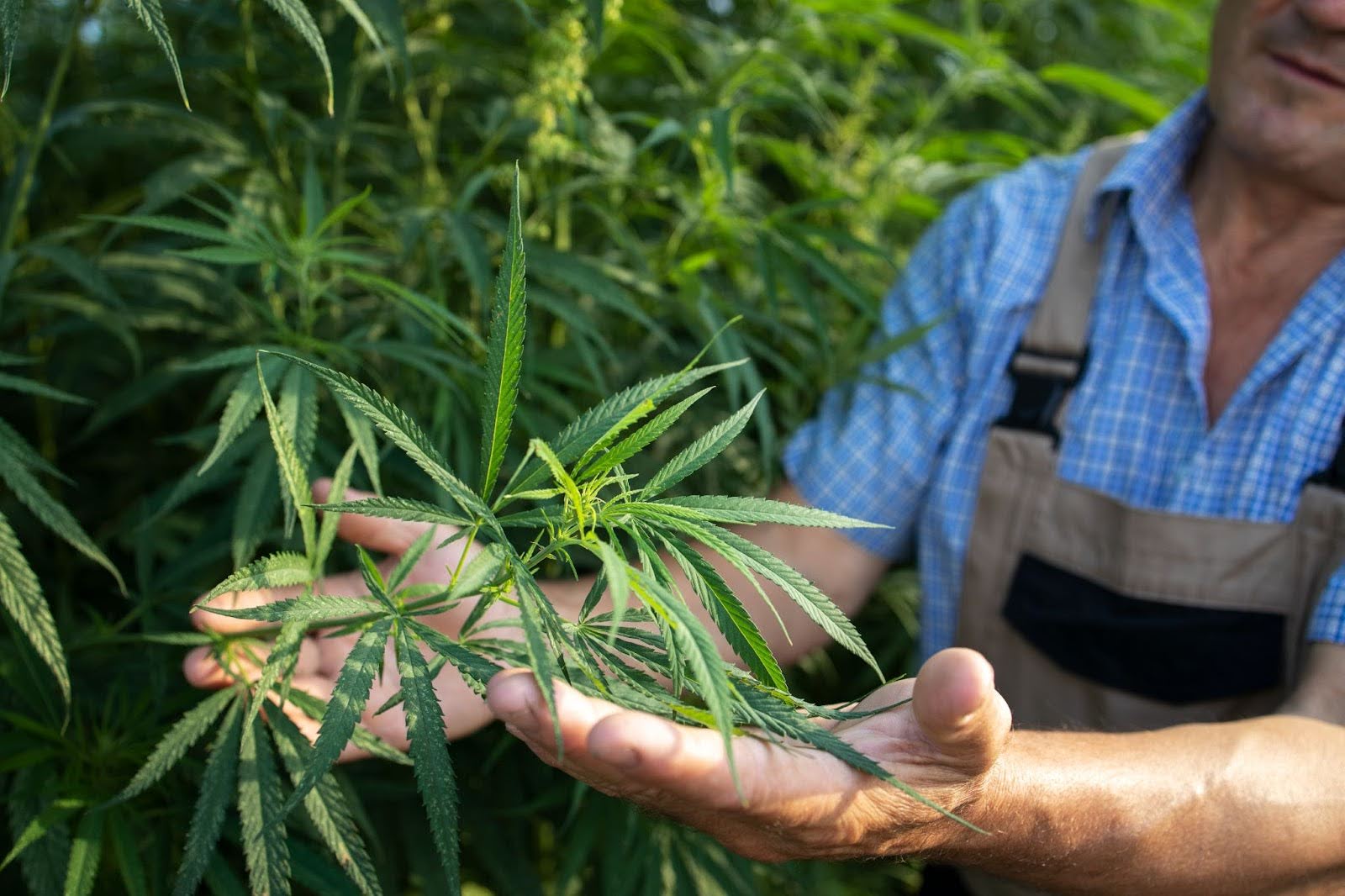
Many growers invest time and effort, but still end up with small harvests. The key to higher yields is consistency. Every factor, from lighting and nutrients to training and environment, must work together. Small improvements in each area can lead to big results. Here is how you can fine-tune your grow and boost your yields.
1. Choose the Right Genetics
Your yield potential starts before you even plant the seed. Not all strains are created equal when it comes to production.
- Research strain performance: Look for strains known for high yields and vigorous growth. Seed banks and breeder websites often list yield estimates for both indoor and outdoor grows.
- Balance yield with quality: Some high-yielding strains may sacrifice potency or flavor. Choose genetics that align with your goals, whether it is for personal use or commercial sale.
2. Optimize Light Exposure
Without sufficient light, your plants cannot produce big, dense buds, no matter how well you feed them.
- Invest in quality lights: Full-spectrum LEDs or HPS lights provide the intensity and wavelengths your plants need.
- Maximize light spread: Adjust light height and angles so all parts of the canopy receive even coverage. Shadows and gaps in light coverage lead to lower yields.
- Reflective surfaces: Line the grow tent walls with reflective materials like Mylar to increase overall light efficiency.
3. Fine-Tune Your Feeding
Consistent, targeted feeding fuels growth and bud development.
- Stage-specific nutrition: Use nitrogen-rich feeds during vegetative growth to build strong branches and leaves. Shift to phosphorus and potassium-heavy feeds during flowering to support bud development.
- Monitor plant response: Watch your plants for signs of deficiencies or excesses. Yellowing, burnt tips, or stunted growth all indicate it is time to adjust.
- pH control: Keep your nutrient solution’s pH between 5.8 and 6.5 to ensure proper nutrient uptake.
4. Master Plant Training
Training helps shape your plants so they produce more buds per square foot.
- Low Stress Training (LST): Gently bend and tie branches outward to create an even canopy. This improves light penetration and encourages multiple bud sites.
- Topping: Cut the main stem during veg to promote branching. More branches mean more bud sites.
- Sea of Green (SoG): Pack many small plants close together to form a fast, efficient canopy. Ideal for growers looking for quicker turnover and maximum space use.
5. Control the Environment
Even small shifts in temperature, humidity, or airflow can make or break your yield.
- Temperature: Aim for 24-28°C during the day and 18-22°C at night. Consistent temps promote steady growth.
- Humidity: Keep humidity around 50 to 60 percent in veg, then lower it to 40 to 50 percent during flowering to prevent mold and mildew.
- Airflow: Good air circulation strengthens stems and keeps mold at bay. Use oscillating fans to move air across your canopy.
- CO₂ enrichment: Adding CO₂ during flower can accelerate growth and boost yield, but only if your lighting, nutrients, and environment are already optimized.
6. Prevent Pests and Diseases
You cannot hit maximum yield if pests or diseases take hold.
- Daily inspections: Check under leaves, around stems, and in the soil. Early detection prevents big problems later.
- Control humidity and airflow: Mold and mildew thrive in stale, damp environments. Keep your space dry and moving.
- Preventative treatments: Use natural sprays like neem oil or introduce beneficial insects to maintain a healthy grow room.
7. Prune and Space Plants Correctly
Overcrowded plants compete for light and air, reducing yield.
- Proper spacing: Allow enough room for each plant to spread out and receive light.
- Targeted pruning: Remove lower branches and small shoots that will not develop into full buds. This helps the plant focus energy on the main bud sites.
8. Keep Equipment in Top Shape
Do not let failing equipment sabotage your grow.
- Regular cleaning: Wipe down lights, replace air filters, and clear dust from fans to maintain efficiency.
- Routine checks: Test timers, pumps, and ventilation before and during each cycle to catch issues early.
9. Log Each Grow
Keeping records allows you to improve over time.
- Detailed notes: Track feeding schedules, pH, temps, humidity, and plant progress.
- Review after harvest: Look back at what worked and what did not, so you can make improvements in your next cycle.
PlanaCan makes this easy by logging all your grow data in one place. It tracks your decisions and their results, helping you spot patterns, avoid past mistakes, and fine-tune your process for better yields.
Other Key Factors That Affect Yield Estimates
Besides your growing conditions, certain factors influence how much usable cannabis you will actually produce. Two of the most common areas of confusion are wet vs dry yield and the differences between autoflower and photoperiod plants.
1. Wet vs Dry Cannabis Yield
When you harvest cannabis, your buds will weigh much more when wet. However, this is not the weight that matters. You want to estimate the final dry weight, since that is what you will actually store and use.
- Wet weight: Freshly harvested buds are full of water, often making up 70 to 75 percent of their weight.
- Dry weight: After proper drying and curing, only 25 to 30 percent of the original wet weight remains as a usable flower.
For example, if you harvest 1,000 grams (1 kilogram) of wet buds, you can expect roughly 250 to 300 grams of dry cannabis after the curing process.
When estimating yield, always clarify whether you are looking at wet or dry weight. Most growers talk about dry yield, since that reflects the true value of the harvest.
2. Autoflower vs Photoperiod Cannabis Yields
The type of cannabis you grow also impacts how much you can harvest.
- Autoflower plants: These are smaller and have a faster life cycle. On average, a single plant produces 30 to 150 grams of dry flower, depending on genetics and growing skill. Because they mature in 8 to 12 weeks from seed, you can run several autoflower harvests per year.
- Photoperiod plants: These tend to grow larger and yield more, since you control when they flower by adjusting light cycles. In indoor settings, photoperiod plants often produce 300 to 600 grams per square meter with good training. Outdoors, individual plants can yield 500 grams to over 1 kilogram in ideal conditions.
If your goal is maximum yield per plant or per square meter, photoperiod strains are the better choice. If you prefer faster, smaller harvests or staggered production, autoflowers offer flexibility.
Conclusion
Many factors affect your cannabis yields. Genetics, environment, and growing techniques all shape your results. As you continue refining your approach, yields will improve. But never chase bigger yields alone. Quality is just as important. A skilled grower knows how to strike the right balance between the two.
Managing this balance requires tracking many variables such as plant health, feeding schedules, environment, and more. Doing this manually can lead to errors and missed opportunities. PlanaCan simplifies this process. It helps you plan your cultivation tasks, monitor nutrient schedules, track environmental data, and stay on top of every growth stage. You get a clear view of both yield and quality factors in one place.
Ready to streamline your grow and boost results? Schedule a free call today and see how PlanaCan can support your cultivation success.