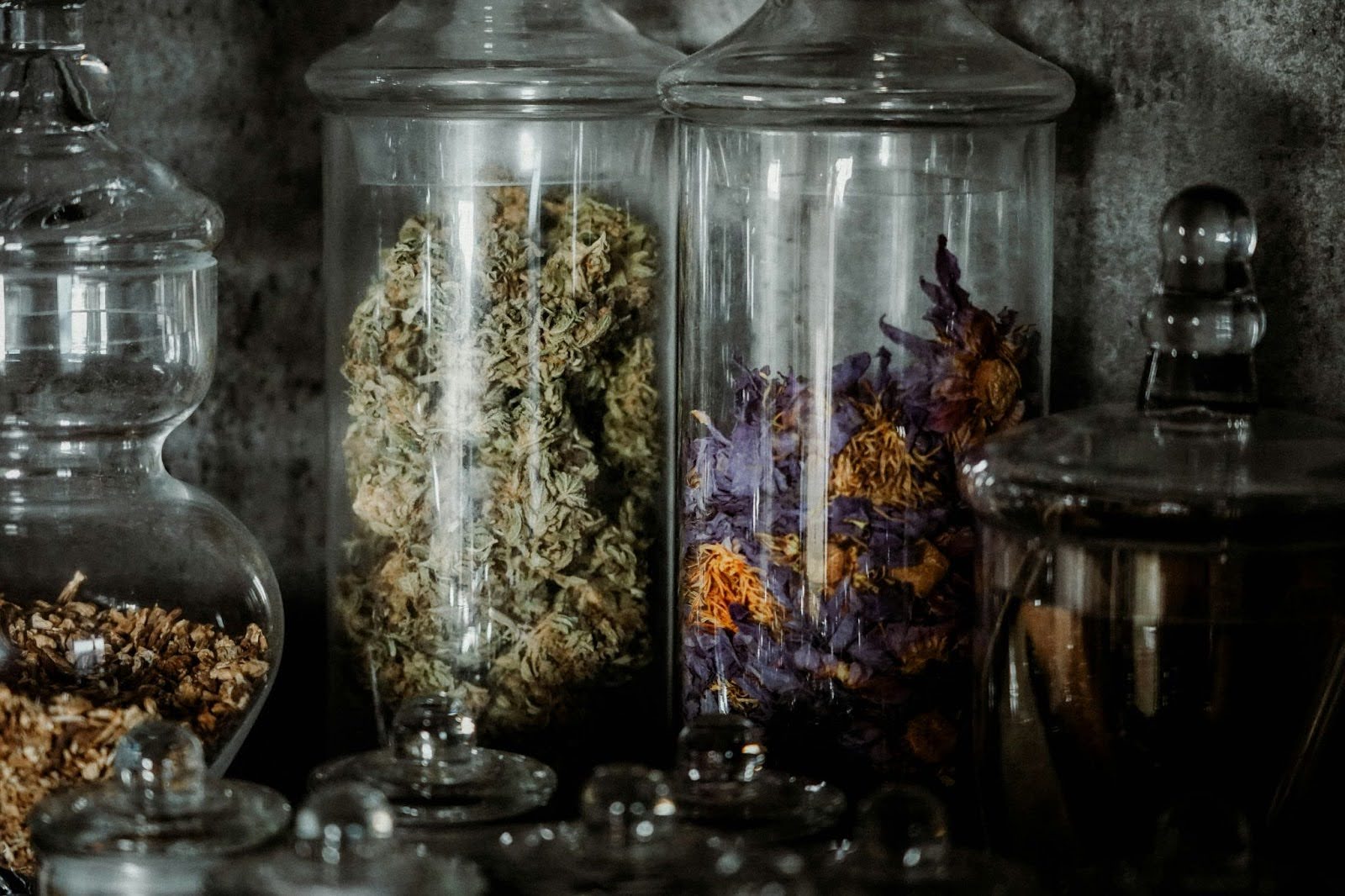
Are you frustrated by your buds coming out harsh, flavorless, or even moldy after weeks of curing? You are not alone. Perfecting the humidity level of your curing jar can feel overwhelming at first, but understanding it makes all the difference between dry, harsh cannabis and smooth, aromatic buds.
Understanding and mastering humidity control gives you the power to take your homegrown cannabis from good to exceptional. Curing is not just a final step; it is a critical part of preserving everything you have nurtured in your plants from seed to harvest. By investing the right care and attention now, you set yourself up for a premium experience later.
In this guide, you will learn why humidity control is crucial for curing cannabis properly, what humidity levels work best for different strains, how to monitor and maintain the ideal range, techniques for addressing any fluctuations, and tips for long-term storage to preserve your harvest's quality.
Why Humidity Matters in Cannabis Curing
When you cure your cannabis adequately, you preserve its potency, flavor, and aroma. You worked hard to grow your plants, and curing is where you lock in all those cannabinoids and terpenes that define your strain’s personality.
Maintaining proper humidity during curing plays a vital role in the following ways:
- Preserving Cannabinoid and Terpene Content: Proper humidity control during curing is essential for preserving the potency and aroma of your buds. By regulating humidity, you ensure that cannabinoids and terpenes remain intact, maximizing the quality of your harvest.
- Preventing Mold and Over-Drying: If the humidity is too high, mold can develop and ruin your crop. Conversely, too low humidity can dry your buds too quickly, leading to brittle, low-quality buds. Carefully managing the curing environment protects the integrity of your harvest and prevents these issues.
- Improving Bud Structure and Quality: When you cure cannabis at the right humidity, you maintain optimal bud structure and prevent brittleness. This ensures your buds stay firm yet fresh, which is key to both appearance and overall quality.
- Extending Shelf Life and Market Value: Proper curing at the correct humidity helps extend the shelf life of your buds, maintaining their potency and flavor over time. This is important if you're storing your harvest for later sale, as it preserves both the quality and market value.
- Maximizing Resin Preservation: By controlling humidity levels, you protect delicate trichomes and resin glands, ensuring the highest concentration of cannabinoids and terpenes is preserved. This results in a more potent and flavorful product.
So, what are the best humidity levels for different cannabis strains? Let us discuss this below.
The Best Humidity Levels for Different Strains
Getting the right humidity level for your curing jar depends on the strain you are working with. Most cannabis strains thrive between 55 percent and 65 percent relative humidity, giving you a safe zone that promotes a slow and even cure.
- Indica Strains: Indica strains usually perform best between 60 and 65 percent relative humidity. These dense, heavy buds need slightly higher moisture to avoid over-drying while preventing mold.
- Sativa Strains: Sativa strains prefer a bit less moisture. Keeping your Sativa buds around 55 to 60 percent relative humidity helps maintain their lighter, airier structure while preventing mold development.
- Hybrid Strains: Hybrid strains fall somewhere in between. Because hybrids can lean toward either Indica or Sativa traits, you might need a tailored approach. If your hybrid buds are dense like an Indica, aim closer to 60 to 65 percent. If they are lighter like a Sativa, keep them around 55 to 60 percent.
- Autoflowering Strains: Many autoflowering strains tend to have lighter buds, similar to Sativa plants. Aim for 55 to 60 percent relative humidity to prevent mold while still allowing enough moisture retention for a smooth cure. Because autoflowers mature faster, they might need slightly less time in the curing phase, but maintaining the correct humidity remains essential.
Now, let's examine in detail below how to monitor and maintain the humidity of cannabis in curing jars.
How to Monitor and Maintain Cannabis Humidity In Curing Jars
To monitor and maintain cannabis humidity in curing jars, follow these essential steps to ensure your buds cure properly and maintain optimal quality:
Choose the Right Curing Jars
The first step to maintaining proper humidity is selecting the right jars for curing. Airtight glass jars are your best option as they create a controlled environment, minimizing the risk of external moisture affecting your buds.
Wide-mouth jars are especially ideal because they provide easy access to your buds for regular burping and inspections. The larger opening ensures better airflow when you open the jar, allowing the moisture to escape and fresh air to enter, which is essential for maintaining stable humidity levels during the curing process. Avoid using jars with metal lids, as they can trap moisture and lead to rust, which can contaminate your buds.
Invest in a Hygrometer
A hygrometer is an indispensable tool when curing cannabis. This small device measures both the relative humidity (RH) and temperature inside the jar, ensuring that you can monitor the environment accurately. When selecting a hygrometer, look for one that fits inside your jar without crowding your buds.
Digital hygrometers tend to be more precise, but analog versions can work well too. It's important to periodically calibrate your hygrometer to ensure it's providing accurate readings, especially after heavy use. A reliable hygrometer helps you catch fluctuations in humidity early and make adjustments before your buds are compromised.
Maintain Ideal Humidity Levels
The optimal humidity range for curing cannabis is between 60-65% RH. At this level, your buds will cure slowly and evenly, preserving the terpenes, cannabinoids, and overall quality of the cannabis.
If the humidity is too high, your buds may develop mold, which can ruin the entire batch. On the other hand, if the humidity is too low, your buds will dry out too quickly, resulting in harsh, brittle cannabis that lacks flavor and potency. The key is to maintain the balance, consistent humidity is crucial for a proper cure, so invest in tools like humidity packs (Boveda or Integra Boost) to help regulate this.
Check and Adjust When Necessary
Even with the right jars and equipment, humidity levels can fluctuate, so it's important to regularly check and adjust as needed. If you find the humidity is too high, leave the lid off for a while to allow excess moisture to escape.
Conversely, if the RH is too low, you can add humidity packs or lightly mist the buds with distilled water to restore moisture. Be cautious when rehydrating your buds: add moisture gradually and avoid over-wetting, as this could introduce the risk of mold growth. Another option is to use humidity control packs designed for cannabis, which automatically regulate the moisture levels by releasing or absorbing moisture as needed.
Monitor Temperature
Temperature plays a crucial role in the curing process. For optimal results, store your curing jars in a cool, dark place with a stable temperature between 60-70°F (15-21°C). Fluctuations in temperature can cause the humidity inside the jar to rise or fall unexpectedly, which can interfere with the curing process.
Warmer temperatures can cause your buds to dry out too quickly, while colder temperatures can slow down the curing process. Keeping the temperature stable and within this range helps to preserve the delicate terpenes and cannabinoids that define the flavor and potency of your cannabis.
Observe the Buds
Regularly inspect the feel and texture of your buds to ensure they are curing properly. Cannabis buds should feel slightly firm but not excessively wet or dry. If the buds feel too soft or moist, it could be a sign of excessive humidity, and you may need to burp the jar more frequently or adjust the environment.
On the other hand, if the buds feel overly dry or crunchy, the humidity might be too low, and you should consider adding moisture to the jar. Burping your jars during the first few weeks helps release trapped moisture and fresh air, promoting an even cure. After this initial period, you can reduce burping frequency to once every few days, but always check the humidity and the condition of your buds regularly to ensure they’re progressing correctly. Consistent observation is key to a successful cure.
Tools like PlanaCan are essential to streamline the process. It provides a visual timeline to plan and track tasks, helping you stay on top of both long-term plans and daily activities. The calendar feature adjusts tasks as needed, centralizing information so everyone knows their responsibilities and nothing is overlooked.
So, what are the techniques you can use to control cannabis humidity inside the curing jars? Let us understand.
Best Techniques for Controlling Cannabis Humidity Inside Curing Jars
Maintaining the right humidity is crucial throughout the cannabis cultivation process, whether in your curing jars or during plant growth. Here's how you can achieve optimal humidity levels for both:
- Use Humidity Packs in Curing Jars: Invest in humidity control packs like Boveda or Integra Boost. These packs regulate the moisture inside your jars, maintaining the ideal range (usually 58-62% RH). They either release or absorb moisture, keeping your buds at the perfect humidity for curing.
- Monitor with a Hygrometer: To track the humidity inside your curing jars, use a hygrometer. This small device gives you accurate readings, allowing you to adjust the humidity as needed. Be sure to calibrate it occasionally for the best results.
- Burp Your Jars Regularly: For the first few weeks of curing, "burp" your jars daily for 10-15 minutes. This allows fresh air to circulate, which helps prevent mold growth and ensures your buds don’t dry out too quickly.
- Control Room Temperature and Environment: Temperature is crucial whether you’re curing your cannabis or growing it. Keep your curing jars in a cool, dark place, ideally between 60-70°F (15-21°C). For your plants, aim for 60-70% humidity during the vegetative stage, and reduce it to 40-50% during the flowering stage to prevent mold and mildew.
- Adjust Jar Size for Optimal Humidity Control: Use appropriately sized jars for curing your cannabis. Smaller jars reduce airspace, making it easier to maintain stable humidity levels, whereas larger jars may lead to fluctuations in moisture.
- Add Moisture If Needed: If the humidity inside your curing jars drops below the ideal range, you can add moisture. Gently moisten a cotton ball or small sponge with distilled water and place it inside the jar, but be careful not to over-wet, as this can lead to mold. For plant growth, if your environment is too dry, consider using a humidifier, or use a dehumidifier if it’s too humid.
- Ventilation and Airflow Are Key: Good airflow prevents stagnation, mold, and mildew in both your curing jars and grow room. Ensure your grow space is properly ventilated to allow fresh air in and excess moisture out. This is crucial for maintaining optimal humidity levels during both plant growth and curing.
- Avoid Overcrowding: Overcrowding your curing jars restricts airflow, which is essential for proper curing. Place your buds loosely inside the jar to allow enough space for air circulation. Similarly, for your plants, ensure proper spacing to encourage healthy airflow and avoid humidity issues.
- Use a Humidity Dome for Seedlings: If you’re growing from seeds or clones, using a humidity dome or tray can help retain higher moisture levels, promoting healthy root development and preventing the plants from drying out prematurely.
- Watch for Signs of Stress: Regularly inspect your buds and plants for signs of improper humidity, such as curled leaves, yellowing, mold, or overly dry buds. Adjust humidity levels promptly if any of these signs appear.
PlanaCan also supports you by generating detailed harvest reports, recording data on cultivation decisions and their effects on yield. With everything centralized, you can more easily analyze trends, pinpoint successful strategies, and refine your methods for improved yields and profitability.
Long-Term Storage to Protect Your Cannabis
Whether you're stocking up for later use or preserving your stash, taking the right steps can make all the difference. Here's how you can protect your cannabis for the long term:
- Keep it in a Cool, Dark Place: Exposure to light and heat can degrade the cannabinoids and terpenes, which are responsible for the potency and flavor of your cannabis. Store your cannabis in a cool, dark space, away from direct sunlight and temperature fluctuations. A closet, drawer, or cabinet works perfectly.
- Use Airtight Containers: Air exposure can dry out your cannabis and lead to a loss of flavor and potency. Make sure you store it in airtight containers—glass jars with tight seals are ideal. They prevent air from getting in, while also preserving moisture levels to prevent your buds from becoming too dry or brittle.
- Avoid Plastic: While plastic bags might seem convenient, they can lead to static, which can cause your cannabis to lose trichomes (the tiny crystals that contain THC and other cannabinoids). Opt for glass or ceramic containers instead, as they are much more effective in maintaining freshness.
- Consider Humidity Control: Humidity is another factor that can affect your cannabis. Too much moisture can lead to mold, while too little can cause the buds to dry out. To maintain the right balance, consider using humidity control packs designed specifically for cannabis storage. These packs help keep the humidity at an optimal level, typically around 62%.
- Don’t Overpack Your Containers: When storing cannabis, it is important not to overcrowd your containers. Packing them too tightly can crush your buds and cause them to lose their structure, affecting both the texture and overall experience. Leave some space for air circulation.
- Avoid Freezing: While freezing might seem like a good option, it is generally not recommended for cannabis. Freezing can cause the trichomes to become brittle and break off. It is best to keep your cannabis at room temperature to preserve its texture and potency.
Conclusion
Nailing the right humidity level of your curing jar is not just a technical detail. It is crucial to unlock the full potential of your cannabis. Maintaining the right balance and making careful adjustments protects your buds' potency, flavor, and aroma, ensuring a premium product.
As a cannabis grower, managing each aspect of your cultivation process can be time-consuming and complex. This is where PlanaCan comes in. PlanaCan simplifies task management by enabling you to define and automate every stage of cultivation, from planting to harvest. Customizable templates can streamline and optimize your workflow, ensuring consistency across strains and harvest cycles.
It makes it even easier to stay organized with a clear visual timeline. You can plan and track cultivation tasks months ahead while managing daily activities. This feature ensures you stay on top of all tasks, helping you adapt to changing needs and keeping everything running smoothly.
By incorporating PlanaCan into your growing practices, you can maximize yields, reduce stress, and focus on what matters most—growing exceptional cannabis. Schedule a free call today to discover how PlanaCan can elevate your cultivation process.