The harvesting process in commercial cannabis does not fail all at once. It slips through missed windows, understaffed shifts, and rooms that are ready before your team is. This is where real yield loss happens.
In a market already valued at $102.72 billion in 2025, even small planning gaps can mean significant lost revenue. If you have ever watched a harvest fall behind schedule, you know how quickly control disappears.
This is where structure matters. In this article, we break down best practices for harvest planning to help you protect yield and execute with precision.
Before we dive in:
- Hidden workflow gaps drive silent yield loss. Issues like poor sequencing, lack of visibility, and capacity mismatch compound during harvest.
- Best practices focus on timing, labor, and flow. Align harvest with plant readiness, plan labor at the task level, and remove bottlenecks.
- Non-systemized planning increases cost and inconsistency. Yield, timelines, and margins become unpredictable as operations scale.
- Clear warning signs appear before major losses. Shifting schedules, labor strain, and drying backlogs signal deeper planning issues.
- Structured systems improve control and outcomes. Centralized planning, real-time tracking, and data-driven execution reduce loss and stabilize yield.
Hidden Gaps in Cannabis Harvest Planning Workflows
Most harvest plans look solid until they meet real-world conditions. The breakdown usually happens in the handoff between planning and execution, where coordination, timing, and visibility start to drift.
This is where most harvest planning workflows lack:
- Labor Planning Ignores Task-Level Complexity
Headcount may look sufficient, but task sequencing is often overlooked. When trimming, cutting, and transport overlap poorly, teams stall and productivity drops. - No Real-Time Visibility Into Harvest Progress
Managers cannot see what is completed, delayed, or at risk across rooms. By the time issues surface, recovery options are limited or gone. - Workflows Vary Across Rooms and Teams
Different teams follow slightly different processes, even within the same facility. This inconsistency leads to unpredictable outcomes and uneven product quality. - Schedules Do Not Adapt to Operational Disruptions
Absenteeism, equipment delays, or staggered plant readiness are not built into the plan. Static schedules break quickly under real-world conditions. - Post-Harvest Insights Are Not Captured or Used
Most teams move to the next cycle without analyzing what went wrong. The same inefficiencies repeat, compounding losses over time.
These gaps are not isolated issues. They are systemic breakdowns that scale with your operation. In the next section, we will look at the best practices that close these gaps and bring control back to harvest planning.
Suggested Read: When to Know Your Cannabis Plant is Ready for Harvest
8 Best Practices for Harvest Planning to Prevent Loss in Large Cannabis Grows
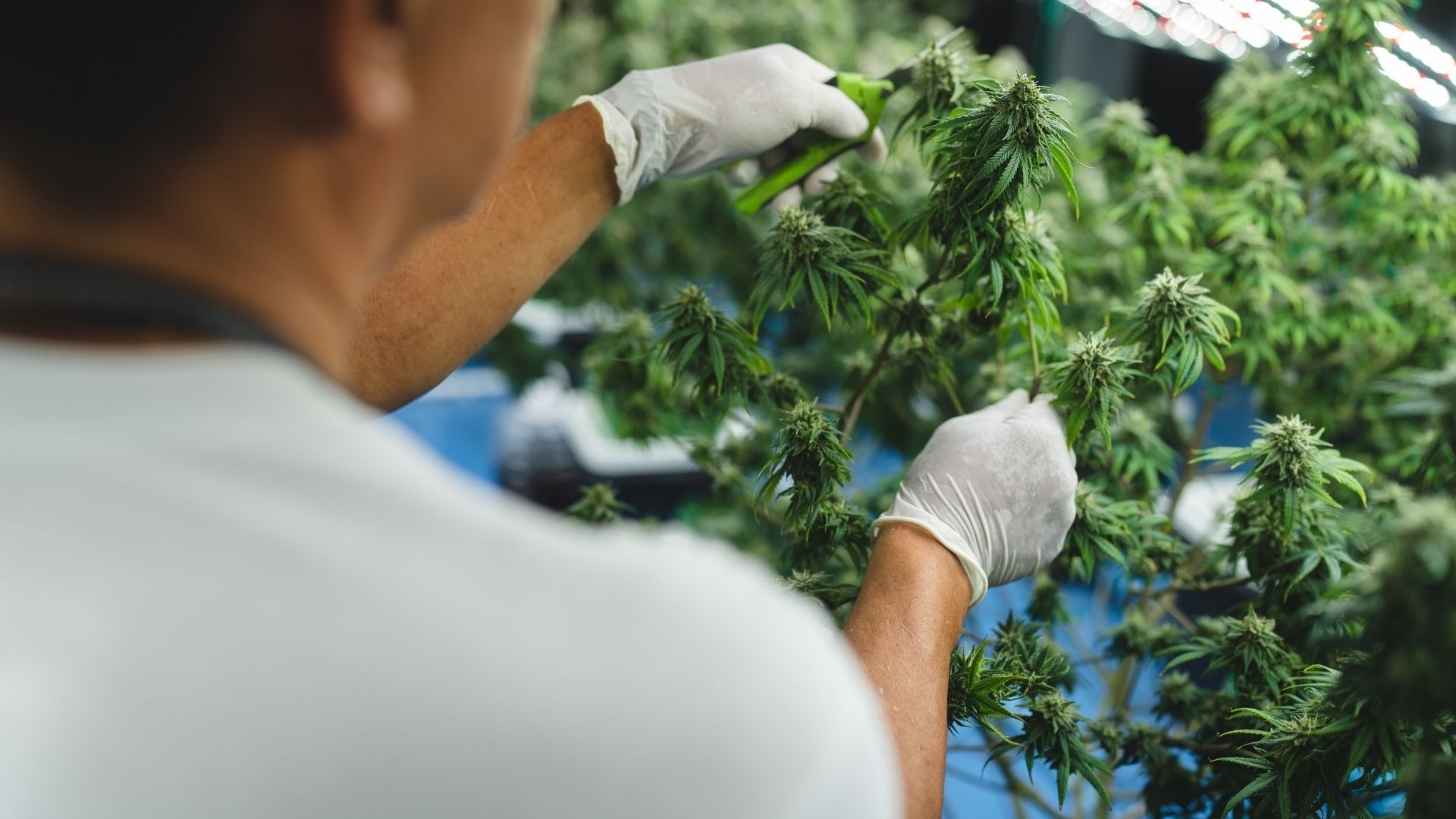
Closing planning gaps requires structured execution, aligned capacity, and visibility across every stage of harvest. These best practices help you protect yield while keeping operations stable as you scale.
1. Centralize Harvest Planning and Execution in One System
When planning lives in one place and execution in another, things slip. A centralized system keeps schedules, tasks, and progress aligned so your team is not guessing what comes next. It brings consistency to how harvests are executed across rooms and cycles.
How to implement:
- Replace spreadsheets and whiteboards with a unified planning system
- Standardize how tasks are created, assigned, and tracked
- Ensure all teams work off the same real-time schedule
Why this matters beyond harvest: This same structure improves coordination across veg, flower, and post-harvest, not just during peak harvest windows.
PlanaCan enables growers to centralize workflows, schedules, and task execution in one platform. Teams can plan harvests, assign work, and track progress in real time without switching between tools. This creates a controlled, repeatable harvest process instead of reactive execution. Schedule a free demo.
2. Align Harvest Timing With Verified Plant Readiness
Harvesting too early or too late is one of the fastest ways to lose value. Fixed calendars do not reflect how plants actually mature, especially across strains and rooms. Verifying readiness ensures you are harvesting at peak potency and weight.
How to implement:
- Use consistent readiness criteria across all rooms
- Conduct pre-harvest checks tied to trichome and plant maturity
- Build flexible harvest windows instead of rigid dates
Why this matters beyond harvest: Better timing improves batch consistency, which directly affects downstream processing and product quality.
3. Forecast Labor Based on Task-Level Demand
Most teams plan labor at a high level, which hides where the real pressure points are. Harvest work is not uniform, and different stages require different skill sets and timing. Breaking labor down by task helps you avoid slowdowns that ripple across the entire harvest.
How to implement:
- Break harvest into discrete tasks (cutting, trimming, transport)
- Estimate labor hours required per task
- Align staffing schedules with peak workload periods
Why this matters beyond harvest: You gain a clearer understanding of labor efficiency across your entire operation, not just during harvest.
4. Sequence Harvest Tasks to Eliminate Downtime
Even with enough staff, poor sequencing creates idle time. When one team finishes early and another is not ready, momentum is lost. Tight sequencing keeps work flowing continuously from cut to cure.
How to implement:
- Map dependencies between harvest tasks
- Stagger team start times based on workflow
- Monitor handoffs between teams to avoid delays
Why this matters beyond harvest: Efficient sequencing increases throughput in trimming, drying, and packaging as well.
5. Match Harvest Volume to Drying and Processing Capacity
Cutting more than you can handle downstream creates immediate risk. Overloaded drying rooms and trimming teams lead to quality issues and avoidable loss. Matching harvest volume to capacity keeps the entire system balanced.
How to implement:
- Calculate drying and processing limits per cycle
- Adjust harvest schedules based on downstream capacity
- Stagger harvests across rooms to balance workload
Why this matters beyond harvest: It protects product quality during drying and curing, where small issues can compound quickly.
6. Build Real-Time Visibility Into Harvest Progress
You cannot fix what you cannot see. Without visibility, delays are only noticed when it is too late to recover. Real-time tracking allows you to step in early and keep harvests on track.
How to implement:
- Track task completion as work happens
- Use dashboards to monitor progress across rooms
- Set alerts for delays or missed steps
Why this matters beyond harvest: It creates accountability across teams and improves execution consistency across all cultivation activities.
PlanaCan gives teams real-time visibility into every harvest task across rooms and shifts. Managers can track progress, identify delays early, and adjust before issues impact yield. Try PlanaCan for free.
7. Create Contingency Plans for Operational Disruptions
Things rarely go exactly as planned during harvest. Staff call out, equipment fails, and plants mature unevenly. Having backup plans in place prevents small issues from turning into major losses.
How to implement:
- Identify high-risk points in the harvest workflow
- Pre-assign backup labor for critical tasks
- Build buffer time into schedules
Why this matters beyond harvest: Strong contingency planning makes your entire operation more resilient, not just during peak periods.
8. Use Post-Harvest Data to Refine Future Planning
If you are not learning from each harvest, you are repeating the same mistakes. Data helps you understand where delays happened and where yield was lost. Over time, this turns harvest planning into a predictable, optimized process.
How to implement:
- Track yield, timing, and labor metrics per harvest
- Identify bottlenecks and inefficiencies
- Adjust future plans based on real performance data
Why this matters beyond harvest: These insights improve decision-making across cultivation cycles, not just at the end of them.
Even with these best practices in place, execution breaks down when systems are not connected or consistently followed. In the next section, we will look at what happens when harvest planning is not systemized and why these gaps continue to persist.
Suggested Read: Ideal Temperature and Humidity for Drying Cannabis
What Happens When Harvest Planning Is Not Systemized?

When harvest planning is not systemized, the issue is not just missed tasks. It is the ripple effect across yield, labor, cost, and consistency. What looks like isolated problems during harvest often turns into long-term operational drag.
The impact shows up quickly once harvest begins in the following ways:
- Yield Becomes Inconsistent Across Cycles: Without a repeatable system, each harvest is executed differently. This leads to unpredictable output, making it harder to forecast revenue and maintain product consistency.
- Cost Per Pound Quietly Increases: Inefficiencies in labor, delays, and rework add up over time. You may not notice it in a single harvest, but margins shrink as operations scale.
- Teams Rely on Individuals Instead of Process: Operations become dependent on a few experienced workers to “hold things together.” When they are unavailable, execution quality drops immediately.
- Harvest Timelines Stretch Without Clear Cause: Without structured tracking, delays are hard to pinpoint. What should take days extends into longer cycles, slowing down turnover and next harvest readiness.
- Scaling Creates More Chaos, Not More Output: Adding more rooms or increasing the canopy does not improve results without systems in place. Instead, complexity increases and inefficiencies multiply.
The impact shows up in your numbers, but also in your day-to-day operations. The question is whether you are noticing it early enough to fix it.
Suggested Read: Understanding Temperature Impact on THC Degradation
6 Signs Your Harvest Planning Is Costing You Yield
Most yield loss shows up as small inefficiencies, inconsistent outcomes, and pressure during harvest that teams start to accept as normal. The signs are there, but they are often misread or ignored.
Table showing common signs that indicate yield loss:
These signals are easy to overlook because they rarely look like clear failures. They show up as patterns that repeat, cycle after cycle, quietly impacting yield, cost, and consistency. The next step is turning that awareness into control. In the next section, we look at how the right cultivation planning software can help.
Suggested Read: 6 Ways to Maximize Cannabis ROI Through Data‑Driven Cultivation
Execute Harvest Planning Without Chaos With PlanaCan
PlanaCan is a cultivation management platform built specifically for commercial cannabis growers who need control at scale. Harvest is not managed through scattered tools and manual coordination. Instead of reacting to issues as they happen, you run harvest as a structured, visible process from start to finish.
Here is what that looks like in practice:
- Automated Workflows That Keep Harvest Moving: PlanaCan helps you automate tasks based on predefined workflows, so nothing is missed and teams stay aligned without constant supervision.
- Centralized Scheduling Across Every Room: With built-in schedule management, you can plan and adjust harvest work across rooms and teams using an interactive calendar accessible on iOS and Android.
- Real-Time Team Coordination Without Noise: Task assignments and updates improve communication across shifts, reducing dependency on verbal instructions and last-minute check-ins.
- End-to-End Harvest Tracking and Reporting: From planning through execution, PlanaCan supports harvest analytics and reporting so every cycle feeds into smarter decisions.
- Scalable Operations Without Added Complexity: Whether you are managing multiple rooms or facilities, PlanaCan keeps workflows consistent so growth does not introduce chaos.
PlanaCan is built for growers who want more than just better planning. It gives you the control to protect yield, reduce crop loss, and turn harvest into a repeatable, high-performance operation.
Conclusion
Harvest planning rarely fails in obvious ways. It breaks through small gaps that compound into missed windows, rising costs, and inconsistent yield. Without structure, even experienced teams fall into reactive execution, where control is lost when it matters most.
PlanaCan brings that control back by connecting planning, scheduling, and execution into one system. With automated workflows, real-time visibility, and structured harvest tracking, you can run every cycle with precision instead of guesswork.
Take control of your harvest before inefficiencies cost you yield. Schedule a free call today.
Frequently Asked Questions
1. How far in advance should commercial growers start harvest planning?
Most large-scale growers begin planning 2–4 weeks before the expected harvest window. This allows enough time to align labor, prepare drying capacity, and adjust schedules based on plant readiness.
2. What is the highest hidden cost during cannabis harvest?
The highest hidden cost is inefficient labor utilization. Idle time, poor task sequencing, and rework can significantly increase cost per pound without being immediately visible.
3. How do multi-room growers coordinate simultaneous harvests?
They stagger harvest schedules based on capacity constraints like labor and drying space. This prevents bottlenecks and ensures each room is processed without compromising quality.
4. What role does technology play in best practices for harvest planning?
Technology helps standardize workflows, automate task assignments, and provide real-time visibility. This reduces manual errors and improves consistency across harvest cycles.
5. How can growers reduce variability in harvest outcomes?
Consistency comes from repeatable workflows, accurate timing, and performance tracking. When each harvest follows a defined process, variability across batches decreases significantly.