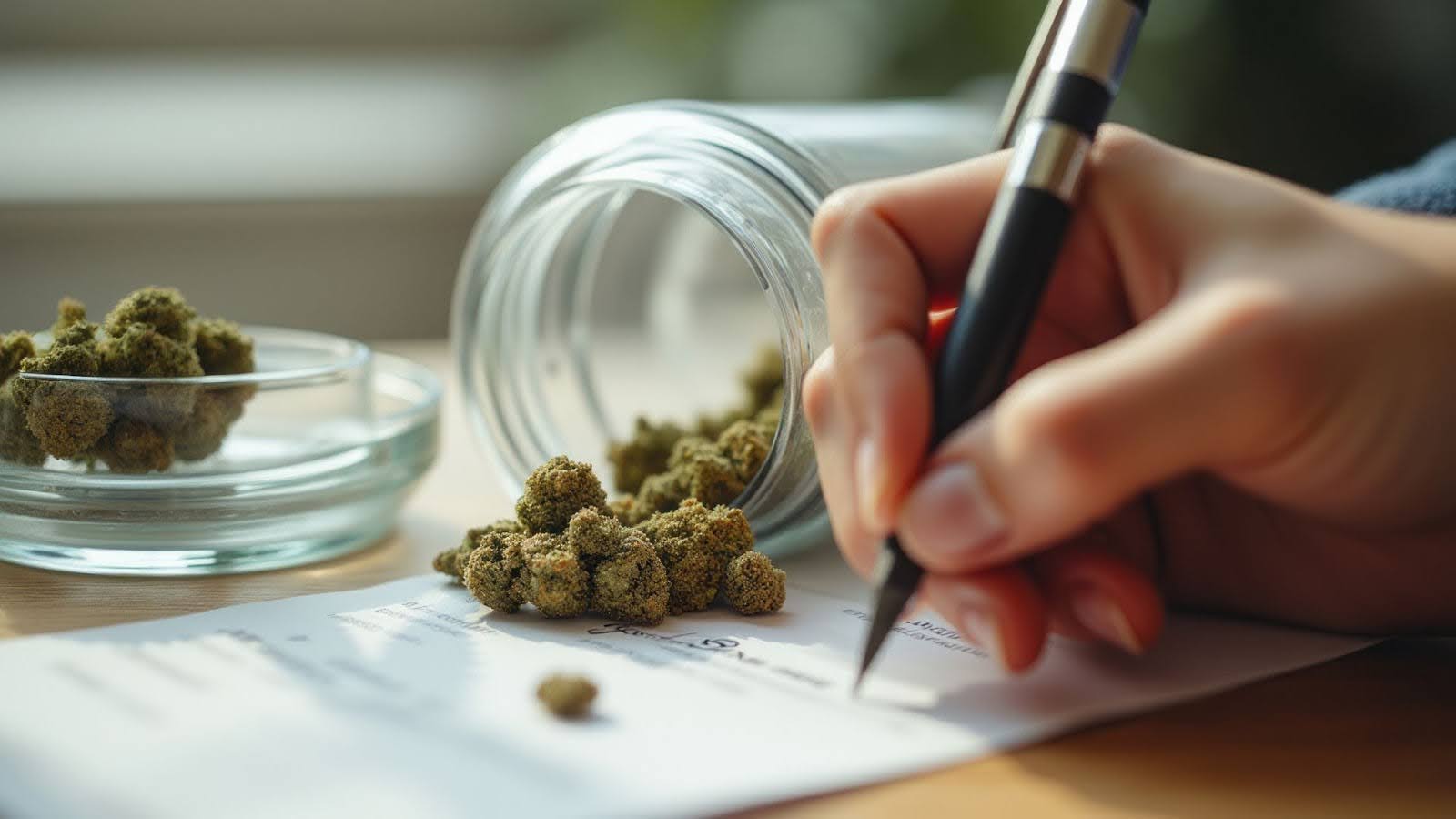
Have you ever noticed that your cannabis plants don’t produce the same strong effects or that the potency changes after drying and curing? One big reason for this could be THC breaking down during storage. You might be wondering: At what temperature does THC start to lose its strength? Or how can I keep my harvest fresh and potent for longer?
Understanding how temperature affects THC will help you preserve the quality and potency of your cannabis buds so you get the best results from your grow. THC, the compound that gives cannabis its effects, can degrade if exposed to heat or improper storage conditions. When THC breaks down, the final product loses its power and quality.
By learning the right storage temperatures and methods, you can protect your harvest from THC degradation and keep your buds fresh and potent. Let’s explore how heat affects THC, what causes it to degrade, and the best ways to store your cannabis so your hard work pays off in every jar.
TL;DR
- THC begins to degrade above 70°F (21°C), especially when combined with light, oxygen, or humidity.
- Over time, THC converts into CBN, which has much weaker psychoactive effects.
- Poor storage conditions, such as using clear jars, storing in warm rooms, or repeated handling, can lead to a loss of potency, aroma, and flavor.
- Decarboxylation uses controlled heat to activate THC; degradation happens with excess heat or long-term exposure.
- Using airtight, UV-protective containers and keeping cannabis cool and dry slows THC breakdown.
What is THC Degradation
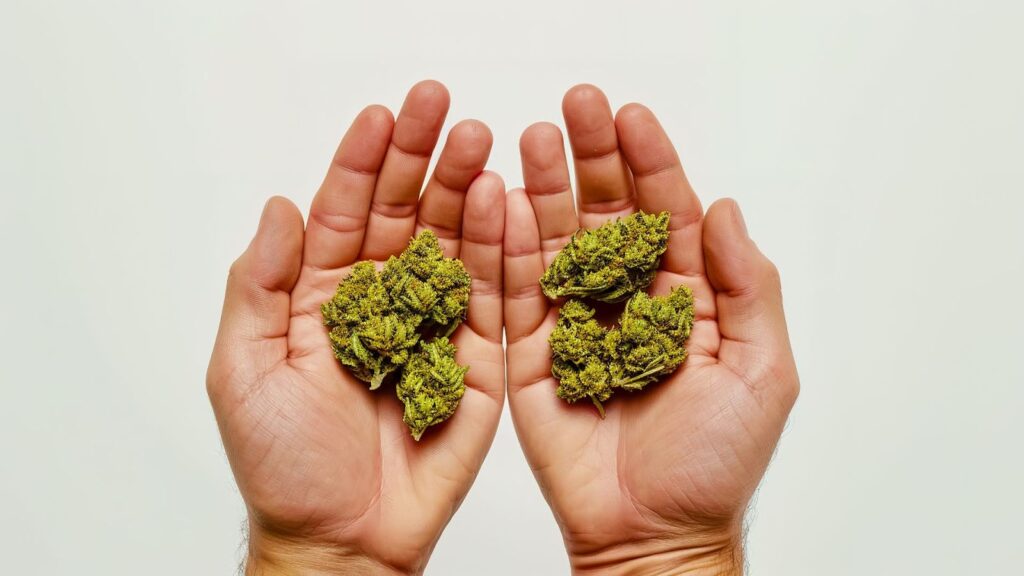
THC degradation is the process where the active compound in cannabis, tetrahydrocannabinol (THC), breaks down over time or due to certain conditions. When you handle, store, or consume cannabis, THC does not stay chemically stable forever. Instead, it gradually changes into other compounds that are less psychoactive or even inactive.
You can think of THC degradation as a natural aging or wearing-down process for cannabis. Factors like exposure to heat, light, oxygen, and time speed up this breakdown. For example, if you leave your cannabis flower out in direct sunlight or store it in a warm place, the THC starts to lose its potency faster.
As THC degrades, it transforms primarily into cannabinol (CBN), which has much milder psychoactive effects. This means if you consume old or improperly stored cannabis, you might notice a weaker high or a different experience than expected.
Understanding THC degradation is important for you if you want to keep your cannabis effective and enjoyable. Proper storage, such as using airtight containers, keeping your cannabis in a cool, dark place, and minimizing exposure to air, helps slow down THC degradation and preserves the quality of your product.
Factors Influencing THC Degradation
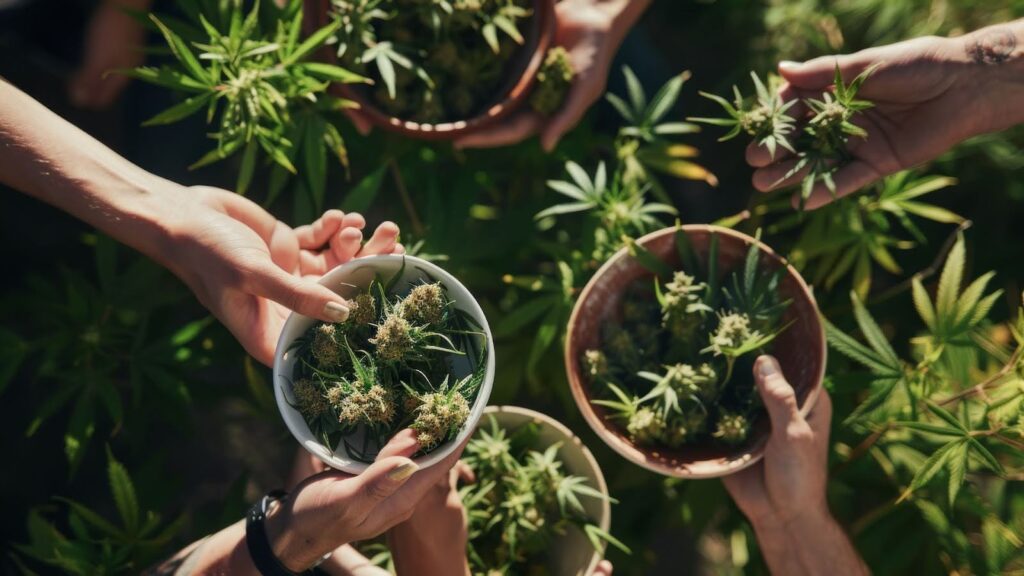
When you handle cannabis or its products, understanding how THC degrades is crucial. THC (tetrahydrocannabinol) is the main psychoactive compound, and its potency can decline over time due to several factors. Being aware of these will help you maintain quality, whether you’re storing, processing, or using cannabis.
1. Exposure to Light: Light, especially ultraviolet (UV) rays, causes THC molecules to break down faster. Prolonged exposure to direct sunlight or bright artificial light accelerates this process, leading to a noticeable decline in potency.
2. Temperature: Higher temperatures speed up the chemical conversion of THC into other compounds. Fluctuations in temperature, especially heat spikes, can cause THC to degrade more rapidly, reducing the overall psychoactive effects.
3. Oxygen (Oxidation): Exposure to oxygen causes THC to oxidize, breaking it down into different compounds, such as cannabinol (CBN). This oxidation process alters the chemical structure of THC and diminishes its psychoactive properties over time.
4. Humidity Levels: Both excessive moisture and very dry conditions contribute to faster THC degradation. High humidity can promote mold and microbial growth, while overly dry environments cause the cannabis to become brittle, affecting the stability of THC.
5. Time: THC naturally decreases in potency as time passes, even without significant exposure to damaging elements. The longer cannabis is stored, the more THC content gradually diminishes due to natural chemical breakdown.
6. Processing and Handling: Grinding, heating, and physical handling increase THC exposure to air, light, and heat. These actions enlarge the surface area exposed to degrading factors, accelerating the breakdown of THC molecules and lowering overall potency.
So, how do you identify THC degradation in your cannabis plant? Let us discuss below.
How to Identify THC Degradation
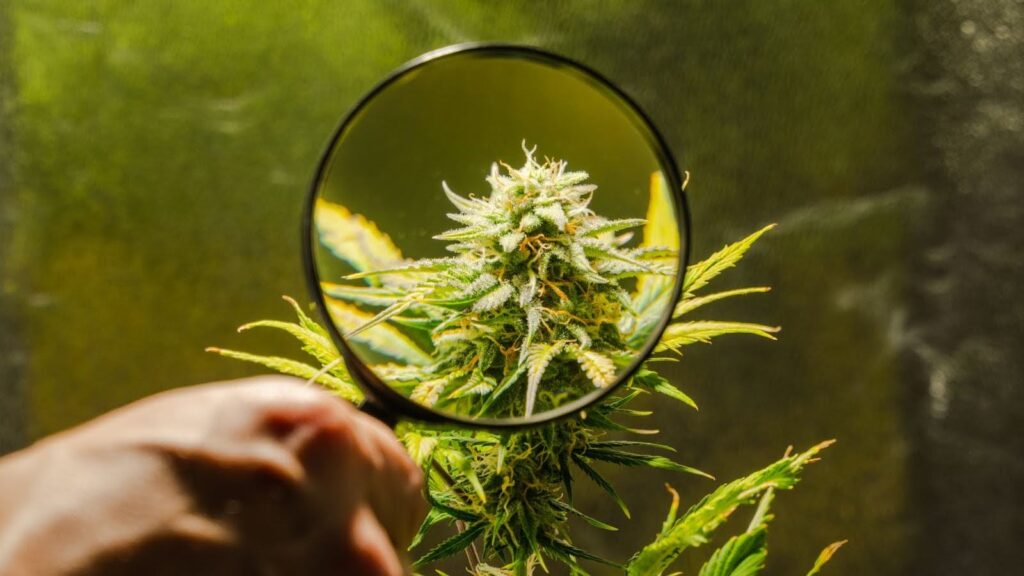
Even if your grow operation produces healthy, high-THC plants, potency can decline after harvest if storage, handling, or processing conditions are off. THC degrades naturally over time. As a grower, you need to recognize early signs to maintain product quality and protect your reputation. Here’s what to look out for:
1. Trichome Discoloration: Check trichomes closely during late flower and post-harvest. Clear trichomes turning cloudy or amber is expected as the plant matures. But after curing, too much ambering may indicate THC degradation. If buds show uneven trichome color or dull resin heads during storage, breakdown is likely happening.
2. Faded or Off-Color Buds: Properly cured cannabis should hold its green, purple, or strain-specific tones. If the buds start browning, yellowing, or looking generally dull, oxidation has likely started.
3. Loss of Aroma: If the terpene profile fades quickly after curing or shifts to a flat, musty, or hay-like smell, something is off. Terpenes often degrade before THC does. A loss of fragrance is an early indication that potency and quality are declining.
4. Brittle or Overly Dry Texture: Cured buds should have a slight bounce and retain moisture without feeling wet. If they crumble too easily or feel bone dry, the moisture content has dropped too far. This speeds up THC breakdown and often results from low humidity or over-drying during cure.
5.Weaker Potency Reports: If your flower consistently tests lower than expected in THC, even with good genetics and environmental control, degradation after harvest might be the reason. Lab results showing elevated CBN levels can confirm that THC is breaking down post-cure or during storage.
6. Sticky Resin Loss: High-quality flower should still feel tacky to the touch. If buds lose that stickiness and feel powdery or dusty, the resin glands may have dried out or oxidized. This often results from too much airflow or warm storage conditions.
7. Visible Changes in Extracts: When working with oils or concentrates, keep an eye on clarity and consistency. THC degradation can cause extracts to darken, separate, or become cloudy. These changes often result from exposure to light, air, or temperature swings during storage.
So, how does temperature affect THC degradation? Let us discuss that below.
How Temperature Affects THC Degradation
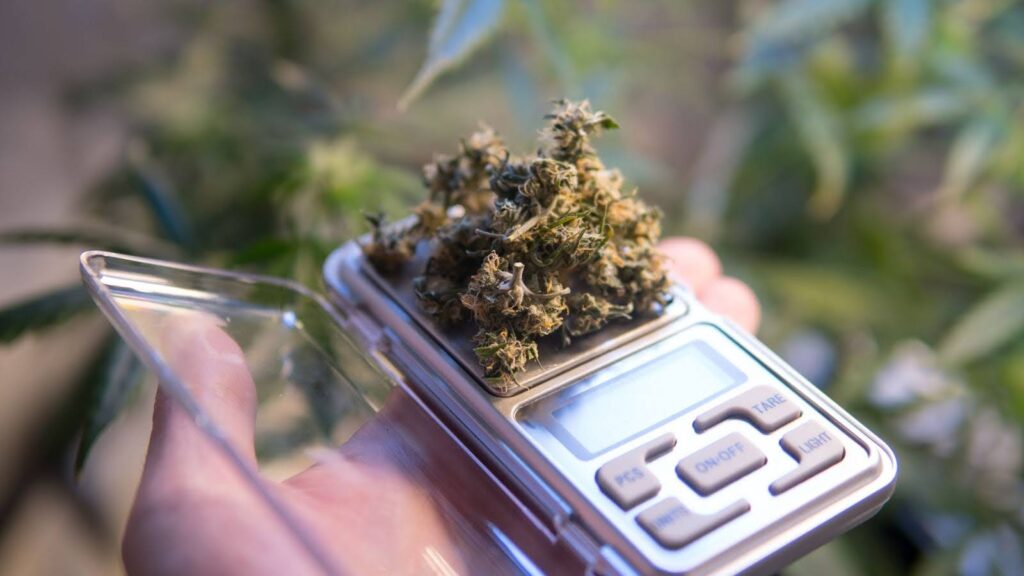
Understanding exactly how temperature impacts THC will help you preserve the potency and quality of your cannabis. Here’s the breakdown:
1. Heat Causes THC to Break Down Chemically
As a grower, you should know that exposing your cannabis to high temperatures causes THC molecules to break down chemically. Heat changes THC’s structure, turning it into compounds like CBN that have weaker or no psychoactive effects. This means heat exposure during drying, curing, or storage can reduce the potency of your final product.
To Fix: Store your cannabis away from high heat sources and avoid overheating during drying or curing. Use temperature-controlled environments to keep heat exposure minimal.
2. Temperature Determines the Speed of Degradation
The rate at which THC degrades depends on temperature. If you store harvested cannabis in environments hotter than about 150°C (300°F), THC will degrade rapidly. Even during drying and curing, temperatures that are too high speed up THC loss. Cooler temperatures slow degradation, helping you maintain potency longer.
To Fix: Maintain storage and processing temperatures at a low and stable level, ideally below 70°F (21°C) during storage, and closely monitor temperatures during drying and curing.
3. Controlled Heat Activates THC, but Excess Heat Destroys It
You need controlled heat during processing to activate THC. For example, during decarboxylation or curing, heating cannabis to around 105°C (220°F) converts THCA into active THC. But overheating beyond this point can destroy THC. Managing temperature carefully during post-harvest steps is key to maximizing potency.
To Fix: Use precise temperature controls during decarboxylation and curing to activate THC without overheating.
4. Repeated or Prolonged Heat Exposure Accelerates Loss
Every time cannabis is exposed to heat, THC breaks down. For growers, this means avoiding excessive heat exposure during trimming, drying, curing, and storage. Repeated or prolonged heat exposure causes cumulative THC loss, which can significantly reduce the quality of your product.
To Fix: Minimize handling and avoid exposing cannabis to heat multiple times during post-harvest processes.
PlanaCan helps you stay organized with a clear visual timeline. You can plan months ahead, manage daily tasks, and adjust as needed. Since everything’s in one place, your team always knows what needs to be done, keeping the process smooth and your product in top shape.
5. Heat and Humidity Together Speed Up THC Breakdown
Maintaining proper humidity during drying and curing is critical. High humidity combined with heat encourages faster THC degradation and can also lead to mold growth. Keeping humidity balanced, typically around 60-65% during curing, and controlling temperature helps protect THC content.
To Fix: Use hygrometers to monitor humidity and adjust environmental controls to maintain a stable, balanced humidity level alongside temperature management.
6. Flash Heating vs. Prolonged Heat Exposure
Quick heat bursts, such as those during vaporization by the end user, do not directly affect your crop, but prolonged heat exposure during drying or storage damages THC. As a grower, you must avoid storing cannabis near heat sources or in direct sunlight, which causes gradual potency loss over time.
To Fix: Always store cannabis in dark, cool places away from heat sources and sunlight to prevent gradual THC degradation.
7. Heat-Induced Changes to Terpenes and Other Cannabinoids
Temperature not only affects THC but also impacts terpenes and other cannabinoids. Terpenes are delicate and evaporate easily at higher temperatures, changing aroma and flavor profiles. Since terpenes contribute to the unique effects and appeal of your cannabis, controlling temperature throughout the process preserves these valuable compounds.
To Fix: Maintain low temperatures during drying and storage to preserve terpenes and cannabinoid profiles.
8. Packaging and Temperature Interactions
Once your cannabis is harvested and cured, packaging plays a vital role in protecting it from temperature fluctuations. Using airtight, opaque containers keeps heat and light from accelerating THC degradation. For growers preparing product for sale or storage, investing in proper packaging can maintain potency and quality longer.
To Fix: Choose high-quality, airtight, UV-protective containers to protect your cannabis from heat and light damage during storage.
9. Freeze and THC Stability
Freezing can be an effective method for long-term storage of cannabis flower or concentrates by slowing THC degradation. However, you should avoid frequent freezing and thawing cycles, which can physically damage trichomes and reduce potency. Proper freezing methods help preserve the quality of your product for extended periods.
To Fix: Freeze cannabis in airtight, moisture-proof packaging and avoid repeated freeze-thaw cycles to maintain trichome integrity and potency.
To better understand THC degradation, let's discuss the differences between decarboxylation and degradation below.
Decarboxylation vs. Degradation
When you work with cannabis or any cannabinoid-rich material, understanding decarboxylation and degradation is crucial. Both processes affect the chemical composition and potency of your product, but they are very different. Here’s how to distinguish between them:
What is Decarboxylation?
This is a chemical reaction where cannabinoid acids, like THCA and CBDA, lose a carboxyl group (CO₂) when exposed to heat or time. This converts them into their active forms, THC and CBD, which interact with your body’s endocannabinoid system.
What Happens: When you apply controlled heat (like baking or vaping), you trigger decarboxylation. This activates cannabinoids by removing CO₂, turning non-psychoactive THCA into psychoactive THC, or CBDA into CBD. You want this process to unlock the full therapeutic or recreational benefits of your cannabis.
What is Degradation?
This refers to the breakdown or deterioration of cannabinoids and terpenes due to factors like heat, light, oxygen, or age. This process reduces the quality and potency of your cannabis product by transforming active compounds into less effective or inactive ones.
What Happens: When your cannabis or extract is exposed to excessive heat, oxygen, light, or stored improperly over time, degradation occurs. This breaks down cannabinoids and terpenes into weaker compounds. For example, THC can degrade into CBN, which has less of a psychoactive effect. The overall potency, flavor, and aroma decrease, which harms product quality.
Here is a table of differences between degradation and decarboxylation below:
Aspect
Decarboxylation
Degradation
Definition
Removes CO₂ to activate cannabinoids
Breaks down cannabinoids and terpenes
What Happens
Converts THCA/CBDA into active THC/CBD
Converts THC/terpenes into weaker compounds
Effect on Potency
Increases potency
Decreases potency
Cause
Controlled heat or time
Excess heat, light, oxygen, or age
Temperature
100–140°C (212–284°F)
Higher or uncontrolled temperatures
Time
Specific heating duration (30–60 min)
Happens gradually over time
Effect on Terpenes
Some terpene loss if overheated
Significant terpene loss
Reversibility
Irreversible chemical change
Usually irreversible damage
Now, let us discuss the tips to minimize THC degradation in your cannabis plant.
Tips to Minimize THC Degradation
THC, the compound responsible for the psychoactive effects, breaks down over time due to factors like heat, light, oxygen, and improper storage. To help you maintain your product’s strength and experience, here are some practical tips you can follow:
1. Store Your Cannabis Properly: You should keep your cannabis in a cool, dark place. Exposure to heat and light speeds up THC degradation, so avoid storing it near windows, radiators, or any warm spots. Using airtight, opaque containers helps reduce light exposure and prevents oxygen from breaking down THC.
2. Control the Temperature: Aim to store your cannabis at a stable, cool temperature, ideally between 60°F and 70°F (15°C to 21°C). Excessive heat causes THC to convert into CBN, a less psychoactive compound. If you live in a hot climate, consider using a refrigerator or a specialized storage container to maintain consistent temperatures.
3. Limit Oxygen Exposure: Oxygen interacts with THC, breaking it down over time. You can minimize this by using airtight containers and avoiding the frequent opening of your storage jars. Vacuum-sealing your cannabis can also help extend its shelf life by limiting oxygen exposure.
4. Avoid Excessive Handling: Every time you handle your cannabis, you risk damaging the trichomes, the tiny crystals that contain THC and other cannabinoids. Handle your product gently and use tools like grinders with care to prevent unnecessary damage and loss.
5. Use Humidity Packs: Maintaining the right humidity level, around 55 to 62 percent, helps preserve cannabinoids and terpenes while preventing mold. Humidity packs designed for cannabis can keep your stash fresh and reduce THC degradation caused by overly dry or moist environments.
To understand how humidity and other factors affect your results, PlanaCan makes it easy to track and learn from each harvest. It logs every cultivation decision and how it impacts your final yield, all in one place. Over time, you can spot what’s working, avoid past missteps, and fine-tune your process to improve both yield and quality.
6. Freeze for Long-Term Storage: If you plan to store cannabis for months or even years, freezing it can slow down THC degradation significantly. Make sure to use airtight, moisture-proof packaging before freezing to prevent freezer burn and moisture damage.
7. Choose Quality Packaging: Invest in containers that block UV light and provide a good seal. Glass jars with UV protection and silicone gaskets work better than plastic bags, which can let in light and air and accelerate THC breakdown.
Conclusion
Temperature plays a crucial role in THC degradation, and controlling heat is essential to preserve your cannabis potency. Understanding how temperature affects THC breakdown helps you make smarter storage choices, ensuring your cannabis delivers consistent effects every time. Avoid letting heat, light, and poor storage diminish the potency of your stash.
Managing these details manually can quickly become overwhelming. That’s where PlanaCan comes in. With PlanaCan’s intuitive platform, you can monitor environmental factors like temperature, organize storage best practices, and track your cannabis quality effortlessly. Its real-time alerts, data tracking, and workflow tools help you maintain optimal conditions and protect your crop’s value.
Ready to take control and keep your cannabis at peak potency? Schedule a free call today and discover how PlanaCan can simplify your storage and cultivation
FAQs
1. At what temperature does THC start to degrade?
Ans. THC begins degrading at around 70°C (158°F), but the rate increases significantly above 85 to 100°C (185 to 212°F). At these levels, THC breaks down into CBN, a cannabinoid that has more sedative and less psychoactive effects. This is why prolonged exposure to high heat during drying, decarbing, or vaping can reduce potency if not managed carefully.
2. How does temperature during storage affect THC potency?
Ans. THC is sensitive to both heat and light. If cannabis is stored in a warm environment above 25°C (77°F), you may notice potency loss within a few months. The ideal storage temperature is below 20°C (68°F) in a cool, dark, airtight container. Under these conditions, THC can retain most of its strength for up to a year.
3. Can freezing cannabis help preserve THC levels?
Ans. Freezing cannabis is effective for long-term storage because it slows chemical degradation and helps preserve cannabinoids and terpenes. However, frozen trichomes become fragile and can break off easily. To protect potency, use airtight containers and minimize handling after freezing.
4. Does high temperature during drying and curing lead to THC loss?
Ans. Yes. Drying or curing at temperatures above 24°C (75°F) can accelerate THC degradation and cause terpene evaporation. The ideal drying range is 18 to 21°C (65 to 70°F), with humidity levels of around 50 to 60 percent. Curing should be done at similar temperatures using airtight containers to preserve potency and flavor.
5. How long can THC remain potent under proper storage conditions?
Ans. When cannabis is stored correctly away from heat, light, and moisture, THC remains stable for 6 to 12 months. After a year, slight degradation may occur. If kept below 20°C (68°F) in an airtight container, most of the original potency can be preserved for over a year.