One missed task can quietly ruin an entire grow. A skipped nutrient adjustment, a delayed pruning session, or inconsistent lighting can snowball into lower yields and uneven quality. And the reality is, most growers are still juggling notes, memory, and scattered systems to keep operations on track.
That risk only grows as competition intensifies. The global cannabis cultivation market is projected to reach nearly USD 3,303.35 billion by 2035, raising the stakes for consistency and performance. In this environment, relying on memory is not enough.
A structured cannabis grow checklist brings control back into the process. In this article, we break down a complete, stage-by-stage checklist to help you manage your grow from setup to harvest with confidence.
In a nutshell:
- Checklists drive consistency across cycles. They ensure tasks are performed in the right sequence, reducing variability in plant growth, yield, and quality outcomes.
- Customization improves performance. A cannabis grow checklist should adapt to strain, environment, and facility setup for better alignment with real cultivation conditions.
- Digital tracking increases visibility. Using structured systems helps teams monitor execution, update processes easily, and maintain accountability across operations.
- Standardization supports scaling. As operations grow, checklists help maintain uniform practices across rooms, batches, and larger teams.
- Continuous refinement strengthens results. Reviewing past cycles and updating the cannabis grow checklist helps improve efficiency, reduce errors, and optimize long-term yields.
Benefits of Using a Cannabis Grow Checklist in Commercial Cultivation
In commercial cultivation, consistency is what separates average output from reliable, repeatable yields. When teams rely on memory or scattered tracking methods, small execution gaps start to add up. A structured checklist removes that uncertainty by turning every stage of the growth into a controlled, repeatable process.
These are a few other benefits:
- Improves Operational Consistency: Standardizes every task across rooms, batches, and cycles so nothing is left to interpretation.
- Reduces Missed or Delayed Tasks: Ensures that critical actions such as feeding, pruning, and environmental adjustments are completed on time.
- Enhances Team Accountability: Clearly assigns ownership, so every task has a responsible person and a visible status.
- Supports Better Yield Outcomes: Consistent execution directly impacts plant health, quality, and final output.
- Simplifies Training and Scaling: New team members can follow structured workflows without relying on tribal knowledge.
- Enables Data-Driven Improvements: Checklists create a record of actions taken, making it easier to refine processes over time.
With these benefits in place, the next question becomes practical: what exactly should a checklist include, and how does it differ between grow environments? This is covered in the next section.
Suggested Read: Cannabis Growing Calendar: Stages and Timeline
What Does an Indoor/Outdoor Cannabis Grow Checklist Cover?
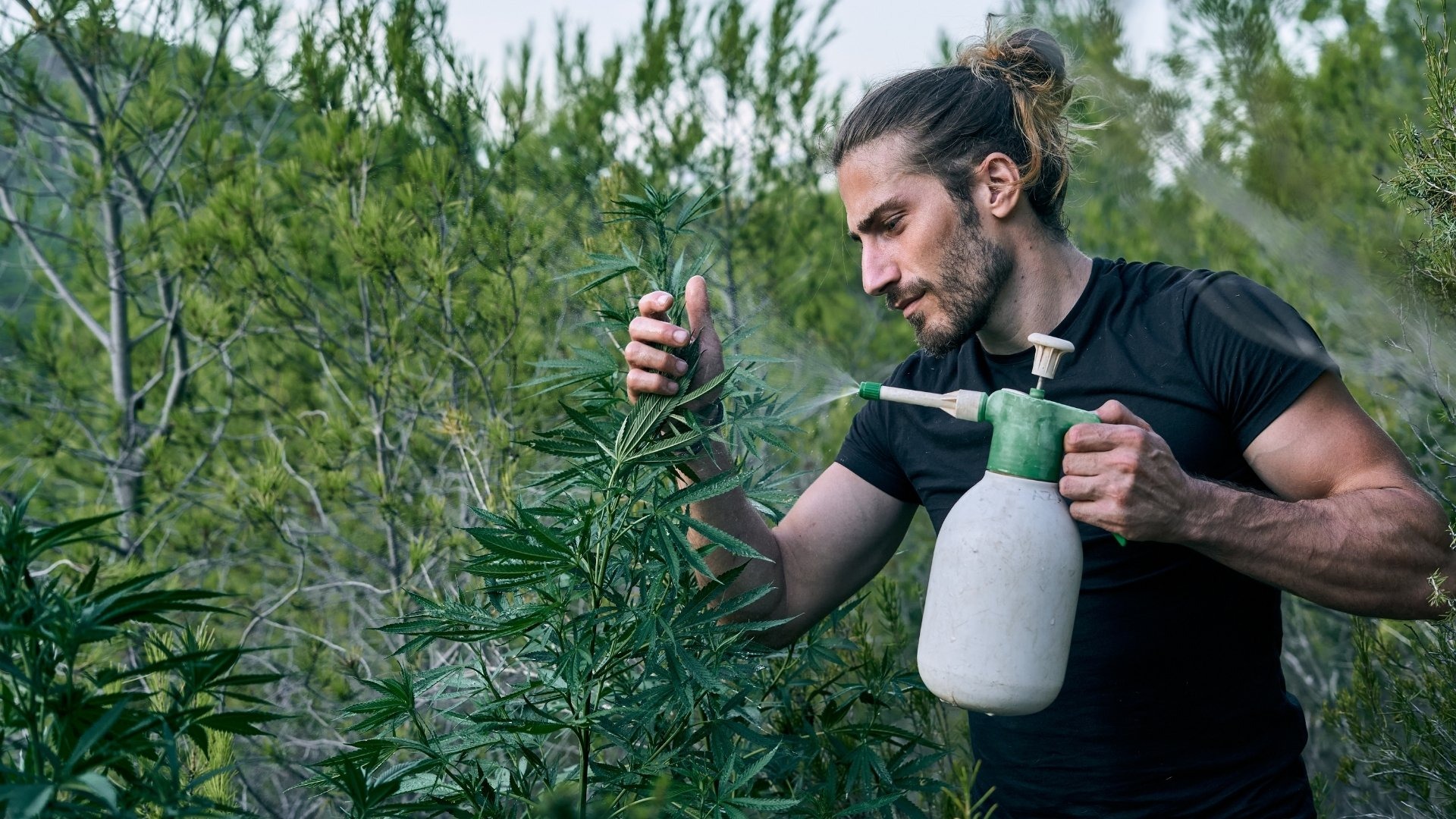
While the core stages of cannabis cultivation remain the same, the way you manage them can differ significantly between indoor and outdoor grows. Indoor environments demand tighter control and precision, while outdoor crops rely more on timing, climate awareness, and adaptability.
A well-structured checklist accounts for both by including:
- Environment Setup: Lighting, temperature, humidity, airflow (indoor) vs. site selection, soil quality, and weather patterns (outdoor).
- Genetics & Propagation: Seed selection, cloning processes, and strain-specific requirements.
- Nutrient & Water Management: Feeding schedules, irrigation systems, and monitoring plant response.
- Vegetative Growth Tasks: Pruning, training, spacing, and growth tracking.
- Pest & Disease Control: Preventive measures, routine inspections, and treatment protocols.
- Flowering Stage Management: Light cycles (indoor), seasonal timing (outdoor), and tracking bud development.
- Harvest Timing & Execution: Monitoring plant maturity, scheduling harvests, and labor planning.
- Post-Harvest Processes: Drying, curing, storage, and quality checks.
Managing all of this manually can quickly become overwhelming, especially at scale. PlanaCan helps bring structure to daily operations. By turning these checklist items into scheduled, trackable workflows, it ensures consistency from setup to harvest without relying on memory. Schedule a free demo.
Pre-Grow Setup Checklist for Commercial Growers
Pre-grow setup is where most preventable issues either get eliminated or quietly introduced. If your environment, systems, and planning are not aligned from day one, no amount of correction later can fully recover lost potential.
This checklist not only outlines what needs to be done but also highlights why each task matters. This is so your team understands the importance behind every action, not just the action itself.
Checklist to set up the grow before planting:
Even with a strong setup, execution is what determines outcomes. Once your growth is live, consistency in daily and weekly tasks becomes critical.
You need to:
- Validate environmental readings daily before introducing plants to ensure stability is maintained.
- Align team schedules with task timelines so no activity is delayed once the growth begins.
- Document baseline conditions to track performance across the cycle.
- Confirm all tools, nutrients, and supplies are readily available to avoid mid-cycle disruptions.
Outcomes depend on how consistently tasks are carried out once plants enter the grow cycle. In the next section, we break down the vegetative stage checklist that keeps growth uniform, healthy, and on track for strong yields.
Suggested Read: How to Reduce Crop Variability in Cannabis Cultivation
Vegetative Stage Checklist for Consistent Yields in Cannabis Crop
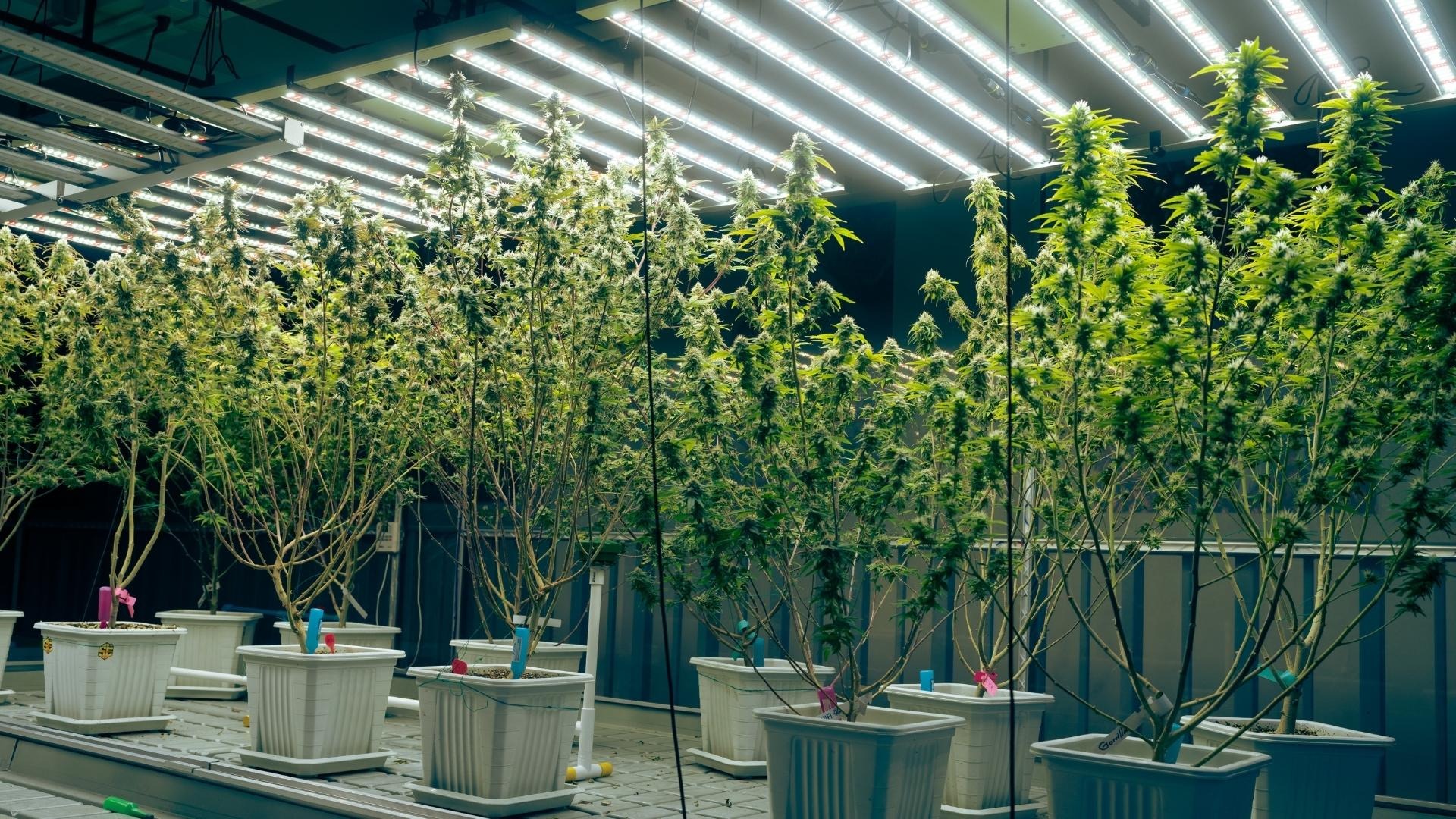
This stage is where plant structure, strength, and future yield potential are built. Small inconsistencies during this phase can lead to uneven canopies, weaker plants, and reduced harvest output.
This checklist is designed for daily and weekly execution during the vegetative phase, ensuring plants grow evenly, remain healthy, and are prepared for a smooth transition into flowering.
Checklist to complete tasks during the cannabis vegetative stage:
Yield outcomes depend on how well plants transition into the next phase. In the next section, we cover the flowering stage checklist to help you maximize bud development and overall output.
Suggested Read: 9 Environmental Factors That Affect Your Cannabis Growth
Flowering Stage Checklist for Optimal Cannabis Bud Development
The flowering stage is where all prior effort translates into measurable output. Bud development, potency, and final yield are determined here, and even small missteps can directly impact quality.
This checklist is built for daily monitoring and timely adjustments during flowering, helping teams maintain control over plant health, bud growth, and environmental stability.
Checklist to make sure the plants receive the right care to maximize bud formation:
Strong flowering outcomes depend on precision and timing. Delays or inconsistencies at this stage can reduce both yield and quality, even if earlier stages were well managed.
You need to:
- Monitor humidity closely as buds develop to avoid mold and mildew risks.
- Adjust nutrients gradually to match plant needs without causing stress.
- Ensure even light distribution across the canopy to prevent uneven bud growth.
- Track trichome development consistently to avoid premature or delayed harvest.
PlanaCan helps teams turn these tasks into structured, trackable workflows, ensuring nothing is missed during this high-stakes phase. With scheduled actions, real-time visibility, and consistent execution, growers can maintain control and maximize bud quality and yield. Try PlanaCan for free.
Harvest Checklist for High-Quality Cannabis Production
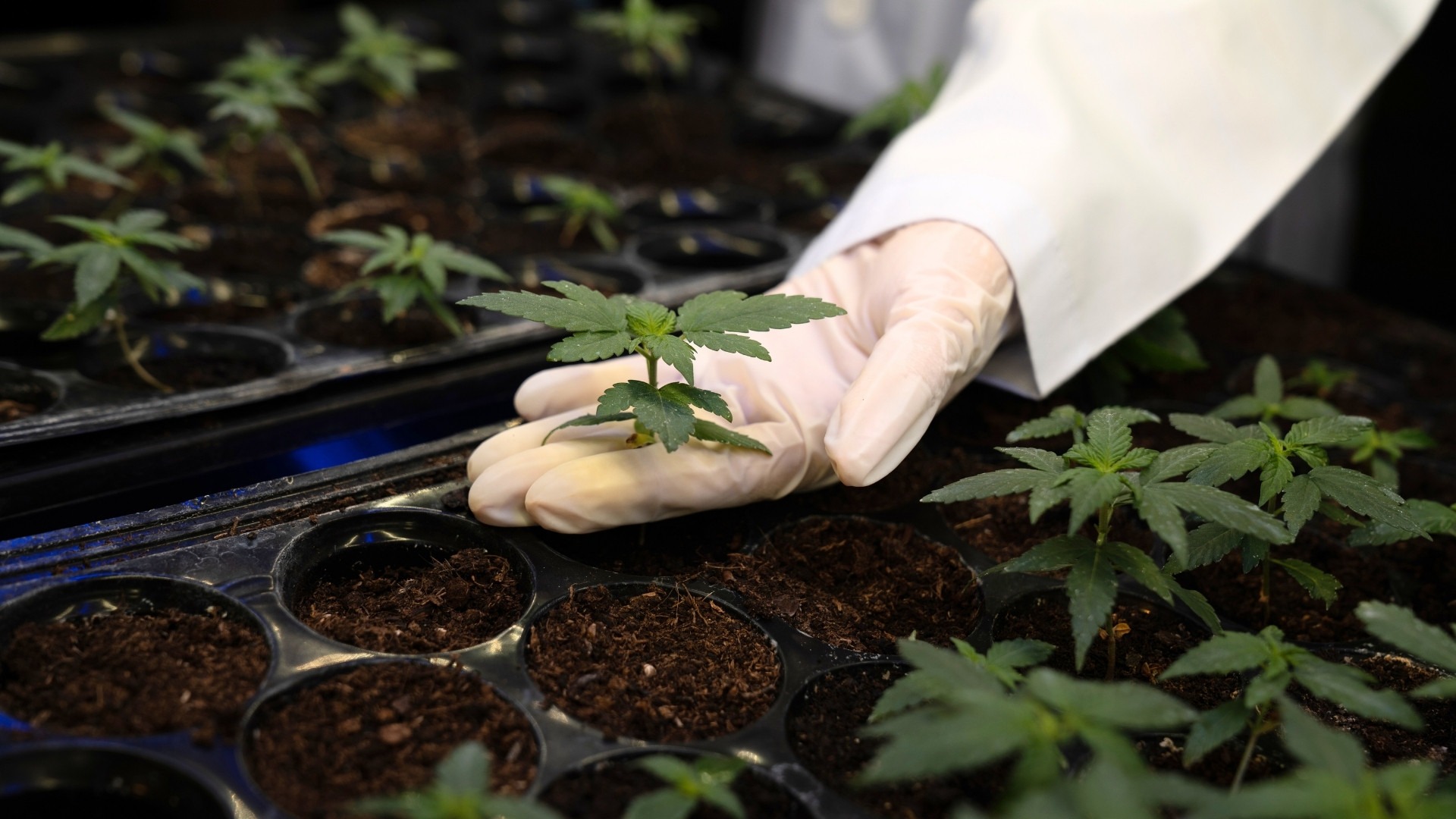
Harvest is where all cultivation efforts are realized. Timing, handling, and coordination during this stage directly impact potency, appearance, and overall product value. Even a well-grown crop can lose quality if harvest is rushed, delayed, or poorly executed.
This checklist is designed to guide teams through harvest readiness, execution, and immediate post-cut handling to maintain consistency and product integrity.
Checklist to make sure your team harvests at the right time:
Harvest execution determines how much of your potential yield actually translates into usable, high-quality product. Precision and coordination are critical at every step.
You should:
- Harvest in stages if needed to ensure all plants are cut at peak maturity.
- Handle buds gently throughout the process to preserve structure and trichomes.
- Avoid delays between cutting and drying to maintain freshness and prevent spoilage.
- Maintain clear labeling and tracking to prevent mix-ups and ensure compliance.
Once harvest is complete, the work is not over. In the next section, we cover a post-harvest and reset checklist to help you preserve quality and prepare your grow for the next run.
Suggested Read: Effective Tips to Grow Butterfly Weed
Post-Harvest and Reset Checklist for Next Cycle Readiness
Mistakes during drying, curing, or cleanup can impact final output just as much as errors during cultivation. A structured post-harvest and reset checklist ensures quality is maintained while setting up the next grow for success.
This checklist focuses on stabilizing harvested product, restoring the growing environment, and preparing systems and teams for the next cycle.
Post-harvest checklist:
Without a structured system, important details from one cycle can easily be lost before the next begins. Having clear visibility and organized workflows across stages becomes necessary to maintain consistency over time, as discussed in the next section.
Suggested Read: Weed Crop Management: Causes, Control, and Sustainable Practices
Turn Your Checklist Into a Repeatable System with PlanaCan

PlanaCan is a cultivation management platform designed to help growers plan, track, and execute every stage of the grow cycle in one place. Instead of relying on static documents or disconnected tools, it brings daily operations into a structured, centralized system.
Checklists are only effective when they are consistently followed, updated, and visible across the team. PlanaCan helps convert static checklists into dynamic workflows that can automate work, optimize schedule management, improve communications, and generate actionable analytics.
Core features include:
- Interactive Calendar for Schedule Management
PlanaCan provides an interactive calendar that maps out all cultivation activities across rooms, batches, and stages. This improves schedule management by giving teams a clear, real-time view of what needs to be done and when. It helps prevent missed tasks and ensures alignment across the entire operation. - Templates for Standardized Workflows
Growers can create and reuse templates for different strains, grow cycles, and processes. These templates help automate work by turning repeatable tasks into structured workflows that can be deployed instantly. This ensures consistency across cycles without rebuilding plans from scratch. - Task Tracking and Team Communications
Tasks can be assigned, tracked, and updated in real time, giving full visibility into execution. Built-in communications ensure that teams stay aligned without relying on external tools or verbal updates. This reduces confusion and improves accountability across daily operations. - Harvest Reporting and Performance Insights
PlanaCan enables detailed harvest reporting, allowing growers to track yields, timelines, and outcomes. These insights feed into analytics that help identify what is working and where improvements are needed. Over time, this supports more informed decision-making and better yield optimization. - Mobile Access with iOS and Android Apps
With dedicated apps for both iOS and Android, teams can manage tasks directly from the growth floor. This ensures updates happen in real time, improving both communications and execution accuracy. It also reduces delays caused by manual data entry or end-of-day reporting.
PlanaCan is built specifically for the realities of commercial cultivation, where consistency and timing directly impact outcomes. It brings structure to complex operations without adding unnecessary complexity. For growers looking to scale and improve performance, it provides a system designed around how cultivation actually works.
Conclusion
Using the wrong checklist, or not using one at all, creates blind spots in day-to-day operations. Tasks may be completed, but not in the right sequence, at the right time, or with the same standards across the team. Without a clear, well-structured checklist to guide execution, maintaining consistency across cycles becomes difficult, and outcomes start to vary.
PlanaCan helps bring structure and consistency to every stage of the growth cycle. By turning checklists into trackable workflows, it enables teams to stay aligned, maintain control, and continuously improve outcomes across cycles.
If you are looking to bring more consistency and visibility into your cultivation process, it is worth exploring how PlanaCan fits into your workflow. Schedule a free call today.
Frequently Asked Questions
1. How often should a cannabis grow checklist be updated?
A cannabis grow checklist should be updated after each cycle based on performance data, observed issues, and process improvements. This ensures it stays relevant to evolving conditions, strains, and operational goals.
2. Who is responsible for maintaining a cannabis grow checklist in a commercial setup?
Typically, cultivation managers or lead growers maintain the cannabis grow checklist. However, inputs from technicians and team members are essential to ensure it reflects real, day-to-day operational needs.
3. Can a cannabis grow checklist vary by strain?
Yes, different strains have unique growth patterns, nutrient needs, and flowering timelines. A cannabis grow checklist should be customized or templated to reflect these strain-specific requirements for better consistency.
4. What happens if teams do not follow a standardized growth checklist?
Without a standardized approach, teams may complete tasks inconsistently, leading to variability in plant health and yield. This makes it difficult to replicate successful outcomes across batches and cycles.
5. Should cannabis grow checklists be digital or manual?
Digital checklists offer better visibility, tracking, and accountability across teams. They also make it easier to update processes, monitor completion, and integrate data for continuous improvement.