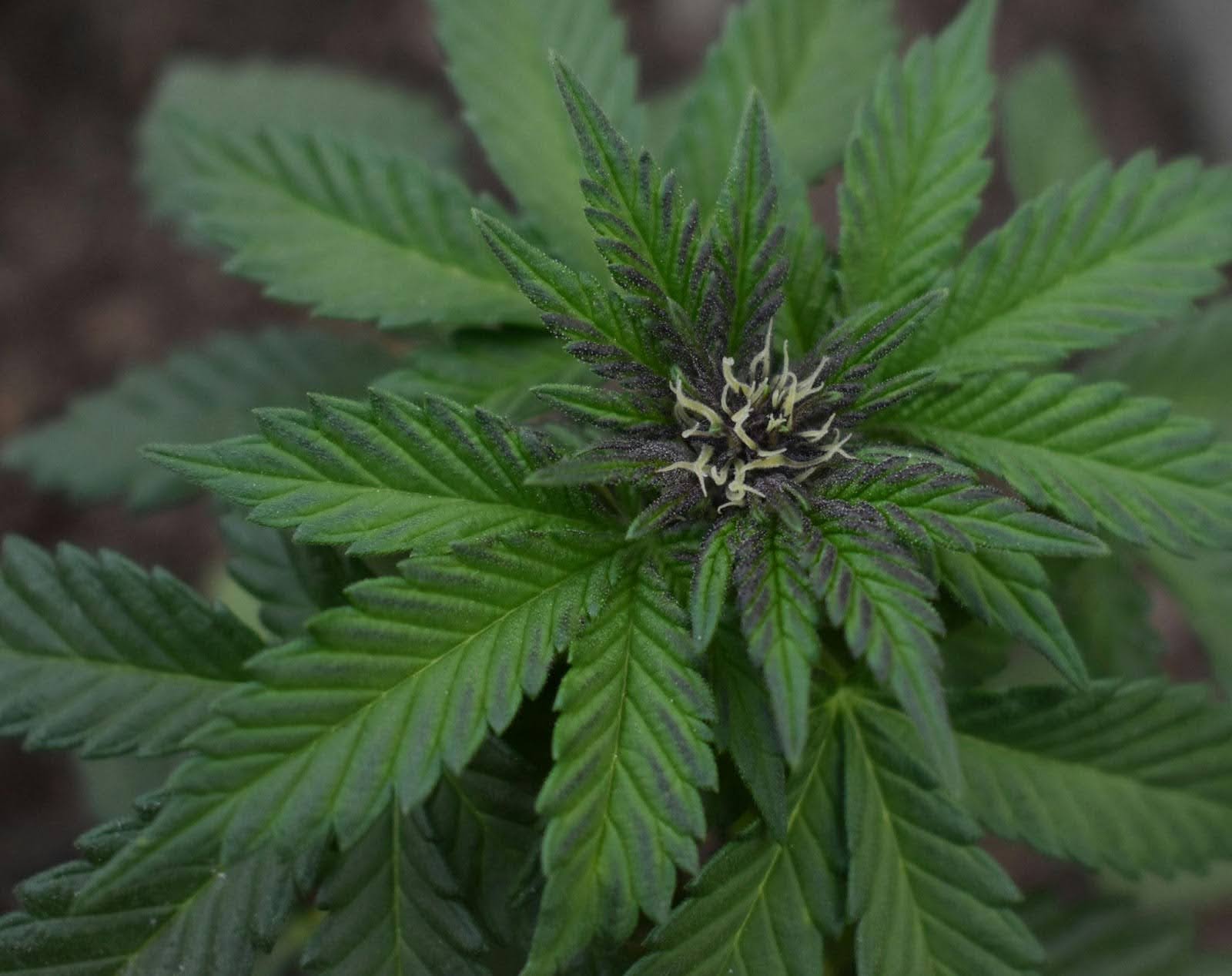
Week 8 of the flowering stage can feel intense, especially if your plants start to show unfamiliar signs. The buds look fuller, trichomes begin to cloud, and the entire canopy may carry a stronger aroma. You might wonder if it’s time to flush, harvest, or hold steady. At this stage, every decision counts.
This is the point where your months of effort either deliver high-quality yields or fall short due to poor timing, overfeeding, or environmental stress. The good news is, with a clear understanding of what week 8 means for your plants, you can avoid common pitfalls and guide them to the finish line.
In the sections ahead, you’ll learn what to expect during week 8, what signals to watch for, and how to prepare for harvest without missing the window for peak potency.
What Is Cannabis Flowering Week 8?
Week 8 of cannabis flowering falls within the final stretch of the bloom cycle. By this point, your plants are no longer focused on growth. They pour every ounce of energy into bud development, resin production, and terpene concentration. The result is a dense canopy filled with aromatic, sticky colas rapidly approaching full maturity. This phase signals that you’re on the verge of harvest. Your job now is to watch for specific signs of readiness.
To understand how you got here, it helps to look at the two key phases of flowering: early and late.
Week
Flowering Stage
Key Characteristics
1
Pre-Flowering
Stretching begins; early pistils appear
2
Early Flowering
Bud sites develop; white pistils grow
3
Bud Formation
Buds thicken; more pistils appear
4
Mid Flowering
Buds swell; resin production starts
5
Peak Flowering
Dense buds, strong aroma, trichomes form
6
Late Flowering
Buds mature; pistils darken and curl
7
Ripening
Trichomes turn cloudy/amber; harvest time approaches
8
Harvest
Buds fully mature, ready for harvest
With that timeline in mind, let’s break down why Week 8 stands out as one of the most critical moments in your entire grow cycle.
Why Is Week 8 So Important For Your Cannabis Cultivation?
You’ve spent weeks feeding, training, and fine-tuning your plants. Week 8 is not just another step in the process. It’s the moment where your grow either levels up or falls short. Here’s why this week holds so much weight:
- Defines the Final Quality of Your Bud: Everything from potency to flavor to bag appeal hinges on what happens in Week 8. This is when your plants start locking in cannabinoids and terpenes. If you want a sticky, aromatic, high-testing flower, this is the week to dial in your conditions and stay hands-on.
- Last Window for Precision: You don’t get a second chance after this. Any mistake, whether it's overfeeding, poor airflow, or letting humidity spike, can hurt the entire harvest. Week 8 forces you to tighten everything up. Small errors have bigger consequences now.
- Impacts Yield and Market Value: The size, weight, and density of your buds are hitting their final stretch. This is where yield gains or losses really show. Skip the details and you’ll have a light, leafy flower. Stay sharp and you’ll pull heavy, frosty nugs that hold their value.
- Protects Weeks of Work: By Week 8, your plants are vulnerable. Dense buds and sticky resin attract mold and pests. One outbreak can wipe out your canopy or leave you with a product you can’t sell. This week is your last real chance to protect the crop before harvest.
- Shapes Post-Harvest Efficiency: How you manage Week 8 sets the tone for drying, curing, and trimming. If you’re disorganized or behind, you’ll feel it when it’s time to chop. A smooth Week 8 leads to a smooth harvest. A messy one creates chaos.
- Locks In Strain Consistency: If you're growing the same strain across multiple runs, Week 8 is where consistency gets built. Harvesting too early or too late can shift the effects and profile of your flower. This week helps you lock in a standard you can repeat and that buyers can trust.
Now, let us understand the factors that affect week 8 of cannabis flowering below.
Factors Affecting Week 8 Cannabis Flowering
By Week 8 of the flowering stage, your cannabis plants are in the home stretch. Buds are swelling, trichomes are developing, and aromas are intensifying. But this is also a sensitive time; any missteps now can impact potency, yield, and overall plant health. Here's what you need to watch for:
- Genetics: The genetic makeup of your cannabis strain determines how long it takes to flower and how buds develop during Week 8. Some strains naturally finish earlier or later.
- Light Schedule and Quality: The duration and intensity of light you provide directly influences flowering progress.
- Nutrient Availability: The type and balance of nutrients in your growing medium impact bud development. Insufficient phosphorus or potassium or excess nitrogen can delay or reduce flowering quality.
- Environmental Conditions: Temperature, humidity, and airflow affect your plant’s metabolism and vulnerability to mold or stress, influencing bud growth and resin production in Week 8.
- Watering Practices: Overwatering or underwatering can stress plants, slowing flower maturation or causing issues like bud rot.
- Plant Health and Pest Pressure: Diseases, pests, or previous damage weaken the plant’s ability to produce dense, healthy buds during this critical stage.
- Stress Factors: Physical (pruning, training), chemical (nutrient burn, pesticide use), or environmental (temperature swings, light leaks) stress can interrupt or delay flowering development.
- Harvest Timing and Grower Decisions: Your decision on when to initiate flushing or stop feeding nutrients directly affects flower ripening and quality at Week 8.
So, what changes occur during week 8 of cannabis flowering? Let us understand below.
What Changes Occur to Your Cannabis Plant at Week 8?
By the time your cannabis plant reaches week 8, you’ll notice several important changes. This stage is critical because it signals the final stretch before harvest. Here’s what you can expect:
1. Pistils Darken and Curl
By week 8, the pistils, which start as white, hair-like structures, begin to darken and curl inward. As the flowers mature, they take on hues of amber, red, or brown. This color change is one of the most visible signs that your plant is nearing harvest. However, stress factors can also cause premature pistil darkening, affecting quality and potency.
What can you do:
- Track pistil color: Check the pistils daily, especially during this stage, to help time your harvest accurately. When about 70–90% have darkened and curled, your buds are likely at peak potency.
- Avoid plant stress: Light leaks, temperature spikes, and inconsistent feeding can cause early changes in pistil color and impact overall bud development.
- Keep your environment stable: Maintain consistent light schedules, temperatures, and humidity to support natural pistil progression.
2. Trichomes Begin to Mature
Trichomes develop from clear to cloudy and eventually amber, signaling cannabinoid maturity. Around week 8, most trichomes should appear cloudy, which indicates peak THC content. Some may start to turn amber, reflecting THC breakdown into CBN, which produces a more sedative effect.
What can you do:
- Inspect with magnification: Use a jeweler’s loupe or microscope to see trichome heads clearly.
- Harvest based on effect preference: If you want a more uplifting high, harvest when most trichomes are cloudy. For a more relaxing result, wait until some amber trichomes appear.
- Avoid trichome degradation: Letting too many turn amber can reduce overall potency and lead to a more couch-lock-type effect.
3. Buds Reach Full Size and Density
By this point, buds should be fully formed and dense to the touch. They may feel sticky with resin and noticeably heavier than in previous weeks. The plant is now focusing on ripening rather than growing new material.
What can you do:
- Support heavy branches: Use ties, stakes, or trellis netting to prevent breakage from bud weight.
- Inspect for mold pockets: Dense buds can trap moisture and create a breeding ground for mold, so check the interior of larger colas.
- Avoid last-minute feeding spikes: Additional nutrients won't significantly increase bud size now and may do more harm than good.
4. Calyxes Swell Significantly
Calyxes, the small pods that make up the bud structure, swell as the plant reaches its final stages. This swelling adds bulk to the buds and indicates that your plant is finishing up.
What can you do:
- Use calyx shape as a cue: Plump, rounded calyxes are a visual confirmation that the plant is approaching harvest.
- Avoid forcing more growth: Let the plant mature naturally. Adding late nutrients may delay ripening or impact flavor.
- Check for accidental pollination: If the calyx feels unusually firm, inspect it for seeds, which could indicate an issue with a hermaphrodite plant or pollen exposure.
5. Terpene Profile Reaches Its Peak
The plant's aroma becomes more intense as terpenes, aromatic compounds influencing flavor and effect, reach maximum production. These delicate compounds can evaporate under high temperatures or with excessive handling.
What can you do:
- Preserve volatile terpenes: Keep temperatures below 80°F to retain full aroma and therapeutic benefits.
- Minimize touching the buds: Repeated contact can damage trichomes and reduce the intensity of your plant's scent and flavor.
- Pay attention to smell changes: A sharper, fuller aroma is often a sign your plant is chemically ripe and nearing harvest.
6. Nutrient Intake Declines
Your plant naturally slows its nutrient absorption during week 8 as it finishes its life cycle. Many growers begin flushing at this point to remove built-up salts and avoid harsh flavors in the final product.
What can you do:
- Start flushing: If you're growing in soil or coco, consider flushing with plain pH-balanced water to cleanse the root zone.
- Test your run-off: Monitor electrical conductivity (EC) and pH to track how effectively nutrients are being flushed.
- Avoid force-feeding: At this point, excess nutrients are not useful and can damage flavor and aroma.
7. Chlorophyll Begins to Break Down
As the plant nears maturity, the green pigment chlorophyll starts to degrade, causing the fan leaves to turn yellow and eventually fall off. This is part of the natural ripening process and can lead to a smoother smoking experience after curing.
What can you do:
- Let the fade happen: Don’t overreact to yellowing leaves if buds still appear healthy and vibrant.
- Focus on flowers, not foliage: Concentrate on bud development rather than trying to “fix” fading leaves with more nutrients.
- Use the fade as a harvest cue: Leaf yellowing, along with trichome and pistil signals, helps confirm that the plant is finishing.
8. Foxtailing May Appear
In some strains, especially under intense lighting or heat, you may see new, cone-like growths on top of mature buds. This is called foxtailing. It can add volume, but often results in uneven maturity between old and new bud growth.
What can you do:
- Identify the cause: If foxtailing occurs mostly near your light source, it's likely stress-related rather than genetic.
- Adjust lighting: Increase distance from the canopy or slightly reduce intensity to prevent further foxtailing.
- Rely on older growth for harvest timing: New foxtails may look immature, but the rest of the bud may already be ready.
With PlanaCan, you can easily generate detailed reports for each harvest that track every decision you make and how it affects your final yield. Having all this info in one place helps you spot patterns over time. By reviewing these reports, you’ll see what’s working, avoid repeating mistakes, and refine your process to get better yields and higher profits.
9. Risk of Mold and Bud Rot Increases
Dense flowers and increased resin production make your plant more vulnerable to mold and bud rot. These issues often hide inside colas and can spread quickly in humid conditions.
What can you do:
- Control humidity carefully: Keep relative humidity between 40 and 50 percent during late flowering.
- Maintain strong airflow: Use fans to move air across all canopy levels and prevent stagnant pockets.
- Inspect buds regularly: Gently open up thick buds and look for gray, mushy spots or unpleasant smells.
10. Light Sensitivity Becomes Critical
Your plant becomes increasingly sensitive to light stress as it nears harvest. Excess intensity or schedule disruptions can cause light bleaching or hormonal imbalances, which may lead to foxtailing or trichome damage.
What can you do:
- Watch your light height: Ensure grow lights are far enough from the canopy to avoid bleaching the top colas.
- Check for light leaks: Any stray light can confuse your plant during dark periods and cause stress.
- Keep the spectrum consistent: Avoid late-stage changes in light spectrum that can affect hormone regulation and ripening.
11. Strain-Specific Timing Becomes Clear
Not all cannabis strains follow the same flowering timeline. Indicas may be ready in eight weeks, while sativas can take up to twelve. Autoflowers also vary. Genetics heavily influence how long your plant will take to mature.
What can you do:
- Research your strain: Look up the breeder’s recommended flowering window for your specific cultivar.
- Examine each plant individually: Even plants of the same strain may mature at slightly different rates.
- Be patient with longer strains: If trichomes are still mostly clear and pistils are white, your plant needs more time, even if it’s week 8.
12. Pre-Harvest Planning Begins
Week 8 is the right time to begin organizing your harvest process. Without preparation, you may mishandle buds or lose quality during drying and curing.
What can you do:
- Set up your drying space now: Ensure it has good airflow, consistent darkness, and controlled temperature and humidity.
- Gather all supplies in advance: Have gloves, scissors, storage containers, labels, and humidity packs ready.
- Decide your workflow: Will you trim wet or dry? How many plants will you harvest at once? Planning ahead will save time and reduce mistakes.
Now, let us discuss how to prepare for harvesting your cannabis plant during week 8 of cannabis flowering.
Harvest Preparation Steps for Cannabis Flowering Week 8
Your cannabis plants are reaching their peak at week 8 of flowering. To secure the best quality and yield, follow these preparation steps carefully and apply the tips to optimize your harvest.
- Monitor Trichomes Closely: Check your trichomes regularly to decide the perfect harvest time. Clear trichomes mean the buds are immature, milky ones show peak THC, and amber ones indicate THC is degrading into more sedative compounds. Harvesting at the right trichome stage ensures your desired potency and effect.
Tip: For clear visibility, use a jeweler’s loupe or a digital microscope with at least 60x magnification. Take photos over a few days to track trichome color changes without overhandling your buds.
- Flush Your Plants: Flushing with plain, pH-balanced water removes excess nutrients that can leave a harsh chemical taste. Depending on your medium, start flushing 7-14 days before harvest. The leaves may yellow or curl slightly as nutrients deplete, which is a good sign that your flush is working.
Tip: Use filtered or distilled water to avoid adding extra minerals during flushing. If you grow in soil, flush longer, as it holds nutrients longer than coco or hydroponics.
- Adjust Environmental Conditions: Humidity control is crucial in week 8 to prevent mold on dense buds. Keep humidity between 40-50% and maintain stable temperatures around 65-75°F (18-24°C). Good airflow prevents moisture buildup and supports healthy resin production.
Tip: Use a dehumidifier if your grow space tends to stay humid. Place oscillating fans so air moves gently around plants but doesn’t blow directly on buds, which can cause drying too early.
- Prepare Your Harvest Tools: Clean and sanitize your scissors, shears, gloves, and trimming surfaces before harvest. A clean workspace helps prevent contamination and keeps your buds looking pristine. Also, prep your drying area in advance, ideally, a dark, ventilated room with stable temperature and humidity.
Tip: Sanitize your tools with isopropyl alcohol and replace your gloves regularly to avoid transferring contaminants. Have extra trimming scissors on hand in case the blades are dull.
- Plan Your Harvest Schedule: Harvesting all at once can save time, but staggering harvests lets you cut buds at optimal maturity. Large plants or those with uneven light exposure may benefit from phased harvesting. Allocate enough time for trimming and drying to avoid rushing.
Tip: Mark your calendar with harvest dates based on trichome observations. Prepare backup helpers if hand-trimming, or plan for machine trimming to speed up large harvests without compromising quality.
- Avoid Stressing Your Plants: Minimize handling and avoid significant environmental or watering changes. Stress can reduce resin production and impact final bud quality. Treat your plants gently as they finish flowering, especially when inspecting trichomes or adjusting conditions.
Tip: Limit inspections to once or twice daily at most. Keep your grow environment consistent, and avoid loud noises or vibrations that might startle the plants.
PlanaCan makes it simple to stay organized by letting you create and automate your cultivation steps with easy templates. You can plan everything from planting to harvest for each strain or cycle. Once your templates are set up, scheduling tasks on your calendar takes just a few clicks, helping you keep things running smoothly and consistently.
- Prepare for Post-Harvest Care: Have all curing supplies ready, including airtight jars, hygrometers, and humidity control packs if needed. Proper drying and curing develop flavor, potency, and shelf life. Curing can take several weeks, so plan accordingly.
Tip: Use glass jars rather than plastic for curing. Open jars briefly daily during the first two weeks (“burping”) to release moisture and prevent mold. Track humidity inside jars with a digital hygrometer to maintain ideal conditions around 60-65%.
Now, let us understand various drying methods you can use during week 8 of cannabis flowering.
Drying Methods for Cannabis Flowering Week 8
At Week 8 of flowering, your buds are ready to dry, a crucial step that affects the final quality of your harvest. The drying method you pick depends on your grow space, environmental conditions, and harvest size. Below are the most common drying methods cannabis growers use, with expanded tips to help you nail this phase.
1. Hang Drying (The Classic Grower’s Method)
This is the most common and trusted drying method among growers. It works especially well in environments with sufficient vertical space.
- How it works: You cut whole branches from your plants and hang them upside down by the stems using string, wire, or hangers.
- Why use it: Hanging helps maintain the natural shape of the buds, allowing them to dry evenly while preserving the delicate terpene profiles that give cannabis its aroma and flavor.
- Setup tips: Leave enough space between each branch to allow good airflow around every bud, which is key to preventing mold and uneven drying.
- Best for: Medium to large harvests where you can dedicate a room or closet with proper temperature and humidity control.
2. Rack Drying (For Tight Spaces or Trimmed Buds)
When vertical space is limited, or if you prefer to trim your buds before drying, rack drying offers a flexible and efficient alternative.
- How it works: You spread trimmed buds in a single layer on mesh or wire drying racks.
- Why use it: This method helps buds dry faster and allows for easier inspection and management of individual buds during the drying process.
- Pro tip: Flip or gently rotate the buds daily to avoid moisture pockets and ensure they dry evenly from all sides.
- Best for: Small grows, or when you want to speed up drying and have easy access to every bud for quality control.
3. Box Drying (Budget-Friendly, Small Batch)
If you’re working with very limited space or resources, box drying can be a practical, low-tech method for drying small amounts of cannabis.
- How it works: Lay buds loosely in a cardboard or wooden box lined with paper towels or parchment paper, with holes punched into the sides for airflow.
- Why use it: It’s an inexpensive, no-frills method perfect for drying small batches without specialized equipment.
- Watch out: You’ll need to check the buds daily and gently turn them to prevent mold and uneven drying, as airflow is more restricted than in other methods.
- Best for: Small personal grows or experimental batches where space and gear are limited.
4. Tent Drying (Controlled Environment Drying)
Using a grow tent as your drying chamber lets you create a controlled environment, especially in humid or variable climates.
- How it works: Hang your branches inside the tent and use intake and exhaust fans to maintain steady airflow and regulate temperature and humidity.
- Why use it: A tent seals the drying area off from outside fluctuations, letting you dial in precise conditions, ideal for protecting terpene profiles and preventing mold.
- Pro tip: Use a hygrometer inside the tent and adjust fans or add a dehumidifier to keep relative humidity between 45% and 55%.
- Best for: Indoor growers who need a consistent drying environment despite external weather or humidity changes.
5. Drying with a Dehumidifier (Humidity Control in Humid Climates)
Controlling moisture is critical to avoid mold and preserve bud quality during drying if your grow is in a naturally humid area.
- How it works: Add a dehumidifier to your drying room or tent to actively remove excess moisture from the air.
- Why use it: Maintaining the ideal humidity range, 45 to 55 percent RH, slows drying enough to preserve terpenes without letting buds get too wet.
- Pro tip: Monitor humidity daily with a hygrometer and adjust your dehumidifier settings to keep conditions stable.
- Best for: Growers in tropical or coastal climates where passive drying conditions aren’t reliable.
6. Screen Drying (Maximizing Space with Mesh Trays)
For growers with large harvests but limited vertical space, using stacked mesh trays maximizes drying area while keeping buds properly spaced.
- How it works: Spread your trimmed buds in single layers on multiple mesh screens stacked vertically with several inches between each tray.
- Why use it: This setup saves space and prevents buds from touching, reducing the risk of mold and ensuring good airflow.
- Pro tip: Rotate trays every day, move bottom trays to the top and vice versa, to ensure all buds dry evenly.
- Best for: Commercial growers or anyone handling big harvests in tight drying spaces.
7. Low and Slow (Cold Room Drying for Premium Quality)
For growers aiming for the highest possible quality, drying cannabis slowly in a cool, slightly more humid environment protects delicate compounds.
- How it works: Dry buds in a cooler room, 50 to 60 degrees Fahrenheit, with humidity slightly higher than usual, around 55 to 60 percent RH.
- Why use it: This extended drying time preserves terpenes and cannabinoids better than faster drying methods, resulting in smoother smoke and richer flavor.
- Patience required: Drying this way can take 2 to 3 weeks or more, so monitoring buds closely for any signs of mold is important.
Best for: Craft growers focused on producing premium, connoisseur-grade cannabis.
How PlanaCan Helps During Week 1 to 8 of Your Flowering Stage
The flowering stage is critical for your cannabis crop. It is when buds develop and your yield potential is set. Managing tasks consistently and precisely during these weeks can make or break your harvest. That is where PlanaCan steps in. It simplifies your workflow, helps you stay on schedule, and ensures every detail is tracked so you never miss a crucial step in your flowering process.
Here is how PlanaCan supports you during weeks 1 through 8 of flowering:
- Customizable Templates: Tailor flowering schedules to specific strains and grow conditions.
- Automated Task Scheduling: Automatically assign and remind you of watering, feeding, defoliation, and more.
- Interactive Calendar: Visualize your entire flowering timeline and adjust tasks easily across rooms and harvests.
- Mobile Access: Manage and update tasks from anywhere with the iOS and Android apps.
- Harvest Analytics: Track and analyze results to optimize future flowering cycles.
With PlanaCan, you maintain full control over your flowering stage, boosting plant health and maximizing your final yield.
Conclusion
Week 8 of the flowering stage is a crucial phase in cannabis cultivation. As buds mature and trichomes develop, your careful observation and timely actions determine the final quality. Monitoring pistils and bud structure changes, adjusting environmental factors, and preparing your harvest plan are essential to securing a strong finish.
Handling these details manually can quickly become overwhelming. That is where PlanaCan comes in, helping growers streamline feeding schedules, environmental controls, and harvest timing with ease. The platform offers task reminders, progress tracking, and collaboration tools to keep you organized and focused on what matters most.
Ready to take control of your week 8 workflow? Schedule a free call today and see how PlanaCan can help you maximize potency, flavor, and yield for a successful harvest.