With its bright orange blooms, butterfly weed transforms any garden into a pollinator's paradise. Beyond its striking beauty, this hardy plant serves as a valuable environmental companion in outdoor cannabis cultivation.
By attracting beneficial insects, such as pollinators, bees, and hummingbirds, butterfly weed can help improve overall biodiversity and support the natural ecosystem around your cannabis plants. It also plays a role in pest management by drawing in predatory insects that help control common cannabis pests like aphids, thrips, and spider mites.
For commercial cannabis growers looking to enhance their landscapes or gardens with low-maintenance, pollinator-friendly plants, butterfly weed is a solid option.
This blog provides practical, easy-to-follow tips on how to grow butterfly weed successfully in your garden.
Let’s get started.
Quick Glance
- Butterfly weed is an excellent plant for pollinators, particularly monarch butterflies, as it provides much-needed nectar and serves as a host plant for their larvae.
- This plant thrives in poor, dry soils and requires minimal care, making it easy for growers to focus on their primary cultivation tasks.
- Plant butterfly weed in full sun and well-drained, sandy, or gravelly soil to ensure it grows well and produces vibrant blooms.
- It’s a great plant for sustainable gardening, contributing to soil stability, reducing erosion, and eliminating the need for synthetic fertilizers and pesticides.
- Once established, butterfly weed needs minimal watering, making it ideal for xeriscaping and gardens focused on water conservation.
Let’s take a closer look at the butterfly weed and how it can fit into your grow operation.
An Introduction to Butterfly Weed
Alt text: Introduction to Butterfly Weed
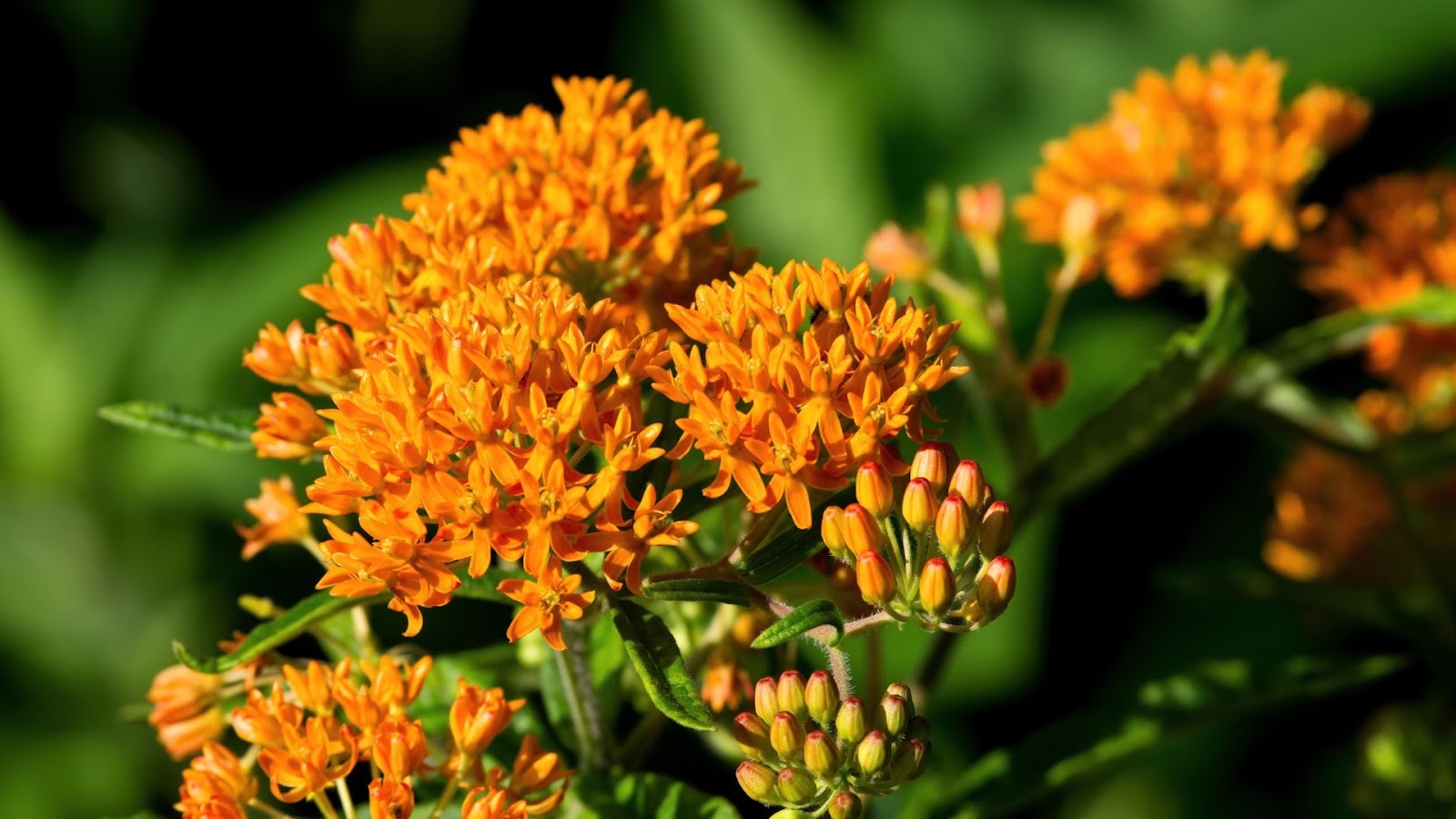
Butterfly weed (Asclepias tuberosa) is a stunning garden plant that also plays a vital role in supporting pollinators and wildlife. This low-maintenance perennial is perfect for gardeners seeking a drought-tolerant, easy-care plant that thrives in nutrient-poor soils.
Before you learn how to grow butterfly weed, it’s important to familiarize yourself with the plant's key characteristics. Here's a quick overview of the essential facts:
Quick Facts About Butterfly Weed
Why Grow Butterfly Weed? Key Benefits to Know
Alt text: Key Benefits
Whether you're managing a small-scale operation or overseeing large multi-state cannabis cultivations, adding butterfly weed to your landscape can offer multiple environmental and operational benefits. Let’s explore the key benefits that make butterfly weed a smart choice for your growing environment.
1. Attracts Pollinators: A Vital Resource for Butterflies
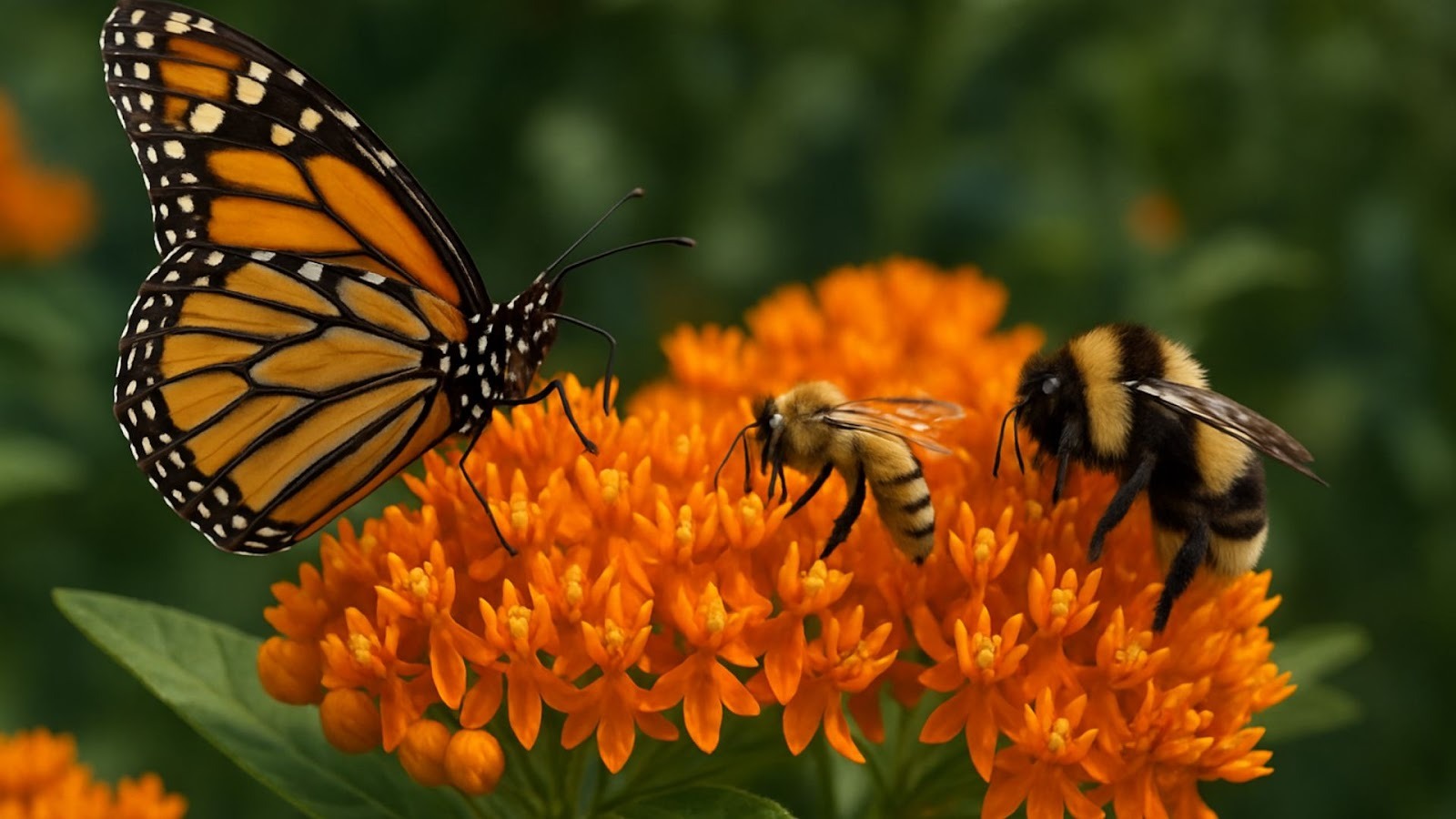
One of the most enticing reasons to grow butterfly weed is its ability to attract and support pollinators, particularly butterflies. The plant is a magnet for monarch butterflies, which rely on butterfly weed as a host plant for laying their eggs. Monarch caterpillars feed exclusively on milkweed species, and butterfly weed is one of the best varieties for this purpose.
Additionally, the bright, nectar-rich flowers attract a wide range of pollinators, including bees, hummingbirds, and other butterfly species. These pollinators are essential for the health of our ecosystems, as they help fertilize plants, enabling them to produce fruits and seeds. In essence, by planting butterfly weed, you're supporting the larger environmental cycle that sustains wildlife and plant life.
2. Low Maintenance and Drought-Tolerant
Another reason to grow butterfly weed is its low-maintenance nature. Once established, it thrives in dry, nutrient-poor soils and requires minimal care. Unlike many other plants that need constant watering and fertilizing, butterfly weed is drought-tolerant and doesn't require much attention once it's planted.
This makes it an excellent choice for gardeners looking to create a more sustainable garden. You can plant it in areas that might be too dry for other plants, such as rock gardens, wildflower meadows, or areas with poor soil. Because it’s adapted to survive on minimal resources, butterfly weed is also perfect for xeriscaping, a water-efficient landscaping practice that conserves water.
Maintenance Tip: While butterfly weed is low-maintenance, you can help it thrive by cutting back dead stems in the fall to encourage new growth the following spring.
3. Wildlife-Friendly and Eco-Friendly
Butterfly weed helps prevent erosion due to its deep, extensive root system, which helps stabilize the soil. This is especially important in areas with high winds or on slopes where erosion could otherwise be a concern.
The plant’s resistance to pests and diseases also means fewer chemicals are needed in your garden, making it a safe choice for both wildlife and the environment. Its natural resilience allows it to grow without the need for synthetic pesticides or fertilizers, promoting a healthier garden environment for everyone.
Now that you understand the key benefits of butterfly weed and how it supports pollinators and biodiversity, the next step is to ensure it thrives by choosing the right location for planting.
Choosing the Right Location For Your Butterfly Weed
Alt text: Choosing the Right Location For Your Butterfly Weed
Let’s dive into the key factors you need to consider when choosing the perfect spot for planting butterfly weed. Here’s what you need to keep in mind:
Sunlight
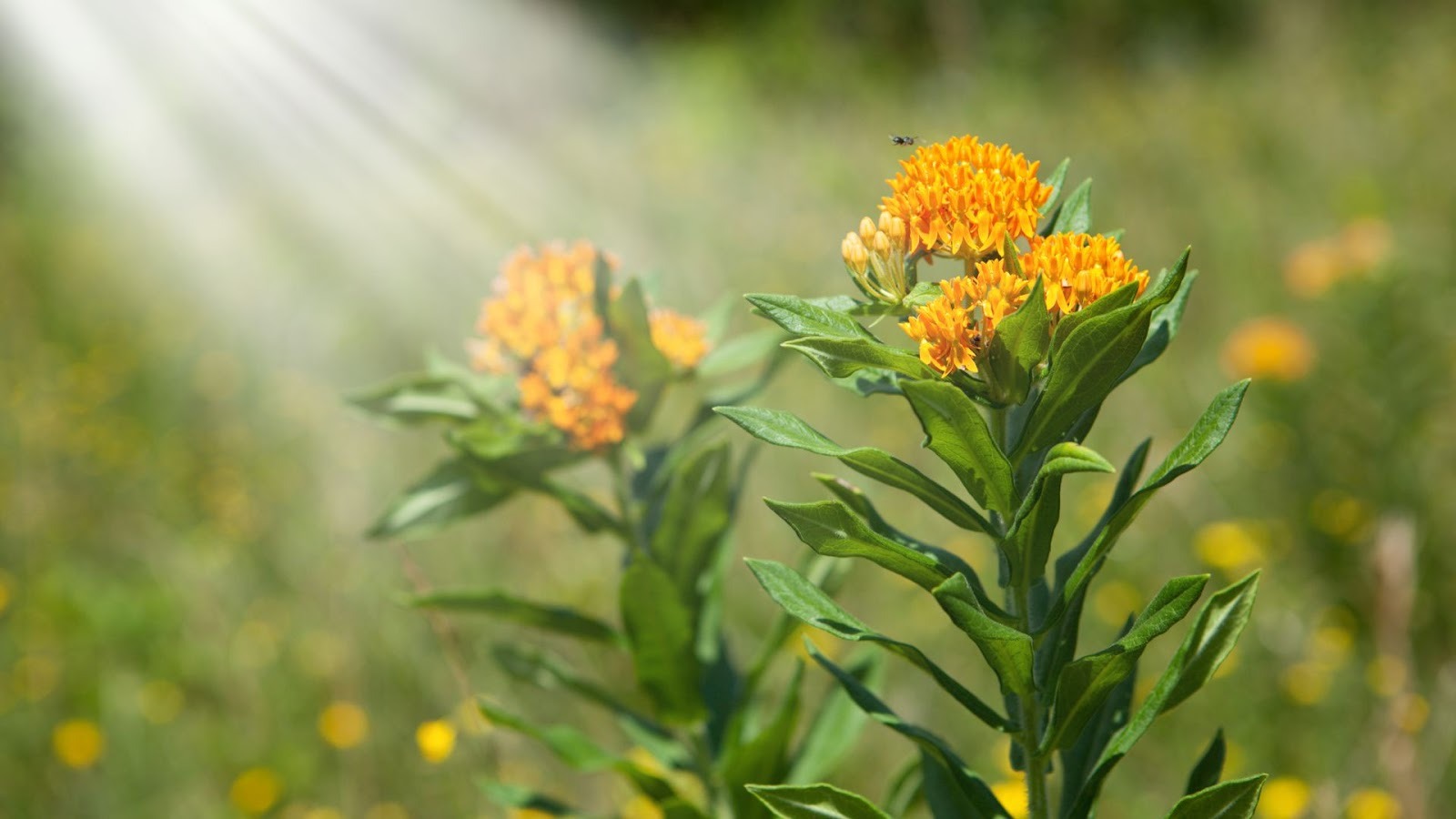
Butterfly weed thrives in full sun. It requires at least 6 hours of direct sunlight each day to bloom at its best. Choose a sunny spot in your garden to ensure your plants are getting the light they need.
Soil
Butterfly weed prefers well-drained soil. It is adapted to sandy or gravelly soils, so avoid areas that are consistently wet or clay-heavy. The plant also thrives in nutrient-poor soils, so it doesn’t require a lot of fertilization.
Spacing
Plant butterfly weed 12–18 inches apart to give each plant enough room to grow. This spacing ensures adequate airflow and prevents overcrowding, which could lead to disease.
Looking for a way to track your garden’s progress and ensure all tasks are completed on time? PlanaCan offers automated task scheduling tools to help you stay organized and ensure optimal care for your plants, including butterfly weed.
With these tips for site selection, you’re ready to move forward and start planting!
Planting Butterfly Weed

Alt text: Planting Butterfly Weed
When planting butterfly weed, timing and soil preparation are key to ensuring successful growth.
Timing
The best time to plant butterfly weed is in late spring after the last frost, as it is sensitive to frost. This gives the plant ample time to establish itself during the warmer growing season.
Soil Preparation
Prepare the soil by loosening it with a garden fork to ensure proper drainage. Butterfly weed does not require high soil fertility, but it does need well-draining soil to prevent root rot.
Planting Depth
Plant butterfly weed seeds ¼ inch deep. If you’re transplanting young plants, dig a hole deep enough to accommodate the plant's taproot, which is a long, deep root that helps the plant access water and nutrients.
After planting, water the butterfly weed thoroughly. Keep the soil moist until the plant is established, after which the plant becomes drought-tolerant.
Tip: Avoid over-watering as butterfly weed is drought-tolerant once established.
Once your butterfly weed is planted and settled into its new location, the next step is ensuring it receives the right care to thrive. While this plant is known for being low-maintenance, understanding its watering and fertilizing needs is key to maintaining its health and encouraging vibrant blooms. Let’s explore the best practices for watering and fertilizing butterfly weed.
Also read: Step-by-Step Guide to Drying and Curing Cannabis Buds in Glass Jars for Enhanced Potency
Watering and Fertilizing
Alt text: Watering and Fertilizing
While butterfly weed is a hardy plant, understanding its watering and fertilizing needs is essential for healthy growth.
Watering
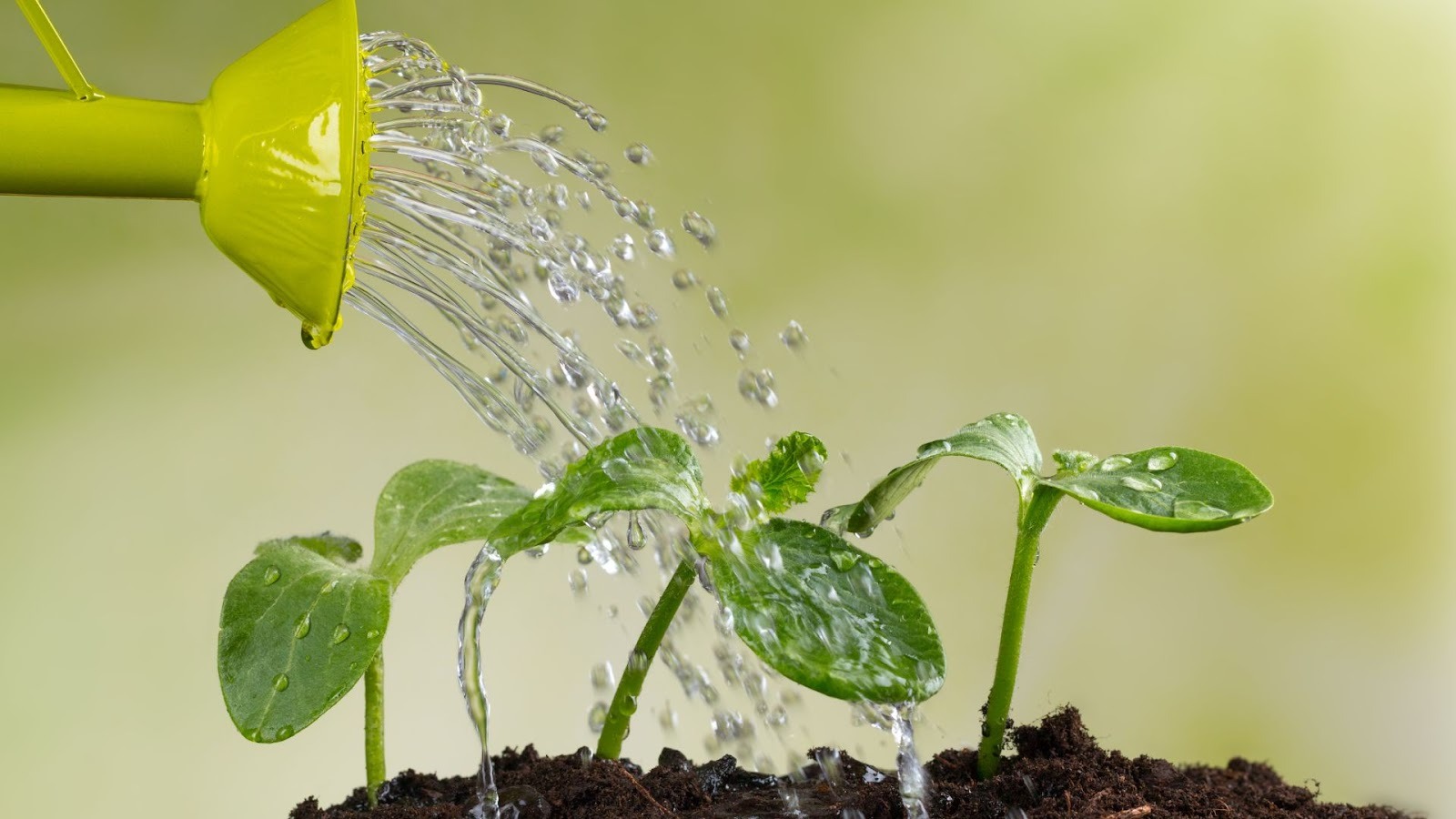
Water the plant regularly during its first growing season, keeping the soil consistently moist. Once established, butterfly weed requires minimal watering. It is very drought-tolerant and can thrive in dry conditions, making it ideal for low-maintenance gardens.
Fertilizing
One of the best things about butterfly weed is that it doesn’t require much fertilization. It thrives in poor soils and actually prefers low-nutrient conditions. Over-fertilizing can reduce flowering and negatively affect plant health. If your soil is particularly poor, add a small amount of organic compost at planting time, but avoid additional fertilizer.
Want to automate watering schedules and optimize plant care? PlanaCan can help you manage irrigation schedules with automated task scheduling and an interactive calendar to prevent overwatering, ensuring your butterfly weed thrives with minimal effort.
Although butterfly weed is a resilient plant, it may still face a few challenges. Let’s explore some common issues and how to solve them effectively.
Also read: Cannabis Feeding Schedule: How and When to Feed Your Plants
Common Challenges Of Growing Butterfly Weed
Alt text: Common Challenges Of Growing Butterfly Weed
While butterfly weed is a hardy plant, it can still encounter a few challenges. Being proactive in recognizing these issues and taking early action can help keep your butterfly weed healthy and thriving. Here are some of the most common problems you might encounter, along with solutions to address them.
Pests
1. Aphids
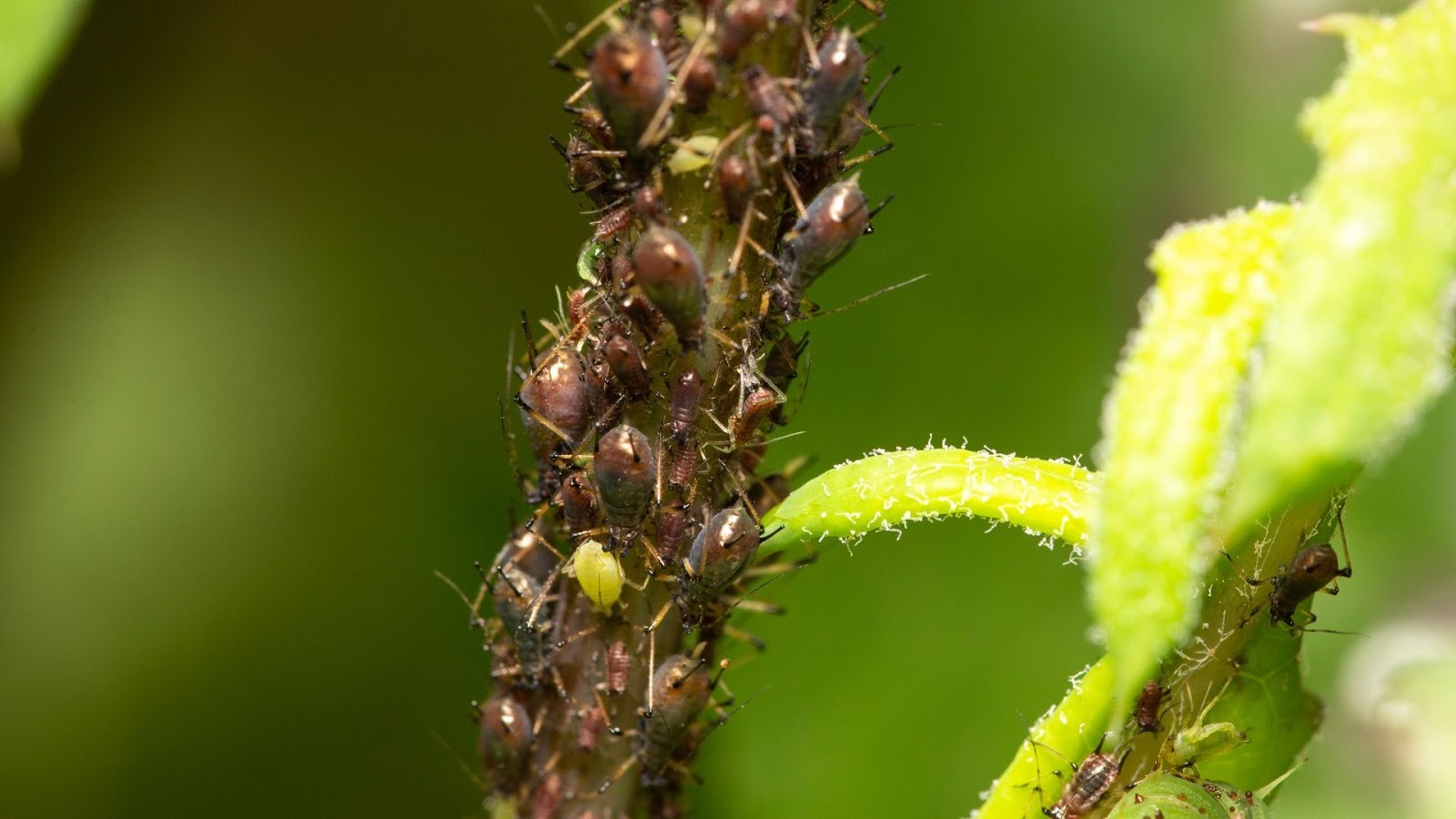
Aphids are one of the most common pests that can affect butterfly weed, particularly during the early stages of growth. These tiny insects feed on the sap of plants, which can lead to weakened growth and the spread of diseases. They may also attract ants, which protect aphids from predators.
Solution:
To manage aphids, spray the affected plant with a strong jet of water to dislodge them. If the infestation is severe, use an insecticidal soap or a neem oil solution. These treatments are safe for plants and beneficial insects while effectively controlling aphid populations.
2. Caterpillars
While caterpillars from other species may occasionally appear, they tend to be harmless and may even help reduce other pest populations, such as aphids. However, if their numbers grow too large, they can cause some damage to the leaves.
Solution:
If you notice caterpillars on your butterfly weed that are causing significant damage, you can hand-pick them off the plant or gently wash them away with water. Be sure to check for monarch caterpillars as well—these should be left undisturbed, as they are crucial to the plant's role as a host plant.
Diseases
1. Rust
Rust is a fungal disease that often appears as orange-brown spots on the underside of leaves. It thrives in humid conditions and can spread quickly if left unchecked. Rust weakens the plant, affecting its overall growth and bloom quality.
Solution:
To manage rust, remove affected leaves immediately and dispose of them to prevent the spread of spores. Avoid overhead watering, which can contribute to the humid conditions that promote rust growth. If necessary, use a fungicide specifically designed for rust, but try to use natural methods first to avoid harming beneficial insects.
2. Leaf Spot
Leaf spot is another fungal disease that appears as dark, circular lesions on leaves. It’s usually caused by excessive moisture or poor air circulation. Like rust, leaf spot can weaken the plant and make it more susceptible to other diseases.
Solution:
Remove and dispose of any damaged leaves to reduce the spread of the disease. Ensure that the plant is well-spaced to allow for proper air circulation, and avoid over-watering. Using a fungicide labeled for leaf spot can help prevent further spread, but always apply it in the early morning or late evening to minimize the impact on pollinators.
3. Root Rot
Root rot is often caused by planting butterfly weed in poorly-drained soil or over-watering. The deep taproot of butterfly weed is particularly susceptible to rot if the roots remain constantly wet, which can kill the plant.
Solution:
To prevent root rot, make sure the soil is well-drained before planting. If you're growing butterfly weed in a container, ensure it has proper drainage holes. If you notice root rot, you can attempt to salvage the plant by removing it from the soil, trimming away the affected roots, and replanting it in a fresh, well-draining location. Avoid over-watering in the future and allow the soil to dry out between watering sessions.
Transplanting
Butterfly weed has a deep taproot, which makes it difficult to transplant once it’s established. Moving the plant can cause significant stress, as the taproot is vital for its stability and nutrient uptake.
Solution:
It’s best to avoid transplanting butterfly weed once it has established itself. If you need to move the plant, try to do so during its dormant period (late fall or early spring), and make sure to dig up the entire root system. Consider planting it in a permanent spot where it can grow undisturbed. If transplanting from seed, allow the plant to grow in its final location to avoid stress.
Struggling to keep track of maintenance tasks and plant health? PlanaCan can help you stay organized by automating your garden’s care schedule and providing real-time monitoring to ensure everything is running smoothly.
How to Maintain and Care for Butterfly Weed
Alt text: Maintain and Care for Butterfly Weed
As with any garden plant, the key to keeping butterfly weed healthy is regular monitoring and proactive care. Preventing common problems before they occur is the best way to ensure your plant thrives. Here are a few tips to keep butterfly weed in top shape:
Pruning
Prune back dead or damaged stems in late fall to clean up the plant and help prevent self-seeding. This also encourages new growth the following season.
Mulching
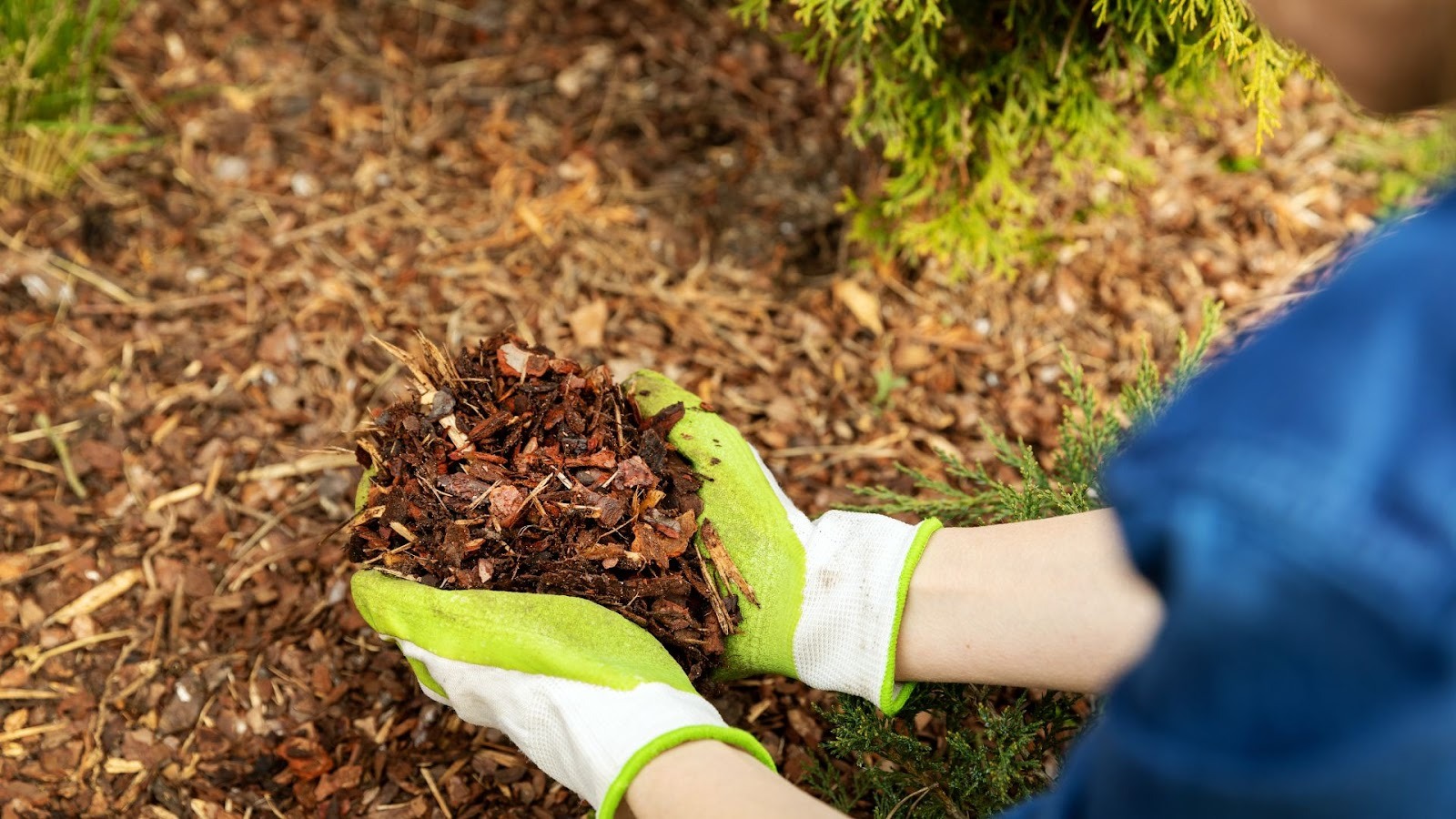
Butterfly weed doesn’t require much mulch, but a light layer can help retain moisture and suppress weeds. Avoid piling mulch up against the plant’s stem, as it can promote rot.
Winter Care
Leave the seed heads intact through winter to provide visual interest and food for birds. The plant is hardy and can withstand cold temperatures, so no special winter care is required beyond cleaning up old growth.
Also read: Optimal Humidity and Temperature for Storing Cannabis: A Guide
Conclusion
Incorporating butterfly weed into your cannabis cultivation operation offers more than just visual appeal. It supports pollinators, attracts beneficial insects, and contributes to a healthier growing ecosystem. Whether you manage a single flower room or a multi-state operation, this hardy, low-maintenance plant can enhance biodiversity around your crops and assist with natural pest management.
For commercial growers, managing multiple companion plants alongside your cannabis operation can be challenging. This is where a purpose-built cultivation software like PlanaCan can help you.
PlanaCan helps you automate task scheduling and monitor maintenance tasks in real time, ensuring all aspects of your grow operation run smoothly and efficiently. Schedule a free call today.
Frequently Asked Questions
1. Can butterfly weed be grown in containers?
A: Yes, but make sure the container is deep enough to accommodate the plant’s taproot. Use well-draining soil and provide enough sunlight.
2. Is butterfly weed deer-resistant?
A: Yes, the plant’s bitter taste deters deer, making it an excellent choice for wildlife-friendly gardens.
3. How long does it take for butterfly weed to bloom?
A: Typically, it takes about 2–3 years from seed for butterfly weed to reach full bloom. However, established plants may bloom in the first year.
4. Does butterfly weed attract other pollinators besides butterflies?
A: Yes! Butterfly weed also attracts bees, especially honeybees and native pollinators, as well as hummingbirds. Its rich nectar makes it an essential plant for a pollinator-friendly garden.
5. Can butterfly weed tolerate poor soil conditions?A: Absolutely! Butterfly weed is well-suited to poor, dry soils and even rocky environments. It's perfect for gardeners who want to minimize fertilization and create a more sustainable, eco-friendly garden