Every season, your crop competes for light, nutrients, and water, but not only with itself. Weeds often enter the same space, using the same resources, and ultimately reducing yield. The bigger challenge is that they evolve quickly, making chemical control alone unsustainable.
Globally, weeds are responsible for some of the highest yield losses across all crops, often exceeding those caused by pests or diseases. Studies show that yield losses from weeds frequently average around 30% in major crops, with severe cases locally reaching 70-80%. These losses translate into billions of dollars of reduced farm income each year.
Understanding how weed-crop competition works and building integrated management systems around it are key to long-term productivity. This guide breaks down why weeds matter, how they interact with crops, and what you can do to manage them sustainably using a mix of cultural, mechanical, chemical, and biological methods.
TL;DR (Key Takeaways)
- Weeds compete directly with crops for light, moisture, and nutrients, lowering yield and grain quality.
- Relying on a single control method, such as herbicides, leads to resistance.
- Crop rotation, cover crops, and timely canopy closure are your first line of defense against weed growth.
- Precision agriculture and AI-based weed mapping are helping farmers target weeds more efficiently, saving both time and cost.
- Preventing weed establishment is far more effective than reacting after infestation begins.
What Is a “Weed Crop”? Understanding Crop-Weed Interaction

In simple terms, a weed is any plant growing where it is not wanted. In agriculture, this means any species that competes with your intended crop for the same environmental resources. A “weed crop” describes that interaction, a mixed ecosystem where desirable and undesirable plants coexist and compete.
The Science Behind Crop-Weed Competition
Weed-crop competition happens above ground and below ground simultaneously. Both compete for sunlight, carbon dioxide, soil nutrients, and water. The timing of weed emergence relative to crop emergence determines how severe the competition becomes. Early-emerging weeds typically capture light and nutrients before seedlings can establish, leading to stunted growth and lower yields.
The main forms of competition include:
- Nutrient competition: Shallow-rooted weeds often absorb available nitrogen and phosphorus before the crop can reach them.
- Light competition: Fast-growing species such as pigweed (Amaranthus retroflexus) or barnyard grass (Echinochloa crus-galli) create shading that limits photosynthesis in young crops.
- Moisture competition: In water-limited systems, weeds with dense root networks quickly deplete soil moisture reserves.
- Space competition: Dense weed cover reduces air circulation, raising humidity levels that favor disease development.
Research in journals such as Weed Science and Agricultural Systems confirms that early-season weed competition can significantly reduce yields; for example, losses of around 25-30% have been documented in cereal and row crops when weeds are not managed promptly.
Furthermore, evaluations of soybean trials indicate that delaying weed control beyond early growth stages can substantially increase yield risk.
Weeds and Ecological Roles
Not all weed presence is entirely negative. Low weed density can help stabilize soil, host pollinators, and maintain biodiversity in organic and conservation systems. However, the balance shifts quickly; once weed coverage exceeds 10-15 percent of the field area, economic losses outweigh ecological benefits. The goal of weed management is therefore not total eradication but control below economic thresholds.
How Weeds Reduce Yield, Quality, and Profit
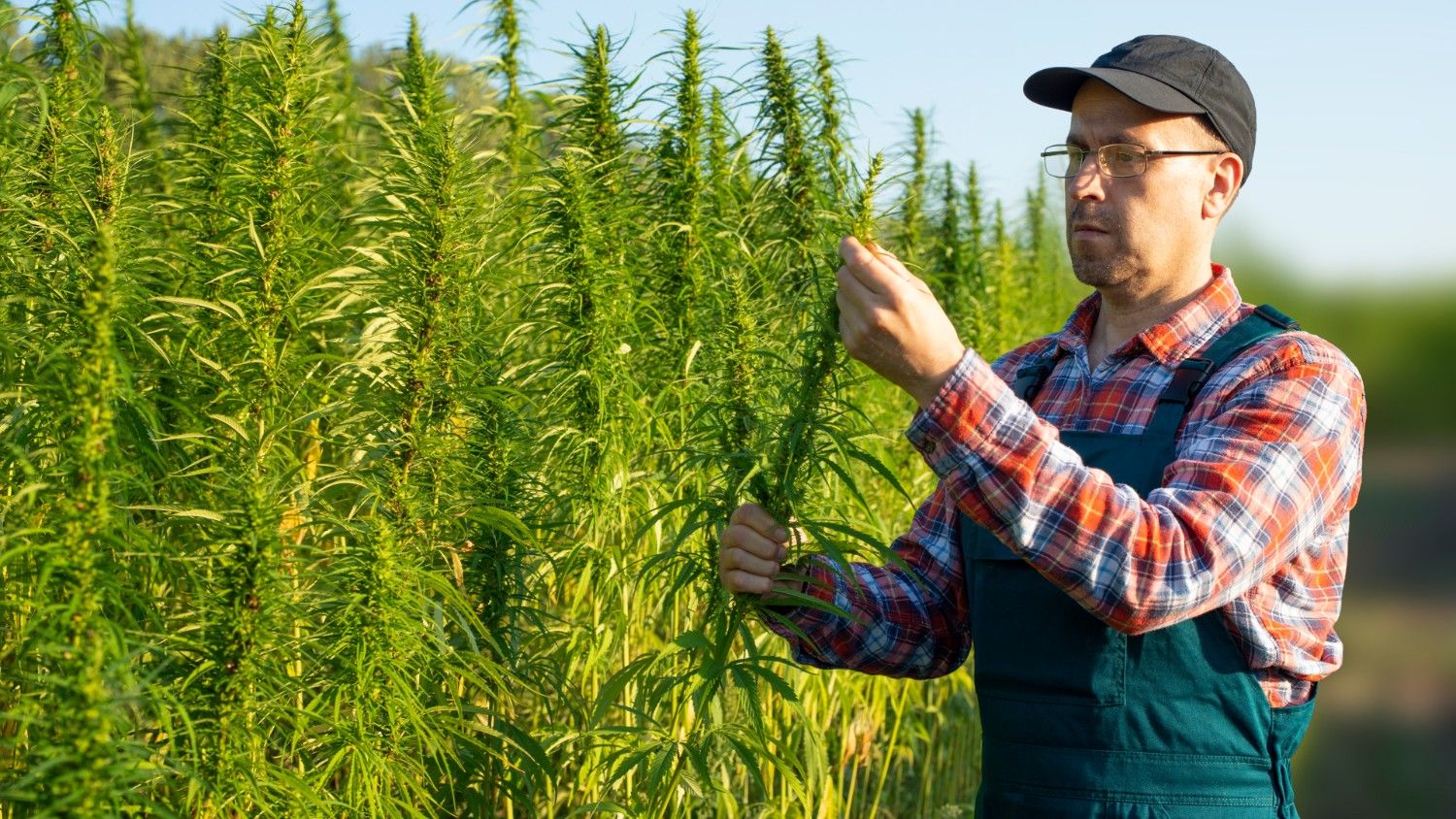
Weeds affect crops in multiple ways, by reducing growth, interfering with harvest, and even influencing product quality long after the growing season.
1. Direct Yield Losses
When weeds outcompete crops for light and nutrients during the critical early growth stage, yield losses can be immediate. In cereal systems such as wheat or barley, weed competition in the first six weeks can reduce grain number and head weight. In cotton and soybeans, broadleaf weeds like Chenopodium album (lambsquarters) and Amaranthus species cause similar yield penalties by intercepting light and exhausting soil nitrogen.
2. Quality and Harvest Issues
Late-season weeds interfere with harvest by tangling machinery, adding excess moisture, or contaminating grain. Seeds from certain weed species can increase dockage percentages at grain elevators or processing facilities, reducing the market value of the crop. In horticultural crops, weed residues or roots left behind can host diseases that affect subsequent plantings.
3. Indirect Effects: Pest and Disease Hosts
Weeds also act as alternate hosts for crop pathogens and insects. Grassy weeds such as wild oats and barnyard grass can harbor fungal spores that cause rusts in wheat and barley. Broadleaf weeds can maintain populations of aphids and thrips, which move onto the crop as it matures.
4. Hidden Economic Costs
The financial impact extends beyond lost yield. Additional costs arise from herbicide applications, mechanical cultivation, and labor. A global review found that weeds can reduce crop yields by 30-40% in some systems (This is yield loss, not cost share of crop-protection operations). Persistent species resistant to herbicides increase this share even further.
If you manage multiple fields or crop types, organizing weed control schedules can be challenging. PlanaCan helps you plan tasks, assign responsibilities, and monitor field performance to ensure every operation happens on time. Schedule a free call today.
Why Weed Pressure Builds in Cropping Systems
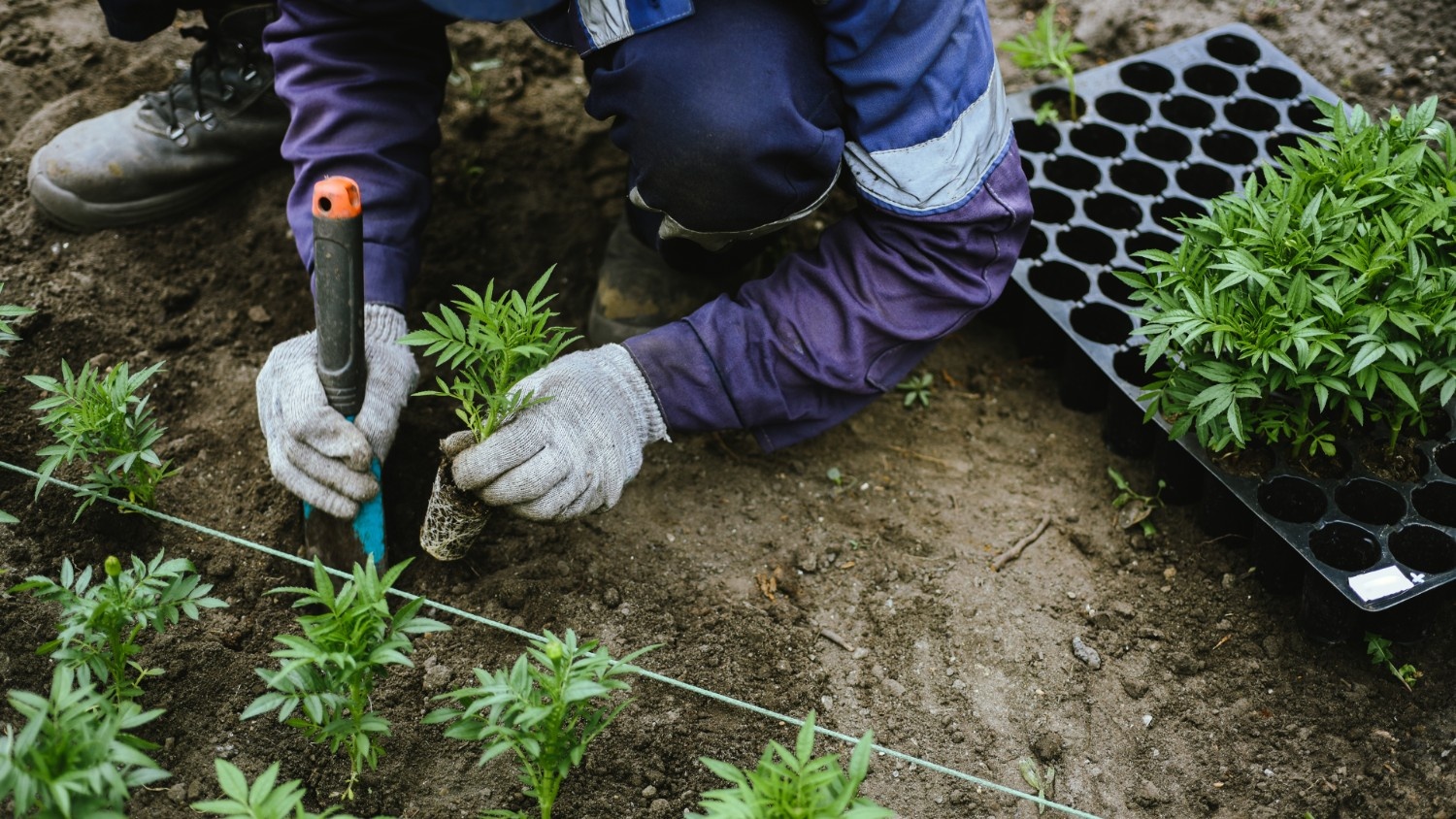
Weed pressure does not increase by accident. It is often the result of a combination of agronomic, environmental, and management factors that favor certain species over others. Understanding these drivers helps you address the cause, not just the symptom.
1. Continuous Monoculture
Growing the same crop year after year creates predictable soil conditions and timing patterns. Weeds quickly adapt to those conditions, germinating when the soil is disturbed or when a particular crop canopy opens.
For example, in long-term winter wheat monocultures, grasses such as wild oat (Avena fatua) and broadleaves like chickweed become dominant. In contrast, rotating with legumes or oilseeds interrupts weed life cycles and reduces pressure.
2. Excess Nitrogen and Fertilizer Imbalance
High nitrogen levels stimulate fast-growing annual weeds such as Amaranthus retroflexus (pigweed) and Chenopodium album. These species respond more aggressively to nitrogen than most crops, outgrowing them within days if left unchecked. Targeted fertilizer placement and split applications reduce the nutrients available to weed seedlings in upper soil layers.
3. Reduced Tillage
Conservation tillage preserves soil structure and moisture but also favors weeds that reproduce from surface seeds or rhizomes. Species like Canada thistle and field bindweed thrive under reduced disturbance. This trade-off requires adaptive management, mechanical control, or cover cropping to suppress perennials while maintaining soil integrity.
4. Climate Change
Shifting temperature and rainfall patterns allow weeds to migrate into new regions and extend their growing seasons. Warmer winters enable the survival of previously dormant species, while erratic rainfall favors aggressive annuals that germinate quickly after short moisture events.
5. Herbicide Overreliance
The widespread use of herbicides since the 1960s revolutionized farming, but repetitive application of the same modes of action has led to resistance. Globally, more than 273 weed species now show confirmed herbicide resistance. Once resistance develops, control costs increase sharply, and chemical diversity alone becomes unsustainable.
Sustainable weed control requires diversity in management, combining preventive, mechanical, and biological methods with precise chemical use.
Core Methods of Weed Crop Management
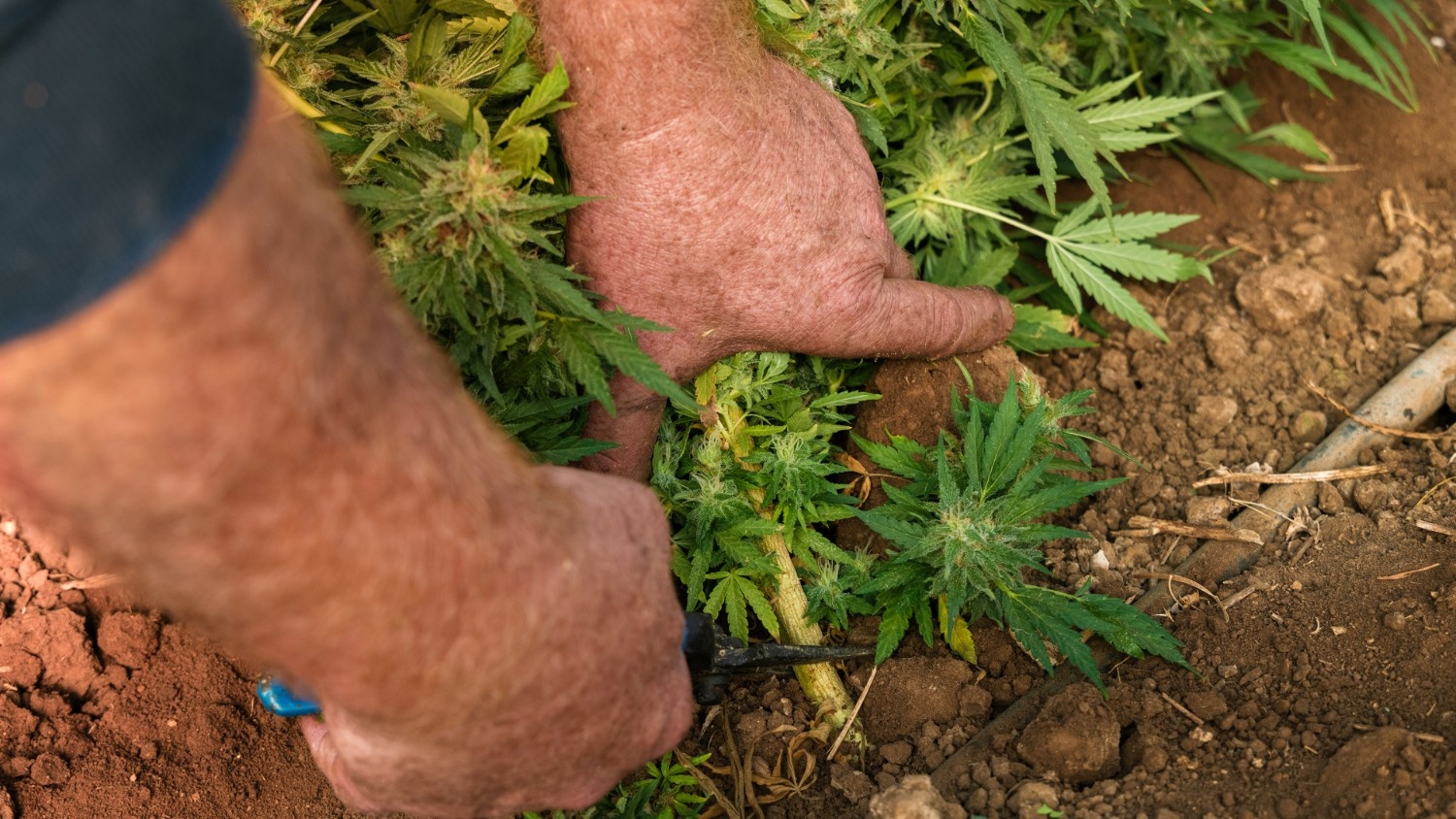
Successful weed management comes from integration rather than dependence on a single tool. Each method, cultural, mechanical, chemical, and biological, plays a role. When combined strategically, they reinforce one another.
1. Cultural Methods
Cultural controls make the field environment less favorable for weed establishment and growth by optimizing crop vigor and competitiveness.
Crop Rotation:
Changing crops each season disrupts weed life cycles. Rotating cereals with legumes or oilseeds changes planting and harvest timings, depriving weeds of predictable windows for germination. Multi-year studies in cereal-legume rotations show up to a 50 percent reduction in total weed biomass compared with monocultures.
Cover Crops:
Cover crops like rye, clover, or vetch suppress weed seedlings by shading the soil and releasing allelopathic compounds that inhibit germination. They also improve soil structure and moisture retention.
Planting Density and Timing:
A denser crop canopy shades the soil faster, limiting weed emergence. Similarly, adjusting sowing dates can give your crop a competitive head start over early-germinating weeds.
Mulching and Residue Management:
Organic mulches or retained crop residues create a physical barrier that limits weed germination and conserves soil moisture.
Stale Seedbed Technique:
This method involves preparing the seedbed, allowing the first flush of weeds to germinate, and then removing them mechanically before planting the main crop.
2. Mechanical Methods
Mechanical control remains one of the oldest and most reliable weed suppression strategies. It physically removes or buries weeds and can be tailored to crop type and weed growth stage.
Tillage and Cultivation:
Pre-plant tillage can destroy existing weeds and stimulate germination of others that can be controlled before planting. Inter-row cultivation during early crop growth can uproot weeds between rows without damaging the crop.
Harrowing and Hoeing:
Harrowing disrupts small weed seedlings, particularly in cereals, while hoeing between wide rows helps manage weeds that escape pre-emergence control.
Mowing and Flaming:
Mowing prevents seed production in tall weeds, especially at field edges or pastures. Flaming can be used for non-selective weed control in specific crops, though it requires careful timing to avoid crop injury.
Modern Upgrades:
Camera-guided cultivators and robotic weeders are gaining ground. They identify weeds in real time using AI and remove them mechanically or thermally. Though still costly, they represent the future of precision mechanical weeding.
3. Chemical Methods
Herbicides remain an important part of most integrated weed management programs, but their use must be strategic and limited to avoid resistance.
Pre-Emergence Herbicides:
Applied before weed seeds germinate, these herbicides create a chemical barrier at the soil surface. They are effective against annual grasses and broadleaves but require moisture activation.
Post-Emergence Herbicides:
Applied to growing weeds, these products target specific metabolic pathways. Always choose herbicides based on weed species, crop tolerance, and growth stage.
Mode-of-Action Rotation:
Avoid repeating the same herbicide group each season. Rotating or mixing active ingredients slows resistance development and prolongs herbicide efficacy.
Selective vs. Non-Selective Products:
Selective herbicides target certain weed groups without harming crops, while non-selective options are used for fallow fields or pre-plant burndown. Proper calibration, timing, and weather conditions determine success.
Regulatory and Environmental Considerations:
Many countries are tightening herbicide regulations to protect soil and water quality. Incorporating non-chemical tools ensures compliance with these evolving standards.
4. Biological and Ecological Methods
Biological control focuses on using natural enemies or ecological mechanisms to manage weed populations.
Allelopathic Crops:
Certain crops release natural compounds that suppress weeds. Sorghum and rye, for example, secrete allelochemicals that inhibit small-seeded weeds. Including them in rotation provides built-in biological suppression.
Bioherbicides:
Bioherbicides are formulations derived from fungi or bacteria that target specific weeds. Examples include Alternaria cassiae for controlling Cassia obtusifolia in soybean systems. Though still emerging, they offer a lower environmental impact compared with conventional herbicides.
Beneficial Insects and Grazing:
In some systems, insects or grazing animals can help manage weed populations by consuming young shoots. For instance, sheep grazing after harvest can reduce winter annual weeds in fallow fields.
Ecological Balance:
Biological methods support soil microbial diversity and reduce the chemical load, promoting resilience against both weeds and diseases.
Keeping track of multiple weed control methods, rotations, and application timings can be overwhelming. With PlanaCan, you can design integrated weed management workflows, monitor field data, and coordinate team activities from a single dashboard. Schedule a free call today.
Integrated Weed Management (IWM): Combining Tactics for Long-Term Control
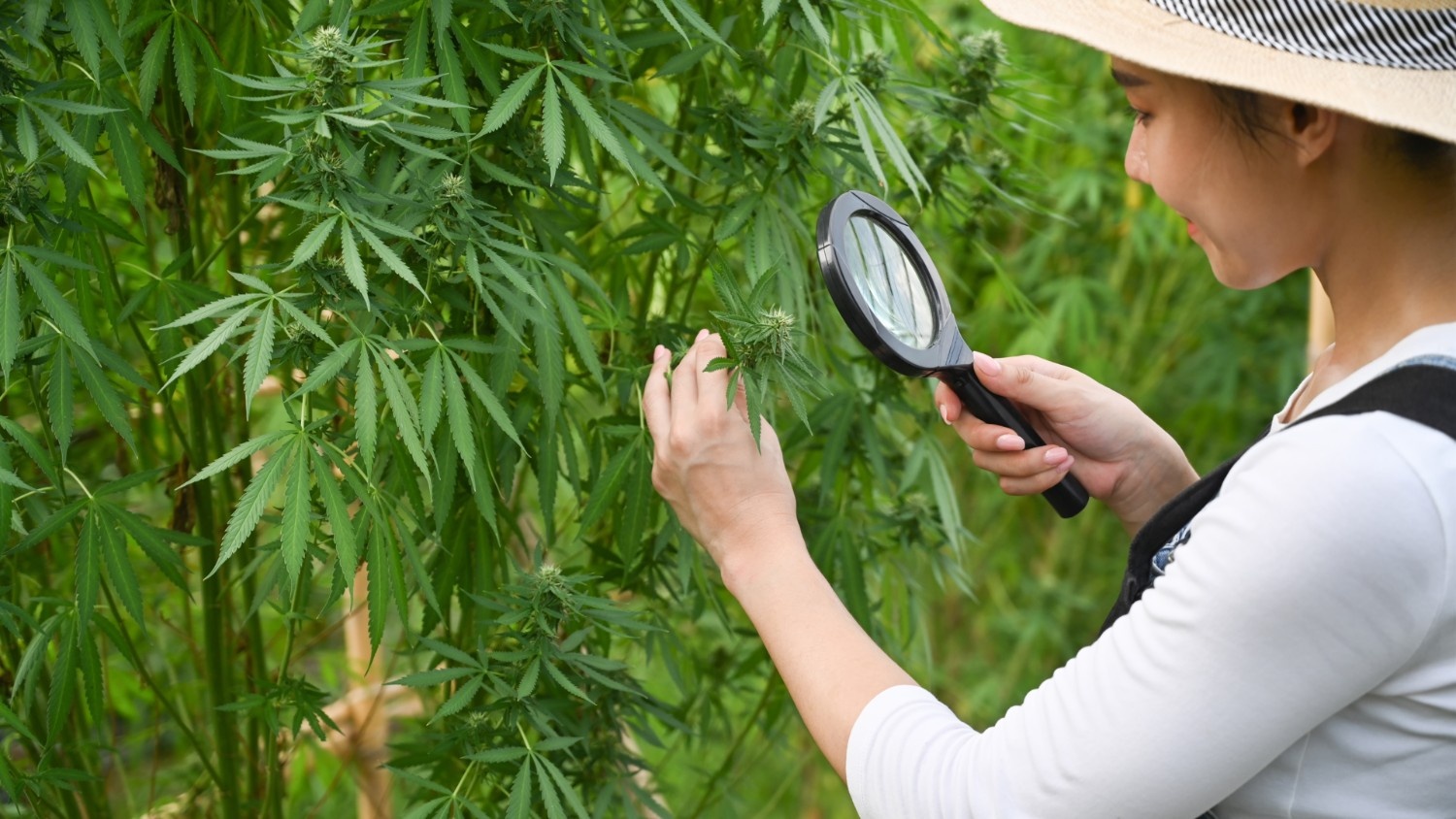
Weed control is not about using a single best method; it is about combining multiple compatible strategies so that no single weed species dominates. This concept forms the foundation of Integrated Weed Management (IWM), a holistic framework now used in most modern agronomy systems.
What Makes IWM Effective
Integrated weed management blends preventive, cultural, mechanical, chemical, and biological approaches in sequence, based on field conditions and weed species present. The idea is to diversify selection pressures, preventing weeds from adapting to one method.
Key components include:
- Crop rotation to vary soil disturbance and canopy patterns.
- Cover crops and stale seedbeds to block germination windows.
- Judicious herbicide use based on weed mapping and growth stage.
- Mechanical control for escape weeds before seed set.
- Field monitoring and threshold-based decisions instead of calendar spraying.
Field trials show IWM can reduce weed densities by 40-60% and significantly lower reliance on herbicides within several cropping seasons. Over time, this integrated approach stabilizes yields, lowers chemical costs, and supports healthier soils.
Crop Rotation and Weed Community Dynamics
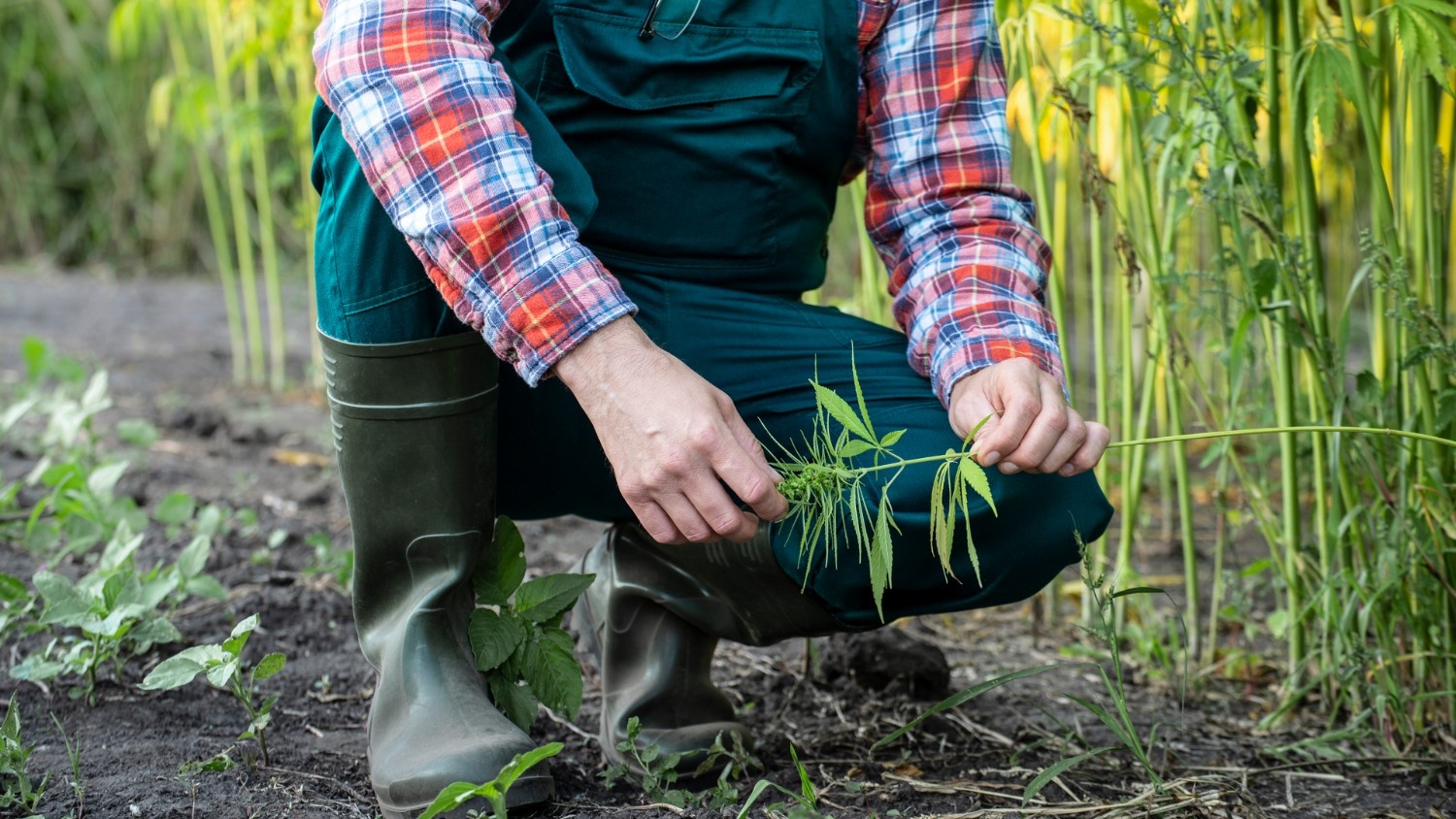
Crop rotation is one of the simplest and most powerful weed suppression tools. Long-term trials, including 33-35-year winter wheat experiments, have shown that continuous monoculture encourages dominance by a few persistent weed species, while diversified rotations maintain ecological balance.
How Rotation Alters Weed Communities
Each crop has a unique planting date, canopy structure, and residue profile. Changing crops annually disrupts weed germination cues, reduces seed survival, and modifies soil microbial activity.
For example:
- Cereal-legume rotations reduce grassy weeds that thrive in continuous grain systems.
- Oilseed-cereal sequences introduce allelopathic residues that inhibit small-seeded annuals.
- Deep-rooted crops like sunflowers or sugar beet deplete resources from deeper soil layers, restricting shallow-rooted weeds in subsequent seasons.
The Monoculture Problem
In long-term monoculture, soil seedbanks shift toward weeds that synchronize perfectly with the crop’s life cycle. Studies from European wheat systems show that after three decades, monocultured fields harbor up to three times the weed seed density compared with rotated fields.
Rotation, by contrast, breaks predictability; weeds cannot specialize, keeping populations low and diverse.
Scouting, Identification, and Action Thresholds

You cannot manage what you do not measure. Regular weed scouting helps you identify emerging species, estimate density, and act before thresholds are exceeded.
How to Scout Efficiently
- Timing: Conduct the first scouting within two weeks after crop emergence, followed by checks before canopy closure and pre-harvest.
- Method: Walk in an “M” or “W” pattern across the field, recording species and density per square meter.
- Tools: Use smartphone mapping apps or drones for georeferenced weed density maps.
- Thresholds: Take action when weed competition threatens economic loss, usually when more than 10-15 percent of the field area is infested early in the season.
Accurate identification is critical since control strategies vary. Grassy weeds may need selective post-emergence herbicides, while broadleaf weeds respond better to different chemistry or cultivation timing. Use university extension guides (such as MSU IPM) for visual reference and confirmation.
Precision Agriculture and AI in Weed Management

Technology now allows you to target weeds more precisely than ever before. Precision agriculture integrates sensors, GPS, and AI to detect, map, and control weeds with minimal waste.
1. Sensor-Based Spraying
Modern sprayers use optical sensors to differentiate green plants from bare soil, applying herbicide only where needed. Precision spray systems on post-emergence weeds have demonstrated herbicide-use savings of 70 % or more in favorable conditions (with some trials reporting up to 76 %), while maintaining weed control efficacy.
2. Drone Mapping
Drones equipped with multispectral cameras can survey large fields quickly, identifying high-density weed patches. This data guides variable-rate applications or mechanical interventions in problem zones.
3. AI-Based Weed Recognition
A 2025 study of Teff crops found that a fine-tuned MobileNetV2 achieved 96.40 % accuracy in identifying weeds under field conditions. These models are being integrated into robotic weeders and autonomous tractors.
4. Robotic and Laser Weeders
Autonomous weeders use cameras and sensors to recognize weeds and destroy them using mechanical blades or laser energy. Though costly today, these tools are expected to become more accessible as farms scale digital infrastructure.
Technology alone cannot solve the weed problem, but when used alongside traditional methods, it enables more efficient and sustainable management.
Conclusion
Weeds are part of every farming system, but how you manage them determines whether they remain a nuisance or become a crisis. The most effective approach is preventive, maintaining crop competitiveness, rotating species, and combining tactics that reinforce one another.
Integrated weed management and precision agriculture are not trends; they are the future of sustainable farming. Together, they reduce dependence on herbicides, preserve soil health, and maintain consistent yields even under changing climate conditions.
If you manage multiple fields or cropping cycles, standardizing weed control practices and tracking results over time becomes essential.
PlanaCan enables you to plan crop rotations, schedule weed monitoring, record treatments, and analyze field data, all in one platform.
Get started today!
FAQs About Weed Crop Management
1. What is the difference between a weed infestation and a weed community?
A weed infestation refers to the density or spread of unwanted plants in one season, while a weed community describes the long-term composition of species that coexist in a cropping system.
2. How does crop rotation reduce herbicide use?
Rotation disrupts weed life cycles, allowing mechanical or cultural control to replace certain chemical treatments. This diversification lowers the need for herbicide applications.
3. Can herbicides alone control weeds sustainably?
No. Over time, repeated use of the same herbicide group encourages resistance. Sustainability requires integrated approaches using cultural and mechanical measures alongside chemistry.
4. How does climate change influence weed-crop competition?
Warming temperatures and erratic rainfall favor adaptable species, expand weed ranges, and lengthen growing seasons, increasing overall weed pressure.
5. What are the most common weeds in field crops?
Common examples include barnyard grass (Echinochloa crus-galli), pigweed (Amaranthus spp.), lambsquarters (Chenopodium album), wild oats (Avena fatua), and nutsedge (Cyperus spp.).