Harvest dates tend to shift late in the cycle, forcing rushed decisions and disrupting labor, drying, and downstream planning. What looks ready one week can fall outside the optimal window the next.
Research shows that harvesting cannabis at 9–10 weeks of flowering maximizes cannabinoid yield, while delaying or advancing harvest changes both yield and quality outcomes. Missing that window has real consequences.
The challenge is not just observing plant signals, but turning them into reliable timelines. In this article, we explain how to forecast harvest dates using growth stages to improve accuracy and consistency.
In brief:
- Calendar-based forecasting is unreliable. Fixed timelines fail because plant development varies across strains, environments, and execution quality.
- Plant signals improve timing accuracy. Trichomes, pistils, and growth slowdown provide real indicators of harvest readiness.
- Forecast accuracy improves by stage. Early estimates are broad, while late-stage signals allow narrowing to a few days.
- Inaccurate forecasts disrupt operations. Poor timing affects yield, quality, labor planning, and post-harvest workflows.
- Structured tracking enables better forecasts. Connecting plant progression with scheduling and updates improves consistency and predictability.
Why Calendar-Based Harvest Forecasting Fails in Commercial Cannabis Cultivations?
Calendar-based forecasting assumes that plants follow fixed timelines. In reality, growth progression varies across strains, environments, and execution quality, making static data predictions unreliable. As a result, harvest dates often shift late in the cycle, creating operational disruptions.
Key reasons calendar-based forecasting fails:
- Biological Variability: Plants do not develop at identical speeds, even under similar conditions, making day-count estimates unreliable.
- Environmental Shifts: Changes in temperature, light intensity, and humidity alter how quickly plants move through flowering stages.
- Execution Gaps: Delays or inconsistencies in irrigation, pruning, or feeding directly affect plant progression.
- Genetic Differences: Different strains have different maturation timelines that are often oversimplified in planning.
- Static Forecasts: Initial estimates are not updated based on actual plant development during the cycle.
Late-stage shifts in harvest timing often trace back to relying on fixed schedules rather than actual plant progression. In the next section, we break down the specific plant-level indicators growers can use to anticipate harvest timing more accurately.
Suggested Read: When to Know Your Cannabis Plant is Ready for Harvest
Cannabis Plant Signals in Different Growth Stages That Predict Harvest Timing
Accurate harvest forecasting depends on reading plant signals as they evolve through each stage of growth. When tracked consistently, they provide a far more reliable basis for forecasting than fixed timelines.
The table below outlines the key plant signals across growth stages and what they indicate for harvest timing:
To convert these signals into reliable forecasts, growers need to track and interpret them consistently across batches. Best practices for doing that are:
- Track stage transitions based on actual plant behavior, not planned timelines
- Monitor trichome development regularly to identify maturity windows
- Compare plant signals across rooms to detect uneven progression
- Document observations to refine future forecasts
- Align harvest decisions with the weakest-performing zones in the batch
PlanaCan turns plant signals into structured, trackable workflows that directly inform harvest forecasts. Growth stages are tied to scheduled tasks and tracked in real time, so forecast shifts are based on actual execution. With a centralized calendar and batch-level visibility, growers can adjust harvest windows dynamically. Schedule a free demo today.
Steps to Turn Signals into Harvest Forecasts in Commercial Cultivations
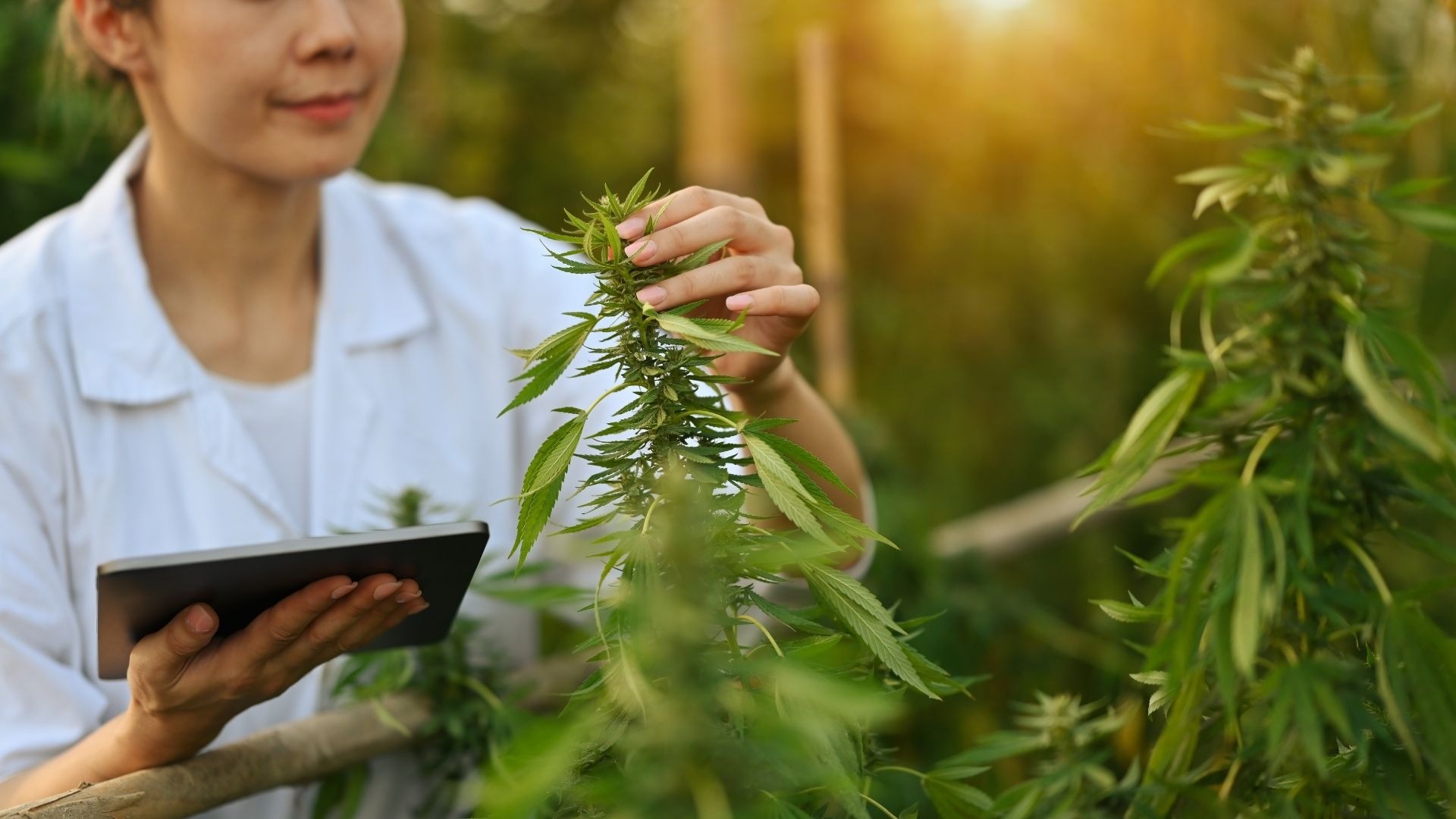
Plant signals become valuable only when translated into timelines that guide decisions. The goal is not to predict a single date, but to continuously refine a harvest window based on real plant progression.
This can be done through the following steps:
1. Map Signals to Time Ranges
Each plant signal represents a range of possible harvest timing rather than an exact point. Translating signals into flexible windows reduces the risk of early or late harvesting.
Apply signal-based timing rules:
- Assign week ranges to trichome stages (clear, cloudy, amber)
- Define the expected duration between flowering milestones
- Build harvest windows instead of fixed dates
- Adjust ranges based on strain-specific behavior
2. Update Forecasts Weekly
Plant development does not follow a static path, so forecasts must evolve with observed changes. Regular updates ensure that small deviations are corrected before they compound.
Maintain rolling forecast updates:
- Review plant signals at consistent weekly intervals
- Shift harvest windows based on observed progression
- Track deviations from initial estimates
- Document changes for future cycle accuracy
3. Align Forecasts Across Rooms
Different rooms rarely progress at the same rate due to micro-variations in environment and execution. Forecasting must account for these differences to avoid operational conflicts.
Synchronize room-level timelines:
- Compare development stages across rooms
- Identify batches ahead or behind schedule
- Stagger harvest windows to avoid overlap
- Adjust labor and resources accordingly
4. Factor in Weakest Zones
Harvest readiness is determined by the least mature sections of a batch. Ignoring uneven development leads to compromised quality and inconsistent outcomes.
Evaluate full canopy readiness:
- Identify slower-developing plant zones
- Base harvest timing on overall uniformity
- Delay harvest if significant variation exists
- Use zone-level observations in forecasting
5. Connect Forecasts to Operations
Forecasts are only useful if they align with labor, drying capacity, and post-harvest workflows. Operational constraints should be integrated into forecasting decisions.
Integrate operational planning:
- Align harvest windows with labor availability
- Plan drying and curing capacity in advance
- Avoid overlapping harvest workloads
- Coordinate with downstream processing teams
Signal-based forecasting is not a one-time calculation. In the next section, we examine how early growers can realistically predict harvest timing and how forecast accuracy evolves across the cycle.
Suggested Read: Steps to Make Cannabis Grow Faster
How Early Can You Forecast Cannabis Harvest Dates Accurately?
Forecast accuracy improves as plants move through flowering because biological signals become more measurable and less variable. Early forecasts should be treated as wide ranges, while late-stage forecasts can be narrowed to a few days. The key is knowing what level of precision is realistic at each stage.
Forecast accuracy by growth stage:
- Vegetative Stage
Only baseline estimates are possible using strain averages (for example, 8–10 week flowering). No plant-level signals exist yet, so forecasts should be treated as rough placeholders with ±2–3 weeks of variability. - Early Flower (Weeks 1–3)
Transition timing (flip date) and early stretch can refine forecasts slightly. At this stage, growers can define a preliminary harvest window, but variability remains high at ±10–14 days. - Mid Flower (Weeks 4–6)
Bud set, pistil behavior, and resin production provide measurable indicators. Forecast windows can be narrowed to ±5–7 days if stage progression is consistent across the canopy. - Late Flower (Weeks 7–9)
Trichome development (clear to cloudy) and slowed vegetative growth allow for tighter prediction. Forecast accuracy improves to ±2–4 days when signals are tracked consistently. - Final Stage (Last 7–10 Days)
Trichome ratios (cloudy/amber) and minimal new growth define the harvest window. Forecasts can be narrowed to ±1–2 days, enabling precise scheduling of labor and post-harvest operations.
PlanaCan strengthens forecasting by giving growers a clear view of how far each batch has progressed relative to plan. Instead of relying on isolated observations, teams can compare batches, track delays, and understand how execution impacts timing. Try PlanaCan today.
Harvest Windows vs Exact Dates: What Growers Get Wrong
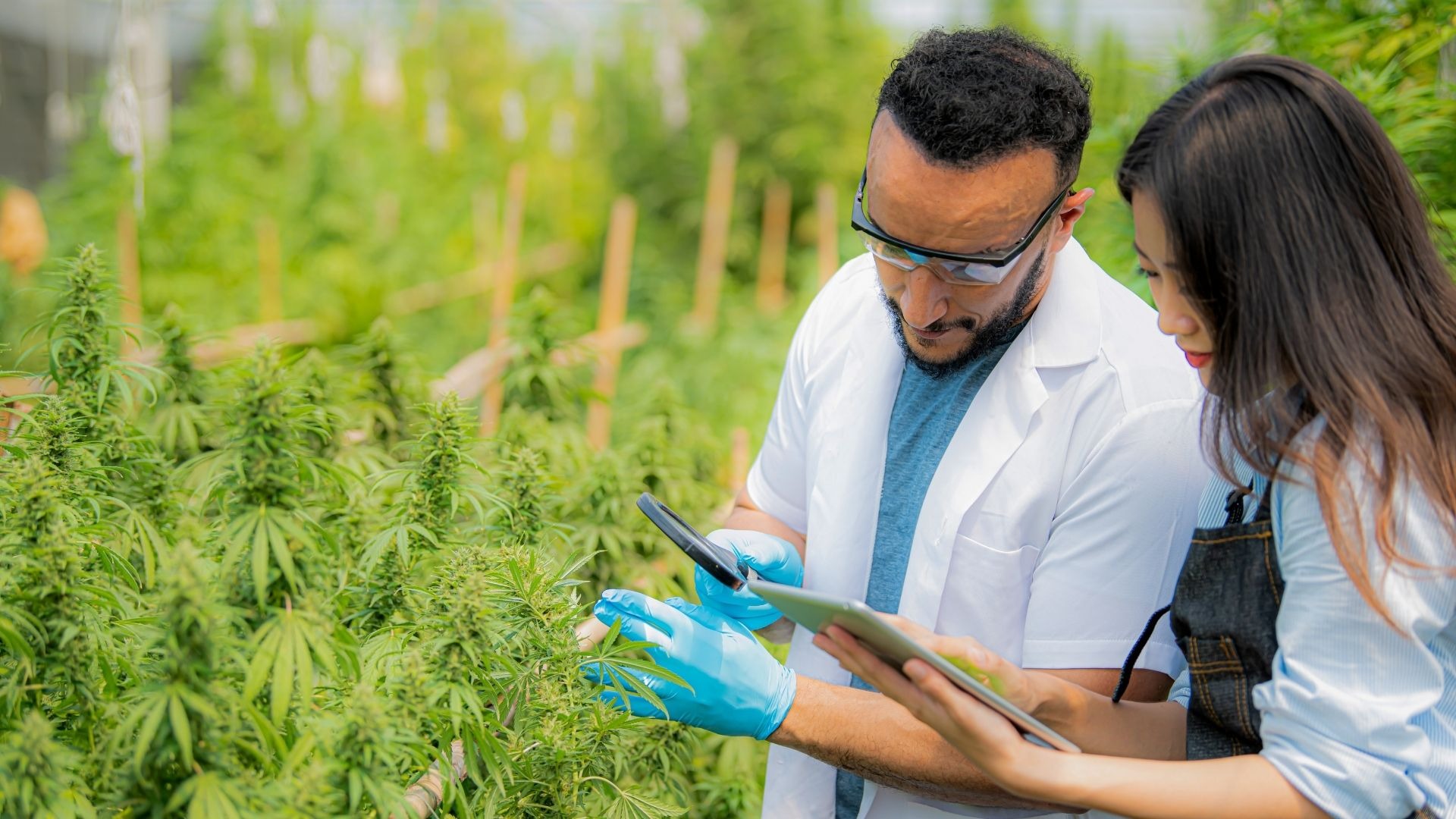
Relying on exact dates creates pressure to harvest too early or too late, especially when growth deviates mid-cycle. High-performing operations plan around harvest windows, not single-day targets.
The table below compares how exact-date thinking differs from window-based forecasting in real cultivation environments:
The issue is not just how harvest dates are defined, but how inaccuracies impact the entire operation. In the next section, we examine the specific problems that arise when harvest forecasts are off.
Risks of Incorrect Harvest Timing in Cannabis Cultivation
Inaccurate harvest forecasts disrupt multiple parts of the operation, from crop quality to labor planning and downstream processes. Even small shifts of a few days can compound into measurable losses and inefficiencies.
Key problems caused by inaccurate harvest dates:
- Quality Loss: Harvesting too early reduces cannabinoid development, while delays can degrade potency and overall product quality.
- Yield Reduction: Missing the optimal harvest window limits biomass accumulation or leads to overmature plants with diminished returns.
- Labor Disruptions: Teams are either underprepared or overallocated, leading to rushed work or idle time.
- Drying Bottlenecks: Misaligned harvest timing overloads drying rooms, impacting curing quality and throughput.
- Batch Overlaps: Delays in one batch push into the next cycle, creating scheduling conflicts and operational congestion.
Harvest timing errors are rarely isolated. They cascade across the operation, affecting both crop outcomes and operational efficiency. Controlling forecast accuracy is essential to maintaining consistency, quality, and predictable production cycles.
Conclusion
Inaccurate harvest forecasting creates cascading risks that extend beyond a single batch. Misaligned timelines force reactive decisions, compress critical tasks into shorter windows, and increase the likelihood of handling errors during harvest.
PlanaCan addresses this by turning harvest forecasting into a structured, trackable process rather than a last-minute decision. It connects planning, execution, and real-time progress, enabling growers to anticipate shifts earlier and coordinate harvests with precision.
Review how your current harvest timelines are determined and adjusted during the cycle. Identify where assumptions are replacing actual tracking. Schedule a free call today.
Frequently Asked Questions
1. What are the 7 steps to forecasting harvest dates in cannabis cultivation?
The process typically includes defining strain timelines, recording flip dates, tracking growth-stage progression, monitoring plant signals, setting harvest windows, updating forecasts weekly, and aligning forecasts with operational constraints such as labor and drying capacity.
2. What is the formula for forecasting harvest dates?
There is no fixed formula. Forecasting combines baseline flowering duration with real-time plant signals and observed deviations, adjusting timelines continuously rather than relying on a static calculation.
3. What are the four methods of forecasting in cultivation?
Growers commonly use calendar-based forecasting, stage-based forecasting, signal-based forecasting (trichomes, pistils), and data-driven forecasting using historical batch performance.
4. How do commercial growers improve forecasting accuracy at scale?
They standardize how growth stages are tracked, use rolling forecast updates, align teams around shared timelines, and rely on structured systems instead of manual estimation or memory.
5. Why is it difficult to know how to forecast harvest dates accurately?
Because plant development varies across strains, environments, and execution quality. Without consistent tracking and updates, forecasts drift away from actual plant progression, leading to timing errors.