Crop variability is one of the most persistent challenges in cannabis cultivation because it directly affects potency, yield, and product consistency even within the same strain. Research into dried cannabis flower shows that Total THC can vary by 3.1–6.7 % within a single stratum of the same batch.
The variations can also be similar in magnitude across different parts of a plant, demonstrating how naturally occurring variability complicates quality control. These differences can undermine uniform harvest timing and product labeling.
In this guide, we explore practical strategies growers use to reduce crop variability and improve consistency across cycles.
Brief breakdown:
- Crop variability damages production reliability. It reduces yield predictability, creates potency swings, and increases compliance and labeling risk across harvests.
- Small execution errors compound quickly. Minor delays, skipped tasks, or measurement inconsistencies scale into crop-wide losses over multiple cycles.
- Standardized processes drive uniform plant development. Documented protocols align feeding, pruning, and inspections across rooms, shifts, and facilities.
- Real-time oversight prevents widespread impact. Immediate visibility into task completion enables early correction before deviations affect canopy consistency.
- Historical analysis improves future outcomes. Reviewing prior cycles reveals recurring variability drivers and supports more accurate planning decisions.
What Is Crop Variability in Weed Farming?
Crop variability refers to inconsistent plant growth, development, and quality within the same crop. Cannabis is especially prone to variability due to genetics, canopy structure, and sensitivity to micro-environmental changes. Small differences can quickly compound across a cycle.
This is how variability appears in cannabis cultivation:
- Uneven Plant Size: Some plants outgrow others, creating inconsistent canopy height and light exposure.
- Staggered Flower Maturity: Buds ripen at different times within the same room or plant.
- Potency Differences: Cannabinoid levels vary between colas, leaves, and plants.
- Terpene Inconsistency: Aroma and flavor intensity differ across the harvest.
- Yield Imbalance: Final dry weight varies widely across benches or rows.
- Structural Differences: Bud density and calyx development are inconsistent.
These symptoms rarely appear in isolation. They usually stem from multiple underlying causes acting together. To address variability effectively, it is important to understand the key factors that create it.
Suggested Read: Guide to Different Methods of Cannabis Propagation
Factors Driving Crop Variability in Cannabis Cultivation
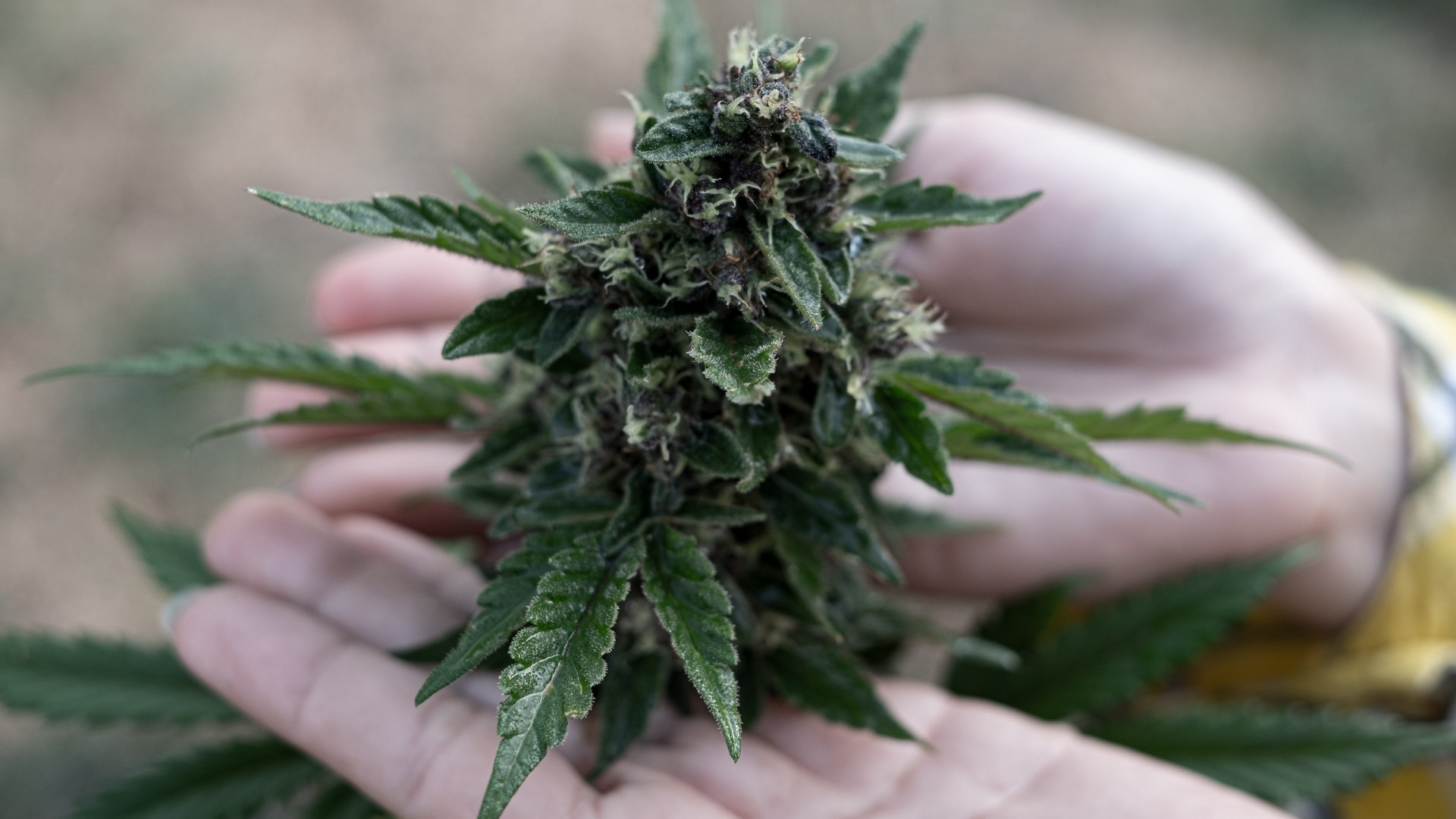
When crop variability shows up in your grow, harvest rarely feels clean or predictable. Some plants smell ripe and loud, while others still carry a green, unfinished aroma. Buds in one row feel dense and sticky, while the next row feels airy and soft.
Understanding why this happens helps you prevent uneven harvests before they cost you yield and quality. These are the usual culprits:
- Genetic Inconsistency
- If you grow from seed, you are managing multiple phenotypes whether you intend to or not. You will see differences in height, stretch, flowering speed, cannabinoid ratios, and terpene expression, all finishing on slightly different timelines.
- Uneven Light Distribution
- When PPFD varies across your canopy, top colas mature faster while the lower ones lag behind. At harvest, you may notice mixed trichome maturity and uneven aroma intensity from plant to plant.
- Environmental Microclimates
- Small shifts in temperature, humidity, airflow, or CO₂ across the room change how plants transpire and metabolize nutrients. You often smell this at harvest, with some zones expressing peak terpenes while others remain muted.
- Irrigation and Root-Zone Variability
- Inconsistent drybacks or uneven oxygen levels cause plants to uptake nutrients differently. Some finish heavy and resinous, while others stay lighter and less developed.
- Nutrient Delivery Differences
- EC drift, clogged emitters, or uneven runoff lead to nutrient imbalance. At harvest, this shows up as inconsistent bud density, discoloration, and uneven final weight.
- Timing and Labor Inconsistency
- Missed irrigations, delayed pruning, or uneven task execution allow small differences to grow larger each week. By harvest, variability feels baked into the crop.
Now that you know what drives variability, the next step is applying strategies to reduce it and bring your crop back into alignment actively.
Suggested Read: Understanding Cannabis Plant Anatomy: Nodes and Internodes
6 Proven Strategies to Reduce Crop Variability

Reducing crop variability requires intentional control across genetics, environment, irrigation, and execution. These strategies focus on aligning plant behavior so growth, ripening, and harvest outcomes become more predictable.
When the following strategies are applied together, they can significantly narrow differences within the same crop:
1. Use Crop Steering to Re-Align Plant Behavior
Crop steering allows you to guide plants back toward uniform growth or flowering by adjusting irrigation timing, drybacks, EC, and environmental signals. When applied consistently, it helps correct uneven vigor and synchronize development across the canopy.
The points below explain how crop steering reduces variability in practice:
- Adjusting drybacks helps slow overly vigorous plants and encourages lagging ones to catch up.
- Shifting from vegetative to generative steering helps synchronize flower initiation and ripening.
- Controlled stress signals reduce unpredictable growth responses late in the cycle.
2. Standardize Genetics and Plant Material
Genetic consistency is the foundation of uniform crops. Starting with identical plant material removes one of the largest sources of variability before the cycle even begins.
These actions help minimize genetically driven differences:
- Use stable clones instead of seed-grown plants whenever possible.
- Cull weak or off-phenotype plants early rather than trying to correct them later.
- Track cultivar performance across cycles to identify reliable genetics.
3. Improve Light Uniformity Across the Canopy
Uneven light exposure is one of the most visible drivers of variability. Aligning PPFD across the canopy helps plants develop and mature at similar rates.
These steps improve light-driven consistency:
- Level the canopy through training and pruning.
- Adjust fixture spacing and height to reduce hot and cold spots.
- Measure PPFD regularly instead of relying on visual brightness alone.
4. Eliminate Environmental Microclimates
Even small environmental differences can compound over time. Aligning temperature, humidity, airflow, and CO₂ reduces uneven transpiration and nutrient uptake.
The following practices help stabilize microclimates:
- Balance airflow to avoid stagnant or over-dried zones.
- Monitor multiple sensor locations, not just room averages.
- Maintain steady late-flower conditions to prevent uneven ripening.
5. Tighten Irrigation and Nutrient Consistency
Variability often starts in the root zone. Consistent water delivery and nutrient availability help plants grow and finish together. When roots experience uneven moisture or EC, above-canopy differences become unavoidable by harvest.
These controls reduce root-zone-driven differences:
- Ensure uniform emitter flow and drainage across all plants.
- Maintain consistent EC and runoff targets.
- Align irrigation timing across benches and zones.
6. Execute Tasks on Time, Every Time
Human inconsistency magnifies plant differences. Structured execution keeps minor issues from becoming significant problems. When tasks slip or vary between team members, the variability compounds across the entire crop cycle.
These habits support consistent execution:
- Perform pruning, defoliation, and inspections on schedule.
- Use repeatable checklists for critical growth stages.
- Address minor issues immediately rather than postponing fixes.
PlanaCan helps you reduce crop variability by enforcing consistent execution across every strategy outlined above. Automated work scheduling, standardized templates, and real-time task tracking ensure that steering, irrigation, and canopy actions are performed consistently. Schedule a free demo to learn more.
Impact of Crop Variability on Yield and Potency
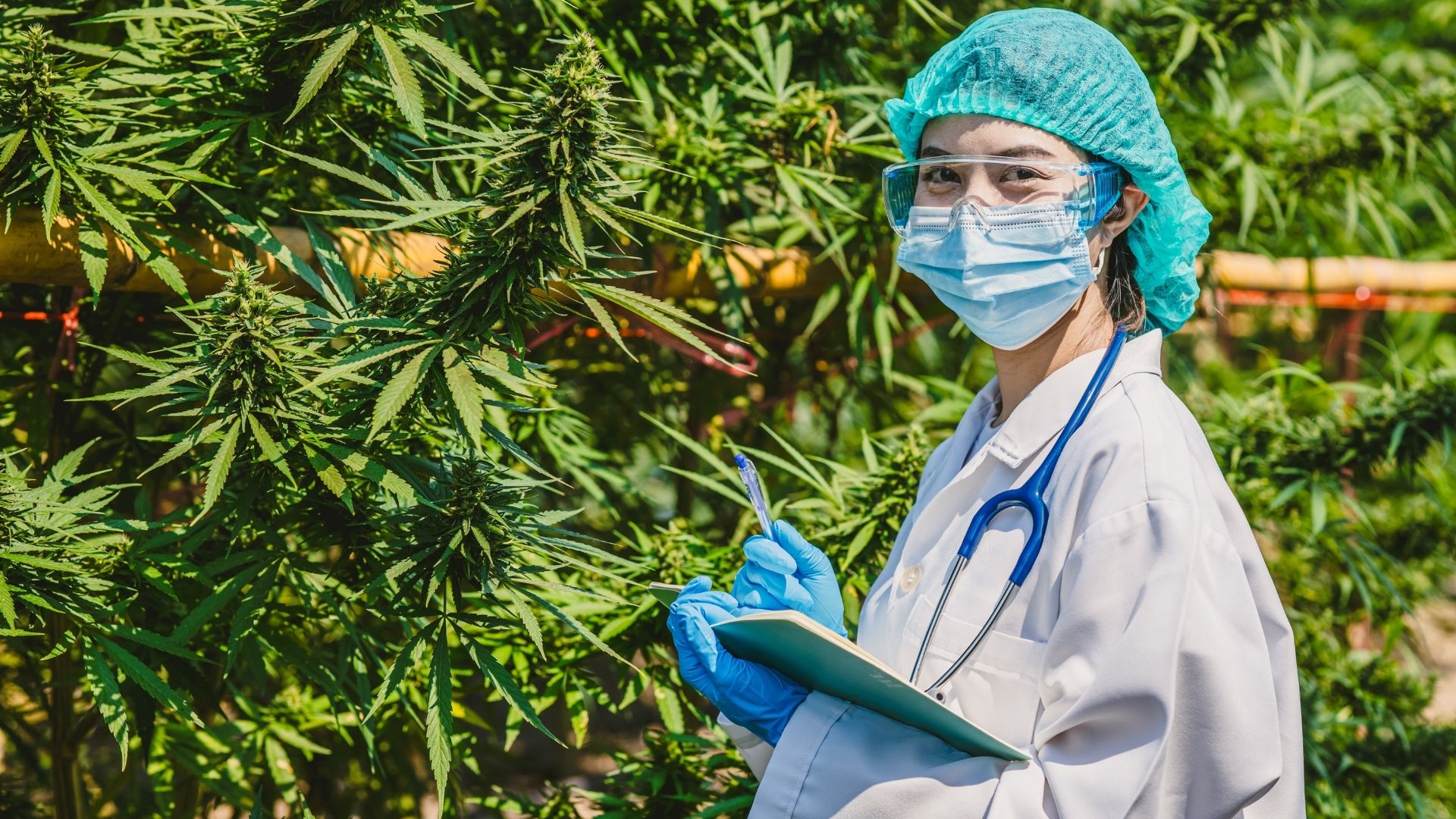
Crop variability directly affects both output consistency and product quality in commercial cannabis cultivation. Even small deviations compound across cycles, creating measurable losses and compliance risks.
This is how crop variability affects your ROI:
- Reduced Yield Predictability: Inconsistent growth leads to uneven canopy development and unreliable harvest volumes.
- Potency Fluctuations: Variability in cannabinoid and terpene expression alters THC, CBD, and overall profile consistency.
- Higher Operational Waste: Uneven crops increase culling, rework, and post-harvest sorting requirements.
- Compliance and Labeling Risk: Potency swings can result in failed lab tests or inaccurate product labeling.
- Planning Disruptions: Unpredictable outcomes complicate labor scheduling, inventory planning, and downstream sales commitments.
Understanding these impacts clarifies why variability cannot be managed reactively. Preventing it requires structured planning, standardized execution, and consistent oversight throughout every growth stage.
Suggested Read: Best Nutrients for Cannabis Cultivation
Steps to Prevent Marijuana Crop Variability Before It Starts
Preventing crop variability begins long before planting. Consistency depends on disciplined planning, standardized execution, and early control of variables across every cultivation stage.
These are a few prevention steps you can take:
- Standardize Cultivation Protocols
- Clear, written protocols remove individual interpretation from daily tasks. Feeding schedules, irrigation volumes, pruning methods, and sanitation routines should be identical across rooms and shifts.
- Control Environmental Inputs
- Environmental inconsistency is a primary driver of uneven growth and stress responses. Temperature, humidity, light intensity, and airflow must remain within defined ranges for each growth phase. Even minor fluctuations, when repeated daily, can create measurable differences in plant structure, yield, and potency.
- Use Uniform Genetics
- Genetic variability introduces inconsistencies that operational controls cannot fully resolve. Starting from stable, verified genetics reduces phenotypic variation across plants. Uniform genetics support predictable growth rates, flowering timelines, and cannabinoid expression.
- Plan Tasks by Growth Stage
- Calendar-based planning often misaligns work with plant development. Stage-based task planning ensures feeding, pruning, training, and inspections occur at the right physiological moments. This reduces plant stress and prevents uneven responses across the canopy.
- Track Execution in Real Time
- Real-time tracking confirms tasks are completed correctly and on schedule. Early visibility into missed or delayed work prevents small deviations from compounding into crop-wide variability.
PlanaCan helps cultivation teams prevent variability by translating grow plans into structured, stage-specific task schedules. It ensures that feeding, pruning, inspections, and environmental checks are executed consistently across rooms and cycles. Try PlanaCan for free.
Common Actions That Contribute to Crop Variability

Crop variability often originates from routine operational habits rather than isolated failures. When these actions repeat across cycles, their cumulative impact becomes significant.
Table showing errors that induce crop variability in cannabis growing:
Most variability stems from unverified execution and delayed detection. Precision improves when actions are consistently measured, timed, and reviewed.
These are a few targeted tips to reduce these mistakes:
- Define acceptable ranges for every critical input.
- Require confirmation for completed tasks, not assumptions.
- Use cycle reviews to identify repeat failure points.
When execution is tracked and enforced, variability becomes predictable rather than reactive. PlanaCan provides this operational visibility across cultivation workflows.
Suggested Read: Optimal Temperature for Germinating Cannabis Seeds
Use PlanaCan to Prevent Errors and Improve Consistency

PlanaCan is a cultivation planning and execution platform built for commercial cannabis growers. It replaces spreadsheets and informal tracking with structured workflows, task scheduling, and execution visibility. The platform helps teams reduce variability by ensuring every action occurs correctly and on time.
These features can help you have a bumper cannabis crop:
1. Workflow Automation
PlanaCan automates recurring cultivation tasks based on growth stages. Feeding, pruning, inspections, and environmental checks follow predefined sequences. Automation reduces skipped steps and limits variability caused by human oversight.
2. Interactive Grow Calendar
The interactive calendar maps tasks directly to plant development stages. Teams see required actions by room, batch, and day. This prevents mistimed interventions that disrupt uniform growth.
3. Task Templates and Standardization
PlanaCan provides reusable templates for cultivation workflows. Templates enforce consistent protocols across cycles and facilities. This reduces variation introduced by individual execution styles.
4. Mobile Execution and Accountability
PlanaCan combines real-time task tracking with iOS and Android mobile apps. Teams confirm completion directly from the grow floor, while managers see immediate status updates. This visibility reduces missed work and enables faster correction.
5. Reporting and Performance Analytics
PlanaCan captures execution data across cycles for analysis. Growers can review task completion patterns, timing deviations, and outcomes. These insights help identify repeat variability drivers and improve future runs.
PlanaCan is continuously upgraded using direct grower feedback and operational data. The software is built around real cultivation workflows, not generic task tools. Our team remains available to support growers and address issues as operations evolve.
Conclusion
Crop variability silently erodes yield, potency, and operational predictability. Left unmanaged, small deviations compound into failed tests, missed targets, and avoidable waste. Consistency requires structure, discipline, and execution visibility across every cycle.
PlanaCan gives growers that structure through planned workflows, verified execution, and actionable insights. It replaces fragmented tracking with clarity across tasks, timing, and accountability. The result is more predictable harvests and stronger operational control.
Reduce crop variability before it impacts yield and potency. Schedule a demo to see how PlanaCan supports consistent cultivation outcomes.
Frequently Asked Questions
1. Can crop variability occur even with automated environmental controls?
Yes. Environmental automation controls conditions, not human actions. Missed feedings, delayed pruning, or inconsistent inspections still introduce variability that automation alone cannot correct.
2. How early does variability begin in a growth cycle?
Variability often begins during propagation and early vegetative stages. Early stress affects root development, structure, and growth rates, influencing yield and potency outcomes later.
3. Does crop variability affect terpene profiles differently than cannabinoids?
Yes. Terpenes respond more quickly to stress, light changes, and timing errors. Minor inconsistencies can significantly alter aroma, flavor, and overall strain expression.
4. Can staff turnover increase crop variability risk?
Yes. New staff often follow habits instead of protocols. Without structured workflows and verification, execution differences accumulate, increasing inconsistency across rooms and cycles.
5. How long does it take to see consistency improvements after process changes?
Most growers see measurable improvements within one to two grow cycles. Results depend on execution discipline, documentation quality, and how consistently changes are enforced.