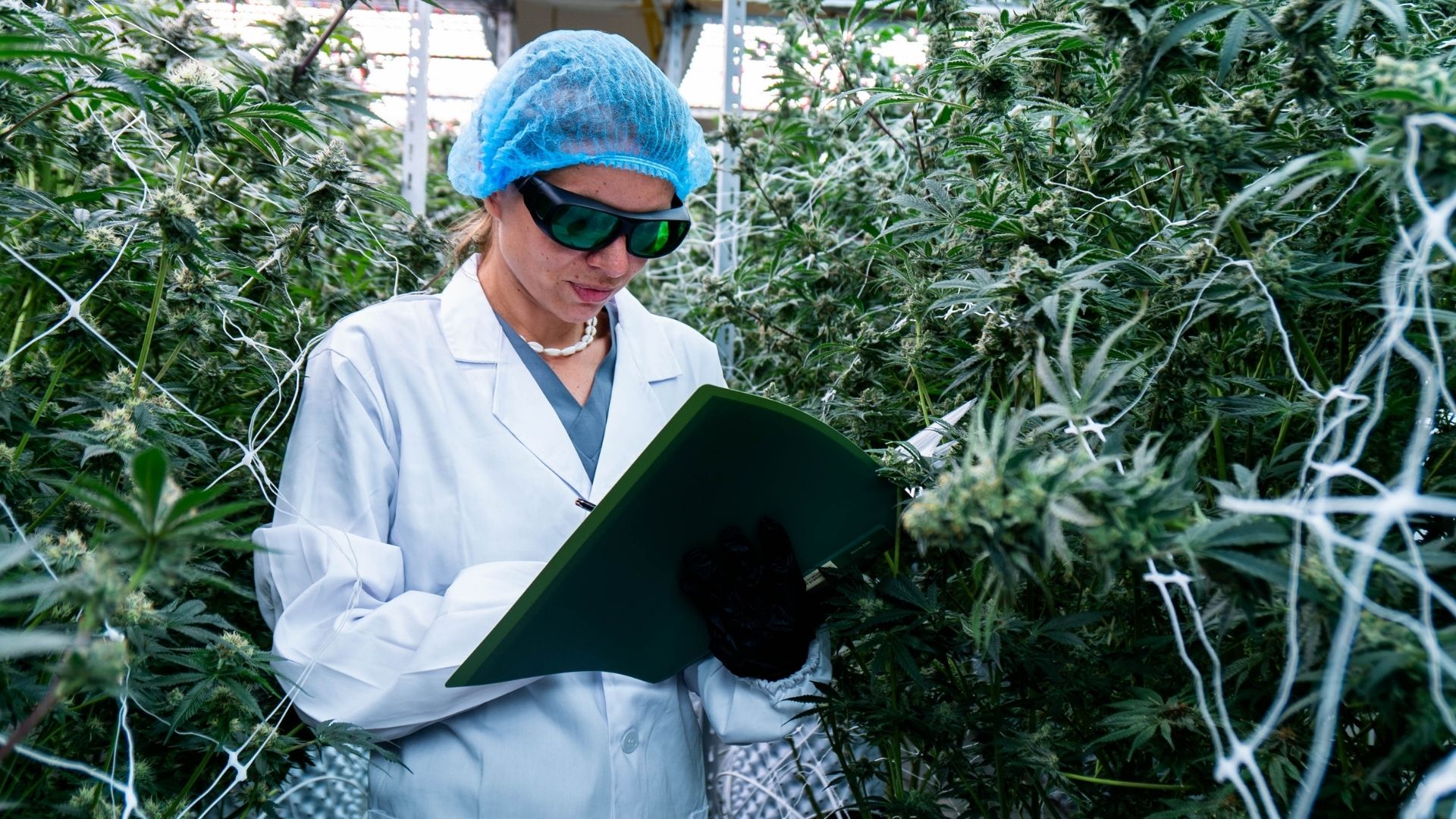
You may grow exceptional flowers, but retail success demands more than cultivation expertise alone. As competition intensifies, dispensaries must strategically attract and retain customers. The global legal cannabis market is projected to grow to $444.3 billion by 2030, increasing pressure at the retail level.
For cultivators entering retail, shifting from production to customer acquisition can feel unfamiliar and high-risk. In this guide, you will learn how to build a strategic cannabis dispensary marketing plan for 2026 that drives traffic, strengthens positioning, and supports long-term growth.
Let’s start with the basics:
- Retail requires a shift in mindset from production to customer acquisition. Growers opening dispensaries must focus on traffic, positioning, and repeat sales rather than yield alone.
- Positioning determines marketing success. Clear audience targeting and brand differentiation prevent overreliance on discounts and price competition.
- Digital and in-store strategies must work together. Local SEO, retention marketing, and structured merchandising increase both foot traffic and revenue per visit.
- Inventory and promotions must align. Coordinating cultivation output with retail campaigns protects margins and prevents stockouts.
- Structured execution drives sustainable growth. Budget discipline, performance tracking, and operational systems improve consistency as growers expand into retail.
From Cultivator to Retailer: What Changes When You Open a Dispensary?
Opening a dispensary shifts your focus from production efficiency to customer acquisition and retention. As a grower, your success depends on yield, quality, and cost control. As a retailer, revenue depends on foot traffic, brand perception, and repeat purchases. The mindset, metrics, and daily priorities change quickly.
Key shifts include:
- Revenue Becomes Traffic-Driven: Sales now depend on how many qualified customers walk through your doors each day.
- Brand Perception Influences Buying Decisions: Product quality still matters, but presentation, experience, and positioning shape purchase behavior.
- Inventory Turnover Becomes Critical: Slow-moving SKUs tie up capital and reduce cash flow flexibility.
- Marketing Becomes a Core Function: Promotions, digital visibility, and retention campaigns directly impact revenue stability.
- Customer Experience Impacts Loyalty: Staff training, store layout, and service consistency determine repeat visits.
Understanding these structural changes is essential before launching campaigns or promotions. The next step is to define your dispensary positioning and identify the specific customers you want to attract.
Suggested Read: How to Become a Legal Cannabis Grower in the United States
Defining Your Dispensary Positioning and Target Customer
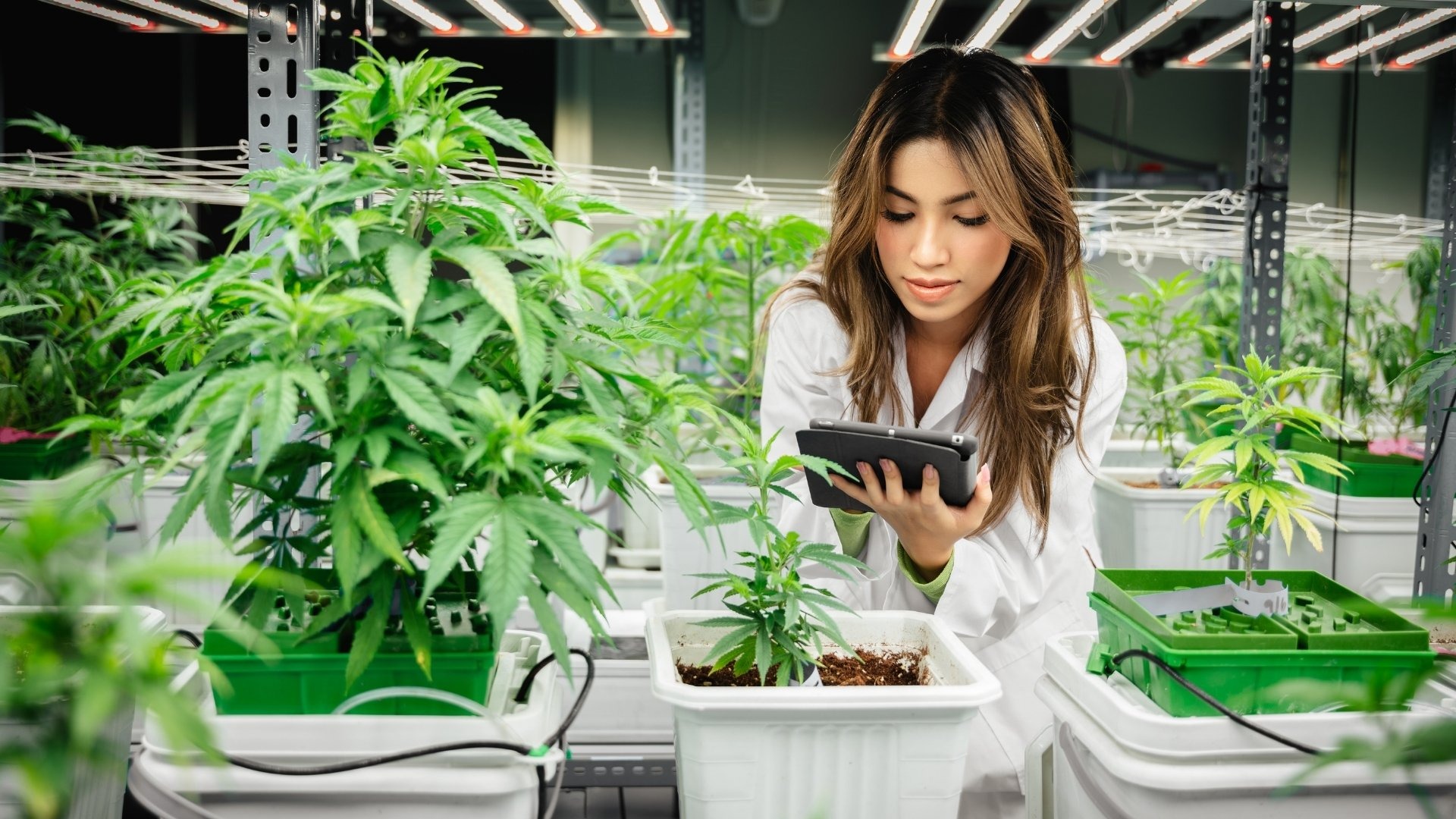
A strong marketing plan begins with clarity. Before spending on ads or promotions, you must define who you serve and how your dispensary stands apart. Positioning shapes pricing, messaging, product selection, and even in-store experience.
This is what you need to do:
1. Identify Your Core Customer Segment
Not all cannabis consumers buy for the same reasons. Some prioritize price, others seek premium craft flower, and many value convenience or education. Understanding your primary audience prevents diluted messaging and unfocused campaigns.
Focus on:
- Price-sensitive vs premium-focused buyers
- Medical vs recreational customers
- Experienced consumers vs first-time buyers
- Local neighborhood demographics
- Lifestyle-driven purchasing behavior
2. Define Your Brand Position in the Market
Your dispensary cannot compete on every angle. Clear positioning helps customers quickly understand why they should choose you.
Clarify:
- Craft grower story vs high-volume retailer
- Exclusive in-house strains
- Premium boutique experience vs value pricing
- Community-driven identity
- Education-focused retail approach
3. Establish Competitive Differentiation
Dispensaries often operate within tight geographic clusters. Differentiation prevents you from competing solely on discounts.
Evaluate:
- Unique product offerings
- Pricing tiers and bundling strategy
- Store design and experience
- Loyalty incentives
- Vendor partnerships and collaborations
Once you define your positioning and audience, you can choose marketing channels that align with your goals. The next section explores digital marketing channels that can help make your cannabis dispensary more popular.
Suggested Read: Cannabis Growing Calendar: Stages and Timeline
Digital Marketing Channels That Drive Cannabis Dispensary Growth

In competitive markets, online presence influences purchasing decisions before customers ever step inside. A strategic mix of compliant digital channels drives consistent traffic and strengthens brand authority.
These digital marketing strategies should help:
1. Local SEO and Google Business Optimization
Most dispensary searches begin with location-based intent. Ranking in local map results increases walk-in traffic without ongoing ad spend. Strong local SEO builds long-term visibility and trust.
Prioritize:
- Optimized Google Business profile
- Accurate hours, location, and menu links
- Consistent NAP (name, address, phone) listings
- Review generation and response strategy
- Location-based keyword targeting
2. Paid Media Within Compliance Limits
Paid advertising can accelerate growth, but cannabis regulations restrict where and how you advertise. Targeted campaigns must balance compliance with performance.
Focus on:
- Geo-targeted campaigns within legal regions
- Age-gated advertising platforms
- Controlled budget testing
- Clear promotional objectives
- Tracking cost per acquisition
3. Email and SMS Retention Marketing
Retention marketing often produces a higher ROI than acquisition alone. Direct communication channels allow you to promote new drops, limited strains, and loyalty rewards.
Build campaigns around:
- Launch announcements
- Limited-time offers
- Loyalty program updates
- Restock alerts
- Event invitations
4. Website and Online Menu Optimization
Your website functions as your digital storefront. A slow or unclear site reduces conversions and weakens brand perception.
Improve performance by:
- Ensuring fast mobile load times
- Integrating real-time menus
- Simplifying navigation
- Highlighting featured products
- Adding clear calls to action
Digital marketing brings customers to your door, but revenue growth depends on what happens inside the store. The next section explores the various in-store marketing systems you can use.
Suggested Read: Step-by-Step Guide to Advanced Cannabis Cultivation Techniques
In-Store Marketing Systems That Increase Revenue Per Customer

Driving traffic is only half the equation. Revenue growth depends on how effectively your dispensary converts visits into larger, higher-margin purchases. Structured in-store systems help increase average order value without relying solely on discounts.
These best practices can help improve revenue per customer:
- Staff Education and Upselling Frameworks
Budtenders directly influence purchasing decisions. When staff understand product tiers, terpene profiles, and margin priorities, they can guide customers confidently. Structured upselling increases basket size while maintaining trust. - Strategic Product Merchandising
Placement impacts purchasing behavior. High-margin or exclusive products should receive prime visibility to influence impulse decisions. Organized displays improve product discovery and reduce customer hesitation. - Tiered Pricing and Bundling Strategy
Clear product tiers help customers self-select based on budget and preference. Bundles increase perceived value while moving inventory strategically. This approach raises the average transaction size without aggressive discounting. - Loyalty and Repeat Purchase Programs
Retention systems encourage consistent return visits. Structured rewards increase lifetime customer value and reduce acquisition pressure. Strong loyalty programs stabilize revenue across slower periods. - Event-Driven Retail Engagement
Vendor days, strain launches, and educational sessions create urgency and differentiation. Events attract new customers while strengthening relationships with existing ones. Well-planned events also help move targeted inventory efficiently.
Sustainable growth requires alignment between what you promote and what you produce. The next section explores how a strong cultivation output, combined with the right retail marketing, can improve profitability.
Suggested Read: Top 8 Things to Know to Start a Commercial Cannabis Grow
Aligning Cultivation Output With Retail Marketing
For growers opening a dispensary, production and promotion must work together. Retail campaigns fail when featured products are unavailable or poorly timed.
This is what you need to do to align your product with marketing strategies:
- Coordinate Harvest Timing: Plan campaigns around projected harvest windows. Promoting products too early creates stockouts and weakens trust. Proper timing ensures inventory during peak traffic.
- Plan Strain Launches: New genetics need structured rollouts. A planned launch builds anticipation and supports premium positioning. This increases early sales momentum.
- Align Inventory Tiers: Match premium and value products to specific campaigns. Avoid discounting high-margin flowers unnecessarily. Strategic alignment protects profitability.
- Prepare for Peak Demand: Holidays often increase traffic and order size. Production should anticipate demand spikes. Preparation reduces missed revenue.
- Use Production Data: Yield forecasts guide smarter pricing. Promotions should reflect supply realities. Data prevents reactive discounting.
For vertically integrated growers, production visibility becomes essential once retail begins. PlanaCan helps forecast harvest timing and structure cultivation planning across cycles. Automated workflow tracking improves coordination between product readiness and retail campaigns. Schedule a free demo today.
Budget Allocation and Performance Tracking for Dispensaries

Growers entering retail must protect margins while driving traffic and repeat sales. Clear financial controls and defined performance metrics keep marketing disciplined and scalable.
Table showing what to track:
Budget control also depends on operational efficiency. Promotional campaigns often increase the workload across cultivation and fulfillment teams, affecting labor costs and margin performance.
PlanaCan helps growers track cultivation activities and labor inputs across cycles, creating visibility into operational impact during retail campaigns. When teams understand how promotions affect workload and output, they can protect margins while scaling retail demand. Try PlanaCan for free.
Use Structured Systems to Execute Your Dispensary Marketing Plan
A strong marketing strategy fails without consistent execution. Campaign calendars, promotions, inventory updates, and staff coordination must operate in sync. Structured systems ensure that marketing initiatives move from planning to implementation without gaps.
Execution discipline depends on:
- Campaign Planning Calendars: Mapping promotions, strain drops, and events in advance prevents last-minute changes. A structured calendar improves coordination across teams. It also ensures consistent messaging across channels.
- Cross-Team Coordination: Marketing, retail staff, and cultivation must remain aligned. Clear communication reduces misalignment during product launches. Coordination protects brand credibility.
- Inventory Visibility Before Promotions: Campaigns should only launch when inventory is confirmed. Visibility prevents stockouts and rushed substitutions. This maintains customer trust.
- Defined Roles and Accountability: Each campaign needs clear ownership. Assigned responsibilities prevent tasks from being overlooked. Accountability improves consistency across retail operations.
- Performance Reviews After Campaigns: Reviewing results identifies strengths and weaknesses. Post-campaign analysis supports smarter future planning. Continuous improvement strengthens long-term growth.
Even well-structured systems can fail if growers underestimate the transition into retail. The next section highlights common mistakes growers make when entering the dispensary market.
Suggested Read: Top Cannabis Technology Solution Companies
5 Mistakes Growers Make When Entering Retail
Moving from cultivation to retail introduces new risks. Many growers assume product quality alone will drive traffic and loyalty. In reality, retail requires structured marketing, operational discipline, and customer-focused decision-making.
Typical errors include:
- Relying Solely on Product Quality: A great flower does not automatically generate consistent foot traffic. Retail success depends on visibility, positioning, and repeat engagement.
Fix: Invest early in branding, local SEO, and retention systems. - Competing Primarily on Discounts: Aggressive discounting erodes margins and weakens brand perception. It attracts price-driven customers who lack loyalty.
Fix: Build value through positioning, product education, and tiered pricing. - Ignoring Customer Data: Without tracking customer behavior, marketing decisions become reactive. Missed insights limit retention and upselling opportunities.
Fix: Monitor acquisition cost, lifetime value, and repeat purchase rates. - Failing to Align Inventory With Promotions: Promoting unavailable or limited stock frustrates customers. Inventory gaps damage credibility and waste marketing spend.
Fix: Coordinate production planning with campaign timing. - Underestimating Operational Complexity: Retail adds staffing, scheduling, compliance, and marketing layers. Informal systems quickly create execution gaps.
Fix: Implement structured planning and workflow management early.
As retail operations grow, manual coordination becomes harder to sustain. Technology helps simplify planning, inventory awareness, and execution across teams. PlanaCan supports structured operational workflows, giving vertically integrated growers greater control as they expand into retail.
Wrapping Up
Entering retail without a structured marketing plan exposes growers to avoidable risk. Promotions misfire, inventory mismatches frustrate customers, and discount-heavy tactics erode margins. Inconsistent execution weakens brand positioning and makes revenue unpredictable.
PlanaCan helps growers bring structure and visibility to their operations as they expand into dispensary ownership. By centralizing planning and workflow management, it supports better coordination between cultivation and retail activities. When execution becomes consistent and data-driven, marketing decisions become stronger and retail growth more sustainable.
Start building your dispensary marketing strategy with operational clarity. Explore how structured systems like PlanaCan can support smarter expansion into retail. Schedule a free call today.
Frequently Asked Questions
1. What is the marketing strategy of a dispensary?
A dispensary marketing strategy focuses on attracting local customers, differentiating the brand, driving repeat visits, and protecting margins. It combines positioning, compliant digital marketing, retention campaigns, and in-store revenue optimization.
2. What are the 5 Ps of marketing strategy in cannabis retail?
The 5 P’s are Product, Price, Place, Promotion, and People. For dispensaries, this includes curated product tiers, margin-conscious pricing, location visibility, compliant promotions, and trained staff who influence purchasing decisions.
3. What are the 7 steps of a marketing plan for a dispensary?
Define target audience, establish positioning, analyze competitors, set revenue goals, choose marketing channels, allocate budget, and track performance. For vertically integrated growers, production alignment should also support promotional planning.
4. How should growers promote their own dispensary?
Growers entering retail should leverage their cultivation story, exclusive strains, and quality control advantages. Combine local SEO, retention marketing, and in-store education to build brand loyalty beyond price-based promotions.
5. How much should a dispensary spend on marketing?
Marketing spend typically ranges from 3–10% of projected revenue, depending on the level of competition and the growth stage. New dispensaries may allocate more initially to build visibility and establish customer acquisition channels.