TL;DR
Introduction
Tired of spending a fortune on dispensary cannabis that barely meets your needs? Maybe the strains don’t work the way you want them to, or you’re never quite sure how clean or consistent the product is. Growing your own medical cannabis changes that.
You control every variable: strain selection, nutrient profiles, environment, harvest timing, and curing techniques. This level of precision lets you produce consistent, high-quality medical cannabis that meets market demands.
By running your own operation, you move beyond uncertain supply chains and inconsistent product quality. You set the standards for potency, terpene profiles, and purity, building a product that stands out in the medical cannabis market.
But if you’ve never grown cannabis before, it can feel like a lot to take in. Don’t worry. This guide walks you through everything step by step so you can grow medical weed confidently and with purpose.
What Is Medical Marijuana
Medical marijuana refers to cannabis used to treat health conditions or alleviate symptoms like chronic pain, anxiety, insomnia, or nausea. Unlike recreational weed, the goal here is not a high but healing. Medical cannabis typically focuses on specific cannabinoids, especially THC and CBD, which affect the body differently depending on the strain and the user.
Doctors often recommend it for conditions such as:
- Chronic pain
- Multiple sclerosis
- Epilepsy
- PTSD
- Cancer-related side effects
- Glaucoma
The way you grow medical weed impacts its quality, purity, and consistency. That’s why it’s critical to learn the right techniques from the start.
But before starting out, let us discuss the basic requirements that you need to grow medical marijuana.
Basic Requirements for Growing Medical Marijuana
Before planting your first seed, create the ideal environment. Medical-grade cannabis demands more care than growing casually for personal use. Here’s what you’ll need.
- Legal Authorization: First, ensure you have the necessary authorization to grow. Every region has different laws regarding medical marijuana cultivation. You may need a license or recommendation from a healthcare provider. Check your local and national regulations before you set anything up. Growing without proper documentation can lead to serious legal consequences.
- A Controlled Growing Space: You can grow indoors or outdoors, but the space must be secure, private, and well-suited for cannabis cultivation. If you're growing indoors, you’ll need a tent, grow room, or converted closet where you can manage temperature, humidity, and lighting. Outdoors, you’ll need a spot with good sunlight, airflow, and protection from pests and curious eyes.
- Proper Lighting: Cannabis plants require specific light cycles to grow optimally. For indoor grows, invest in quality grow lights such as LEDs, HIDs, or fluorescents. You’ll need around 18 hours of light during the vegetative stage and 12 hours during flowering. Outdoors, ensure your plants receive at least 6 to 8 hours of direct sunlight daily.
- Good Genetics: Select strains that meet your medical needs and align with your skill level. Some strains are more forgiving and easier for beginners to grow. Others may require advanced care. If you are starting out, choose strains known for their resilience and steady growth. Here are some great options:
- Northern Lights: This classic strain is ideal for new growers. It is hardy, grows quickly, and has natural resistance to pests and mold. Northern Lights perform well indoors or outdoors, with a short flowering time of 6 to 8 weeks.
- Blue Dream: A popular choice for beginners, Blue Dream produces large yields with minimal effort. It adapts well to different climates, offers strong resistance to disease, and is forgiving if nutrients are slightly off.
- Green Crack: If you want a fast-growing, high-yield plant, Green Crack is an excellent option. It thrives in various environments, handles trimming and training well, and produces energetic, uplifting effects.
- Critical Mass: Known for its heavy buds and strong genetics, Critical Mass is a good strain to learn on. It grows thick and fast, tolerates mistakes, and rewards growers with generous harvests.
- White Widow: Another easy-to-grow strain with high potency, White Widow is resistant to mold and pests. It performs well indoors, finishes in about 8 to 9 weeks, and provides a well-balanced effect that appeals to medical markets.
Buy seeds or clones from a reputable source that provides detailed strain information, including THC and CBD content, as well as the level of difficulty in growing the strain.
- Soil or Hydroponic Setup: You can grow in soil or a soilless (hydroponic) system. Soil is easier for beginners and more forgiving if you make a mistake. Just make sure it's nutrient-rich and well-draining. Hydroponics can provide faster growth and higher yields, but it requires precise control over water, nutrients, and pH levels.
- Water and Nutrients: Cannabis needs clean, pH-balanced water and a consistent supply of nutrients. Use a nutrient mix specifically designed for cannabis, and adjust it based on the plant’s growth stage. Too much or too little can quickly lead to nutrient burn or deficiencies.
- Temperature and Humidity Control: Maintain a temperature range of 70 to 85°F (20 to 30°C) during the day and slightly lower at night. Humidity should range from 40 to 70 percent, depending on the plant's stage of development. A hygrometer and thermometer will help you stay in the right range. Ventilation is just as critical. Stagnant air leads to mold, mildew, and weak plants.
- Ventilation and Airflow: Your plants need fresh air. Utilize fans and ventilation systems to introduce CO₂-rich air and remove stale air. This helps control temperature, strengthens stems, and prevents mold and pests. Even a small oscillating fan can make a big difference.
- Pest and Disease Management: Monitor your plants daily. Look for signs of pests like spider mites, aphids, or fungus gnats. Use organic pest control methods whenever possible and keep your grow area clean. Prevention is often easier and less expensive than a cure.
- Patience and Consistency: Medical cannabis doesn't grow overnight. You’ll need to stay consistent with your watering, feeding, pruning, and monitoring routines. While a simple growth journal can help, tools like PlanaCan give you a much clearer picture.
It generates detailed reports for each harvest, recording every decision and its effect on your yield. Over time, this makes it easier to spot what’s working, avoid past mistakes, and fine-tune your process for better results. The more you track and review, the stronger your harvests will be.
Now, let us understand how to grow medical marijuana with the help of this step-by-step guide and ensure a healthy cannabis yield.
Step-by-Step Guide to Growing Medical Marijuana
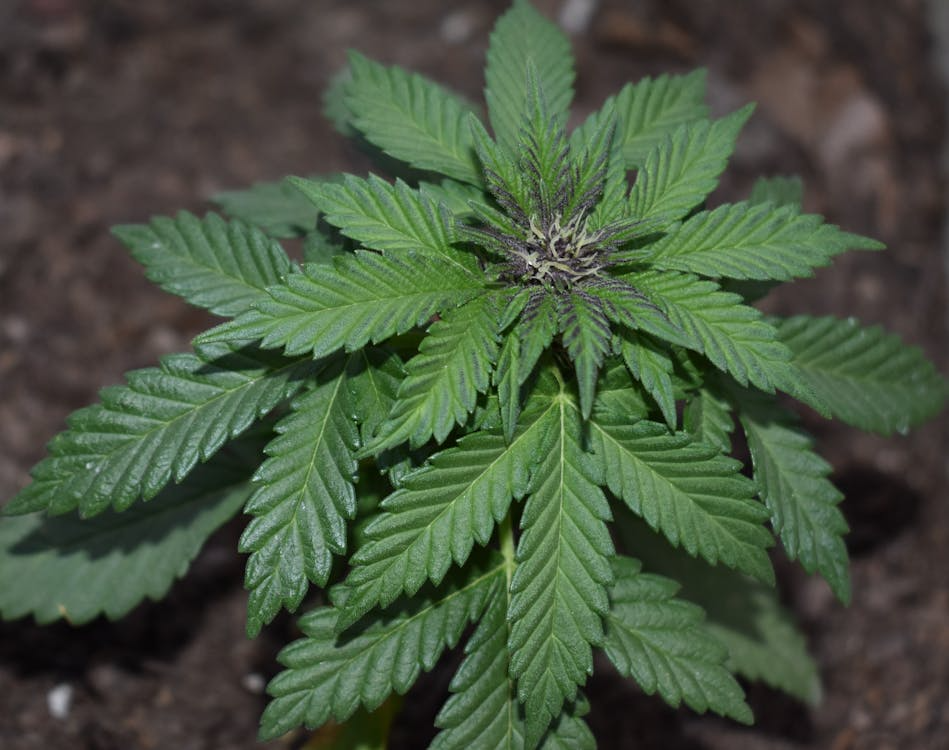
Once your setup is ready, you're not just growing weed. You're producing clean, reliable medicine. Every stage plays a role, and rushing through any of them can affect your yield, potency, or overall plant health. Here's how to do it right, step by step.
Step 1: Germinate Your Seeds
Start by soaking your seeds in water for 12 to 24 hours. This softens the shell and activates the germination process. Then, place them between damp paper towels in a dark, warm spot. In a day or two, you'll see a white taproot. That means it's time to plant.
Tip: Use a plate with another plate as a lid to hold in moisture without drowning the seeds. Keep the paper towels moist, not soaked.
Step 2: Guide Your Plants Through the Vegetative Stage
Once the seedlings pop, move them into soil or your hydroponic system. Provide 18 hours of light each day and maintain temperatures between 70°F and 85°F. During this stage, your plant focuses on developing strong stems, a solid root system, and dense foliage. This phase usually lasts 4 to 8 weeks.
Tip: Set up a fan to enhance airflow, which helps strengthen stems and reduces the risk of mold. Start with half-strength nutrients and increase only if the plants show they need more.
Step 3: Monitor Growth and Train Your Plants
This is where plant shaping begins. Use low-stress training to gently bend and tie down branches. Doing this spreads out the canopy, which allows more bud sites to access light. Maintain humidity levels between 50% and 70%. Inspect your plants daily for pests, leaf discoloration, or signs of stress.
Tip: Start training early while stems are still flexible. Use soft plant ties or garden wire and check tie points regularly to prevent damage as the branches grow.
Step 4: Transition to the Flowering Stage
Switch your light cycle to 12 hours on and 12 hours off. This shift signals to your plants that it's time to start producing buds. Flowering can last 8 to 11 weeks, depending on the strain. Reduce humidity to 40-50% and avoid overwatering. This helps prevent mold and keeps the buds healthy.
Tip: Use a timer to control your light schedule. Consistency is critical. Even short interruptions during the dark cycle can stress the plants or trigger unwanted traits.
Staying on top of timing and routine gets easier with tools like PlanaCan. It provides a clear visual timeline to plan your growth months in advance, while also managing day-to-day tasks. You can adjust schedules as conditions change, and with everything in one place, your team always knows what needs to be done.
Step 5: Harvest at the Right Moment
Look at the trichomes on your buds using a magnifier. When they appear mostly milky white with a few turning amber, it's time to harvest. Picking too early or too late can shift the effects and reduce medicinal value.
Tip: If some buds are ready before others, harvest them in stages. Top colas ripen first, so let the lower buds keep growing until they catch up.
Step 6: Dry and Cure for Maximum Potency
Hang your trimmed branches upside down in a dark, ventilated room. Aim for a temperature of 60°F and humidity of around 60%. After 7 to 14 days, when stems snap cleanly, place buds in airtight glass jars to cure. Open the jars daily during the first week to release trapped moisture.
Tip: Add a mini hygrometer to each jar to monitor humidity levels. Maintain levels between 58% and 62%. If it climbs too high, leave the lid off for a few hours to let moisture escape.
Step 7: Store Your Medicine Safely
Once cured, store your buds in airtight glass jars in a cool, dark location. Skip plastic bags or containers. They can ruin flavor and degrade cannabinoids over time.
Tip: Label each jar with the strain, harvest date, and notes on effects. This helps you track which batches work best for your needs and plan your next grow more effectively.
Conclusion
Growing medical cannabis at home isn’t just about cutting costs. It’s about precision, safety, and self-reliance. When you’re in control, you can fine-tune every step from germination to cure to match your medical needs. However, managing all those moving parts, such as lighting schedules, nutrient cycles, pest checks, and harvest timing, can become overwhelming quickly.
That’s where PlanaCan comes in. The platform helps you stay organized and in control by tracking each stage of your growth. You get real-time nutrient monitoring, smart task scheduling, and automated reminders so nothing falls through the cracks. Whether you’re growing for pain relief, anxiety, or sleep support, PlanaCan ensures your crop is consistently clean, effective, and reliable every time.
If you’re ready to simplify your cultivation workflow and grow with confidence, schedule a free call today and see how PlanaCan can support your medical grow from seed to harvest.