Rising operational costs are becoming harder to explain across commercial cannabis cultivation. Inefficiencies in water usage, energy consumption, and labor allocation often go unnoticed, yet they compound with every growth cycle and erode margins.
Sustainability is not just an environmental concern; it is directly tied to cost control and operational efficiency. Recent research shows that industry-wide cannabis cultivation generates emissions equivalent to those of around 10 million cars annually, underscoring how resource-intensive these operations have become.
The same inefficiencies driving that impact are also driving costs. In this article, we break down seven sustainable cultivation methods to reduce waste, improve efficiency, and protect margins in 2026.
Quick look:
- Rising costs are driven by inefficiencies. Energy, water, and labor mismanagement quietly increase operational expenses and reduce margins in commercial cannabis cultivation.
- Sustainable cultivation methods improve cost control. Precision irrigation, energy optimization, and structured workflows directly reduce waste and improve consistency.
- Execution gaps limit sustainability impact. Without visibility, standardization, and coordination, even well-designed methods fail to deliver measurable results.
- Data connects actions to outcomes. Tracking inputs, tasks, and yields helps identify inefficiencies and refine cultivation strategies over time.
- Operational systems enable sustainable scaling. Technology that integrates planning, execution, and insights helps growers reduce waste and run more efficient operations.
Why Are Cannabis Grow Ops Facing Rising Costs and Lower Margins?
Cannabis cultivation has become one of the most energy-intensive agricultural activities. A 2025 study estimates the industry consumes ~595 petajoules of energy annually, costing around $11 billion, placing it on par with all other crop production combined. This level of resource demand is a direct contributor to rising operational costs across commercial grow operations.
Several factors are driving these increasing costs and shrinking margins:
- High Energy Dependence: Lighting, HVAC, and climate control systems run continuously, driving up electricity bills
- Inefficient Resource Use: Overwatering, nutrient runoff, and inconsistent feeding schedules lead to avoidable waste
- Labor Misalignment: Poor task planning and lack of visibility result in underutilized or overburdened teams
- Lack of Standardization: Inconsistent workflows across growth cycles increase variability and reduce efficiency
- No Data Feedback Loop: Without structured tracking, the same mistakes repeat across harvests
These challenges are interconnected operational gaps that compound over time. The solution lies in adopting sustainable cultivation methods that bring structure, consistency, and control to grow operations.
In the next section, we break down seven sustainable cultivation methods that help cannabis growers to improve profitability in 2026.
Suggested Read: Stages and Time Required for Indoor and Outdoor Marijuana Growth
7 Sustainable Cultivation Methods Cannabis Growers Cannot Ignore in 2026
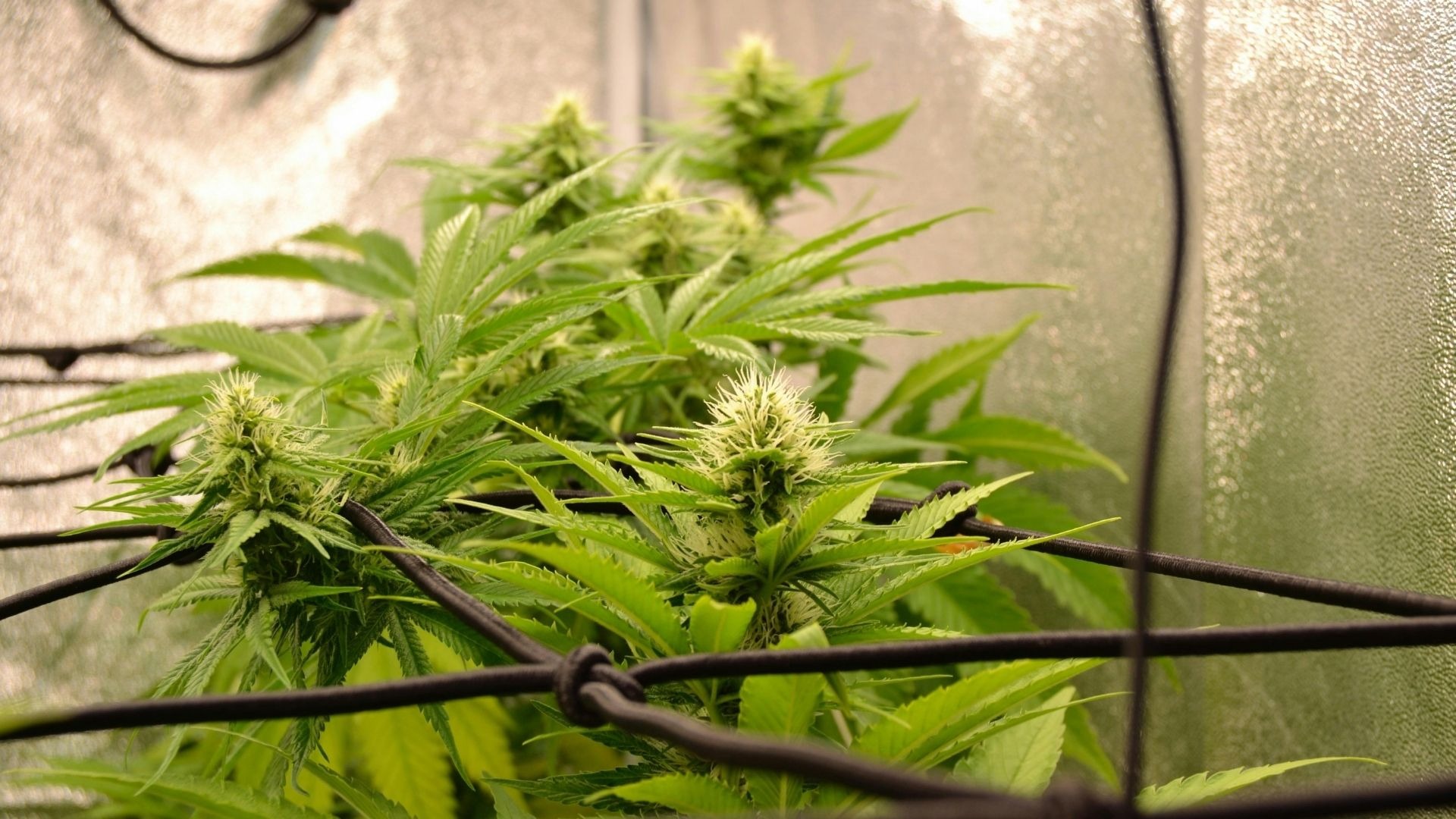
Sustainability in cannabis cultivation requires tightening control over how water, energy, labor, and workflows are planned and executed across every cycle. The methods below focus on reducing measurable waste, improving repeatability, and creating systems that scale without increasing cost leakage.
1. Irrigation and Water Management
Core Idea:
Water and nutrients are often over-applied due to fixed schedules rather than plant needs. This leads to runoff, nutrient lockout, and inconsistent plant development across rooms. Precision irrigation uses real-time inputs to ensure plants receive exactly what they need, when they need it.
To implement this effectively, growers should focus on:
- Drip irrigation systems that deliver controlled volumes per plant
- Soil or substrate moisture sensors to guide irrigation timing
- Runoff tracking to measure nutrient waste and adjust inputs
Why It Matters:
- Prevents nutrient loss and reduces input costs
- Improves root health and plant uniformity
- Minimizes variability between batches
Ops Layer:
- Schedule irrigation tasks based on growth stage, not assumptions
- Standardize feeding protocols across rooms
- Track execution to ensure consistency across teams
PlanaCan enables growers to schedule irrigation tasks by strain, room, and growth phase, ensuring consistency across cycles. Teams receive clear task assignments, reducing guesswork on when and how much to water. Schedule a free demo today.
2. Energy-Efficient Lighting and Climate Control
Core Idea:
Lighting and HVAC systems run continuously, making them the largest contributors to operational costs. Inefficient setups or poorly timed usage can significantly increase energy consumption without improving yield. Optimizing energy use requires aligning lighting intensity and climate conditions with plant growth stages.
Key areas to focus on include:
- Transitioning to LED lighting with optimized spectra
- Automating HVAC based on environmental thresholds
- Synchronizing lighting and climate schedules
Why It Matters:
- Indoor cultivation can use ~150 kWh of electricity per square foot annually, roughly 10 times more than a typical office building
- Energy alone accounts for 20–50% of total operating costs
- Small inefficiencies scale into major financial losses
Ops Layer:
- Align environmental controls with cultivation schedules
- Track deviations in temperature and humidity
- Standardize energy usage patterns across cycles
3. Standardized Cultivation Workflows
Core Idea:
Many grow operations rely on tribal knowledge instead of defined processes. This creates inconsistency in pruning, feeding, and treatments across batches. Standardized workflows ensure that every cycle follows the same proven steps, regardless of who executes them.
This involves implementing:
- Templates for each strain and growth phase
- Defined timelines for pruning, defoliation, and feeding
- Documented SOPs for repeatable execution
Why It Matters:
- Eliminates variability caused by human interpretation
- Reduces training time for new staff
- Improves consistency across harvests
Ops Layer:
- Build reusable workflow templates
- Automate task generation for each cycle
- Ensure uniform execution across all teams
4. Data-Driven Cultivation Decisions
Core Idea:
Without structured data, growers repeat the same mistakes every cycle. Decisions are often based on observation rather than measurable outcomes. Tracking performance across harvests allows growers to identify what actually improves yield and efficiency.
Growers should focus on tracking:
- Yield per room and per strain
- Resource inputs such as water, nutrients, and energy
- Variations in performance across cycles
Why It Matters:
- Identifies inefficiencies that are not visible day-to-day
- Enables continuous optimization of growth strategies
- Links operational changes directly to outcomes
Ops Layer:
- Centralize cultivation and harvest data
- Compare historical performance across cycles
- Use insights to refine future workflows
PlanaCan centralizes cultivation and harvest data, giving growers a clear view of what is actually driving yield and cost across cycles. It links inputs like water, nutrients, and labor directly to outcomes, making it easier to identify inefficiencies. Try PlanaCan for free.
5. Optimized Labor Allocation
Core Idea:
Labor inefficiency is often hidden in unstructured task management. Workers may duplicate efforts, miss tasks, or spend time on low-priority activities. Optimizing labor requires clear task ownership, timing, and visibility into daily operations.
Effective implementation includes:
- Assigning tasks by role and shift
- Tracking task completion in real time
- Balancing workloads across teams
Why It Matters:
- Labor is one of the highest operational costs
- Poor coordination leads to delays and missed activities
- Inefficiencies compound across large facilities
Ops Layer:
- Provide visibility into who is doing what and when
- Track productivity across teams
- Adjust staffing based on workload patterns
6. Waste Reduction Through Better Execution
Core Idea:
Most cultivation waste does not come from major failures but from small execution gaps. Missed pruning windows, delayed feeding, or inconsistent treatments can reduce yield without being immediately visible. Eliminating these gaps requires strict adherence to schedules.
To achieve this, focus on:
- Ensuring the timely completion of all scheduled tasks
- Monitoring for missed or delayed activities
- Maintaining consistency across all grow rooms
Why It Matters:
- Small inefficiencies accumulate into significant yield loss
- Waste is often hidden but directly impacts profitability
- Consistency drives predictable outcomes
Ops Layer:
- Use real-time tracking to monitor task completion
- Set alerts for missed or overdue tasks
- Maintain accountability across teams
7. Centralized Cultivation Planning and Scheduling
Core Idea:
Disjointed planning leads to bottlenecks, missed tasks, and inefficient resource use. Without a centralized system, teams rely on spreadsheets, whiteboards, or verbal instructions, which creates gaps in execution. Centralized planning ensures every activity is aligned and visible.
This requires:
- Planning full grow cycles from clone to harvest
- Coordinating tasks across rooms and teams
- Adjusting schedules dynamically as conditions change
Why It Matters:
- Prevents overlap and resource conflicts
- Improves coordination across large operations
- Supports scalable, repeatable growth
Ops Layer:
- Maintain a single source of truth for all schedules
- Track progress across rooms and phases
- Align teams around a unified cultivation plan
Sustainable cultivation methods only deliver results when they are executed consistently across every cycle. However, achieving that level of control is not straightforward. The next section highlights operational challenges in implementing sustainable growing practices.
Suggested Read: How to Grow Dense and Big Cannabis Buds Indoors and Outdoors
Biggest Operational Challenges in Growing Cannabis Sustainably in the US
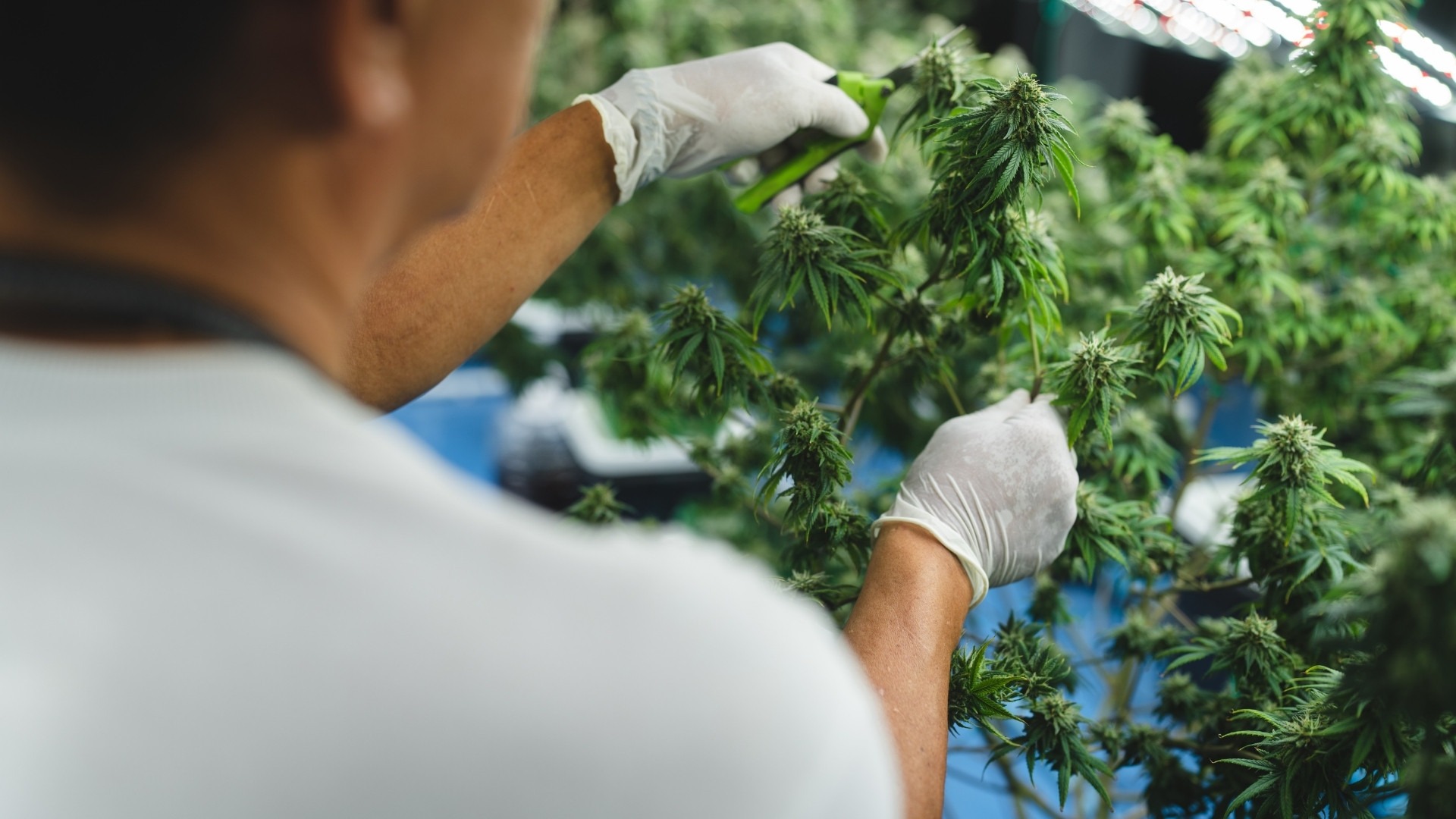
Sustainable cultivation for American growers is an operational challenge shaped by cost pressures, regulatory complexity, and fragmented execution. Even when growers adopt sustainable cultivation methods, inconsistent implementation and lack of visibility often prevent meaningful results.
Table showing the top challenges:
When one area breaks down, it creates ripple effects across the entire grow operation, making sustainability harder to achieve and maintain.
To address these gaps, growers should focus on a few high-impact operational improvements:
- Align irrigation, feeding, and environmental adjustments with actual plant signals instead of fixed schedules
- Use daily task prioritization to ensure high-impact activities are completed first, not just what is routine
- Create room-level accountability so each zone has clear ownership and oversight
- Track deviations from planned schedules and correct them before they impact yield
- Integrate environmental and task data to understand cause-and-effect, not just outcomes
Addressing these operational challenges is what enables sustainable cultivation methods to deliver real results. However, the effectiveness of these practices depends heavily on how well data is captured, analyzed, and applied. This impact is explained in the next section.
Suggested Read: Cannabis Cultivation Standard Operating Procedures Guide
What Role Does Data Play in Sustainable Cannabis Cultivation?
Sustainable cultivation methods rely on the ability to measure, compare, and improve every input and action across the growth cycle. Data turns sustainability from a concept into a controllable, repeatable outcome.
To make data actionable in cannabis cultivation, growers should focus on:
- Input Tracking: Monitor water, nutrients, and energy usage at the room or batch level
- Yield Mapping: Compare output against specific cultivation practices and conditions
- Performance Analysis: Identify patterns across cycles to understand what drives consistency
- Task-to-Outcome Linking: Connect completed activities to plant health and yield results
- Deviation Detection: Flag issues like overwatering or climate shifts early
- Strain Comparison: Evaluate how different strains perform under similar conditions
- Cycle Optimization: Use historical data to refine future cultivation plans
To make sustainability measurable, growers need systems that connect planning, execution, and data in one place. The next section looks at the benefits of using the right cultivation management technology in your commercial operations.
Suggested Read: How AI is Transforming the Cannabis Industry
How Can PlanaCan Help Cannabis Growers Reduce Operational Waste?
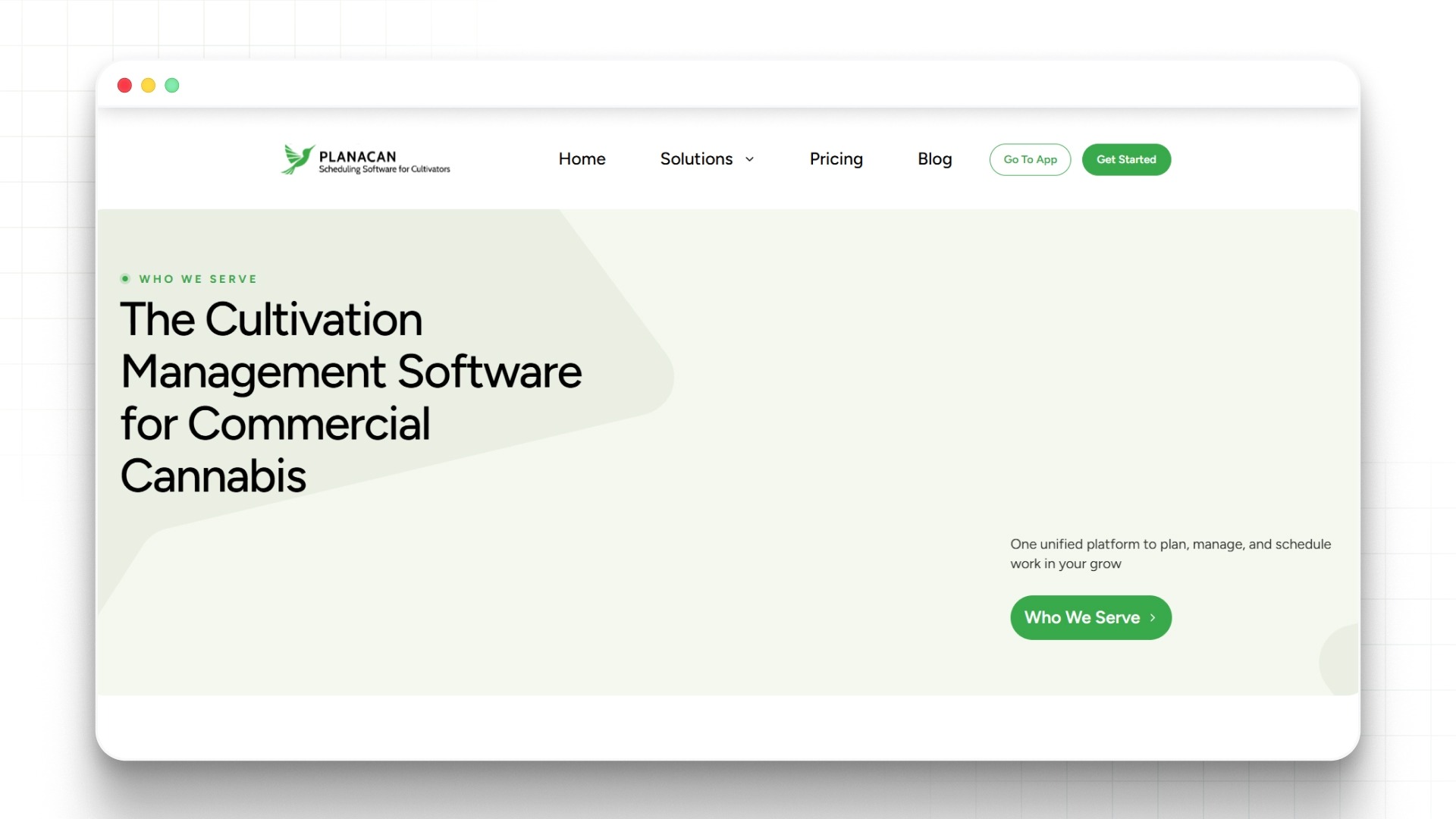
PlanaCan is a cultivation operations platform built specifically for cannabis growers to plan, execute, and optimize every stage of the grow cycle. It replaces fragmented tools like spreadsheets, whiteboards, and verbal instructions with a centralized system that brings structure to daily operations.
Here is how PlanaCan reduces operational waste across cannabis cultivation:
- Structured Task Execution: It helps automate work by converting cultivation plans into clearly assigned tasks, ensuring critical activities are completed on time and without gaps
- Coordinated Planning Across Cycles: It improves schedule management through an interactive calendar that aligns daily tasks with growth stages, reducing overlap and resource misallocation
- Clear and Consistent Team Alignment: It optimizes communications by centralizing instructions and updates, eliminating confusion and reducing execution errors
- Actionable Performance Insights: It enables analytics by tracking inputs, outputs, and task completion, allowing growers to identify inefficiencies and refine future cycles
- On-the-Ground Accessibility: It supports real-time execution through iOS and Android apps, ensuring teams can access and update tasks directly from the grow floor
- Outcome-Focused Reporting: It strengthens harvest reporting by connecting cultivation activities with yield results, helping pinpoint where waste occurs
PlanaCan is built for growers who need accuracy, not guesswork. It is designed around the realities of commercial cultivation, making operations easier to manage, more consistent, and ready to scale.
Conclusion
Sustainable cultivation is not difficult in theory, but it often falls short in practice. Without control over daily tasks, resource usage, and team coordination, inefficiencies continue to compound across cycles. This leads to wasted inputs, inconsistent yields, and rising operational costs that are difficult to diagnose, let alone fix.
PlanaCan helps bring structure to sustainable cultivation by connecting planning, execution, and data in one place. It enables growers to manage resources more precisely, ensure consistent task execution, and turn cultivation insights into repeatable workflows.
Reduced waste, better resource allocation, and improved visibility directly translate into lower costs and more efficient operations. Schedule a free call today.
Frequently Asked Questions
1. How do sustainable cultivation methods impact compliance requirements?
Sustainable practices help maintain consistent records, reduce waste violations, and support audit readiness. Structured workflows and tracked inputs make it easier to meet state-level reporting and environmental compliance standards.
2. What is the ROI timeline for implementing sustainable cultivation methods?
Most commercial growers see measurable cost reductions within one to two grow cycles. Savings typically come from reduced resource waste, improved labor efficiency, and more consistent, higher-quality yields.
3. Can sustainable cultivation methods work in large-scale multi-location operations?
Yes, but only with standardized workflows and centralized oversight. Without consistency across locations, sustainability efforts become fragmented, limiting their impact on cost control and operational efficiency.
4. How do sustainable methods affect cannabis quality and potency?
Better control over inputs and environment leads to more consistent plant health. This improves cannabinoid profiles, reduces variability, and helps maintain quality standards across batches and harvest cycles.
5. What role does staff training play in sustainable cannabis cultivation?
Training ensures teams follow defined workflows and use resources correctly. Without proper onboarding and ongoing guidance, even well-designed sustainability practices can fail due to inconsistent execution on the grow floor.