Introduction
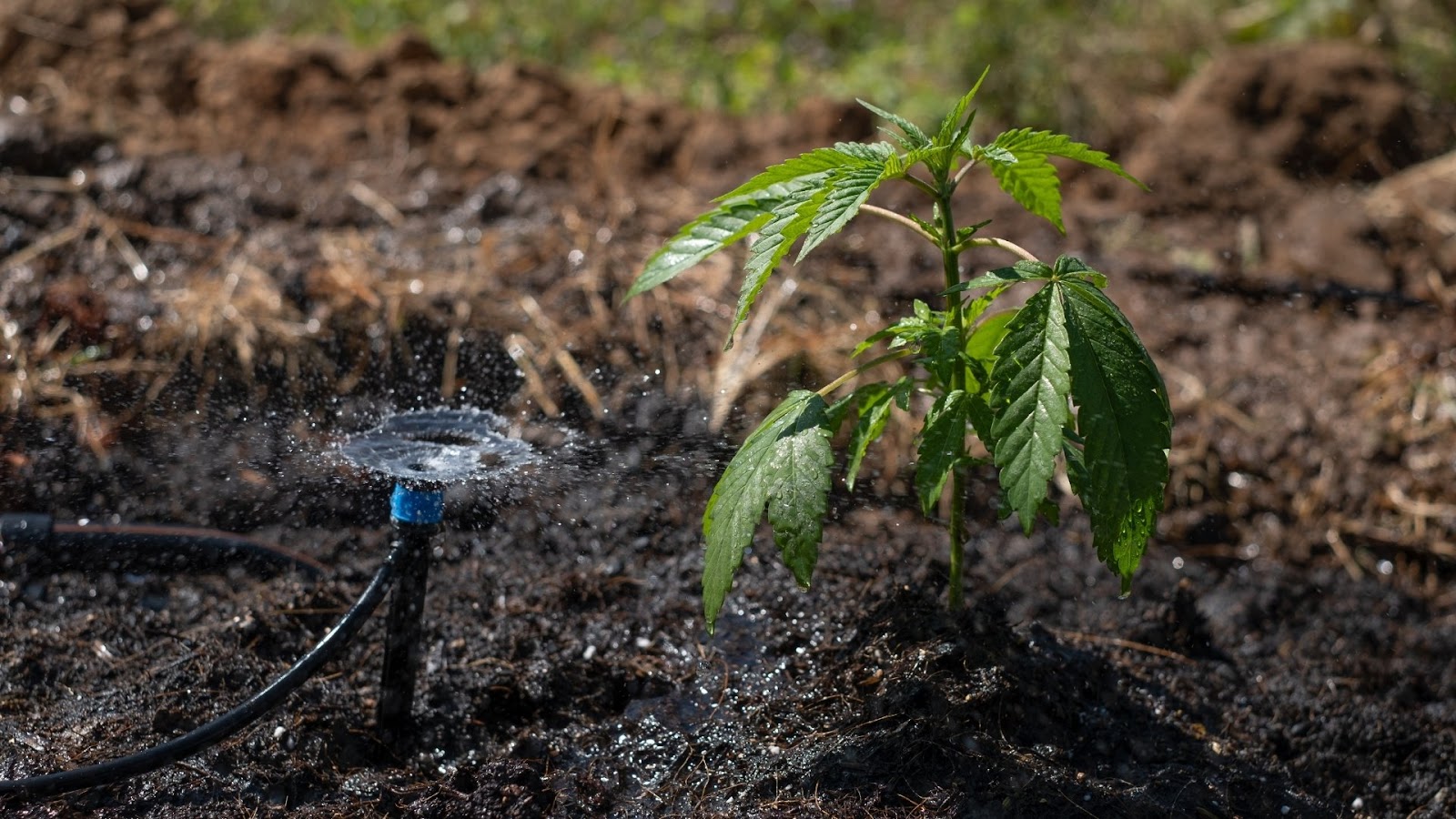
When it comes to growing cannabis, the right irrigation system can make or break your yields. You might already know that water is life for your plants, but delivering it efficiently, consistently, and precisely is an art—one that smart cannabis irrigation techniques can perfect. Whether you’re managing a single flower room or a large-scale cultivation facility, understanding advanced irrigation strategies will help you conserve water, optimize nutrient delivery, and maximize growth.
In this blog, we’ll explore the most effective cannabis irrigation techniques, why they matter, and how you can implement them in your grow operation.
What you need to know:
- Cannabis irrigation ensures your plants receive the right amount of water and nutrients for healthy growth.
- Advanced techniques, such as drip systems, automated irrigation, and smart sensors, save water, time, and resources.
- Integrating AI or IoT technology can provide real-time monitoring and precise control over irrigation schedules.
- Proper irrigation improves yield consistency, plant health, and overall operational efficiency.
Why Cannabis Irrigation Matters?
You might wonder, “Isn’t watering plants simple?” Well, not when we’re talking about high-value cannabis crops. Your plants need water delivered at the right time, in the right amount, and often with nutrients mixed in. Too little water stresses your plants, while too much water can lead to root rot or nutrient leaching.
Effective cannabis irrigation:
- Maintains optimal soil moisture levels
- Delivers nutrients evenly
- Reduces water waste
- Promotes consistent growth and higher yields
Now that you understand the stakes, let’s dive into the advanced techniques that can take your irrigation game to the next level.
1. Drip Irrigation Systems: Precision at Its Best
Alt text:Drip Irrigation Systems: Precision at Its Best
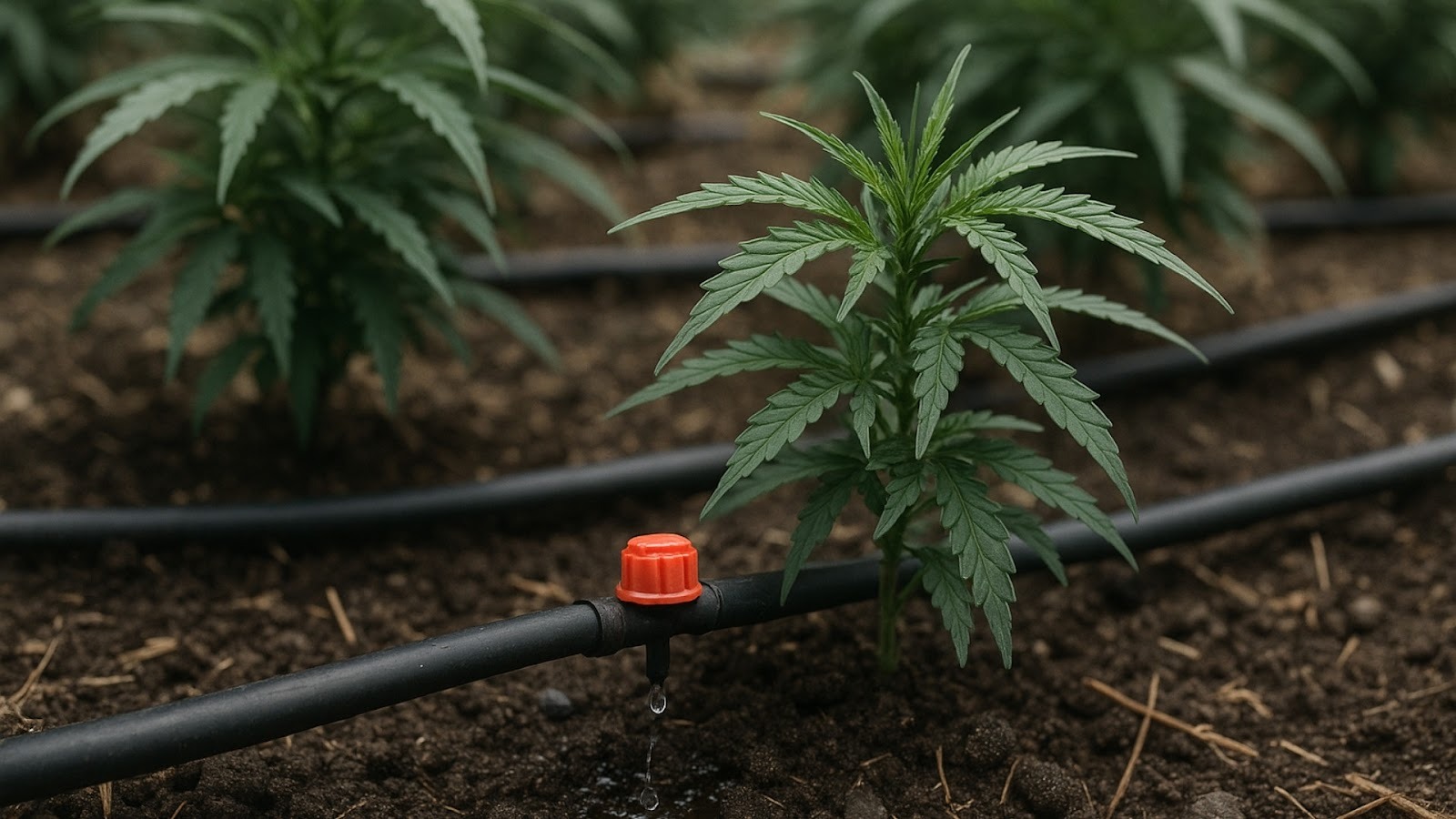
If you’re serious about cannabis cultivation, drip irrigation should be your go-to system. Why? It delivers water directly to the root zone of each plant, minimizing waste and maximizing efficiency.
Benefits:
- Targeted Delivery: Water and nutrients go exactly where your plants need them.
- Reduced Evaporation: Less water is lost compared to overhead or flood systems.
- Consistent Moisture: Maintains a steady soil moisture level, preventing stress and promoting improved growth.
Tips for Implementation:
- Use pressure-compensated drippers to ensure every plant receives the same amount of water.
- Position drippers strategically near the root zone of each plant.
- Combine with timers or automated systems for consistent irrigation schedules.
With drip irrigation, you’re essentially giving your cannabis plants the VIP treatment they deserve. But that’s just the starting point.
2. Automated Irrigation: Saving Time and Reducing Errors
Manual watering is a thing of the past. With automated cannabis irrigation systems, you can schedule water delivery, adjust flow rates, and even integrate nutrient dosing—all at the touch of a button.
Advantages of Automation:
- Consistency: Your plants receive water at the exact same intervals every day.
- Flexibility: Easily adjust schedules according to plant growth stages or environmental conditions.
- Labor Savings: Reduces manual labor, freeing you to focus on other critical tasks.
How to Get Started:
- Use programmable controllers that allow you to set specific irrigation cycles.
- Incorporate soil moisture sensors to adjust watering dynamically.
- Pair with fertigation systems to deliver nutrients alongside water efficiently.
Automation removes guesswork and ensures that your cannabis plants thrive with optimal water and nutrient supply.
3. Smart Sensors and IoT Integration: The Future of Cannabis Irrigation
Want to take your irrigation system to the next level? Enter smart sensors and IoT technology. These devices monitor real-time conditions, such as soil moisture, temperature, and humidity, providing precise control over your water delivery.
Benefits:
- Data-Driven Decisions: Sensors provide insights on when and how much to water.
- Prevent Overwatering: Alerts prevent root rot and other water-related issues.
- Remote Monitoring: Control your irrigation system from anywhere using your smartphone or computer.
By integrating AI or IoT, you’re not just watering your plants—you’re optimizing their environment based on real-time data. This results in healthier plants, higher yields, and lower operational costs.
4. Nutrient Delivery through Irrigation: Fertigation Techniques
Alt text:Nutrient Delivery through Irrigation: Fertigation Techniques
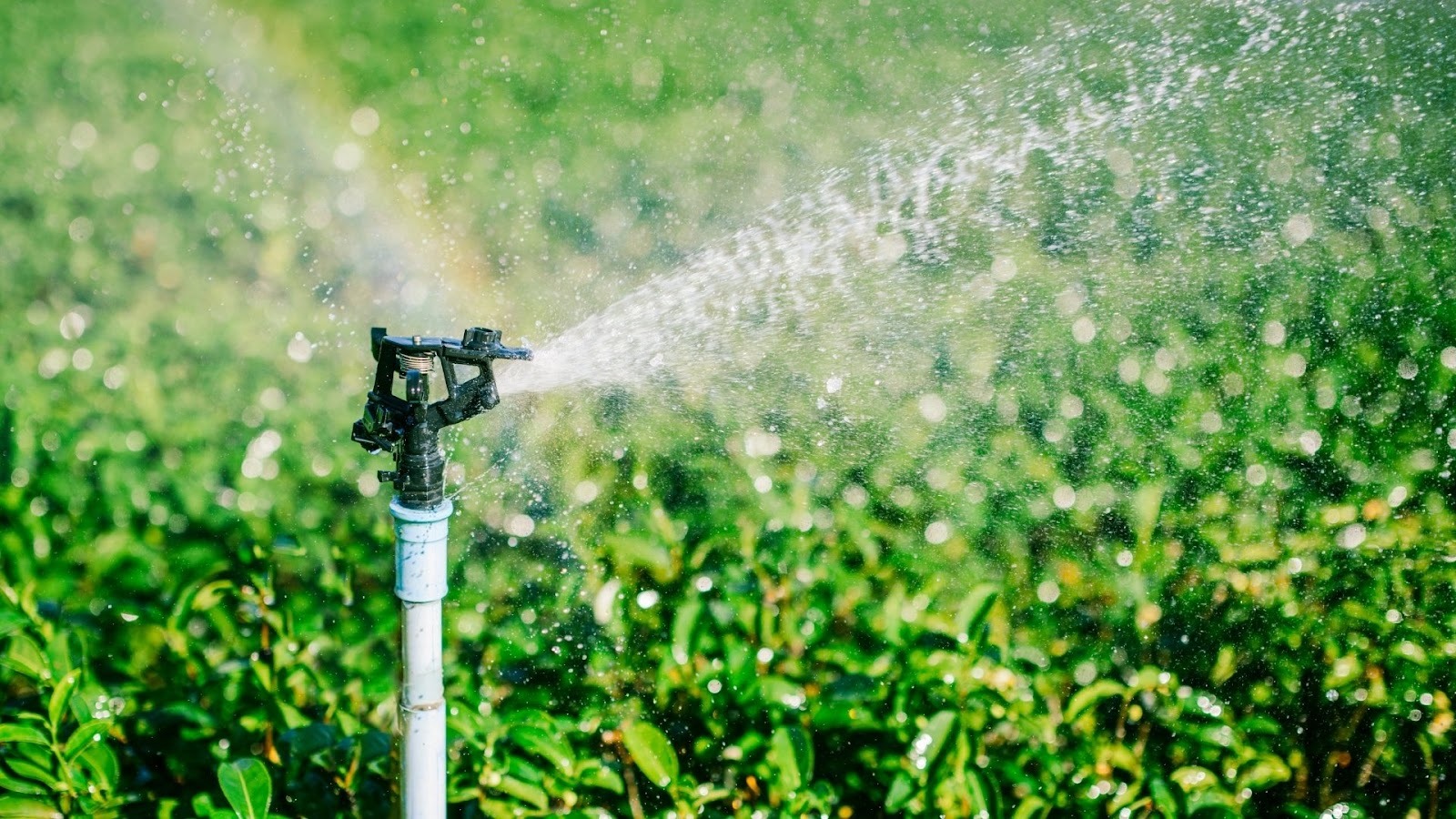
Why water your cannabis plants separately from nutrients when you can combine both? Fertigation allows you to deliver water and nutrients simultaneously through your irrigation system.
Advantages:
- Uniform Nutrient Distribution: Ensures each plant receives the right mix.
- Efficiency: Reduces fertilizer waste and ensures better absorption.
- Customizable: Adjust the nutrient mix according to the plant's growth stage or strain-specific requirements.
To implement fertigation effectively, ensure your system is compatible with the types of nutrients you use, and regularly flush the lines to prevent clogging. With precise fertigation, you can fine-tune plant growth like a master cultivator.
5. Advanced Irrigation Techniques for Large-Scale Cultivation
For multi-state operators or large indoor grows, simple drip or automated systems may not be enough. Advanced irrigation techniques include:
- Zone-Based Irrigation: Divide your growing area into zones, each with a customized watering schedule.
- Recirculating Systems: Reuse water through filtration, reducing waste and lowering costs.
- Climate-Responsive Irrigation: Adjust watering based on real-time temperature, humidity, and light intensity for maximum efficiency.
These techniques ensure that no matter how large your operation grows, your cannabis plants receive consistent care, reducing variability in yield and quality.
Conclusion
Efficient cannabis irrigation is more than just keeping your plants hydrated—it’s about precision, consistency, and maximizing your grow’s potential. By incorporating advanced drip systems, automation, smart sensors, and fertigation, you can reduce labor, save water, and increase both yield and quality.
The key is to choose the techniques that align with your grow operation, start small if needed, and gradually integrate more advanced systems as your experience grows. With the right approach, your cannabis irrigation system can become the backbone of a thriving, high-yielding cultivation operation.
By using PlanaCan’s cultivation software, you can easily plan, track, and optimize your irrigation schedules, ensuring consistent plant growth and maximizing your crop potential. Schedule a free call today to discover how we can support your cannabis business with advanced technology specifically designed for commercial growers.
FAQs
1. Can I use a drip irrigation system for both indoor and outdoor cannabis?
Yes, drip irrigation works for both environments, though outdoor setups may require weatherproofing and pressure-compensated drippers.
2. How often should I water cannabis plants using advanced irrigation systems?
It depends on plant size, growth stage, and environmental conditions. Smart sensors or automated systems can help determine precise schedules.
3. Can I combine AI technology with my irrigation system?
Absolutely. AI can analyze data from sensors to automatically optimize watering schedules and nutrient delivery.
4. Is fertigation safe for all cannabis strains?
Yes, but nutrient mixes should be tailored to the specific strain and growth stage to prevent overfeeding or deficiencies.
5. What’s the main advantage of zone-based irrigation in large grows?
Zone-based irrigation allows you to water different areas according to their unique needs, ensuring consistency across large operations.