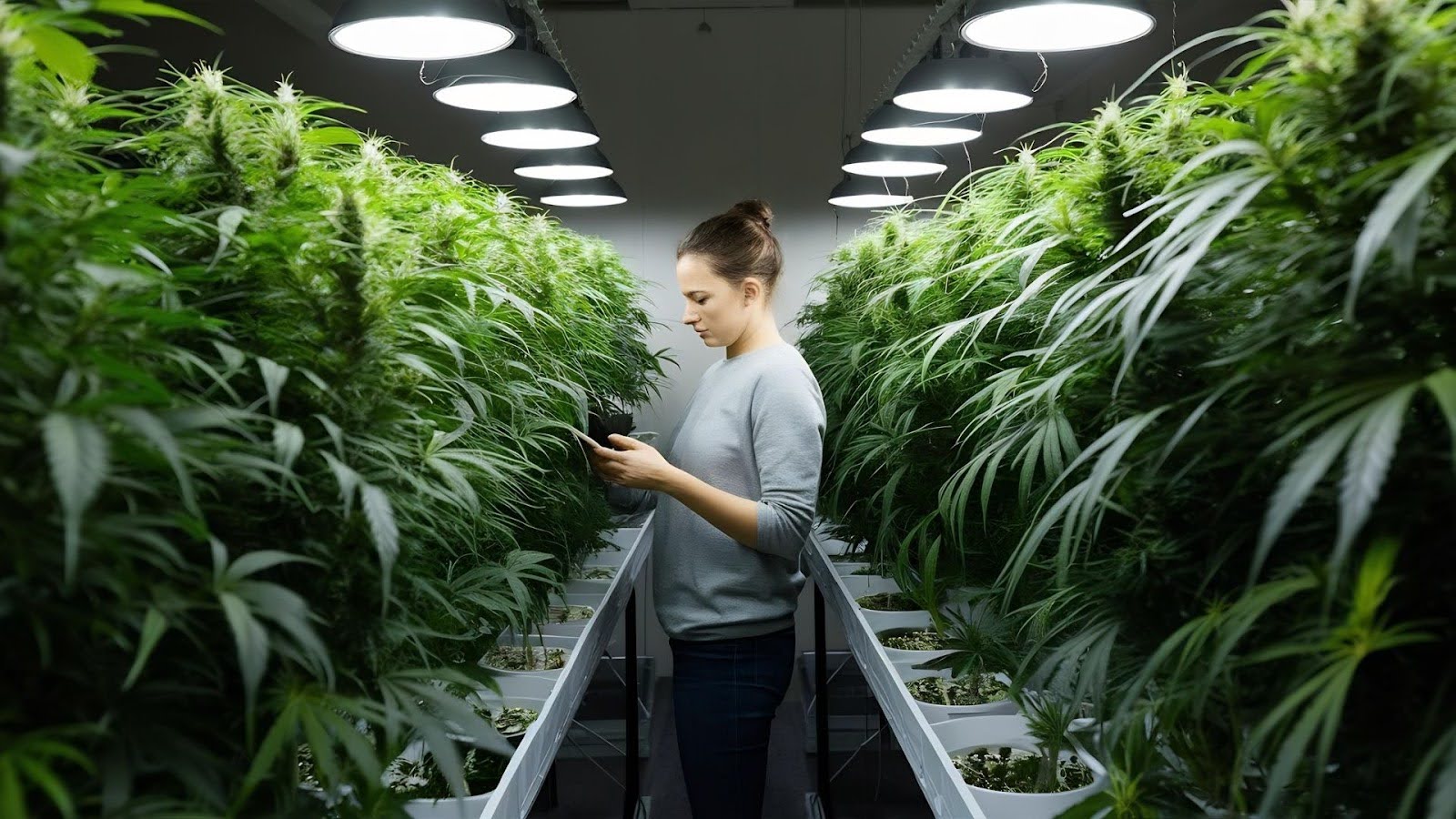
If you are considering growing cannabis, one big question will cross your mind early. How much does it cost to grow weed? You may have read stories about high yields and impressive profits. But without knowing the actual expenses, you could end up with more costs than you expected.
Many new growers underestimate the startup and ongoing costs. They jump in, thinking a few lights and pots will do the trick. Later, surprise bills for electricity, ventilation, or pest control start piling up. That is why understanding your costs up front helps you plan and budget for a sustainable operation.
In this guide, you will get a detailed look at the costs involved with growing cannabis indoors and outdoors. You will learn what startup investments you need, what ongoing expenses to expect, and what hidden costs may sneak up on you.
Let us get started.
What is the General Cost of Growing Cannabis Indoors?

The first thing you need to know is that growing cannabis indoors costs more than cultivating it outdoors. This is because when you grow indoors, you take full responsibility for the entire environment. Lights, airflow, temperature, humidity, and nutrients all depend on equipment and electricity that you must provide and maintain.
If you are just starting out with a small personal grow, expect to spend about $1,000 to $2,500 to get set up. This budget typically covers the basics:
- Grow lights
- Grow tent
- Ventilation system
- Fans
- Timers
- Nutrients and soil
- Pots and trays
- Seeds or clones
This setup allows you to control each variable and produce quality cannabis in a manageable space. But as soon as you want to scale up, costs will rise quickly.
For example,
Grow Type
Setup Type
Estimated Cost Range
Key Cost Drivers
Home Grow (Small-Scale)
Basic
$500 – $2,000
Basic lights, small tent, soil or hydro setup, fans
Home Grow (Mid-Sized)
Intermediate
$3,000 – $7,000
Higher-end lights, larger tents, and basic environmental controls
Commercial Grow (Per Room)
Advanced
$50,000+
Multi-room setup, advanced climate control, and automated systems
Commercial Grow (High-End)
Fully automated with redundancies
$75,000 – $100,000+
Full automation, environmental sensors, CO₂ injection, backup systems, LED arrays
So, how much does the cost vary for growing cannabis indoors and outdoors? Let us find out below.
How Much Do Startup Costs Vary for Indoor and Outdoor Cannabis Grows?

The costs to start a cannabis grow can vary a lot, depending on whether you go with an indoor or outdoor setup. If you're looking to save money at the start, outdoor cultivation costs much less. You can rely on sunlight, natural airflow, and your existing environment. Many outdoor growers launch small gardens for just $500 to $1,500.
For a basic outdoor grow, you will need:
- Soil or raised beds
- Fencing for security
- A basic irrigation setup
- Seeds or clones
- Nutrients
But outdoor growing also comes with risks. You're at the mercy of weather swings, pests, and even theft. In some areas, legal restrictions add another layer of risk. All of this can impact your yield and profits.
On the other hand, an indoor grow gives you full control. You set the temperature, light cycles, and humidity. You can run multiple harvests per year, regardless of the seasons. But this control comes at a cost. You'll need to invest in lights, fans, HVAC systems, carbon filters, tents or grow rooms, and automation equipment. Startup costs for an indoor grow can range from $2,000 to well over $10,000, depending on your setup.
Here is a table to help you choose better.
Factor
Outdoor Grow
Indoor Grow
Startup Cost
$500 to $1,500
$2,000 to $10,000+
Lighting
Natural sunlight
Grow lights (LED, HPS, etc.)
Environment
Weather-dependent
Fully controlled (light, temp, humidity)
Harvest Cycles
1–2 per year (seasonal)
Multiple per year (year-round)
Risks
Weather, pests, theft, legal
Higher initial cost, energy use
Equipment
Basic irrigation, fencing
Lights, HVAC, carbon filters, tents
Yield Control
Limited
High
So, what are the ongoing costs when you grow cannabis indoors? Let us discuss below.
What are the Ongoing Costs Associated with Growing Cannabis Indoors?

Once your indoor grow is up and running, the expenses do not stop. Your biggest ongoing cost will be electricity. High-intensity grow lights consume a lot of power. Additionally, you need exhaust fans, circulation fans, water pumps, and dehumidifiers to maintain the right environment.
For a small to mid-size grow, you can expect to spend between $200 and $500 per month on electricity alone. If you are running a larger operation with many lights and more equipment, your monthly power bill will be much higher.
But electricity is not your only recurring expense. Each month, you will also need to budget for:
- Nutrients and supplements: Your plants need a steady supply of quality nutrients through all stages of growth. These costs can add up quickly, especially if you use premium products.
- Replacement bulbs or LEDs: Bulbs degrade over time, and LEDs lose efficiency. You will need to replace them periodically to keep your light levels optimal.
- Water and filtration: Even if your tap water is usable, you may still need filters to remove chlorine or balance pH. You also pay for the water itself.
- Pest control products: Keeping pests at bay requires a mix of preventative treatments and targeted solutions. Regular use of these products is part of your ongoing costs.
- Maintenance for equipment: Your fans, pumps, lights, and climate control systems will need upkeep and occasional repairs to keep running smoothly.
If you are scaling up and hiring staff, labor costs will also become a significant part of your monthly expenses. Wages, training, and benefits all add to your overhead.
Now, let us understand how the size of your grow space impacts the cost of your cannabis business.
How Does the Size of Your Grow Space Impact Costs
Your grow space size does not just define how many plants you can grow. It reshapes your entire budget. Here is how larger spaces increase your costs across the board:
1. Lighting Requirements Increase with Square Footage: The bigger your grow space, the more lighting coverage you need. Light must reach all plants evenly to avoid weak or stunted growth.
Cost impact:
- Small tent (2x4 ft): One LED grow light ($100 to $300)
- 10x10 room: Four to six full-spectrum LEDs ($800 to $2,000 or more)
- Warehouse: Dozens of high-output lights ($10,000 or more just for lighting)
2. Ventilation and Climate Control Scale Up: More space means more heat from lights, more humidity from plants, and more air to move. You will need a stronger ventilation system and climate control setup.
Cost impact:
- Small tent: Inline fan and basic filter ($150 to $250)
- Room: Multiple fans, carbon filters, and a portable AC ($500 to $1,000)
- Warehouse: Industrial HVAC, dehumidifiers, CO₂ regulators ($10,000 or more)
3. Power Consumption Grows Rapidly: Larger grow spaces pull more electricity. It is not just from lights, but also from fans, pumps, air conditioners, and heaters. Energy use spikes with every expansion.
Cost impact:
- Small tent: Around 200 to 500 watts per day
- Room setup: Around 2,000 to 5,000 watts per day
- Commercial space: Tens of thousands of watts per day. Power bills can run into the thousands per month.
4. Water and Nutrient Use Go Up with Plant Count: A larger space means more plants. More plants increase demand for water, nutrients, and growing medium.
Cost impact:
- Tent with 2 to 4 plants: Minimal water and nutrients ($20 to $50 per month)
- Room with 12 to 20 plants: Higher nutrient orders and water management ($100 to $300 per month)
- Commercial grow: Bulk buying in drums or pallets ($1,000 or more per cycle)
5. Labor and Maintenance Multiply: Every new plant adds to your daily workload. Tasks include watering, pruning, checking for pests, and adjusting equipment. Larger spaces often require additional help.
Cost impact:
- Small grow: You can handle everything yourself
- Room grow: May require one part-time helper
- Warehouse grow: Full-time staff or even teams. This adds thousands to your monthly payroll.
6. Equipment Costs Increase with Scale: You will need backups, upgrades, and larger-capacity tools as you scale. Trimming machines, larger reservoirs, and automated systems all carry bigger price tags.
Cost impact:
- Tent setup: Around $500 to $800
- Room grow: Around $2,000 to $4,000
- Warehouse: $25,000 or more (excluding building or rental costs)
Even with everything in place, some hidden costs might occur when you are growing cannabis indoors. Let us find out below.
What are the Hidden Costs of Growing Cannabis Indoors
Many new growers budget for the basics, such as grow lights, nutrients, tents, and fans, but often overlook hidden costs. These expenses can quickly add up and disrupt your growth if you are not prepared. Here are the most common hidden costs you should plan for:
1. Building Modifications: Your grow space may need upgrades. Adding dedicated electrical circuits to handle grow lights and equipment can cost between $200 and $1,000 or more. Installing or upgrading ventilation systems, such as ducting, fans, and filters, can add an additional $200 to $800, depending on your setup.
2. Permits and Licenses: In legal markets, permits and annual licensing fees can be substantial. These can range from $500 to more than $10,000 per year, depending on your location and whether you are growing for personal or commercial use.
3. Security Systems: Many states and municipalities require security systems. Cameras, alarms, locks, and safes can cost between $500 and $5,000 upfront, with ongoing monitoring fees of $20 to $100 per month if you hire a professional service.
4. Water Treatment: The quality of your water impacts plant health. If your tap water contains minerals or contaminants, you may need filtration or reverse osmosis systems, which cost about $150 to $600 for a small to mid-size grow.
5. Repairs and Replacements: Grow lights, pumps, fans, and controllers wear out over time. Replacement costs can easily reach $200 to more than $1,000 per year, depending on the size of your grow and the equipment you use.
6. Plan for the Unexpected: It is smart to set aside a contingency budget of 10 to 20 per cent of your total project costs. This will help you handle unexpected expenses such as replacing a failed light mid-grow, without blowing your budget.
Cost-Saving Technologies and Automation
For growers looking to maximize efficiency and reduce long-term costs, investing in the right technologies can significantly improve ROI. Here are a few options worth considering:
- LED Grow Lights: Modern LED systems use less electricity and generate less heat than traditional HID lights, resulting in lower energy and cooling costs over time.
- Automated Irrigation and Nutrient Delivery: These systems ensure plants receive consistent care with minimal manual labor, reducing human error and water waste.
- Environmental Controllers: Integrated systems that monitor temperature, humidity, CO₂ levels, and light schedules help stabilize grow conditions and improve yields.
- Cannabis Cultivation Software: These platforms enable growers to optimize workflows, manage compliance, track plant health, and monitor resource usage in real-time. By centralizing data and automating routine tasks, they reduce manual errors and free up time for strategic decisions.
PlanaCan, for example, offers an all-in-one dashboard tailored for indoor and commercial cultivators. It makes it easier to stay efficient, compliant, and profitable as operations scale.
Conclusion
So, how much does it really cost to grow cannabis? The answer depends on your scale, setup, and goals. A small home grow might start for less than $2,000. A full indoor commercial facility can require tens of thousands of dollars before you even plant your first seed.
Before you launch your grow, take the time to map out every cost. Factor in your startup expenses, ongoing bills, and those unexpected fees that tend to surface. Without a clear budget, even the best grow operation can run into financial trouble. Careful planning will help you avoid costly surprises and set you up for a smoother, more profitable growth.
If you need help with planning, tools like Planacan can make the process easier. Planacan helps you organize your entire grow operation. It lets you track expenses, create detailed budgets, and map out cultivation tasks week by week. With Planacan, you get a clear overview of both costs and workflows, so you can manage your operation with confidence.
Schedule a free call today and see how Planacan can help you build a profitable, well-run cannabis grow.