Ever felt that sinking disappointment when your buds look bulky on the plant, but after drying, they shrink into light, airy nugs? You spend weeks checking pH levels, trimming leaves, and adjusting lights, yet still end up with flowers that feel more like cotton than cannabis. Many growers face the same issue: soft, fluffy results that burn too fast and lack punch. That kind of harvest doesn’t just feel like a letdown. It feels like a waste of effort.
The goal is always the same: dense, sticky, heavy buds that look and feel like a true harvest. You want that weight when you pick up a nug. You want that rich smell, the tight trim, and the kind of visual appeal that shows you nailed it.
So, how do you get there?
Let’s break down how to make big bud weeds by understanding the science behind dense flowers, the steps to grow them right, and the pitfalls you need to dodge.
TL;DR
- Choose strains known for their dense buds, such as indica-dominant or hybrid varieties like Gorilla Glue, Wedding Cake, or Blue Dream.
- Use high-intensity, full-spectrum light and maintain temperatures between 20 to 26°C with humidity below 50 percent during flowering.
- Train and prune your plants to expose all bud sites and focus energy on top colas; avoid overcrowding and blockages.
- Feed phosphorus and potassium-rich bloom nutrients on schedule; avoid late-stage nitrogen to prevent leafy, airy buds.
- Time your harvest by checking trichomes, flush before cutting, and cure slowly to preserve weight, potency, and flavor.
What Makes Cannabis Buds Dense
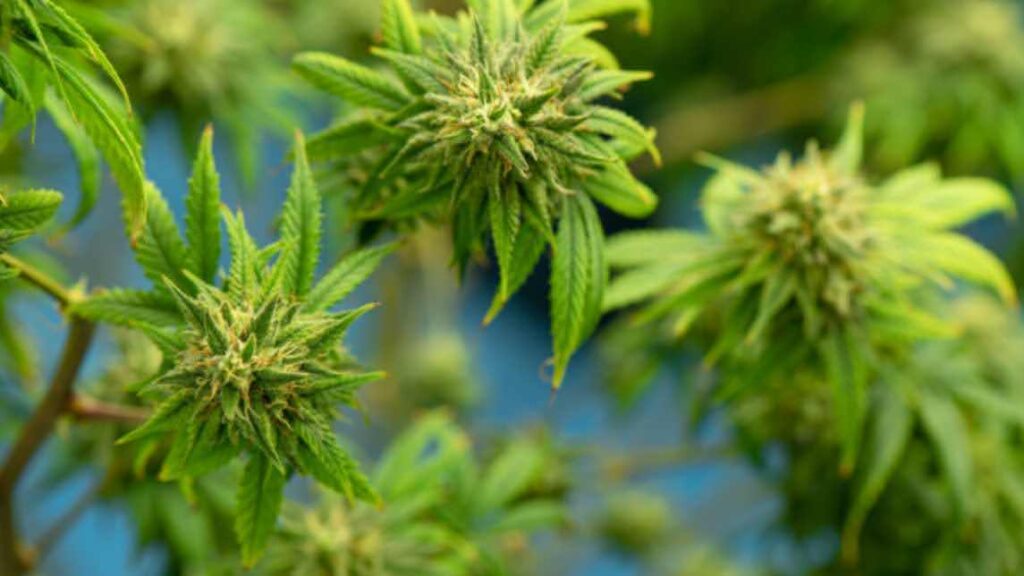
If you’ve ever wondered why some cannabis buds feel heavy and compact while others seem light and airy, it comes down to several key factors that influence bud density. Understanding these will help you recognize what affects the structure of your flowers.
- Genetics: The genetic makeup of your cannabis strain strongly influences bud density. Indica-dominant strains typically produce denser, more compact buds, while sativa-dominant strains often have lighter, airier flower structures. Genetics determine the natural growth pattern and potential for bud tightness.
- Light Intensity and Quality: The amount and quality of light your plants receive during the flowering stage significantly impact the thickness and density of the buds. High-intensity light encourages the plant to produce tighter clusters of flowers. Insufficient or uneven light can lead to looser, less dense buds.
- Temperature: The ambient temperature during flowering significantly impacts bud formation. Cooler temperatures within an optimal range tend to encourage denser buds, while excessively high temperatures can cause buds to grow more loosely.
- Humidity Levels: The moisture content in the air plays a role in how buds develop. Too high humidity can cause buds to swell but become less dense and prone to mold. Lower, controlled humidity supports tighter bud formation.
- Nutrient Availability: The presence and balance of specific nutrients, particularly phosphorus and potassium, during the flowering phase significantly influence bud size and density. Adequate nutrients allow the plant to build heavier, more compact flowers.
- Plant Hormones and Growth Regulators: Natural plant hormones, such as auxins and gibberellins, regulate cell division and elongation, influencing the compactness or extent of bud growth. Hormonal balance affects overall bud structure.
- Airflow and Environmental Stress: Air movement and stress factors indirectly influence bud formation. Stable airflow contributes to healthy bud development, while environmental stresses can cause the plant to alter bud growth patterns, affecting density.
So, why is it important to have big and dense cannabis buds? Let us understand below.
Why Big and Dense Cannabis Buds Matter
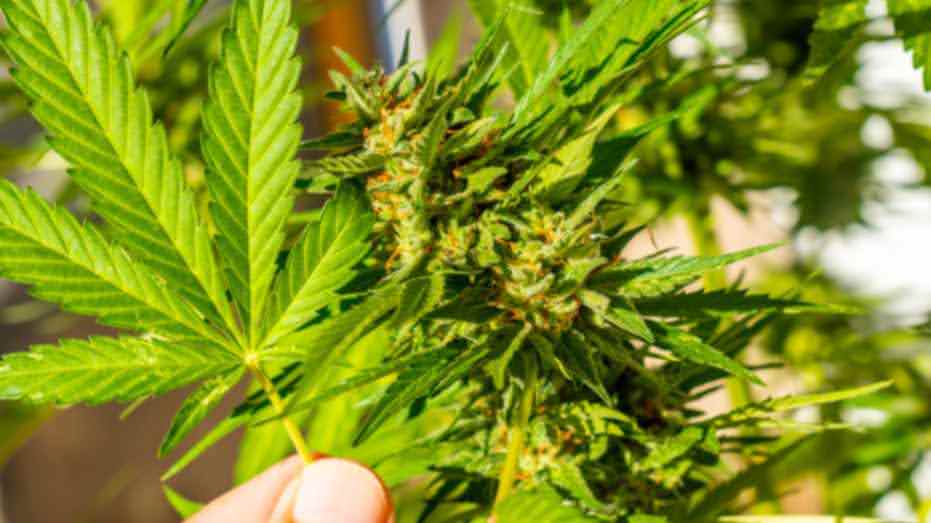
You put weeks, sometimes months, into growing a crop. So when harvest time comes, the goal isn’t just any flower. You want buds that are big, dense, and worth the effort. Loose, airy buds are a sign that something went wrong. Dense buds mean you did it right. Here’s why they matter.
- Higher Yields Without More Plants: Dense buds pack more weight into less space. That means more usable flowers per plant without needing more space, additional lighting, or a larger plant count. For indoor or limited-space grows, it's the most efficient way to maximize output.
- A Sign Your Environment Is Dialed In: When your buds stack tightly and swell properly, it shows your lighting, airflow, nutrients, and temperature are all working in harmony. If buds appear airy or underfilled, it often indicates weak lighting, high heat, or inconsistent feeding.
- Fewer Popcorn Buds to Deal With: Larfy, popcorn buds can clutter your harvest, slow down trimming, and add little to your final yield. When you get dense top colas and well-formed side buds, you spend less time on cleanup and more time curing quality product.
- Easier Trimming, Drying, and Curing: Dense buds hold their structure. They don’t shrivel up during drying, and they cure more evenly. You get tighter jars, better moisture control, and a more efficient post-harvest process.
- Stronger Trichome Production: Thicker buds tend to develop more trichomes, especially under optimal conditions. That means higher resin content, better cannabinoid profiles, and more visible crystal coverage, which is a clear sign of a successful grow.
- Consistency Across the Canopy: When your plants all produce dense buds, you know your canopy is getting even light and staying within the right environmental range. That consistency makes feeding, flushing, and timing your harvest much easier to manage.
- Faster Troubleshooting: Bud structure gives you feedback. If one plant starts producing fluffy flowers while the rest are struggling, that indicates something is amiss, whether it's root stress, inadequate light, or nutrient deficiencies. The earlier you catch it, the faster you can fix it.
- Better Use of Time and Resources: Dense buds yield a better return on your inputs, such as light, nutrients, water, and effort. You’re not wasting electricity growing leaves or stretching branches. You’re growing a solid flower that makes every watt and gram count.
- Proof Your Growing Skills Are Advancing: Anyone can keep a plant alive, but not everyone can produce weighty, top-shelf buds. Dense colas are the result of tight control, good genetics, and experience. They show you’ve moved past the basics and are growing with intent.
So, should you grow indoors or outdoors, based on your choice of growth method? Let us find out the difference between growing cannabis indoors vs. outdoors.
Also Read: How Long Does it Take a Weed Seed to Germinate? Growth Timeline
Growing Cannabis Indoors vs Outdoors
Here’s how indoor and outdoor cannabis cultivation stack up so you can choose the best route for your grow.
Factor
Indoor Growing
Outdoor Growing
Environment
Full control; grow year-round.
Depends on the weather and seasons.
Cost
High setup and energy costs.
Low cost; uses natural resources.
Privacy
Easy to keep discreet and secure.
Visible unless on private land.
Yield
Smaller plants, multiple harvests.
Large plants, one harvest per year.
Pests & Disease
Easier to manage in a closed space.
Higher exposure to pests and mold.
Quality
Dense, potent buds with strong visual appeal.
Rich terpene profiles are possible with good conditions.
Best For
Controlled, frequent, private grows.
Big seasonal harvests in favorable climates.
Now, let us go through the steps to grow dense cannabis buds both indoors and outdoors in detail below.
Steps to Grow Dense and Big Cannabis Buds Indoors and Outdoors

Fluffy buds are a letdown. After weeks of work, you want tight, heavy colas, not light, leafy flowers. Dense buds don’t just happen. They result from the right choices at every stage.
Whether you're growing indoors or outdoors, this guide shows you exactly what to do to grow bigger, better buds.
1. Choose High-Yield, Dense-Bud Strains
Before you start growing, you need to pick the right genetics. The strain you choose sets the foundation for your final bud quality. Not all cannabis plants naturally produce dense flowers, so starting with the right seed or clone saves you time and frustration.
Indoors: Stick with strains like Gorilla Glue, Wedding Cake, or Northern Lights. These are known for growing tight, chunky buds in controlled environments. Indica-dominant or hybrid strains typically stack denser flowers under artificial light.
Outdoors: Choose hardy strains like Blue Dream, Super Skunk, or Critical Mass. These can handle fluctuations in temperature and humidity while still bulking up nicely by harvest time.
2. Provide Strong, Full-Spectrum Light
Light is the energy source that drives photosynthesis, bud growth, and resin production. Without enough quality light, buds won’t thicken or swell to their potential. You need to optimize your lighting setup based on your grow environment.
Indoors: Use high-performance grow lights, such as LEDs with full-spectrum output, HPS (High-Pressure Sodium), or CMH (Ceramic Metal Halide). These deliver the right intensity and wavelengths needed for dense flower formation. Keep lights at the proper height and adjust as your plants grow.
Outdoors: Ensure your plants receive at least 8 hours of direct sunlight per day. South-facing spots with open exposure work best. Avoid shaded areas or locations blocked by trees and walls.
3. Keep Temperature and Humidity in the Ideal Range
Environmental stress directly affects bud density. If your plants get too hot, too cold, or stay too moist, they’ll struggle to produce thick flowers. You must control or at least monitor these conditions closely.
Indoors: Maintain stable daytime temps between 20–26°C (68–78°F) and reduce humidity to 40–50% during flowering. Use oscillating fans and a dehumidifier if needed.
Outdoors: You can’t control the weather, but you can pick your growing season wisely. Avoid regions that experience excessive humidity or rainfall during the late bloom period. If you live in such a climate, consider using raised beds, spacing plants apart, and pruning aggressively to prevent moisture buildup.
4. Feed the Right Nutrients at the Right Time
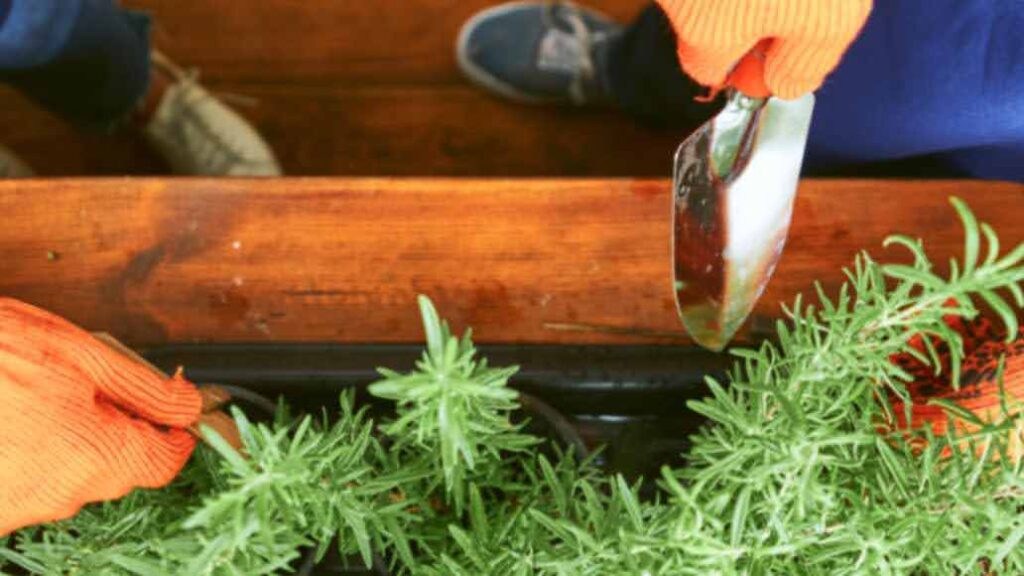
Plants need different nutrients as they move from vegetative growth to flowering. Feeding incorrectly during flowering can cause buds to become airy or underdeveloped. Giving your plants what they need when they need it is crucial.
Indoors: In early flower, switch from nitrogen-rich formulas to bloom boosters high in phosphorus and potassium. Monitor EC and pH to avoid salt buildup and nutrient lockout.
Outdoors: Use organic inputs like bone meal, compost teas, and kelp to support flower development. Feed early in the day and water deeply to help nutrients reach the root zone.
That’s where having a clear, organized schedule makes a real difference. PlanaCan’s visual timeline helps you stay on track by mapping out feed schedules and key tasks in advance. You can adjust plans as needed, and with everything in one place, your team always knows what comes next with no missed steps.
5. Train Your Plants to Maximize Bud Development
Bud density depends on even light exposure and airflow to all parts of the plant. Training techniques manipulate plant shape to maximize these factors, increasing the size and compactness of buds.
Indoors: Apply low-stress training (LST), topping, or the SCROG method to create an even canopy. This exposes more bud sites to strong light, boosting yield.
Outdoors: You can top or tie down branches to widen your plant and allow light into the center. Use stakes or trellises to support the weight of the buds as they form.
6. Prune Strategically to Focus Energy
Removing unnecessary leaves and small branches allows your plant to concentrate its energy where it counts most: the main bud sites. Without pruning, energy is spread too thin, resulting in loose, airy buds.
Indoors: Trim away lower branches and fan leaves blocking bud sites. Do this just before and during early flowering to boost airflow and light penetration.
Outdoors: Remove interior growth that doesn't receive sun. Clearing out excess leaves also reduces the chance of mildew and helps the plant direct energy toward the top colas.
7. Monitor for Pests, Mold, and Mildew
Buds weakened by pests or mold will never develop into dense, healthy growth. You must be vigilant to catch problems early, especially during the vulnerable flowering phase.
Indoors: Common pests include spider mites, thrips, and fungus gnats. Maintain a clean grow space, use sticky traps, and inspect your plants daily under good lighting conditions.
Outdoors: Keep an eye out for caterpillars, aphids, whiteflies, and powdery mildew. Use BT spray for caterpillars, neem oil during veg, and biological controls like ladybugs. Prune for airflow and avoid watering late in the day.
8. Flush Before Harvest
Flushing helps clear out excess nutrients that might otherwise affect bud quality, taste, and smoothness. It’s a simple but critical step to finish strong.
Indoors: Flush with plain, pH-balanced water for 7–14 days before harvest. Watch runoff for clarity to ensure salts are fully cleared.
Outdoors: Flush especially if you’ve used synthetic fertilizers. Heavy watering in the final week helps the plant use up internal nutrient stores before harvest.
9. Harvest at Peak Maturity
Harvest timing is everything. Picking too early leaves buds underdeveloped and airy. Waiting too long risks mold and bud degradation.
Indoors: Use a jeweler’s loupe or microscope to check trichomes. Cloudy trichomes with a few amber ones signal peak THC and ideal bud density.
Outdoors: Harvest windows can be tight due to weather. Monitor both trichomes and your local forecast. Don’t wait too long if rain is coming.
10. Dry and Cure Properly
Even dense buds can turn fluffy if drying and curing go wrong. Taking your time in these final stages preserves the structure, potency, and flavor.
Indoors: Dry slowly in a space with temperatures between 15–21°C (60–70°F) and 50–60% humidity. Store in airtight jars for at least 2–4 weeks, burping them daily to maintain freshness.
Outdoors: After harvesting, dry and cure in a stable indoor area. Outdoor-grown buds retain more moisture and require careful drying to prevent mold, while maintaining their weight and density.
Now that we know the steps to grow dense and big cannabis in both indoor and outdoor setups, let us understand the common problems that might occur when growing cannabis and how to avoid them.
Common Problems and How to Avoid Them
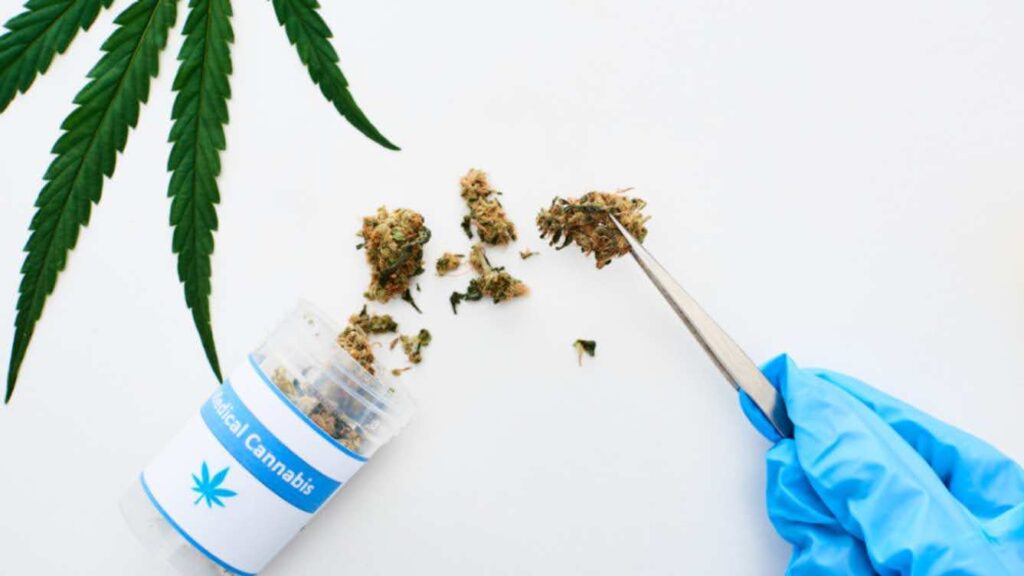
Even when you follow all the proper steps, small mistakes can still occur and impact your final yield. Fluffy buds, stunted growth, or weak aroma can usually be traced back to avoidable issues. Here's a breakdown of the most common problems and how you can fix them before they ruin your grow.
1. Light, airy buds: Your buds turn out fluffy instead of dense and solid? That usually means your plants didn't get enough light during the flowering stage.
Fix: Increase light intensity. Bring your grow lights closer to the canopy, but not so close that they cause heat stress. Remove large fan leaves that block lower bud sites and make sure light reaches all parts of the plant.
2. Overfeeding or using the wrong nutrients: Too much food, especially nitrogen in late flower, can lead to leafy, underdeveloped buds.
Fix: Use a feeding schedule designed for the bloom phase. Reduce nitrogen after the stretch and increase phosphorus and potassium. Monitor the EC and pH of your runoff to understand what the plant is actually absorbing.
Tools like PlanaCan make this easier by giving you a clear visual timeline for planning and tracking cultivation tasks. You can map out feeding schedules months in advance and tweak them as needed based on daily observations. With everything centralized on a shared calendar, it's easier for your team to stay on top of nutrient routines and avoid missing critical steps.
3. Bud rot or mold: If you notice fuzzy gray patches or browning deep in the buds, you’re likely dealing with mold or rot.
Fix: Keep humidity below 50% during the late flowering stage. Avoid overcrowding your grow space and maintain strong airflow using oscillating fans. Good spacing and ventilation are key to preventing mold.
4. Harvesting too early: Buds that look done might not be. Cutting too early leads to lower potency and smaller yields.
Fix: Use a jeweler’s loupe or microscope to inspect trichomes. Wait until most are cloudy, with a few amber ones, before harvesting. This ensures full cannabinoid development and better effects.
5. Weak genetics: Even perfect conditions can't fix bad genetics. Some plants are just destined to produce poor-quality buds.
Fix: Buy seeds or clones from trusted breeders. Look for strains with a good track record of yield and potency. Avoid growing random bagseed unless you're experimenting and okay with the risk.
6. Poor pruning or training: Letting your plants grow without structure spreads their energy too thin. Lower buds often stay small and undeveloped.
Fix: Use topping, low-stress training, or defoliation to manage growth. Remove weak lower bud sites early so the plant can focus energy on top colas that get intense light.
7. Incorrect temperature: Too much heat can stretch buds and destroy terpenes. Too much cold can stress your plants and slow them down.
Fix: Keep temperatures between 70 and 85°F (21 to 29°C) during the day. Avoid large day-to-night swings. Slightly cooler temps in late flower can help improve color and density.
8. Inconsistent watering: Overwatering or underwatering both stress your plants and limit their ability to develop dense buds.
Fix: Let the top inch of soil dry out before watering again. Use pots with good drainage and maintain a regular wet-dry cycle. If you're using coco or hydro, fine-tune your irrigation schedule to avoid root issues.
9. Lack of CO₂ in high-intensity setups: In strong light conditions, your plants might hit a growth ceiling if there's not enough CO₂.
Fix: If you're running high-powered lights, consider CO₂ supplementation. Otherwise, ensure fresh air is always cycling through your grow space to support photosynthesis.
10. Skipping the cure: Drying is only half the job. If you rush the cure, you lose out on flavor, aroma, and smoothness.
Fix: Once dry, place buds in airtight glass jars for at least 2 to 4 weeks. Open the jars once a day for the first week to release excess moisture, then less frequently as the buds stabilize. A slow cure brings out the full potential of your harvest.
Conclusion
Growing big, dense buds isn’t about guesswork or throwing more feed at your plants. It’s about dialing in the basics: light intensity, airflow, nutrient timing, training techniques, and patience. When all those elements work in sync, your plants will reward you with heavy, resin-rich flowers that hit every mark.
Still struggling with fluffy harvests? Even small changes can lead to big improvements. And with the right tools, those changes get easier to track and repeat. That’s where PlanaCan comes in. The platform helps you map out your growth from start to finish, scheduling tasks, automating reminders, logging feeding routines, and maintaining a consistent environment across batches.
No more second-guessing or flipping through notebooks. With PlanaCan, every decision is documented, every grow is streamlined, and every cycle improves upon the last. Schedule a free call today and see how PlanaCan can help you grow bigger, better buds every time.
FAQs
1. How do you increase the density of cannabis buds during indoor growing?
Ans. To grow dense buds indoors, focus on strong, consistent light (high-intensity LEDs or HPS), maintain proper temperature and humidity (65-75°F, 40-50% RH during flowering), and ensure adequate airflow. Use training techniques like topping or low-stress training (LST) to promote bud sites. Also, feed your plants with bloom-specific nutrients and avoid overwatering.
2. What are the key differences between growing dense buds indoors versus outdoors?
Ans. Indoor grows allow you to control light, temperature, humidity, and pests more precisely, which helps optimize bud density. Outdoors, natural sunlight is beneficial but environmental factors like humidity, pests, and temperature swings can affect bud quality. Outdoor growers should focus on strain selection, timing harvest to avoid rain, and using techniques like pruning and defoliation to improve bud airflow and density.
3. Which nutrients are essential for producing big and dense cannabis buds?
Ans. During the flowering stage, cannabis plants require higher levels of phosphorus (P) and potassium (K) while reducing their nitrogen (N) levels. Use bloom-specific fertilizers with balanced phosphorus (P) and potassium (K) ratios. Micronutrients like calcium and magnesium also support healthy bud growth. Monitoring pH and electrical conductivity (EC) of your soil or nutrient solution helps ensure proper nutrient uptake.
4. How important is the lighting schedule for growing dense cannabis buds?
Ans. The lighting schedule is crucial. Cannabis plants need 18-24 hours of light during the vegetative phase and 12 hours of uninterrupted darkness during flowering to trigger bud development. Consistency in the dark period prevents stress and hermaphroditism, which can negatively impact bud density and quality.
5. Can training techniques help improve bud size and density? Which are most effective?
Ans. Yes, training methods such as topping, low-stress training (LST), screen of green (ScrOG), and defoliation can increase light penetration and airflow around buds, encouraging larger and denser flowers. Topping creates multiple main colas, while ScrOG maximizes canopy exposure. Defoliation removes excess leaves that block bud sites, allowing for better bud development.