.jpg)
Uneven canopy development, unpredictable stretch, inconsistent flower density, and stubborn yield ceilings often share a common root cause: applying identical cultivation strategies across genetically distinct cannabis strains.
In commercial operations, this one-size-fits-all approach quietly limits production potential. A review confirmed that modern cannabis cultivars exhibit distinct genetic architectures, growth behaviors, and biomass allocation patterns. These directly shape plant development and energy allocation.
These genetic differences demand strain-specific execution. In this guide, we break down practical, cultivar-driven strategies for nutrition, training, environmental control, and operational workflows for maximizing cannabis yields.
Let's start with the basics:
- Genetics determines yield ceilings. Strain architecture, flowering duration, nutrient uptake, and stress response define how much biomass each cultivar can realistically produce under commercial cultivation conditions.
- Indica-dominant strains require dense-canopy control. Compact growth benefits from aggressive training, precise airflow management, and potassium-forward nutrition to maximize bud density while preventing humidity-driven disease pressure.
- Sativa-dominant strains demand height and stretch management. Extended flowering cycles, vertical vigor, and high metabolic demand require structural training, nitrogen control, and tight environmental precision to convert growth into harvestable yield.
- Hybrid strains benefit from adaptive cultivation strategies. Mixed genetic expression requires flexible nutrient dosing, balanced training techniques, and dynamic environmental management to stabilize growth patterns and maximize flower production.
- Consistent execution protects strain-specific performance. Structured workflows, precise scheduling, and operational discipline ensure cultivation strategies translate into predictable, repeatable yield outcomes supported by modern production systems.
Genetic Traits That Influence Cannabis Yield Potential
Genetic traits shape how each cultivar grows, absorbs nutrients, responds to stress, and allocates energy toward flower production. You can tailor cultivation strategies that align with each plant’s biological strengths instead of working against them by understanding these traits.
Key genetic traits that directly influence yield potential include:
- Plant Architecture: Branching structure, internodal spacing, and canopy density determine light penetration, airflow, and flower site development.
- Stretch Response: Genetic control of vertical growth during early flowering affects canopy uniformity, training requirements, and final bud distribution.
- Flowering Duration: Cultivars vary in bloom time, which influences total biomass accumulation and the flexibility of harvest scheduling.
- Nutrient Uptake Efficiency: Differences in root physiology and metabolism affect how effectively plants absorb and utilize macro and micronutrients.
- Stress Tolerance: Genetic resilience to environmental, nutritional, and training stress determines recovery speed and long-term productivity.
- Biomass Allocation Patterns: Some strains prioritize vegetative growth, while others allocate more energy to floral development, thereby shaping yield outcomes.
Translating genetic understanding into practical execution requires tailored production strategies based on strain type and growth behavior. This is explained in the next section.
Suggested Read: Beginner's Guide on Mixing Nutrients for Cannabis Growth
High-Yield Strategies for Indica-Dominant Strains
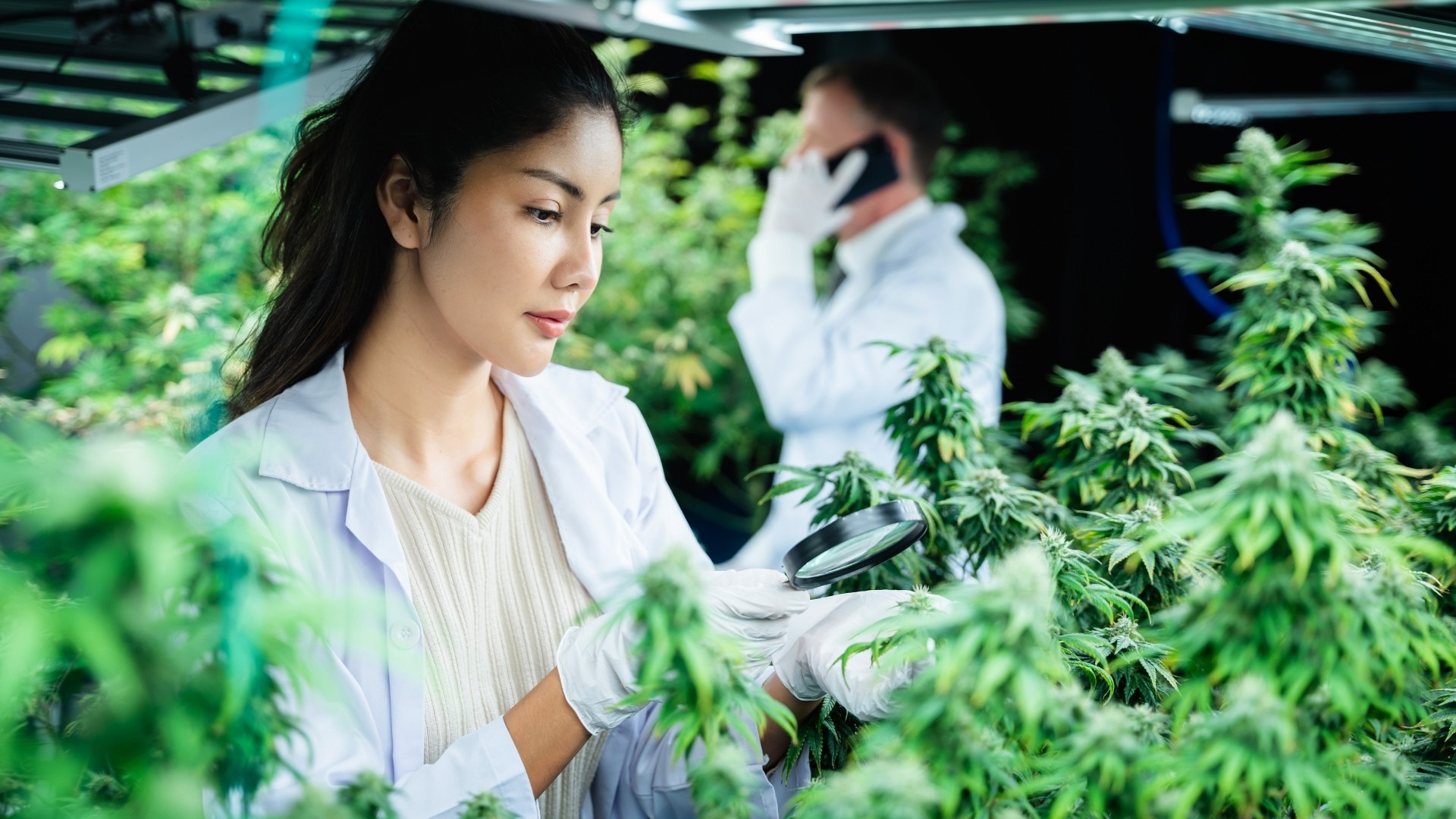
Indica-dominant cultivars such as Northern Lights, Granddaddy Purple, Bubba Kush, Blueberry, and Hindu Kush are known for compact growth, dense canopy structure, and shorter flowering cycles.
These tips will help you get a higher yield:
1. Topping, LST, and SCROG
Indica-dominant strains naturally form tight, bushy canopies that can quickly limit light penetration. Structured training spreads growth horizontally, exposing more bud sites and improving overall yield distribution.
You should consider:
- Early topping to increase lateral branching
- Low-stress training (LST) to flatten the canopy
- Screen of Green (SCROG) to maximize horizontal growth
- Strategic defoliation to enhance light penetration
2. Controlled Nitrogen and Elevated Potassium
Dense indica canopies place a high metabolic demand on nutrient uptake and water transport. Feeding strategies should promote steady growth without excessive nitrogen that drives leaf mass over flower production.
Optimize these nutrient factors:
- Moderate nitrogen during vegetative growth
- Gradual reduction of nitrogen in early flower
- Elevated potassium to support dense flower development
- Controlled irrigation volumes to prevent root zone saturation
3. Light Intensity, Humidity, and Circulation
Thick foliage and compact internodes increase the risk of moisture retention and microclimate formation. Environmental precision protects bud health and maximizes metabolic efficiency.
Focus on the following controls:
- Strong air circulation to prevent humidity pockets
- Controlled relative humidity to reduce mold risk
- High-intensity, uniform lighting for dense canopy penetration
- Stable temperature management to support enzymatic activity
PlanaCan helps optimize these workflows by automating training schedules, feeding routines, and environmental task coordination. Its interactive calendar and task automation ensure canopy management, defoliation timing, and irrigation adjustments happen consistently across rooms and shifts. Schedule a free demo to learn more.
Tips for Higher Yield in Sativa-Dominant Strains
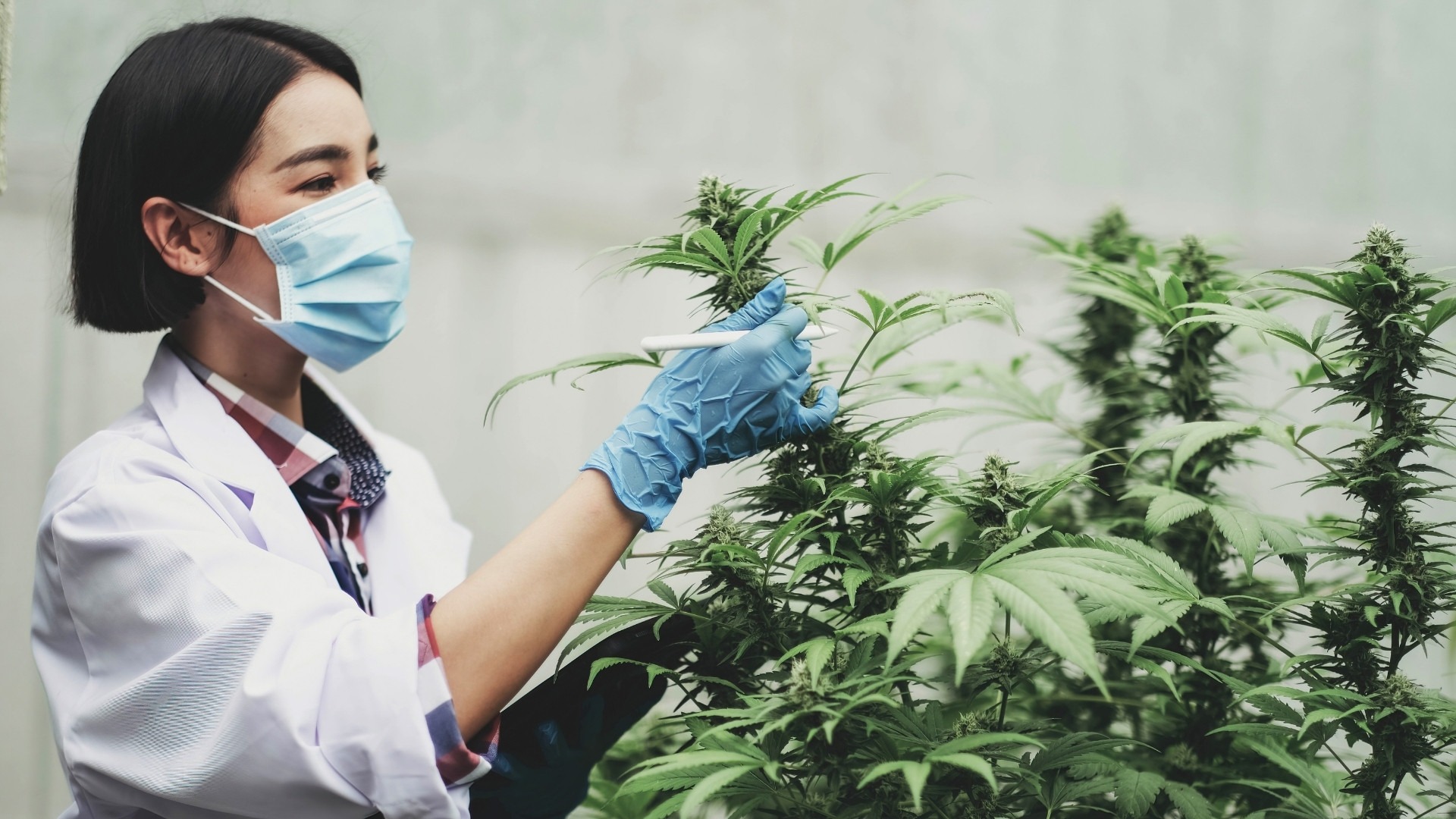
Sativa-dominant cultivars such as Haze, Jack Herer, Durban Poison, Super Silver Haze, and Amnesia Haze are known for vigorous vertical growth, long internodal spacing, and extended flowering cycles.
These traits support high yield potential but require careful height control, canopy leveling, and nutrient timing to prevent excessive stretch and uneven bud development.
1. Height Control, Supercropping, and Trellising
Sativas stretch aggressively during early flowering, making canopy management essential for light distribution and space efficiency. Structural training techniques control vertical growth while increasing the number of productive flower sites.
Focus on these structural adjustments:
- Early topping to limit dominant apical growth
- Supercropping to redistribute auxin flow
- Trellising systems to support lateral branch development
- Progressive canopy leveling throughout the stretch
2. Nutrient Timing and Stretch Management
Sativa metabolism responds strongly to nitrogen and potassium availability, particularly during transition into flowering. Nutrient timing must support controlled vegetative momentum without promoting excessive vertical growth.
Adjust nutrition using these guidelines:
- Gradual nitrogen reduction at flower initiation
- Elevated potassium to support bud formation
- Stable calcium and magnesium supply to protect structural growth
- Controlled EC to prevent metabolic overstimulation
3. Light Intensity, VPD, and CO₂
Long flowering cycles increase cumulative environmental exposure, making precision control essential for sustained productivity. Stable environmental conditions protect metabolic efficiency and bud development across extended bloom periods.
Maintain consistency across these environmental factors:
- High-intensity lighting for deep canopy penetration
- Tight VPD control to regulate transpiration
- CO₂ enrichment to support extended biomass production
- Stable day and night temperature differentials
These strategies allow sativa-dominant strains to convert their natural vigor into controlled, productive growth. The next section gives tips for hybrid cultivars that combine traits from both indica and sativa genetics.
Suggested Read: Understanding the Structure and Types of Cannabis Buds
Strategies for High-Yield in Hybrid Cannabis Strains
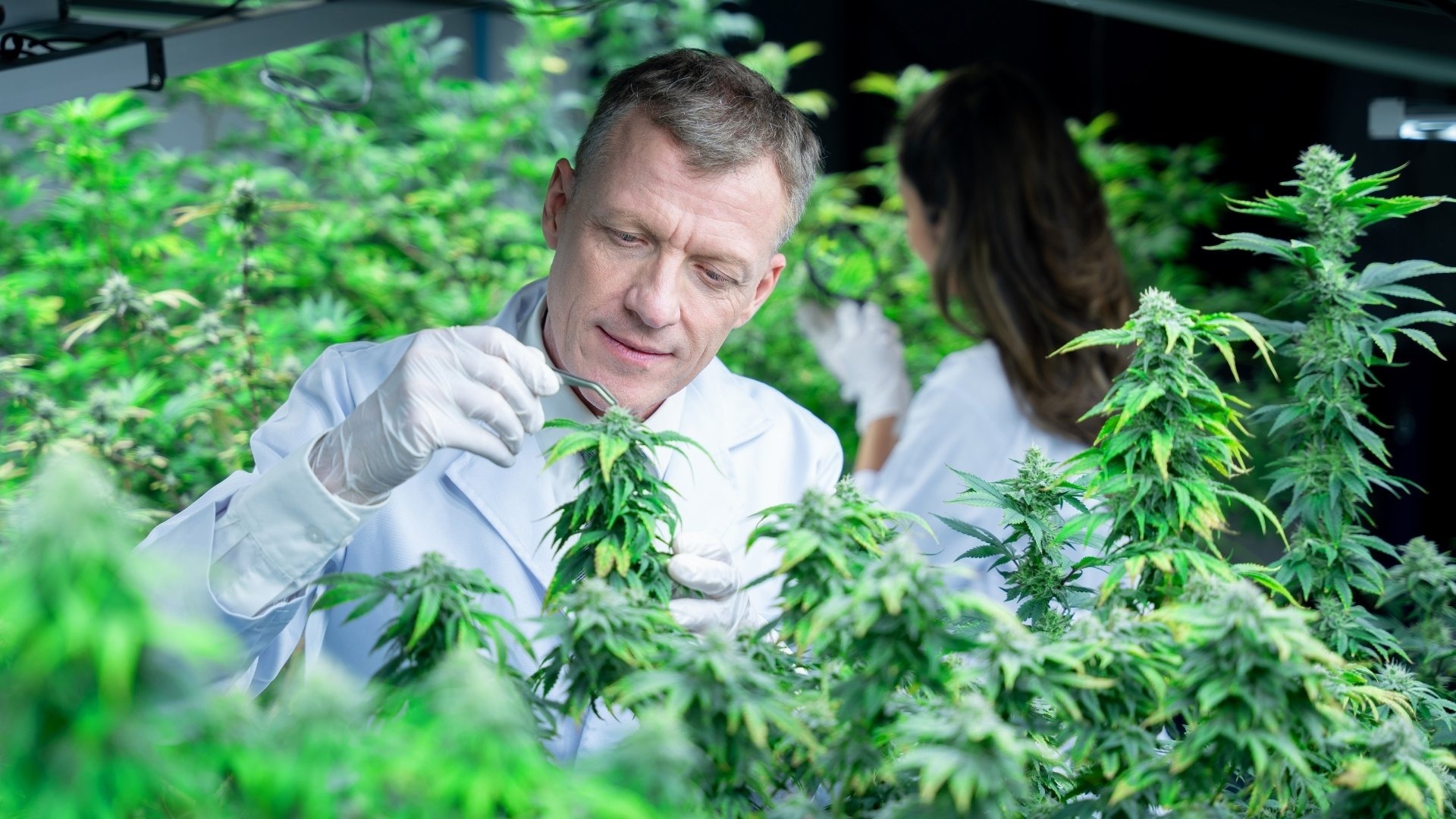
Hybrid cultivars such as Gelato, Wedding Cake, Gorilla Glue, Zkittlez, Runtz, and Blue Dream combine indica structure with sativa vigor, producing highly variable growth patterns.
This genetic diversity offers exceptional yield potential but requires adaptive management to balance canopy structure, metabolic demand, and environmental stability.
1. Balanced Canopy Development
Hybrids often display uneven branching and mixed growth habits, making canopy uniformity a primary yield driver. Structured training ensures even light distribution and consistent flower site development.
Focus on these canopy adjustments:
- Early topping to encourage lateral growth
- Low-stress training to flatten uneven branching
- Trellis systems to support hybrid vigor
- Selective defoliation to improve airflow and penetration
2. Moderate Nitrogen and Responsive Potassium
Hybrid metabolic demand varies widely across phenotypes, requiring flexible nutrient management. Feeding strategies should support vigorous growth early while prioritizing floral development during bloom.
Apply these nutritional principles:
- Moderate nitrogen during vegetative expansion
- Controlled nitrogen taper during flower initiation
- Progressive potassium increase during bud formation
- Stable calcium and magnesium supply for structural integrity
3. Environmental Stability and Stress Management
Hybrids respond strongly to environmental fluctuations, making precise control essential for stable growth and consistent yield. Balanced environmental management supports predictable metabolic performance.
Maintain consistency across these variables:
- Uniform light distribution across canopy zones
- Tight VPD control to regulate transpiration
- Stable temperature profiles to support enzyme activity
- Strong airflow to prevent microclimates
Because hybrid cultivars express diverse genetic traits, nutrient strategies must adapt to growth behavior, metabolic demand, and flowering dynamics. This is discussed in the next section.
Suggested Read: Steps to Make Cannabis Grow Faster
Nutrient Strategies to Maximize Yield by Strain Type
Different genetic groups respond uniquely to nutrient strength, uptake timing, and mineral balance. Applying identical feeding programs across indica, sativa, and hybrid cultivars often restricts yield potential.
Table showing strain-specific nutrient targets:
Aligning climate strategies with genetic response is essential for converting nutrition into consistent yield gains. The next section shows environmental optimization.
Suggested Read: When to Know Your Cannabis Plant is Ready for Harvest
Environmental Optimization Based on Genetic Behavior
Environmental conditions strongly influence how different cannabis strains express their genetic potential. Matching light intensity, temperature, humidity, and CO₂ levels to strain-specific growth behavior allows growers to maximize metabolic efficiency, protect plant health, and consistently convert biomass into high-quality flowers.
Table showing optimal environmental factors:
PlanaCan enables precise execution of these strain-specific environmental strategies through structured scheduling, task automation, and real-time operational visibility. Climate checks, system adjustments, and compliance routines can be embedded into daily workflows through templates. Try PlanaCan for free today.
Harvest Timing and Trichome Monitoring by Strain
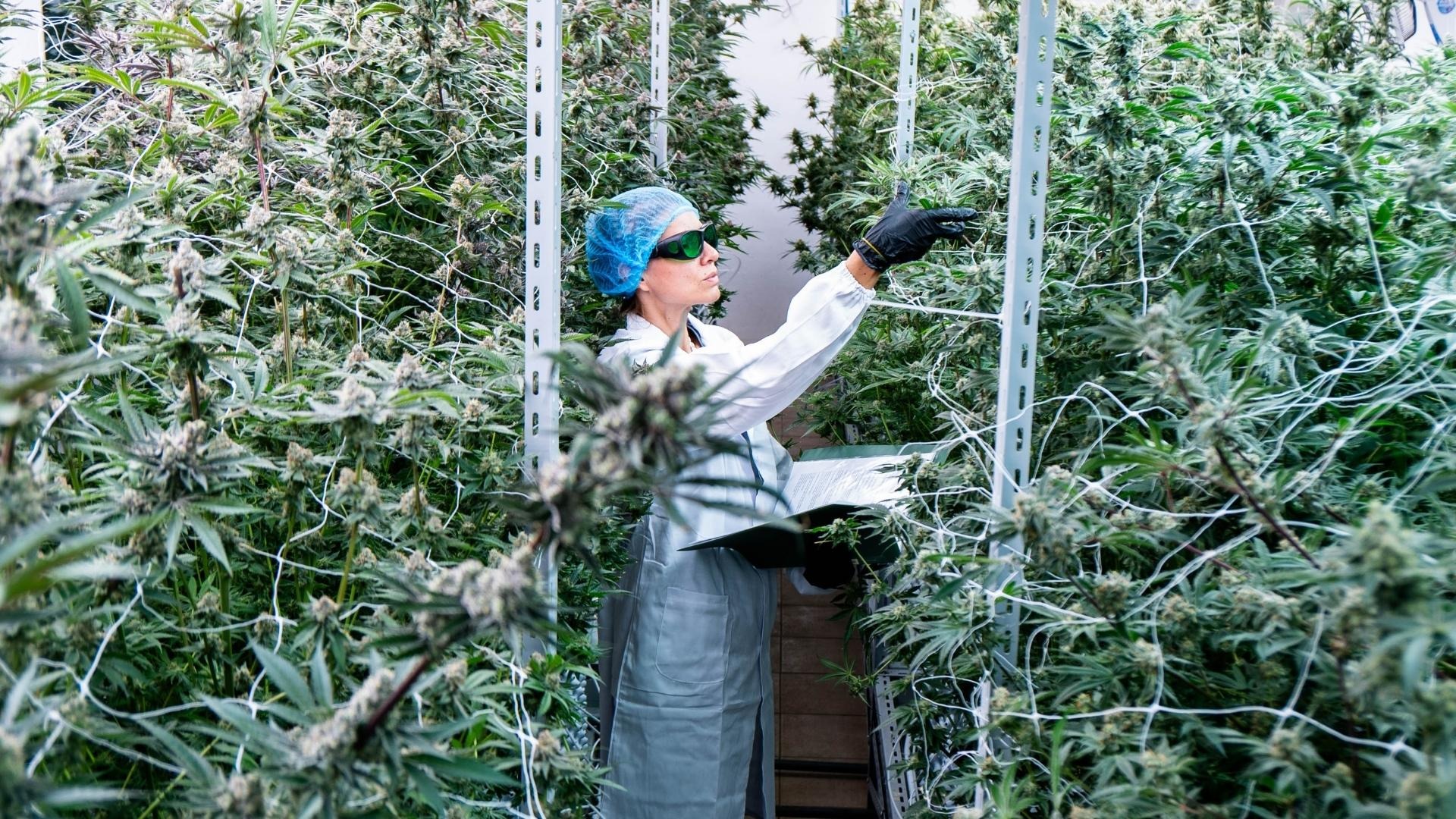
Cannabis strains vary widely in flowering duration, bud maturation speed, and resin development. Hence, trichome monitoring must be adapted to each genetic profile to capture peak yield and quality.
Strain-specific harvest timing considerations include:
- Indica-Dominant Strains: Typically reach peak maturity between 7–9 weeks of flowering, with trichomes transitioning quickly from cloudy to amber, requiring tighter harvest windows.
- Sativa-Dominant Strains: Often require 10–14 weeks of flowering, with slower trichome development and extended resin production, allowing broader harvest timing flexibility.
- Hybrid Strains: Exhibit wide phenotypic variation, with flowering periods ranging from 8–11 weeks, making close trichome observation essential for optimal timing.
- Trichome Ratio Targeting: Peak yield and potency generally occur when trichomes are predominantly cloudy with 10–20 percent amber, depending on strain and market preference.
- Flower Density and Moisture Monitoring: Late-stage irrigation and environmental control must align with strain-specific ripening behavior to prevent bud degradation and weight loss.
Precise harvest timing ensures plants convert their full growth potential into measurable yield. Avoiding the common mistakes that undermine strain-specific execution is equally critical for protecting production outcomes.
Suggested Read: How to Grow Dense and Big Cannabis Buds Indoors and Outdoors
Mistakes That Reduce Strain-Specific Yield Potential
Even well-run facilities lose significant yield when genetic differences are ignored during cultivation planning and execution.
Key mistakes that undermine strain-specific yield optimization include:
- Applying Uniform Feeding Programs
Using identical nutrient schedules across genetically distinct cultivars leads to metabolic imbalance, inefficient nutrient uptake, and suppressed flower development. - Ignoring Growth Structure Differences
Failing to adjust training and canopy management to plant architecture causes uneven light exposure, shading, and underdeveloped lower flower sites. - Mismanaging Stretch During Flower Initiation
Poor height control in sativa-dominant strains results in canopy overcrowding, airflow restriction, and inefficient space utilization. - Using Generic Environmental Setpoints
Fixed temperature, humidity, and VPD targets fail to account for strain-level metabolic differences, reducing photosynthetic efficiency and biomass accumulation. - Poor Strain Tracking and Workflow Execution
Inconsistent scheduling, unclear task ownership, and inadequate data tracking prevent accurate optimization across cultivars and production cycles.
Avoiding these pitfalls requires operational systems capable of executing strain-specific workflows with precision and consistency. This is where cultivation automation becomes essential.
Suggested Read: How Long to Veg Cannabis for Maximum Yield
How Does PlanaCan Enable Strain-Specific Yield Optimization?
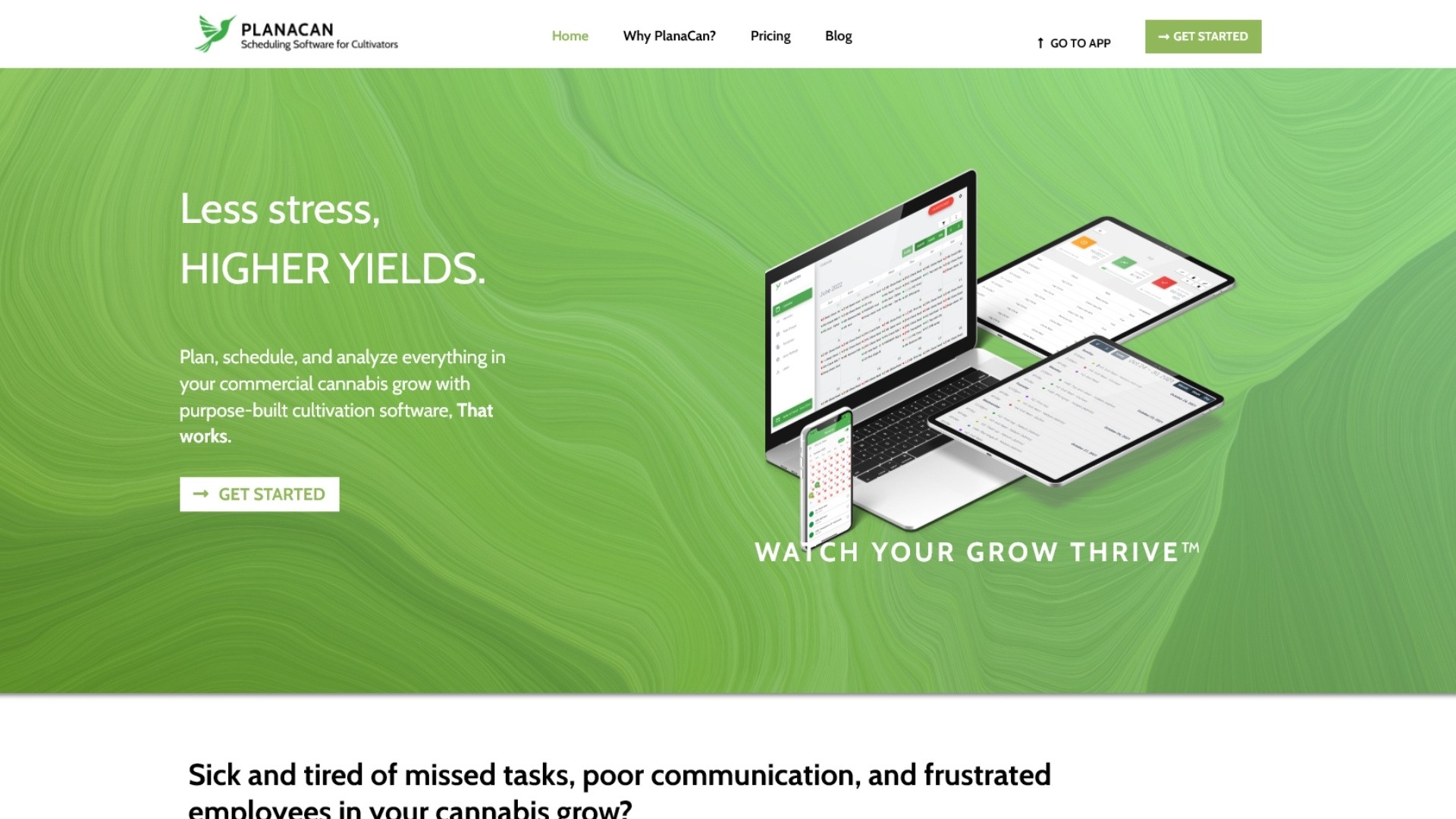
PlanaCan is a cultivation workflow automation and production management platform designed to help commercial growers execute strain-specific strategies with consistency and precision.
It converts cultivation plans into structured daily tasks. You can make sure that each cultivar receives the exact training, nutrition, and environmental management it requires.
PlanaCan enables strain-specific yield optimization through:
- Strain-Based Workflow Automation: Customized schedules align feeding, training, treatments, and inspections to each cultivar’s growth behavior, eliminating guesswork and execution drift.
- Interactive Production Scheduling: A dynamic calendar provides real-time visibility into multi-strain room timelines, allowing rapid adjustments without disrupting operational flow.
- Task Ownership and Team Accountability: Clear assignments and execution tracking ensure strain-specific procedures are performed accurately across shifts and departments.
- Harvest and Performance Analytics: Historical data reveals cultivar-specific trends in yield, growth rate, and labor efficiency, enabling continuous refinement of production strategies.
- Mobile Execution and Real-Time Updates: Native iOS and Android apps support immediate task execution, communication, and data capture directly from the grow floor.
PlanaCan is quick to onboard and intuitive to use, allowing teams to implement strain-specific workflows without disrupting daily operations. By embedding genetic intelligence into execution systems, it enables consistent yield optimization. This approach ensures scalability across all cultivars and production cycles.
Conclusion
When strain-specific cultivation is ignored, production slowly becomes a game of chance. Yields plateau, canopy variability increases, flowering timelines drift, and harvest predictability disappears. Over time, these inefficiencies compound into lost revenue, operational stress, and missed growth opportunities that are difficult to recover.
PlanaCan gives commercial growers the structure, automation, and execution discipline required to translate genetic intelligence into consistent daily performance. It aligns workflows, scheduling, and analytics around strain-specific behavior for predictable yield outcomes.
Ready to unlock the full yield potential of every cultivar in your facility? Schedule a demo today.
Frequently Asked Questions
1. Does using bigger pots increase cannabis yield?
Larger pots support greater root mass, improved nutrient uptake, and stronger plant structure, but yield gains depend on genetics, irrigation strategy, and canopy management, not container size alone.
2. Does extending the vegetative stage increase yield?
Longer vegetative growth can increase yield by building biomass and branch structure, but excessive veg time risks overcrowding, airflow problems, and diminishing returns, especially for fast-flowering or compact cultivars.
3. How can I increase overall cannabis yield effectively?
Maximize yield by aligning genetics with training methods, precise nutrition, optimized lighting, controlled environment, disciplined workflows, and consistent execution across every growth stage and production cycle.
4. How can I increase bud potency without sacrificing yield?
Optimize light intensity, harvest timing, nutrient balance, and environmental stability while avoiding plant stress, ensuring increased cannabinoid and terpene production without compromising flower density or final biomass accumulation.
5. What factors limit cannabis yield the most in commercial grows?
Uniform feeding programs, inconsistent training, poor environmental control, missed tasks, and lack of strain-specific workflows often restrict yield more than genetics or equipment limitations in commercial cultivation facilities.