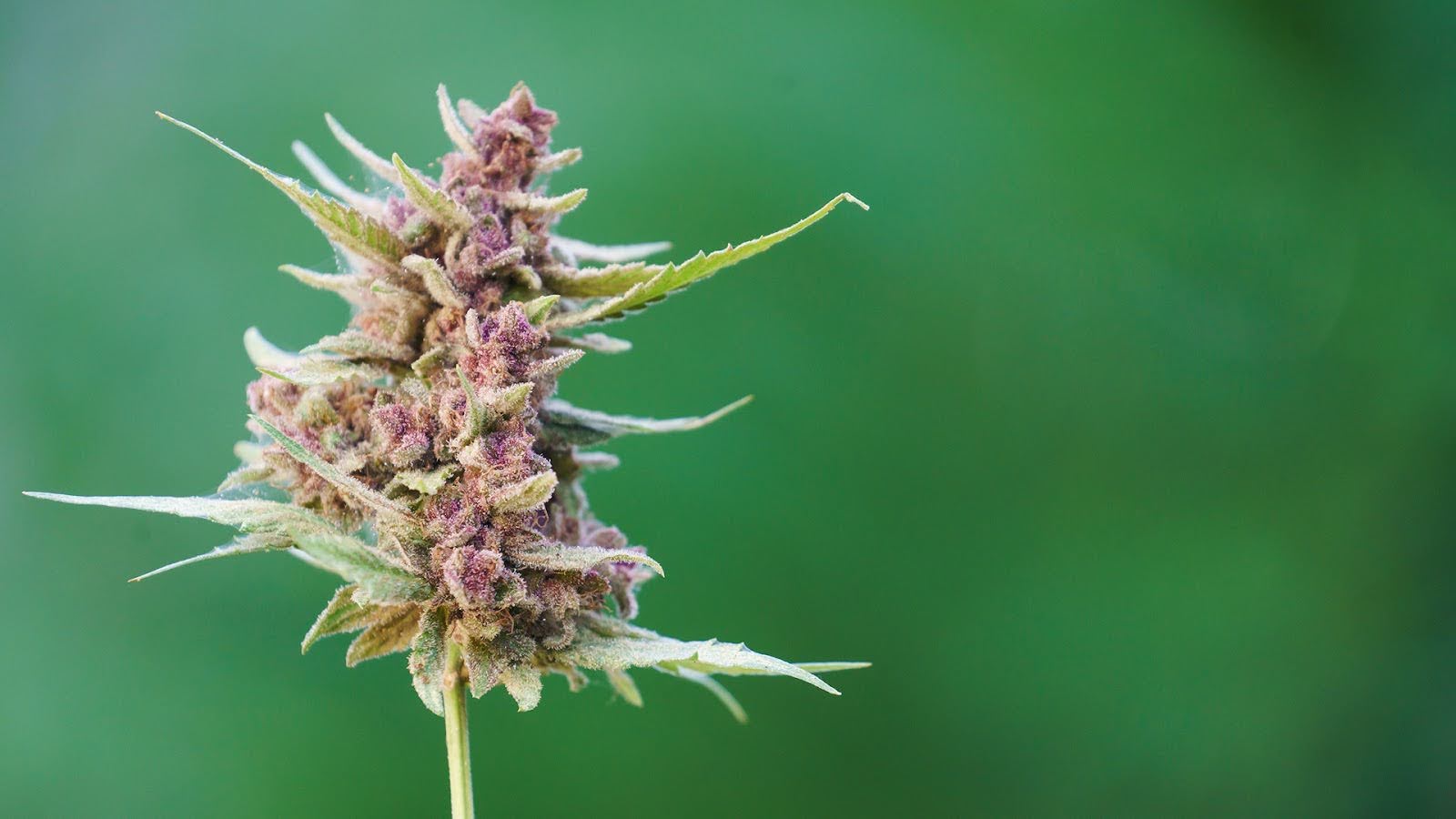
Autoflowering cannabis strains are prized for their rapid growth cycles, with some ready to harvest in as little as eight weeks. But for commercial growers, staying on top of these fast timelines can be a real challenge.
Missed tasks or poorly aligned schedules can lead to bottlenecks, uneven harvests, and even reduced yields. Understanding the full seed-to-harvest duration of autoflowers is critical for optimizing labor, room turnover, and production consistency.
In this guide, we break down the typical autoflower lifecycle, explore factors that can accelerate or delay timelines, and share practical tips for keeping every cycle on schedule.
Key Takeaways
- Most autoflowers take 8–12 weeks from seed to harvest, with some fast strains finishing in just 8–9 weeks.
- Knowing these timelines helps commercial growers plan room turnover, labor, and harvest schedules effectively.
- Environmental stress, genetics, and late training can delay harvest timelines.
- Tracking strain-specific cycles improves consistency and reduces unexpected delays in large-scale grows.
What are Autoflowering Seeds?
Autoflowering seeds are a popular choice for commercial cannabis cultivators because of their rapid, light-independent growth cycle. They are bred to simplify planning and enable multiple harvests per year.
Characteristics include:
- Flower is based on age and not on light cycle changes.
- Begin flowering 2–4 weeks after germination.
- Ready to harvest in 8–12 weeks from seed.
- Compact plants, ideal for high-turnover operations.
- Require precise task scheduling due to fast growth.
To make the most of these quick cycles, it is critical to understand each stage of the autoflower lifecycle and how timing influences your workflows.
Understanding the Autoflower Lifecycle
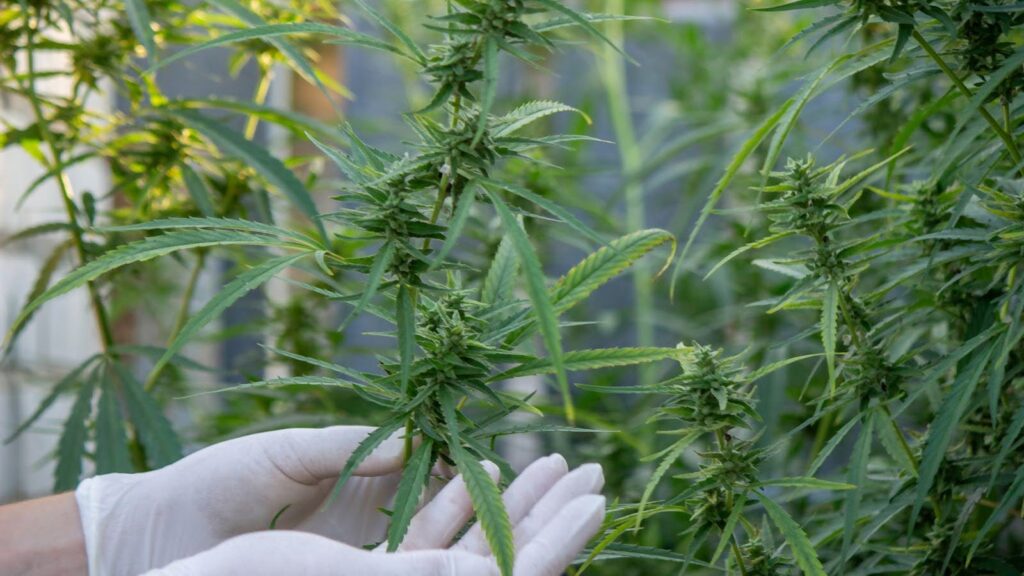
Autoflowers progress quickly from seed to harvest, often completing their entire lifecycle in just 8–12 weeks. Understanding these stages helps commercial growers plan tasks, allocate labor, and avoid missing critical windows for adjustments.
1. Germination (2–7 Days)
This is when the seed cracks open, and the taproot (the first primary root) emerges to anchor the plant. Soon, cotyledon leaves (the small, rounded “seed leaves” that store energy for the seedling) appear, signaling successful germination.
At this stage, consistent warmth and moisture, instead of soaking wet soil, are essential to avoid stalled growth.
2. Seedling Stage (1–2 Weeks)
The seedling grows its first set of true leaves (the serrated, cannabis-shaped leaves) after the cotyledons. Roots begin branching out to support faster nutrient uptake. Seedlings are delicate, sensitive to overwatering, high light intensity, and temperature swings. Careful monitoring is crucial at this stage.
3. Vegetative Stage (2–3 Weeks)
Here, the plant focuses on growing stems, branches, and leaves. This stage is shorter in autoflowers than in photoperiod strains. Techniques such as low-stress training (LST) and gently bending stems to expose more bud sites to light must be implemented early, as plants soon transition to flowering.
4. Flowering Stage (5–7 Weeks)
The plant automatically begins producing buds without needing a change in light cycle. Trichomes (tiny, sticky resin glands) form on flowers and sugar leaves, contributing to potency and aroma. Bud swelling and resin production intensify in this phase.
5. Ripening and Harvest (Final Week)
Trichomes mature from clear to milky or amber, indicating peak cannabinoid levels. Pistils (the hair-like structures on buds) darken and curl inward. Harvesting too early can reduce potency; too late may degrade THC.
Now that you know the stages, let us look at how these timelines translate into real-world seed-to-harvest durations for autoflowers.
Average Seed-to-Harvest Times for Autoflowers
Most autoflowers are ready to harvest within 8 to 12 weeks from seed. However, this range is influenced by genetics, environmental conditions, and cultivation practices. You should understand these variables for planning cycles and ensuring consistent room turnover.
1. Genetics Drive the Timeline
Some autoflower strains are bred for speed, finishing in as little as 8–9 weeks. Others with higher sativa content may take closer to 11–12 weeks due to longer flowering periods. Reviewing breeder information helps set realistic timelines for each strain.
2. Conditions Matter
Optimal conditions in the form of consistent temperature, humidity, and light intensity can help plants stay on schedule. Suboptimal conditions like light stress or nutrient imbalances may extend the lifecycle by several days or even weeks.
3. Cultivation Practices
Techniques like low-stress training (LST) or defoliation can improve yields but may slightly slow growth if done too late in the cycle. Early and gentle interventions keep plants on track without delaying harvest.
Even within these average timelines, each plant signals when it is truly ready to harvest. Next, let us look at the key signs to watch for as your autoflowers approach maturity.
Signs Your Autoflower is Ready to Harvest

Harvesting too early or too late can impact potency, flavor, and yield. Autoflowers give clear visual cues when they reach maturity. Knowing what to look for helps you time your harvest for peak quality.
- Trichome Color Change: Trichomes (tiny resin glands) shift from clear to cloudy/milky, then to amber. Cloudy trichomes signal peak THC, while amber indicates more CBN for a relaxing effect.
- Pistil Darkening: Pistils (the hair-like structures on buds) turn from white to orange or brown and curl inward as they mature.
- Bud Density: Flowers become firm and sticky as resin production peaks. Squeeze gently to check for tightness without damaging the bud.
- Leaf Yellowing: Older fan leaves may yellow and drop as the plant redirects energy to buds.
- Resin Smell Intensifies: A strong, pungent aroma develops as terpenes reach their peak.
Catching these signs on time is critical, especially when managing multiple rooms. PlanaCan’s mobile tools keep your team connected with real-time task updates, so they can monitor plant development closely and act quickly when harvest readiness signals appear.
While knowing harvest signs is crucial, understanding the challenges that delay those signs helps you anticipate problems and keep your timelines on track.
Common Factors That Delay Harvest Timelines

Not every autoflower sticks to the breeder’s promised timeline. Even small issues can slow growth, pushing harvest back by days or weeks.
Recognizing these common challenges can help you maintain consistent room turnover and avoid costly delays.
- Environmental Stress: Fluctuations in temperature, humidity, or light intensity can cause plants to stall, especially during flowering. Autoflowers are less forgiving due to their fixed lifecycle.
- Overwatering or Nutrient Imbalance: Poor root oxygenation and excessive nutrients (nutrient burn or lockout) can stunt development at critical stages.
- Late or Aggressive Training: Techniques like topping or heavy defoliation performed too late in the vegetative stage can shock autoflowers, slowing growth.
- Pest and Disease Pressure: Infestations or pathogens can divert plant energy away from bud development, extending timelines.
- Genetic Variability: Even within the same strain, seed-to-seed differences may cause some plants to take longer to mature.
Even with genetic differences between plants, PlanaCan’s tracking tools help you spot patterns over time. By logging cultivation decisions and their outcomes, you can adjust workflows for each strain and reduce unexpected delays in future cycles.
The type of autoflower you grow also plays a major role in how long it takes to reach harvest. Let us look at how different strain types compare in their growth and flowering times.
Types of Autoflowering Strains
Some autoflowers are bred for ultra-fast cycles, while others lean on sativa traits that stretch the flowering phase. Knowing which category your strains fall into helps with better planning and prevents surprises during late-stage cultivation.
Fast-Growing Autoflower Strains (8–9 Weeks Seed to Harvest)
These strains are ideal for commercial operations focused on quick room turnover and multiple harvests per year. Their compact size and rapid growth require precise scheduling, as there is little time to correct mistakes.
- Northern Lights Auto: Finishes in as little as 8 weeks; known for resilience and dense, resinous buds.
- AK-47 Auto: Compact plants with reliable 8–9 week cycles and a strong yield-to-time ratio.
- Lowryder: One of the original autoflowers, it completes in about 8 weeks but with lower yields than modern hybrids.
- Critical Auto: Very fast flowering with heavy buds and strong indica effects, ideal for tight schedules.
Slow-Growing Autoflower Strains (10–12 Weeks Seed to Harvest)
These varieties often carry more sativa genetics, which extends the flowering phase. While they take longer, they can produce larger plants and higher yields when grown under optimal conditions.
- Amnesia Haze Auto: Requires 10–12 weeks to reach full maturity but rewards growers with high-potency, aromatic buds.
- Sour Diesel Auto: Slightly longer lifecycle with vigorous growth and fuel-like aromas.
- Super Lemon Haze Auto: Needs patience (around 11 weeks) but delivers high yields and strong sativa effects.
- Jack Herer Auto: A balanced hybrid that typically finishes in 10–11 weeks with impressive trichome production.
Whether you grow fast or slow autoflowers, staying on schedule requires careful planning and team coordination. Next, we will share practical tips to keep every cycle on track from seed to harvest.
Tips for Staying on Schedule with Autoflowers
Autoflowers grow on a fixed timeline, leaving little room for error. For commercial growers managing multiple rooms and strains, staying organized is key to hitting harvest dates and maintaining consistent production.
- Plan Backwards from Harvest: Set your desired harvest date and map out each stage’s start and end dates to align resources and labor.
- Use Strain-Specific Templates: Document timelines for each strain type to avoid scheduling conflicts between fast and slow-growing varieties.
- Monitor Progress Regularly: Check plant development against your schedule to catch delays early and adjust tasks as needed.
- Train Early, Not Late: Perform low-stress training or defoliation during the vegetative phase to avoid stunting growth in flowering.
- Centralize Task Assignments: Assign specific tasks to team members with clear deadlines to prevent missed steps in the workflow.
Managing these tasks manually across multiple harvests and teams can be overwhelming. This is where PlanaCan helps simplify scheduling and coordination, keeping your operation aligned from seed to harvest.
Simplify Your Autoflower Workflows with PlanaCan
Fast autoflower cycles demand precision, and managing tasks manually across multiple strains, rooms, and teams often leads to missed steps or delays. PlanaCan helps commercial growers bring order to the chaos with tools designed for planning, tracking, and improving cultivation workflows.
1. Map Out Strain-Specific Schedules
PlanaCan lets you build customizable templates for each strain’s lifecycle, including unique timelines for fast- and slow-growing autoflowers. These templates can be reused and adjusted across multiple harvest cycles, keeping your operation consistent.
2. Plan and Track Tasks with an Interactive Calendar
The interactive calendar gives you a clear visual overview of all cultivation tasks. You can plan work months in advance, assign tasks to specific team members, and make real-time adjustments as plant development progresses.
3. Keep Teams Aligned with Mobile Tools
With PlanaCan’s Android and iOS apps, your team can access schedules, mark tasks complete, and communicate directly from the grow floor. This reduces miscommunication and ensures that time-sensitive steps—like early training or light adjustments—happen on schedule.
4. Analyze Past Harvests for Continuous Improvement
PlanaCan tracks cultivation decisions and their impact on yield, quality, and timelines. By reviewing past cycles, growers can identify what worked, avoid repeating mistakes, and fine-tune processes for even faster, more reliable harvests.
PlanaCan helps commercial growers manage the fast pace of autoflower cultivation without compromising quality or yield. This is done by centralizing schedules, team coordination, and data tracking.
Conclusion
Autoflowering cannabis strains can take your operation to the next level with their rapid seed-to-harvest cycles. Delayed tasks, missed signs of maturity, or poor team coordination can quickly throw off your schedule.
PlanaCan gives you the tools to stay ahead of these challenges. With strain-specific templates, an interactive calendar for scheduling and tracking, mobile team management, and harvest analysis, it simplifies the complex workflows behind fast-moving autoflower cycles. Instead of chasing tasks and timelines, your team can focus on growing high-quality plants every cycle.
Schedule a free call today to see how PlanaCan can help you plan, track, and optimize your autoflower operations for consistent success.
Frequently Asked Questions
1. What is the fastest autoflower from seed to harvest?
Some strains, like Northern Lights Auto and Lowryder, can complete their lifecycle in as little as 8 weeks under optimal conditions, making them among the fastest autoflowers for commercial growers seeking quick room turnover.
2. What is the timeline for autoflower?
Most autoflowers take 8–12 weeks from seed to harvest. The exact duration depends on genetics, environmental factors, and cultivation practices. Fast-growing strains finish earlier, while sativa-leaning varieties may require up to 12 weeks.
3. How long are autoflower seeds good for?
When stored properly in a cool, dark, and dry place, autoflower seeds can remain viable for 2–5 years. Older seeds may show reduced germination rates, so always check storage conditions for long-term use.
4. Do autoflowers flower faster?
Yes. Autoflowers begin flowering automatically within 2–4 weeks of germination, regardless of light cycles. This trait shortens their overall lifecycle compared to photoperiod strains, making them ideal for faster harvests and multiple cycles per year.