You think your records are fine until an inspection exposes gaps you cannot explain. In the U.S., cannabis documentation is not federally standardized under the Controlled Substances Act, but state regulators enforce strict, audit-driven requirements. That leaves you managing complex rules without a single playbook.
If your logs are inconsistent, delayed, or scattered, you are carrying real operational risk. In this article, we break down documentation best practices in cultivation, what you must record, common mistakes, and how to build a system that stays accurate, consistent, and audit-ready.
In a nutshell:
- Documentation proves execution, not intent. If records are delayed or incomplete, you cannot verify what actually happened during the grow cycle.
- Core records must cover all cultivation areas. Plant tracking, nutrient logs, environmental data, activity logs, pest management, harvest reports, and waste records form the foundation of usable documentation.
- Strong practices ensure documentation works. Real-time recording, standardized formats, clear ownership, and capturing deviations help maintain accurate, consistent, and audit-ready records.
- Manual documentation creates hidden inefficiencies. Delays, duplication, and scattered records reduce visibility and increase errors across cycles.
- Integrated systems improve consistency and usability. When documentation is built into workflows, records become reliable, accessible, and useful for future planning.
Why Is Cultivation Documentation for Cannabis Production Important?
Cultivation documentation simply means keeping clear, accurate records of everything that happens in your grow. This includes what you do to the plants, what you feed them, how they are performing, and how each stage progresses. It is not just for compliance. It is how you track, prove, and improve your operations over time.
This is why documentation is necessary:
- Ensures Compliance: State regulators require detailed records for audits and inspections. Missing or incorrect documentation can lead to penalties or operational disruptions.
- Creates Accountability: You know who did what and when it was done. This reduces confusion and improves consistency across your team.
- Improves Consistency: When tasks are documented properly, they can be repeated the same way every cycle. This leads to more predictable plant outcomes.
- Supports Better Decisions: Accurate records help you understand what is working and what is not. This allows you to refine your process instead of relying on guesswork.
- Reduces Operational Errors: Clear documentation minimizes missed steps, delays, and miscommunication during busy stages of the grow.
- Builds Traceability: Every plant, action, and outcome can be tracked from start to finish. This is critical for both compliance and internal control.
When documentation is done properly, it becomes a tool for control and improvement, not just a requirement. In the next section, we break down the key types of records every grow operation needs to maintain.
Suggested Read: How to Become a Legal Cannabis Grower in the United States
Types of Documentation and Recordkeeping in Cannabis Cultivation
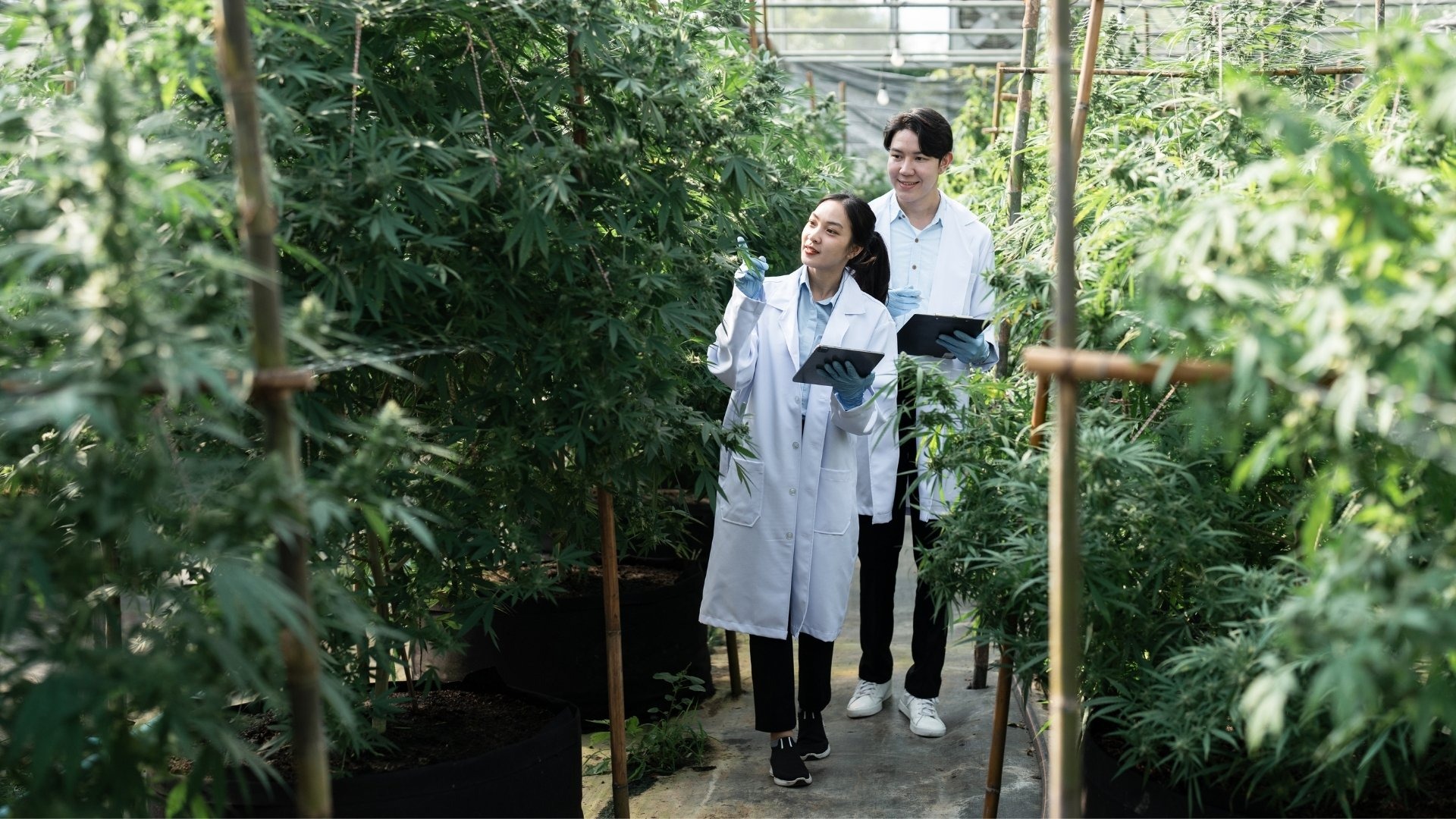
The next step is to know exactly what needs to be recorded. Strong documentation systems cover every stage of the grow, from plant origin to final harvest, ensuring nothing is missed or left unclear.
Types of cannabis cultivation documentation include:
1. Plant Tracking
Track every plant across its lifecycle:
- Plant origin and genetics
- Batch or lot identification
- Movement between rooms or stages
- Plant counts and status updates
2. Nutrient Logs
Record all inputs and feeding details:
- Nutrient types and formulations used
- Feeding schedules and frequency
- Quantities applied per batch or room
- Adjustments made during the cycle
3. Environmental Logs
Capture grow room conditions consistently:
- Temperature and humidity levels
- Light intensity and schedules
- CO₂ levels and airflow conditions
- Any environmental fluctuations
4. Activity Logs
Document daily cultivation tasks performed:
- Pruning, trimming, and training activities
- Transplanting and cloning actions
- Cleaning and sanitation tasks
- Treatment applications
5. Pest Management
Track issues and applied treatments:
- Pest or disease identification
- Treatment methods and products used
- Application timing and frequency
- Outcomes and follow-up actions
6. Harvest Reports
Record outputs and final performance:
- Harvest dates and batch details
- Yield quantities and quality metrics
- Drying and curing timelines
- Final product outcomes
7. Waste Records
Maintain disposal and compliance logs:
- Plant waste quantities
- Disposal methods used
- Dates and responsible personnel
- Compliance-related notes
Managing all of this manually can quickly become overwhelming, especially as operations scale. PlanaCan helps by organizing records into structured workflows and templates. It allows growers to capture accurate data in real time while keeping everything centralized and easy to manage. Book a free demo.
9 Best Practices to Maintain Cannabis Cultivation Documentation
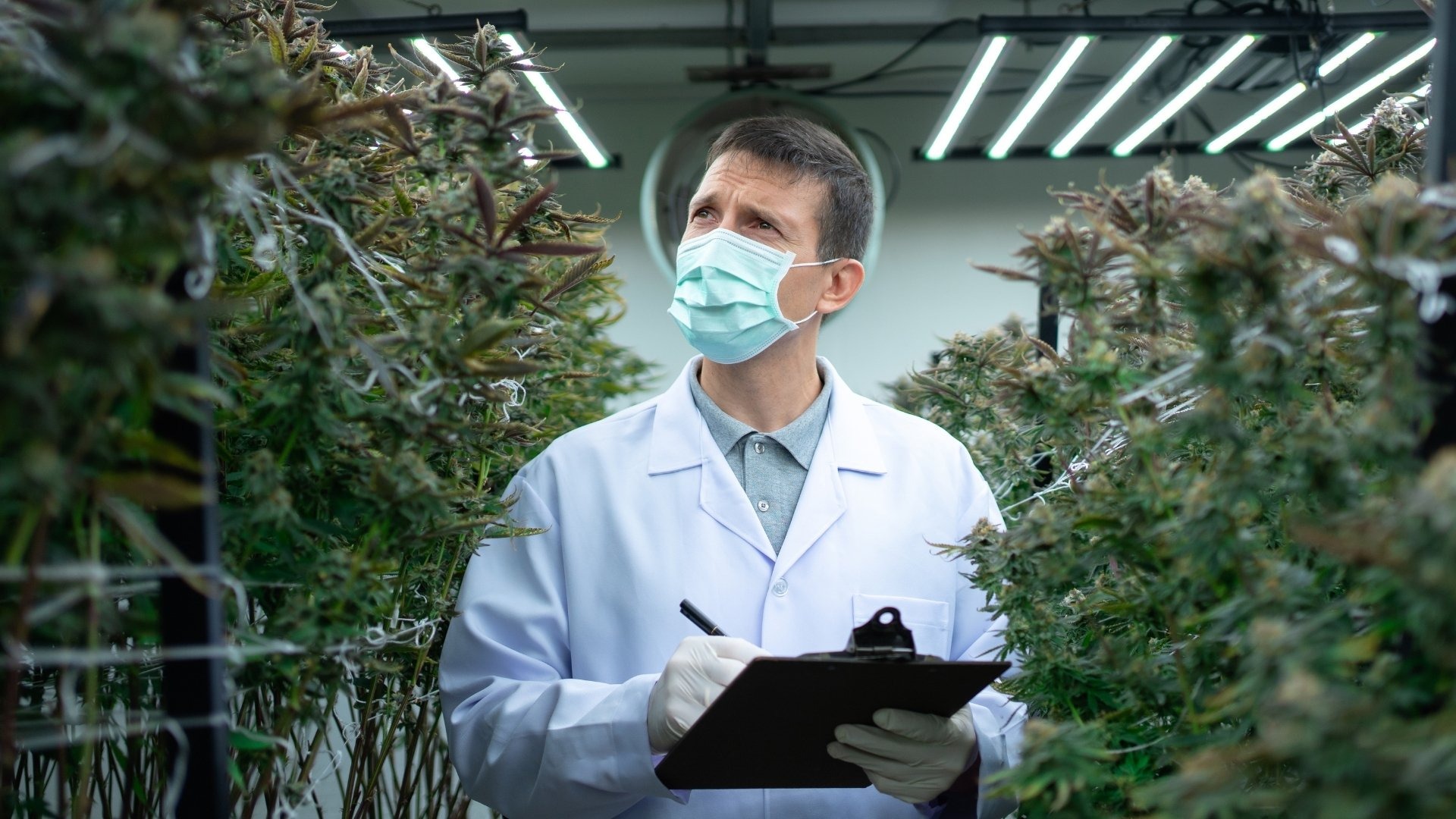
The real value comes from how consistently and accurately the records are maintained during daily operations. Strong documentation is designed for verification, comparison, and decision-making, not just storage.
These best practices help turn documentation from a burden into a reliable system that supports your cannabis cultivation:
1. Link Records to Batches, Not Tasks
Documentation should always tie back to a batch or lot, not just individual actions. This allows you to trace outcomes across the entire cycle instead of isolated activities.
This allows you to:
- Compare performance across batches
- Identify which inputs affected the yield
- Track issues back to specific cycles
2. Capture Deviations, Not Just Actions
Most growers document what was planned, but not what actually changed. Recording deviations is critical to understanding why results differ.
This helps you:
- Identify causes of yield variation
- Track unplanned interventions
- Improve future planning accuracy
3. Time-Stamp Execution, Not Entry
What matters is when the task was done, not when it was logged. Systems should capture execution time to reflect real conditions.
This ensures:
- Accurate sequencing of events
- Better audit defensibility
- Clear operational timelines
4. Structure Data for Comparison
If your records cannot be compared across cycles, they are not useful. Data should be captured in consistent units and formats.
This enables:
- Side-by-side cycle analysis
- Pattern identification over time
- Data-driven improvements
5. Document Inputs With Context
Recording what was applied is not enough. You need to capture why the input was used, under what plant conditions, and what problem it solved.
This allows you to:
- Link decisions to outcomes, not just actions
- Avoid repeating unnecessary adjustments
- Build a decision history, not just input logs
6. Track Change Events, Not Just Routines
Routine tasks are easy to log, but real impact comes from changes. Any deviation in feeding, environment, or workflow must be explicitly recorded as a change event.
This helps you:
- Isolate what caused performance shifts
- Identify high-impact interventions
- Reduce guesswork in future cycles
7. Separate Planned vs Executed Work
Most records reflect what was supposed to happen, not what actually happened. You need to distinguish between planned tasks and executed actions.
This ensures you can:
- Measure execution gaps accurately
- Identify where plans are breaking down
- Improve planning reliability over time
8. Capture Sequence, Not Just Completion
The order in which tasks happen often matters more than the tasks themselves. Documentation should reflect sequence, not just completion status.
This allows you to:
- Understand cause-and-effect relationships
- Detect timing-related issues
- Reconstruct events during audits or failures
9. Connect Labor Input to Output
Documentation rarely connects effort to results. You should track how much time and labor went into each stage or batch.
This helps you:
- Identify inefficient workflows
- Optimize labor allocation
- Improve cost-to-yield performance
When documentation is structured this way, it becomes a performance system, not just a compliance requirement. In the next section, we examine how strong documentation directly supports compliance and audit readiness in cannabis cultivation.
Suggested Read: Why are Weed Leaves Curling Up or Down: Causes and Solutions
How Documentation Supports Cannabis Compliance and Audit Readiness
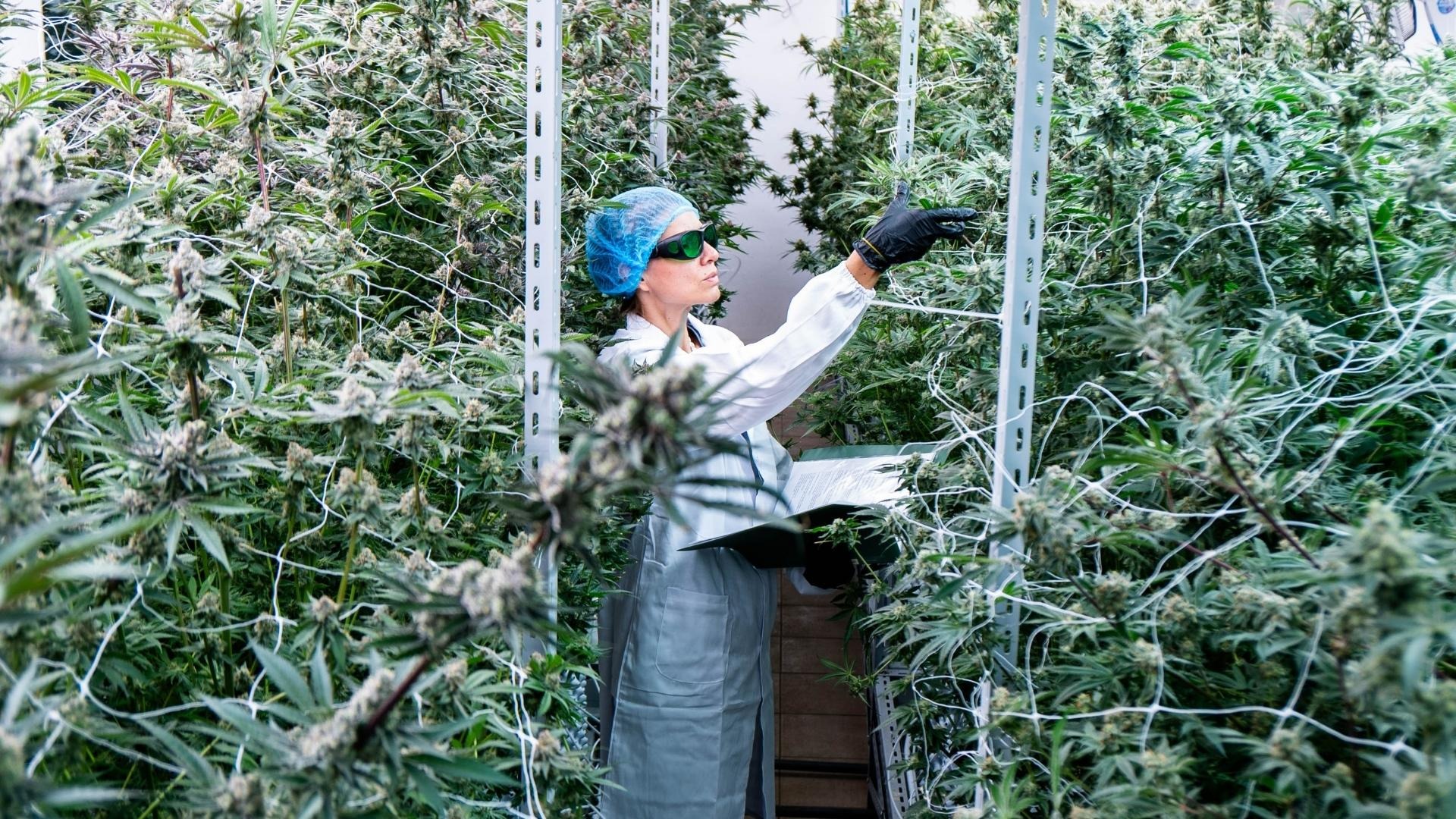
Since there is no single federal framework under the Controlled Substances Act, documentation requirements are enforced at the state level through tracking systems, inspections, and reporting obligations.
Cannabis processing and manufacturing are typically subject to stricter, more standardized controls, often similar to food or pharmaceutical production. This makes accurate cultivation documentation critical because it feeds into downstream compliance and product validation.
This is why documentation is needed to support compliance:
- Seed-to-Sale Traceability Requirements
Most states mandate full traceability of cannabis plants from cultivation to sale. Systems like METRC and BioTrack require accurate, real-time entries to maintain compliance. - Audit And Inspection Readiness
Regulators conduct routine inspections where records must be readily available and verifiable. Missing, delayed, or inconsistent logs can trigger violations. - Input And Treatment Documentation
Nutrient use, pesticide applications, and treatments must be recorded in line with state-approved inputs. These records are often reviewed during compliance checks. - Inventory Reconciliation
Physical plant counts must match recorded data at all times. Any mismatch between actual inventory and system records raises compliance risks. - Waste And Disposal Tracking
Cannabis waste must be logged with quantities, methods, and responsible personnel. Improper documentation can lead to enforcement actions.
PlanaCan supports compliance at an operational level by embedding documentation into daily workflows. It helps ensure records are captured during execution and maintained in a consistent, structured format. This makes it easier for growers to stay prepared for audits without relying entirely on manual processes. Try PlanaCan today.
How Technology Improves Cultivation Documentation Systems
Manual documentation breaks down as operations scale. Delays, inconsistencies, and scattered records make it difficult to trust the data or use it effectively. Technology changes this by embedding documentation directly into daily work, making it accurate, consistent, and usable.
This is how technology makes a difference:
- Captures Data During Execution: Documentation happens as tasks are completed, not after. This removes reliance on memory and improves accuracy across records.
- Standardizes Every Record Automatically: Templates and structured inputs ensure that all data follows the same format. This makes records easier to review, compare, and audit.
- Creates a Single Source of Truth: All documentation is stored in one system instead of multiple tools. This eliminates confusion and ensures everyone works from the same data.
- Improves Visibility Across Operations: Managers can see what is happening in real time across rooms, batches, and teams. This allows faster decisions and early issue detection.
- Links Tasks, Data, and Outcomes: Documentation is connected to actual work performed. This makes it easier to understand what actions led to specific results.
Technology makes documentation more reliable and actionable by capturing accurate data and structuring it for use. With the right system, your records stay consistent, connected, and useful for improving future cultivation cycles.
Conclusion
When documentation breaks down, the impact is not always immediate, but it shows up when it matters most. Gaps in records lead to failed audits, inconsistent execution, and decisions based on incomplete information. This creates avoidable risk, reduces control over operations, and limits your ability to improve each cycle.
PlanaCan helps bring structure into your documentation process. By embedding recordkeeping into daily workflows, it ensures data is captured accurately and consistently across cycles. This makes your documentation easier to manage, review, and use for both compliance and operational improvement.
Identify where delays, gaps, or inconsistencies occur in your records. Schedule a free call today.
Frequently Asked Questions
1. What are the 5 W's of documentation?
The 5 W's are who performed the task, what was done, when it happened, where it occurred, and why it was done. This ensures complete, traceable, and verifiable cultivation records.
2. What are the 4 principles of documentation?
The four principles are accuracy, consistency, completeness, and timeliness. Records must reflect actual work, follow standard formats, include all details, and be recorded during execution, not after.
3. What are documentation best practices?
Documentation best practices include recording in real time, standardizing formats, linking actions to batches, capturing deviations, and structuring data for analysis so records can improve future cultivation cycles.
4. How are cultivation practices documented effectively?
Cultivation practices are documented by recording tasks, inputs, environmental conditions, and outcomes in structured formats. This ensures traceability, supports compliance, and helps improve consistency across grow cycles.
5. Why is documentation important for cannabis growers?
Documentation helps growers track performance, maintain compliance, and improve consistency. It provides a clear record of actions and outcomes, allowing better decisions and reducing errors across cultivation cycles.