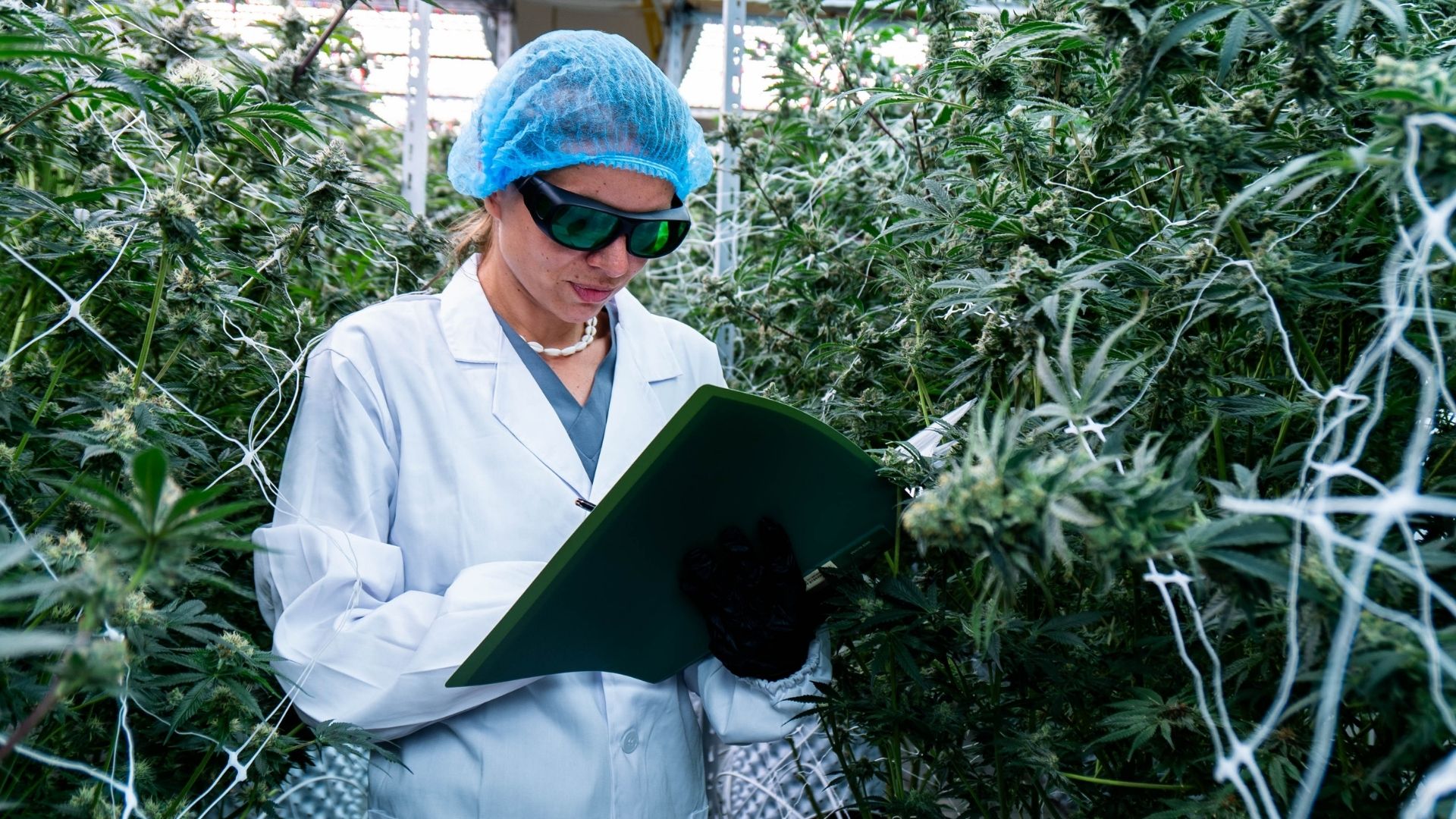
Running a commercial cannabis grow isn’t just about harvesting top-shelf buds, but also about keeping regulators happy. Miss a step in tracking, packaging, or team training, and your inspection could become a headache.
How do you stay on top of batch records, employee training, sanitation tasks, and traceability while maximizing yields? With California recording the highest cannabis sales at over $4.6 billion in 2024, the stakes for compliance are higher than ever. Even small mistakes in documentation or processes can put your license and profits at risk.
That’s why a well-built cannabis compliance checklist is your strongest safeguard. This blog breaks down the key areas regulators focus on and how you can meet these standards every day. Stay with us until the end to get a complete, ready-to-use checklist for your next inspection.
Quick Overview:
- A strong cannabis compliance checklist helps you prevent violations and keeps your grow inspection-ready year-round.
- Maintain accurate batch records, facility diagrams, and security measures to meet core self-inspection requirements.
- Keep staff training, equipment checks, and sanitation practices updated to support safe and compliant operations.
- Follow clear steps from pre-harvest setup to packaging to maintain product quality and safety.
- Track records and traceability daily to avoid errors and strengthen your compliance during any inspection.
What Is a Cannabis Compliance Checklist And Why Does It Matter?
A cannabis compliance checklist helps you stay organized, consistent, and ready for any inspection. You work in a regulated industry, so every action on your farm needs clear documentation. A simple system makes your daily tasks easier and supports long-term success.
A checklist also reduces uncertainty for your team. Everyone knows the required steps, and you avoid costly mistakes. When inspectors visit, you have clean records that show your operation follows state rules.
Here’s why it matters:
- Ensures every cultivation and handling step follows approved SOPs.
- Builds clean, reliable records for internal audits and inspections.
- Saves time by giving your team a clear list of repeatable tasks.
- Helps you catch issues early before they become costly compliance gaps.
Now, before you prepare for harvest or quality checks, you need to meet the core compliance requirements that every inspector reviews first.
Also Read: How to Become a Legal Cannabis Grower in the United States
Self-Inspection Cannabis Compliance Checklist (Regulatory Must-Haves)

Staying compliant starts with getting the basics right. This checklist covers the essential areas regulators expect you to monitor, document, and maintain at all times. Use these checks to review your operation before an inspector visits your site:
Inventory Tracking and Record Accuracy
Accurate inventory control is one of the biggest priorities during inspections. Regulators want to confirm that every plant and product has a clear record from seed to sale.
What you need to maintain:
- A written inventory plan that explains how you count, store, and move your plants.
- All incoming and outgoing items are recorded in your track-and-trace system within 24 hours.
- Monthly reconciliations that match your physical count to your digital records.
- Package tags on every item, with clear links to the correct UID.
Security Requirements For Licensed Growers
A secure facility protects your plants, people, and license. Inspectors want to see working equipment and documented controls.
Here are the main areas they review:
- Alarms and strong locks on all access points.
- Sign-in procedures for staff and visitors.
- Camera coverage for rooms where plants are weighed, moved, stored, or packaged.
- Continuous video recording with time stamps and at least 90 days of stored footage.
You should be able to play back any recording when requested.
Clear and Accurate Facility Layout
Your facility diagram helps inspectors understand how your operation is arranged. A clear map supports your license approval and ensures your workflow is organized.
An effective diagram includes:
- Scaled measurements of your full property and each indoor area.
- Marked entries, exits, walls, rooms, and work areas.
- Labels for activities such as cultivation, drying, storage, loading zones, and processing.
- Identification of limited-access areas used for storing plants or finished goods.
- Camera locations and viewing points.
Batch Documentation and Production Details
Growers who complete processing steps on-site must keep accurate production records. These records help confirm that each batch meets compliance standards.
You should keep:
- Equipment details used during trimming or processing.
- Dates and initials for each step your team completes.
- Notes about expected and actual yields.
- Any monitoring values you track for quality and safety.
For Example: Digital systems like PlanaCan organize this information automatically, linking every task to the correct batch. This gives you faster audits, fewer documentation gaps, and clear proof of compliance without chasing paperwork.
Product Quality and Safety Planning
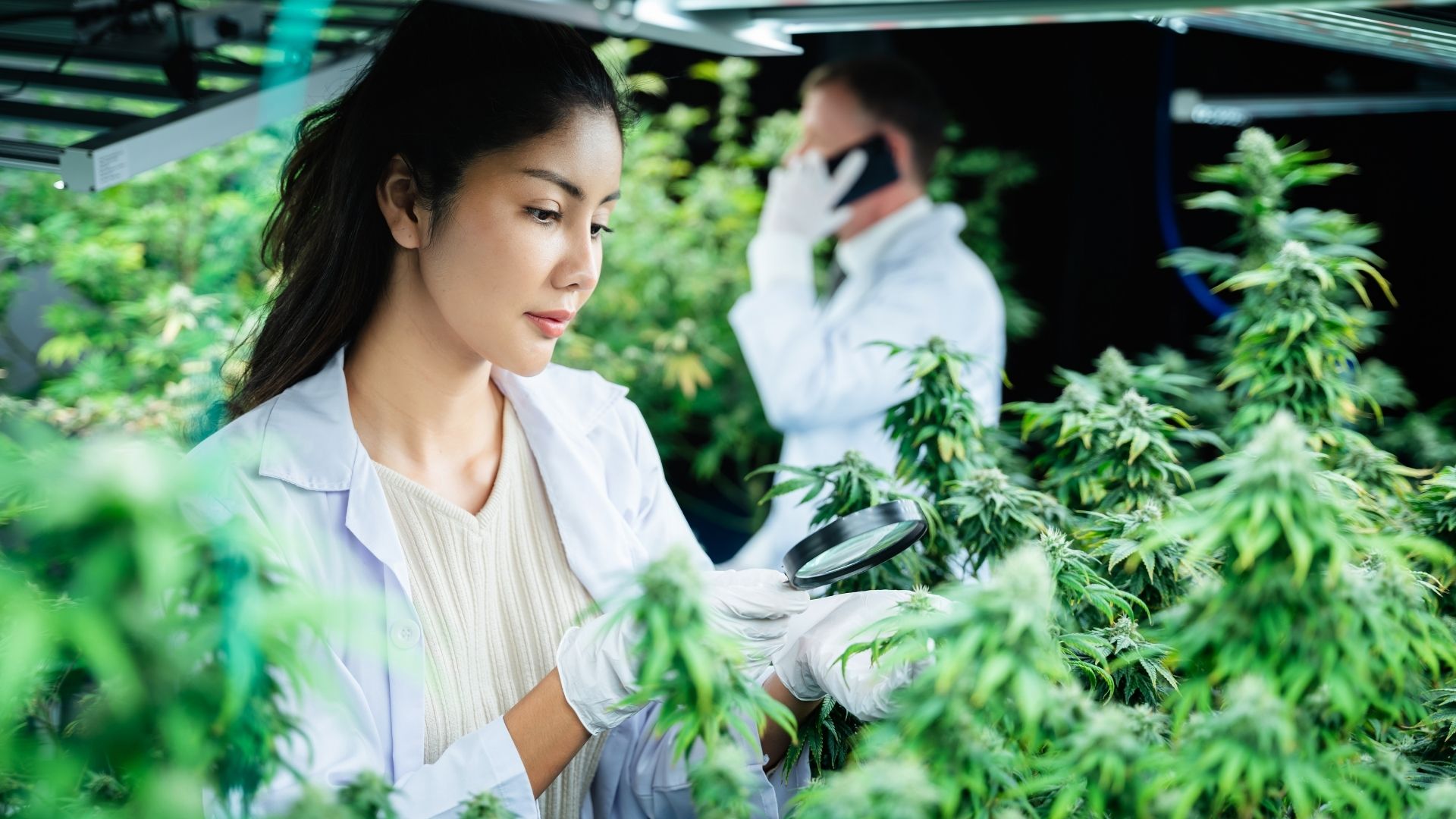
A basic quality plan helps you control risks and protect your harvest. Inspectors want to see that you understand potential hazards and have steps to prevent them.
Your plan should cover:
- Chemical, physical, and biological risks in your facility.
- Steps to reduce contamination inside your grow rooms.
- Methods you use to check and improve your controls.
Clean and Safe Work Areas
Good practices inside your facility protect your plants and your team. These expectations are simple, but inspectors take them seriously.
You should maintain:
- Smooth, cleanable walls and floors in work areas.
- Sealed openings to reduce pest entry.
- Stocked handwashing stations.
- Clean bathrooms for staff.
- Safe, clean equipment used for processing or storing your plants.
- Refrigeration below 41°F for any sensitive materials.
Your operation should also include clear procedures for cleaning and maintenance.
Staff Training and Workplace Safety
Every person who works in your grow must understand your rules and safety procedures. Inspectors look for written evidence that your team receives training.
Training records should show:
- Cleanliness and personal hygiene expectations.
- PPE use during handling and processing.
- Emergency and security procedures.
- Required health and safety courses for supervisors and staff.
- Any job-specific training related to equipment or quality controls.
For Example, you can use PlanaCan to assign training, track completions, and store updated SOPs in one place. This keeps your team compliant, inspection-ready, and aligned on the latest procedures.
Approved Scales and Weighing Practices
Growers use scales every day, so inspectors want to confirm your equipment is tested and approved.
You should maintain:
- Scales that are sealed, registered, and certified.
- A valid weighmaster license.
- Records of staff listed on the weighmaster license.
- Certificates for weight-based transactions when needed.
Packaging and Labeling Standards
If you package your own product, inspectors will check your materials and labels.
Your packaging should meet these standards:
- Tamper-evident seals.
- Child-resistant materials or containers.
- Proper placement of primary and informational labels.
- Required symbols on both the outer package and the immediate container.
Safe and Compliant Waste Disposal
Waste rules apply to all licensed growers. Inspectors want to see that you manage waste safely and keep full documentation.
Keep the following in place:
- Waste that is made unusable before disposal.
- Locked waste containers or storage areas.
- Records from your waste hauler or receipts from disposal sites.
Once you know the core items in a cannabis compliance checklist, you can focus on daily actions that help you meet inspection requirements with confidence.
How To Prepare For A Cannabis Compliance Review?

Clearing a compliance review is much easier when your daily processes support clean and well-documented cultivation. The goal here is simple. When you follow the right steps from seed to sale, clearing any cannabis compliance checklist becomes a natural part of your process.
Let’s break down the key stages that help you stay fully prepared.
Step 1: Set Up Your Facility Before Harvesting
You can only pass an inspection when your environment supports healthy plants. This step helps you prepare your facility before harvest begins.
- Prepare the environment: Sanitize grow rooms, check airflow, and remove early signs of pests or mold.
- Test inputs: Review water and soil quality to avoid compliance issues during third-party testing.
- Refresh SOPs: Update your procedures and train your team on any changes before the cycle continues.
- Strengthen traceability: Confirm that every plant is tagged correctly and aligned with your digital records.
Step 2: Harvest With Control and Clean Tools
Harvest season brings pressure because each step affects the final quality. Clean tools and careful handling help you keep your batches inspection-ready.
- Sanitize equipment: Clean tools, gloves, and work surfaces to prevent contamination during cutting.
- Protect plant quality: Cut branches gently and move plants with care to preserve trichomes.
- Document harvest activity: Track plant movement and record times, dates, and batches for complete traceability.
Quick Tip: Photograph your harvest setup weekly. These images help prove consistent processes during an inspection.
Step 3: Run a Quick Quality Check Before Drying
Your first quality check should happen right after trimming. Early checks help you fix issues before drying begins.
- Check moisture levels: Use meters to confirm safe moisture levels that reduce mold risks.
- Inspect buds visually: Look for pests, dark spots, or broken sections that may affect quality.
- Send small samples: Test random samples for contaminants and log all findings in your system.
Quick Tip: Ensure your first-round test data is organized, so you can demonstrate to inspectors how potential quality issues were addressed.
Step 4: Dry and Cure With Precision
Drying and curing influence potency, flavor, and safety. Consistency is the only way to maintain quality batch after batch.
- Control the room: Maintain stable temperature and humidity levels to protect potency and aroma.
- Monitor daily progress: Watch for mold, dryness, or texture changes that may signal problems.
- Record curing stages: Track container burping, aroma checks, and curing duration for each batch.
Quick Tip: Write down each adjustment you make to the environment. These notes help you explain your decision-making during an inspection.
Step 5: Confirm Safety After Decontamination
If you use a decontamination step, this is where you confirm your product meets the required standards.
- Test for contaminants: Send samples to certified labs for safety and potency checks.
- Verify all reports: Review the results carefully and resolve any issues before packaging continues.
- Inspect final buds: Make sure buds look uniform, clean, and free from discoloration or damage.
Quick Tip: Keep all test reports together. This helps when someone asks about any specific batch.
Step 6: Package With Compliance-Ready Details
Packaging is one of the last steps inspectors review. Clear labeling and proper storage are key.
- Choose secure packaging: Use airtight containers that protect freshness and prevent contamination.
- Apply clear labels: Add strain names, potency levels, batch numbers, and required warnings.
- Seal and store safely: Add tamper-evident seals and store products away from heat and light.
Quick Tip: Make sure every label is easy to read because inspectors look for legibility and accuracy.
Step 7: Review and Use Your COA Effectively
Your certificate of analysis confirms product safety. When used correctly, it also strengthens trust across your supply chain.
- Study the report: Check potency, moisture, and contaminant levels for each batch.
- Share with partners: Send COAs to buyers, retailers, and internal teams for transparency.
- Archive safely: Store every COA in an organized system for future audits.
Quick Tip: Create a single folder for current-cycle COAs so you can pull reports instantly when inspectors ask.
Step 8: Maintain Strong Records and Traceability
A clean inspection always depends on clean records. Your logs show how your operation performs from planting to packaging.
- Track every step: Keep accurate logs of cultivation, harvest, drying, and packaging.
- Use digital tools: Store data in a reliable system that organizes and updates records.
- Audit your logs: Review your documentation regularly and correct issues early.
Quick Tip: Use PlanaCan to centralize all cultivation, harvest, and packaging records. Assign one team member to verify entries digitally for real-time compliance assurance.
Step 9: Improve Your Process Over Time
Passing inspections becomes easier when your systems grow with your operation. Continuous improvement keeps your team consistent and confident.
- Review team performance: Assess batch results and look for patterns in quality or consistency.
- Collect feedback: Ask your team which steps slow them down or cause confusion.
- Set measurable goals: Track goals like quality consistency, compliance readiness, or cycle efficiency.
Quick Tip: Use a simple monthly meeting to review wins, challenges, and updates so your team stays informed and engaged.
Summarised Cannabis Compliance Checklist
Now that you understand the full process, here is a simple table for a fast review. It helps you confirm that you have covered the essentials of your cannabis compliance checklist before an inspection.
Also Read: Top 8 Things to Know to Start a Commercial Cannabis Grow
How PlanaCan Helps You Pass Every Inspection With Ease

Compliance isn’t just about record-keeping, but about proving that every action in your grow room is intentional, traceable, and consistent.
PlanaCan helps you build that discipline into your daily routine so audit-readiness becomes a natural by-product, not a last-minute scramble. With one connected system, you reduce errors, missed tasks, and last-minute inspection stress.
How PlanaCan supports your compliance needs:
- Automated Work Scheduling:
Auto-generate daily cultivation tasks tied to regulatory requirements. This ensures no mandatory activity is skipped, and every compliance step is completed on time with a verifiable digital trail. - Interactive Calendar for Planning and Tracking:
Map out inspections, sanitation cycles, nutrient schedules, and documentation deadlines in one calendar. It allows your team to stay aligned and always audit-ready with upcoming compliance-critical actions. - Team Management Tools:
Assign responsibilities, track task completion, and maintain role-based accountability. This ensures every compliance requirement has a clear owner and that regulators see consistent, structured operational control. - Harvest Analysis and Reporting:
Capture batch history, yields, loss reasons, and corrective actions automatically to maintain regulator-friendly records and demonstrate full traceability from seed to sale during audits.
With PlanaCan, you replace scattered spreadsheets and text threads with one clean system that keeps your operation inspection-ready at all times.
Bottom Line
Ensuring your operation is ready for inspection starts with a clear cannabis compliance checklist. From facility setup and staff training to batch documentation and traceability, staying organized protects your harvest and avoids costly non-compliance issues.
Consistency and transparency are key to building a compliant and efficient cannabis operation. The tricky part is keeping all those tasks, notes, training logs, and batch records updated while managing a busy grow. That is where PlanaCan supports your workflow with clear schedules, automated records, team updates, and organized data from seed to sale.
If you want consistent processes, cleaner records, and a more efficient facility, PlanaCan gives you the tools to stay inspection-ready. Schedule a free call today to see how the platform can support your cultivation team.
FAQ’s
1. What is compliance in cannabis?
Compliance in cannabis means following all local, state, and federal regulations related to cultivation, processing, packaging, and sales. It ensures safety, quality, and legal operation within the industry.
2. How to do a compliance checklist?
A compliance checklist involves reviewing each cultivation and processing step to ensure adherence to state and local regulations. Documenting these steps keeps your facility inspection-ready.
3. What are the laws around cannabis?
Cannabis laws vary by state in the U.S., covering cultivation, distribution, possession limits, testing, labeling, and sales. Federal law still classifies cannabis as a controlled substance, adding an extra layer of regulation.
4. How to implement a cannabis compliance checklist in a cultivation facility?
Start by mapping all facility operations, tagging plants, tracking batches, and training staff on SOPs. Use digital tools like PlanaCan to document each step and monitor adherence to ensure regulatory standards are met.
5. What is the checklist for getting a license to grow legally in Mississippi?
To apply, register your business with the Mississippi Secretary of State and obtain a Sales Tax permit. Complete the application with business info, premises diagram, operation and security plans, licenses, background checks, and first-year fees.