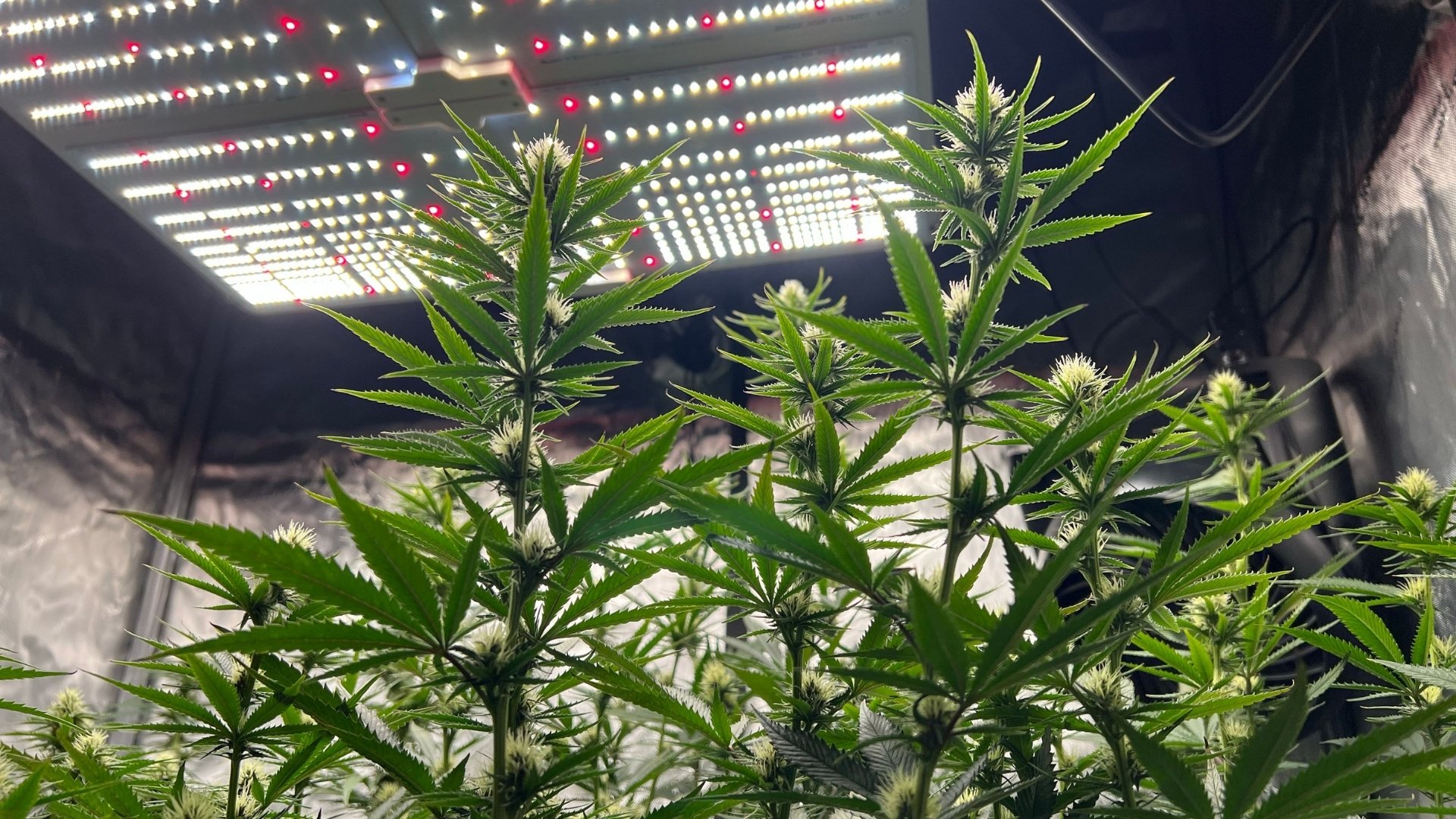
Experienced cannabis growers can hit a ceiling where plants look healthy but never reach their full potential. Growth plateaus, bud development underdelivers, and results vary from one cycle to the next without a clear reason why.
Research shows that variables such as light intensity, plant density, fertilization, and flowering duration directly shape yield and cannabinoid output. Small changes in how these are managed can lead to noticeably different outcomes.
In this guide, you will learn how to achieve full-grown cannabis plants by tightening control over key inputs, improving consistency across stages, and building a process that delivers reliable results.
A quick snapshot:
- Full growth depends on stage execution. Each phase from vegetative growth to flowering directly impacts final yield and plant structure.
- Environmental control drives outcomes. Light, nutrients, and climate must be managed precisely to support consistent cannabis growth.
- Training improves yield potential. Techniques like topping and canopy management increase bud sites and overall output.
- Harvest timing affects final weight. Missing the optimal window can reduce potency, density, and total yield.
- Standardization improves consistency at scale. Structured workflows and data tracking help reduce variability and optimize results across cycles.
What Defines a Full-Grown Weed Plant in Commercial Cultivations?
In commercial cultivation, a plant being “full-grown” is not just about size or age. It reflects whether the plant has reached its intended structure, maturity, and production potential. A large plant can still underperform if earlier stages were inconsistent or poorly managed. What matters is how well the plant has developed across its entire lifecycle.
Key characteristics:
- Strong Structure: Balanced branching and canopy development for effective light distribution
- Mature Flowers: Dense buds with visible trichomes and uniform development
- Uniform Growth: Minimal variation across plants within the same batch
- Healthy Foliage: No major signs of nutrient stress, pests, or disease
- Stage Completion: Clear progression through vegetative and flowering phases
- Predictable Yield: Output can be estimated based on consistent performance
Reaching this level of consistency depends on how each stage of growth is managed and executed. In the next section, we break down the growth stages that lead to full maturity and how each stage impacts the final outcome.
Suggested Read: 10 Common Harvest Challenges in Commercial Cannabis Cultivation
Growth Stages Leading to Mature Marijuana Plants
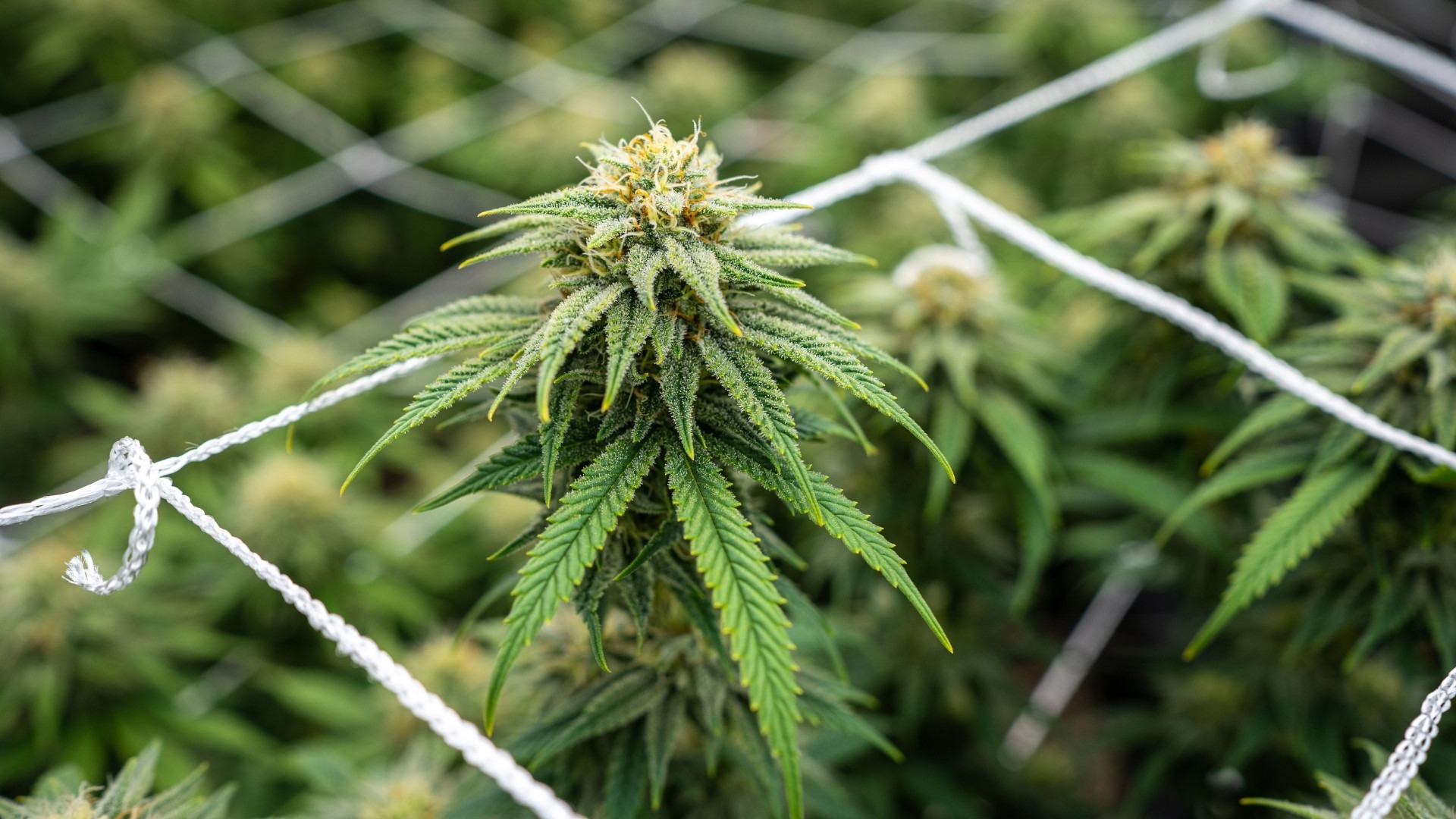
Every stage in the growth cycle directly shapes final yield. Bigger harvests are not created at the end of the cycle. They are built through accurate control of plant development, environmental inputs, and timing from the very beginning.
Growth stages include:
- Germination and Seedling
Early development focuses on root establishment and initial leaf formation. Strong root systems at this stage improve nutrient uptake efficiency and set the foundation for faster vegetative growth. - Vegetative Stage
This phase determines plant size, branching, and canopy structure, all of which directly impact future bud sites. More lateral growth and stronger branching create more surface area for light absorption and higher yield potential. - Flowering Stage
Plants shift energy toward bud production, making this the most critical stage for yield formation. The number of bud sites established during vegetation now translates into actual flower development and density. - Late Flowering and Ripening
Final biomass accumulation and resin production occur during this phase. Consistent execution here ensures buds reach full density, potency, and weight without late-stage stress reducing output.
PlanaCan helps standardize stage-based workflows, ensuring tasks are completed on time and aligned with each growth phase. By centralizing scheduling, tracking execution, and improving visibility across teams, it supports more consistent plant development and more predictable harvest outcomes. Schedule a free demo today.
Optimizing Light, Nutrients, and Climate for Stronger Cannabis Growth
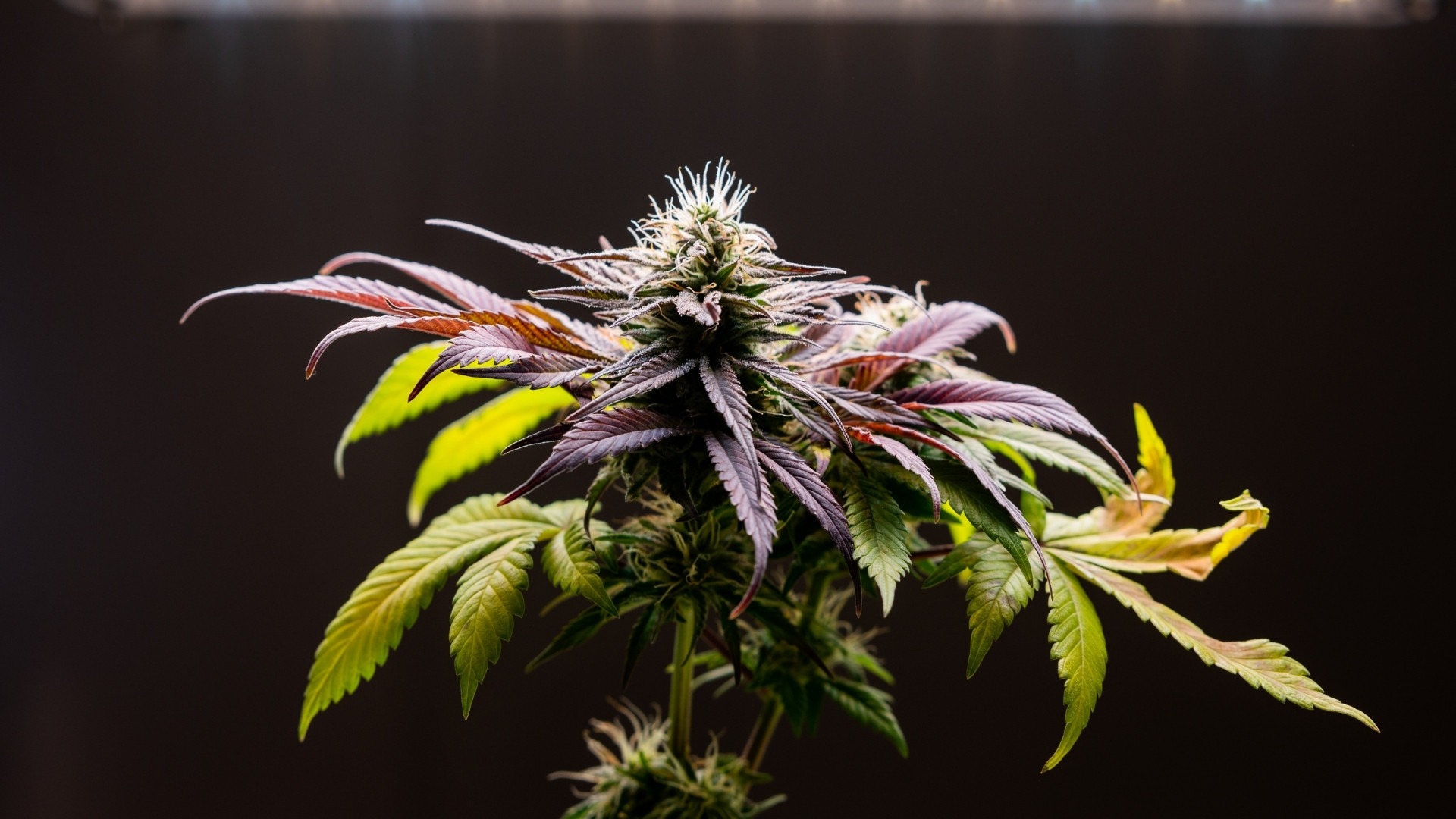
Light, nutrients, and climate are not independent factors. They interact constantly, and even small imbalances can limit photosynthesis, slow growth, and reduce final yield.
Tips for maintaining external factors:
1. Lighting
Key lighting factors include:
- PPFD Levels: Maintain 400–600 PPFD during vegetative growth and 600–1000+ PPFD during flowering to maximize photosynthesis and bud development
- Light Spectrum: Blue-heavy spectrum supports vegetative growth, while red-heavy spectrum enhances flowering and bud density
- Photoperiod Control: Use 18–24 hours of light in the vegetative stage and switch to 12/12 to trigger flowering consistently
- Canopy Penetration: Even light distribution across the canopy prevents lower bud sites from underdeveloping
- Distance Management: Keep lights at optimal distance to avoid light burn while maintaining intensity
2. Nutrients
Nutrient management requires stage-based precision:
- Macronutrient Ratios: High nitrogen during the vegetative stage, then increased phosphorus and potassium during flowering
- Micronutrients: Calcium, magnesium, and trace elements support enzyme activity and structural integrity
- pH Control: Maintain 5.5–6.5 (hydro) or 6.0–7.0 (soil) to ensure nutrient availability and uptake
- EC Monitoring: Prevent overfeeding or deficiencies by maintaining appropriate electrical conductivity levels
- Feeding Consistency: Irregular feeding schedules lead to stress and reduced growth efficiency
3. Climate Control
Environmental stability drives consistent growth:
- Temperature Range: Maintain 70–85°F during the day and slightly lower at night to support metabolic activity
- Humidity Levels: 60–70% in the vegetative stage, reduced to 40–50% in flowering to prevent mold and improve resin production
- Airflow: Continuous air movement strengthens stems and reduces the risk of pests and fungal issues
- CO₂ Levels: Supplement up to 800–1200 ppm in controlled environments to increase photosynthesis and yield
- VPD Balance: Maintain optimal vapor pressure deficit to regulate transpiration and nutrient uptake
When these variables are aligned, plants grow faster, develop stronger structures, and produce denser, higher-quality flowers. In the next section, we break down how indoor and outdoor environments impact these variables and what that means for yield and consistency.
Suggested Read: Best Nutrients for Cannabis Cultivation
Indoor vs Outdoor Growing Differences in Marijuana Cultivation for Bigger Harvests
Choosing between indoor and outdoor cultivation directly impacts how much control you have over plant development and, ultimately, how large your harvest can be.
Table showing differences in indoor and outdoor cultivation and how it impacts the harvest:
The real difference comes down to control versus variability and how that affects total output over time. Yield trade-offs to consider:
- Indoor cultivation maximizes yield per square foot through precise control and repeatability
- Outdoor cultivation can produce large plants, but results vary significantly between cycles
- Multiple indoor harvests often generate a higher annual yield than a single outdoor cycle
- Controlled environments reduce the risk of yield loss from external disruptions
- Consistent inputs indoors lead to more uniform and predictable harvest outcomes
Understanding these trade-offs helps you decide which setup aligns better with your yield goals. In the next section, we break down which training techniques can improve plant development and increase overall yield.
Suggested Read: 10 Common Harvest Challenges in Commercial Cannabis Cultivation
Training Techniques That Improve Development in Weed Plants
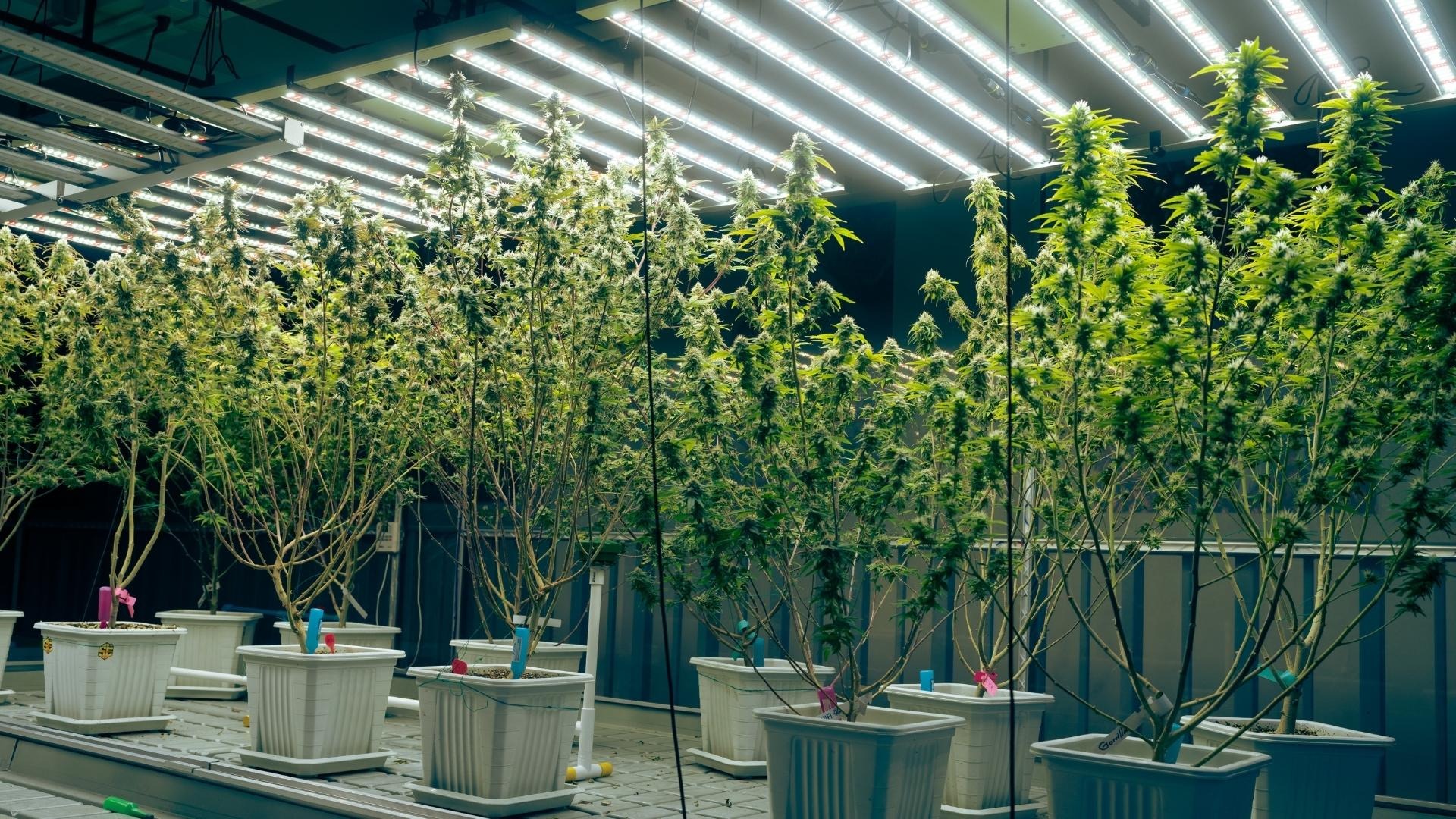
Plant training is one of the most effective cannabis cultivation basics to increase yield without expanding space. By shaping how a plant grows, you improve light distribution, create more productive bud sites, and ensure energy is used efficiently across the canopy.
Training approaches that increase yield:
- Low-Stress Training (LST): Bending and tying branches outward increases light exposure across the plant and promotes even canopy development
- Topping: Cutting the main stem encourages multiple colas, increasing the number of primary bud sites
- FIMing: A variation of topping that creates additional growth points, though with less predictability
- Screen of Green (ScrOG): Using a screen to spread branches horizontally maximizes canopy coverage and light penetration
- Defoliation: Removing excess leaves improves airflow and directs energy toward bud production
- Lollipopping: Clearing lower growth focuses resources on top colas where light exposure is strongest
- Super Cropping: Controlled stress techniques strengthen branches and improve nutrient flow
PlanaCan helps teams align training activities with specific growth stages and plant conditions. Tasks can be scheduled, tracked, and standardized so that techniques are applied consistently across rooms and cycles. Try PlanaCan today.
How to Know When Your Cannabis Plants Are Ready for Harvest
Harvest timing directly impacts yield, potency, and final product quality. Too early, and you lose weight and cannabinoid development. Too late, and you risk degradation and reduced market value.
Table showing signs to look for:
Accuracy here determines how much of your potential yield you actually capture.
Key harvest tips:
- Track trichomes daily
- Harvest by zone, not room
- Reduce stress before harvest
- Align harvest with peak density
- Avoid batch-wide assumptions
Missing the optimal window is one of the fastest ways to lose yield after doing everything else right. In the next section, we look at how to standardize grow operations across cycles to ensure consistent execution and more predictable harvest outcomes.
Suggested Read: Best Practices for High Yield with Quality Control in Cultivation
Standardize Grow Operations Across Cycles with PlanaCan for Higher Yields

PlanaCan is a cultivation management platform built specifically for commercial cannabis growers who need consistency at scale. It replaces spreadsheets, whiteboards, and fragmented tools with a system designed to plan, execute, and track every task across every harvest cycle.
How PlanaCan helps:
- Execute Every Task on Time: Tasks are triggered automatically based on growth stages, helping teams automate tasks and eliminate missed or delayed work that impacts yield. Built-in templates ensure every step follows the same proven process across rooms and cycles.
- Run Your Entire Grow on One Calendar: An interactive calendar connects every task to specific rooms, batches, and plant stages, giving full visibility into schedule management across the operation. This prevents mistimed actions that disrupt plant development and directly affect final harvest size.
- Keep Teams Aligned in Real Time: Work is assigned, tracked, and updated through centralized communications with alerts, notifications, and mobile access via iOS and Android apps. Teams can execute tasks directly from the grow floor while managers maintain full visibility into progress.
- Turn Execution Into Measurable Insights: Every action is tracked and converted into analytics, helping growers identify bottlenecks, labor inefficiencies, and missed steps across cycles. Over time, this data shows exactly what is driving or limiting yield, so improvements are not guesswork.
- Improve Harvest Outcomes Every Cycle: Harvest data, task completion, and performance are captured in one place, making reporting simple and actionable. Growers can compare cycles, refine workflows, and continuously improve output with each run.
PlanaCan is built for growers who want control, not chaos. When every task is scheduled, tracked, and executed with precision, consistency stops being a challenge and becomes a system. This system is what drives bigger, repeatable harvests.
Conclusion
Even with the right knowledge, things can break down quickly in execution. Missed tasks, poor timing, inconsistent training, or uneven environments can prevent cannabis plants from reaching full maturity and reduce both yield and quality.
PlanaCan helps growers bring structure to that execution by turning every stage into a scheduled, trackable workflow. With better visibility, standardized processes, and data-backed insights, it becomes easier to deliver consistent, high-yield harvests across every cycle.
Assess how your current grow operations are planned and executed across cycles. Schedule a free call today to see how you can improve consistency and output.
Frequently Asked Questions
1. How big is a fully grown weed plant?
A fully grown plant can range from 3 to 6 feet indoors and over 10 feet outdoors, depending on genetics, environment, and training methods.
2. How long does it take to fully grow a weed plant?
Most plants take 3 to 5 months from seed to harvest, though timelines vary based on strain and growing conditions.
3. How much weed is on a fully grown plant?
Indoor plants typically yield 100–500 grams, while outdoor plants can produce significantly more under optimal conditions.
4. What factors most influence weed growth?
Light intensity, nutrient balance, environmental stability, and proper training techniques all play a major role in weed growth and final yield.
5. What is the difference between marijuana growth and plant maturity?
Marijuana growth refers to the development process, while maturity indicates the plant has reached peak readiness for harvest.
6. Can you speed up cannabis growth without reducing yield?
Yes, optimizing environmental conditions and reducing plant stress can improve cannabis growth speed without compromising output.
7. How do cannabis cultivation basics apply in commercial operations?
In commercial settings, cannabis cultivation basics are applied as standardized workflows across rooms and cycles. This ensures consistent execution, reduces variability, and supports predictable yield outcomes at scale.
8. How does plant density impact cannabis growth outcomes?
Higher plant density can increase total yield per area, but overcrowding may limit airflow and light penetration, affecting cannabis growth performance.
9. What defines a full-grown marijuana plant in commercial settings?
A full-grown marijuana plant is one that has completed all growth stages with strong structure, mature buds, and predictable yield potential.
10. What role does marijuana cultivation play in yield consistency?
Effective marijuana cultivation practices ensure that plants develop uniformly, reducing variability and improving overall harvest outcomes.