Cloning should deliver consistency, yet success rates often vary more than expected across batches and teams. Cuttings fail to root uniformly, timelines shift, and outcomes become difficult to predict at scale.
In fact, industry data shows that only 65% to 75% of cannabis cuttings are ready for transplant within three weeks, highlighting how inconsistent cloning can be without controlled processes.
This creates frustration, rework, and lost time in commercial operations. In this guide on how to clone cannabis, we break down the exact steps, common failure points, and how to achieve reliable, repeatable results.
Here's the short version:
- Cloning ensures genetic consistency. It allows growers to replicate proven plants and maintain uniformity in yield, structure, and quality across cycles.
- Success depends on timing and environment. Proper cutting technique, humidity, and stable conditions are critical for strong root development.
- Transplanting at the right stage is key. Moving clones too early or too late can reduce survival rates and create uneven growth.
- Most failures come from inconsistency. Variations in handling, scheduling, and execution lead to uneven batches and lower success rates.
- Scaling requires structured processes. Standardized workflows, tracking, and controlled execution improve cloning outcomes at commercial scale.
What Is Cannabis Cloning?
Cannabis cloning is the process of taking a cutting from a healthy mother plant and growing it into a genetically identical new plant. Instead of relying on seeds, cloning allows growers to replicate proven genetics, ensuring consistency in growth, yield, and quality across cycles.
This is why cloning is necessary in commercial cultivations:
- Genetic Consistency Across Batches: Cloning ensures every plant carries the same traits, reducing variability in growth patterns, potency, and structure.
- Predictable Yield and Quality: Uniform plants lead to more consistent canopy development and harvest outcomes. This improves planning and reduces unexpected variations.
- Faster Production Cycles: Clones bypass germination, allowing growers to move directly into vegetative growth. This shortens the turnaround time between harvests.
- Scalability of Operations: Cloning enables growers to replicate successful strains across multiple rooms without relying on seed variability. This supports expansion without compromising consistency.
- Better Control Over Cultivation Outcomes: Known genetics make it easier to fine-tune nutrients, environment, and workflows. This leads to more precise and repeatable results.
Cloning establishes consistency, but success ultimately depends on timing. In the next section, we break down the ideal stage and indicators for transferring cuttings so they establish quickly and uniformly.
Suggested Read: Guide to Different Methods of Cannabis Propagation
When Is the Right Time to Transplant Cannabis Cuttings in Commercial Cultivations?
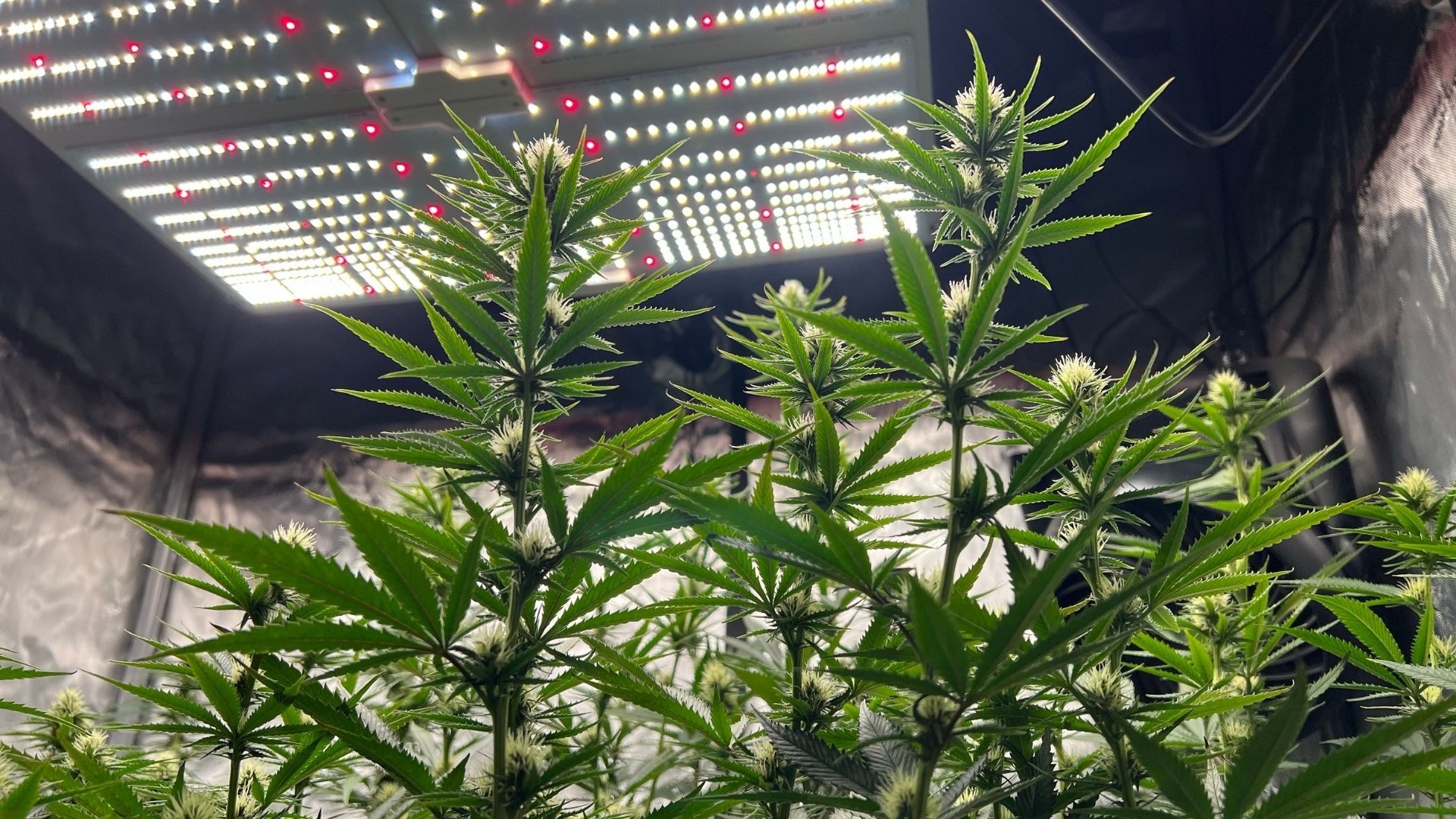
Moving cuttings too early can damage undeveloped roots, while delaying transplant can lead to stunted growth and reduced vigor. The goal is to transplant when root systems are strong enough to support consistent uptake and continued development.
Key indicators that clones are ready for transplant:
- Visible Root Development
Roots should be clearly visible through the medium or emerging from plugs. Well-formed roots indicate the plant can handle transition stress. - Strong, Upright Growth
Clones should no longer appear wilted and should show stable leaf posture. This signals successful acclimatization and recovery from cutting stress. - New Vegetative Growth
Fresh leaf growth is a strong indicator that the plant has established root function. It shows the clone is actively developing rather than just surviving. - Consistent Rooting Across Batches
Most clones in the batch should reach similar rooting stages. Transplanting uneven batches leads to inconsistent canopy development later. - Stable Environmental Response
Clones should maintain health under standard humidity and light conditions without requiring excessive support. This indicates readiness for transition.
Timing these indicators consistently across rooms and teams can be difficult without structured tracking. PlanaCan helps by aligning transplant schedules with growth stages, ensuring tasks are executed at the right time. With real-time visibility and standardized workflows, it reduces variability across every batch. Schedule a free demo.
Tools and Materials Required to Clone Cannabis from Cuttings
Cloning success depends heavily on preparation. Using the right tools and materials ensures clean cuts, proper rooting conditions, and minimal stress on the plant during early development.
Table showing the tools and materials needed for a successful transplant:
Having the right tools sets the base, but execution determines outcomes. In the next section, we break down the exact steps to clone cannabis successfully, from selecting the mother plant to establishing healthy roots.
Suggested Read: Understanding Cannabis Plant Anatomy: Nodes and Internodes
Step-by-Step: How to Clone Cannabis Successfully

Successful transplantation depends on accuracy at every stage and not just the initial cut. Small inconsistencies in technique or timing can reduce rooting rates and create uneven batches. Following a structured, repeatable process ensures higher success rates.
The right steps are:
1. Select a Healthy Mother Plant
The quality of your clones depends entirely on the health of the mother plant. Weak or stressed plants produce cuttings with lower rooting potential and inconsistent growth.
Key selection criteria include:
- Vigorous Growth: Choose plants with strong, active growth and no visible stress.
- Disease-Free Condition: Avoid plants showing any signs of pests or infection.
- Stable Genetics: Use proven strains with consistent performance across cycles.
2. Take the Cutting Properly
How the cutting is taken directly impacts its ability to root. Clean technique reduces stress and improves survival rates.
Focus on proper cutting technique:
- Cut at a 45° Angle: Increases surface area for root development.
- Use Sterile Tools: Prevents contamination and disease transfer.
- Select the Right Branch: Choose healthy, flexible stems—not woody or overly soft.
3. Prepare the Clone
Preparation helps reduce water loss and supports early root formation. This step stabilizes the cutting before it enters the medium.
Proper preparation includes:
- Trim Lower Leaves: Reduces transpiration and stress on the cutting.
- Apply Rooting Hormone: Encourages faster and stronger root initiation.
- Minimize Handling Time: Place cuttings quickly to avoid air exposure.
4. Place in Growing Medium
Correct placement ensures proper contact with the medium and supports root development. Poor placement can delay or prevent rooting entirely.
Ensure proper setup:
- Insert at Correct Depth: Deep enough for stability, but not compacted.
- Avoid Air Pockets: Ensures consistent moisture around the stem.
- Maintain Medium Moisture: Keep damp, not waterlogged.
5. Maintain Ideal Environment
Environmental stability is critical during the early stages of cloning. Fluctuations can stress cuttings and reduce success rates.
Maintain optimal conditions:
- High Humidity Levels: Supports hydration while roots develop.
- Controlled Temperature: Keeps conditions stable for growth.
- Low to Moderate Light: Prevents excess stress during early stages.
6. Monitor Root Development
Ongoing monitoring ensures clones are progressing as expected. Early detection of issues allows for timely corrections.
Track development closely:
- Check for Root Emergence: Visible roots indicate readiness for the next stage.
- Watch for Wilting or Discoloration: Early signs of stress or failure.
- Maintain Consistent Conditions: Avoid sudden changes during this phase.
Even when steps are clearly defined, inconsistent execution can lead to uneven results.
PlanaCan addresses this by capturing every action and outcome through its reporting and analytics feature. By tracking success rates, timelines, and recurring issues, it enables data-driven improvements that increase consistency across every cycle. Try PlanaCan for free.
Transplanting is a sensitive stage where small mistakes can disrupt root development and slow overall growth. Even well-rooted clones can struggle if the transition is rushed or handled inconsistently.
Common transplanting mistakes:
- Transplanting Too Early: Moving cuttings before roots are fully developed increases stress and reduces survival rates. Weak root systems cannot support stable growth after transfer.
- Delaying Transplanting: Keeping clones in plugs too long can restrict root expansion and stunt development. This creates uneven growth once moved.
- Damaging Roots During Transfer: Rough handling can break delicate roots, slowing recovery and increasing plant stress. Gentle, precise handling is essential.
- Inconsistent Medium Preparation: Variations in moisture or density across pots can affect root establishment. Uniform preparation ensures even development.
- Incorrect Watering After Transplant: Overwatering or underwatering immediately after transfer can shock the plant. Proper moisture balance is key during this phase.
- Environmental Shock: Sudden changes in humidity, temperature, or light can stress newly transplanted clones. Gradual adjustment supports stable growth.
These mistakes often stem from gaps in timing, handling, and process control rather than a lack of knowledge. In the next section, we break down how to diagnose cloning failures in cannabis grow operations and identify the causes of inconsistent outcomes.
Suggested Read: Steps to Make Cannabis Grow Faster
Diagnosing and Solving Cloning Failures in Cannabis Grow Operations
Cloning failures are usually the result of small inconsistencies in environment, handling, or timing that compound across batches and teams. Identifying the exact cause requires linking symptoms to specific breakdowns in the process.
Table showing likely causes and their fixes to a transplant failure:
Once the cause is identified, the correction must be applied consistently. Without that, the same issue often reappears in future cycles.
You need to:
- Track when and where failures occur to identify patterns
- Compare successful batches against failed ones
- Avoid changing multiple variables at once
- Standardize corrective actions across teams
- Monitor results over time before making further adjustments
Cloning improves when processes are repeatable, visible, and controlled. In the next section, we look at how the right technology can bring structure to cloning workflows and eliminate these recurring failures at scale.
Suggested Read: Cannabis Growth Cycle Charts and Graphs Guide
Scale Cannabis Cloning Without Losing Consistency with PlanaCan

PlanaCan is a cultivation management platform built for commercial cannabis operations to standardize workflows, track execution, and improve outcomes across cycles. It connects planning, task execution, and performance tracking in one system, replacing manual processes and disconnected tools.
PlanaCan supports consistent cloning at scale through:
- Standardized Workflows with Templates: PlanaCan uses SOP-driven templates to automate work across cloning stages, ensuring every cutting, treatment, and check follows the same process without variation.
- Interactive Calendar for Schedule Management: Its interactive calendar enables schedule management, aligning cloning tasks, transplant timing, and follow-ups so no critical step is missed or delayed.
- Centralized Communications Across Teams: Built-in communications ensure clear task ownership and updates between teams, reducing execution gaps during sensitive stages like cutting and transplanting.
- Performance Tracking with Harvest Reporting and Analytics: PlanaCan combines harvest reporting with analytics to track cloning success rates, identify patterns, and improve outcomes across cycles.
- Mobile Execution via iOS and Android Apps: With iOS and Android apps, teams can update tasks, log progress, and maintain communications directly from the grow floor, ensuring real-time accuracy and consistency.
By bringing planning, execution, and tracking into one connected workflow, PlanaCan ensures nothing is missed or applied inconsistently. Every cloning task is scheduled, completed, and recorded with precision, reducing variability and improving success rates across every batch.
Conclusion
Cloning failures rarely come from technique alone. When timing is inconsistent, steps are missed, or outcomes are not tracked, even well-executed processes can produce uneven results. This leads to lower success rates, inconsistent batches, and inefficiencies that scale with the operation.
PlanaCan addresses this by bringing structure to cloning through standardized templates, precise scheduling, and performance tracking. By ensuring every step is executed consistently and every outcome is measured, growers can improve cloning success rates and maintain uniformity across cycles.
See how a structured system can help you scale without losing control. Schedule a free call today.
Frequently Asked Questions
1. What is the best method for cloning cannabis?
The best method depends on scale, but using sterile tools, rooting hormone, and a controlled environment consistently delivers the highest success rates in commercial setups.
2. What is the simplest way to clone plants?
The simplest method involves taking a clean cutting, placing it in a moist medium, and maintaining high humidity. However, simplicity often reduces consistency at scale.
3. Is it possible to clone a branch of a cannabis plant?
Yes, branches can be cloned as long as they are healthy and not too woody. Flexible, actively growing stems typically root more successfully.
4. How many times can you clone cannabis?
Cannabis plants can be cloned repeatedly from a healthy mother plant. However, long-term cloning without refreshing genetics may lead to reduced vigor over time.
5. Do clones need nutrients immediately after cutting?
No, clones rely on stored energy initially. Nutrients should only be introduced after roots begin to develop to avoid stress or burn.
6. What humidity level is ideal for cannabis clones?
Clones typically require high humidity levels, around 70–90%, to reduce water loss while roots are still developing.
7. Can you clone cannabis without rooting hormone?
Yes, but rooting hormone significantly improves success rates and speeds up root development, especially in commercial operations.
8. How long do cannabis clones take to root?
Most clones develop roots within 7 to 14 days under optimal conditions, though timing can vary based on strain and environment.
9. How to clone cannabis with consistent success across batches?
Consistency comes from controlled environments, standardized processes, and tracking outcomes across cycles rather than relying on individual techniques.
10. Can poor lighting affect how to clone cannabis successfully?
Yes, improper lighting can stress cuttings and slow root development. Low-to-moderate, stable light conditions are ideal during the early stages.