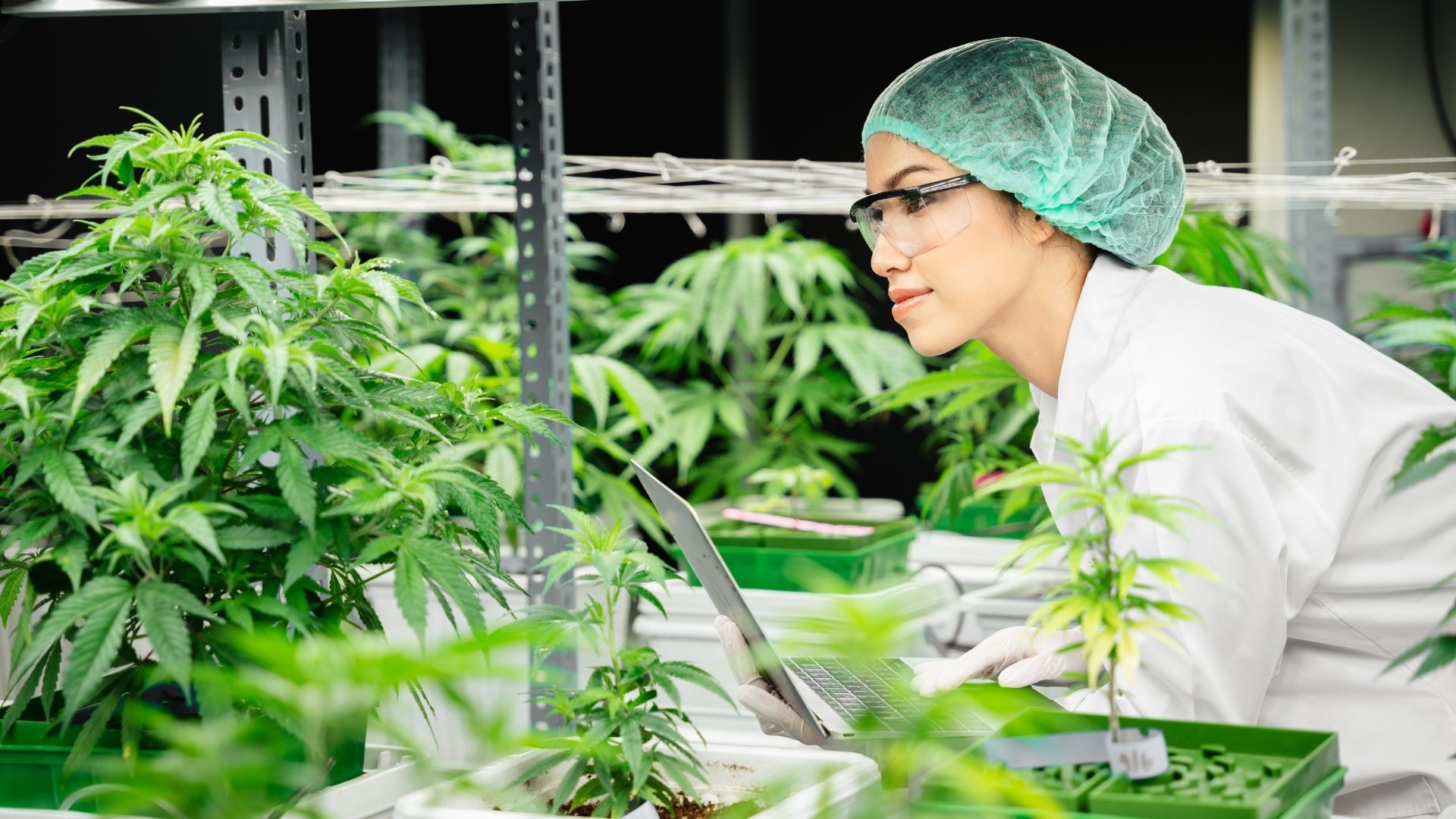
Yield losses in cannabis cultivation rarely come from a single failure. They arise from small quality-control gaps that compound over the growth cycle, often going unnoticed until harvest. The global cannabis market size was valued at USD 57.36 billion in 2025 and is expected to expand at a CAGR of more than 18.4%.
Yet unlike FDA-regulated industries, cannabis cultivation operates without standardized, federally enforced quality control frameworks. As highlighted by Cannabis Science and Technology, quality control in cannabis remains largely compliance-driven and end-stage focused, rather than embedded throughout cultivation.
This leaves growers responsible for building their own systems to protect yield, quality, and consistency. In this blog, we break down best practices for implementing quality control in cultivation stages to reduce loss, stabilize output, and drive better yields.
Before we dive in:
- Quality control protects yield by preventing small issues from compounding. Early-stage inconsistencies in the environment, nutrition, or execution often lead to losses that cannot be recovered later.
- Effective quality control is continuous, not a final check. It must be applied across propagation, veg, flower, harvest, and post-harvest stages.
- Informal quality control fails as cultivation scales. Relying on memory, experience, and verbal updates leads to missed issues and inconsistent outcomes.
- Embedding quality checks into daily tasks improves consistency. Quality control works best when tied directly to routine cultivation activities and growth stages.
- Systems-based execution reduces risk at scale. Growth-aligned planning and structured workflows help maintain quality across strains, rooms, and teams.
What Is Quality Control in Cannabis Cultivation?
Quality control in cannabis cultivation is the set of preventive controls, verification steps, and standards used to ensure plants develop consistently and predictably from propagation through harvest.
It is not a final inspection or a lab result. It is a continuous system designed to reduce variability, protect yield, and maintain product integrity at every stage of the grow.
Quality control is needed in cultivation because it:
- Prevents Compounding Yield Losses: Small issues in veg, environment, or feeding can quietly reduce yield if left unaddressed.
- Reduces Run-to-Run Variability: Consistent quality controls help ensure that each cycle performs similarly, even when strains, teams, or conditions change.
- Protects Product Quality at Scale: As operations grow, informal checks break down, increasing the risk of inconsistent potency, appearance, and shelf stability.
- Limits Reactive Decision-Making: Quality control replaces last-minute fixes with planned responses based on defined thresholds and observations.
- Creates Operational Accountability: Clear standards and documentation ensure that deviations are visible and addressed, not overlooked or forgotten.
In the next section, we look at what high-quality cannabis actually looks like when it is grown under controlled, repeatable conditions.
Suggested Read: Using yeast for high-quality cannabis production
How Does Good Quality Cannabis Look?
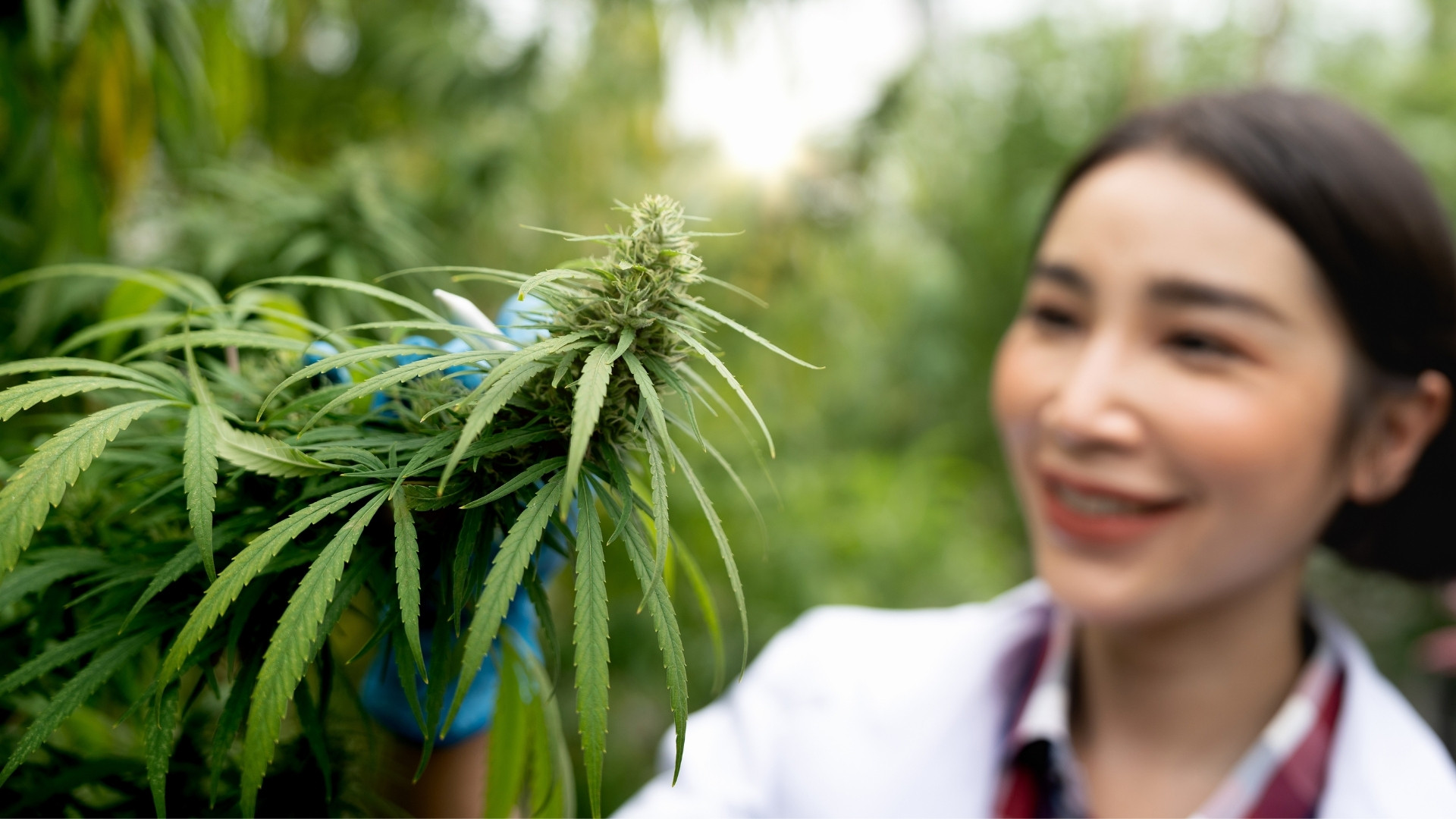
Good quality cannabis is not a cosmetic outcome created at the end of the cycle. While laboratory testing confirms potency and safety, quality is first established in how the plant grows, matures, and expresses its genetics.
Well-grown, high-quality cannabis typically shows:
- Uniform Plant Structure: Even canopy development, consistent internode spacing, and balanced branching indicate stable growth conditions and proper training.
- Healthy Leaf Color and Vigor: Leaves display consistent coloration without spotting, burn, or clawing, signaling balanced nutrition and low stress.
- Dense, Well-Formed Flowers: Buds develop with structure and weight appropriate to the cultivar, without excessive airiness or compaction issues.
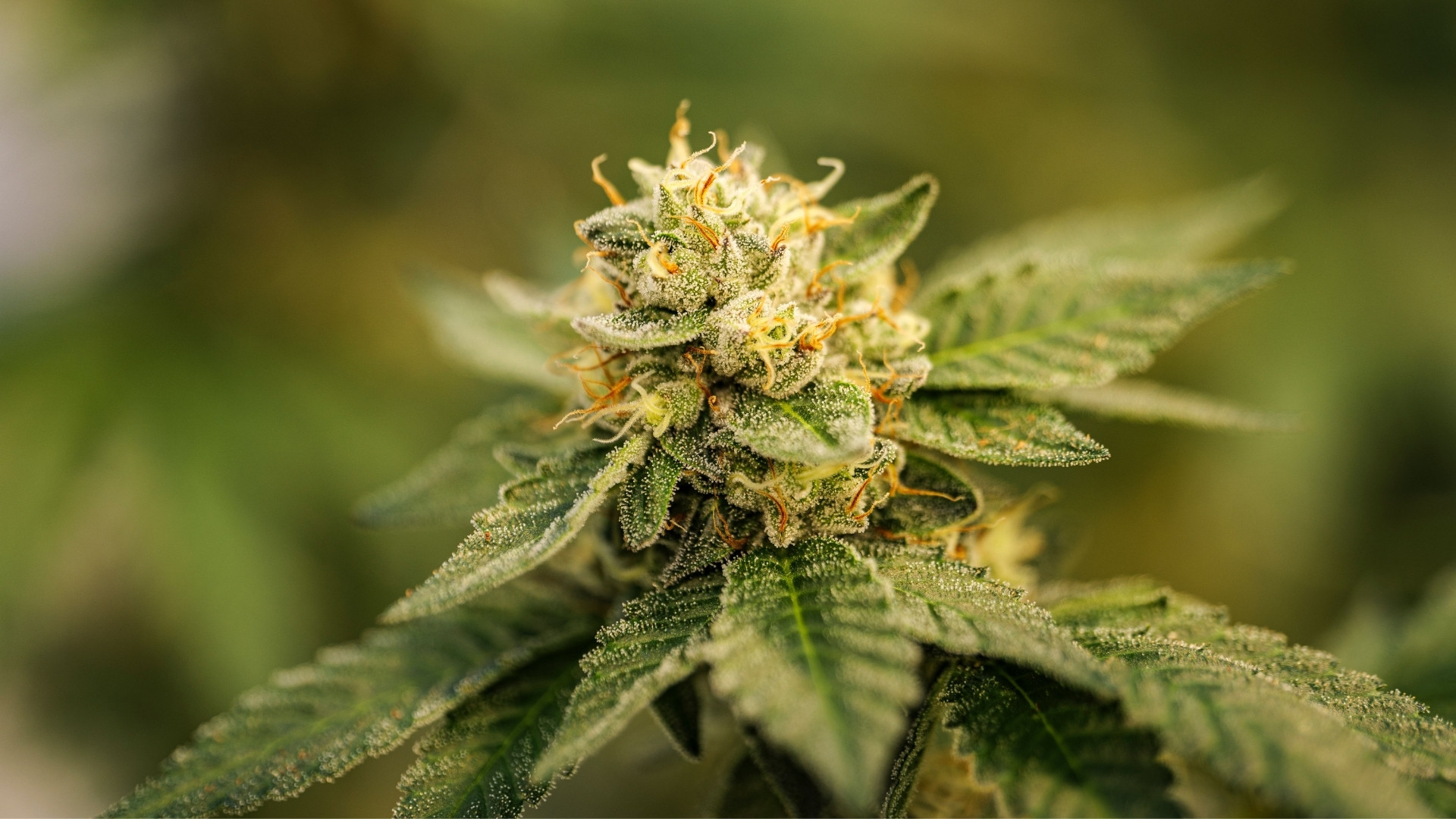
- Strong Trichome Coverage: Visible resin production with intact trichomes reflects proper maturation and careful environmental control.
- Clean Aroma and Terpene Expression: A pronounced, strain-appropriate aroma suggests healthy development and correct harvest timing.
These visible indicators provide a baseline for quality assessment, but achieving them consistently requires discipline at every phase of the grow. That begins with applying appropriate quality control measures at every stage of cannabis cultivation.
Suggested Read: Curing Cannabis: Why It is Critical and How It Impacts Quality
Tips For Quality Control in Every Stage of Cannabis Cultivation
Breaking quality control down by stage helps teams know what to monitor, when to intervene, and how to prevent small issues from escalating. Each cultivation stage introduces different risks, and quality standards must evolve as plants progress.
1. Propagation and Early Vegetative Stage
This stage establishes plant health, uniformity, and future yield potential. Mistakes here often carry through the entire cycle with limited opportunity for correction. Quality control during early growth focuses on consistency and early stress prevention.
Key quality control practices at this stage include:
- Verifying clone or seedling uniformity
- Monitoring root development and transplant readiness
- Ensuring stable temperature and humidity
- Identifying early nutrient or watering issues
2. Vegetative Growth Stage
Vegetative growth defines plant structure, canopy shape, and overall vigor. Variability introduced during veg directly affects flowering performance and labor efficiency. Quality control here emphasizes controlled growth and repeatable execution.
Effective veg-stage quality controls include:
- Confirming consistent training and pruning methods
- Monitoring stretch rates and internode spacing
- Checking nutrient uptake and runoff trends
- Documenting deviations in growth timelines
3. Flowering Stage
Flowering is the highest-risk phase for quality degradation and yield loss. Environmental stress, feeding errors, or mistimed interventions can permanently impact output. Quality control during flower prioritizes stability and close observation.
Critical flowering-stage quality measures include:
- Verifying environmental consistency and VPD
- Monitoring bud development and plant stress
- Controlling defoliation and airflow
- Tracking maturity indicators by cultivar
4. Harvest and Post-Harvest Stage
Harvest and post-harvest handling determine how much quality and yield make it to market. Even well-grown plants can lose value through poor timing or inconsistent handling. Quality control at this stage protects the final outcome.
Post-harvest quality controls should include:
- Confirming harvest readiness before cutting
- Standardizing harvest and trimming methods
- Controlling drying and curing conditions
- Monitoring moisture levels and mold risk
PlanaCan supports stage-based quality control by tying tasks, checks, and documentation directly to growth phases. Instead of relying on memory or informal checks, you can standardize quality actions and track execution as plants move from stage to stage. Try PlanaCan for free.
Why Does Informal Quality Control Fail at Scale?
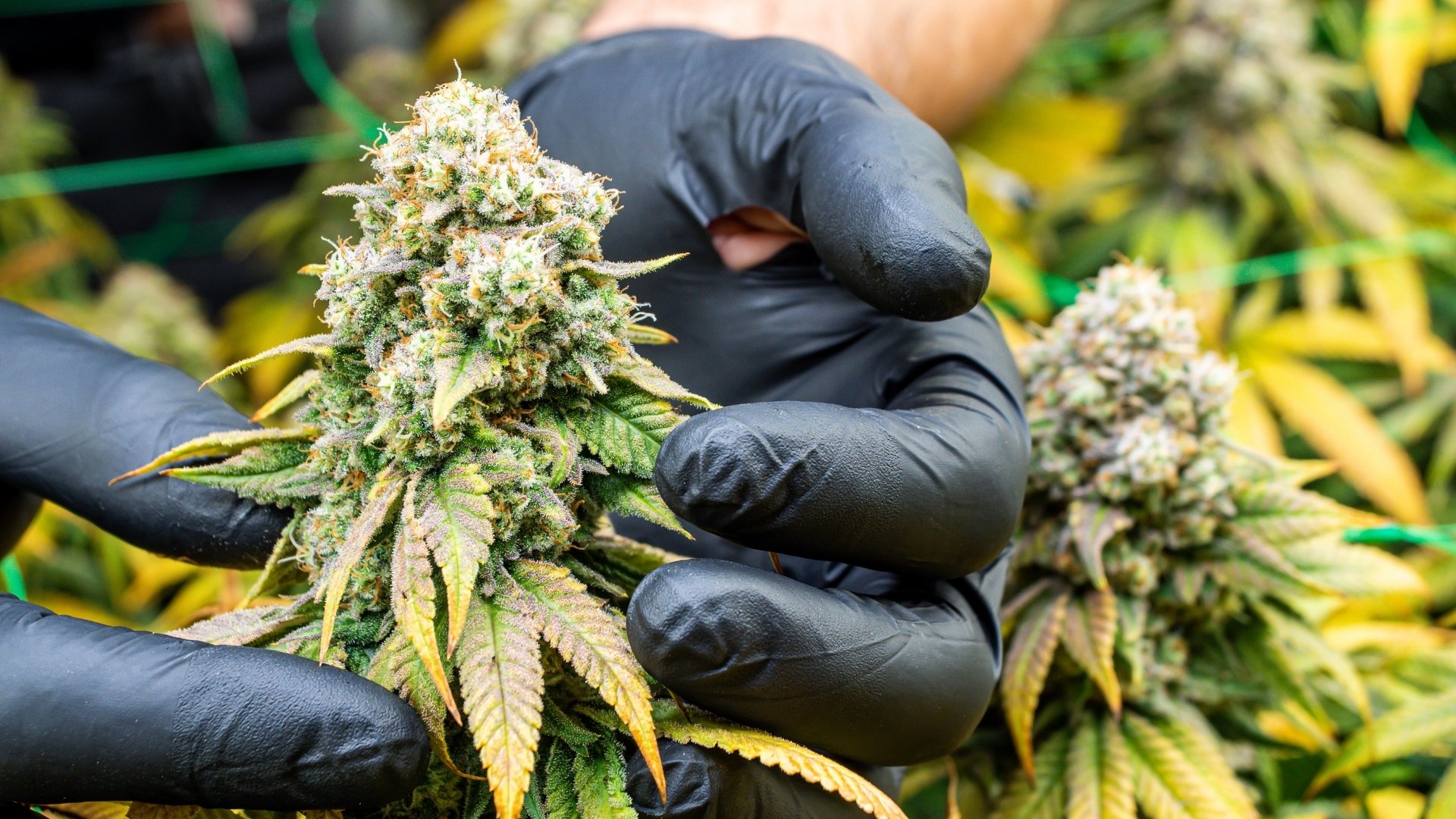
Informal quality control relies on experience, memory, and good intentions rather than structured systems. While this approach can work in small groups, it breaks down quickly as plant counts, strains, and teams increase.
Informal quality control fails because it:
- Delays Problem Detection: Issues are often noticed only after visible damage occurs, by which time corrective action is limited.
- Lacks Documentation and Traceability: Without records, teams cannot identify patterns or prevent repeat failures.
- Breaks Under Operational Complexity: Multiple rooms, strains, and schedules make it impossible to track quality issues without structured checkpoints.
- Creates Inconsistent Responses: Similar issues are handled each time differently, leading to unpredictable results.
- Depends on Individual Judgment: Quality standards live in people’s heads, leading to inconsistent outcomes when teams change or workloads increase.
These breakdowns often show up gradually, making them easy to overlook until losses accumulate. The next step is recognizing the warning signs that quality control systems are no longer keeping pace with the operation.
Suggested Read: How to Become a Legal Cannabis Grower in the United States
5 Signs Your Cultivation Quality Control Is at Risk
Quality control rarely collapses all at once. It erodes gradually as small inconsistencies go unnoticed, undocumented, or unmanaged.
These warning signs often appear well before yield or quality losses become obvious.
- Inconsistent Plant Performance Across Rooms
- Plants grown under the same inputs begin showing uneven structure, vigor, or maturation. This usually signals uncontrolled environmental variation or inconsistent execution.
- Quality Checks Happen Too Late
- Problems are identified during late flower or at harvest, when corrective options are limited. Early-stage verification steps are either missing or informally applied.
- Knowledge Is Trapped in Individuals
- Outcomes depend heavily on specific growers or managers. When they are absent, quality slips because standards are not embedded in processes.
- Recurring Issues With No Clear Root Cause
- The same nutrient, stress, or disease problems appear cycle after cycle. Without documented observations and responses, teams are forced to guess instead of being correct.
- Teams Rely on Verbal Updates Instead of Systems
- Quality decisions are shared verbally or informally, leading to missed tasks and misaligned execution. This increases risk as scale and complexity grow.
PlanaCan helps prevent these breakdowns by turning quality standards into structured, trackable actions. Tasks, checks, and observations are tied to growth stages and visible to the entire team. This keeps quality control consistent even as operations, strains, and staffing scale. Schedule a free demo today.
Challenges in Embedding Quality Control Into Daily Tasks

Most breakdowns happen because quality checks are difficult to execute consistently alongside production pressure. As operations scale, these challenges become structural rather than behavioral.
Table showing common challenges in quality control on a daily basis:
These challenges often force teams into reactive habits. Instead of preventing issues, quality control becomes something crews try to catch up on later.
To compensate, growers often rely on workarounds such as:
- Adding more inspections instead of better-timed ones
- Relying on senior staff to spot issues informally
- Reacting to visible damage rather than early signals
- Treating quality checks as optional under time pressure
Overcoming these limitations requires moving quality control out of memory and into systems that align daily tasks with growth-stage needs, which is where technology becomes essential.
Suggested Read: The top four skills you need to manage your cultivation
Turn Quality Standards Into Repeatable Execution With PlanaCan
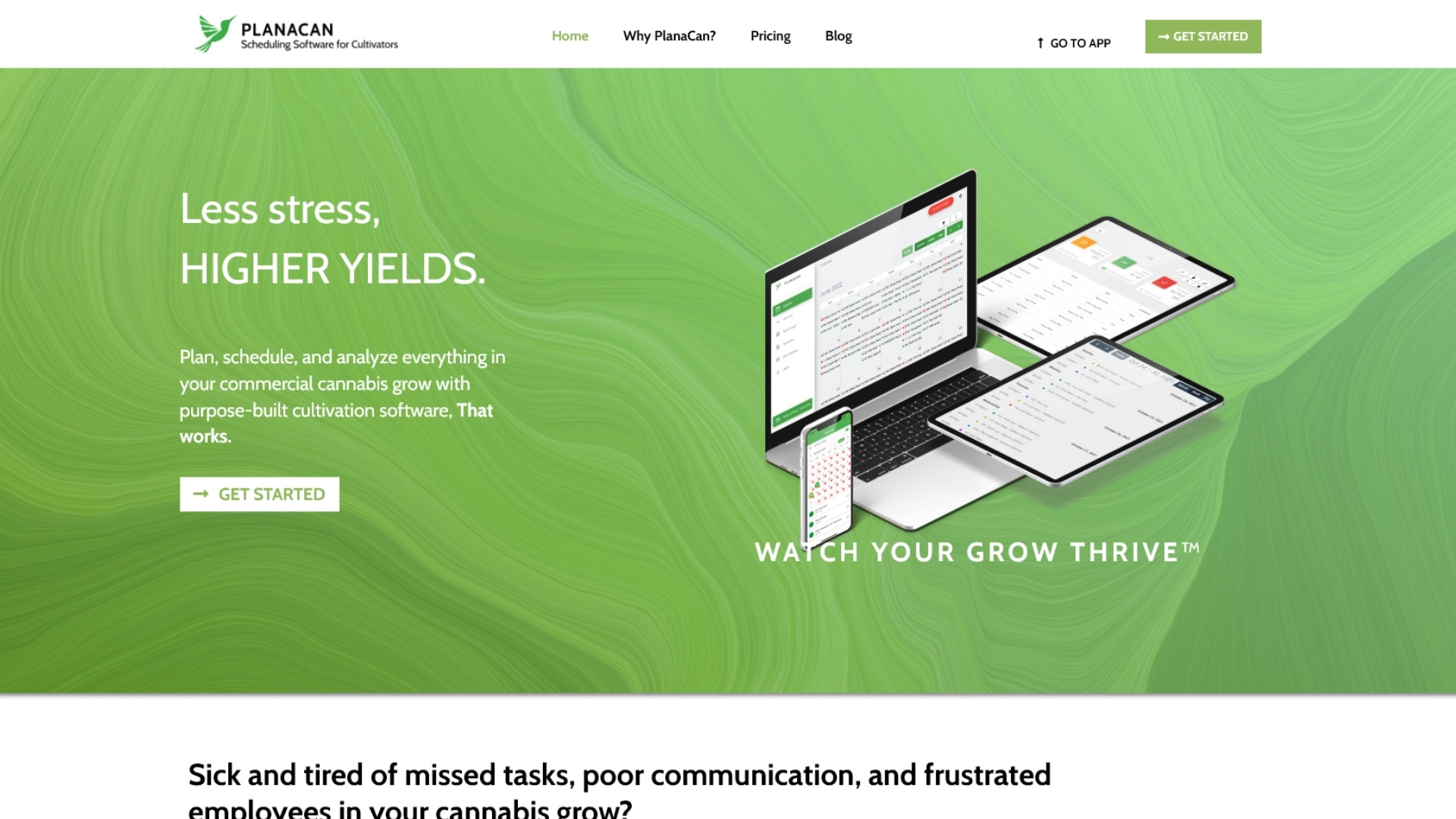
PlanaCan is a cultivation management platform built to help you turn quality standards into daily, repeatable execution.
Instead of relying on memory, informal checks, or static schedules, the platform connects planning, tasks, and verification directly to how plants grow. This makes quality control practical, visible, and enforceable across strains, rooms, and teams.
Core features include:
1. Built-In Quality Checkpoints
You can embed quality checks directly into daily tasks. Inspections, verifications, and observations become part of execution, not add-ons. This ensures quality standards are applied consistently, even under production pressure.
2. Growth-Based Scheduling
We schedule work around growth stages, not fixed dates. When plants progress faster or slower than expected, your tasks move with them. This keeps quality checks aligned with plant readiness instead of the calendar.
3. Interactive Calendar for Quality Oversight
Our interactive calendar gives you a live view of tasks, transitions, and dependencies across the facility. You can adjust timelines, reassign work, and see quality-related activities in one place. This helps you maintain control when conditions change.
4. Reusable Templates and Standard Workflows
PlanaCan lets you create and reuse templates for proven processes. You standardize how work is done while still allowing flexibility for strain-specific behavior. This balances consistency with real-world variability.
5. Mobile Apps for Real-Time Execution
Our mobile apps put tasks and quality checks directly in your team’s hands. Workers see what needs to be done, confirm completion, and record observations on the floor. This reduces communication gaps and keeps execution aligned with the plan.
6. Harvest Tracking and Quality Reporting
PlanaCan links harvest activities directly to cultivation history, giving you full visibility into how quality standards were applied throughout the cycle. You can track harvest timing, execution consistency, and outcomes by strain and room. This turns each harvest into usable data that improves future quality control decisions.
We built PlanaCan for growers who want quality control to work in real operations, not just on paper. If you want to see how growth-based planning can strengthen quality and consistency in your operation, you can try PlanaCan for free and experience it with your own growth data.
Conclusion
Quality control is what separates predictable cultivation from costly guesswork. When standards are informal or inconsistently applied, small issues compound into yield loss, quality degradation, and operational inefficiency.
PlanaCan helps you replace reactive fixes with controlled execution. It lets you align tasks, checks, and documentation with real plant development, making quality control repeatable across strains, rooms, and teams.
If quality control is becoming harder to manage as you scale, it is time to change how it is executed. See how growth-based planning fits your operation. Schedule a free call today.
Frequently Asked Questions
1. Is quality control only about passing lab tests?
No. Lab testing confirms compliance, but quality control starts much earlier. It focuses on preventing variability during cultivation so plants reach harvest in a consistent, healthy state.
2. Can small cultivation operations benefit from formal quality control?
Yes. Even small growths see improvements in consistency and reduced rework when quality checks are structured. Formal quality control becomes especially valuable as plant counts or strain variety increase.
3. How often should quality checks be performed during a grow cycle?
Quality checks should align with growth stages rather than fixed dates. More frequent verification is needed during transitions such as training, flowering, and pre-harvest periods.
4. Does quality control slow down cultivation operations?
When embedded into daily tasks, quality control reduces delays by preventing late-stage corrections. Informal or reactive approaches often create more disruption than structured controls.
5. How does documentation improve cultivation quality?
Documenting observations and responses helps teams identify patterns, repeat successful practices, and avoid recurring issues. Over time, this turns experience into institutional knowledge rather than individual memory.