Drooping leaves are often the first visible sign that something is going wrong in a cannabis plant. Yet, many cultivators misread the symptom and lose valuable time correcting the wrong issue.
Research shows that certain nutrient deficiencies in cannabis can reduce plant biomass by up to 50%. It can directly affect yield and plant performance if left unaddressed early.
If you have seen drooping leaves, nutrient deficiency appears suddenly, you know how frustrating and uncertain a diagnosis can feel. In this guide, we explain why nutrient deficiencies cause drooping leaves, how to identify the specific cause, and what steps help plants recover safely and consistently.
Quick look:
- Drooping leaves often signal a nutrient imbalance. Persistent drooping combined with discoloration or slow growth usually indicates nutrient uptake problems rather than normal plant movement or watering issues.
- Nitrogen, potassium, magnesium, and calcium deficiencies are common causes. Each deficiency affects plant structure and water regulation differently, leading to soft or weakened leaves that lose rigidity.
- Correct diagnosis prevents overcorrection. Checking pH, feeding history, and symptom patterns helps confirm nutrient deficiency before making adjustments that could worsen plant stress.
- Gradual correction supports recovery. Stabilizing nutrients, maintaining environmental consistency, and monitoring new growth allow plants to recover without additional shock.
- Consistent tracking reduces recurring problems. Structured monitoring and documentation help growers identify patterns early and prevent nutrient-related issues in future cultivation cycles.
What Do Drooping Leaves Actually Indicate?
Cannabis leaves naturally adjust their angle throughout the day in response to light intensity and transpiration. The concern begins when leaves remain limp, heavy, or lifeless even under stable environmental conditions. This is when drooping becomes a sign that the plant is struggling to maintain normal physiological function.
Before making adjustments, it helps to understand what drooping leaves reveal about plant function and stress response.
- Natural vs. Stress-Related Drooping
Healthy plants show slight movement as leaves follow light cycles. Stress-related drooping appears persistent, uneven, or combined with discoloration, slowed growth, or weak stems. - Nutrient Uptake and Turgor Pressure
Nutrients regulate water movement within plant cells. When uptake is disrupted, cells lose internal pressure, leading to leaves losing firmness and hanging downward. - Energy Production and Leaf Rigidity
Nutrient deficiencies limit photosynthesis and energy production. As energy levels drop, plants struggle to maintain structural integrity, resulting in soft, drooping foliage. - Observing Supporting Symptoms Before Acting
Leaf color changes, edge burn, spotting, or growth slowdown often appear alongside drooping. Identifying these patterns prevents incorrect fixes such as unnecessary watering or feeding adjustments.
The first step is learning to interpret what the symptom truly means. In the next section, we focus on recognizing the specific nutrient deficiencies most often responsible for drooping cannabis plants.
Suggested Read: Best Nutrients for Cannabis Cultivation
Nutrient Deficiencies That Cause Drooping Leaves in Cannabis
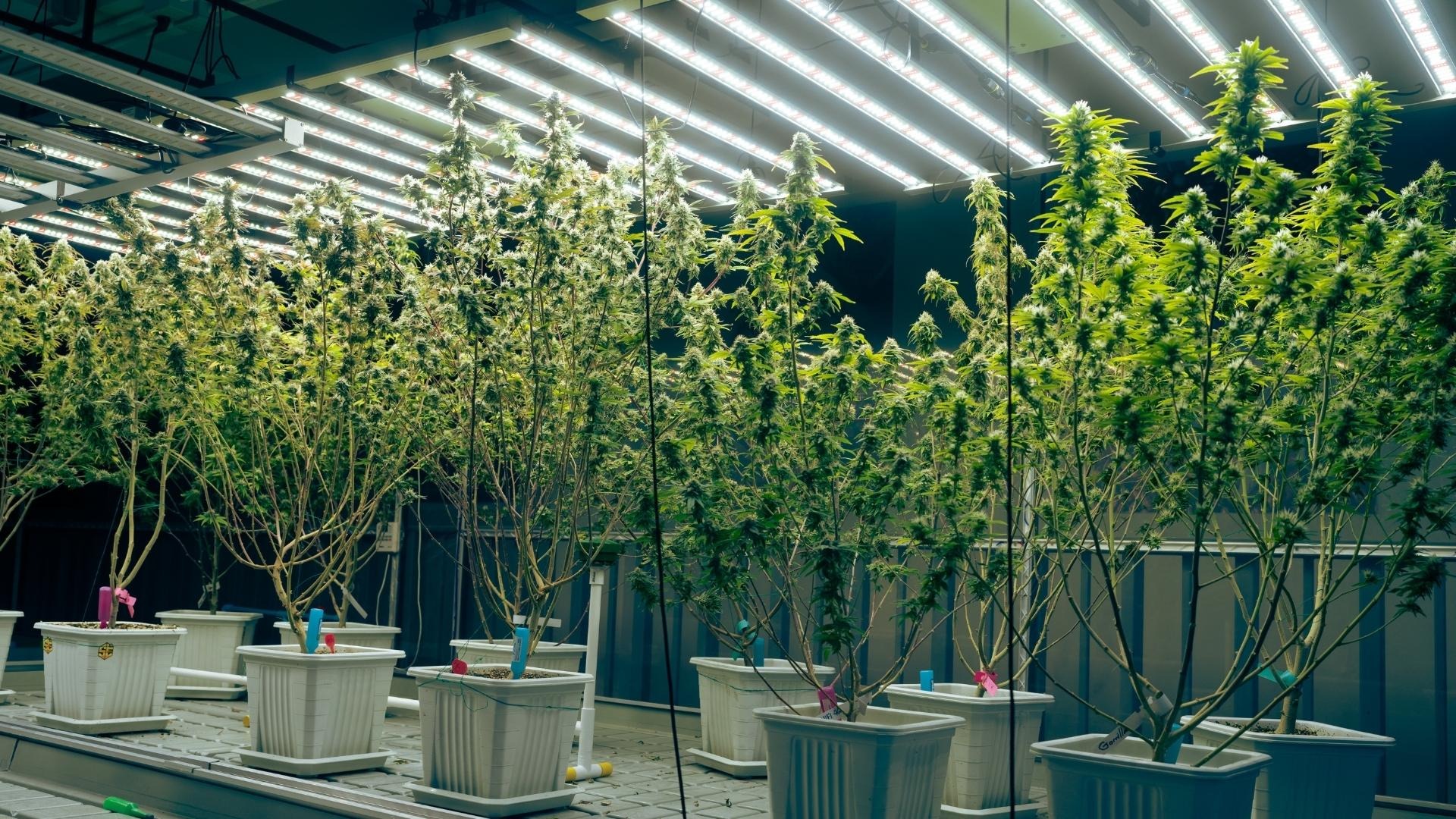
When nutrients fall outside optimal ranges, plants struggle to regulate water movement, maintain structure, and sustain growth. The underlying cause often depends on which nutrient is lacking and when the deficiency occurs during the growth cycle.
These are a few nutrient deficiencies that can cause marijuana leaves to droop:
1. Nitrogen Deficiency
Nitrogen supports vegetative growth and chlorophyll production, making it essential for leaf strength and overall vigor. Most cannabis nutrient programs maintain nitrogen levels between 100–200 ppm during vegetative growth, with reduced levels in flowering.
Typical visual indicators include:
- Yellowing starting from the lower, older leaves
- Slow or stalled vegetative growth
- Soft, thin leaves that begin to droop
- Reduced canopy density
2. Potassium Deficiency
Potassium regulates water movement, enzyme activity, and overall plant resilience. Cannabis plants typically require potassium levels between 150–250 ppm, especially during late vegetative and flowering stages.
Common symptoms growers notice include:
- Leaf edges curling or showing burn-like damage
- Weak stems and reduced structural strength
- Increased drooping during light cycles
- Poor resistance to environmental stress
3. Magnesium Deficiency
Magnesium plays a central role in photosynthesis and energy transfer within the plant. Ideal magnesium levels generally range from 50 to 70 ppm, depending on the growing medium and water source.
Growers often observe the following changes as deficiency progresses:
- Interveinal yellowing on older leaves
- Leaves drooping while veins remain green
- Gradual loss of leaf firmness
- Reduced photosynthetic efficiency
4. Calcium Deficiency
Calcium strengthens cell walls and supports new growth development. Cannabis cultivation typically maintains calcium levels between 100–150 ppm, particularly in coco-based systems or RO water setups.
The following signs usually appear first:
- Weak or distorted new growth
- Leaves appear limp despite adequate watering
- Brown spotting or irregular leaf development
- Increased sensitivity to environmental fluctuations
PlanaCan helps cultivation teams standardize feeding schedules and track nutrient tasks across rooms. This reduces inconsistency that often leads to deficiencies. Features such as scheduled task assignments and activity tracking help ensure nutrient programs are consistently followed, even across large teams. Book a free demo today.
How to Differentiate Drooping Leaves from Wilting Leaves
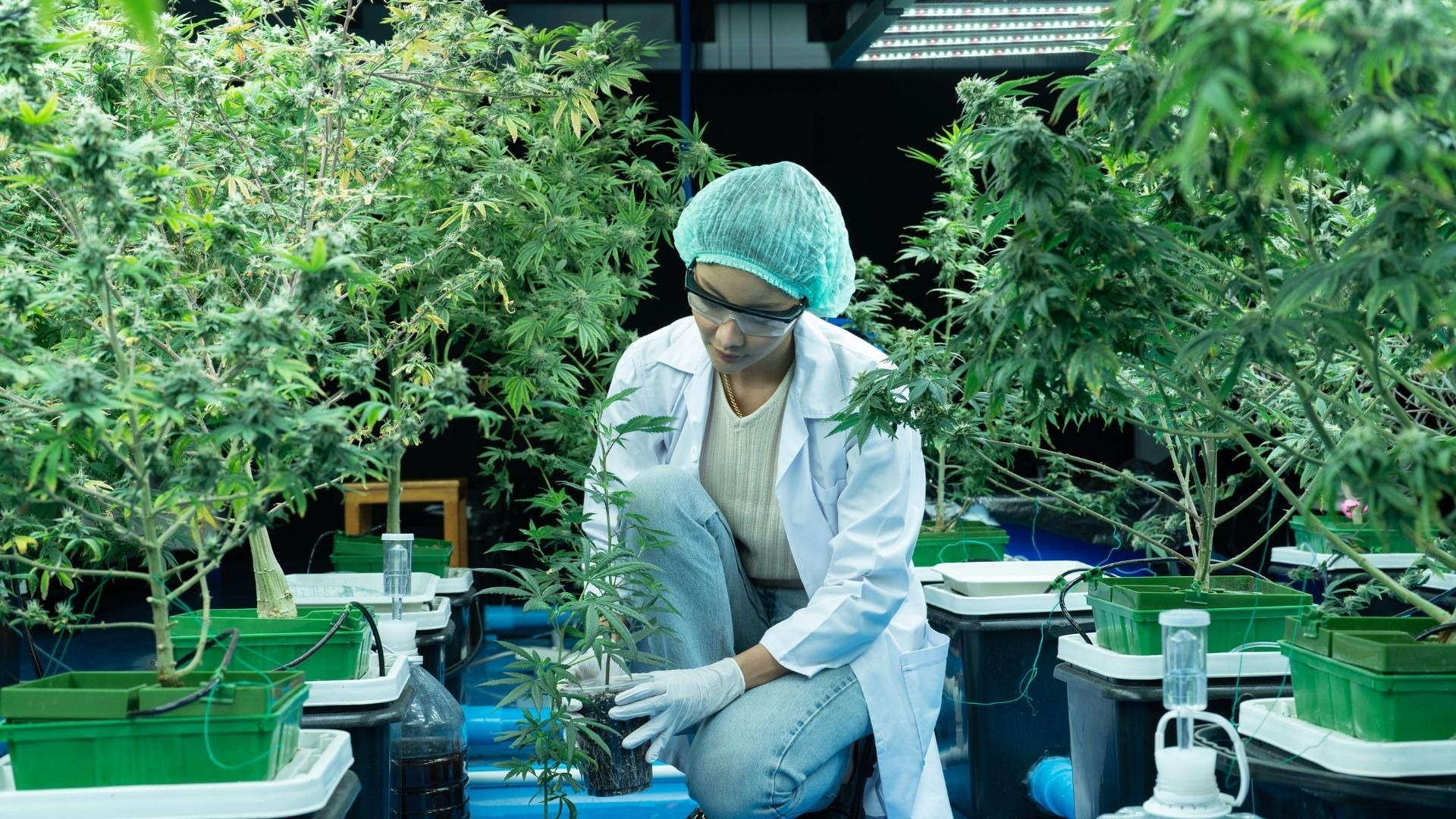
Drooping and wilting are often used interchangeably, but they point to very different problems inside the plant. Understanding these differences can help you prevent incorrect corrective actions, such as increasing irrigation when the real issue is nutrient imbalance or uptake failure.
Differentiators are:
- Leaf Texture and Feel: Drooping leaves usually feel soft but still hydrated, while wilting leaves feel dry, thin, or brittle due to loss of water content.
- Leaf Position and Shape: Drooping leaves tend to hang downward from the petiole while maintaining their shape. Wilting leaves often curl inward or collapse entirely.
- Soil or Growing Medium Condition: In drooping caused by nutrient issues, the medium often remains properly moist. Wilting commonly appears when the medium is excessively dry or the roots cannot absorb water.
- Recovery After Watering: Wilting plants typically recover within hours after proper watering. Drooping linked to nutrient deficiency does not improve quickly without correcting the nutrient imbalance.
- Associated Visual Symptoms: Nutrient-related drooping is frequently accompanied by yellowing, spotting, or edge burn, while wilting is more closely tied to environmental stress or watering problems.
Once you can distinguish between drooping and wilting, the next step is confirming whether the drooping leaves result from a nutrient deficiency rather than environmental or irrigation issues.
Suggested Read: Causes and Fixes for Slow Cannabis Plant Growth
Steps to Verify Drooping Leaves Result from Nutrient Deficiency
Acting too quickly without verification can worsen plant stress and create additional deficiencies or lockouts. This is how you can confirm if the drooping leaves are actually a cause of nutrient deficiency:
- Check Moisture Levels First: Confirm that the growing medium is neither overly dry nor waterlogged, as both conditions can mimic nutrient-related drooping.
- Review Recent Feeding Changes: Look at recent adjustments in nutrient strength, ratios, or feeding frequency that may have disrupted nutrient availability.
- Measure pH and EC Levels: Incorrect pH can prevent nutrient uptake even when nutrients are present. Verify that pH and EC remain within the recommended range for your growing medium.
- Observe Pattern Across Plants: Nutrient deficiencies often appear consistently across plants in the same feeding zone rather than affecting isolated plants randomly.
- Look for Supporting Symptoms: Yellowing, spotting, slowed growth, or edge burn alongside drooping strengthen the likelihood of a nutrient-related issue.
Once the cause is confirmed, the priority shifts to correcting the imbalance safely and restoring plant health without adding stress. The following section outlines practical steps growers can take to fix nutrient deficiencies behind drooping cannabis leaves.
Suggested Read: Nutrient Burn in Cannabis - Everything You Need To Know
How to Fix Nutrient Deficiency Causing Drooping Leaves in Cannabis
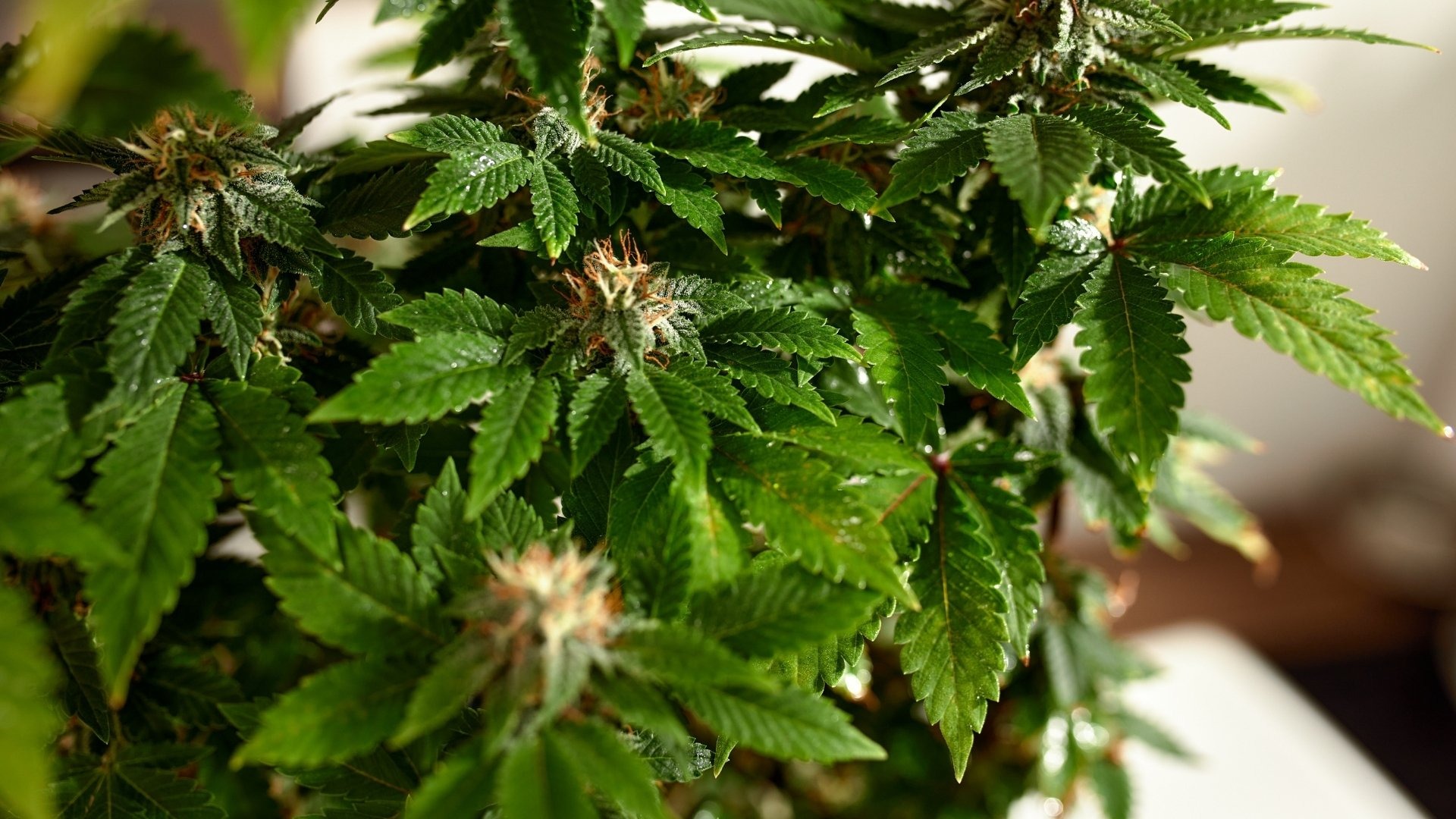
Sudden changes in feeding strength or environment can slow recovery, so adjustments should focus on restoring proper uptake and stabilizing plant conditions first.
Table showing the right ways to fix nutrient deficiency in cannabis plants:
Correcting the deficiency is only part of the solution. Supporting the plant during recovery helps prevent additional stress while nutrient balance is restored.
Tips to correct nutrient imbalance:
- Adjust Nutrients Gradually: Increase nutrient levels in small increments rather than making aggressive corrections.
- Stabilize Environmental Conditions: Maintain consistent temperature and humidity to reduce additional plant stress during recovery.
- Avoid Heavy Pruning or Training: Allow plants to regain strength before introducing further physical stress.
- Monitor New Growth Instead of Old Leaves: Recovery is best measured through healthy new growth rather than expecting damaged leaves to recover.
As cultivation becomes more complex, relying on memory or informal communication increases the risk of repeated nutrient mistakes.
PlanaCan allows growers to centralize cultivation records. This makes it easier to compare plant performance across cycles and identify patterns that lead to deficiencies before they affect plant health. Try PlanaCan for free.
How to Prevent Future Nutrient-Related Drooping
Preventing drooping leaves nutrient deficiency is less about reacting to symptoms and more about maintaining consistency throughout the grow cycle. Most nutrient issues develop gradually through small inconsistencies in feeding, monitoring, or execution rather than a single major mistake.
Follow these best practices to avoid future nutrient deficiencies in your cultivation:
- Maintain Consistent Feeding Schedules: Sudden changes in nutrient strength or timing can disrupt uptake and create imbalances that lead to drooping.
- Monitor pH and EC Regularly: Stable pH and electrical conductivity ensure nutrients remain available and reduce the risk of lockout.
- Standardize Nutrient Recipes Across Rooms: Using consistent formulations prevents variability between batches and improves predictability in plant response.
- Track Plant Response by Growth Stage: Nutrient requirements shift between vegetative and flowering phases, making stage-based adjustments essential.
- Document Issues and Corrections: Recording deficiencies and solutions helps teams avoid repeating the same mistakes in future cycles.
As cultivation operations scale, maintaining this level of consistency manually becomes difficult. This is why many growers are now turning to technology to manage schedules, standardize tasks, and improve visibility across the entire cultivation process.
Suggested Read: Essential Tips to Maintain Healthy Cannabis Plant Growth
Deploy PlanaCan to Prevent Future Nutrient Mistakes

PlanaCan is a cultivation management platform built specifically for commercial cannabis growers who need structure, visibility, and consistency across their operations. Instead of relying on scattered notes, verbal instructions, or disconnected tools, PlanaCan brings planning, execution, and tracking into one system.
These features will ensure your nutrient programs and cultivation decisions are followed accurately across every room and cycle:
- Cultivation Knowledge Capture
PlanaCan helps preserve operational knowledge by documenting what worked and what did not across cycles. You can prevent nutrient mistakes from repeating when teams change or operations scale. - Automated Work
Plan cultivation cycles, feeding schedules, and operational timelines in advance so nutrient applications align with plant stages. This helps prevent overcorrections and missed adjustments, which often lead to drooping leaves and nutrient deficiencies. - Schedule Management
Convert cultivation plans into assigned, trackable tasks that ensure feeding, monitoring, and corrective actions are completed consistently. Teams know what needs to be done, when, and where, reducing execution errors. - Communication
Keep cultivation teams aligned with real-time updates, activity visibility, and shared notes accessible on both iOS and Android. You can ensure that nutrient changes and observations are communicated instantly across shifts. - Analytics
Track performance across harvests and compare outcomes to identify patterns in deficiencies, feeding adjustments, and plant response. You can turn cultivation data into actionable improvement rather than guesswork.
PlanaCan helps eliminate the small gaps by turning cultivation practices into repeatable systems. It is free to try, making it easy to see how structured execution can prevent nutrient issues while improving consistency across every grow.
Conclusion
Drooping leaves and nutrient deficiency are often a warning sign that something in the cultivation process has already gone off track. When deficiencies are misdiagnosed or corrected too late, plants lose vigor, growth slows, and yields become inconsistent across harvests.
PlanaCan helps cultivators prevent these issues by bringing structure and visibility to everyday cultivation decisions. By turning feeding programs, observations, and corrective actions into organized workflows, teams can respond earlier.
Start using PlanaCan to bring clarity and consistency to your cultivation process. Schedule a free call today.
Frequently Asked Questions
1. How to fix drooping leaves nutrient deficiency?
Identify the missing nutrient by reviewing symptoms, pH, and feeding history. Correct the imbalance gradually, stabilize environmental conditions, and monitor new growth rather than damaged leaves to confirm recovery.
2. How do you fix droopy leaves in cannabis plants?
First, rule out watering or environmental stress. If nutrients are the cause, rebalance feeding levels, correct pH to restore uptake, and avoid sudden nutrient increases that can create additional stress or lockout.
3. What do droopy leaves indicate in cannabis cultivation?
Droopy leaves typically indicate stress affecting water movement or nutrient uptake. Common causes include nutrient deficiencies, pH imbalance, overwatering, or environmental instability that prevents plants from maintaining normal leaf structure.
4. What does potassium deficiency look like in plants?
Potassium deficiency often appears as yellowing or burned leaf edges, curling tips, weak stems, and reduced stress tolerance. Leaves may droop as water regulation declines, especially during late vegetative and flowering stages.
5. How long does it take cannabis plants to recover from nutrient deficiency?
Recovery time depends on severity and growth stage, but healthy new growth usually appears within several days after correction. Damaged leaves rarely recover fully, so improvement should be measured through new development.