Inconsistent results are one of the hardest cost leaks to control in commercial cannabis cultivation. Inputs remain high, but outputs vary, making it difficult to predict margins or scale efficiently.
A 2025 study found that only 30–41% of cannabis samples meet expected batch consistency ranges, highlighting how common variability is even within the same operation. For growers, this directly impacts yield, pricing, and profitability.
Most of these gaps come from processes that are not fully visible or controlled. In this article, we break down how to audit your cultivation process to identify inefficiencies, eliminate cost leaks, and improve operational consistency.
Let's start with the basics:
- Cost leaks are driven by operational misalignment. Inconsistent execution, unmanaged inputs, and lack of visibility reduce yield predictability and increase cost per gram.
- Auditing connects inputs, workflows, and outcomes. A structured audit identifies where inefficiencies occur and links them directly to measurable impact.
- Execution gaps limit audit effectiveness. Without integrating insights into daily operations, the same inefficiencies repeat across cycles.
- Continuous monitoring replaces one-time audits. Real-time tracking and feedback loops help detect issues early and maintain operational control.
- Operational systems enable sustained efficiency. Centralized platforms help apply audit insights consistently, improving cost control and scalability over time.
Where Are Commercial Cannabis Grow Ops Losing Money?
Margin erosion for commercial cannabis growers is rarely tied to a single decision. It is the result of operational drift, in which inputs, execution, and outcomes fall out of alignment across rooms and cycles.
The most common areas where commercial grow operations lose money include:
- Input-To-Output Imbalance: Resource application is not consistently tied to yield performance, leading to inefficient cost per gram
- Execution Variability Across Teams: The same tasks are performed differently across shifts, affecting plant uniformity and outcomes
- Static Environmental Control: Climate settings are maintained without continuous validation against plant response or stage requirements
- Labor Allocation Gaps: Time and effort are not aligned with high-impact activities, reducing overall operational efficiency
- Lack of Cross-Cycle Learning: Insights from previous harvests are not systematically applied to future runs
- Fragmented Operational Data: Inputs, tasks, and outcomes are tracked in isolation, limiting meaningful analysis
- Reactive Issue Management: Problems are addressed after impact rather than identified early through monitoring
These gaps are not always visible at the surface, but they directly affect cost structure and output reliability. In the next section, we break down the specific areas you need to assess to identify where these inefficiencies originate and how to correct them.
Suggested Read: Cannabis Compliance Checklist For Inspection: What To Know
What Should You Assess During the Cannabis Cultivation Audit?
The goal of a cultivation audit is not to review everything, but to identify where variability and inefficiencies are introduced. This requires evaluating specific operational layers that directly influence cost, consistency, and yield.
These are:
- Resource Inputs (Water, Nutrients, Energy)
Assess how much is being applied, how often, and whether it aligns with plant demand at each growth stage. Look for over-application, runoff, or energy usage that does not translate into improved outcomes. The objective is to understand cost per input relative to yield, not just total consumption. - Task Execution And Timing
Evaluate whether critical tasks are completed on schedule and in the correct sequence. Identify inconsistencies across teams or shifts that may impact plant development. Small timing variations in irrigation, pruning, or feeding can create measurable differences in output. - Workflow Alignment Across Rooms
Compare how the same processes are executed in different rooms or zones. Even minor deviations in approach can lead to significant variability in plant performance. This helps identify whether inconsistencies are systemic or isolated. - Environmental Control And Stability
Review how temperature, humidity, and lighting are managed across the cycle. Focus on deviations from target ranges and how quickly they are corrected. Stability, not just setpoints, is critical to maintaining consistent plant performance. - Labor Utilization And Efficiency
Assess how time is allocated across tasks and whether high-impact activities are prioritized. Look for duplication of effort, idle time, or misalignment between roles and responsibilities. Labor should be evaluated based on output contribution, not just hours worked. - Yield And Outcome Consistency
Analyze yield data across strains, rooms, and cycles to identify patterns. Variability in output often reflects upstream inconsistencies in execution or inputs. The goal is to connect results back to specific operational factors.
PlanaCan enables growers to assess these areas in a structured, consistent way by connecting planning, execution, and data in one platform. It provides visibility into tasks, inputs, and outcomes across rooms and cycles, making it easier to identify where inefficiencies occur. Schedule a free demo today.
How to Audit Your Cultivation Process Across Inputs, Workflows, and Outcomes

A structured audit provides clarity on where operations are breaking down. For commercial growers, this means moving beyond observation and breaking the process into measurable steps.
These include:
Step 1: Define What You Are Auditing and Why
Start by narrowing the scope. Auditing everything at once often leads to noise instead of insight.
Focus on one primary objective:
- Reducing cost per gram
- Improving yield consistency
- Identifying resource inefficiencies
Then define:
- Which rooms, strains, or cycles are included
- What success looks like (metrics, not assumptions)
Step 2: Map the Actual Cultivation Workflow
What is planned and what is executed are often different. This step is about documenting reality.
Walk through the full growth cycle:
- Cloning → Vegetative → Flowering → Harvest
Capture:
- When tasks are scheduled vs when they are completed
- Who performs them
- Where deviations typically occur
This creates a baseline of how your operation actually runs.
Step 3: Audit Resource Inputs Against Plant Demand
Inputs should be tied to plant needs, not fixed routines. Most cost leaks begin here.
Evaluate:
- Water volumes per irrigation cycle
- Nutrient concentrations and frequency
- Energy usage across lighting and HVAC
Look for patterns:
- Over-application without yield improvement
- Inconsistent input levels across rooms
- Inputs that remain static despite plant stage changes
Step 4: Evaluate Execution Consistency Across Teams
Even with the same plan, execution varies. This is where variability is introduced.
Compare across:
- Shifts
- Teams
- Grow rooms
Pay attention to:
- Timing differences in critical tasks
- Missed or partially completed activities
- Informal adjustments made by operators
Consistency in execution is often the difference between average and optimal output.
Step 5: Analyze Environmental Stability, Not Just Setpoints
Setpoints alone do not tell the full story. What matters is how stable the environment remains over time.
Assess:
- Frequency and duration of deviations
- Correlation between environmental drift and plant response
- Whether corrections are proactive or reactive
Small fluctuations, when repeated, can significantly impact yield and quality.
Step 6: Link Inputs and Actions to Outcomes
This is where the audit becomes meaningful. Without linking actions to results, insights remain incomplete.
Break it down:
- Yield per room, strain, and cycle
- Cost per input relative to output
- Variability in performance across similar conditions
Then ask:
- Which practices consistently deliver better outcomes?
- Where are costs increasing without proportional returns?
Step 7: Identify and Prioritize Cost Leaks
Not all inefficiencies are equal. Focus on what materially impacts margins.
Prioritize based on:
- Cost impact (energy, labor, inputs)
- Frequency of occurrence
- Ease of correction
Examples:
- Over-irrigation without yield gain
- Labor time spent on low-impact tasks
- Energy usage not aligned with plant stage
Step 8: Implement Changes and Monitor Continuously
An audit is not complete until changes are applied and tracked.
Put in place:
- Updated schedules and workflows
- Clear task ownership
- Monitoring mechanisms for key metrics
Then repeat the process. Continuous auditing is what turns insights into sustained efficiency.
In the next section, we examine how established agricultural frameworks can be adapted to provide greater structure and discipline for cannabis cultivation.
Suggested Read: How to Become a Legal Cannabis Grower in the United States
How Do Good Agricultural Practices (GAP) Apply to Cannabis Cultivation?
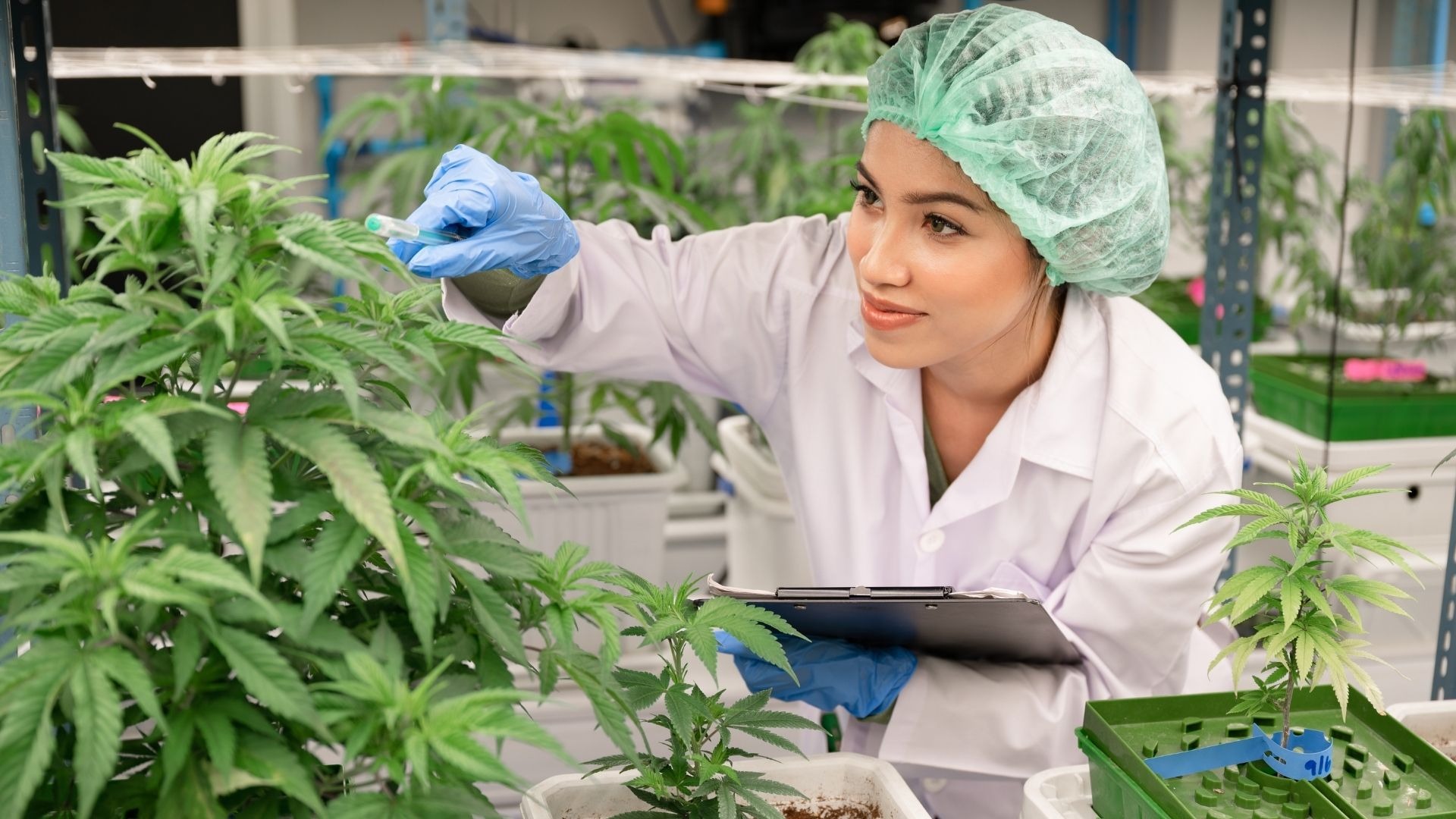
Good Agricultural Practices (GAP) are a set of standardized guidelines designed to ensure safe, consistent, and high-quality agricultural production. They focus on areas such as documentation, hygiene, traceability, and process control.
In cannabis cultivation, GAP is not federally mandated in the United States due to the industry’s regulatory structure. But its principles are increasingly adopted by commercial growers to bring discipline and consistency to operations.
Here is how GAP principles apply to cannabis cultivation:
- Process Documentation: Recording inputs, activities, and outcomes creates a clear operational history that supports audits and continuous improvement
- Traceability Across Batches: Tracking plants from propagation to harvest helps identify where issues originate and how they impact outcomes
- Standard Operating Procedures: Defining how tasks should be performed reduces variability across teams and growth cycles
- Hygiene and Contamination Control: Structured protocols help minimize risks related to pests, mold, and handling practices
- Input Management: Monitoring the use of water, nutrients, and other inputs ensures they are applied consistently and responsibly
- Accountability and Record-Keeping: Clear documentation of who performed tasks and when improves oversight and operational control
PlanaCan helps operationalize these principles by turning documentation and processes into structured, trackable workflows. It ensures that tasks are consistently executed, recorded, and aligned with cultivation plans across rooms and teams. Try PlanaCan today.
Why Do Most Cultivation Audits Fail to Deliver Results?
Most cultivation audits identify problems correctly but fail to translate those findings into measurable improvements. Without systems that connect audit findings to daily execution, the same inefficiencies reappear in subsequent cycles.
The most common reasons cultivation audits fail include:
- One-Time Evaluation Mindset: Audits are treated as isolated reviews rather than part of an ongoing operational process
- No Link Between Insight And Execution: Findings are documented but not integrated into workflows or schedules
- Fragmented Data Sources: Inputs, tasks, and outcomes are tracked separately, making it difficult to form a complete picture
- Lack of Ownership: No clear accountability for implementing and monitoring changes identified during the audit
- Delayed Feedback Loops: Issues are identified after the cycle ends, limiting the ability to correct them in real time
- Over-Reliance on Manual Tracking: Spreadsheets and notes create gaps, errors, and limited visibility across teams
- Inconsistent Adoption Across Teams: Changes are not applied uniformly, leading to continued variability
These gaps prevent audits from driving real operational change. To make audits effective, they need to be embedded into how cultivation is planned, executed, and monitored on a continuous basis.
How Can Cannabis Growers Turn Audits Into Continuous Operational Control?

Audits only create value when they become part of daily operations. You need to ensure that insights are not just identified, but consistently applied across every room, team, and growth cycle.
Table showing the shift to a continuous control approach:
Moving to continuous operational control requires a shift in how cultivation is managed day to day. You need to:
- Integrate planning, execution, and tracking into a single workflow
- Monitor task completion and resource usage in real time
- Adjust schedules and inputs based on plant response and data
- Ensure consistent execution across teams and rooms
- Create feedback loops that inform each subsequent growth cycle
To make this transition sustainable, growers need a way to connect audit insights directly to daily workflows. This is where platforms designed for cultivation operations play a critical role. By aligning planning, execution, and data in one system, it becomes possible to maintain continuous control without increasing operational complexity.
Suggested Read: Cannabis Grow Room Automation Systems: A Smart Grower’s Guide
PlanaCan Can Help You Optimize Your Cannabis Cultivation Operations

PlanaCan is a cultivation operations platform built to help cannabis growers move from reactive problem-solving to structured, data-driven control. It connects planning, execution, and performance tracking in a single system, making it easier to identify where costs leak and correct them in real time.
Here is how PlanaCan helps optimize cultivation operations and reduce cost leaks:
- Audit-Driven Task Execution: It helps automate work by converting audit insights into scheduled, assigned tasks, ensuring corrective actions are implemented consistently across cycles
- Centralized Schedule Control: It improves schedule management through an interactive calendar that aligns cultivation activities with plant stages, reducing timing gaps and resource waste
- Clear Operational Visibility: It simplifies communications by giving teams a shared system for updates and instructions, minimizing misalignment and execution errors
- Performance Tracking and Analysis: It enables analytics by linking inputs, task completion, and outcomes, allowing growers to pinpoint inefficiencies and refine operations
- Real-Time Access on the Grow Floor: It supports execution through iOS and Android apps, ensuring teams can track and update tasks directly from the cultivation environment
- Outcome-Linked Reporting: It strengthens harvest reporting by connecting operational activities to yield results, making it easier to identify and eliminate recurring cost leaks
Instead of relying on periodic reviews, growers gain ongoing visibility and control over how resources are used and how work is performed. PlanaCan is designed specifically for commercial cannabis growers who need accuracy, consistency, and scalability.
Conclusion
Without a structured audit process, cost leaks in cannabis cultivation continue unchecked. Inputs remain high, execution varies across teams, and inconsistencies compound across cycles. This erodes margins, reduces predictability, and makes it difficult to scale operations efficiently.
PlanaCan helps growers move beyond one-time audits by embedding visibility and control into daily operations. It connects audit insights directly to planning, execution, and performance tracking, ensuring inefficiencies are not just identified but consistently corrected. By reducing waste and improving alignment across teams and cycles, it supports both cost control and operational consistency.
Auditing your cultivation process is the first step, but sustaining those improvements requires the right system. Schedule a free call today.
Frequently Asked Questions
1. How often should commercial cannabis growers audit their cultivation process?
Most growers should conduct a structured audit every grow cycle, with weekly reviews of key inputs, tasks, and environmental data. Continuous monitoring ensures issues are identified and corrected before impacting yield or costs.
2. What are the 5 C’s of audit, and how do they apply to cultivation?
The 5 C’s are criteria, condition, cause, consequence, and corrective action. They help growers evaluate what should happen, what is happening, why gaps exist, and how to fix them operationally.
3. What are the 7 audit procedures in a cultivation context?
Common audit procedures include inspection, observation, inquiry, confirmation, recalculation, reperformance, and analytical review. In cultivation, these translate to checking inputs, workflows, and outcomes across grow cycles.
4. How do you start if you have never audited your cultivation process?
Start by defining objectives, selecting one grow cycle or room, and tracking key areas like inputs, task execution, and yield. The goal is to identify patterns, not audit everything at once.
5. How to audit your cultivation process without disrupting operations?
Integrate audits into daily workflows by tracking tasks, inputs, and outcomes in real time. This avoids disruptions and ensures insights are gathered continuously rather than through time-consuming manual reviews.